Find the Failure Before Setting Scope
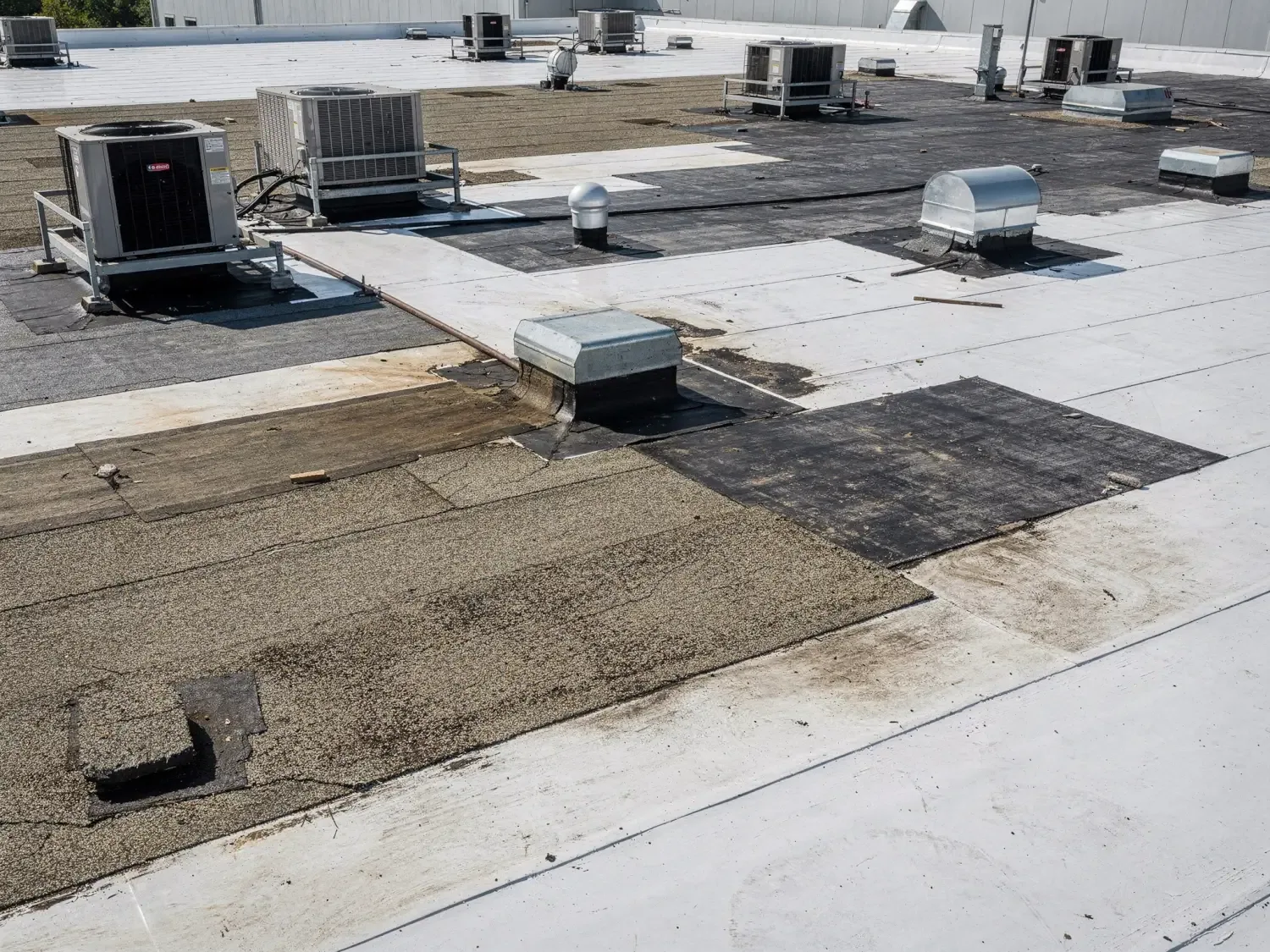
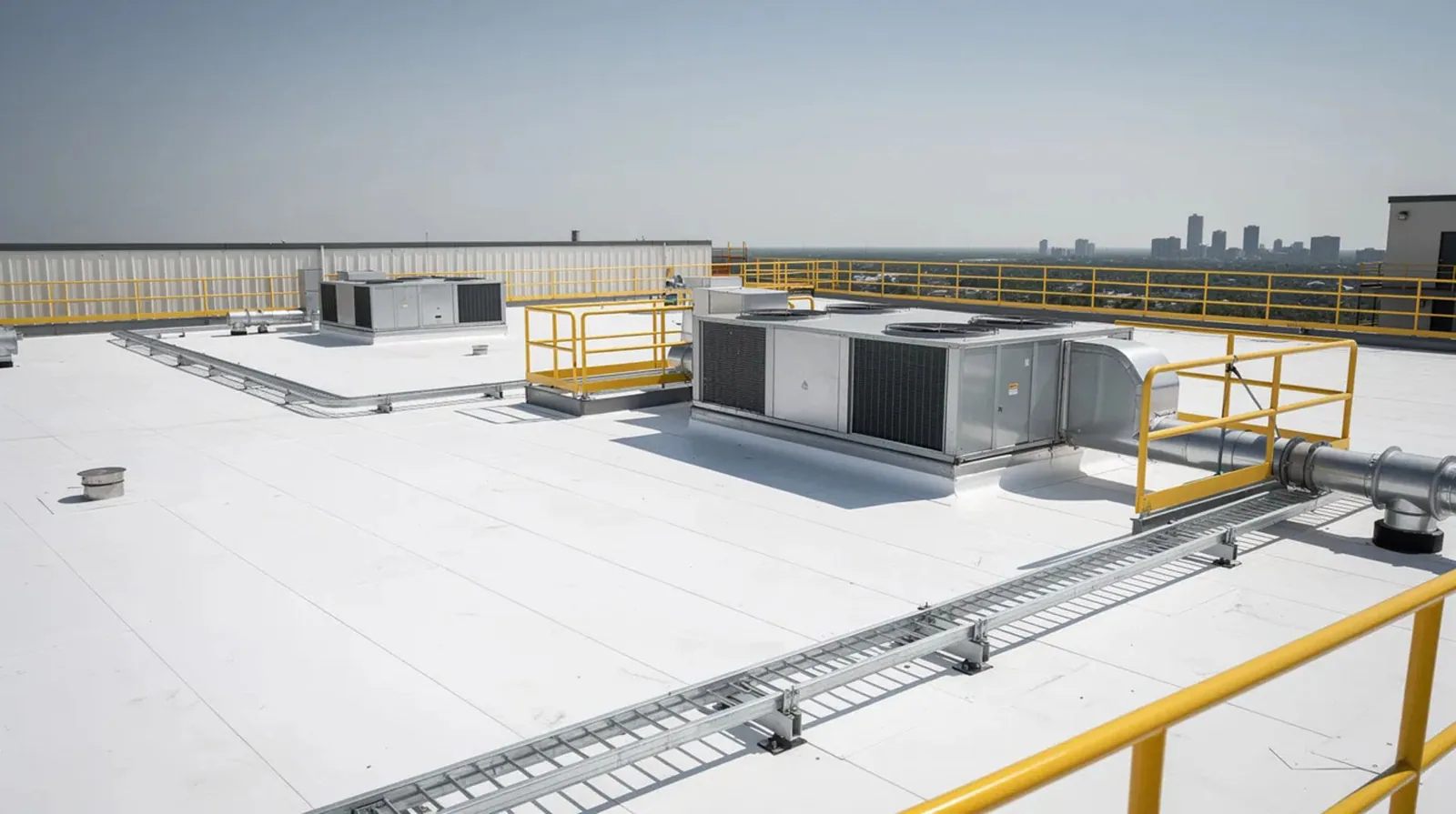
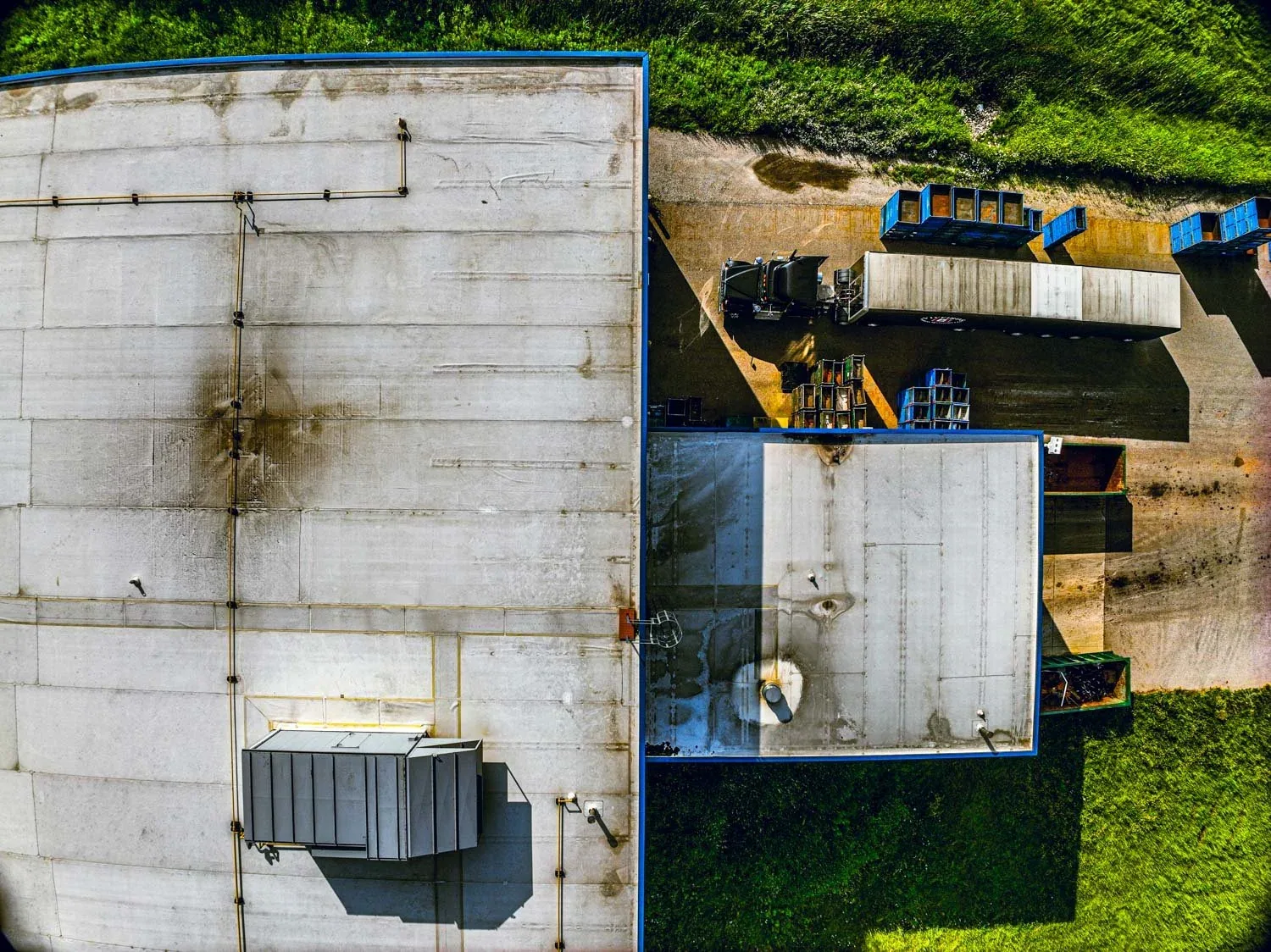
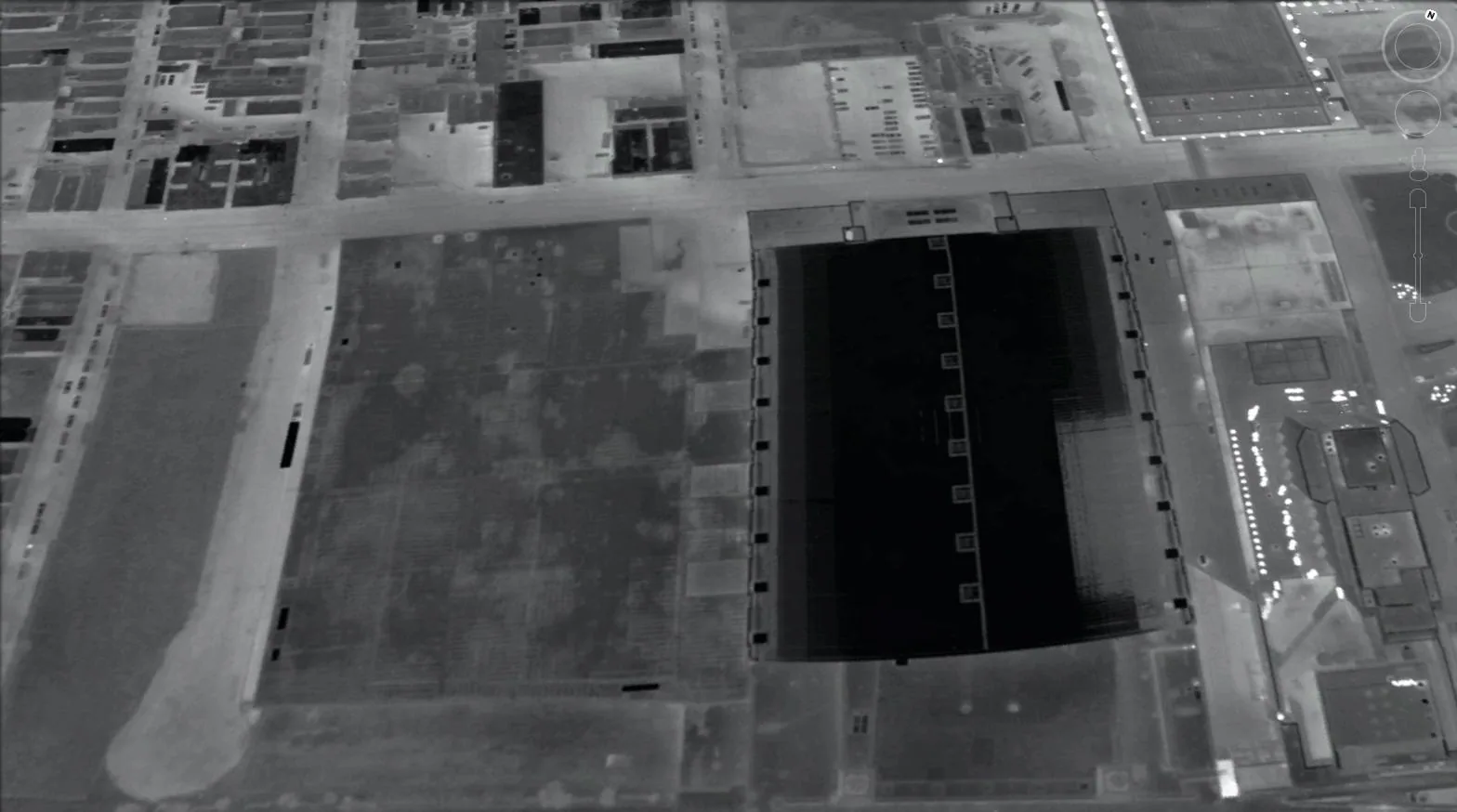
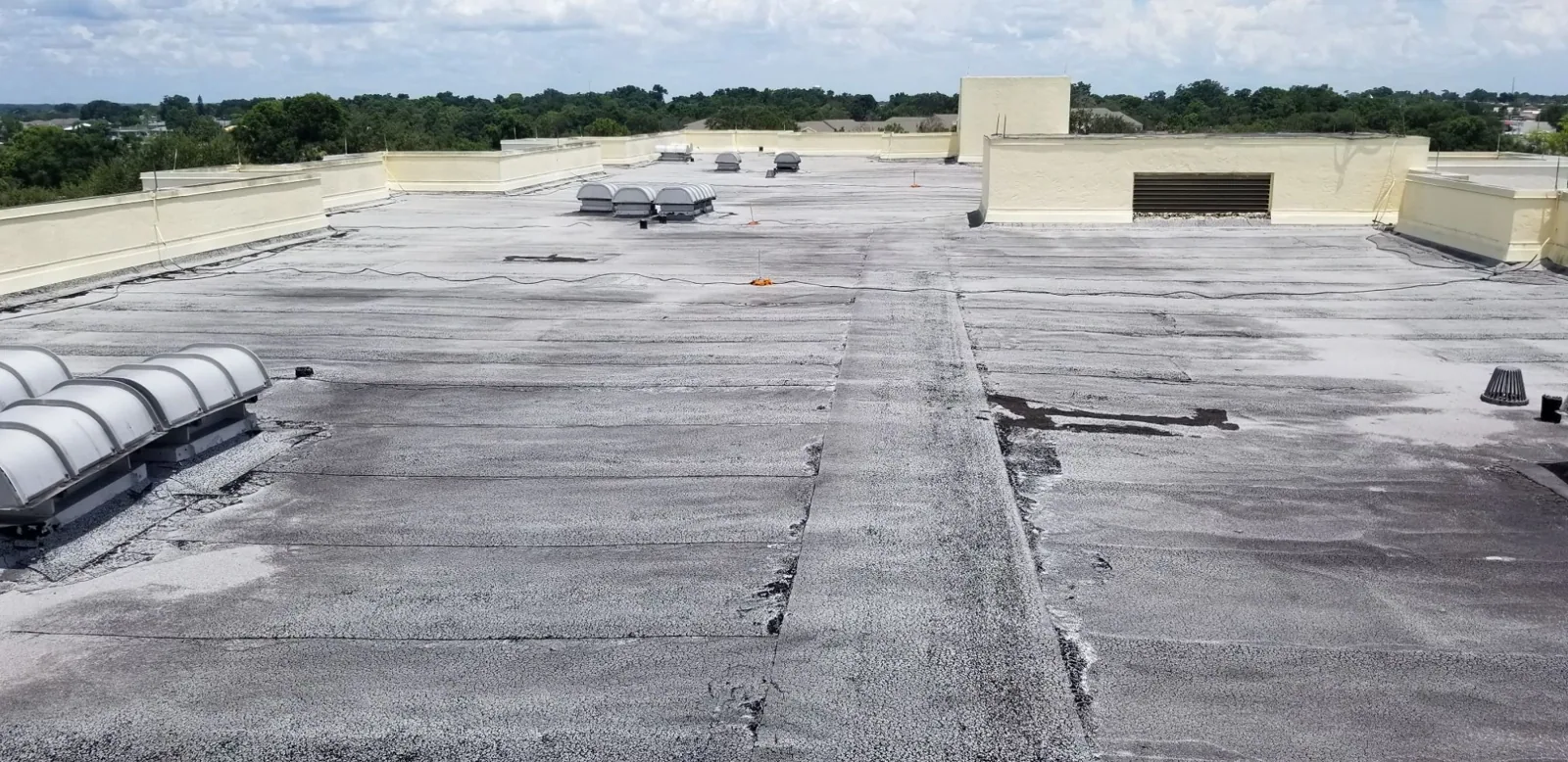
Water can travel from a curb, seam, drain, or wall transition before it appears inside. A commercial roof inspection checks the surface, penetrations, edge details, and drainage, with photographs tied to roof locations. When the visible mark does not show the full condition, an infrared moisture survey can help target test cuts. Readings are one clue; confirmation shows whether insulation or deck changes the repair boundary.
Control Water and Restore the Detail
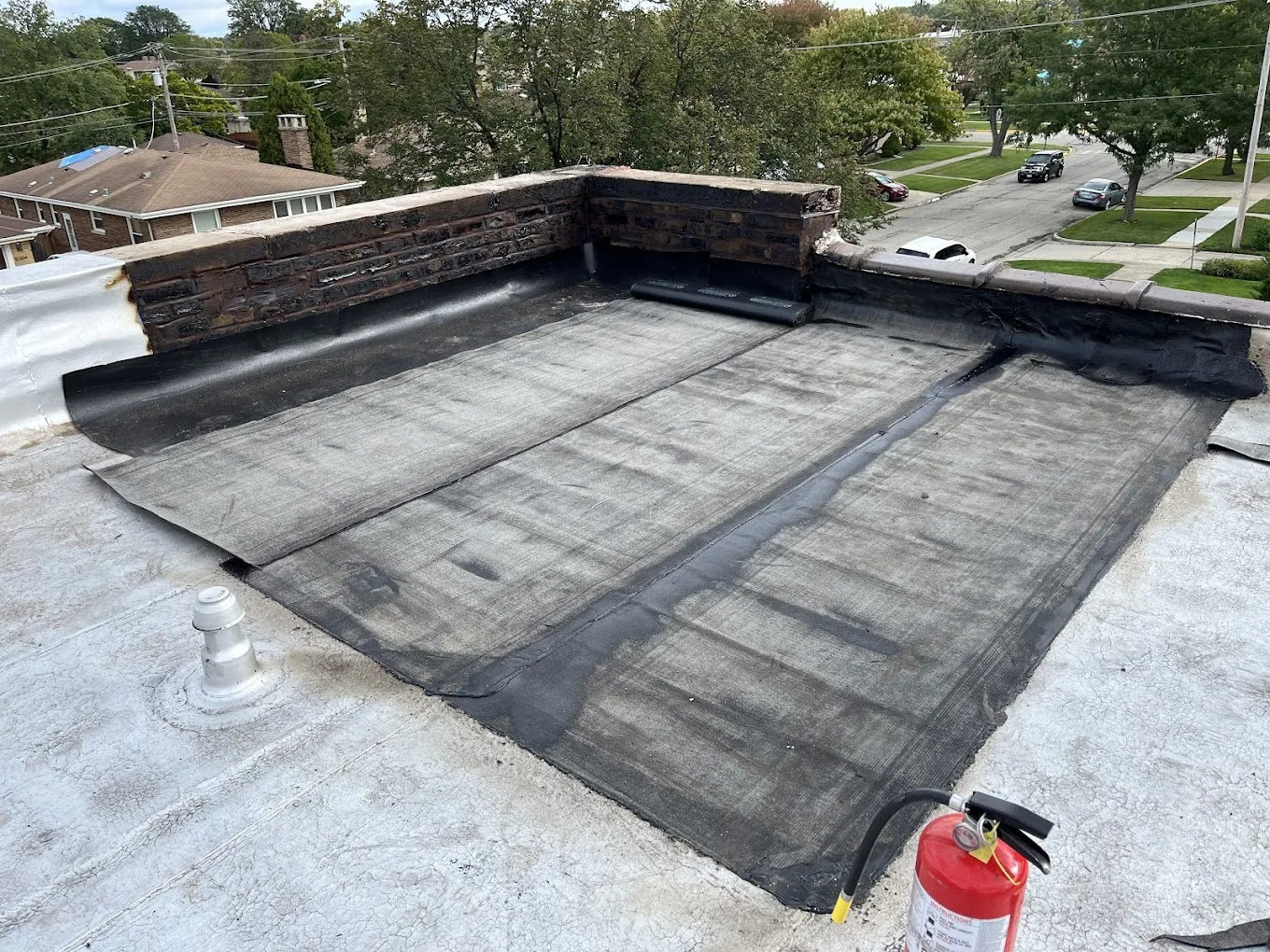
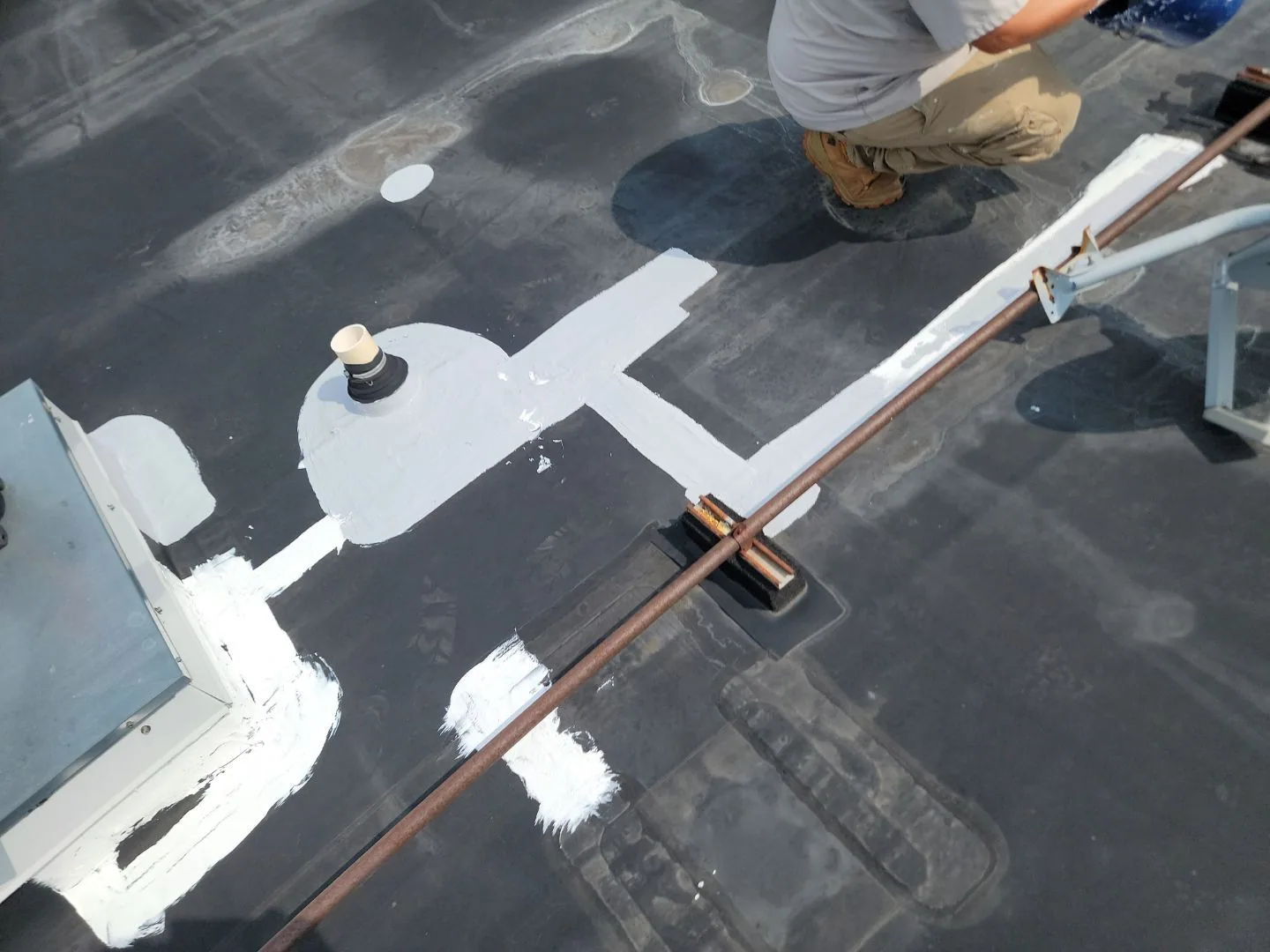
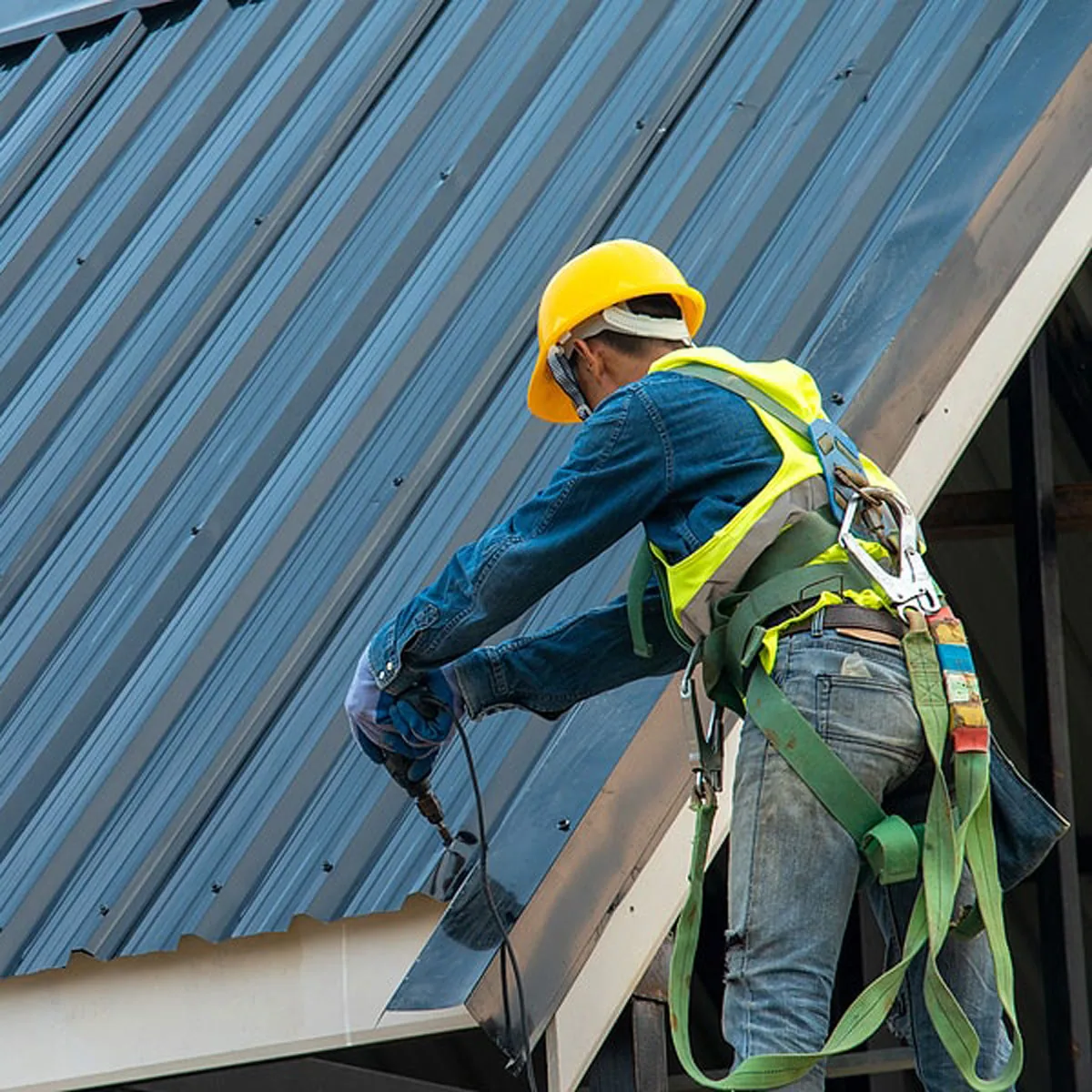
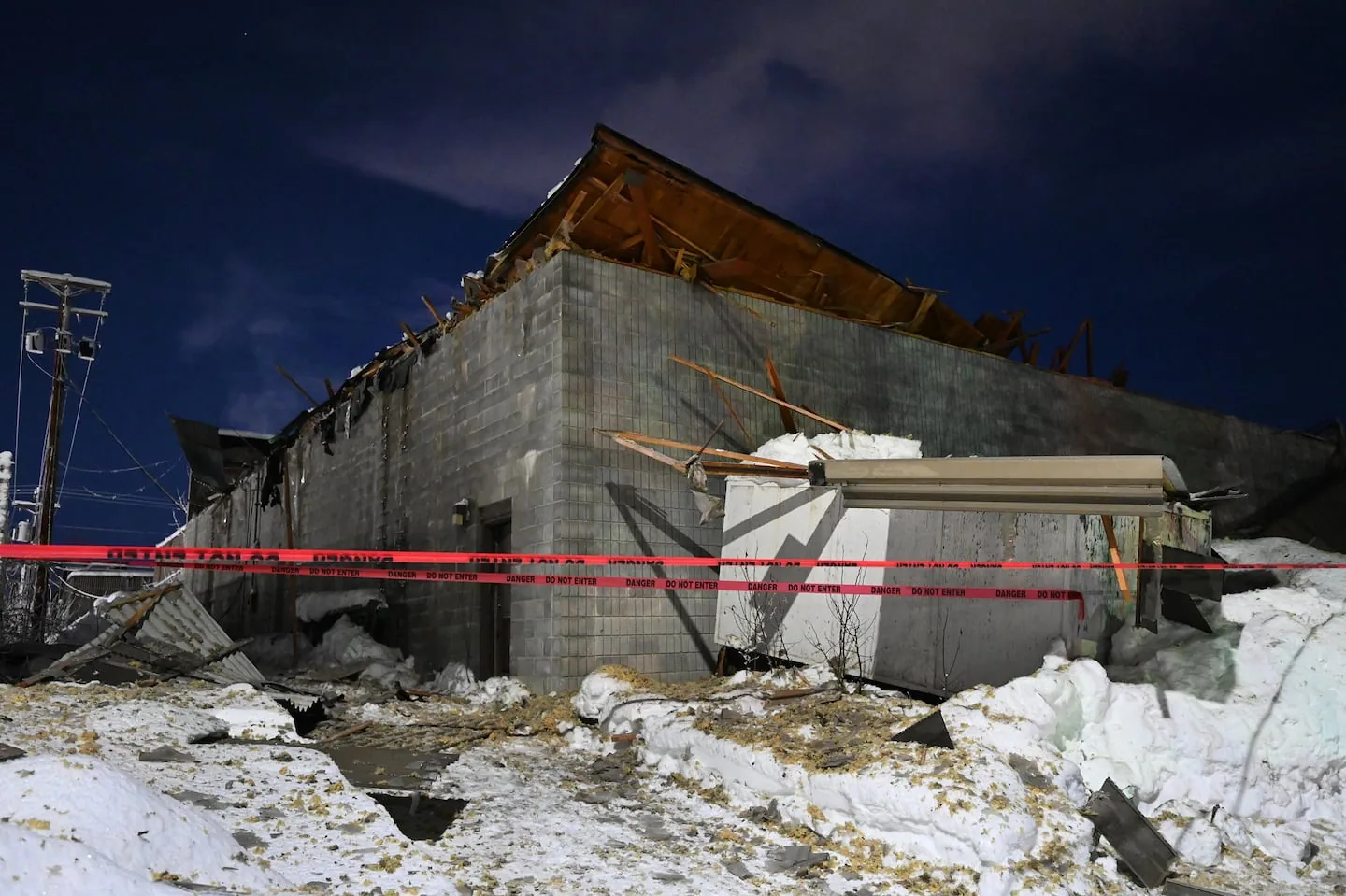
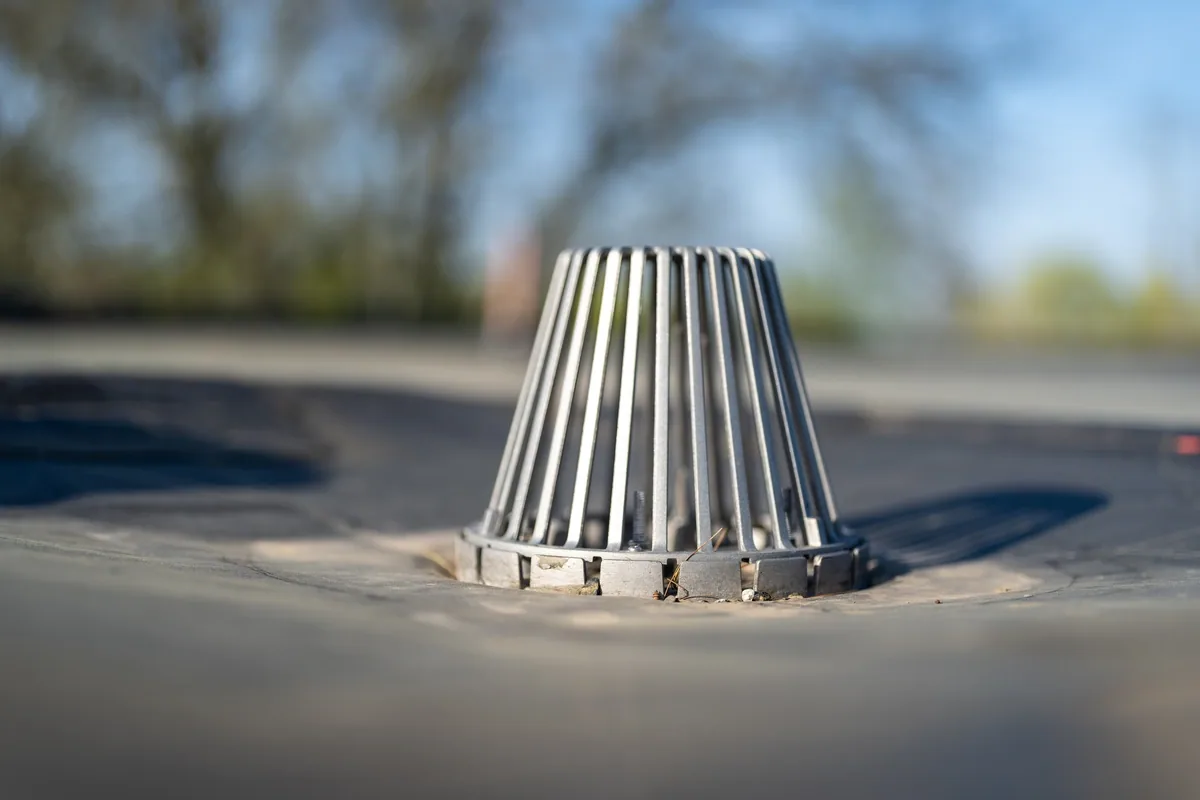
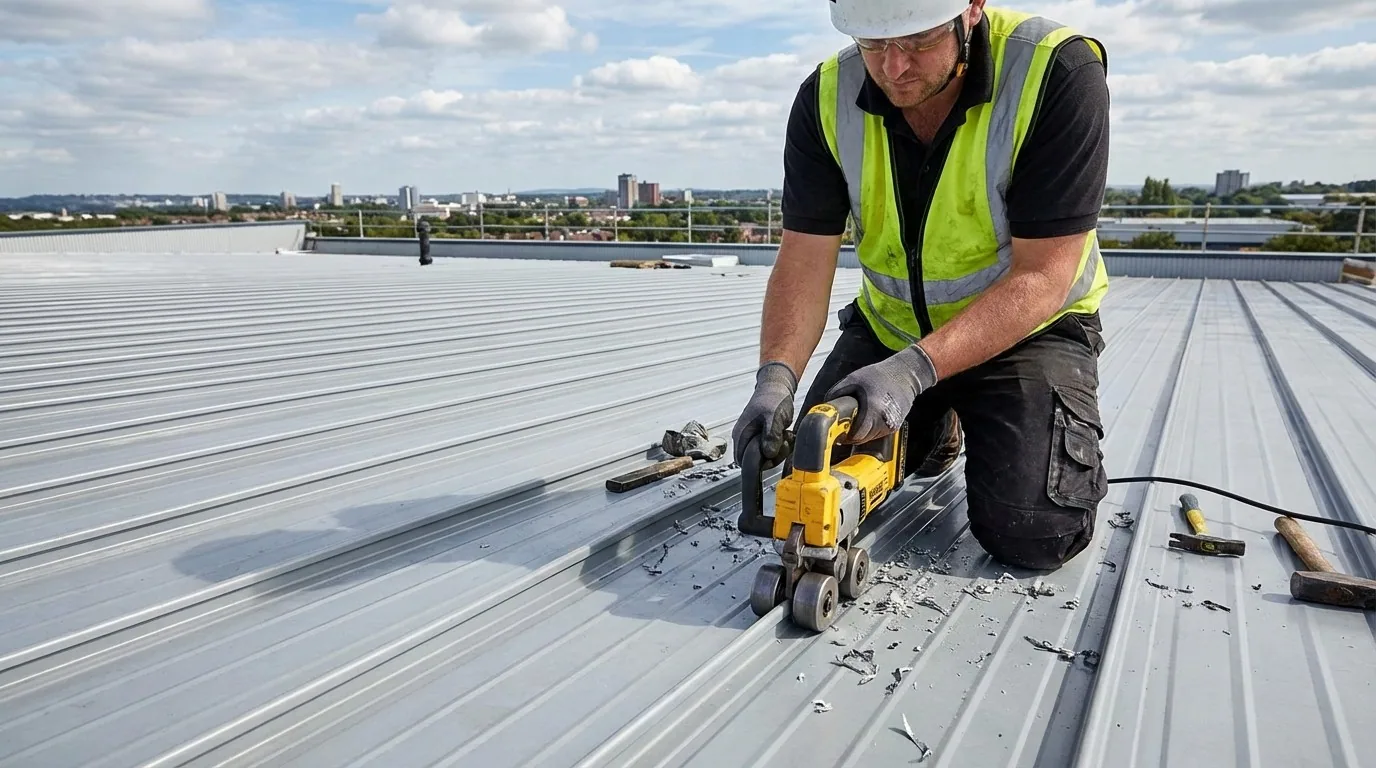
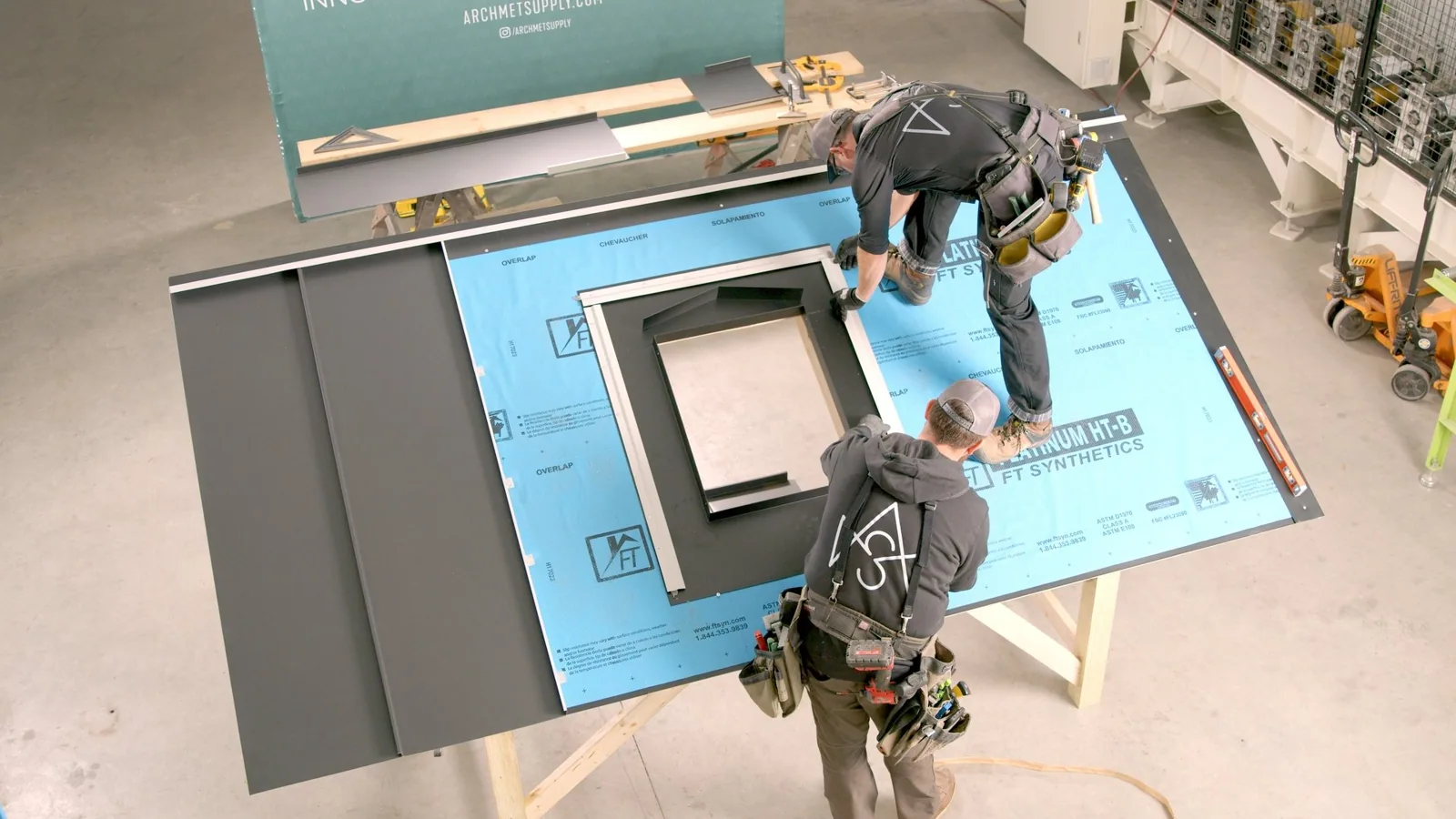
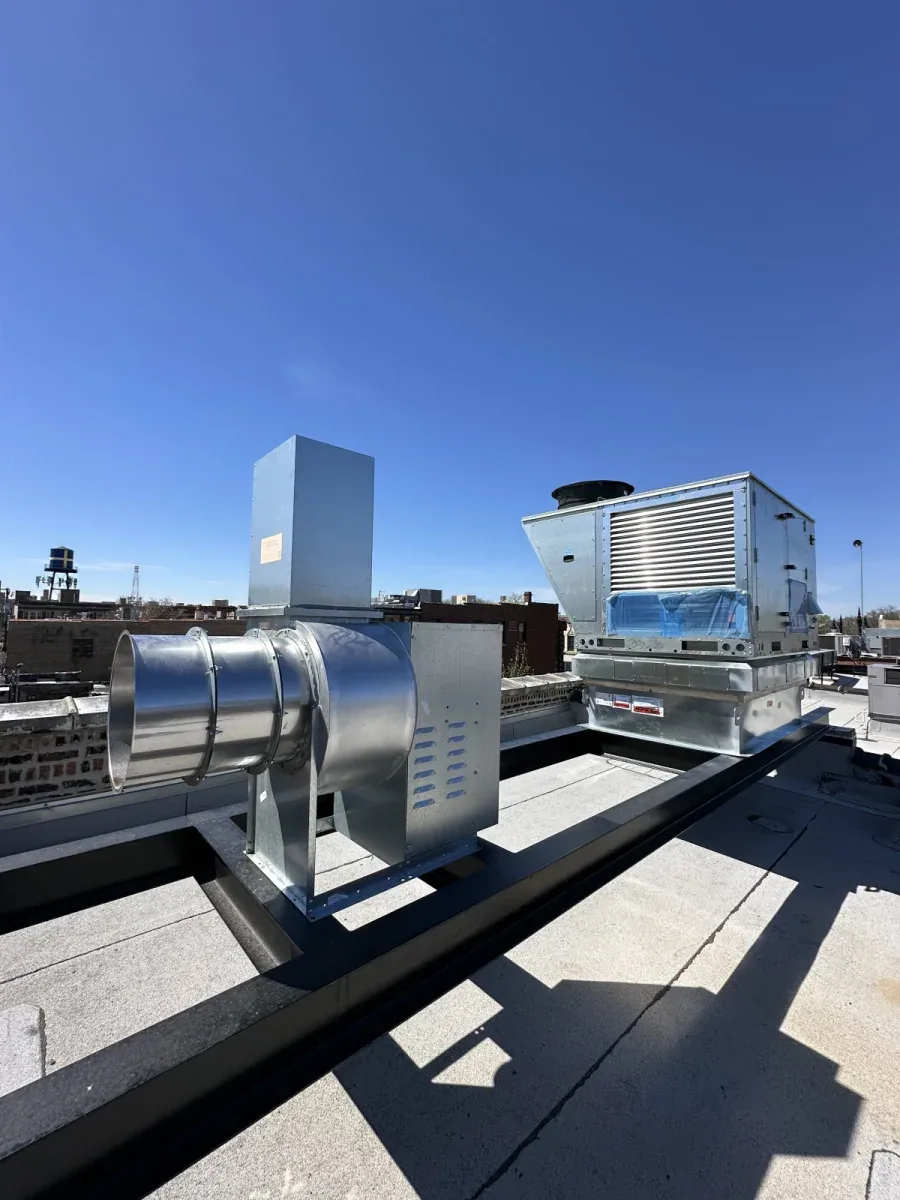
An active leak needs fast attention, but temporary protection and permanent repair are separate steps. Our emergency roof repair response is available around the clock, including holidays. We limit water entry, then inspect the roof and define durable work when conditions allow. Routine commercial roof repair can address a seam, puncture, curb flashing, drain connection, or edge detail with materials compatible with the existing assembly.
Compare Repair With Larger Work
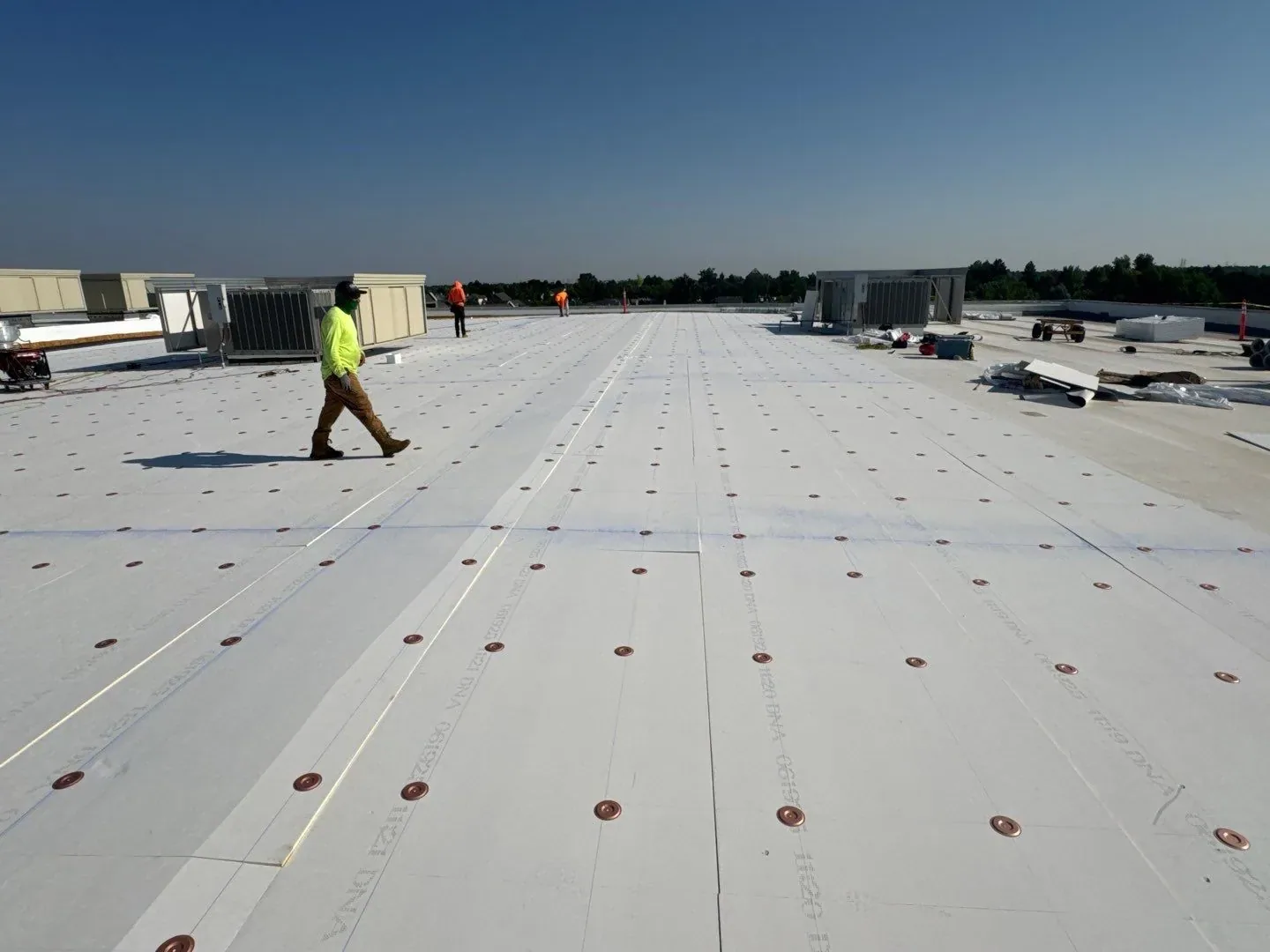
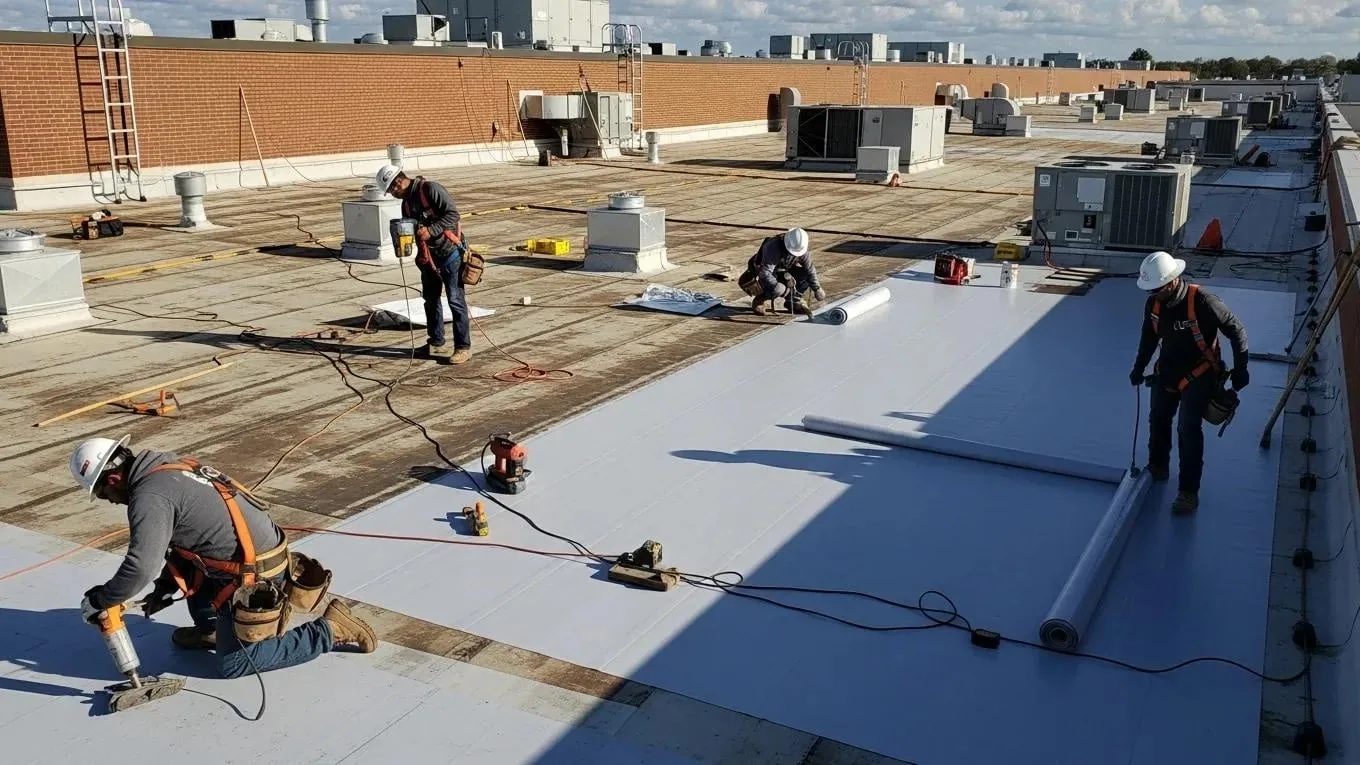
A patch can work when the surrounding membrane is stable and the repair material can bond to a clean surface. If moisture, attachment problems, or repeated failures extend beyond one area, compare a commercial roof replacement with a recover or restoration. We explain tear-off, insulation, deck condition, drainage, access, and weather windows. A recover can preserve an existing assembly only when its condition and project requirements allow it.
Track Small Changes Between Projects
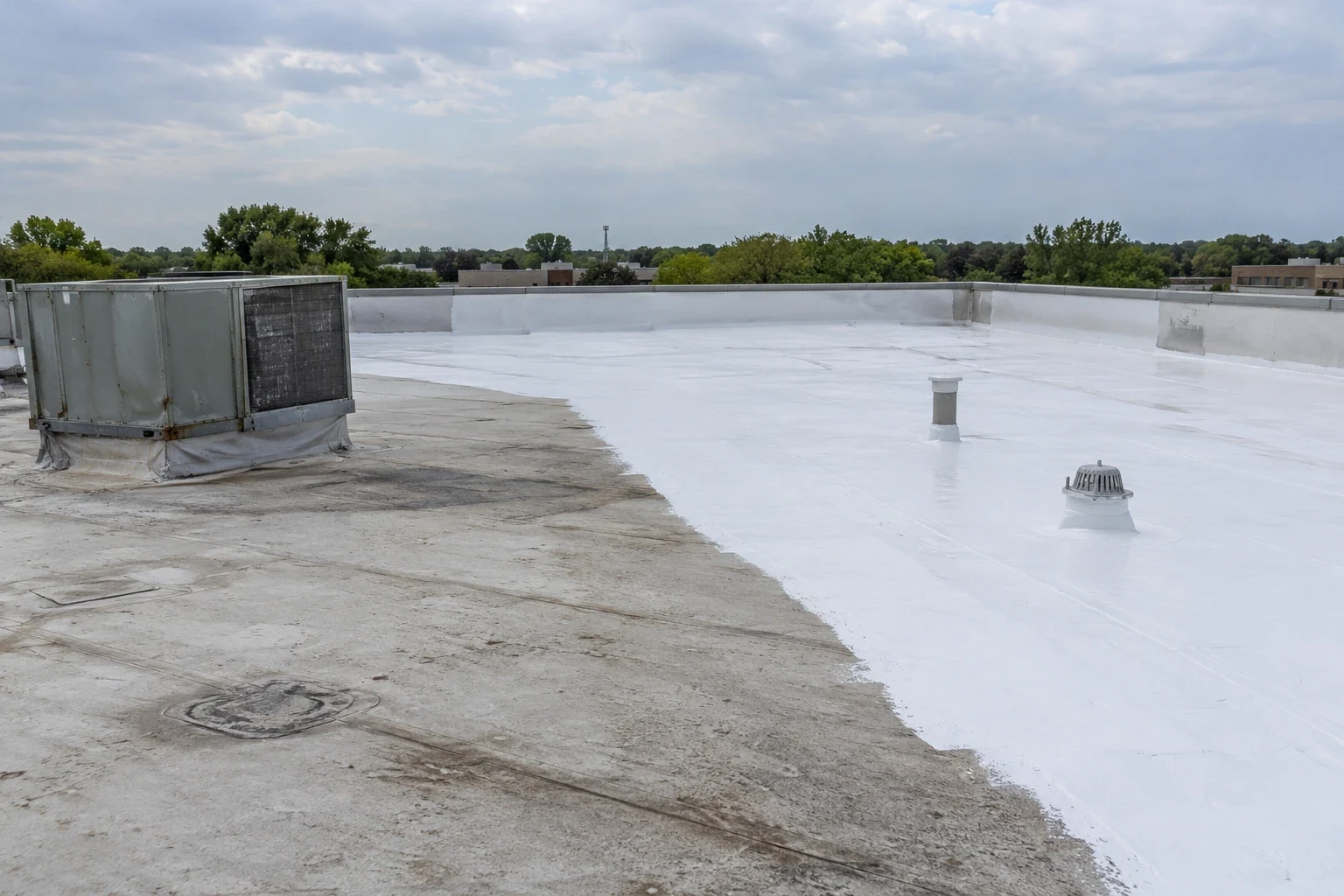
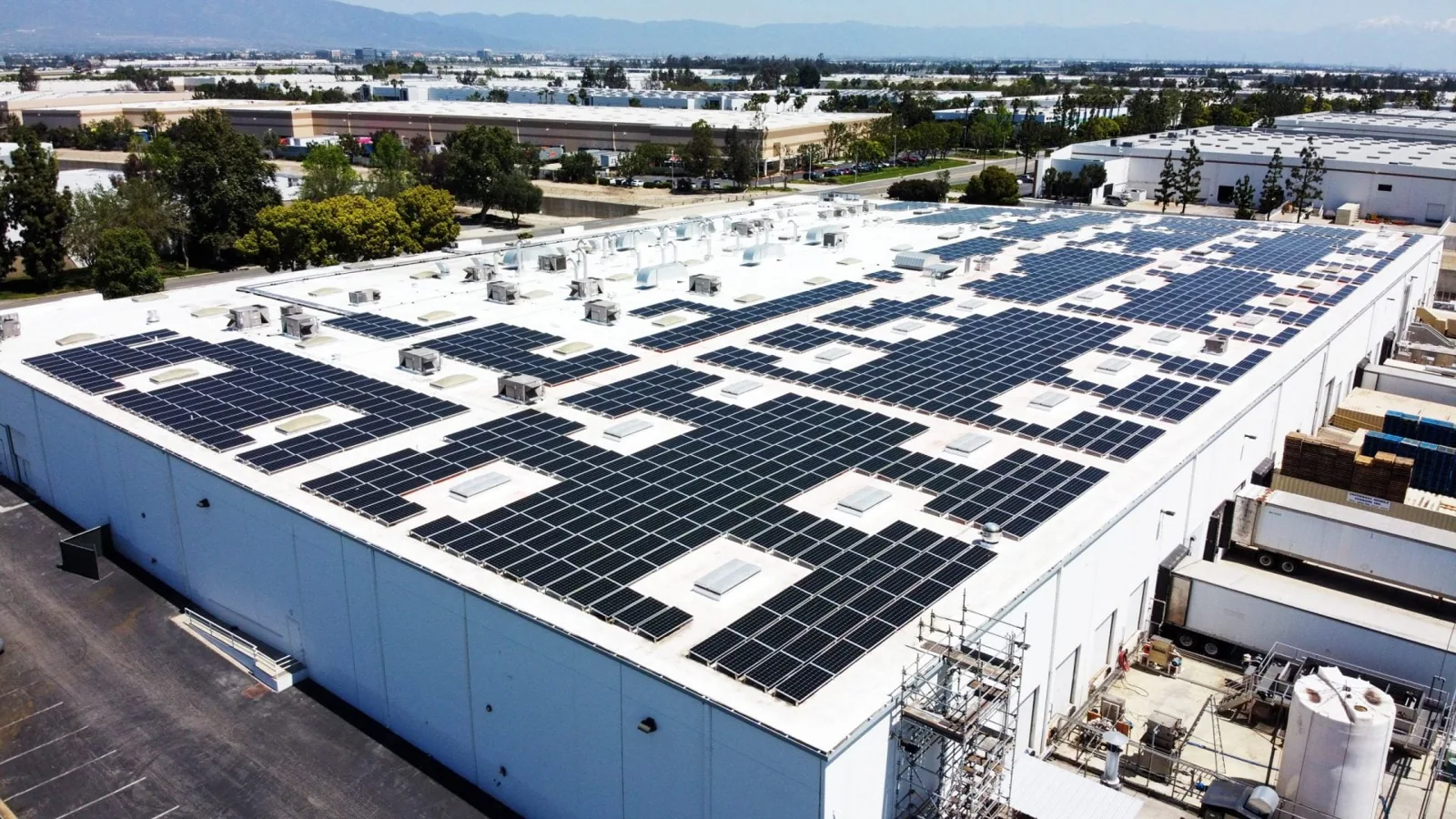
A preventive maintenance program schedules inspections, clears debris, checks drains and penetrations, and tracks recurring conditions. We note the roof area and date so a later visit can show whether a seam or flashing has changed. In North Texas, spring storms, summer heat, and winter freeze-thaw make a record more useful than a vague reminder. A roof coating restoration may suit a stable and dry assembly after the details are prepared; it cannot correct wet insulation or failed attachment.
Fit the Plan to the Property
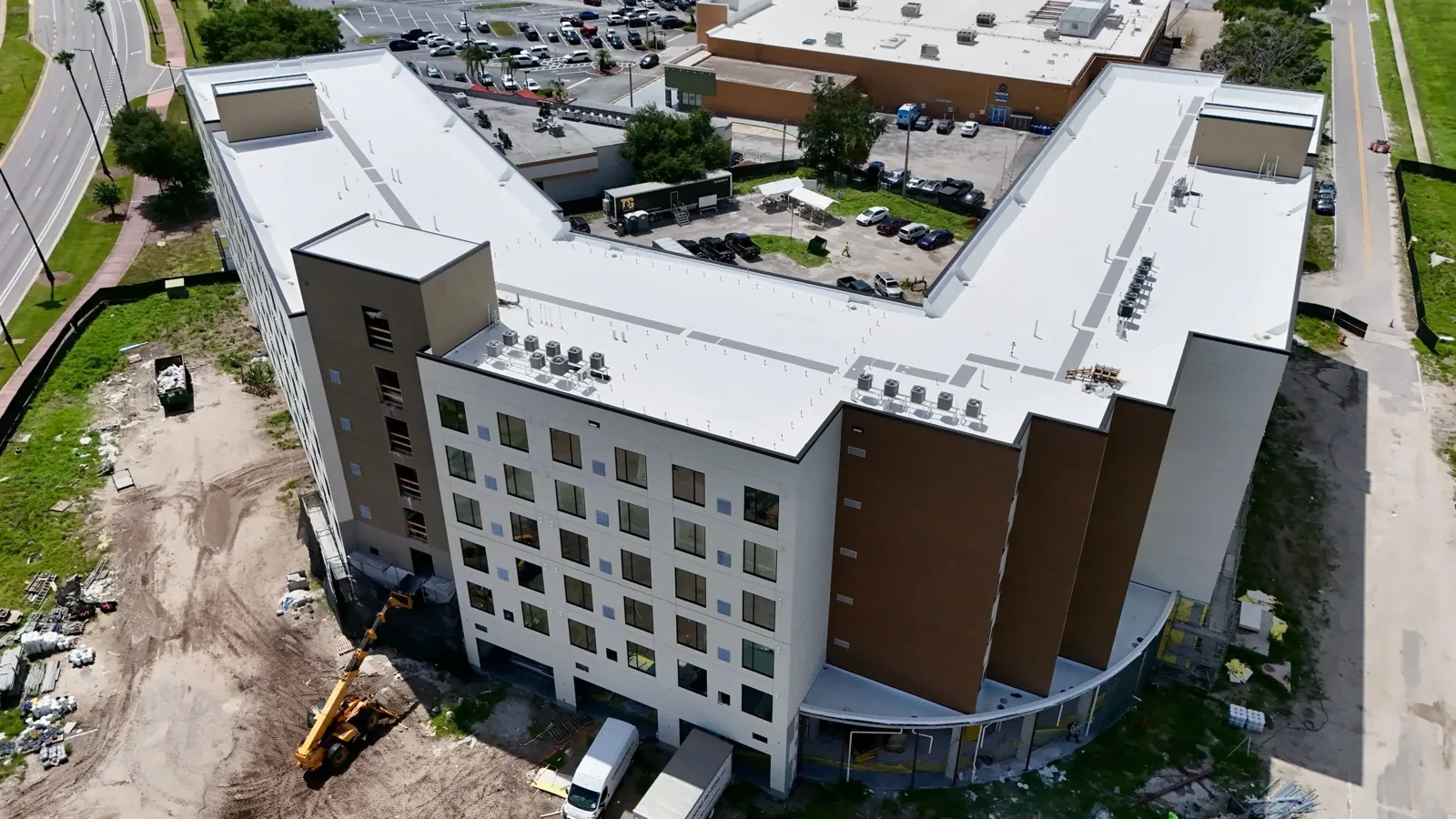
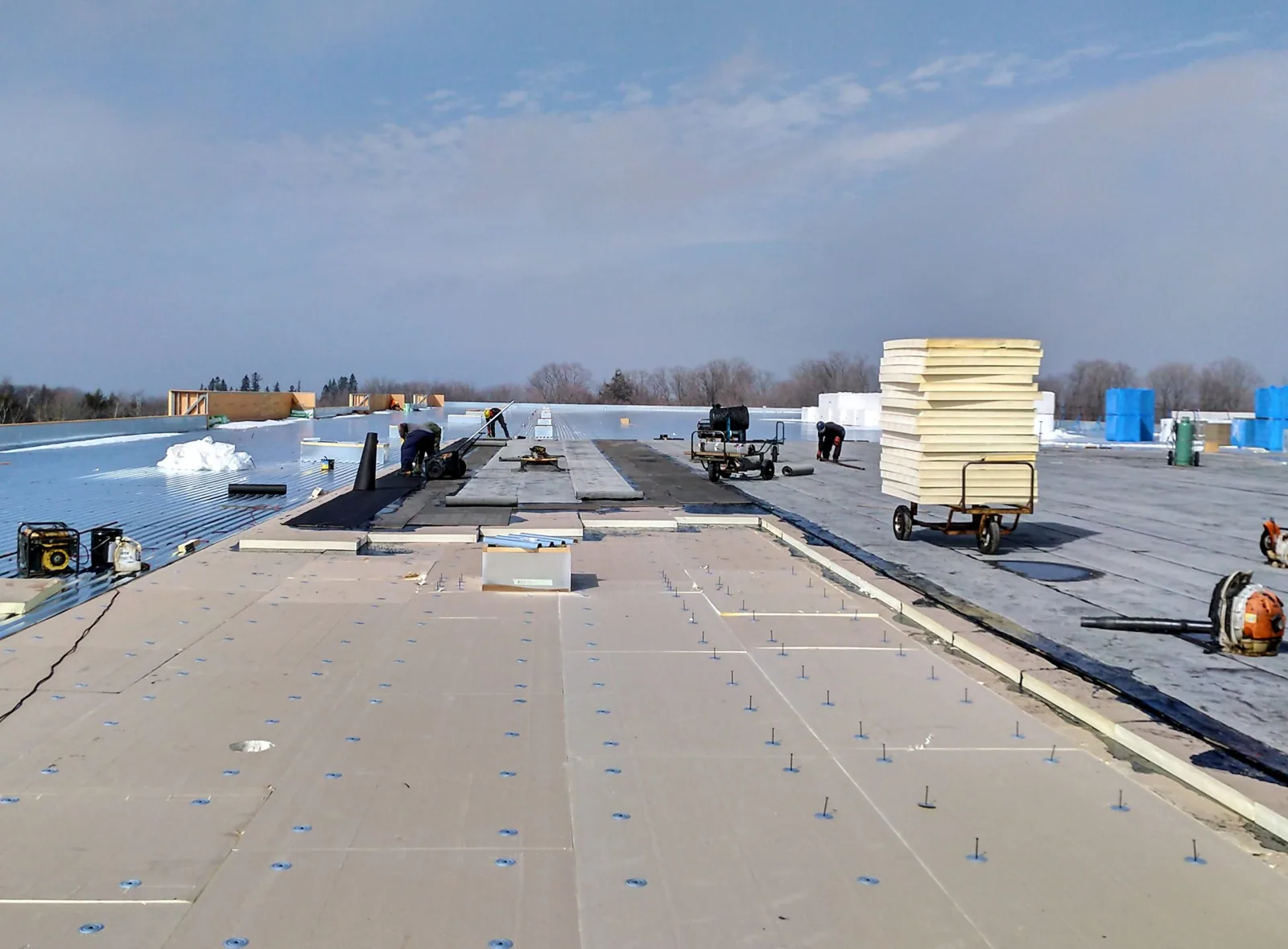
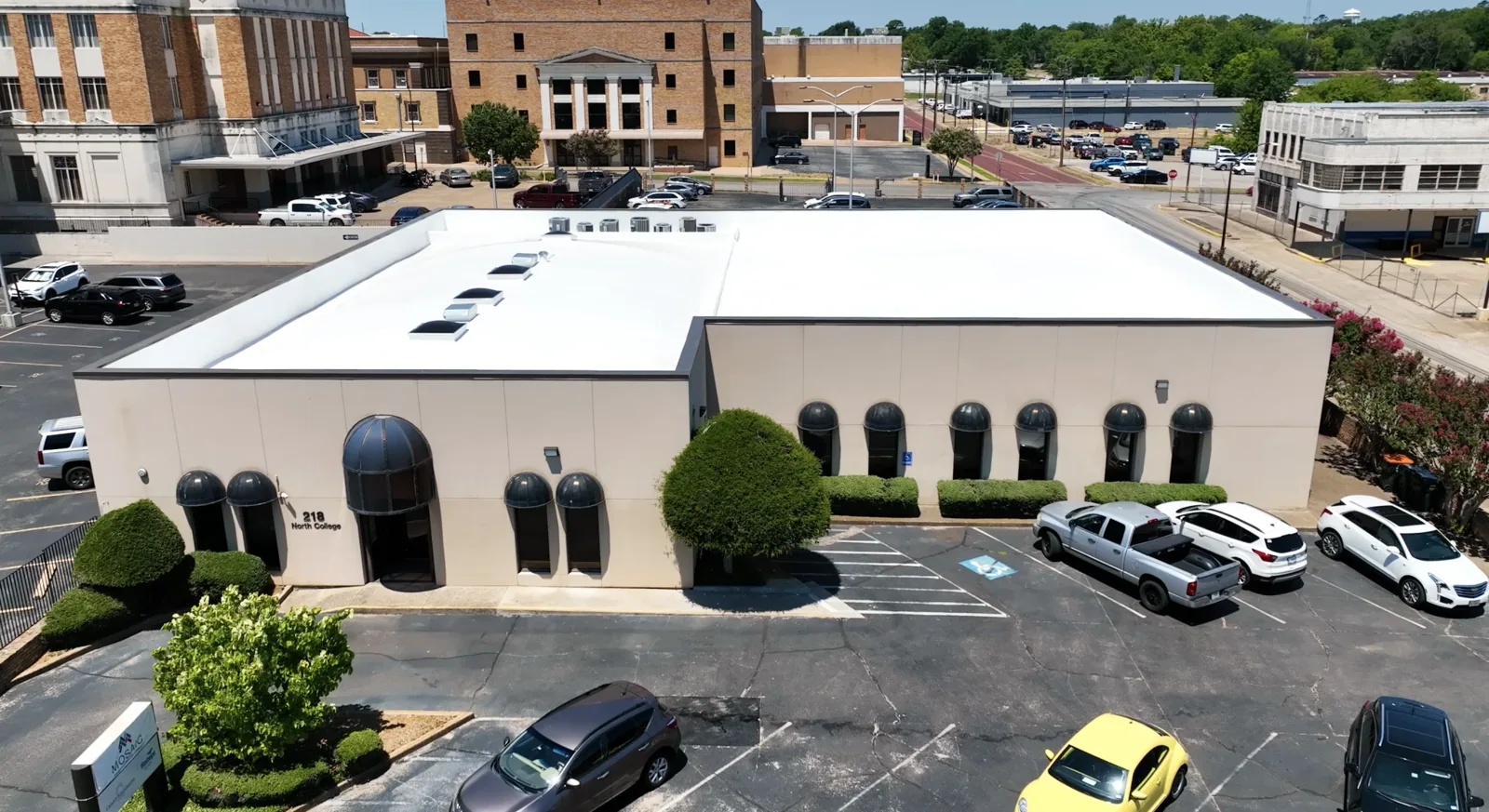
Occupied buildings need a work plan for access, loading, tenants, production, and material staging. We confirm the roof entry, work hours, protection below, and close-in steps before exposing the assembly. Frankford Trade Center and Valwood have different business contexts, and each property needs its own sequence. An occupied-building reroof sequence can divide the roof into secure sections and set daily close-in points. Share the address, leak location, access rules, and tenant or delivery limits, and we will document the next step.
Commercial Roofing Questions
How do you decide whether a leak needs emergency service?
Active water entry, interior protection, and safety determine the first response. We work to limit exposure, document the roof condition, and define permanent repairs once the surface can be inspected safely.
What does the first commercial roof inspection put in writing?
We check the roof system, seams, penetrations, drainage, edge details, and prior repairs. Marked photographs and written notes identify the location, condition, and recommended next step.
Can you repair a roof without replacing it?
A localized repair can work when the surrounding assembly is stable and the tie-in can be made to sound material. Wet insulation, repeated failures, or broad attachment problems may call for a larger project.
When should a property consider restoration?
Restoration may fit a stable, sufficiently dry assembly with compatible surfaces and details that can be prepared. We first check moisture, seams, drains, and flashings so coating does not cover a condition that needs repair.