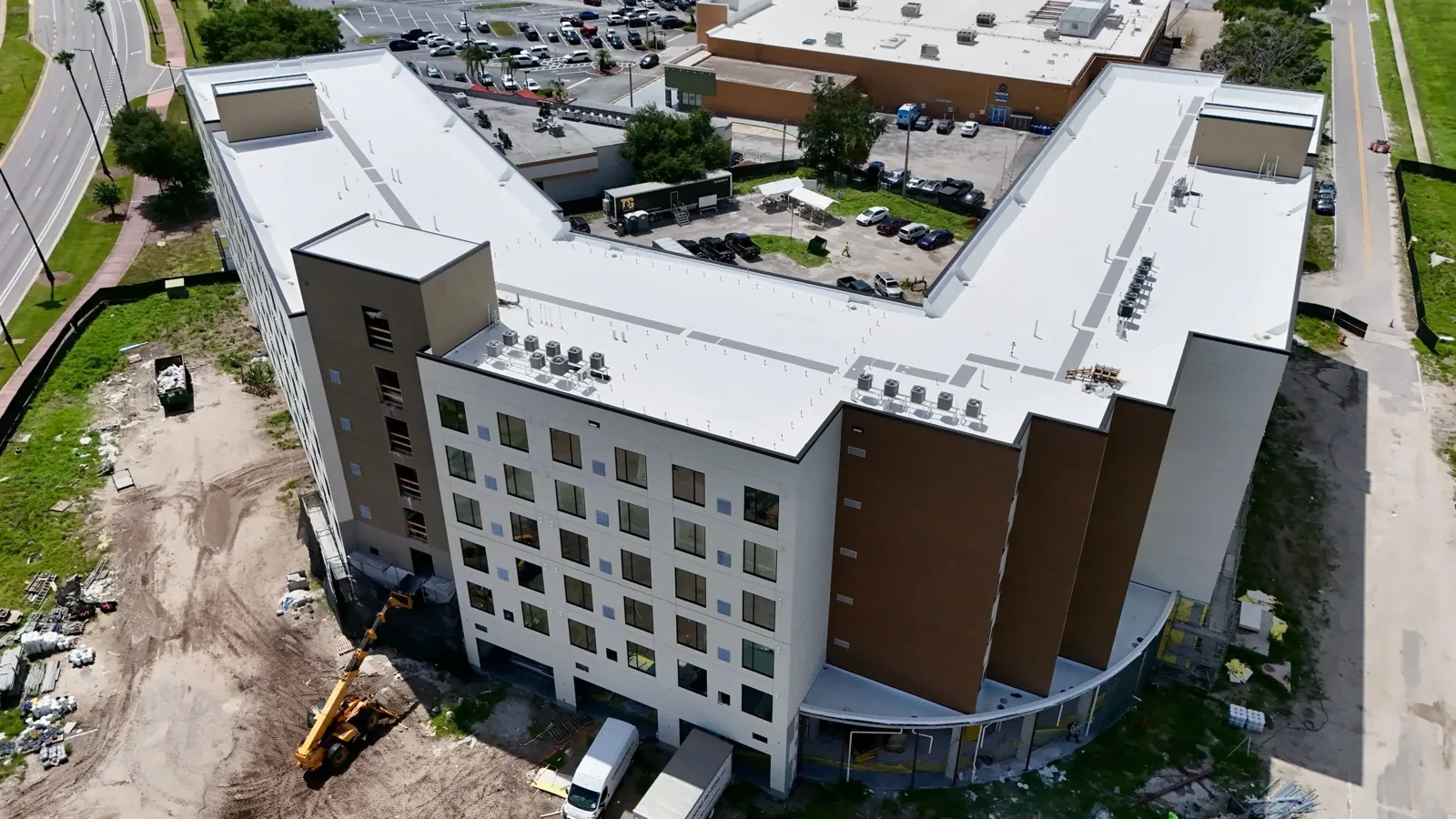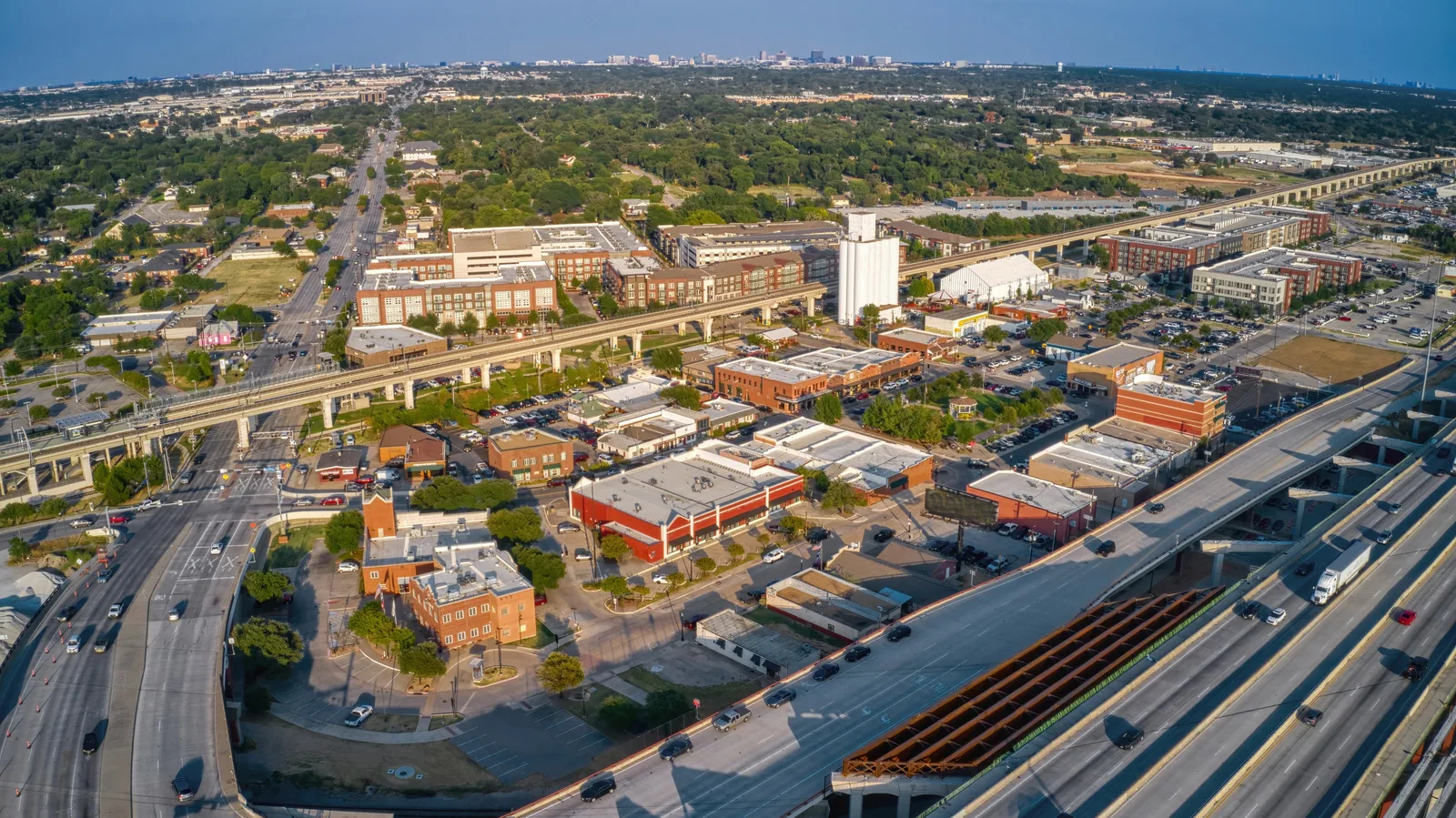
A ring of silt around a drain bowl shows where water slows down. We clear the outlet, inspect the membrane at the bowl, and follow the roof plane toward the drain before calling the problem solved. A blocked strainer and a low area can leave similar puddles, but they need different work. Carrollton's spring downpours make a reliable path to the outlet important on low-slope roofs. At Trinity Mills Industrial Park, a roof walk can cover multiple drainage areas before a manager decides whether clearing, repair, or slope correction is needed. We mark each outlet and record whether the surrounding roof drains as intended.
We inspect the drain bowl, strainer, clamping ring, leader, and membrane connection. Debris can block the opening, but corrosion, a loose ring, a separated membrane, or a damaged outlet can also slow discharge or let water into the assembly. We remove debris where safe and accessible, then check that water can move through the outlet. If the line beyond the bowl is blocked, a roof-level repair alone may not restore flow.
Scuppers need the same attention at the wall opening and through the visible outlet. We check for leaves, sediment, corrosion, loose metal, and membrane or flashing gaps at the perimeter. An overflow scupper can reduce the consequences of a blocked primary drain when it is present and set at the intended height. We document the opening and the surrounding wall detail. A coping and gutter inspection can address connected perimeter drainage components when the issue extends beyond the roof bowl.
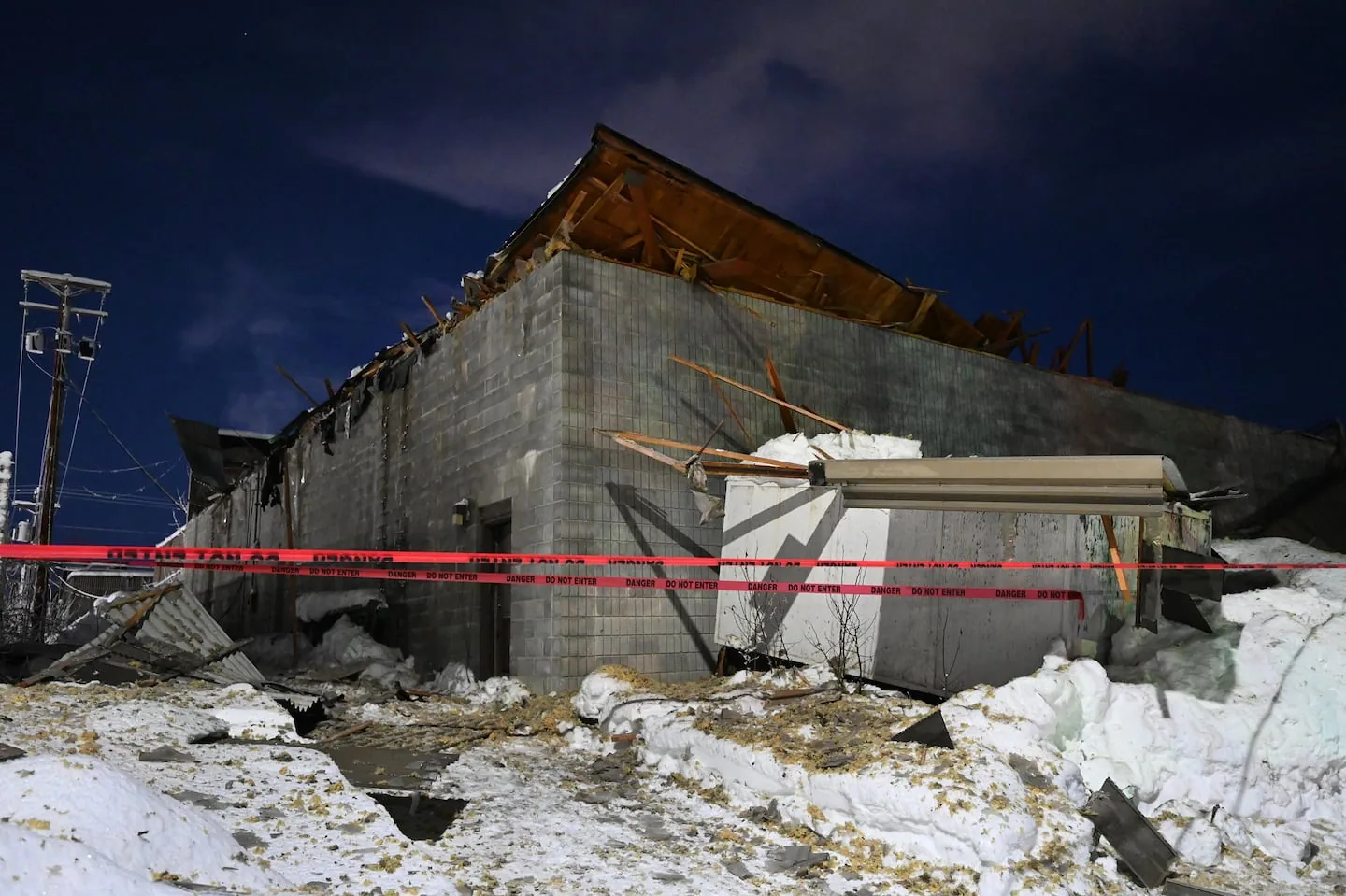
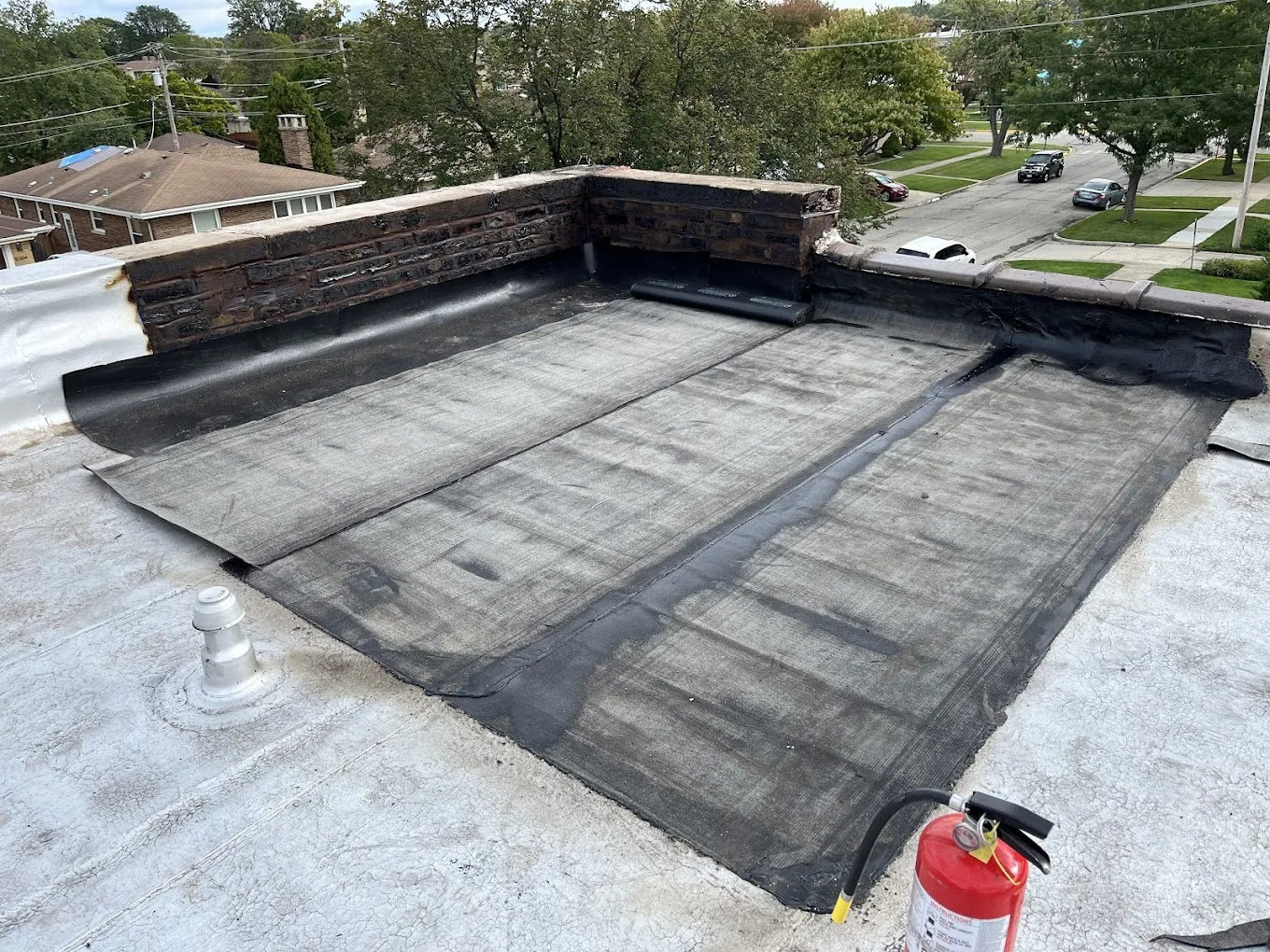
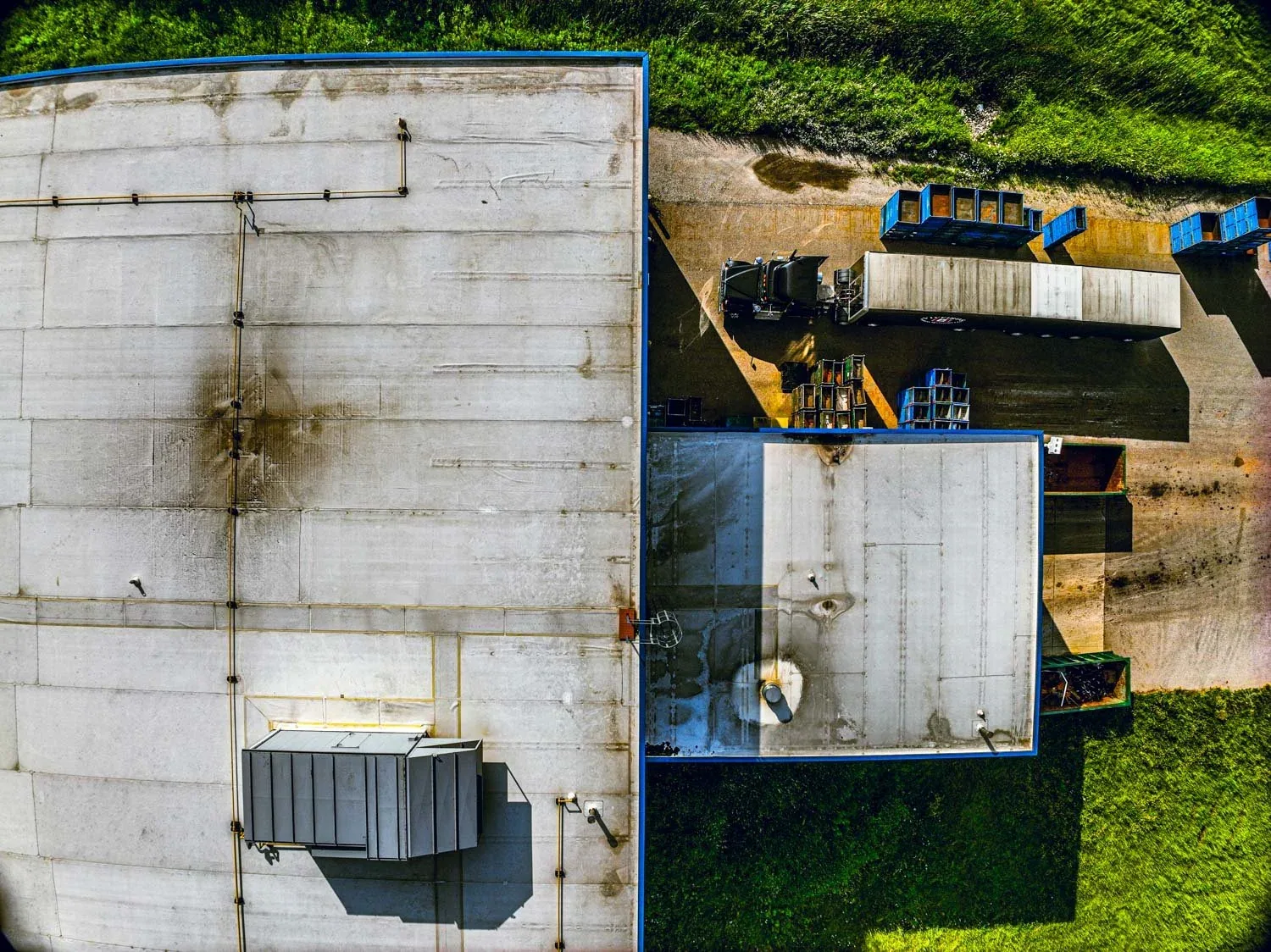
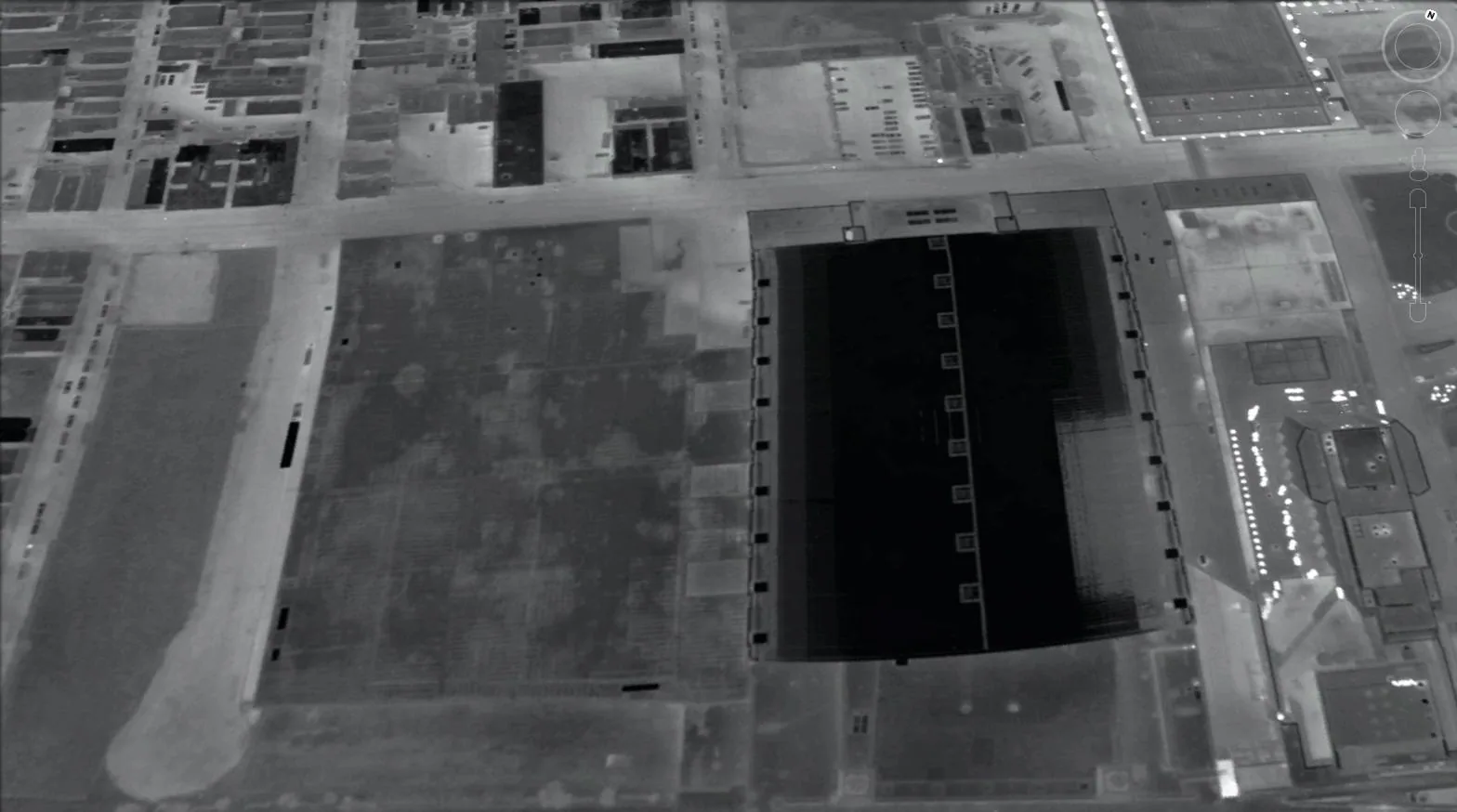
Once the outlet is clear, we look at how the roof surface directs water toward it. A ponding area may come from compressed insulation, a deck deflection, an original low point, or a drain set too high. We map the standing water and note its depth or boundary when conditions allow. The roof should not be reshaped based on one wet-day view. We return after drainage has had time to work and compare the wet area with the plan and nearby roof details.
Where a slope correction is appropriate, tapered insulation or crickets can direct water toward the drain or scupper. The layout needs to work with curbs, walls, expansion joints, and equipment supports. At a property in International Business Park, access to each roof section may differ, so we map where water is collecting before specifying a taper. If the existing roof is being replaced, the drainage plan can be included with the new assembly rather than added as an afterthought.
The drain is a roof detail, not a separate pipe in the middle of the field. We inspect membrane attachment around the bowl, flange condition, clamping ring, and any patch edge. If the membrane has pulled away, we prepare the surface and restore the connection with material compatible with the roof system. A bead of sealant on top of a loose ring can conceal the path without securing the membrane. For a scupper, the repair may involve the throat, flashing, metal liner, and adjacent wall termination.
We also check for debris that can return with routine foot traffic or nearby work. If rooftop equipment service has left fasteners, packaging, or cut material near an outlet, we record the condition and clean the path where safe. A photo before and after shows whether the bowl and connection were addressed. Our commercial roof repair can restore a damaged drain detail, while a larger collection of wet areas may need a roof inspection to check the entire assembly.
Drainage work can range from debris removal to a new bowl, scupper repair, tapered insulation, or broader roof replacement. We separate those options in the scope. If the outlet is clear and the roof plane directs water correctly, maintenance may be enough. If water remains because a low area traps it, the slope needs evaluation. If the membrane is separated at the bowl, we repair the connection. If insulation or deck has become wet, those layers need assessment before the roof is closed.
For a roof recover, added height can leave drains recessed or reduce flashing height. We check drain extensions, rings, curb height, and scupper openings before specifying the assembly. A recover evaluation should include that transition work. If widespread wet insulation or failing deck is present, a replacement plan can incorporate drainage improvements while the roof is open. The proposed scope identifies outlets, slope areas, materials, and any plumbing work that is outside the roofing portion.
Roof drains can be covered by materials during construction or blocked by tools, debris, or temporary protection. We identify which outlets must remain open while work proceeds and protect them without trapping water. Where a drain must be temporarily covered for a repair, the crew confirms an alternate water path and removes the cover when the detail is closed. The close-in check confirms each outlet is clear and the membrane connection is secure.
Carrollton's distribution and manufacturing properties may have receiving schedules and equipment areas that constrain roof access. At Valwood Industrial Park, we can plan a route around active loading while reaching each drain and scupper. Share the roof plan, interior leak locations, and any restricted zones before we arrive. We will photograph the outlets, mark standing-water areas, and identify what should be cleaned, repaired, or evaluated for slope. That record gives the next maintenance visit a clear baseline.
We clear the accessible outlet, check the bowl and leader condition, then compare the water boundary with the roof plane after drainage has had time to work. If water remains after flow is restored, the slope or insulation may need evaluation.
Yes. Added assembly height can recess an existing bowl or leave its ring below the new surface. We review drain extensions, curb height, scupper openings, and membrane connections as part of a recover scope.
An overflow scupper can provide a secondary path for water if the primary drain becomes restricted, when the roof design includes one. We inspect its opening, height, flashing, and outlet so the secondary path remains clear.
A coating can protect a prepared roof surface, but it does not redirect water. We check the drain, outlet, slope, and low area first. A slope correction may require tapered insulation or another assembly adjustment.
The work plan should preserve a safe path for water. If an outlet must be temporarily covered, we identify another route and remove the cover when the repair closes. The final walk checks the bowl and membrane connection.
RELATED WORK
CALL US
Leaks, storm damage, a failing membrane or a replacement on the calendar: tell us what is happening on the roof and we will set up a visit.
Commercial Roofing Services
Share a roof plan, standing-water locations, and roof access limits. We will inspect bowls, scuppers, and slope paths, then separate cleaning, repairs, and drainage corrections in the scope.
Call 555-555-5555 or request a roof assessment online.