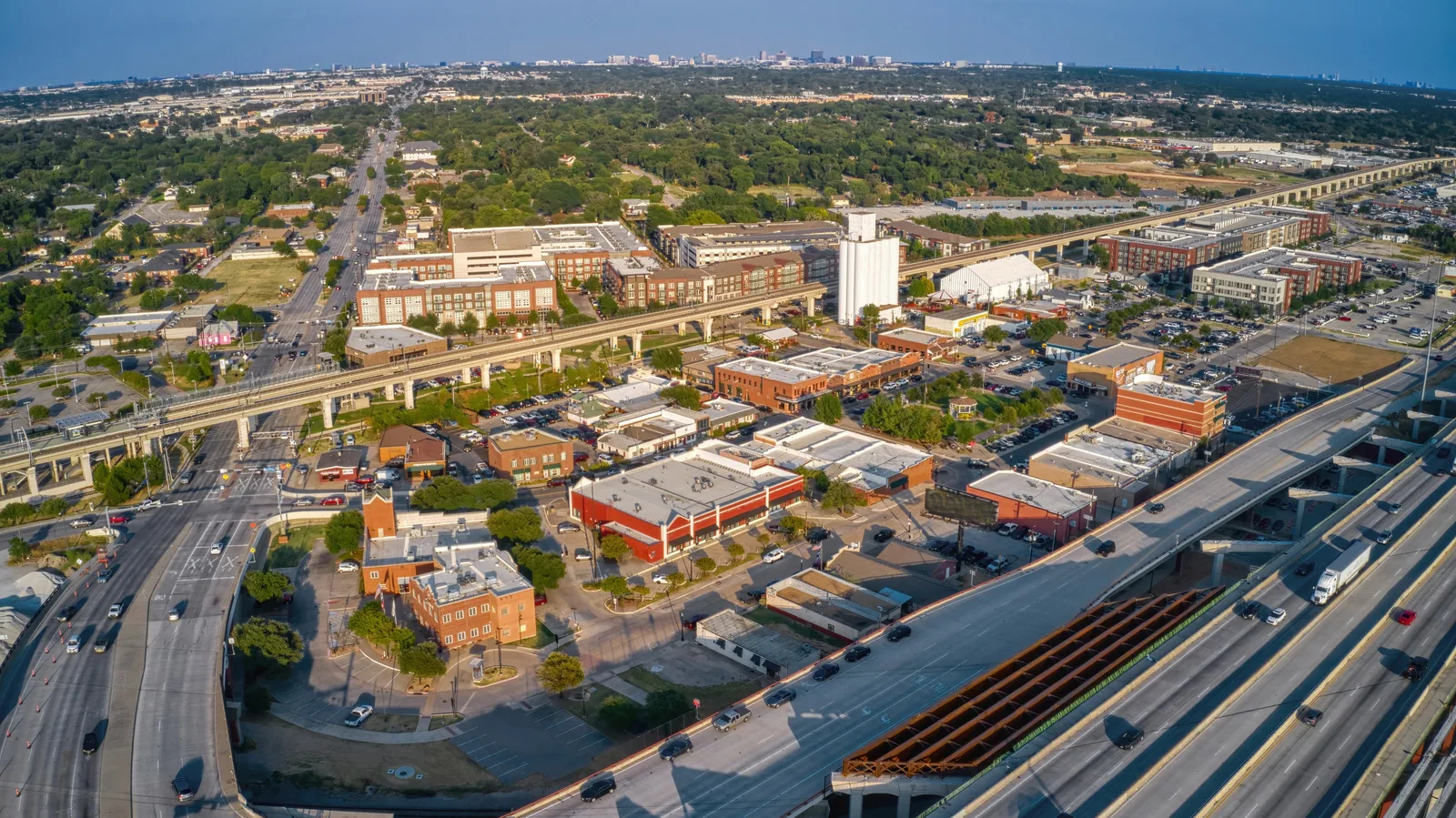
A strip of edge metal lifted by wind can leave the membrane below it exposed. After a storm, we photograph the detail before handling loose material, then check the fasteners, seam, and roof field beside it. The Dallas-Fort Worth region sees hail, damaging wind, and tornadoes, with severe weather often concentrated in spring. That history guides the inspection route; it does not confirm damage at one address. In Carrollton, we record what the roof shows, where water could enter, and what needs temporary protection. On a property at Belt Line Industrial Corridor, production or delivery schedules may still be active, so access and staging are part of the repair plan.
Start with the safest view. From inside, note where water appears, which rooms or equipment are affected, and when the leak began. Keep people clear of sagging ceilings, wet electrical areas, and any roof section that could be unstable. Do not send staff onto a wet or wind-damaged roof to collect evidence. We can inspect the roof when weather and access conditions allow, while the building contact protects the affected area below.
On the roof, we make location-based photographs of loose trim, punctures, open seams, displaced accessories, hail marks, and debris. We distinguish fresh changes from older wear where the roof provides evidence. A map reference, date, and view direction make each photo usable later. If water is entering, our emergency roof response can limit exposure while the permanent repair is planned. Temporary dry-in and completed repair are recorded separately.
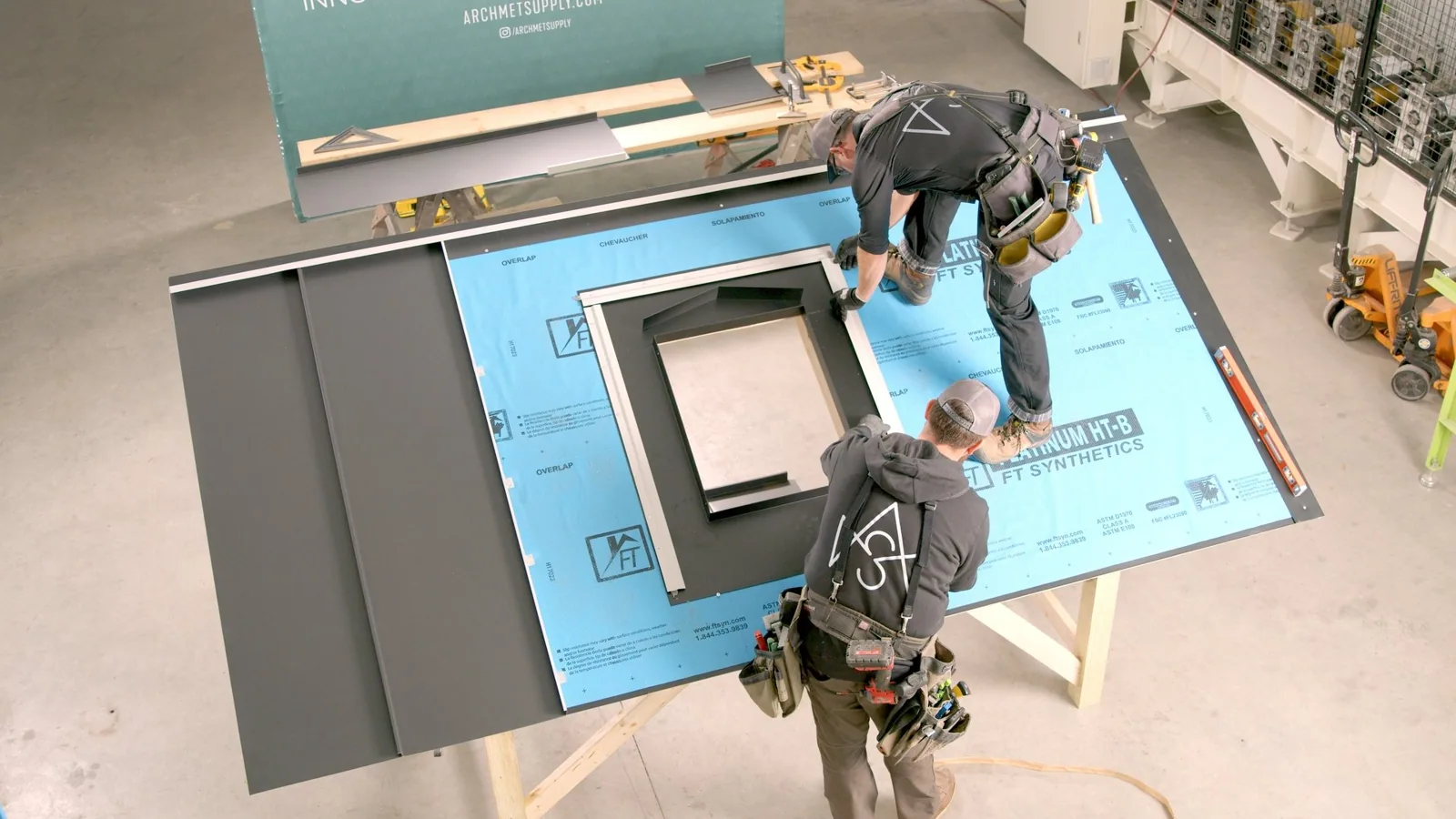
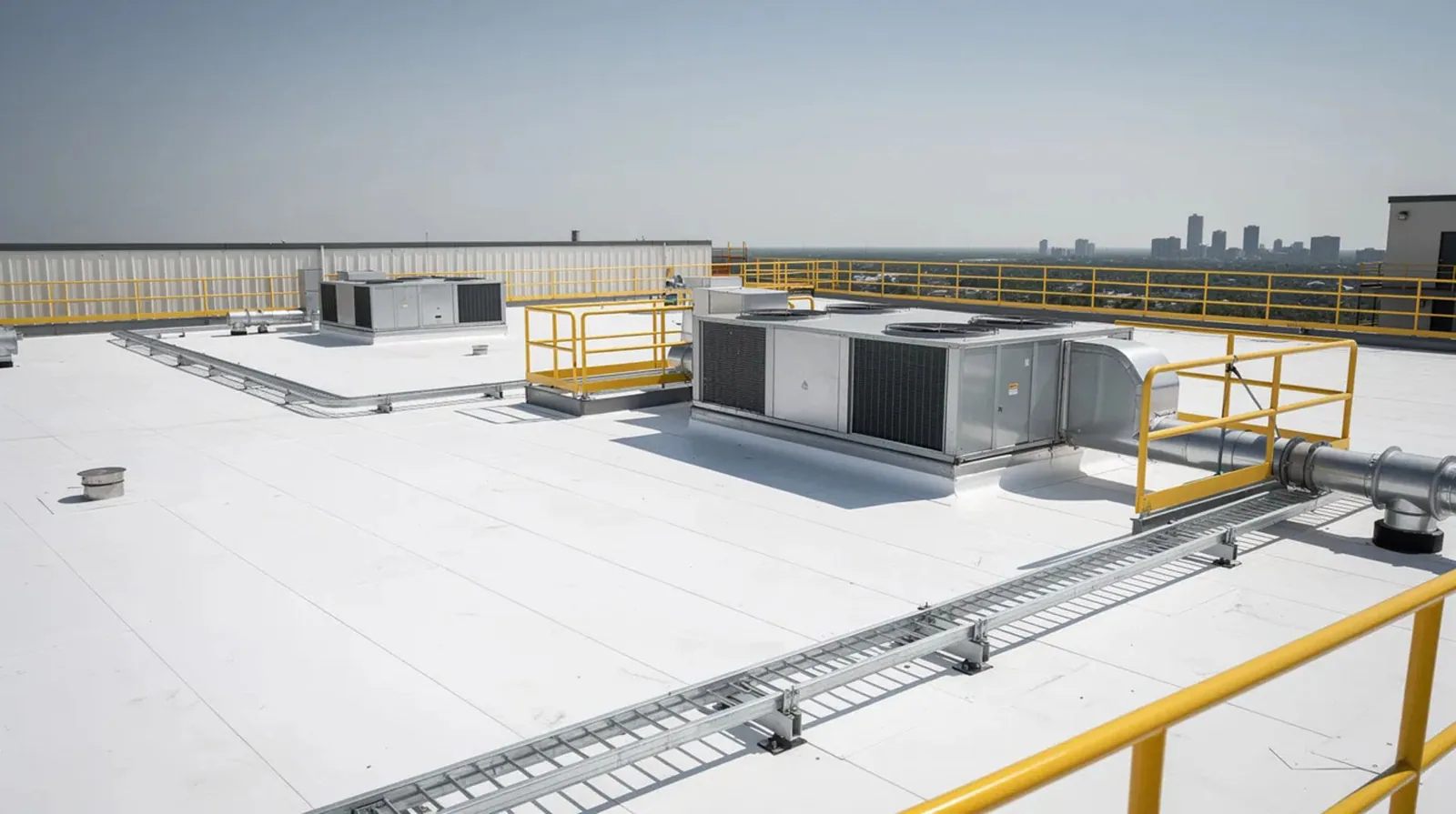
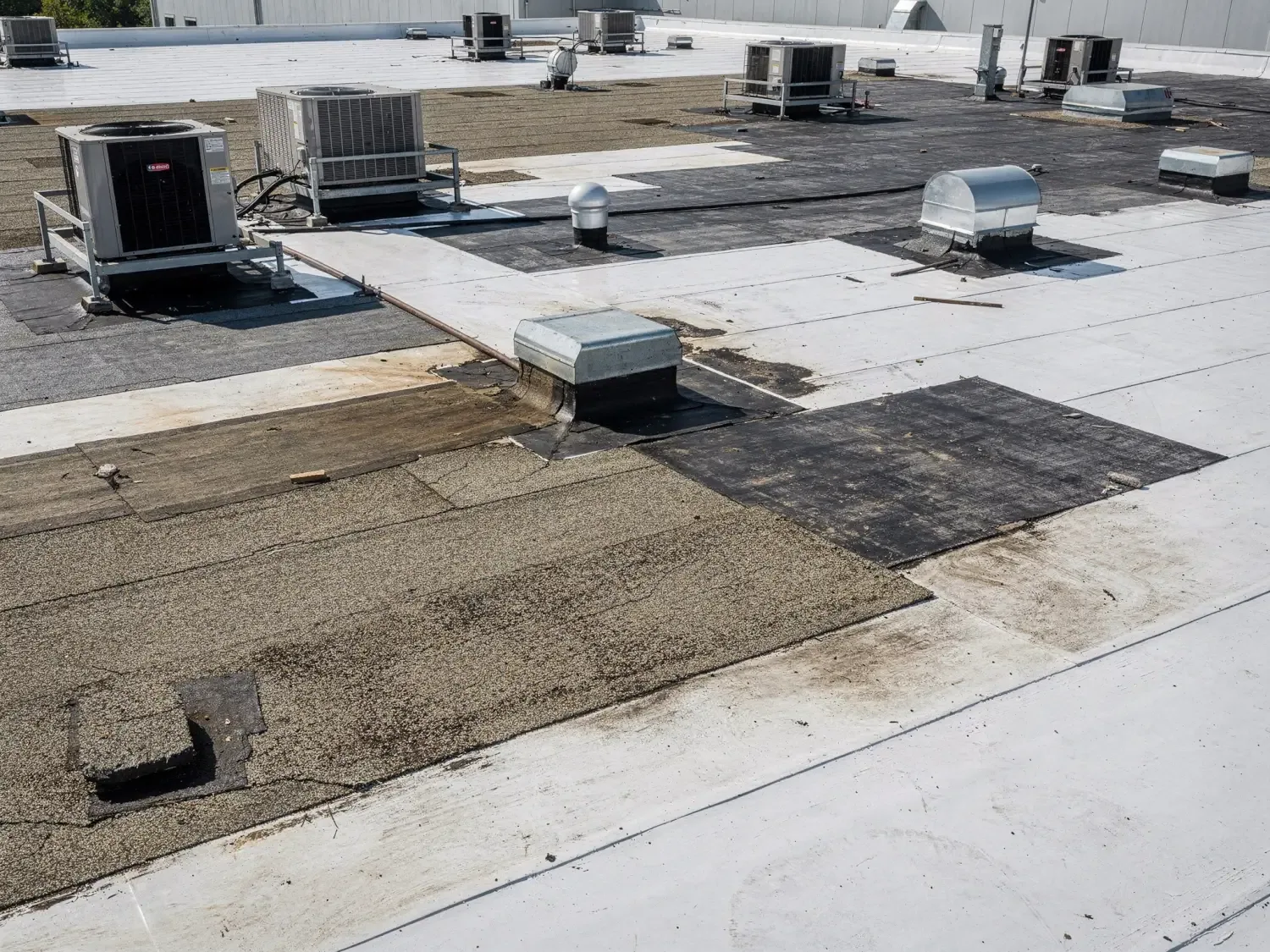
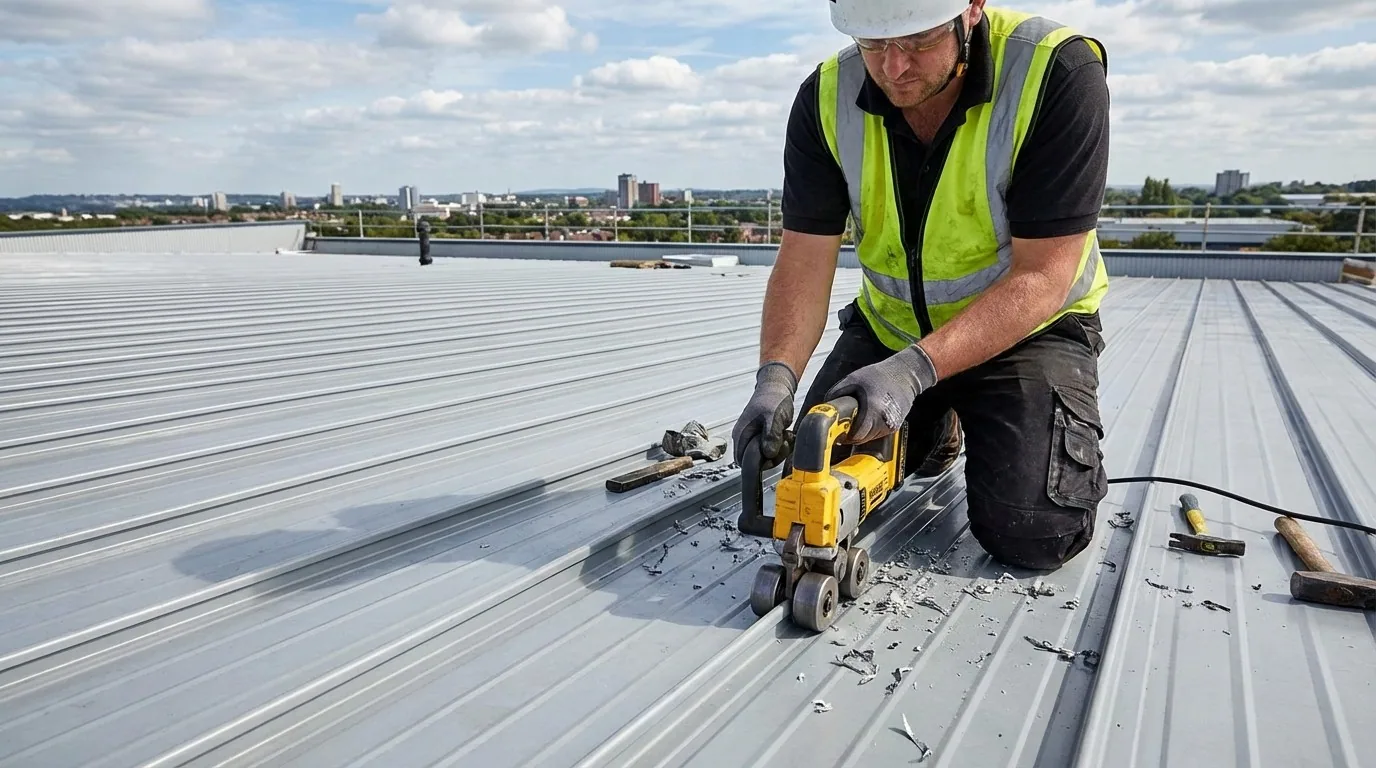
Hail can mark metal and membrane, but the inspection should identify the material, location, and visible effect instead of relying on a broad label. We look at exposed edges, rooftop units, curbs, skylights, and membrane fields for dents, cuts, displaced flashing, or other changes. At a metal panel, a dent alone does not prove a leak; the seam, fasteners, coating, and surrounding details need inspection. At a membrane, impact marks should be checked for a puncture, crack, or loss of material.
Wind can loosen edge metal, lift a seam, shift a cover, or send debris against the roof. We check the perimeter and corners as well as the place where water appeared indoors. Tornadoes can cause severe, localized damage in the wider region, but a local assessment still depends on what is present at the building. For visible hail effects, a hail damage review records roof areas and affected details before repair limits are set.
We follow the roof surface from the suspected opening toward drains, scuppers, walls, and equipment transitions. A shifted edge can send water beneath the membrane. A puncture can let water enter the assembly and travel before it reaches the interior. We inspect seam laps, terminations, flashing, drain bowls, and prior patches along the likely route. If insulation may be wet, test cuts or a moisture survey can show how far the condition extends.
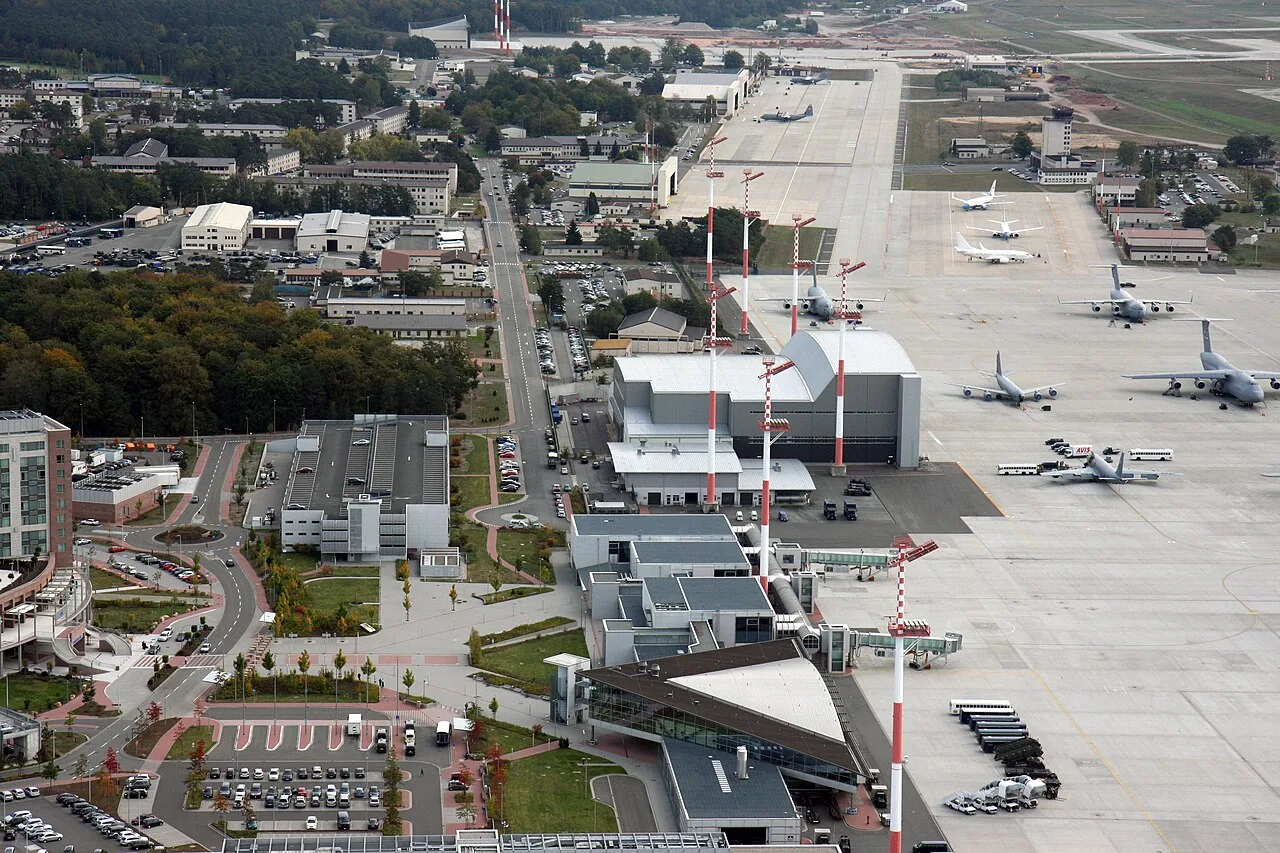
Frankford Trade Center includes large distribution and logistics properties, where roof access may need to be coordinated with receiving and truck movement. We identify a safe route and staging point before tools and material are brought to the repair area. Water entry over a loading bay or electrical space can need immediate attention, while a lifted trim run without an active leak can be recorded and scheduled. A full roof inspection can document surrounding conditions when the visible damage is not isolated.
The repair scope begins at sound material. We remove or secure loose components, prepare the surface, replace damaged membrane or flashing where needed, and check the adjacent connection. If the deck or insulation is affected, the repair must address those layers before the roof is closed. The proposal notes the area, material, preparation, temporary protection, and close-in plan. It also explains how concealed conditions will be documented if the roof reveals more damage after opening.
A storm may leave several types of damage on one roof. We list each location separately rather than grouping unrelated marks into a single repair. The owner can see which work stops water, which restores a detail, and which areas need more testing. If a seam or penetration failed, a commercial roof repair can rebuild it with compatible materials. If wet insulation or broad failures extend across several areas, we compare repair work with a replacement scope.
Weather affects when the permanent repair can proceed. Adhesives, sealants, and membrane welding need a prepared surface and suitable conditions. We check the forecast, limit the opening, and secure the area at the end of a shift. If rain or high wind interrupts the work, the crew follows the temporary dry-in plan and returns when the detail can be completed safely. The close-in check includes seams, flashing, edges, drains, and any temporary tie-in removed during the repair.
After work, we photograph the repaired area and connect it to the original mark. The record shows what changed, what material was installed, and whether any related items remain open. For a Valwood property with multiple roof sections, these location marks help the next inspection return to the correct edge or curb. Arrange access and tell us about loading hours, tenant routes, and equipment that cannot be interrupted. We can then plan a post-storm roof walk that protects the building and keeps the repair evidence clear.
Do not enter the roof if it is wet, windy, or otherwise unsafe. From a safe location, record what can be seen and where water appears inside. We can photograph roof conditions when access is safe, leaving loose material in place until it can be handled without creating another hazard.
We inspect the surface and details for cuts, punctures, material loss, and changes near exposed equipment or metal. A visible mark is documented with a location and close view. If the material or impact is uncertain, we recommend a test rather than calling damage from appearance alone.
We locate the active entry and protect it when conditions allow. Interior water marks can sit away from the opening, so we inspect roof details above and along the likely path. The temporary dry-in is noted separately from the permanent repair.
No. We document roof conditions and the repair scope. The insurer decides coverage under the policy. A clear record can show the date, location, photographs, observed changes, and work needed without predicting the claim outcome.
Timing depends on roof access, surface moisture, weather, material compatibility, and whether concealed insulation or deck damage changes the scope. We can protect an opening first and schedule permanent work once the roof can be prepared and closed under suitable conditions.
RELATED WORK
CALL US
Leaks, storm damage, a failing membrane or a replacement on the calendar: tell us what is happening on the roof and we will set up a visit.
Commercial Roofing Services
Share the interior water location, storm timing, and access or loading limits. We will inspect the roof when conditions are safe, mark the damage, and document temporary and permanent repair needs.
Call 555-555-5555 or request a roof assessment online.