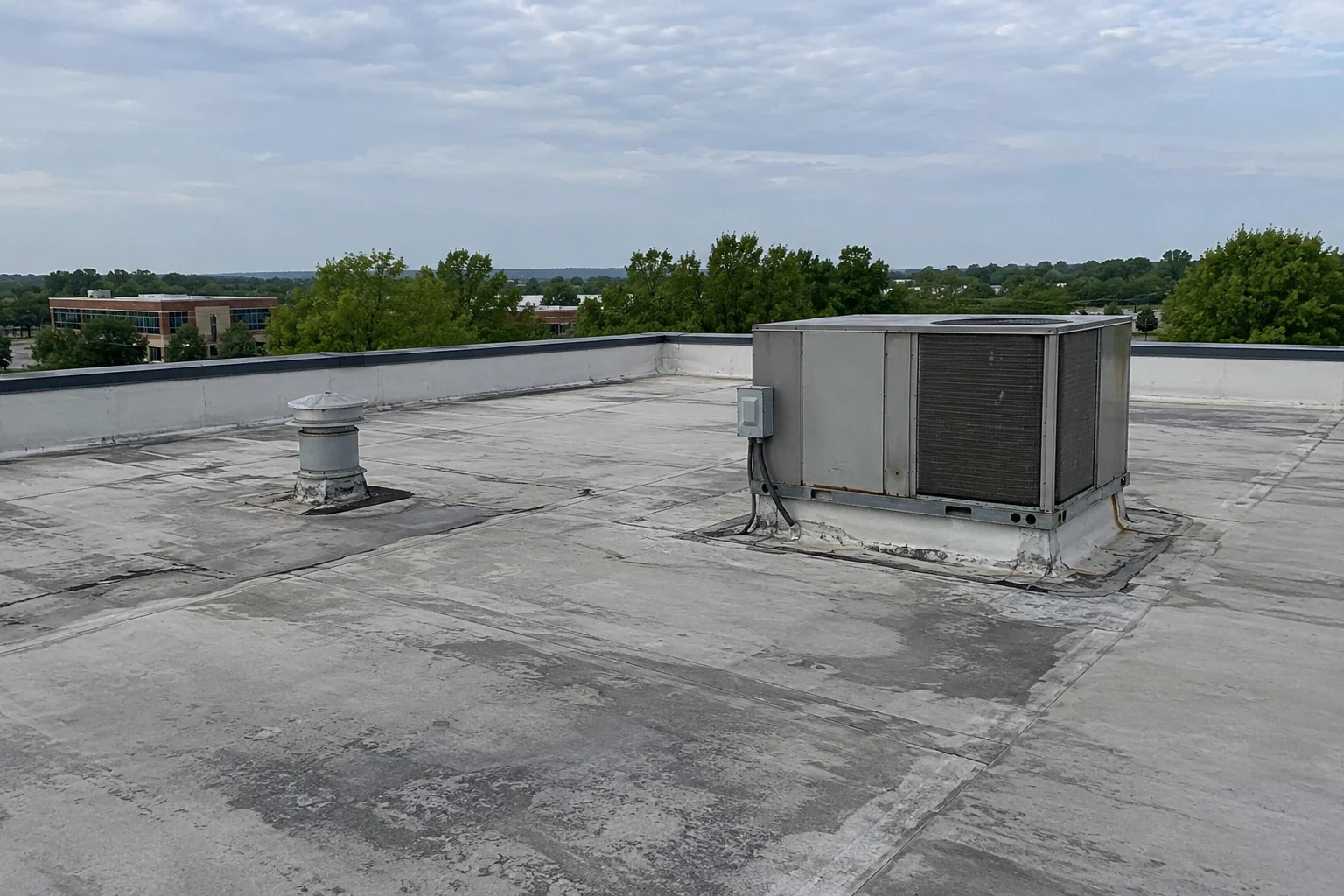
A damp ceiling joint above a freezer may point to a vapor path as well as a roof leak. Cold storage roofing in Carrollton, TX has to account for the temperature difference between the conditioned space and humid outdoor air. We inspect the roof membrane, insulation, air and vapor control layers, and penetrations before opening the assembly. Frankford Trade Center includes distribution and logistics properties in the regional market, while each refrigerated facility has its own building conditions. The roof survey needs to identify the exact space, temperature zone, and operating limits.
A cold interior can draw heat and moisture toward the building envelope. If warm, humid air reaches a colder layer, condensation may form inside the roof assembly. We look for wet insulation, staining, frost at joints, and corrosion around steel deck or fasteners. A roof leak from rain can create similar symptoms, so the source must be traced before material is removed. We document the interior location and compare it with rooftop seams, curbs, and penetrations.
Carrollton’s climate brings hot, humid summers. The National Weather Service reports that July and August daytime temperatures in Dallas-Fort Worth remain in the 90s and often top 100 degrees. That outside moisture and heat create a significant contrast with a freezer interior, but the actual assembly determines where condensation forms. A roof inspection can map the layers, low areas, and openings before a repair plan is set. We coordinate any test cut with the facility manager so the opening is controlled and closed without disrupting temperature protection.
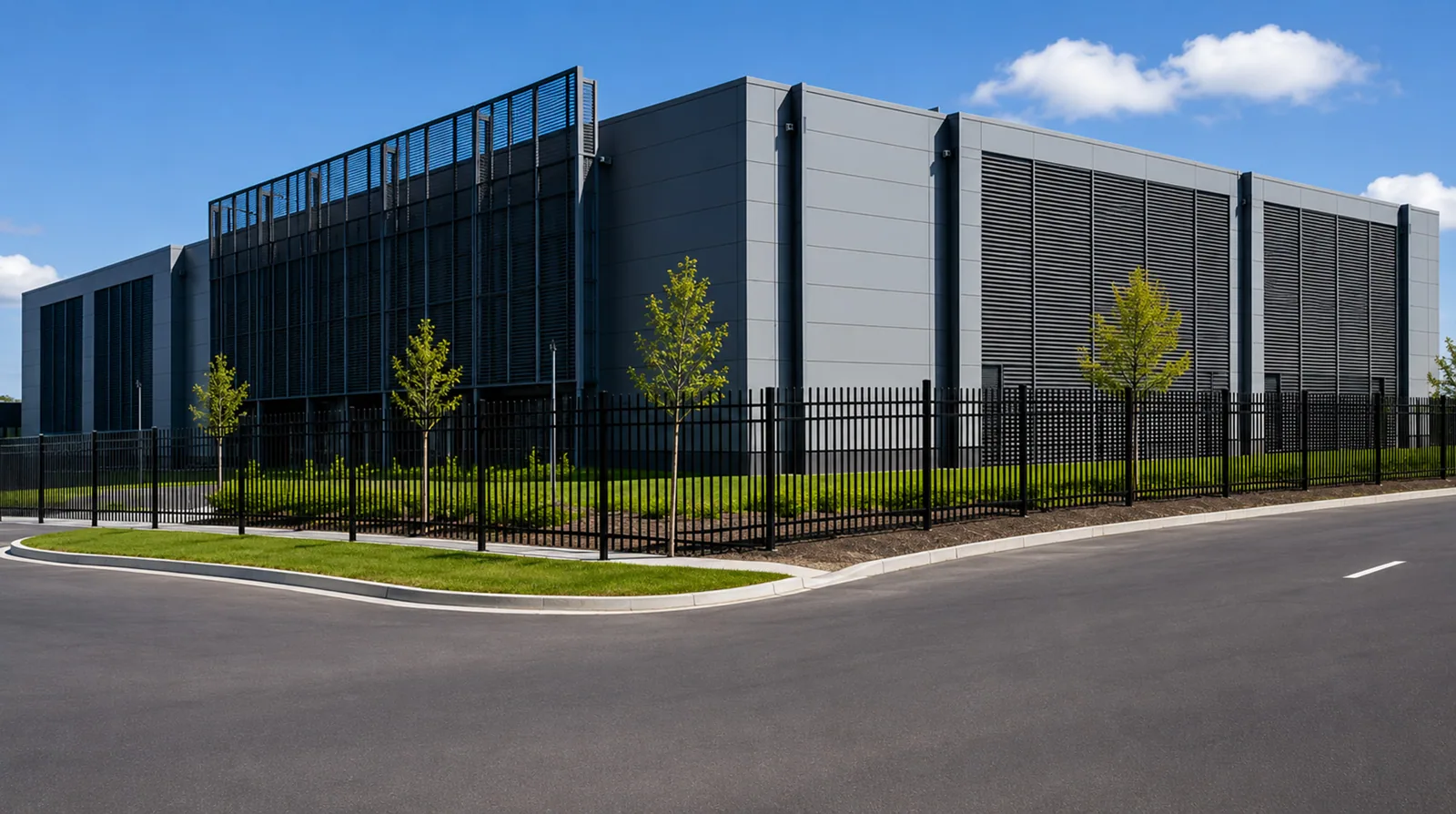
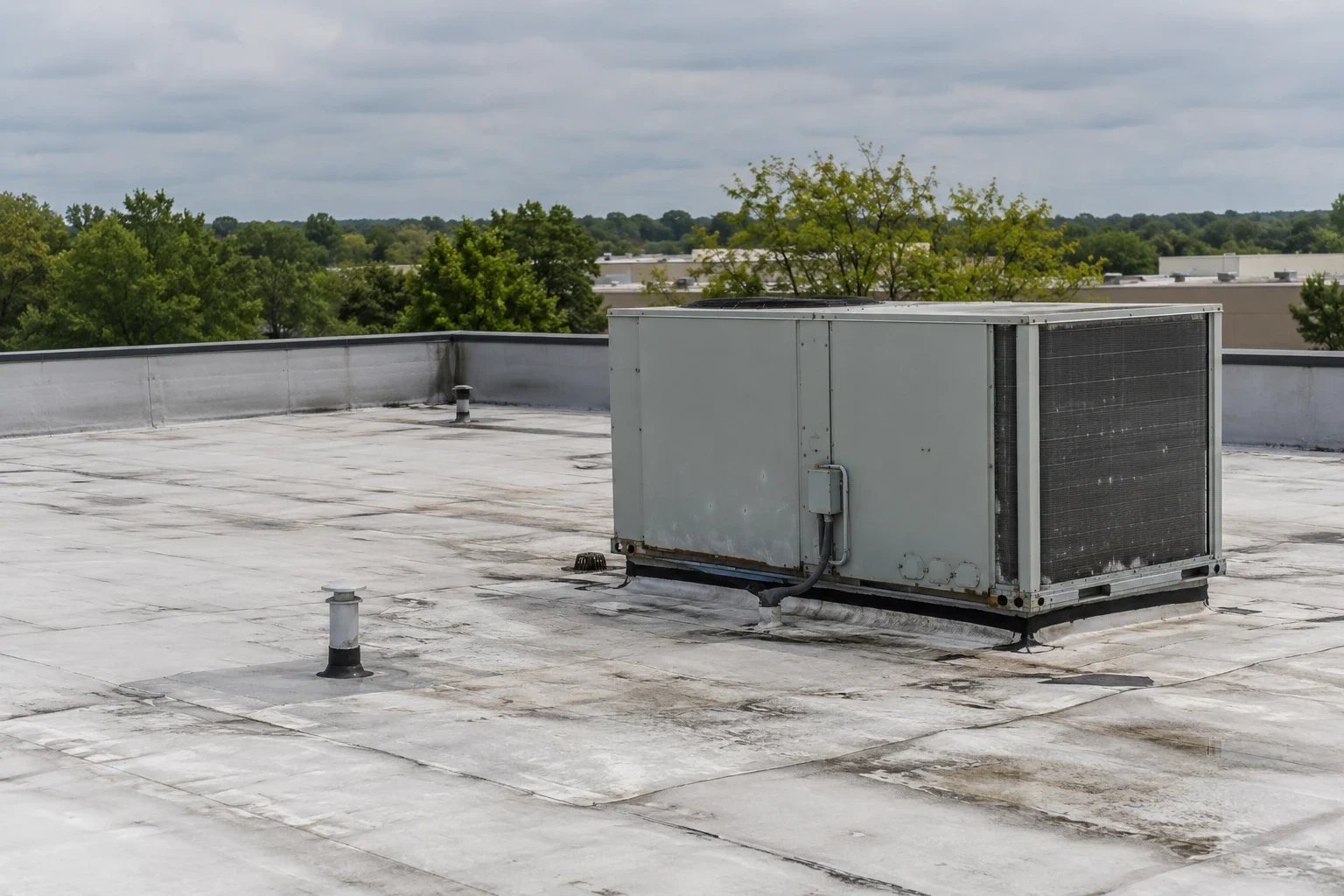
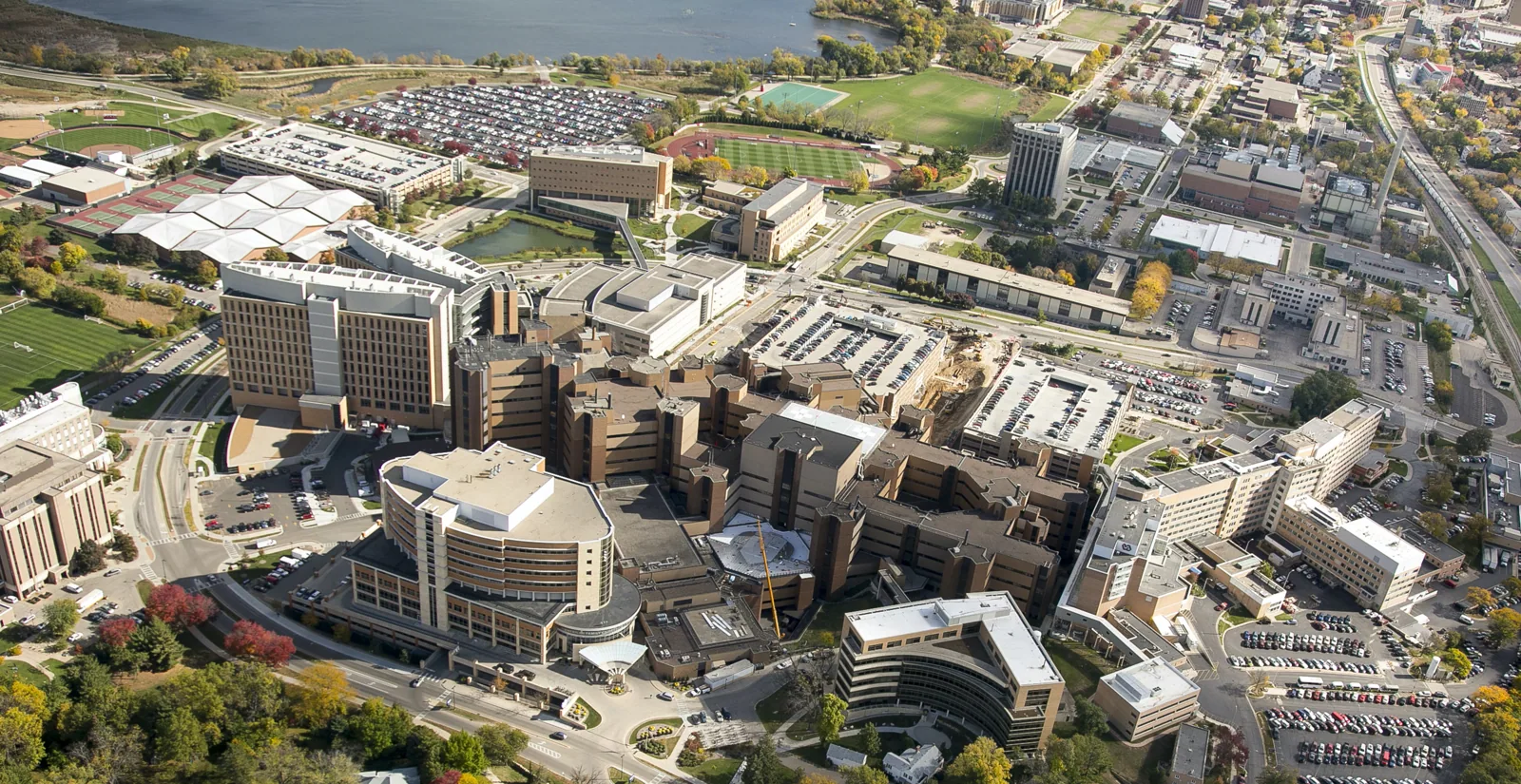
Vapor control depends on continuity at seams, walls, curbs, and penetrations. A small opening at a conduit or equipment support can let humid air move into a colder part of the assembly. We inspect the roof-side flashing and the interior connection where accessible, then identify which layer needs repair. Replacing only the outer membrane may leave a vapor path below it. The repair needs to reconnect the assembly with materials compatible with the existing design.
Door openings, dock seals, and process changes can affect pressure and humidity inside a refrigerated building. We ask about changes to operating conditions and whether the roof leak started after equipment or insulation work. That information helps distinguish rain entry from condensation. At Valwood Industrial Park, the city lists a wide range of manufacturing and distribution businesses. It is useful regional context, but a cold-storage roof still needs an inspection of its own envelope and temperature controls.
Insulation that has absorbed water loses performance and can add weight to the roof. We map suspected wet areas and confirm them with suitable testing before removal. The deck and attachment need inspection once the material is exposed. During replacement, the roof build-up may change height at parapets, drains, refrigeration curbs, and dock canopies. Those transitions need enough clearance for the new insulation and finished membrane without blocking drainage or equipment service.
At a facility near Midway South Industrial Park, manufacturing and distribution activity can set specific lift, entry, and loading restrictions. We schedule test cuts, material staging, and close-in with the site contact. A roof assembly assessment can document insulation thickness, cover board, and transition heights. If a drain is iced or remains wet because of a low area, a drainage review should be included before the roof is closed.
Cold storage cannot always pause while the roof is open. We identify the temperature-controlled spaces beneath the work, coordinate protective measures, and keep material and debris from entering the building. A leak repair may require temporary containment below while the roof is dried and prepared. If insulation must be removed, the facility manager identifies any product or process area that requires special protection. We also ask about planned refrigeration shutdowns or pressure changes, since either can affect conditions at the roof opening during a test. We do not leave an unprotected opening at the end of the shift.
Work can be grouped into small sections so each assembly is restored within the approved window. The owner provides the access protocol, dock schedule, and any limits on noise or vibration. A phased reroofing plan can include the roof area, interior protection, tie-in location, and responsible contact. For a larger roof, an active distribution building plan may also help coordinate dock access and lift traffic, while a warehouse roof inspection identifies general storage and drainage needs. These are related operational questions; the cold room’s vapor and insulation design remains specific to its assembly.
A localized seam or flashing defect can be repaired when the insulation and deck remain dry and secure. Widespread moisture, repeated condensation, or failed vapor control may require removal and replacement of several layers. We inspect the assembly and mark the confirmed area before writing a scope. A recover should not trap moisture or cover a damaged deck. The replacement plan should identify insulation, air and vapor control, membrane attachment, roof drains, and curb details together.
Dallas-Fort Worth severe weather brings hail and damaging winds somewhere across the metroplex nearly every year, with spring the most active period. A storm inspection checks for membrane cuts, damaged flashing, and edge movement, while the cold-room symptoms still need a separate moisture diagnosis. A recover assessment can determine whether an existing layer may remain, and a replacement scope can show the full assembly. We leave a closeout record with temperature-zone access, test locations, and any area that should be checked during the next maintenance visit.
Warm humid air can reach a cold layer and condense inside the assembly. We inspect the roof, insulation, and vapor-control connections, then compare the pattern with rain entry before choosing a repair.
Wet insulation can lose performance and retain moisture against the deck. We mark the affected area, confirm its extent, and identify what needs removal before closing the assembly.
We coordinate the work zone with the facility manager, limit open areas, and plan interior protection where needed. Each section is closed before the crew leaves, and any temporary condition is recorded for follow-up.
The assembly must account for the interior temperature, exterior climate, vapor control, and project requirements. We review the existing layers and coordinate the design details before ordering insulation or membrane.
Not if the vapor path or wet insulation remains below the new layer. We inspect the assembly first and compare a recover with removal and replacement based on the confirmed moisture condition.
RELATED WORK
CALL US
Leaks, storm damage, a failing membrane or a replacement on the calendar: tell us what is happening on the roof and we will set up a visit.
Property Types We Roof
Share the temperature zones, operating hours, leak location, and access rules. We will inspect the roof and insulation layers, then plan controlled testing and close-in around facility operations.
Call 555-555-5555 or request a roof assessment online.