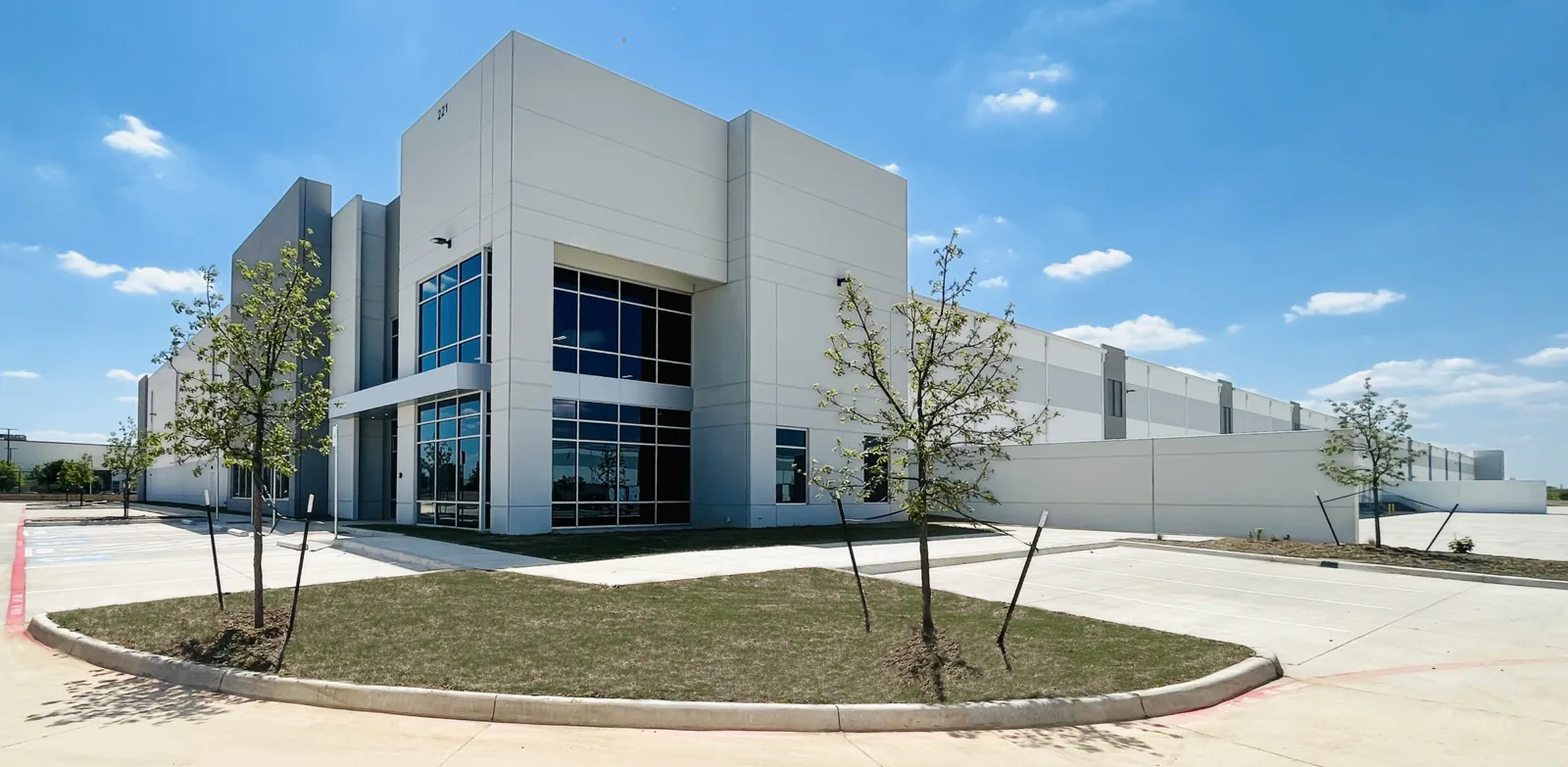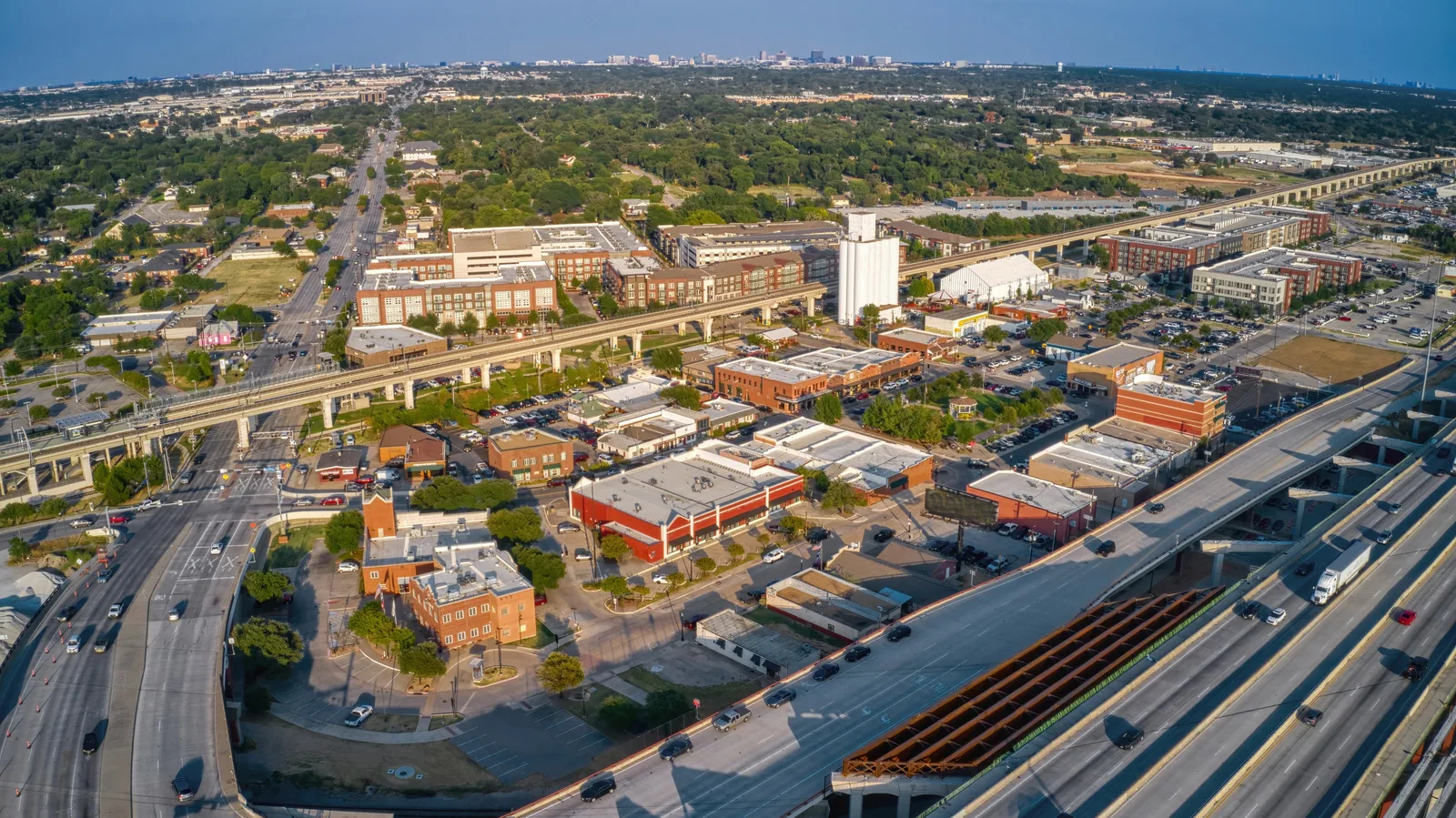
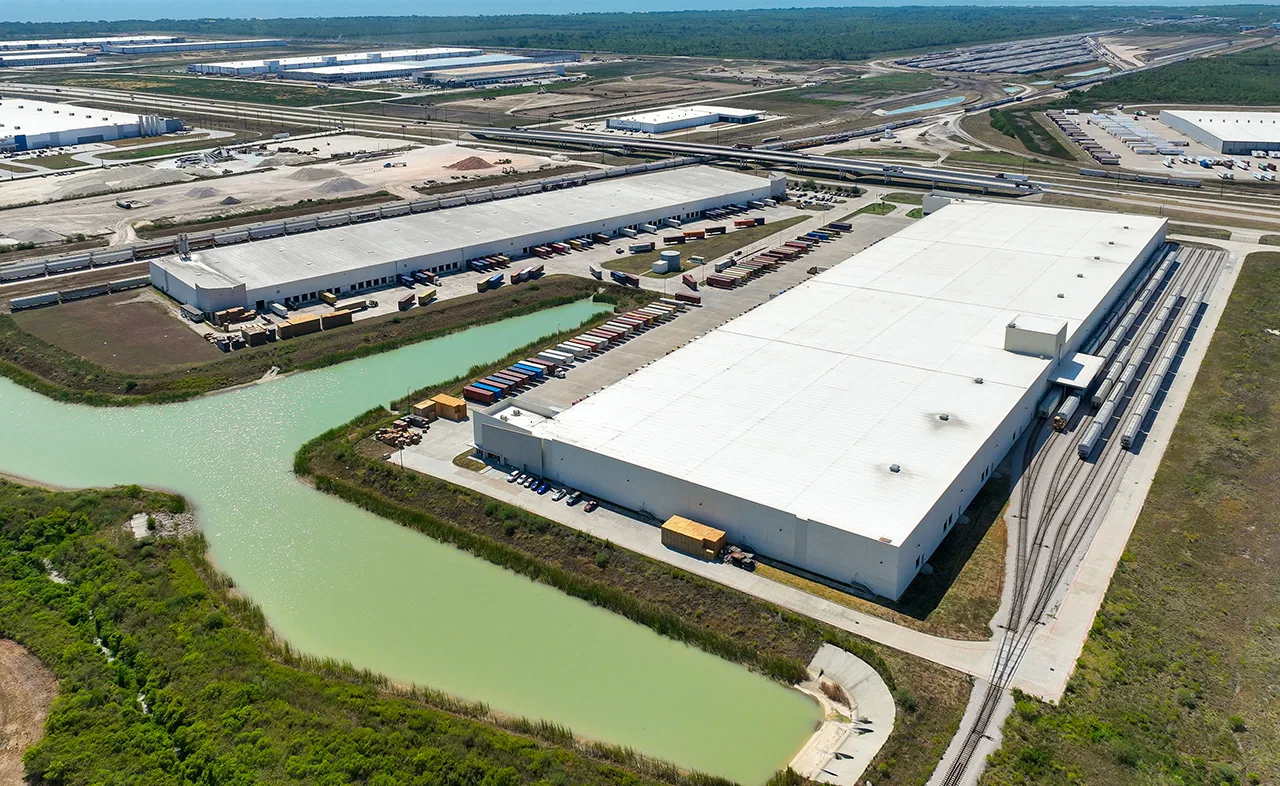
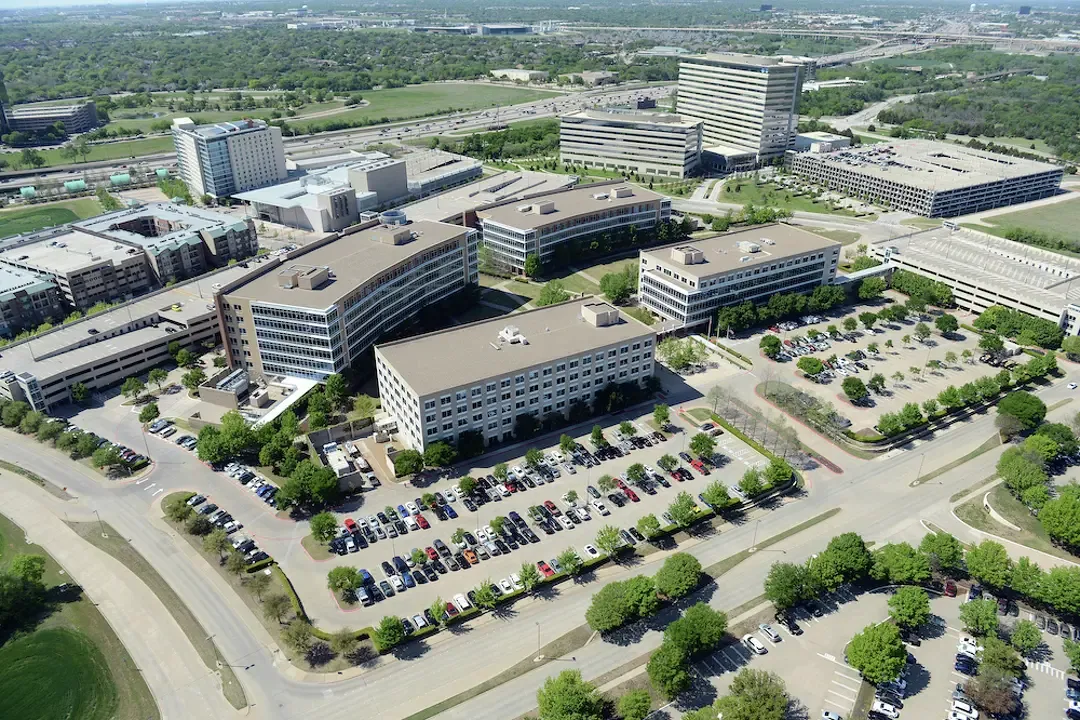
A wrinkle that ends at a curb can signal movement where the roof sheet turns from field to flashing. At Trinity Mills Industrial Park, the roof walk spans a district of about 73 acres and 1.4 million square feet, with reported occupancy at 96 percent. The district sits near the Trinity Mills transit hub, with Midway Road on its western side and Belt Line Road to the north. Named occupiers include FUJIFILM, IQ Supply, Ultra Clean, and WMS. We inspect each building's roof details on their own merits, with tenant access and operating hours included in the work plan.
Occupancy across an industrial park does not tell us what any single roof needs. The first walk starts with a building plan, access instructions, prior repair notes, and the manager's description of the leak or concern. We mark the roof zones, locate drains and equipment, and record where membrane or metal changes direction. This map separates one building's repair from another and gives the owner a reference for later inspections.
At seams, we check continuity and attachment. At curbs and walls, we look for loose flashing, open terminations, and movement where metal meets membrane. Around drains, we inspect the bowl, strainer, and surrounding sheet for trapped debris or stress. When a detail cannot be verified from the surface, we identify a test cut or moisture check and explain what it will confirm. A commercial roof walk can turn these observations into a written condition record.
Water can travel beneath a membrane or through deck flutes before it reaches a ceiling. We compare the leak location with roof slope, seams, curbs, wall transitions, and drainage instead of patching the area directly above the stain. If a low point remains wet, we inspect its path to the drain or scupper and check whether the outlet is clear. If several rooms are affected, their roof zones may share a common transition or have separate failures.
We look for open laps, punctures, failed pipe boots, and split corners, then note whether the surrounding material is dry and firm. A targeted infrared scan can help identify areas for field verification; a test opening confirms what is beneath the membrane when needed. Every opening gets a location mark and a secure close-in. For water held at a low area, a ponding-water repair review pairs drainage observations with membrane checks, while a roof repair records the traced entry point.
Carrollton shares the Dallas-Fort Worth region's hot summer pattern. Dallas-Fort Worth July and August daytime temperatures are commonly in the 90s and can reach 100 degrees or higher. The roof cycles through intense surface heat and cooler periods, putting movement at patches, seams, curb corners, and metal transitions under review. We look for a lifted edge or brittle sealant, then determine whether the condition is isolated or repeats along a run.
Spring severe weather brings another inspection trigger. Hail and damaging winds affect some part of the metroplex nearly every year, and a storm can leave bruising, punctures, or displaced edge metal. We map the affected zones, photograph the membrane and attachments, and distinguish a surface mark from a functional opening. The wind-lift path may start at a perimeter detail and continue inward. Our hail roof assessment and wind damage check can record those conditions before the permanent scope is set.
A seam or flashing patch can be a sound option when the adjacent membrane is stable and dry. We prepare the surface, use a compatible repair method, and carry the patch onto secure material. If the defect reaches a curb corner or metal termination, the work must rebuild that transition, not just cover the opening. The field mark identifies the exact repair extent, and photos show the surrounding condition before and after.
A recover is possible only when the existing assembly is dry, attached, and suitable to receive another system. Wet insulation, repeated failure, or an unstable substrate can make replacement or targeted removal the better path. Timing and cost depend on what the roof layers reveal, how materials can be staged, and whether tenants or equipment need continuous access. We explain those factors in a roof capital plan, which can compare a repair now with a larger project later without guessing at hidden conditions.
FUJIFILM, IQ Supply, Ultra Clean, and WMS are among the named occupiers at Trinity Mills Industrial Park. Their presence does not establish the roof type or condition at any specific building. For each property, we confirm the manager, roof access point, safe staging area, operating hours, and restrictions around equipment or loading. That information determines the inspection route and how repair material reaches the roof.
When membrane must be opened, we agree on a work boundary and close-in time before demolition. We stage materials first, protect the area below, and keep the open section within a secure weather window. If rain or wind threatens, the crew closes the roof before moving to another section. Our occupied-building reroofing sequence can be phased to match an active operation. For portfolio coordination, the nearby Trinity Mills station district has its own access and roof record; findings stay specific to the building inspected.
A roof record is useful when a maintenance team can find the same detail again. We label drain bowls, seams, curb flashings, edge conditions, and test locations on a roof plan, with dated photographs and notes on the repair limit. If the owner has prior service records, we compare them with current conditions to see whether a detail remains stable or needs a wider inspection. The report states what we observed and what still needs confirmation.
Preventive maintenance focuses on keeping drainage clear, checking exposed seams and terminations, and documenting damage before it spreads. We flag loose metal, punctures, debris, and deteriorated sealant for the correct scope. A preventive roof maintenance visit can preserve that record between major projects. Owners with a second property at Midway South Industrial Park can coordinate visits while keeping each roof's findings separate.
No. Occupancy is a property-market figure, not a roof inspection. We check the specific building's seams, drainage, insulation, flashing, and repair history, then report what the field confirms.
We coordinate access, staging, loading periods, and any equipment restrictions with the property manager. The route and repair work depend on the building's safety rules and operating window, which we confirm before mobilizing.
We check where the wrinkle begins and ends, whether the sheet is attached, and how it meets nearby flashing or a curb. A wrinkle can indicate movement, but the surrounding assembly and any water entry determine the repair limit.
A planned opening can confirm the roof layers, insulation condition, and substrate at one location. We choose it to answer a specific question, photograph the area, and close it before leaving. The result helps set a repair or replacement scope.
Keep dated photos, marked repair zones, material notes, leak locations, and any follow-up recommendation. A manager can then compare future roof walks against the same details and see whether a prior repair is holding.
RELATED WORK
CALL US
Leaks, storm damage, a failing membrane or a replacement on the calendar: tell us what is happening on the roof and we will set up a visit.
Service Areas
Set roof access and share the building's operating limits, leak history, and prior repair notes. We will map the roof details, confirm the likely failure path, and put the next step in writing.
Call 555-555-5555 or request a roof assessment online.