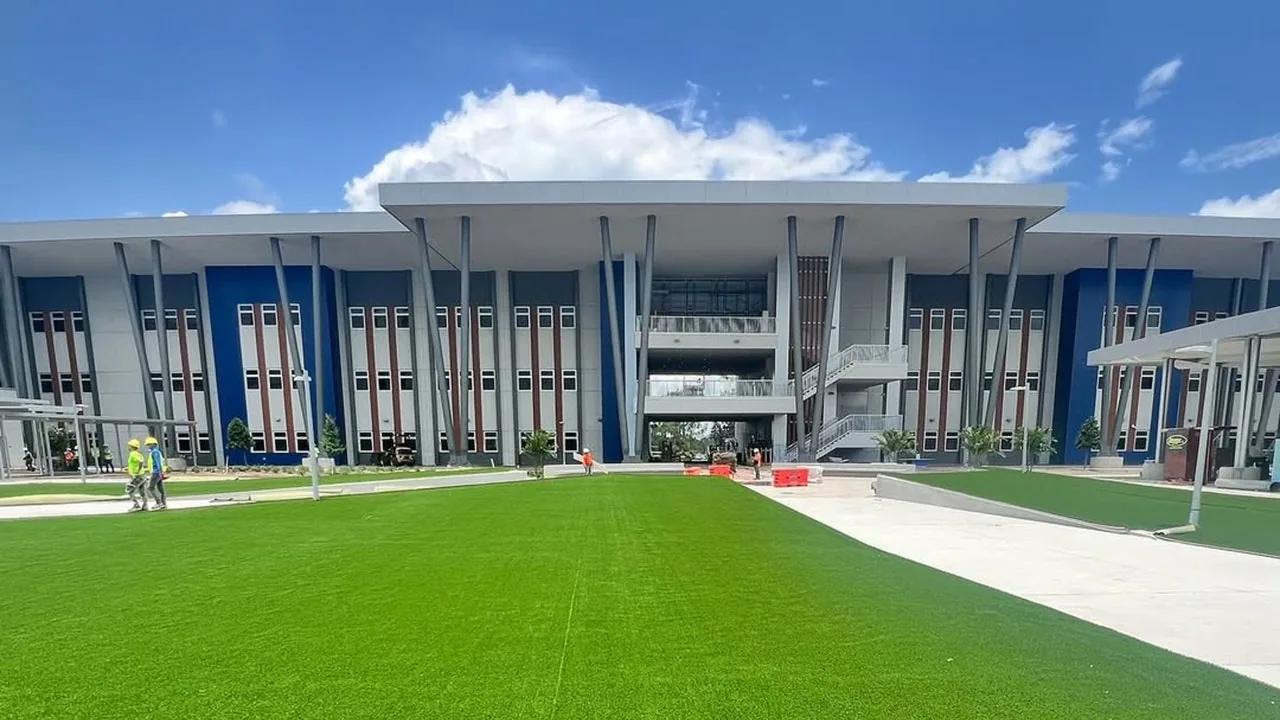
A ceiling leak over a classroom can disrupt instruction, stored materials, or an entire room schedule. Commercial roofing for school districts in Carrollton, TX starts with the campus, building, reported room, and the facilities contact who can approve access. We trace the roof condition, document the affected zone, and define a repair or inspection plan that accounts for students, staff, deliveries, and restricted areas. Each campus needs its own record, even when the district uses one maintenance calendar.
We confirm when the building is occupied, where visitors check in, which gates are controlled, and whether roof access requires an escort. A lift, material truck, or debris path cannot block a bus loop, fire lane, accessible entrance, or parent pickup area. If work occurs during the school day, the district can identify areas where noise, odors, or overhead activity need extra coordination. The plan names the work zone and the contact who can pause or redirect activity.
Cypress Waters is a roughly 1,000-acre mixed-use district adjacent to Coppell. Its town center plan includes three schools alongside parks and trails. For each campus, we coordinate roof access with the facilities contact and keep public paths clear during the work. A Cypress Waters roof visit should begin with the campus contact and its access map. We can also coordinate a broader public-facility roofing program when district staff need records organized with other government properties.
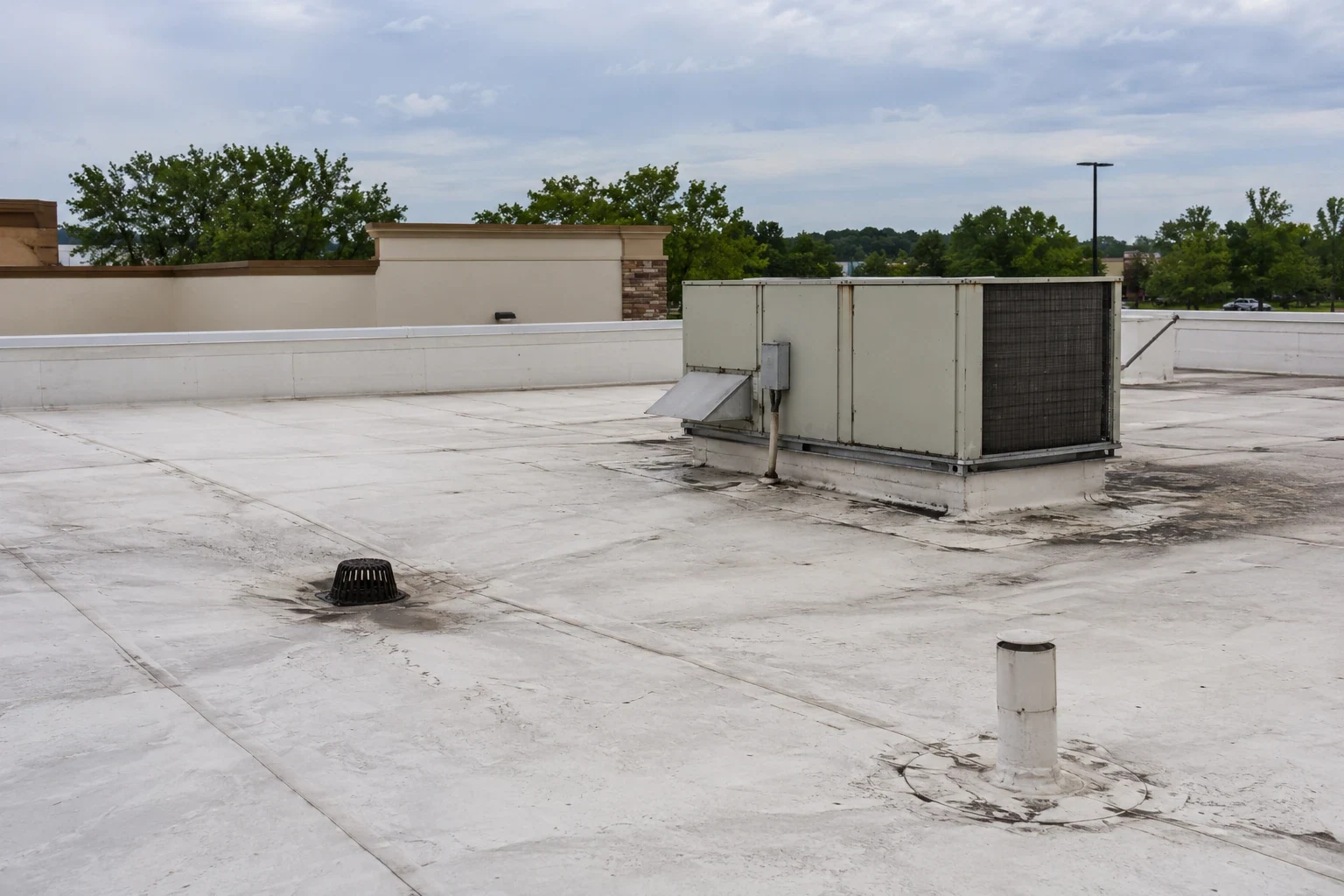
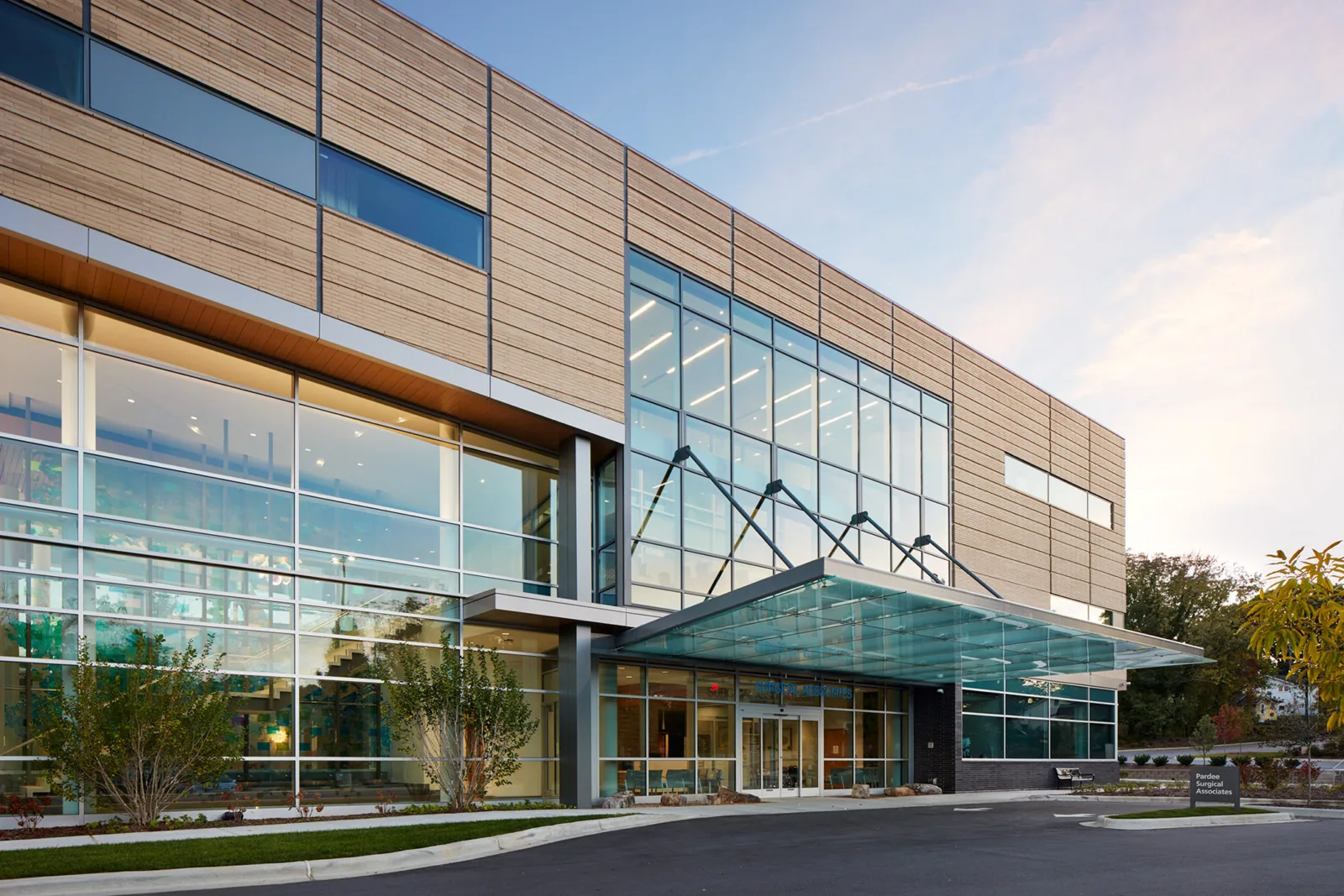
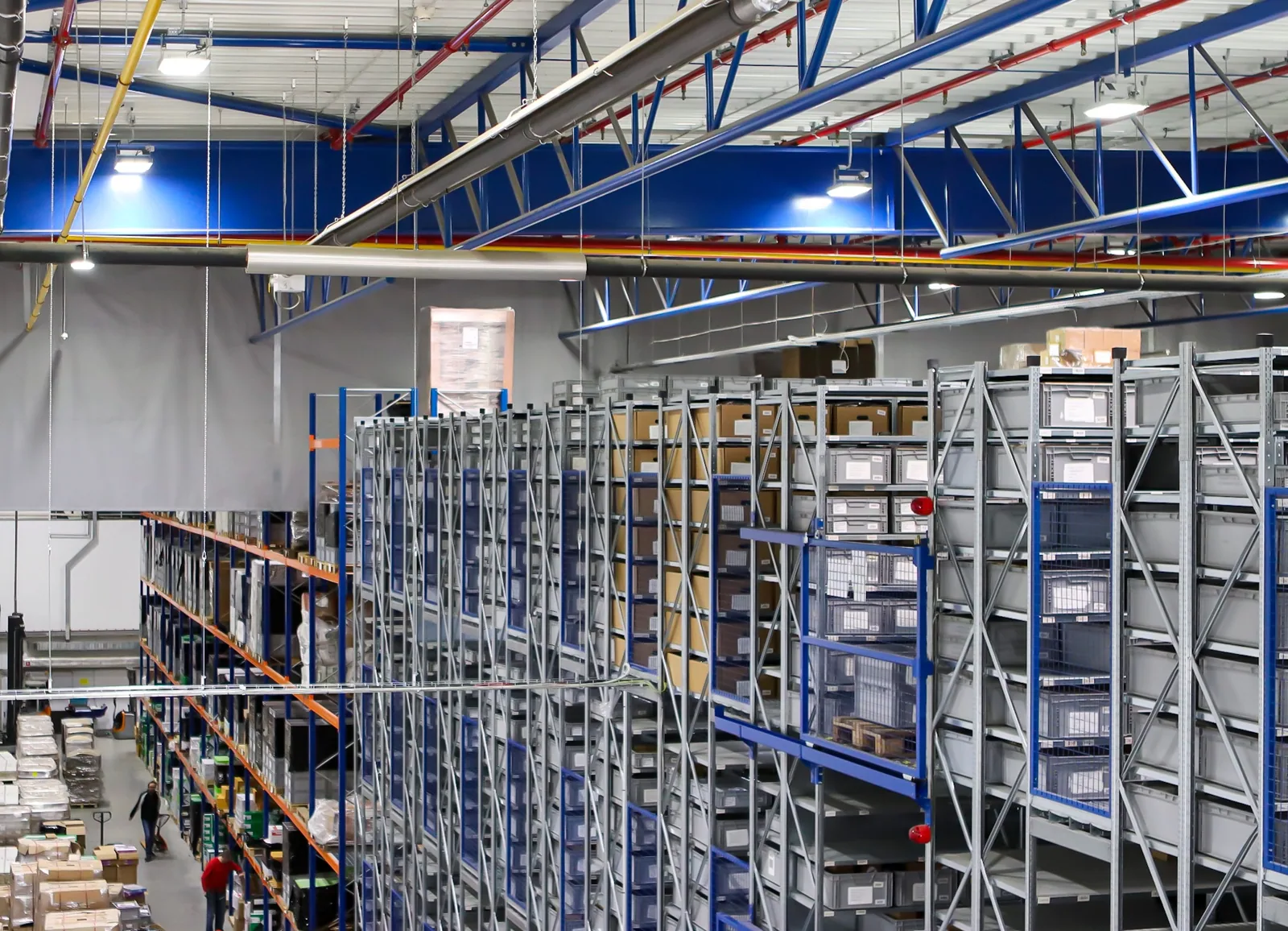
A staff member can tell us where water appeared, when it started, whether it is still active, and what was nearby. We compare that information with roof drains, seams, curb flashings, wall transitions, and repair history above the room. Water may travel along the deck, so the ceiling mark and roof opening can be offset. We photograph the location and identify whether the roof condition is confirmed or whether safe access or further testing is still needed.
For an active leak, we assess temporary protection first and explain what remains exposed. Our report labels temporary protection separately from completed permanent repair. A leak repair inspection can identify the source and a reasonable repair limit. If damage is reported after a storm, a storm damage roof assessment records visible conditions and relevant photos; it does not make a claim coverage decision or infer damage without inspection.
Summer break, holiday closures, and teacher workdays can create broader work windows, but each campus has its own programs, custodial schedule, and building access rules. We coordinate deliveries, lift placement, noise-producing tasks, debris removal, and the daily point when each section must be watertight. If the work cannot fit into one closure, we discuss which zones can be separated and what protections are needed while classrooms or offices remain in use.
A replacement proposal should state tear-off limits, insulation and deck assumptions, edge details, rooftop equipment coordination, phasing, and weather contingency. It should also name any rooms or walkways that require protection during construction. Our school roof replacement plan can make the sequence legible to facilities and campus staff. For buildings that remain occupied, the occupied-building sequence sets practical boundaries and hand-back points before the crew opens a roof section.
Routine roof checks can catch blocked drains, loose edge metal, cracked sealant, open flashing, or a patch that has begun to lift. We record each item by building and roof zone and distinguish an immediate repair from a condition to monitor. If a section is covered by rooftop equipment or otherwise inaccessible, the report states that limit. A maintenance list is more useful when it gives staff a location and action rather than a generic note that the roof was inspected.
School buildings can have additions and different roof assemblies across the same campus. We identify the system and observed condition by section before recommending a district-wide scope. A preventive maintenance visit can document the drains, penetrations, and prior repairs that need attention. When district staff are comparing several facilities, our multi-building facility records approach offers a related way to keep separate building histories while organizing work across a larger portfolio.
North Texas summers are hot, and the region’s main severe-weather period arrives in spring. Hail and high wind can prompt a roof check, while winter cold and freeze-thaw conditions affect some repair windows. We consider current weather, the roof system, and product installation requirements before deciding how much area can be opened. The crew needs a clear close-in point and a contact who receives an update if conditions change during the day.
A storm date alone does not show that a roof was damaged. We record visible conditions, locate them on the roof, and separate observations from the school’s prior repair history. If the district needs documentation for its carrier, we can provide marked photos and a written description of the inspected areas. Our insurance and restoration support can help keep the field record clear while the district handles its own coverage review.
The closeout names the campus, building, roof zone, repair material, date, photographs, and any return item. It says whether a condition was permanently repaired, temporarily protected, or left for additional review. A roof map helps staff match a future classroom report to the prior repair and reduces guesswork for the next visit. If the crew could not access a section, the record identifies that boundary.
A district may plan work near Cypress Waters, Trinity Mills, or Downtown Carrollton during different breaks and maintenance windows. Those place names help staff identify campuses, while the local facilities contact provides the correct entrance and access rules. The district contact supplies the correct entrance, check-in requirements, and work calendar. We deliver findings to that contact with open questions separated from completed work, so maintenance staff can schedule the next step without reading a broad, undated summary.
It may when access, noise, and the work area can be controlled. We coordinate the campus route and restricted zones with facilities staff and define a daily close-in point.
Share the room, when water appeared, whether it is active, and any affected equipment or materials. The roof inspection determines where water entered and what repair area is justified.
No. Summer may offer a longer closure, but phased or holiday work can be considered when the assembly and campus schedule allow. The proposal identifies access and weather assumptions.
Keep each building’s assembly, photos, findings, and repair history distinct, then group work by urgency and timing. A district-wide label alone does not describe individual roof condition.
We can inspect and record visible roof conditions with photos and locations. The report describes what was observed; coverage and claim decisions remain with the district and its insurer.
RELATED WORK
CALL US
Leaks, storm damage, a failing membrane or a replacement on the calendar: tell us what is happening on the roof and we will set up a visit.
Industries We Serve
Provide the campus address, facilities contact, access rules, and any reported leak. We will inspect the roof and return a clear record that staff can use to schedule repairs or maintenance.
Call 555-555-5555 or request a roof assessment online.