
A new conduit path through a roof can create a flashing detail that lasts as long as the array only if it is planned before installation. We review the roof surface, seams, drains, equipment, access routes, and likely mounting zones before solar work begins. On large industrial properties such as Valwood Industrial Park or Frankford Trade Center, the roof may already have HVAC, exhaust, or service paths to work around. We document condition and identify roof repairs that should be completed before panels or supports limit access. The solar layout and roofing details need to be coordinated before material is lifted.
A solar project adds equipment, service paths, attachments, and penetrations to the roof. We inspect the existing membrane or metal, test suspect seams, map leaks, and check whether insulation or deck damage needs repair first. A roof with localized defects can sometimes be repaired before the array goes on. A roof with broad deterioration or wet insulation may need a recover or replacement plan before new equipment narrows access.
We separate visible roof condition from a structural review. The engineer or solar designer needs to assess load capacity, attachment, wind forces, and system layout. Our roofing inspection records the roof assembly, membrane condition, drains, edge details, and repair locations that affect the roof scope. At a Carrollton warehouse, those findings help the project team decide whether to reroof before installation or address limited defects while the roof remains accessible. A commercial roof inspection can establish a condition baseline and photo map for the design team.
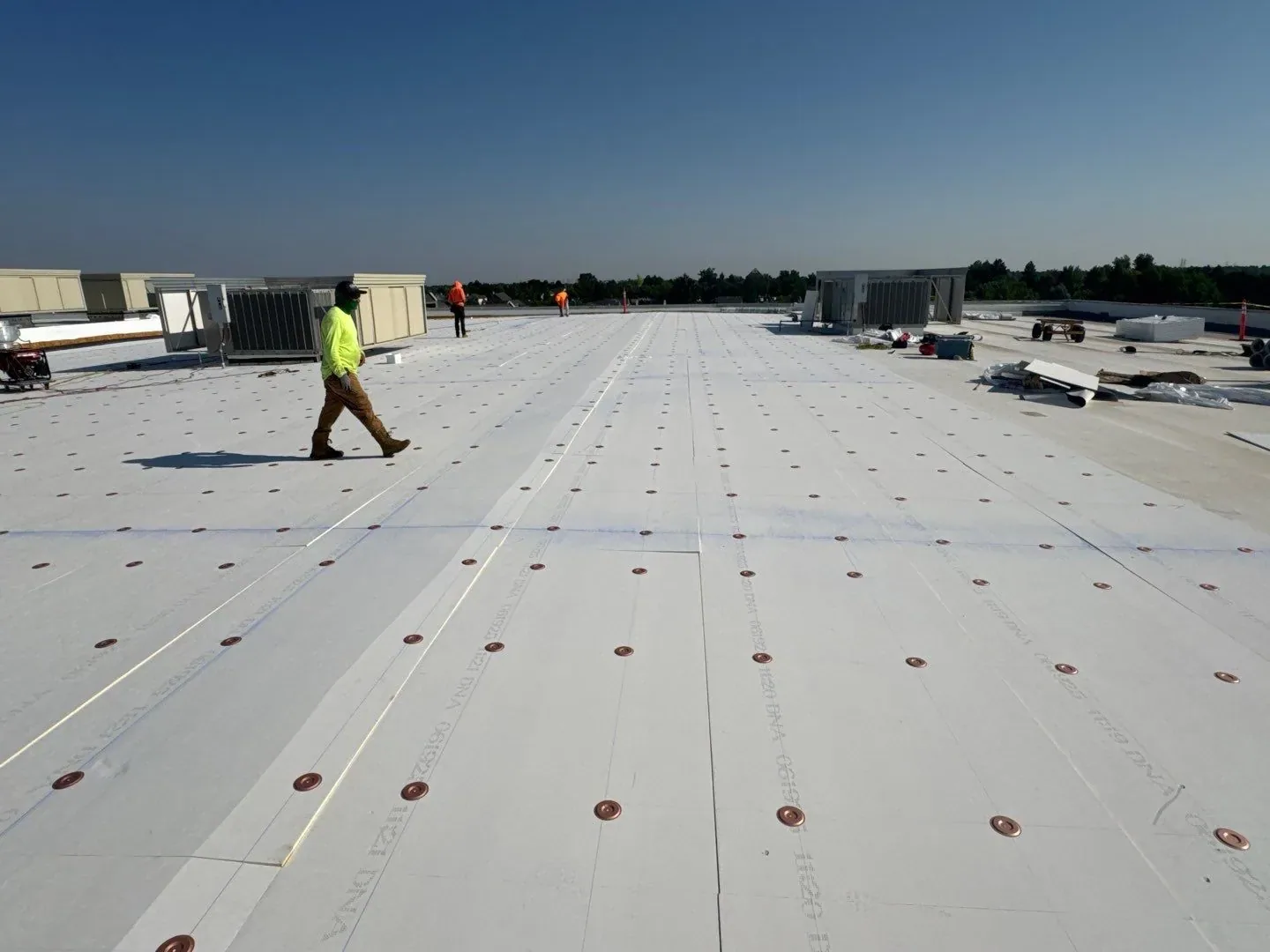
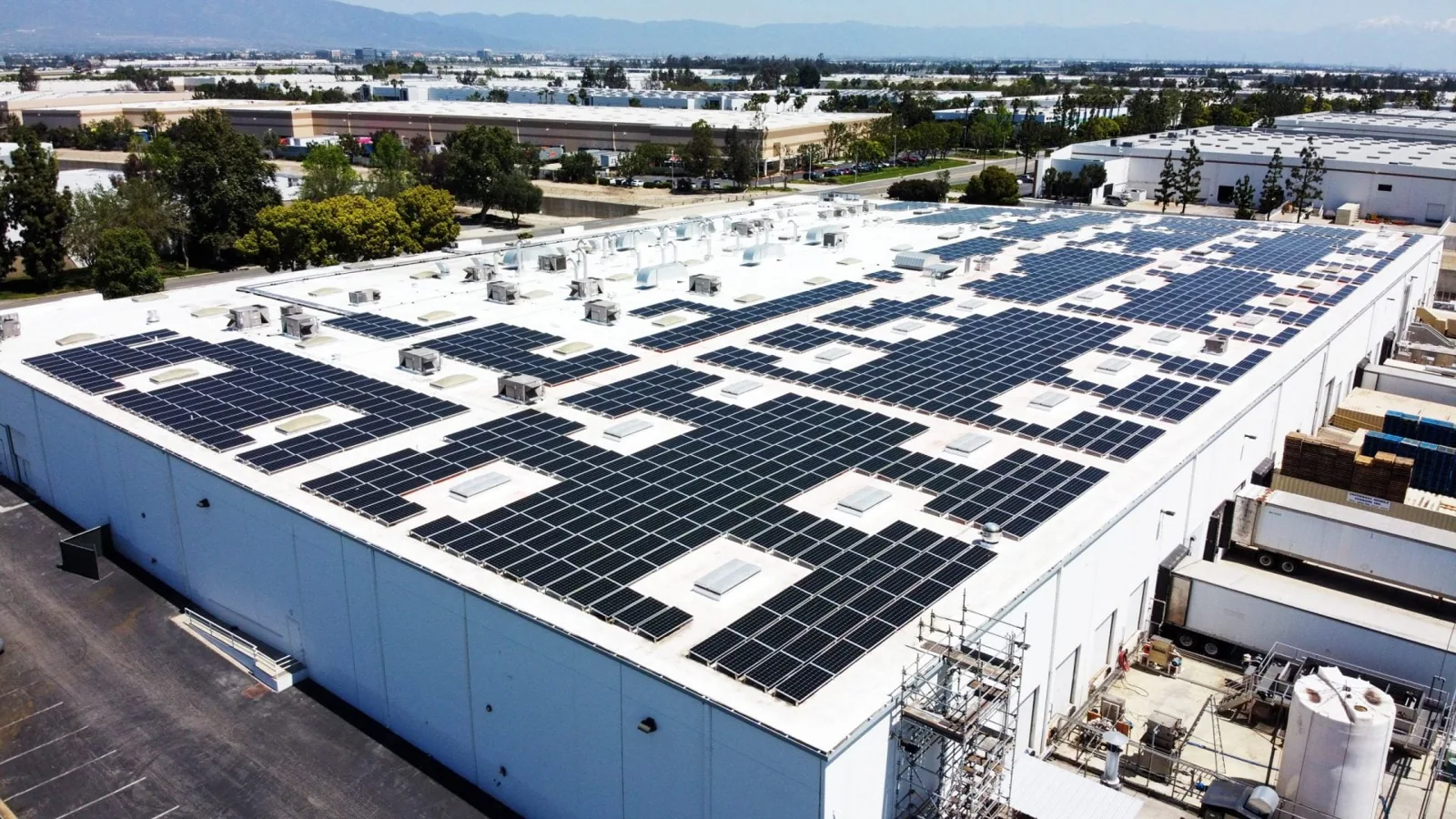
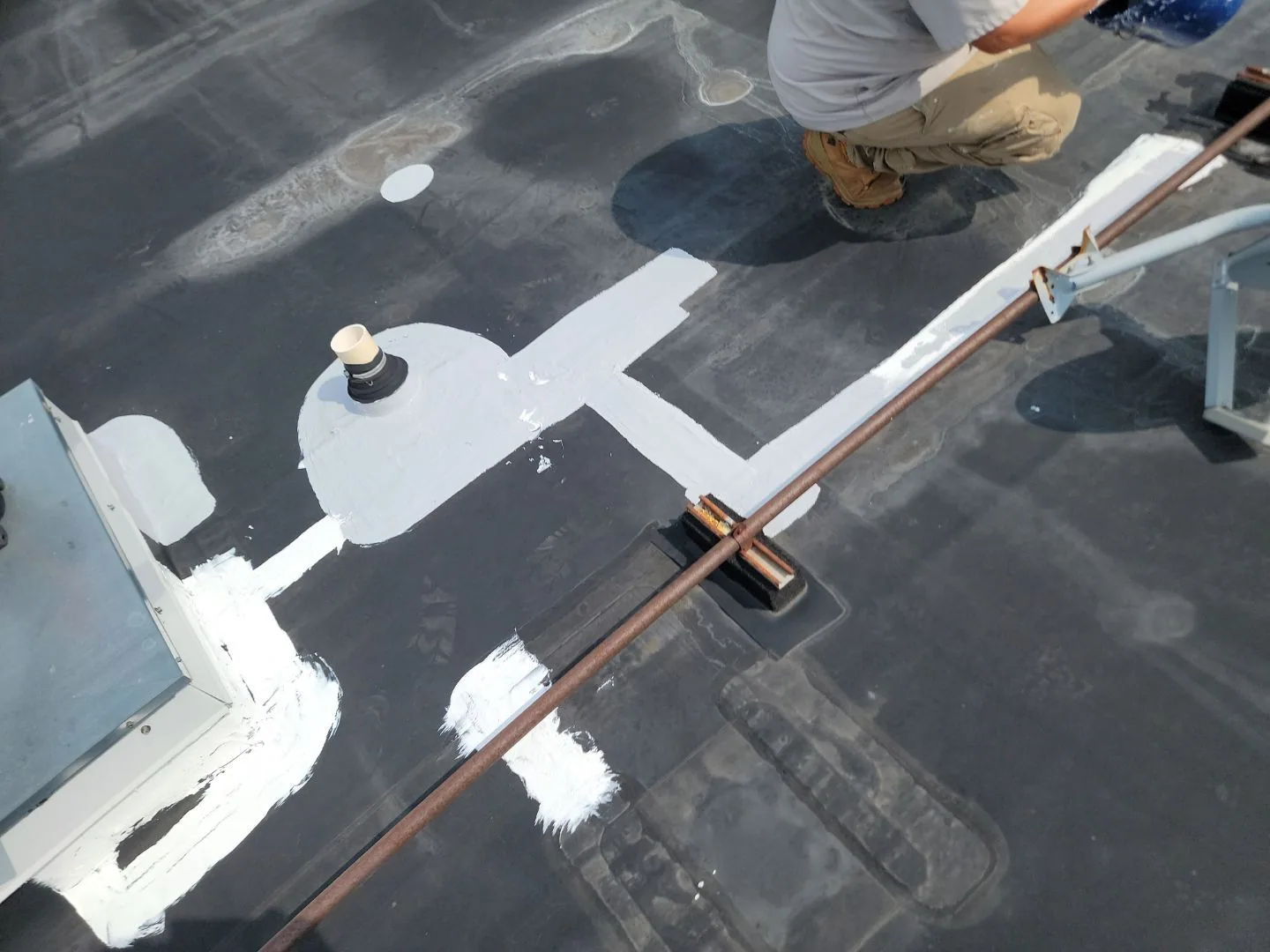
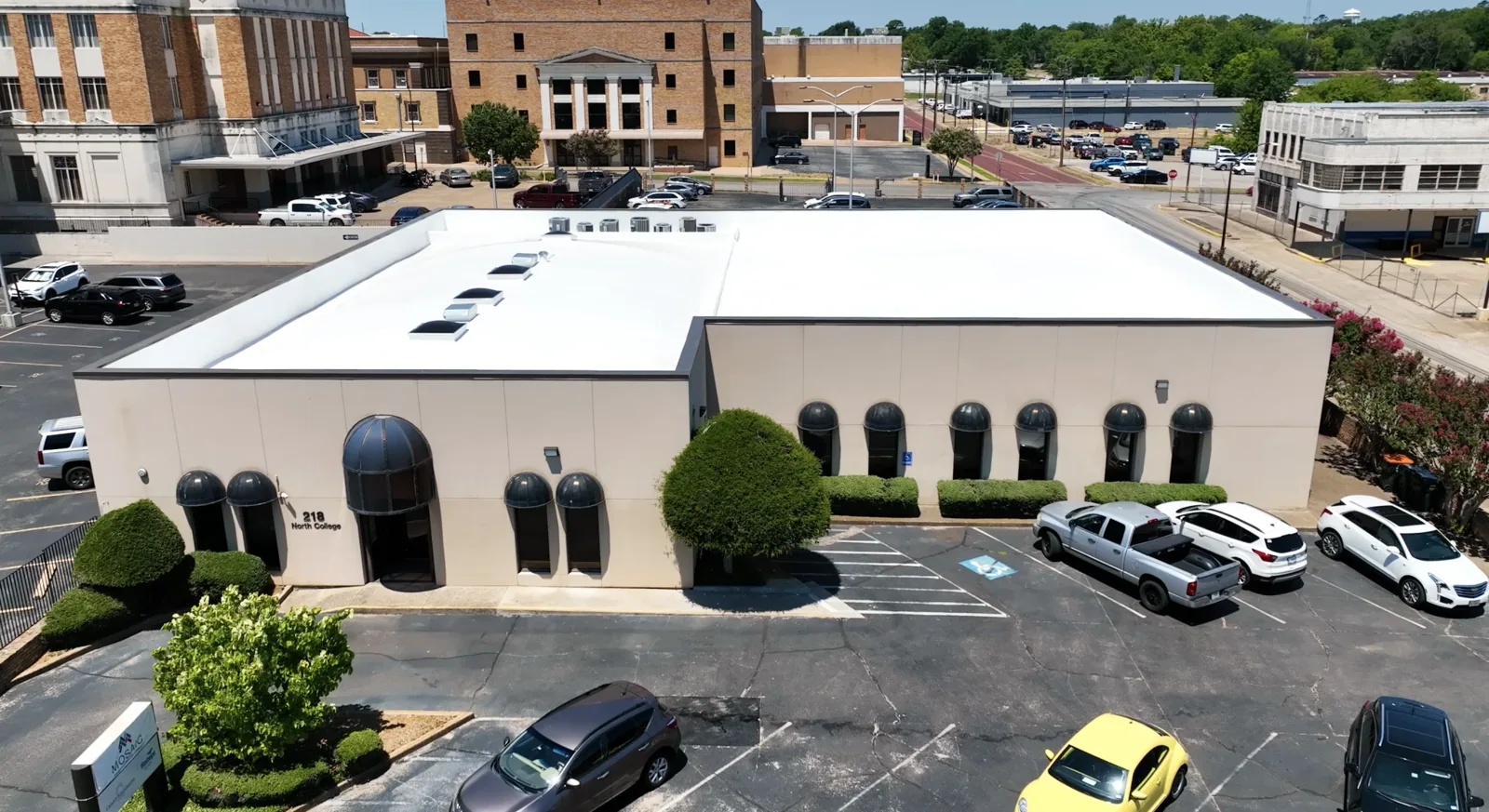
Solar mounting can use penetrating attachments, ballasted supports, or other systems specified by the designer. Each method affects the roof differently. A penetration needs a flashing detail compatible with the membrane or metal and a secure connection to the roof structure. Ballast adds weight and may affect drainage or increase movement across the surface. We review the roof connection and coordinate with the solar contractor so the mounting system does not create an unplanned path for water.
Before attachment locations are finalized, we identify seams, drains, curbs, expansion joints, and perimeter zones. The designer should avoid obstructing drains or placing service routes where they cannot be maintained. For a metal roof, panel seams and fastener lines influence attachment choices. For a low-slope membrane roof, the substrate and attachment assembly require specific detailing. We document the roof-side requirements and ask for approved layouts before penetrations are made.
Array rails and panels can change how a technician reaches rooftop units, drains, and roof details. We review walkways, drain locations, scuppers, and flow paths so solar equipment does not trap debris or create inaccessible repairs. A layout should leave room to clear drain strainers and inspect membrane seams. If water already ponds near a proposed mounting zone, we identify the low area before the array blocks the view or access.
The city’s energy code moved to the 2024 International Energy Conservation Code on September 1, 2025, with local amendments. The roof and energy work should be coordinated with applicable project requirements, including insulation, attachment, and equipment layout. The solar designer and structural engineer approve electrical layout and structural loading; our roof scope records assembly conditions and the flashing details required for the planned work. A drainage review can map outlets and water paths, while a roof insulation assessment can identify assembly work before solar supports are installed.
Solar equipment can remain in place longer than the roof's current service life. The owner should compare roof condition, expected repair needs, and the array's mounting details before deciding when to reroof. If a replacement is likely soon, completing it before the array is installed may avoid future removal and resetting. If the roof remains sound, we document seams and penetrations and plan periodic inspections around the equipment layout.
At Frankford Trade Center, distribution operations may constrain crane or lift access. A solar layout should preserve safe routes for both roof repair and equipment service. We coordinate the roofing sequence with building operations and note when the array installer needs to pause work so flashing can be inspected. If the roof will be replaced first, a replacement scope should account for mounting zones and avoid locating future attachments over seams, drains, or weak substrate. For existing arrays, our roof repair service coordinates around panels and accessible pathways.
Every new conduit, support, and junction box that touches the roof needs a recorded location and flashing detail. We photograph the roof before work, note the installation path, and inspect completed penetrations after the solar contractor finishes. A roof record should state which attachments were added, who completed the flashing, and whether any area remains inaccessible. That prevents a later leak investigation from treating an array support as an unknown roof feature.
Service crews may return to replace inverters, adjust wiring, or inspect panels. We identify no-step or restricted areas according to the array design and coordinate roof access with the owner. If equipment is lifted or moved, the roof connection needs another inspection after the work. A photo-based condition report can keep the array map and roof findings together. Share the solar layout, structural details, and access plan before the roof walk so we can locate the relevant seams, drains, and attachment zones.
Roof condition, repair history, and remaining service life guide the sequence. We inspect the assembly and document whether major repairs or replacement are likely before array installation. The solar designer and owner can then compare the cost and access effects of reroofing first.
Array layout, attachment, and structural loading belong to the solar designer and structural engineer. We inspect the roof assembly and specify roofing details around penetrations or supports. The roof connection should be coordinated with the approved design before installation begins.
They can reduce access or change debris patterns if the layout crowds an outlet or flow path. We map drains and water movement before installation, then review the service walkway and maintenance access around each drainage area.
We identify each location, confirm the attachment method, and install a flashing compatible with the roof system. The completed detail is photographed and added to the roof record. If panels block later inspection, the layout needs a safe access method for the owner and repair crew.
Share the panel layout, mounting method, structural details, conduit routes, and planned lift access. We can review those against the roof map and identify details requiring repair or coordination before the array is placed.
RELATED WORK
CALL US
Leaks, storm damage, a failing membrane or a replacement on the calendar: tell us what is happening on the roof and we will set up a visit.
Commercial Roofing Services
Share the solar layout, roof plan, and operating constraints. We will inspect the assembly, map drains and attachment zones, and identify roofing work to complete before the array is installed.
Call 555-555-5555 or request a roof assessment online.