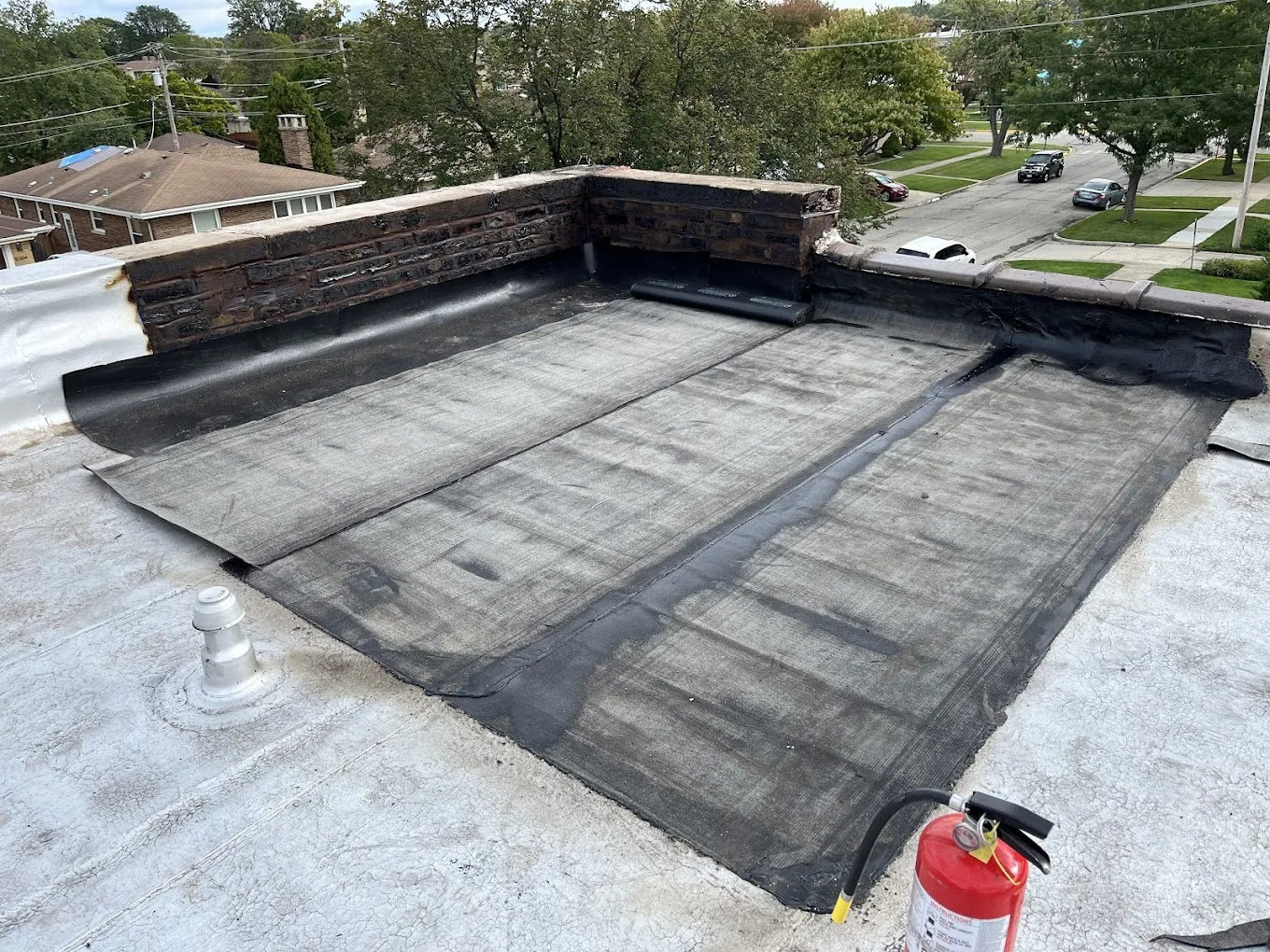
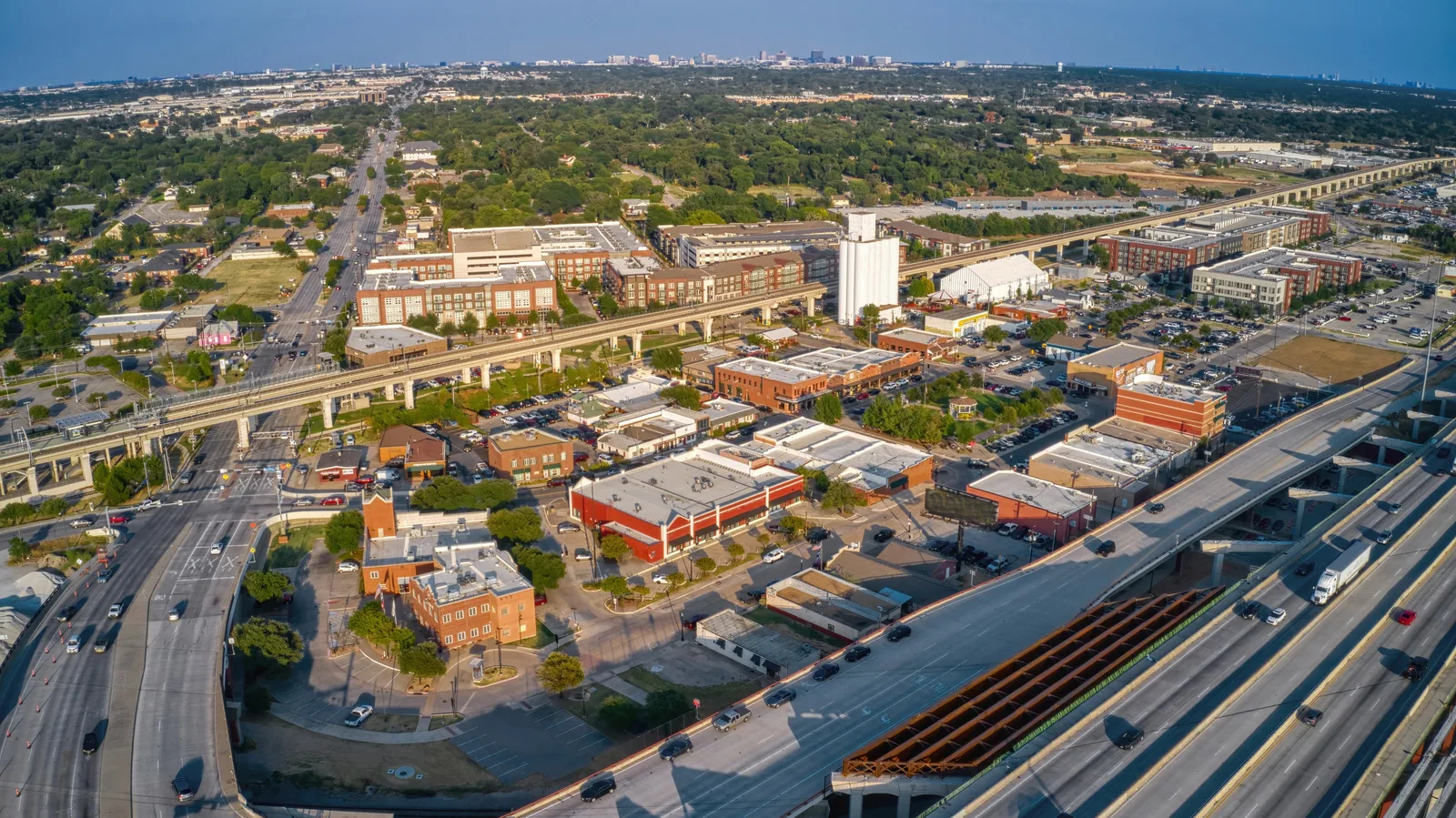
A temperature pattern on the roof can point to insulation that needs a closer look. It cannot prove that the insulation is wet. We use infrared imaging to map suspect areas, compare them with roof details, and select test locations for core cuts. The cuts show the layers and moisture condition at those points, which helps define a repair boundary. In Carrollton, hot summer afternoons can create strong surface temperature differences, so survey timing and interpretation matter. At industrial properties in Valwood Industrial Park or Frankford Trade Center, a mapped scan can focus the roof walk and test locations without treating every unusual reading as damage.
Before the survey, we review the roof plan, leak history, known repairs, and any areas that remain wet after rain. We note the membrane type, roof access, equipment, and changes in roof height that could affect the reading. The timing is selected for conditions that make temperature differences useful. Recent rain, cloud cover, wind, surface materials, and shade can change the pattern. We record the conditions and survey path so the images can be understood later.
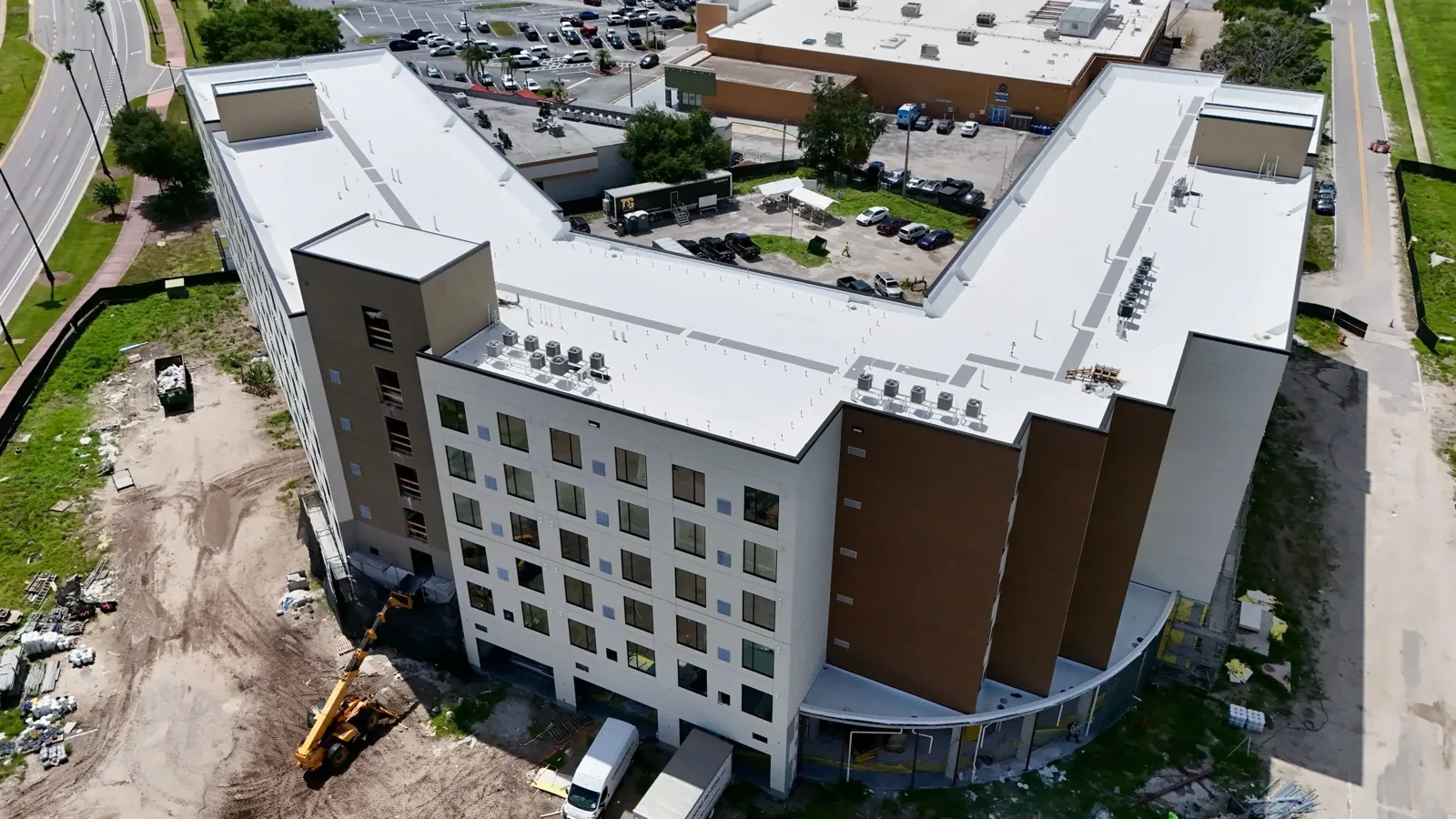
Infrared imaging works by showing differences in surface temperature. A warm or cool area can have several causes, including moisture, insulation changes, shade, or stored heat in the assembly. We do not label a roof area wet from image color alone. We compare suspect patterns with drains, seams, curbs, repair history, and interior evidence, then select points where a test cut can confirm what is underneath. A drone roof survey can help map image locations across large or difficult-to-access fields.
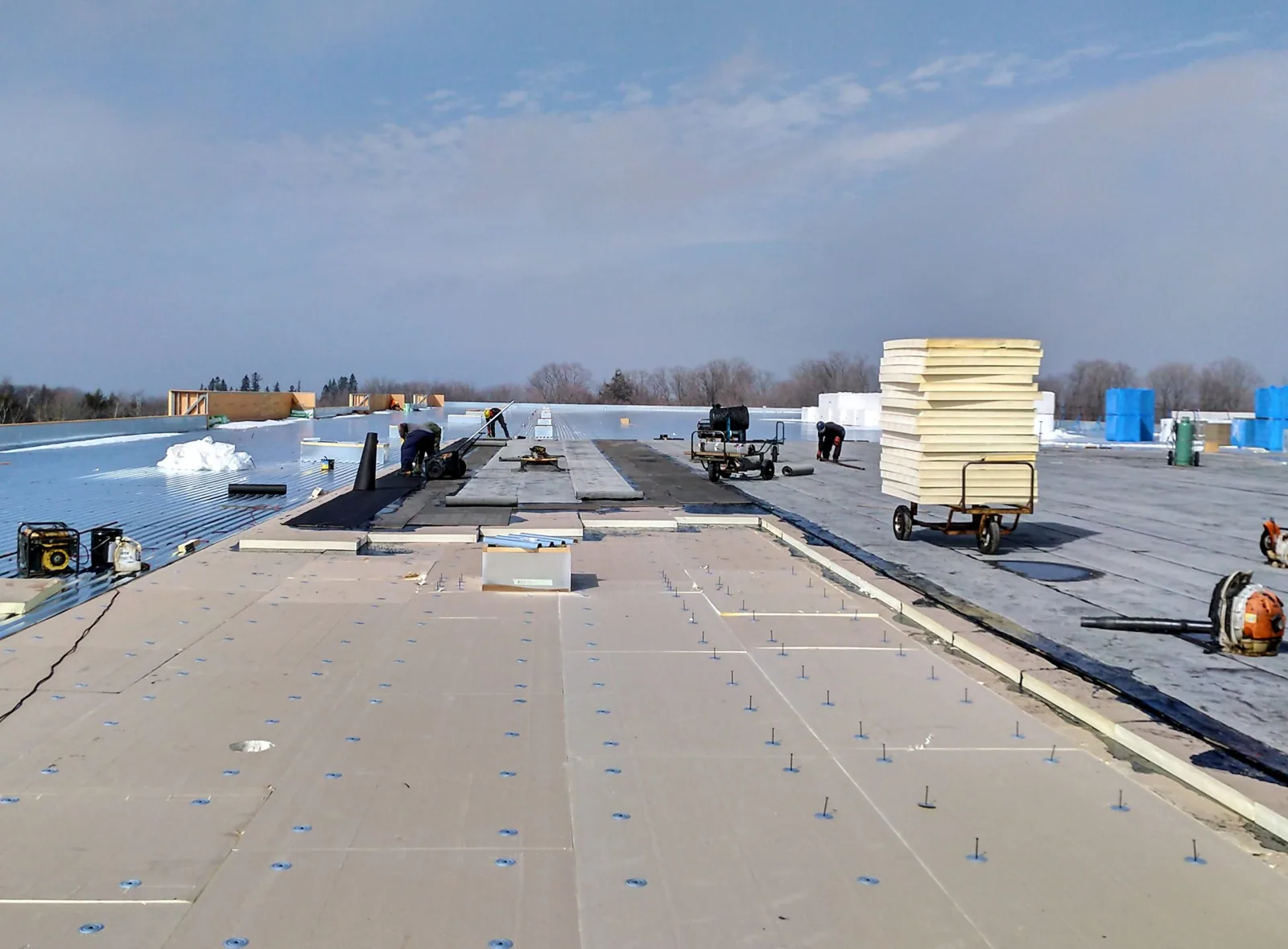
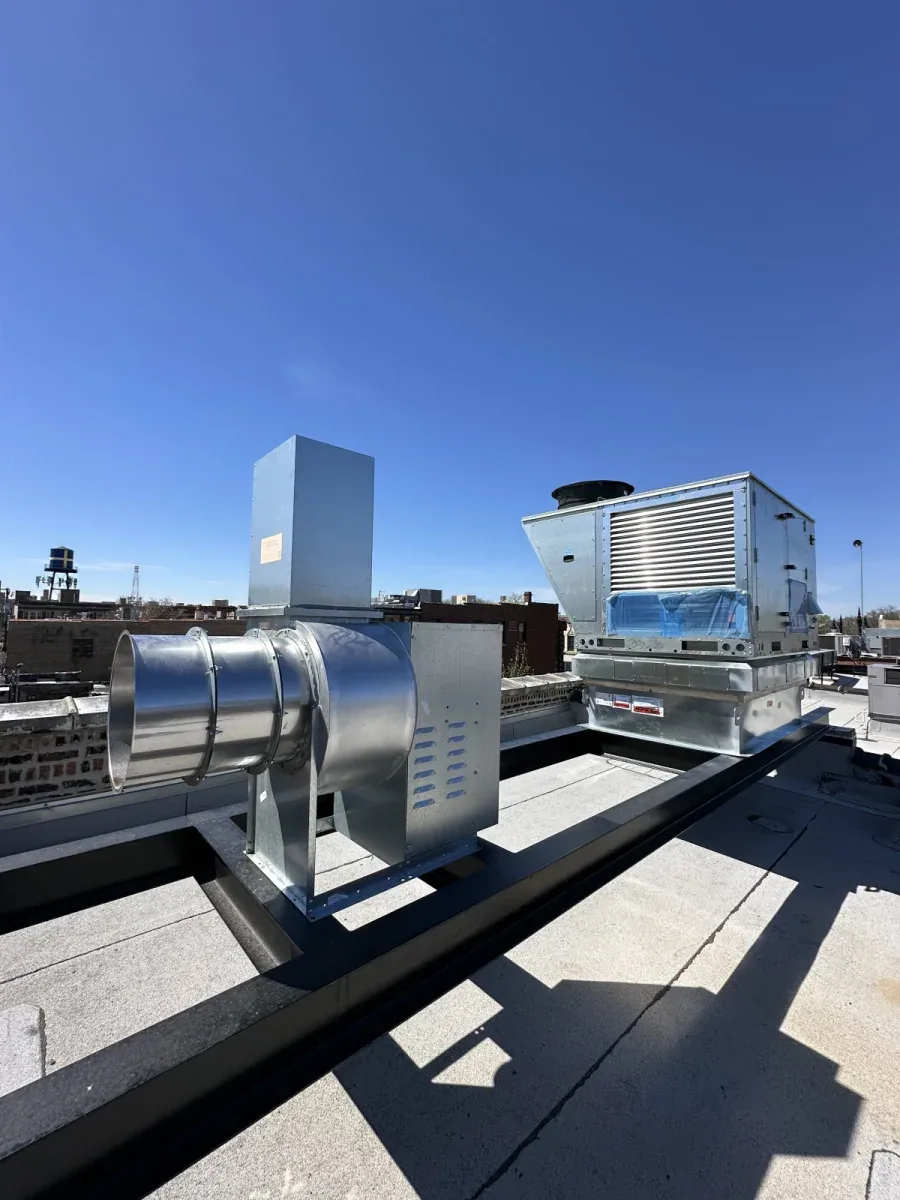
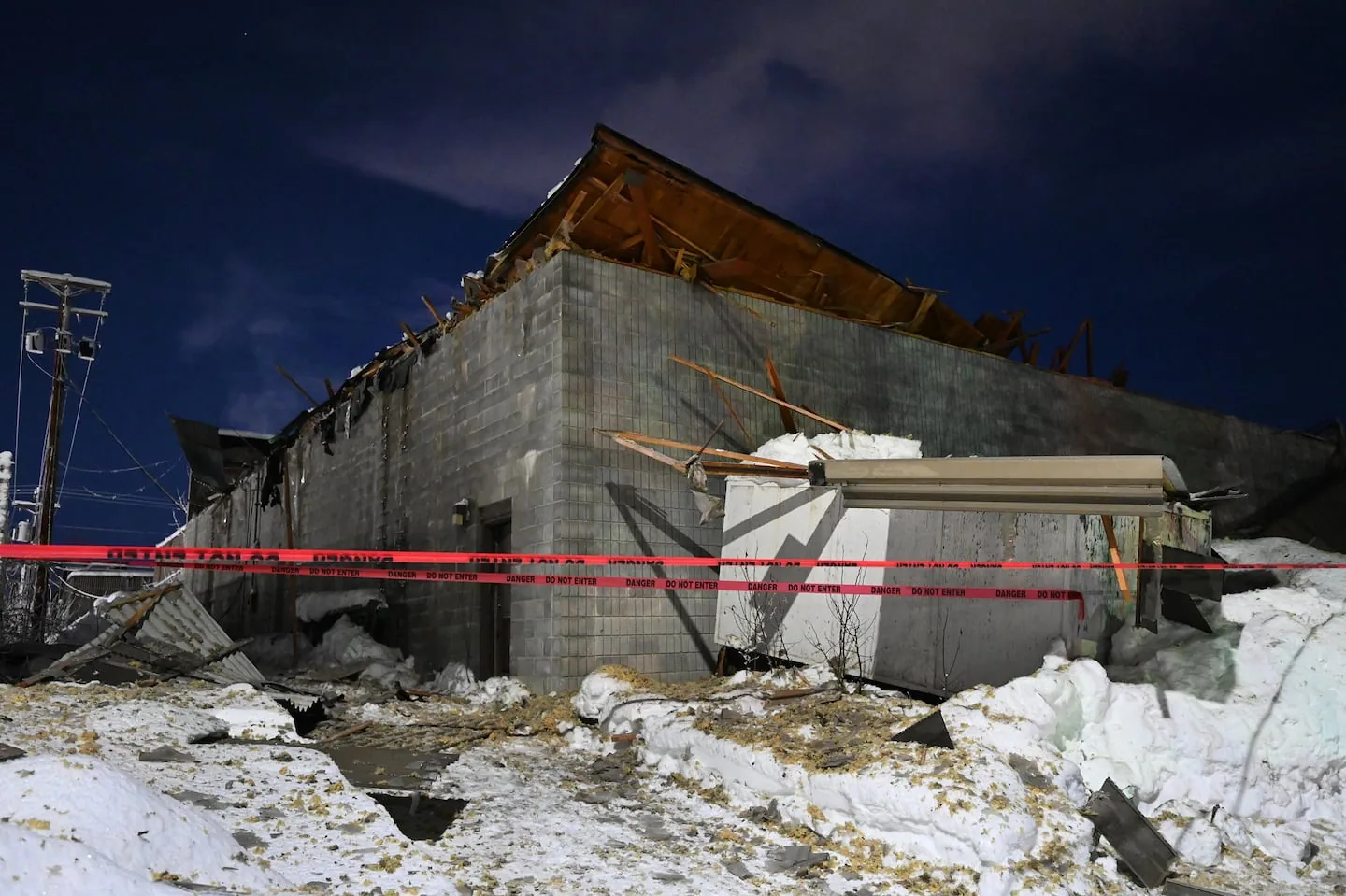
A core cut gives direct evidence at one location. We remove a small sample through the roof layers, identify the membrane, insulation, and substrate, and check the material for moisture or deterioration. The test point must be marked on a roof map, photographed, and closed with a compatible repair detail. A sample from one area does not prove that the entire roof is dry or wet. We choose test points to represent different image patterns and known leak zones, then use the results to refine the boundary.
When the scan and core results agree, the map can show where wet insulation appears to continue and where the roof may remain dry. If they differ, we review the test point and surrounding conditions before expanding the cut pattern. This keeps removal tied to evidence. At a Carrollton distribution building, that can help separate local wet areas from surrounding roof sections so work can be phased around loading. A hands-on roof inspection adds seam, flashing, drain, and edge checks that infrared cannot provide.
The roof's layers affect the image and the repair decision. We identify the membrane, cover board, insulation, vapor control layer when present, and deck type at test cuts. Wet insulation can lose thermal performance and may affect the deck or the membrane above it. The extent and location matter. A test cut at a drain may reveal a local issue, while repeated wet samples across separate roof areas can support a broader removal scope.
We also inspect the details that can admit water: open seam laps, failed curb flashing, pipe penetrations, wall terminations, edge metal, and drain bowls. Heat can make membranes and sealants move through expansion and contraction; hail or wind may add impact or displacement. The Dallas-Fort Worth region sees hot summers and spring severe weather, but the roof map must rely on the findings at this building. If water entry is active, our leak tracing service locates the entry path before the affected layers are opened.
A survey is useful when it changes a scope decision. We combine the thermal map, test-cut results, visible roof condition, and interior leak information to separate confirmed wet areas from unconfirmed patterns. The proposal can state which insulation will be removed, which roof sections appear suitable to remain, and which areas need more testing. It should also show where test cuts were made and how they were closed. This record avoids treating a scan image as a demolition plan.
If moisture is localized and the surrounding roof remains sound, a repair with limited removal may be appropriate. If wet insulation is widespread or the deck and membrane show broad deterioration, a replacement scope may address the assembly more directly. A recover proposal should only be considered if moisture is controlled, code permits another layer, and the existing roof can support the new attachment. The evidence determines which path is reasonable for the building.
The final report ties each image and test result to a roof location. It includes survey conditions, a marked roof map, representative thermal images, core-cut locations, observed layers, moisture findings, and repair limits. Photos show the closed test points. If an area could not be scanned because of shade, equipment, access, or surface conditions, we identify the limit and recommend another check if needed. That gives the property manager a record that can guide a repair crew, budget review, or future inspection.
For a multi-building property, we use the same location and image labels across roofs so comparisons stay organized. That does not mean each roof will have the same moisture pattern. Valwood and Belt Line Industrial Corridor contain diverse industrial properties, and each assembly needs its own test results. A photo-based condition report can keep survey findings with repair recommendations. If a severe storm preceded the scan, we note the observed conditions and keep weather history separate from confirmed roof damage.
It identifies temperature patterns that may indicate moisture, but other conditions can create similar patterns. We compare the image with roof details and confirm suspect areas through core cuts or other field testing before setting the removal boundary.
A core cut reveals the roof layers and moisture condition at that point. It lets us confirm whether a thermal pattern corresponds to wet insulation and how the assembly is built. We mark and repair each sample location after testing.
Recent rain can change surface temperatures and create patterns that are hard to interpret. We review the forecast and surface condition before setting the scan time. If the roof is not ready for a useful reading, we reschedule rather than force an inconclusive survey.
The number depends on the size of the roof, the number of distinct image patterns, known leak areas, and how consistent the assembly appears. We choose locations that help confirm boundaries, then expand the sample plan only where results leave an important question unresolved.
Yes, when it is paired with test cuts, a roof walk, and the repair history. The combined record can show whether moisture is localized or appears across larger sections. It does not determine replacement by itself; deck condition, membrane performance, drainage, and the proposed assembly all matter.
RELATED WORK
CALL US
Leaks, storm damage, a failing membrane or a replacement on the calendar: tell us what is happening on the roof and we will set up a visit.
Commercial Roofing Services
Share roof plans, leak locations, and access limits. We will plan the infrared scan, confirm suspect areas with test cuts, and mark repair boundaries for your Carrollton property.
Call 555-555-5555 or request a roof assessment online.