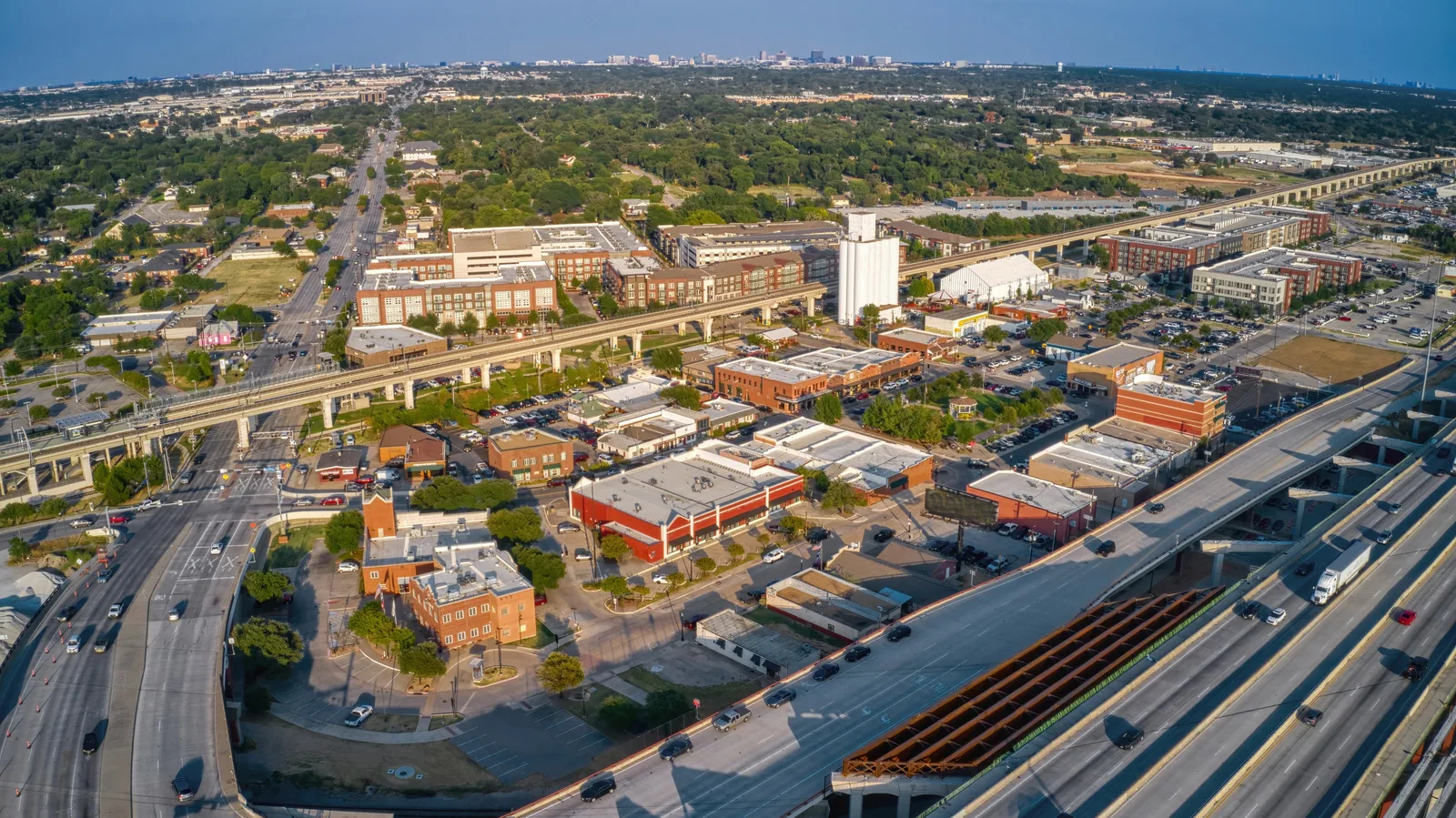
A coating is only as sound as the roof beneath it. Before we discuss a liquid layer, we check whether the membrane or metal is dry, secure, and able to accept the specified coating. Open seams, wet insulation, loose flashing, or a failing deck need separate correction first. Carrollton summers bring heat that bears on exposed roof surfaces, but coating is not a cure for every roof problem. At Midway South Industrial Park, manufacturing and distribution properties call for an assembly review that includes access, equipment, and drainage. We document the condition, identify repairs, and determine whether coating is a viable restoration option or whether the roof needs a different scope.
We start by identifying the existing roof system and its condition. The inspection includes seams, penetrations, wall transitions, edge details, drains, ponding areas, and prior repairs. We check for loose membrane, chalking, corrosion, trapped moisture, and failed sealant. A coating can bridge a surface only when the substrate remains stable and compatible with the product. If water is beneath the membrane or the deck has deteriorated, coating the top does not correct the condition below.
Adhesion tests help determine whether the surface will hold the coating after preparation. We clean a representative area, apply a sample, allow it to cure as specified, then inspect the bond. Where moisture is uncertain, we may use test cuts or an infrared moisture survey to guide testing. On a roof with repeated leaks or broad wet insulation, a replacement assessment may be more appropriate than coating over the failure.
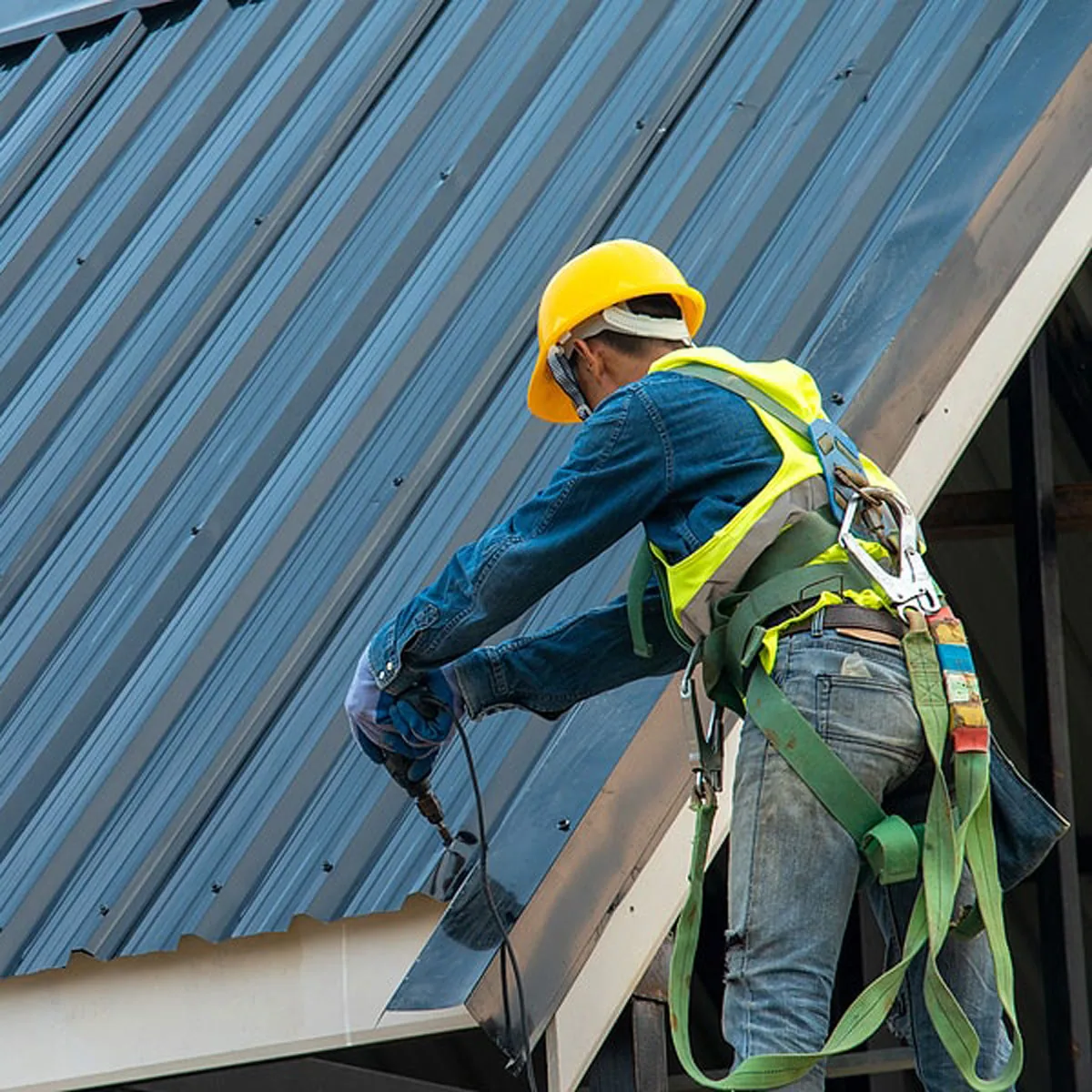
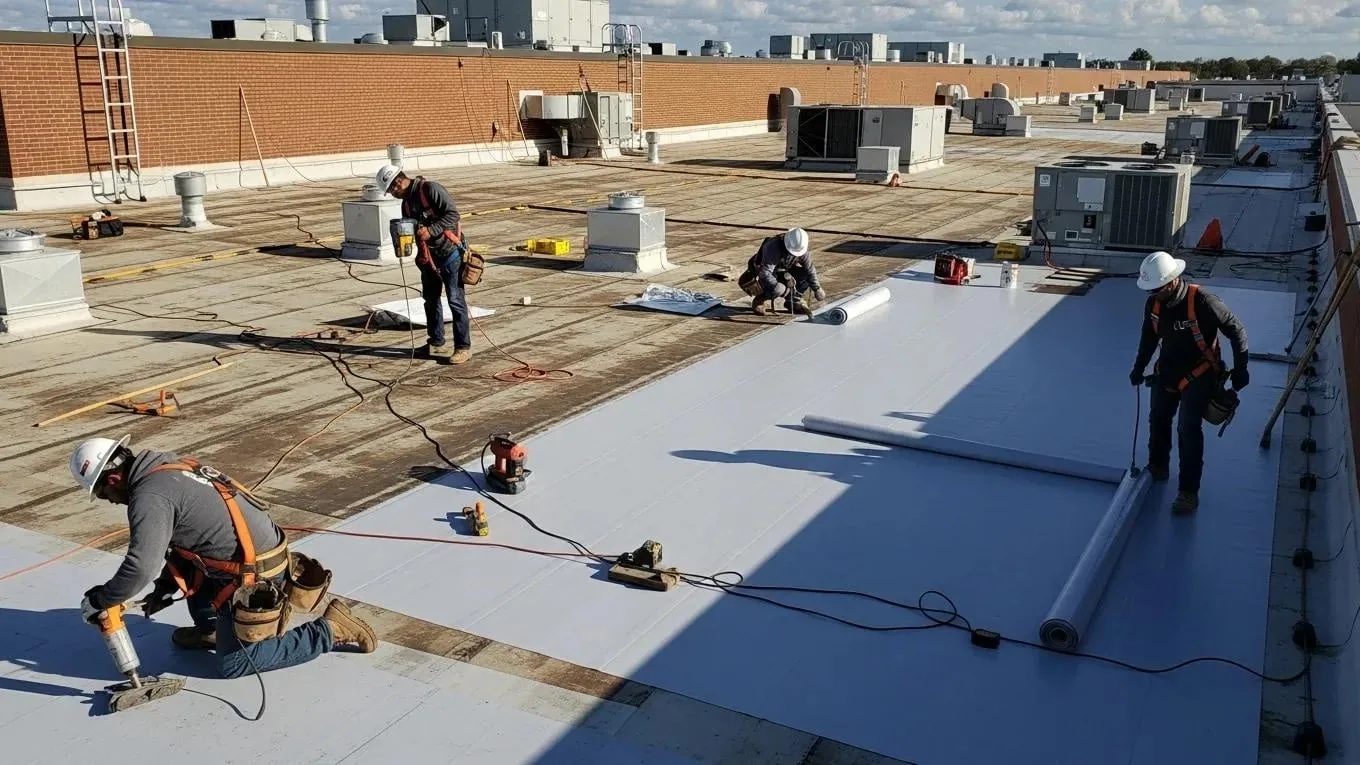
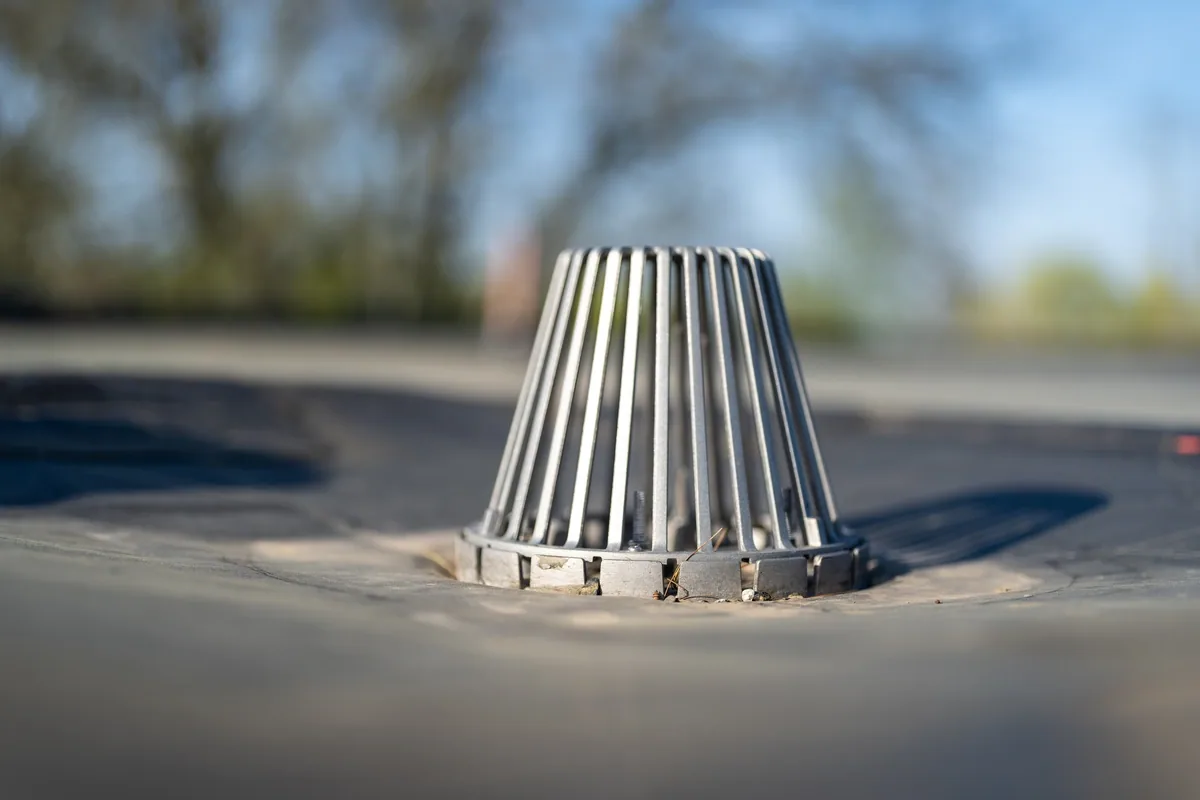
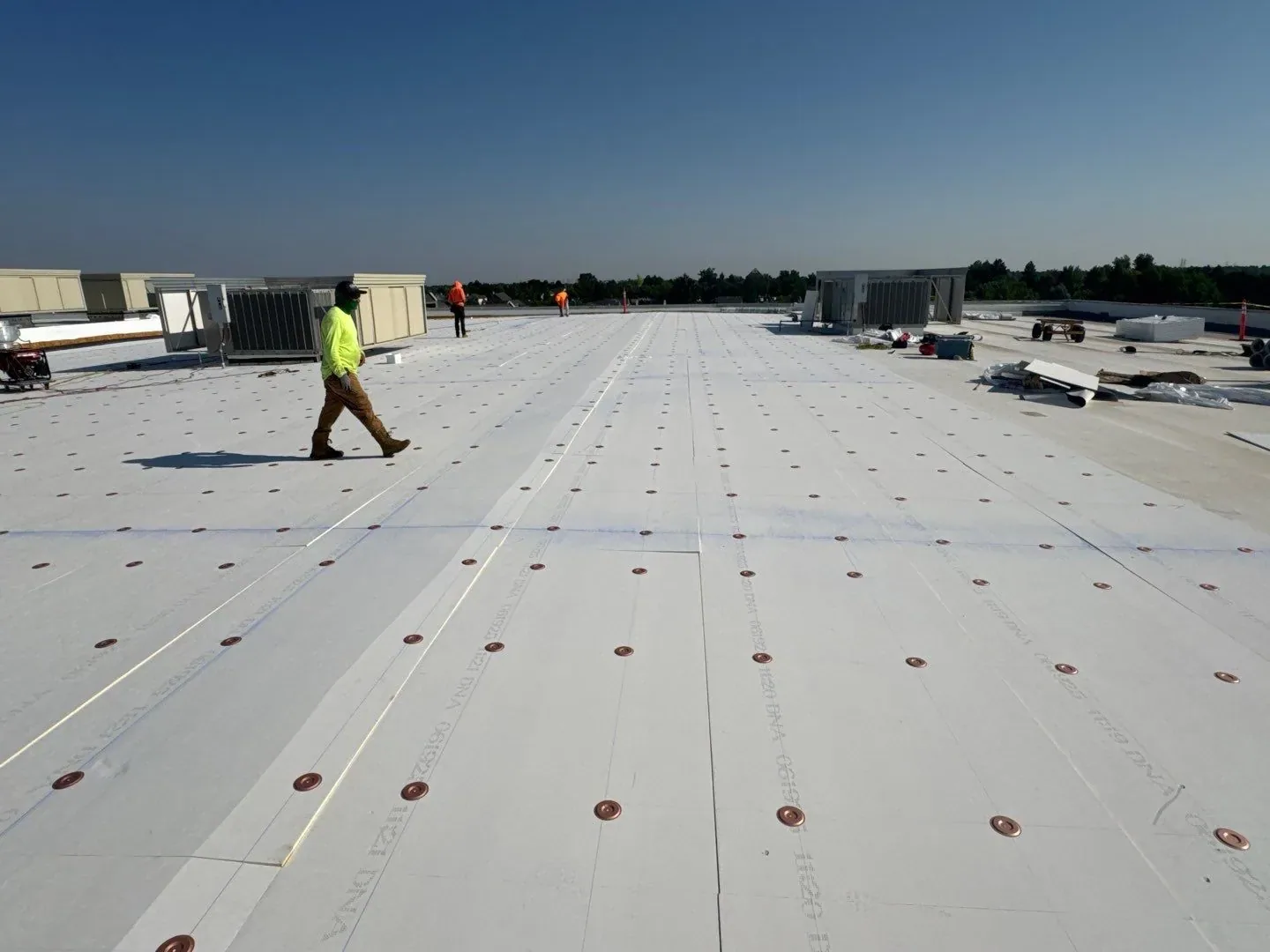
Coating work begins with repairs to the roof details. We address open seams, loose flashings, failed penetrations, damaged edge metal, and drain connections with materials compatible with both the existing roof and the coating. The repair limit should reach sound material, not stop at the visible crack. If a curb corner moves, we rebuild its flashing; a coat brushed across a loose transition will not make that connection stable.
We also inspect drainage. A coating can improve surface continuity, but it does not correct a low spot that holds water or a drain that cannot accept flow. We clear and inspect the outlet, then determine whether water remains because of a slope issue or a blocked path. At Valwood Industrial Park, a wide low-slope roof may have several drainage areas, each needing a location mark and separate condition note. Our drain and scupper work can address outlet details before the coating scope is set.
Silicone and acrylic differ in movement tolerance, water exposure limits, and the surface preparation each one needs. We compare the roof material, exposure, slope, ponding history, substrate preparation, and product requirements before specifying a system. The proposal should state the coating type, surface preparation, reinforcement at details, number of passes as specified by the system, and how the finished film will be checked. Product choice follows the substrate, exposure, ponding history, preparation, and system requirements. The roof has to support the coating and its application requirements.
Preparation can take more time than spreading the coating. The surface must be clean and dry, loose material removed, and repair areas cured or ready for the next step. Adhesion results guide the specification. At a roof with metal panels, the work also includes fasteners, seams, and corrosion spots, while a membrane roof needs attention to laps, transitions, and patches. A silicone coating system or acrylic coating system may be considered only after those checks.
Coating needs a suitable weather window. Rain, dew, high humidity, surface temperature, and wind can affect application or cure. We confirm the conditions against the coating requirements and schedule the work when the roof can be prepared and closed properly. Dallas-Fort Worth summers are hot and humid, while spring storms can arrive quickly. Regional climate gives context; the day's forecast and surface conditions determine whether work proceeds.
A coating crew needs controlled access to the entire roof area, including equipment curbs, perimeter details, and drains. We agree on material staging, rooftop unit clearances, and routes around tenant or production activity. At Midway South, the property contact can identify active loading periods and equipment that cannot be interrupted. We phase preparation and application so no partially treated area is left without a defined close-in. After cure, we inspect coverage, repairs, terminations, and penetrations, then mark any area that needs touch-up.
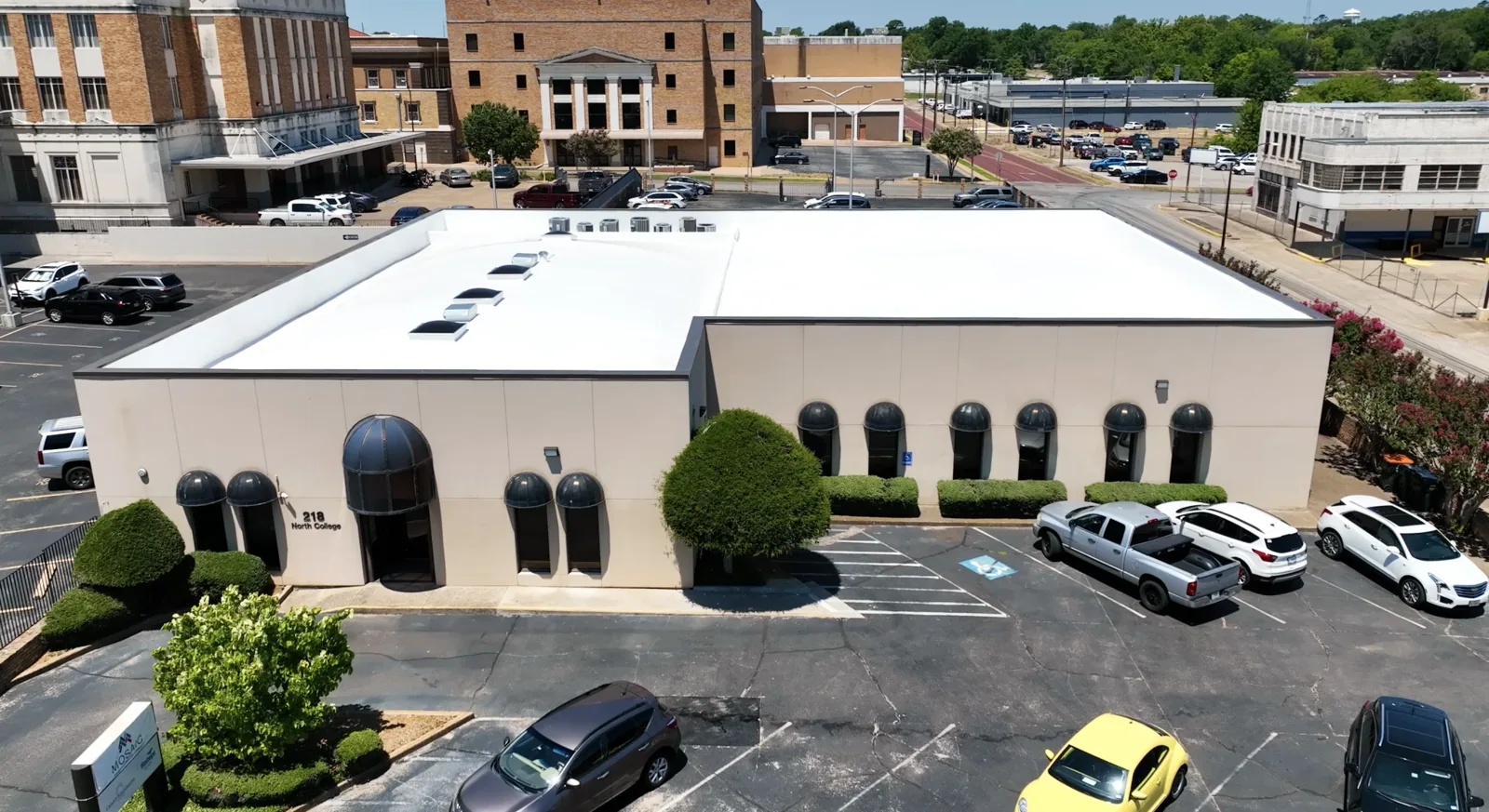
Coating can restore a roof when the existing assembly is structurally sound, dry enough for the system, and properly prepared. It may reduce removal work and provide a renewed surface, but it does not rebuild saturated insulation, correct a soft deck, or solve repeated failures hidden below the membrane. Those conditions need removal or another assembly-level correction. We explain the field findings, adhesion results, moisture tests, repairs, and drainage limits behind the recommendation.
Our scope separates coating work from repairs and identifies what remains outside the treated area. It also states the preparation and cure conditions that control timing. If the roof qualifies, future inspections should check the coating film, seam transitions, drains, and areas with foot traffic. If it does not, the report can compare localized repairs, recover, and full replacement. For a commercial roof in Carrollton, schedule access and tell us about tenant hours, equipment, or loading constraints before we set the inspection route.
Only after we identify the entry and confirm the assembly beneath it. A localized leak may be repaired before coating if the surrounding roof is suitable. Wet insulation, open seams, or a failing deck require correction before a coating is considered.
A coating can seal a prepared surface, but it does not change roof slope. We inspect the drain, scupper, and low area to see why water remains. Drainage correction may need tapered insulation or other work separate from the coating.
We compare the existing substrate, exposure, ponding history, preparation requirements, and the coating system's application instructions. Adhesion testing and roof condition come first. The selected coating must suit the surface and the conditions in which it will be installed.
It shows whether the prepared surface can hold the proposed coating in the tested area. We clean and prepare a sample section, allow it to cure, and inspect the bond. The result does not replace checks for wet insulation, loose membrane, or damaged deck.
The required cure window depends on the specified system, surface conditions, temperature, humidity, and forecast. We plan the work against the product requirements and protect the schedule from rain where possible. If the weather window is not suitable, the application is delayed.
RELATED WORK
CALL US
Leaks, storm damage, a failing membrane or a replacement on the calendar: tell us what is happening on the roof and we will set up a visit.
Commercial Roofing Services
Arrange access and identify equipment, loading, or tenant constraints. We will inspect the existing assembly, test adhesion where needed, and confirm whether coating fits the roof condition.
Call 555-555-5555 or request a roof assessment online.