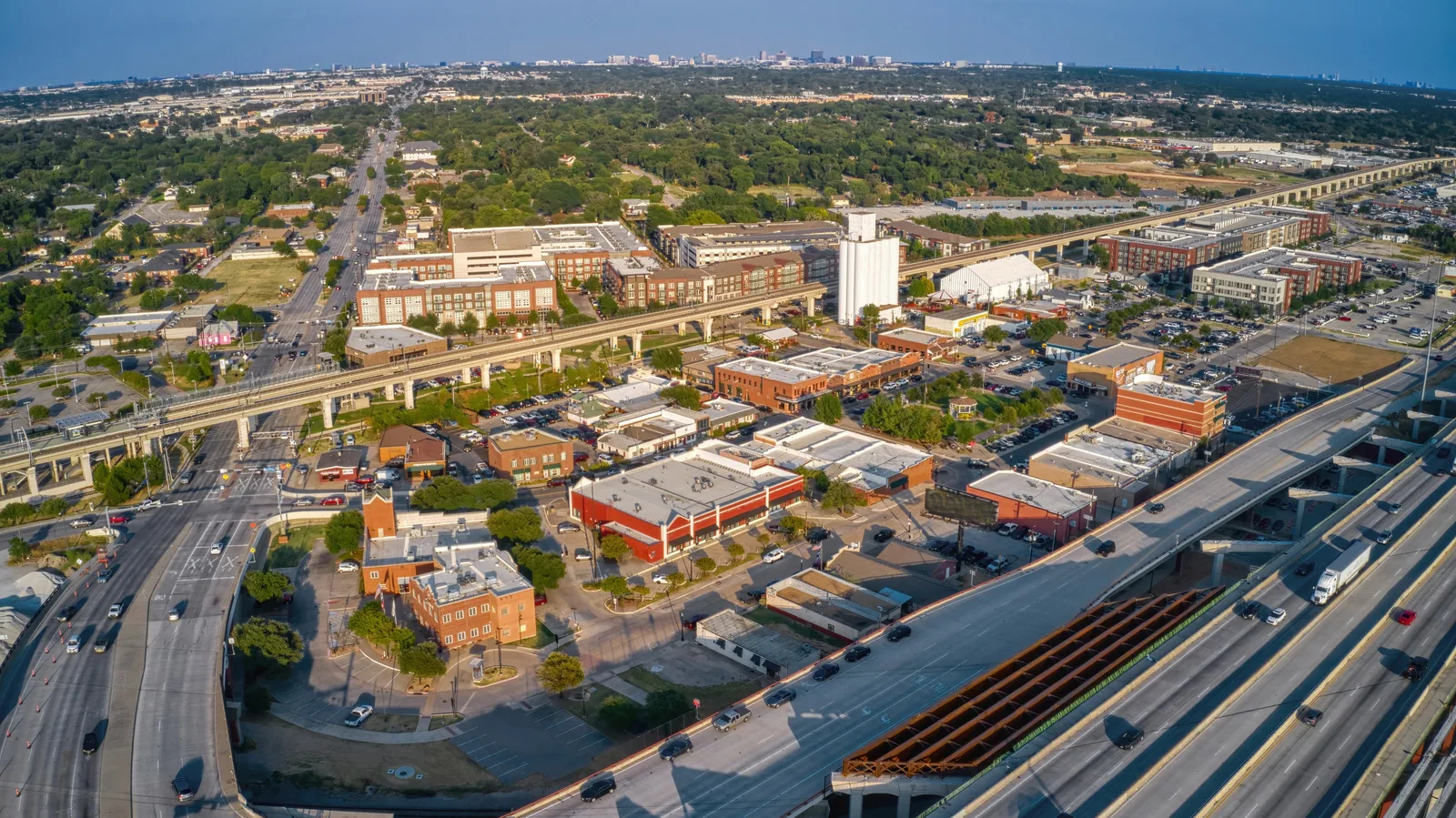
A lifted edge at a roof corner can open a path beneath an otherwise intact field sheet. Along Carrollton's Belt Line industrial corridor, we inspect the perimeter, seams, penetrations, and drainage before setting a repair limit. Belt Line is one of the city's named industrial parks and districts; its major tenants include Halliburton, International Paper, Lennox, J&J Snack Foods, and TreeHouse Foods. The corridor connects industrial properties with Belt Line Road and the I-35E and President George Bush Turnpike network. We coordinate roof access with each property manager and plan material movement around the building's operating needs.
A corridor links properties, but each building has its own entrance, staging area, and safety rules. Before the inspection, we confirm the access point, ladder or lift location, and areas that must stay clear. If deliveries or site operations affect the route, the manager identifies the active windows. We set a roof-walk path that lets us inspect details without carrying tools across restricted areas or interrupting a loading zone.
The roof record starts with a marked plan or a clear zone sketch. We locate drains, penetrations, curbs, wall transitions, and prior repairs, then note which details need a closer look. Along a connected industrial corridor, accurate site labels matter: one photo should identify the building and roof area, not just the general district. A drone roof inspection can help map broad areas before hands-on seam and flashing checks.
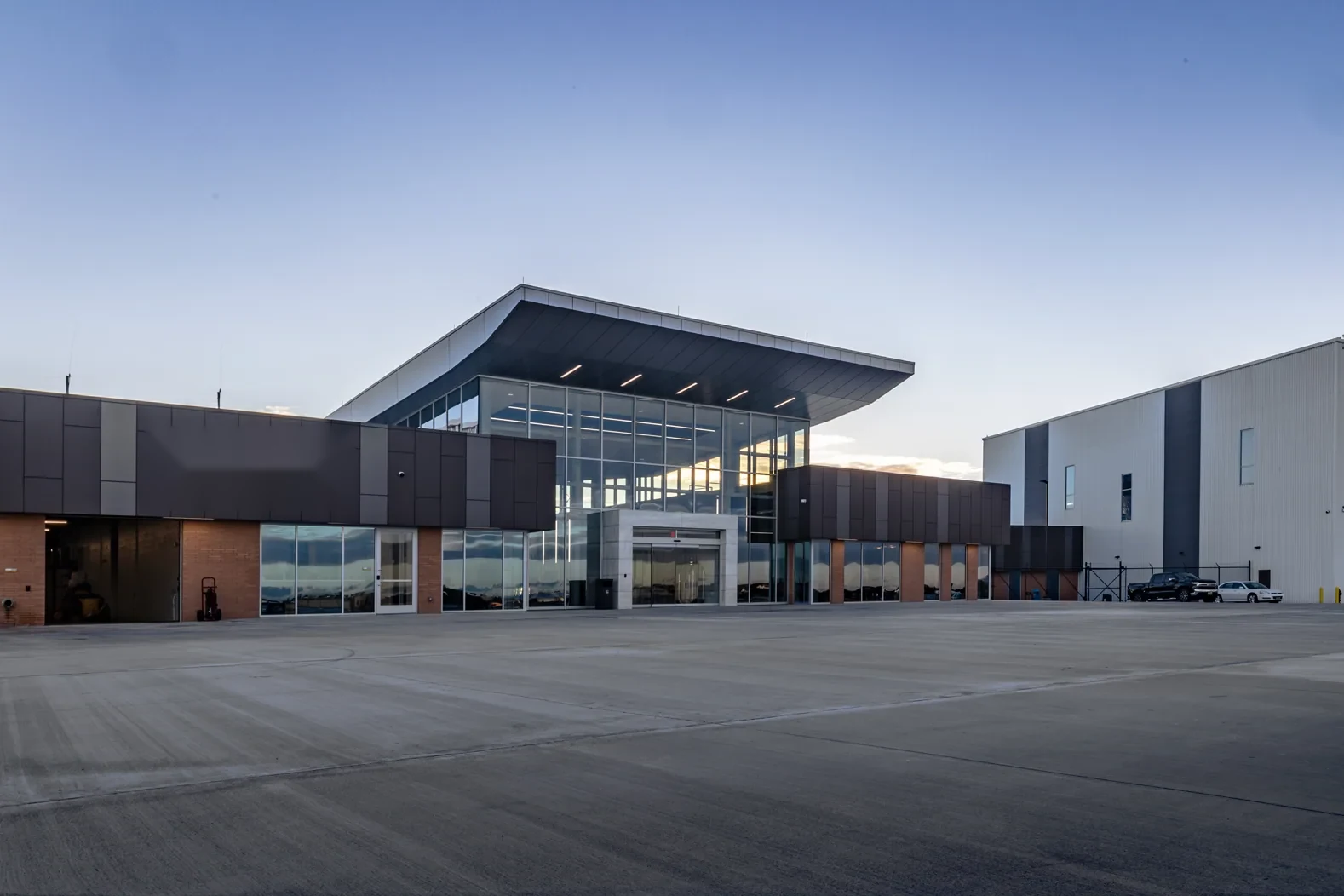
At the perimeter, we check edge metal, fasteners, cleats, membrane termination, corners, and changes in roof height. A loosened cap can let wind reach the roof edge and stress the attachment underneath. We follow the detail inward, looking for lifted membrane, open seams, and movement at nearby curbs. The repair needs to restore the connection between membrane and metal, not simply seal the visible joint.
Interior leaks can begin at a wall or penetration and travel below the roof before showing in a different room. We compare the leak report with slopes, drains, deck direction, and adjacent details. A commercial edge and coping inspection checks metal attachment and membrane termination together. Where the leak is traced to a wall, curb, or pipe detail, our flashing repair review records the failure path and surrounding materials.
Carrollton is part of a region with hot, humid summers. By midsummer, Dallas-Fort Worth daytime readings regularly push beyond 90 degrees, and 100-degree days are common in July and August. Heat can work on patches, sealants, exposed metal, and transitions. We look for cracks, separation, and movement, then determine whether the condition is limited to one detail or repeated along the roof. A coating may renew a compatible surface, but it cannot reset loose metal or dry wet insulation.
Spring brings the metroplex's most active severe-weather period. Large hail, damaging wind, flooding, or tornadoes occur somewhere in the region nearly every year. We inspect the roof after a storm for punctures, displaced metal, open seams, and impact near equipment or curbs. Each finding gets a photograph and a field mark. If a leak is active, we prioritize temporary protection before scoping permanent work. The storm damage roof process keeps the location record tied to the repair decision.
A small puncture or seam opening may be repairable when nearby roofing remains firm, attached, and dry. We remove loose material, prepare the surface, and connect compatible repair material to sound membrane. The field mark shows the repair limit. If moisture extends into the insulation or several details have failed, the owner needs a broader assembly review rather than a larger patch without verification.
A recover may be an option when the current assembly is stable and project requirements allow another layer. Replacement may better address wet insulation, failed attachment, or widespread wear. Cost and timing follow the roof layers, deck condition, access, staging, and work restrictions below. We can compare findings in a roof condition report, with confirmed conditions separated from areas that need a test cut. That gives the owner a clear basis for deciding whether to repair now or plan a larger scope.
When roofing is opened, material staging and the weather window control how much area can be completed. We define the work boundary, stage compatible materials, and agree on a secure close-in point before removal begins. If wind or rain approaches, the open section is closed before work moves elsewhere. The manager identifies any equipment, employees, or access routes that need protection below the repair.
A small test cut can confirm the insulation or deck condition where surface checks leave a question. We select the location for a reason, record the layers, and close the opening on the same visit. For larger work, sections can be sequenced to keep the building operating. Our occupied-building reroof service plans those work limits with the property manager, so each day's scope has an end point that protects the roof and the operation underneath.
Halliburton, International Paper, Lennox, J&J Snack Foods, and TreeHouse Foods are identified as major tenants along the corridor. Those names do not tell us the condition or construction of any roof. We inspect the specific property and record what the field shows: seam condition, drainage, flashing, prior repairs, moisture checks, and any area set aside for follow-up.
When an owner oversees more than one corridor property, a consistent roof map helps compare maintenance needs without merging buildings into one record. We label photos, date each inspection, and note which repairs remain under observation. Nearby Luna Industrial Park and Valwood Industrial Park have their own access plans and roof conditions. A multi-site roof program can coordinate inspections while keeping every building's repair history distinct.
It is relevant to how a property manager plans deliveries, material staging, and access to the work area. We confirm the building's own site route and loading limits before scheduling. The corridor location does not establish the roof's condition or construction.
Yes. Wind can stress edge metal, fasteners, membrane termination, and nearby seams. We inspect the perimeter and follow any displacement inward, then determine whether the attachment or membrane has lost continuity.
We inspect for punctures, fractures, open seams, and other loss of water resistance. A dent or scuff by itself does not establish a failure. Photos and a marked location show which conditions support the repair scope.
We compare the interior mark with slopes, drains, deck direction, walls, and penetrations. Water may move beneath roofing before it becomes visible. We test the likely details and record the route before selecting a repair area.
We can schedule a route when each building's manager confirms access. Each roof receives a separate plan, photographs, and condition record so repairs and maintenance remain tied to the correct property.
RELATED WORK
CALL US
Leaks, storm damage, a failing membrane or a replacement on the calendar: tell us what is happening on the roof and we will set up a visit.
Service Areas
Identify the property, roof access point, loading periods, and any restricted areas. We will map the roof details, document active conditions, and return a scope tied to that building.
Call 555-555-5555 or request a roof assessment online.