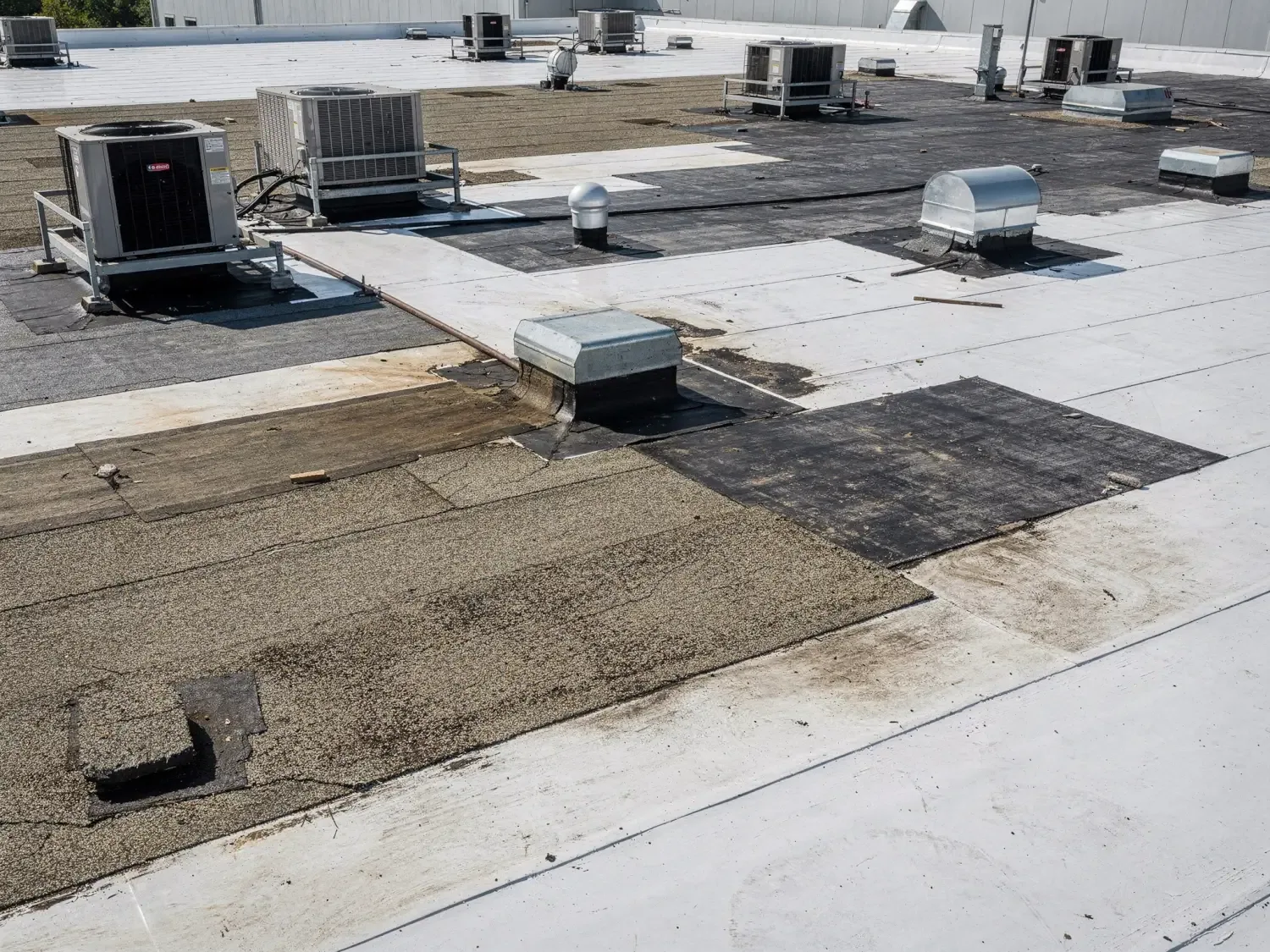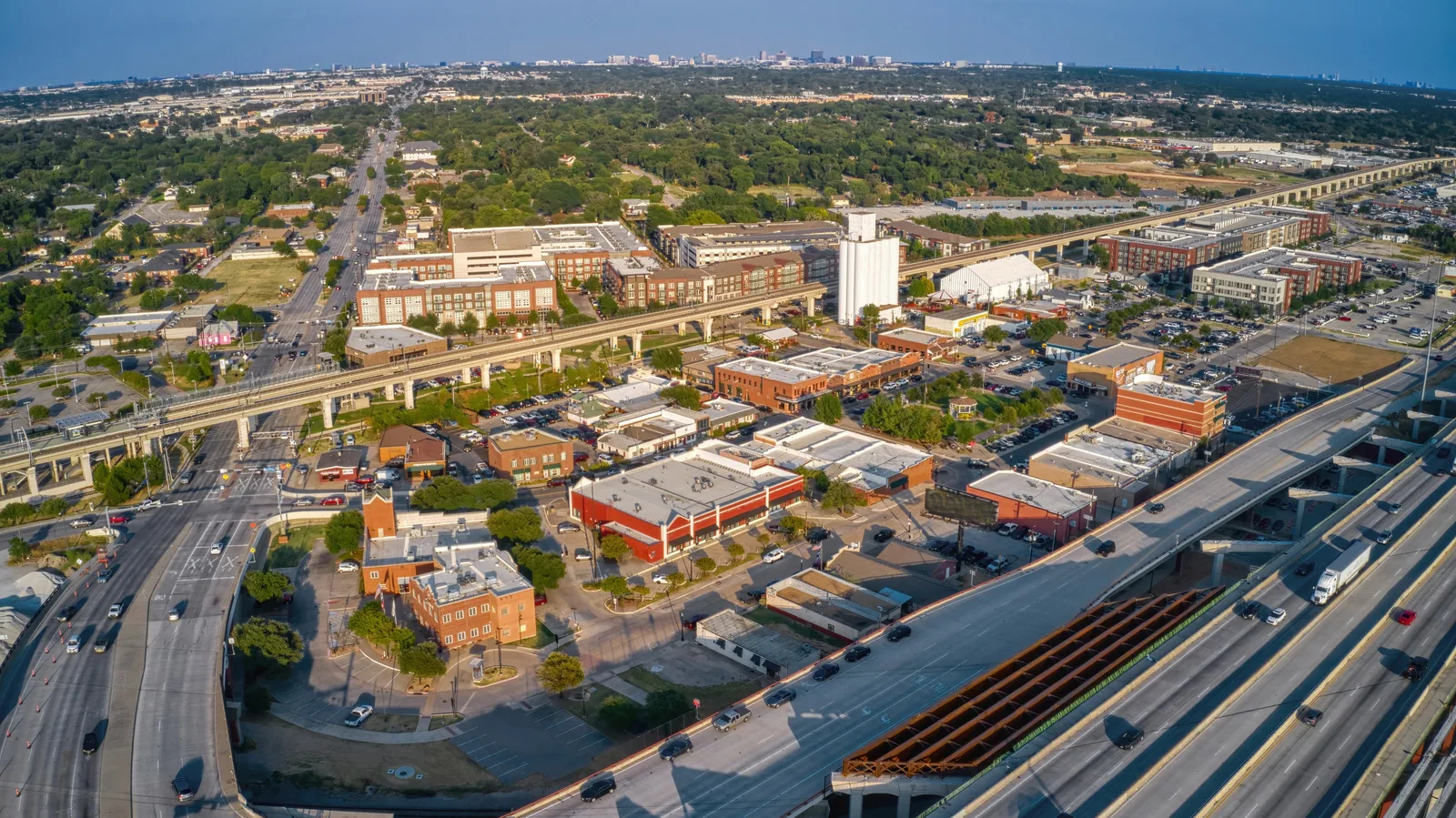
A torn membrane near a rooftop unit can turn an ordinary rain into water over equipment or inventory. The first move is to limit what enters the building, then keep people clear of wet electrical areas and unstable roof sections. Our emergency crew can respond at any hour, including nights, weekends, and holidays. In Carrollton, spring storms can bring hail and damaging wind across the region, but the roof still needs a site-specific check. We ask where water is entering, which operations are at risk, and whether roof access is safe. At Belt Line Industrial Corridor, manufacturing and distribution activity may continue while a roof is protected. We plan the temporary dry-in around those operations and record the permanent work that remains.
Before anyone climbs to the roof, identify interior hazards and keep staff away from sagging ceilings, water near energized equipment, and rooms with active electrical issues. Place containers only where they do not create a slip or trip hazard. Do not enter a roof area if wind, lightning, standing water, or structural damage makes access unsafe. A temporary response starts with the people below and the building's operating plan, then moves to the roof when conditions allow.
On the roof, we locate the opening and assess nearby membrane, flashing, edge metal, curbs, drains, and rooftop equipment. We look for loose material, displaced metal, impact marks, and water paths. A storm does not make every visible mark new, so we photograph the location and separate fresh damage from older conditions where the evidence supports it. Our wind damage assessment can document edge movement, lifted seams, or displaced flashing without treating every aged detail as storm loss.
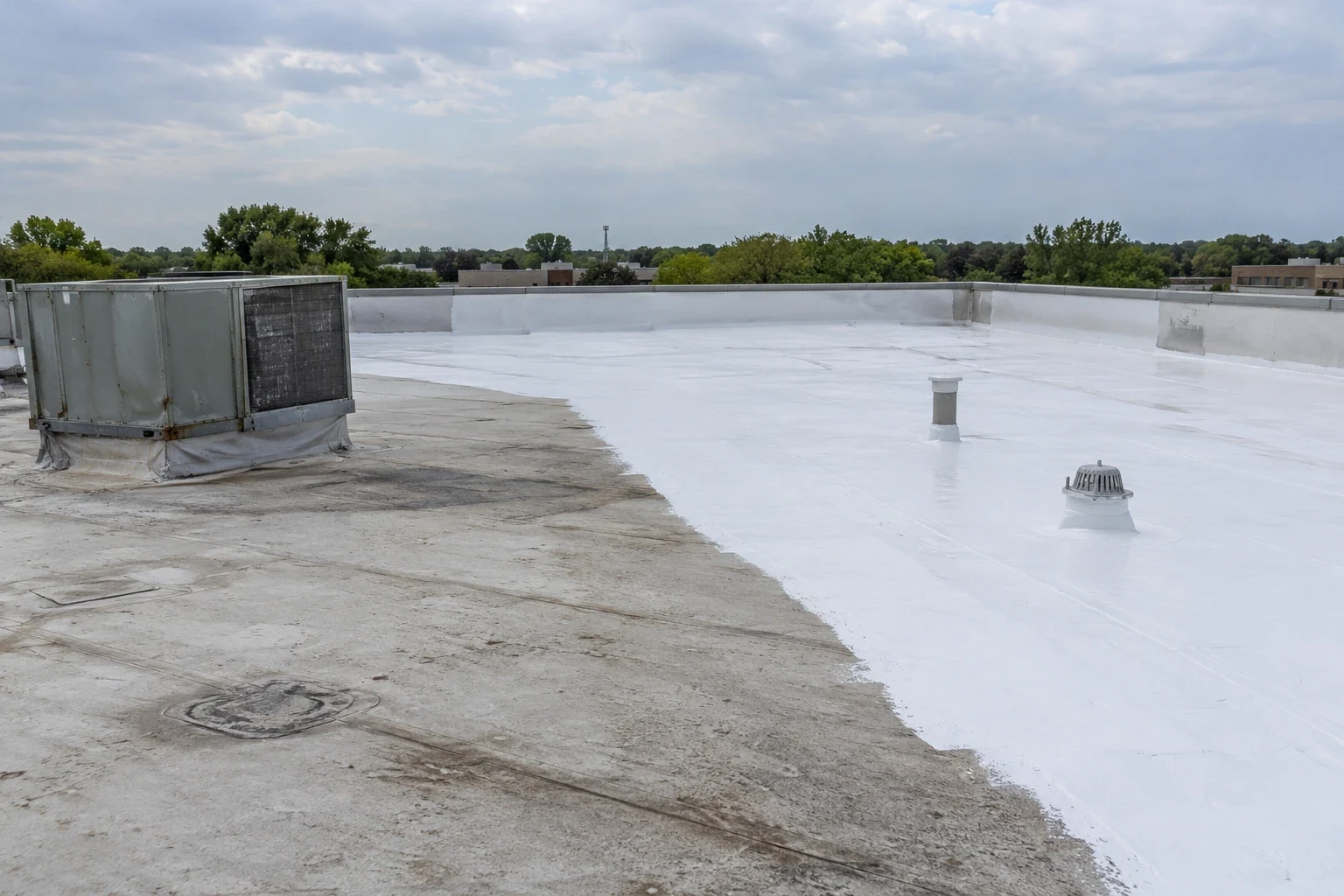
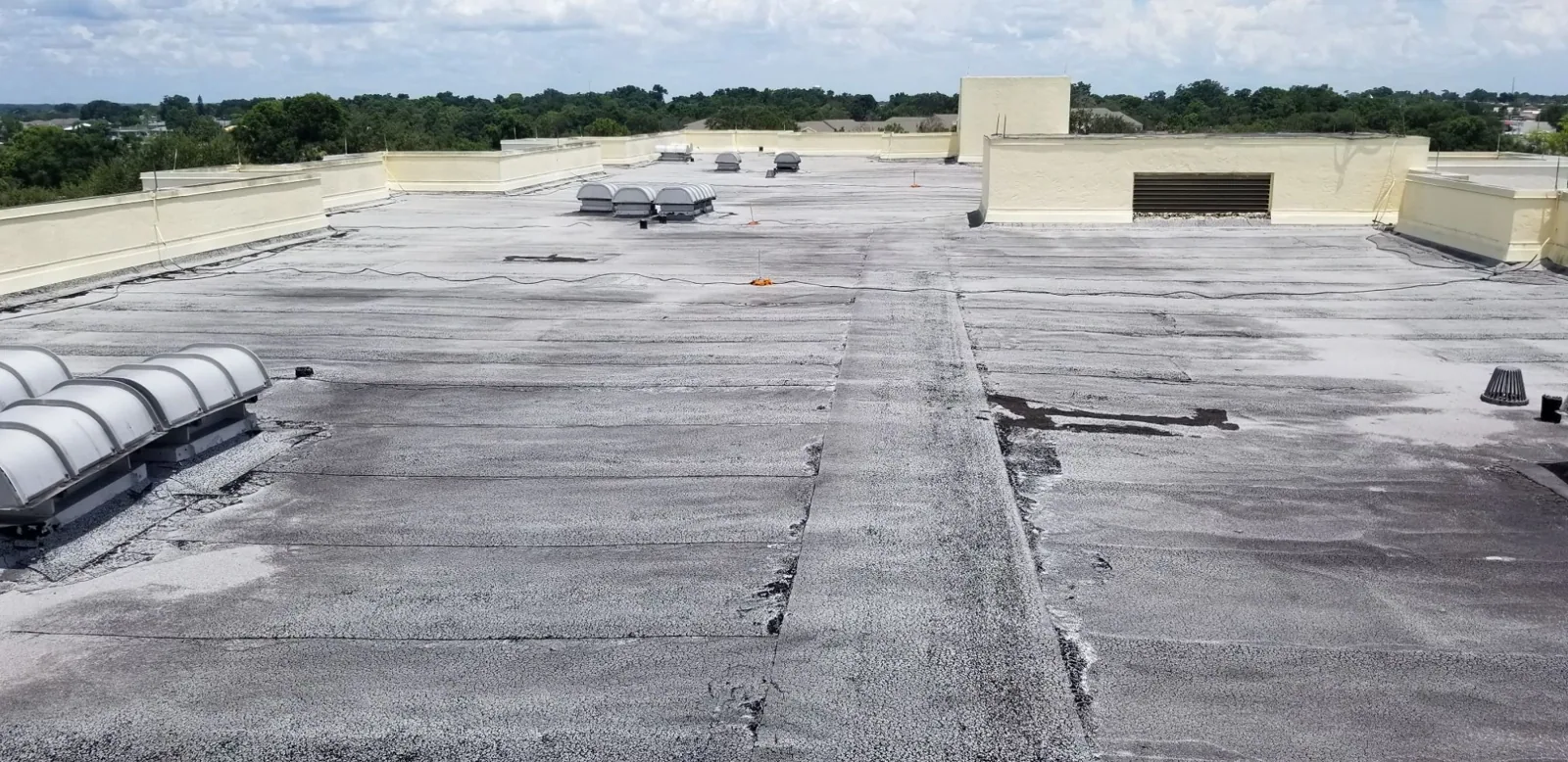
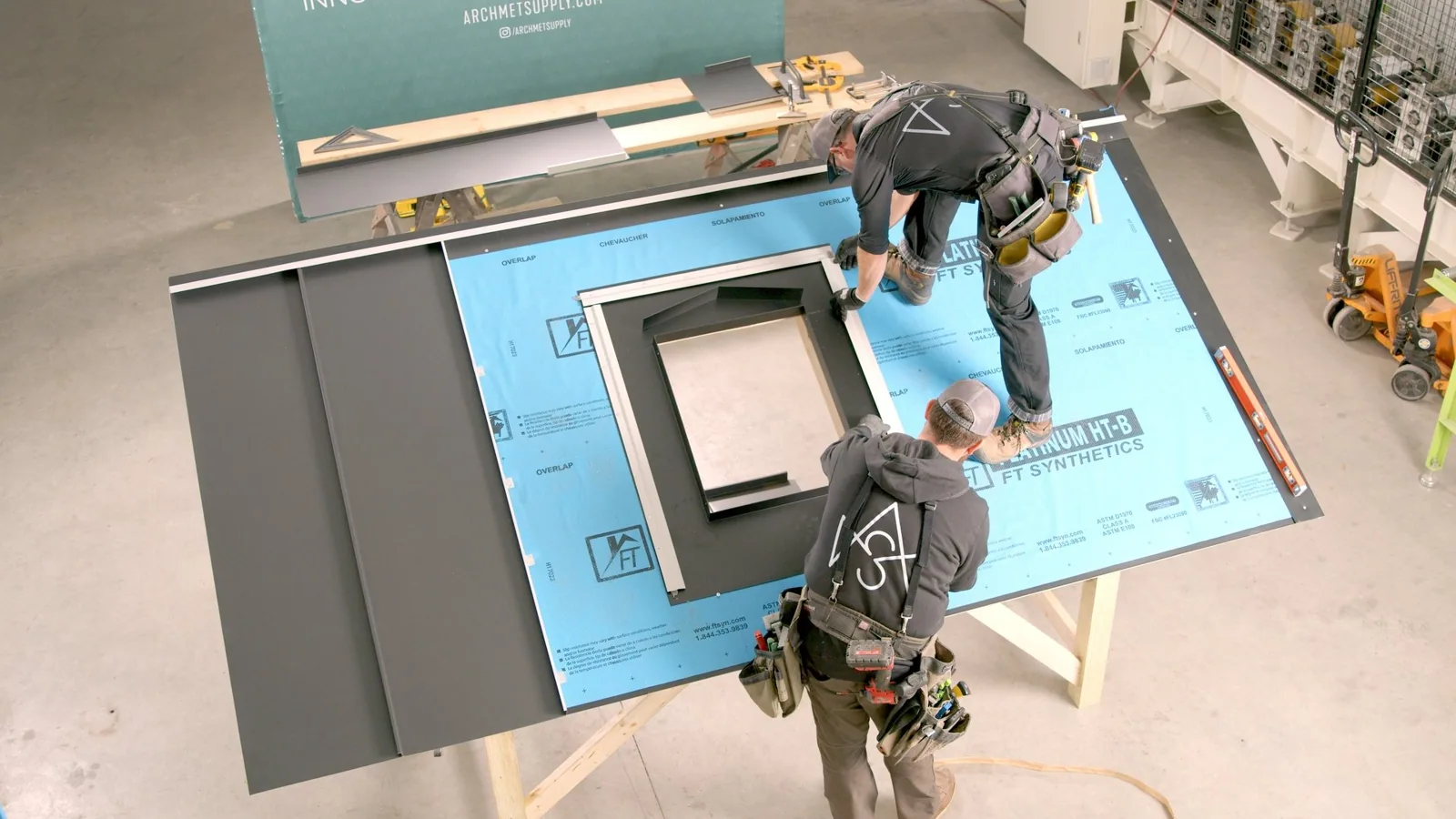
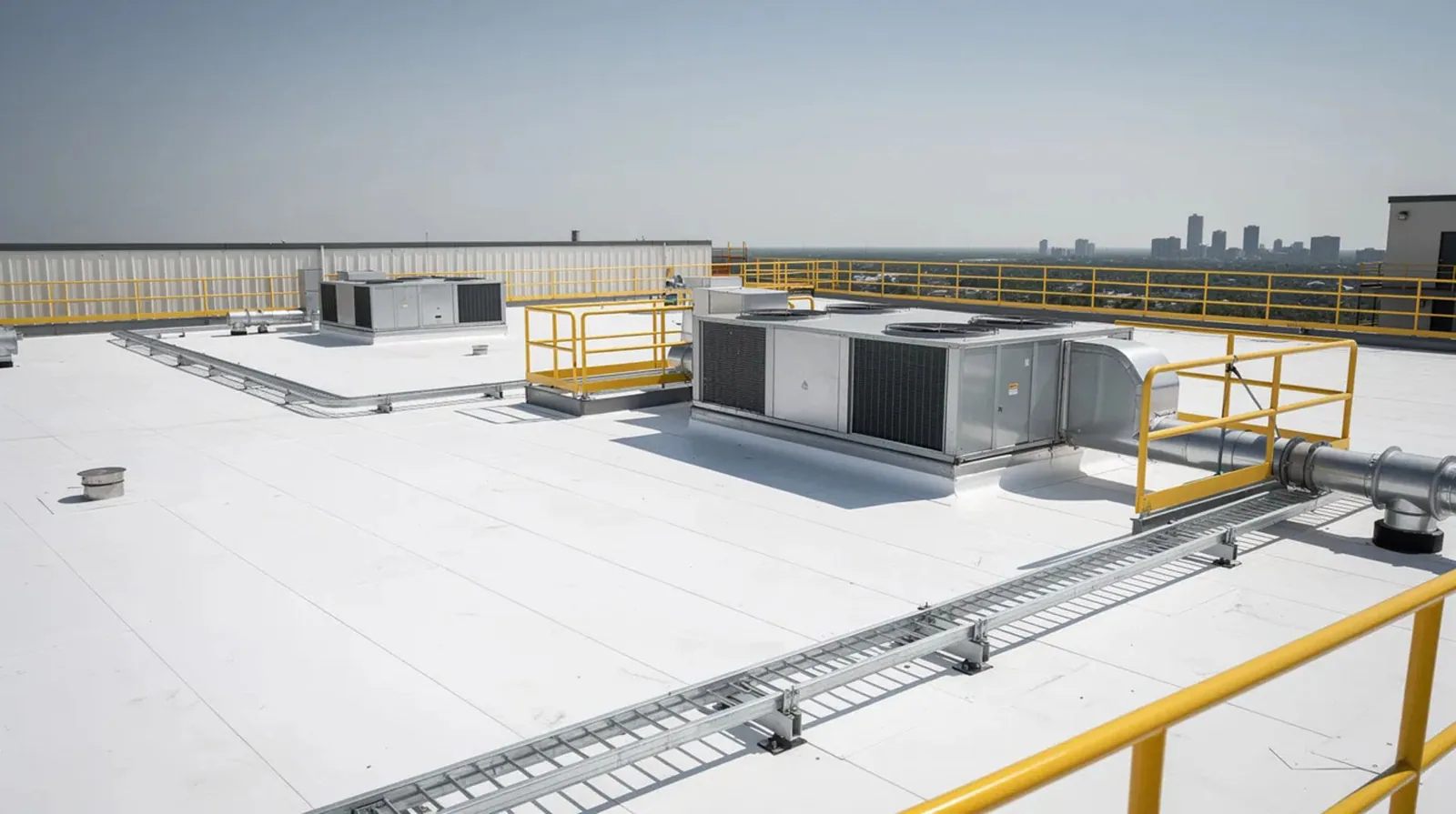
Temporary protection needs to shed water and stay secure until permanent work can proceed. Depending on the roof and conditions, we may install a compatible temporary patch, seal a small opening, or secure a tarp over an area. The method must account for wind, surface, drainage, and the size of the damaged section. A loose tarp can become another hazard in gusts, and a patch over wet material can trap moisture. We explain the limits of temporary work and what inspection or repair should follow.
Emergency work is documented with roof-area references, photographs, observed damage, and measures taken to limit water entry. Interior photos can show where water reached the building, while roof photos show the apparent entry path. That record helps a property manager coordinate cleanup and follow-up. If the damage extends across a broad field or multiple penetrations, we can arrange a full roof inspection after the immediate opening is protected. The initial response remains focused on reducing active exposure, not promising a permanent fix before the roof can be examined.
Hail can leave impact marks across a roof, and strong wind may disturb edge metal, membrane laps, or rooftop equipment supports. We check the area around the active leak and inspect other exposed details that could become the next entry point. The Dallas-Fort Worth region experiences severe thunderstorms and tornadoes nearly every year somewhere in the metro. That regional pattern justifies a careful post-storm walk; it does not establish damage at a specific address. We mark the roof sections reviewed and note any area that still needs testing.
Carrollton's industrial inventory includes extensive distribution and manufacturing properties. A single roof may serve several work areas, electrical rooms, or production lines. We identify critical interior spaces with the facility contact, then prioritize temporary protection where water could interrupt operations. A distribution center roof plan may need access coordination around trailer lanes and loading doors. Where the roof shows hail marks or loose metal, a separate hail damage review records those findings for a permanent scope.
A dry-in holds the building while the permanent repair is prepared. Before we remove temporary protection, we identify the roof system and select compatible repair material. The work may include replacing damaged membrane, rebuilding a curb flashing, rewelding a seam, or resetting edge metal. We extend the repair to sound material, inspect the adjacent detail, and confirm water can still reach the drains. If the assembly is wet below the membrane, the affected insulation may need removal before it can be closed.
Some openings need a short return visit because the roof is wet, the wind remains high, or the correct materials cannot be installed safely during the initial call. We state what is temporarily protected, what remains exposed, and when the next step can happen. At Valwood Industrial Park, a temporary repair may need to remain clear of active equipment and loading work. Once safe access is arranged, our commercial roof repair can address the failed detail. If several areas are compromised, a replacement evaluation can compare repair limits with a broader scope.
A clear call helps us prepare the right access and protection. Share the property address, the room or roof area affected, when the leak began, whether water is still entering, and any known electrical or structural concern. Tell us if rooftop access is controlled, if a tenant must escort the crew, and which loading or production areas need to stay open. If lightning, high wind, or standing water makes roof access unsafe, say so before anyone is sent up.
We will confirm the response plan, arrive with the information available, and update the scope as the roof is inspected. Emergency service is not a substitute for a complete condition review after a major event. A follow-up report can show the temporary work, confirmed damage, and items requiring a scheduled repair. If your building operates overnight or through a weekend shift, identify the contact who can approve roof access and walk the crew to the affected interior area. That coordination helps keep the building protected while the repair work proceeds.
Yes. Emergency calls can be dispatched overnight, on weekends, and during holidays. We will confirm the location, active leak, access conditions, and immediate hazards so the response can be planned around the roof and building operations.
No one should enter a roof area with lightning, high wind, standing water, loose metal, or suspected structural damage. Share the interior location and any photos taken safely from inside. We will assess access conditions before beginning the roof inspection.
A tarp can be useful only when it can be secured safely and routed to shed water. Roof shape, wind, attachment points, and drains all matter. We use a temporary measure suited to the site and explain whether a return visit or permanent repair is still needed.
Photographs with roof-area references, the date and time of observations, the interior water location, and a clear description of temporary work all help preserve the condition record. We can document visible damage and repair needs without deciding insurance coverage.
That depends on the affected area and interior hazards. We coordinate with the facility contact about equipment, inventory, and safe travel routes. Water near electrical equipment or an unstable ceiling may require the room to stay clear until the building's safety lead confirms access.
RELATED WORK
CALL US
Leaks, storm damage, a failing membrane or a replacement on the calendar: tell us what is happening on the roof and we will set up a visit.
Commercial Roofing Services
Tell us where water is entering, whether it is active, and what access or safety restrictions apply. We can coordinate emergency protection and document the permanent repair needs for your Carrollton property.
Call 555-555-5555 or request a roof assessment online.