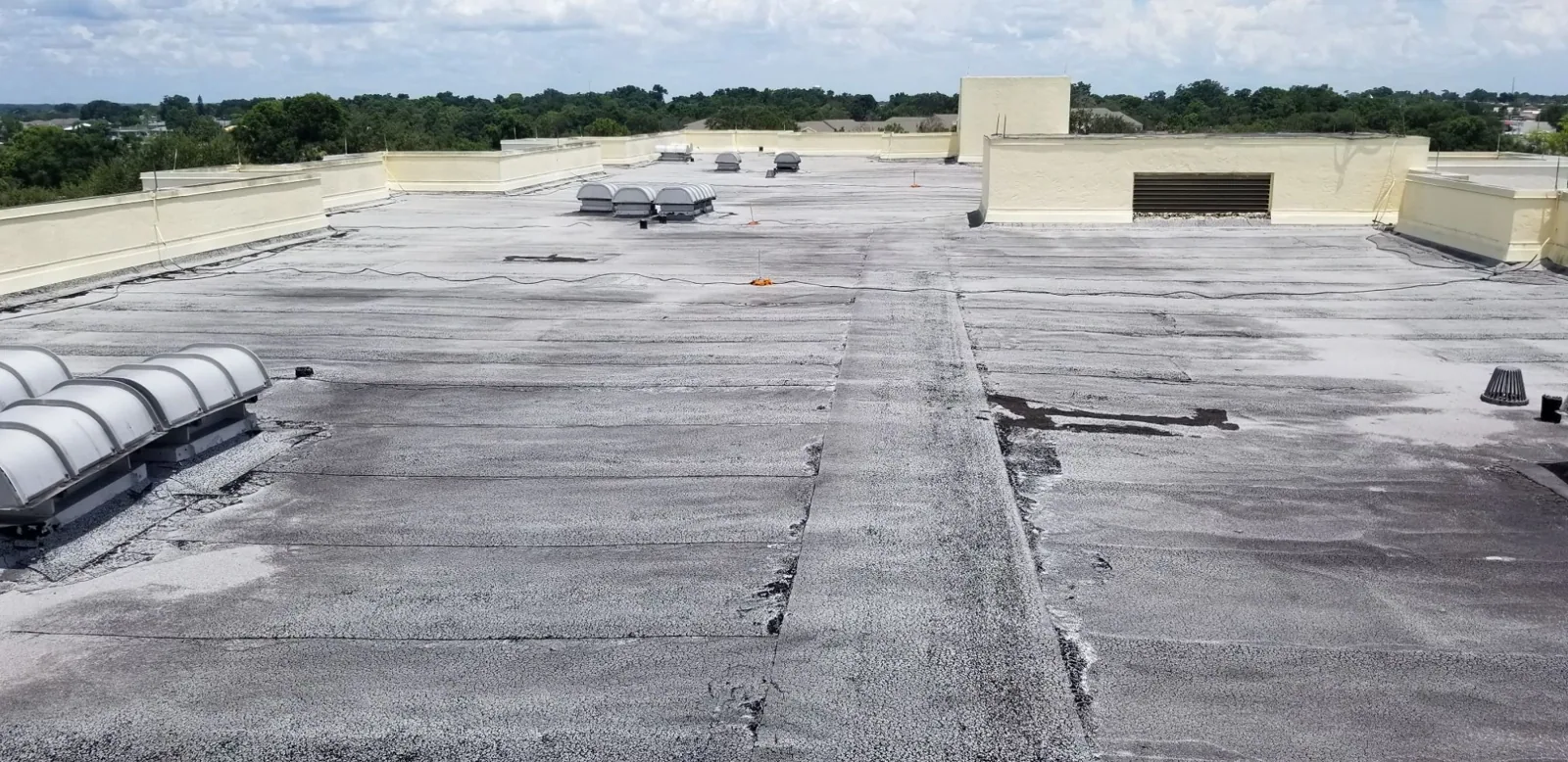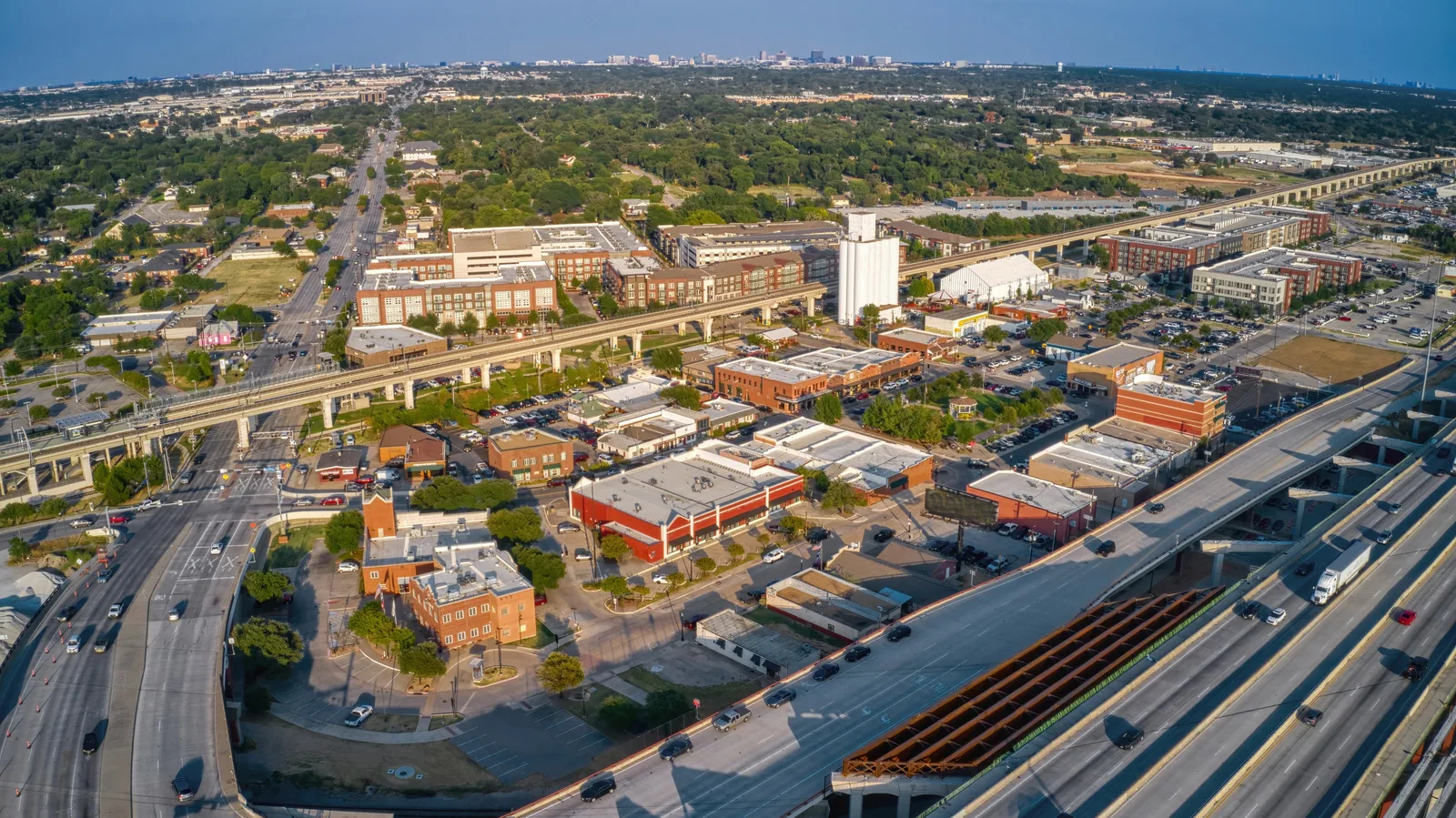
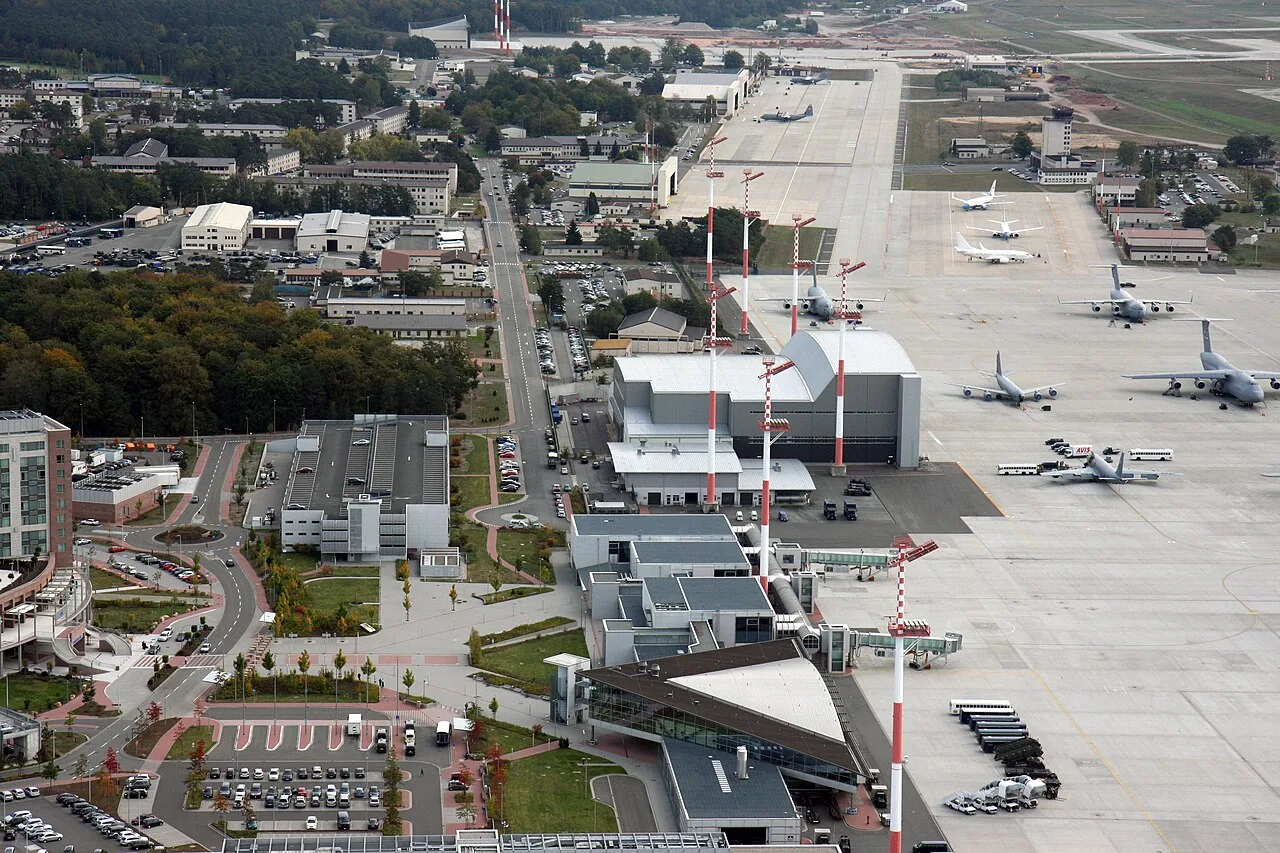
A lift staged across a receiving lane can disrupt the building before the first roof section is opened. We plan access, material delivery, work zones, and close-in around the operation below. In Carrollton, large distribution and manufacturing properties at Frankford Trade Center and Valwood Industrial Park may have active loading, production, tenants, and rooftop equipment during a reroof. The crew needs a sequence that protects the roof and keeps agreed routes in service. We map work areas, note the daily contact, and confirm how each section will be dried in before the schedule is set.
We begin with the building's operating calendar. The facility contact identifies receiving periods, shift changes, tenant entrances, roof hatches, security rules, equipment that cannot be shut down, and areas that need an escort. We review where materials can be lifted and staged without blocking fire lanes or normal traffic. If a roof access point crosses an occupied interior, we agree on the route and time before the crew arrives.
A roof plan can divide a large building into sections that open and close in sequence. Each section has an access route, staging area, expected work, and temporary protection plan. On a distribution property in Valwood, the schedule may need to protect dock operations. At a manufacturing site, the crew may need to avoid exhaust outlets or process areas. A distribution center roof plan or manufacturing roof plan starts from the actual operating constraints instead of a generic workday.
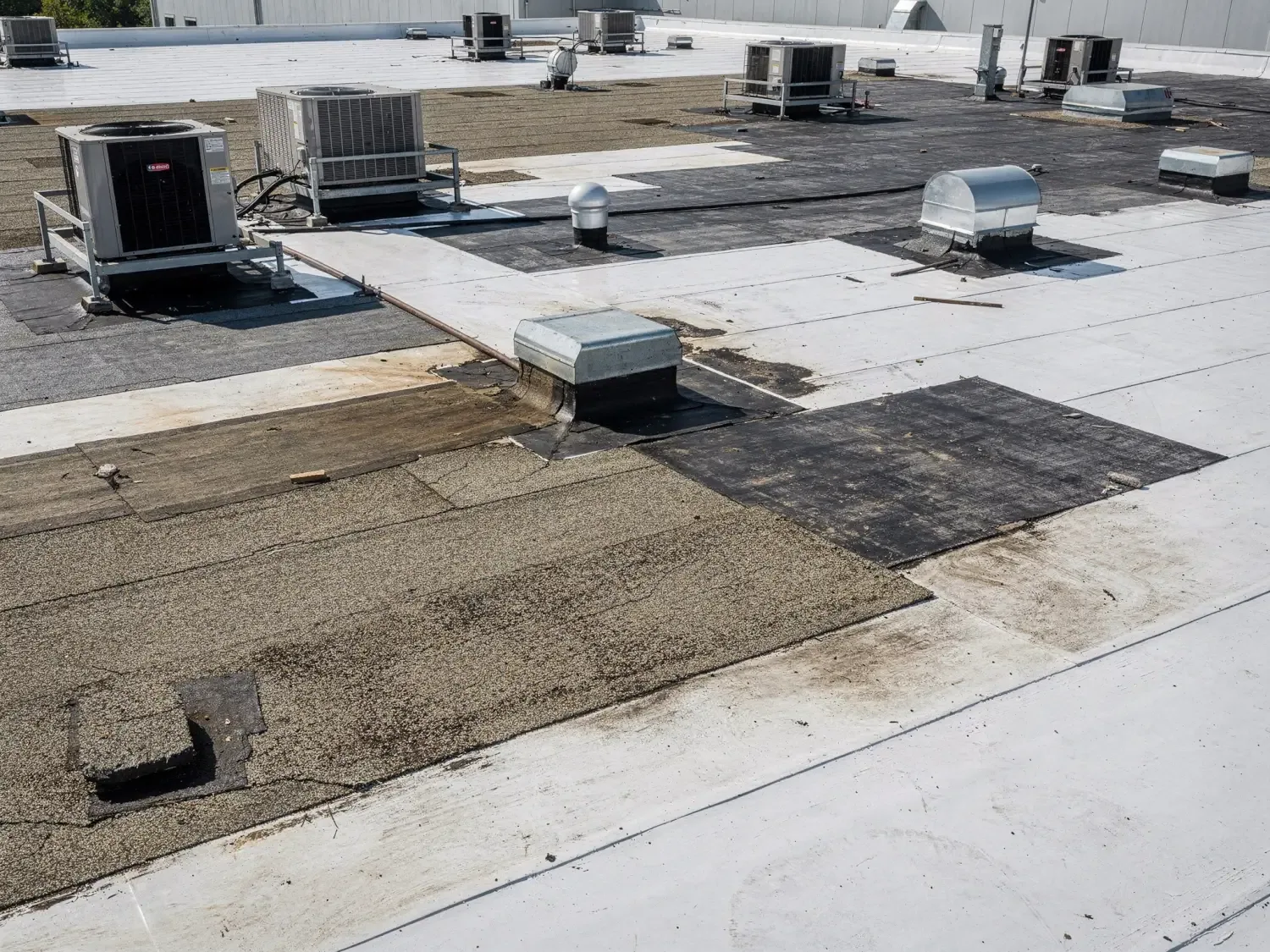
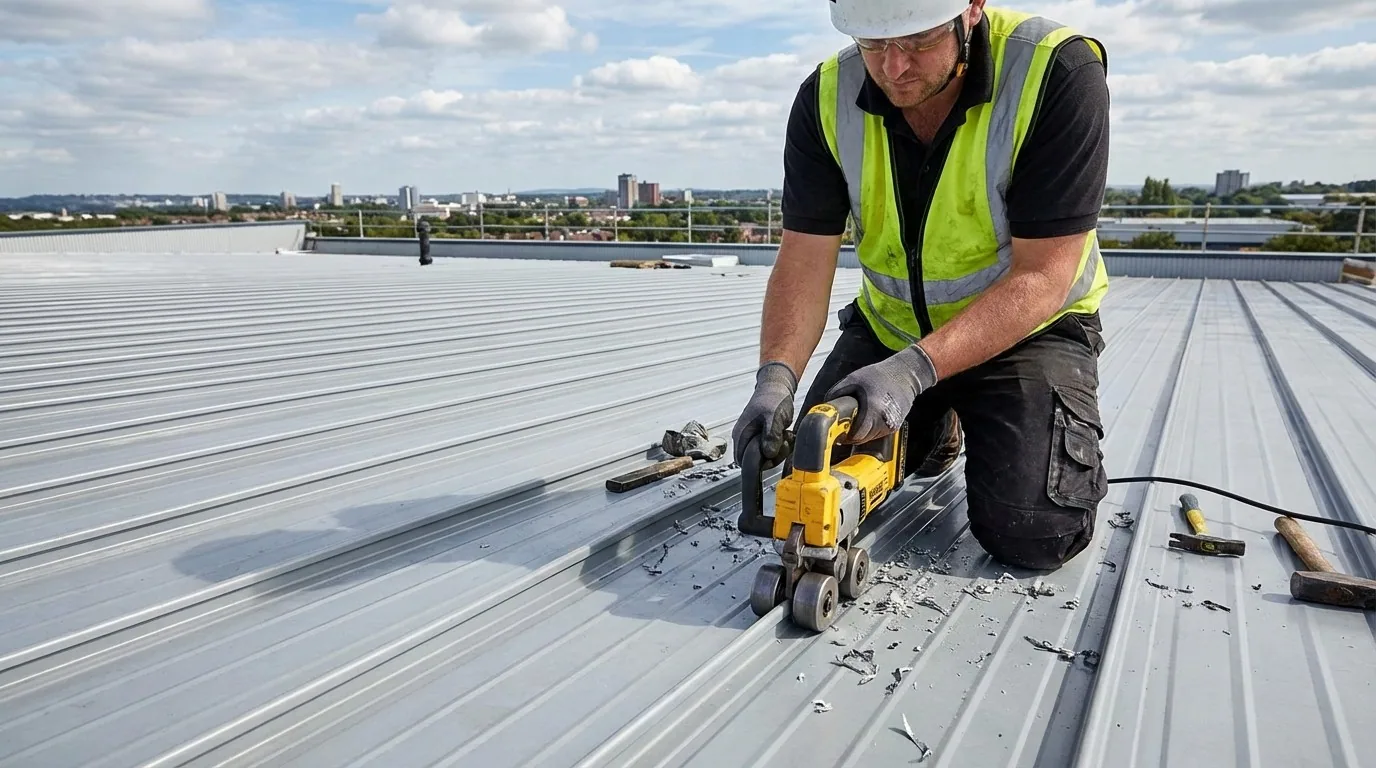
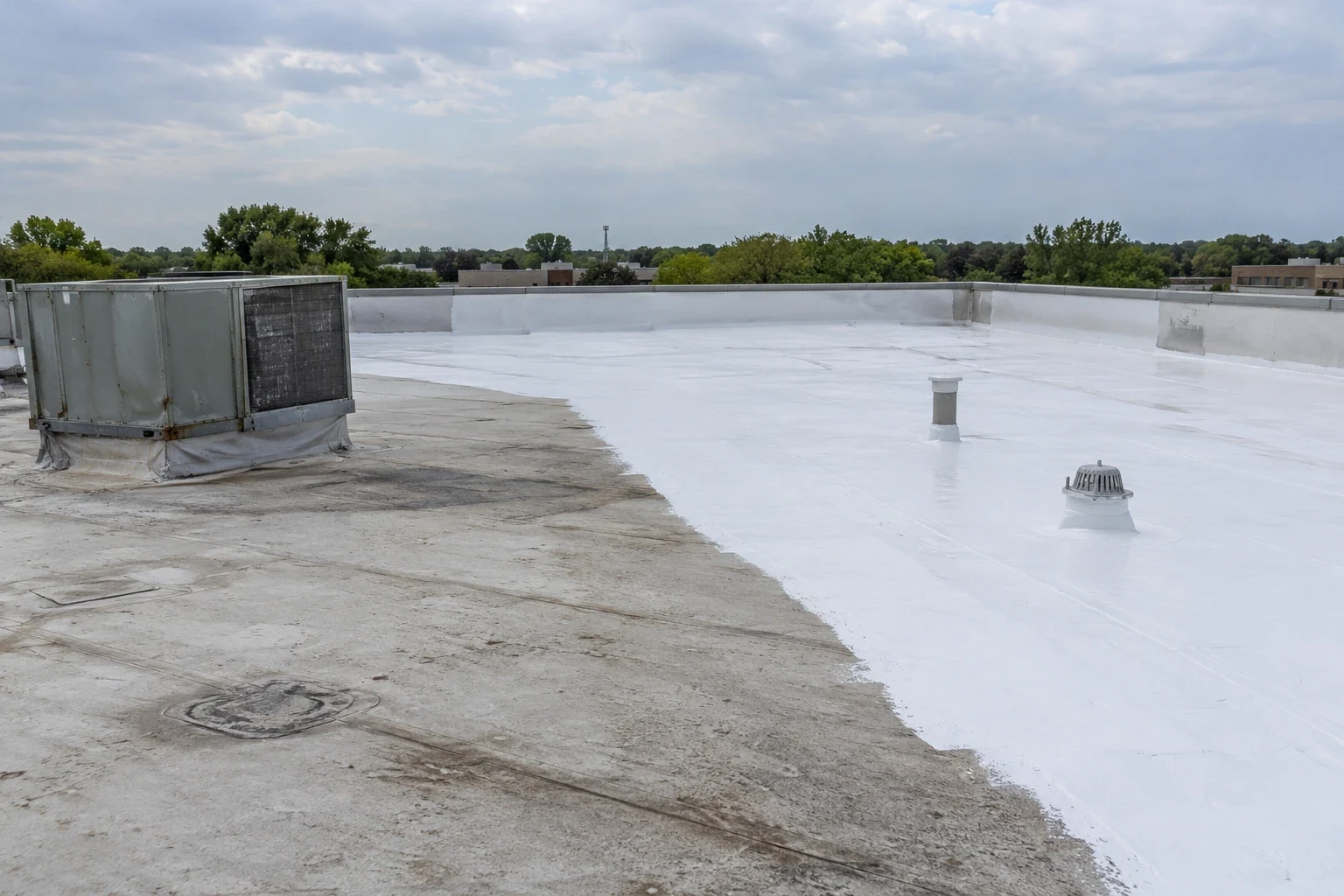
Reroofing exposes the building to weather while the old assembly is removed and the new one is installed. We limit tear-off to areas the crew can protect and close safely within the planned shift. Before opening the roof, we confirm the forecast, dry-in materials, and crew sequence. If concealed damage appears at the deck or insulation, we document it, protect the opening, and explain how the finding changes the scope before moving farther.
Each day's work ends with a secure tie-in between completed and remaining roof areas. The temporary edge must shed water and resist the conditions forecast overnight. We check seams, flashing, penetrations, drains, and exposed transitions before leaving the roof. Carrollton's spring storm exposure makes a close-in plan essential, while hot summer conditions can affect adhesive handling and work pace. A replacement scope should identify the phased work, tie-in details, and conditions that can alter the sequence.
Inside the building, reroofing can involve noise, vibration, odors, dust, and changes to equipment access. We identify sensitive rooms and work areas, notify the building contact about each phase, and coordinate any mechanical shutdown with the responsible trade. If a ceiling or interior space needs protection below the active roof section, that requirement belongs in the work plan. We also keep roof materials and debris within controlled staging areas.
Rooftop units, electrical service, exhaust equipment, and communications equipment may need to stay operational. We coordinate around these components and do not disconnect or move equipment without the responsible contractor. Where a curb or pipe penetration needs work, our equipment curb and support service can repair the roof connection while mechanical access is coordinated. After each section closes, we confirm that roof access is restored and note any equipment areas that remain restricted. If tenants use adjacent areas, we identify where vibration, odors, or overhead work may affect their schedule and give the building contact time to coordinate notices.
A short field report can keep the property manager, tenants, and building staff aligned. We record the section opened, work completed, concealed conditions found, photos taken, and area scheduled next. If rain changes the plan or materials cannot be installed as expected, we state which roof area is protected and what remains. The record should separate completed roofing from temporary dry-in and work assigned to another trade.
We can provide notice language and work-area maps for the building contact to share with tenants. These identify timing, access changes, rooftop noise, lift zones, and contact routes. The property manager can then update occupants before a crew reaches the affected area. A photo-based condition report connects the daily record to the roof plan, while a pre-work roof inspection records the starting condition for the project file.
At completion, we inspect the new membrane or metal, seams, terminations, curbs, drains, and perimeter details. We remove temporary tie-ins only when the permanent connection is ready and confirm that outlets are clear. The roof map records which areas are complete and where future work remains. If the project is phased over several weeks, a consistent close-in check keeps each transition clear as crews move across the roof.
We coordinate the final walk with the facility contact and review any remaining access limits or follow-up items. The manager can compare the original roof condition with the completed work and retain photos by section. For a Carrollton property, tell us whether loading hours, tenant routes, or equipment service windows change by day or shift. We will plan the sequence with those constraints and update it when weather or concealed conditions change the work area.
We identify active dock periods, lift locations, and material routes before mobilization. The work can be phased by roof area, with a clear ground zone established for each lift. If a loading route must close briefly, we coordinate the window with the facility contact.
We limit the area opened to the portion that can be protected and closed. The crew checks the weather window, keeps dry-in material ready, and secures the transition before leaving. If a forecast change requires a pause, the open section is protected and the schedule is revised.
Many units can remain on if access and roofing work are coordinated. We identify equipment that cannot be blocked or shut down and work with the responsible mechanical contractor if movement or disconnection is needed. The roof sequence protects service access and restores each curb detail as it closes.
The building contact can share a section map and schedule before each phase. We identify expected noise, lift activity, access changes, and areas affected. If weather or concealed damage shifts the sequence, we update the manager so tenant notices stay accurate.
We photograph and mark the location, protect the opening, and describe the deck condition before expanding the work. The proposal can then show the repair quantity and any effect on timing. We do not cover a damaged substrate without documenting how it will be corrected.
RELATED WORK
CALL US
Leaks, storm damage, a failing membrane or a replacement on the calendar: tell us what is happening on the roof and we will set up a visit.
Commercial Roofing Services
Share loading periods, tenant routes, equipment restrictions, and roof access instructions. We will map the phases, identify each close-in point, and prepare a reroof sequence for your Carrollton building.
Call 555-555-5555 or request a roof assessment online.