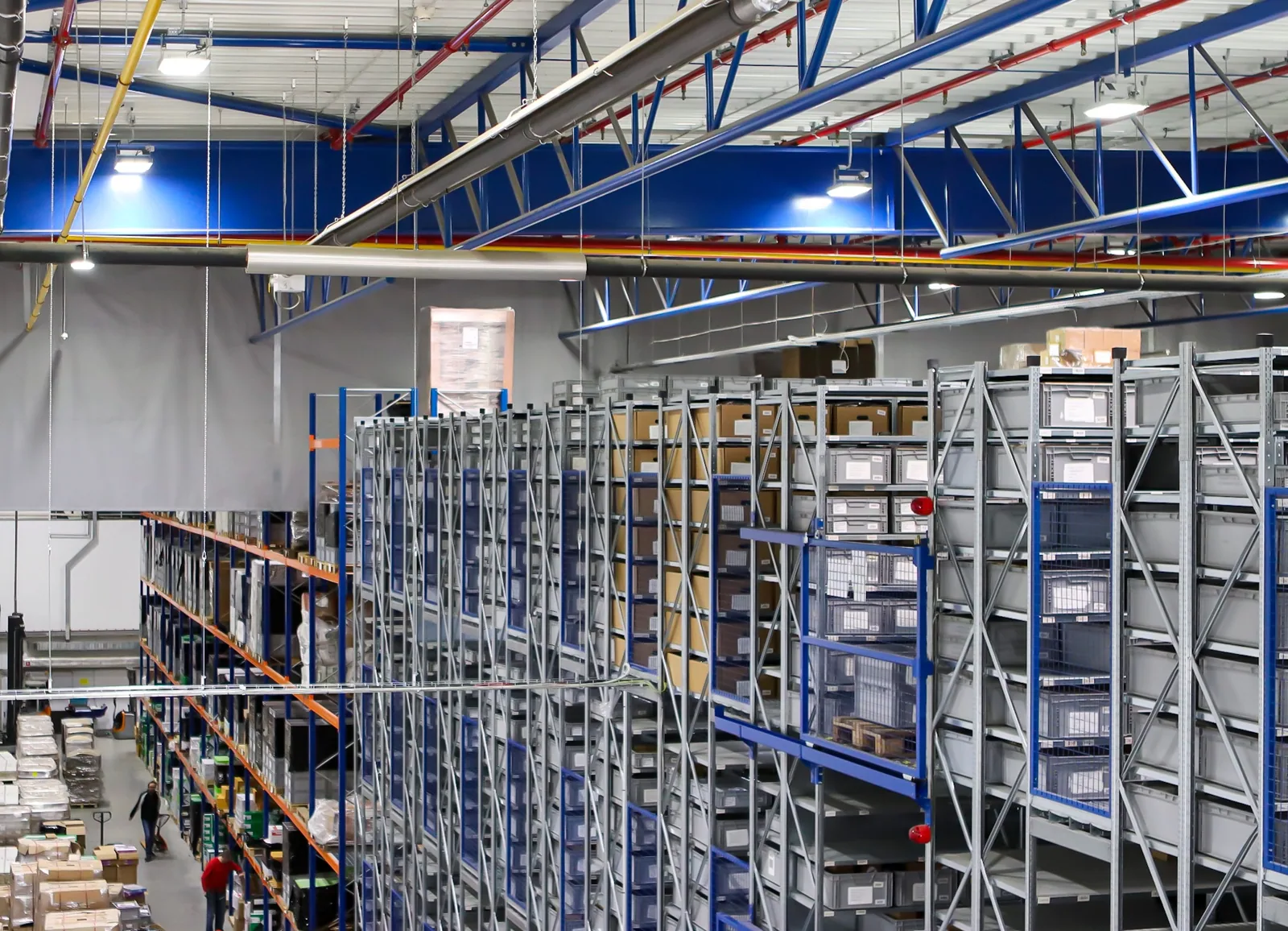
A production line does not pause because a roof seam opened over a work cell. Commercial roofing for manufacturers in Carrollton, TX starts with the operating schedule, affected bay, safety contact, and the location of roof equipment. We identify the roof detail, protect an active opening, and define what can be repaired without disrupting nearby operations. The scope should name each affected area and the access route, so the facilities team can coordinate work with production rather than make assumptions from a roof plan alone.
Before work begins, we ask which lines, utilities, or inventory areas sit below the repair zone and whether interior access requires an escort. A crew may need to work near exhaust equipment, process piping, skylights, or roof-mounted units. The facility contact helps identify any shutdown window or equipment-protection step. We record the work boundary and agree on how the roof will be left at the end of the shift, including a temporary cover if the permanent detail cannot be completed that day.
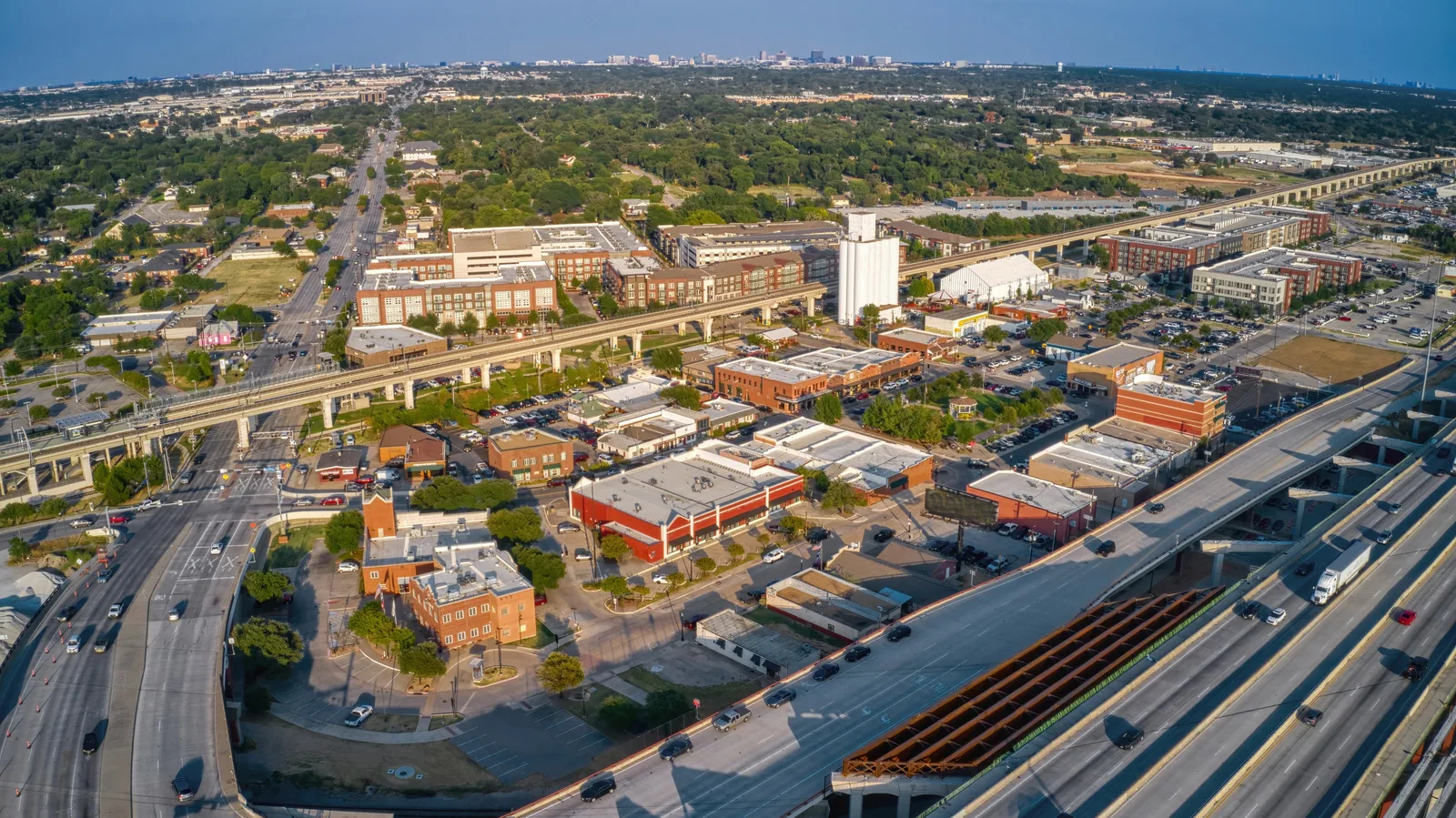
Carrollton’s major-employer list includes Southland Industries, AER Manufacturing, Western Extrusions, Schneider Electric, and International Paper. Those names illustrate the range of production businesses in the city; they do not establish a relationship or describe an individual facility’s roofing needs. The Midway South Industrial Park is one local manufacturing and distribution cluster. A roof inspection can record penetrations, seams, drainage, and visible condition before a maintenance or project decision.
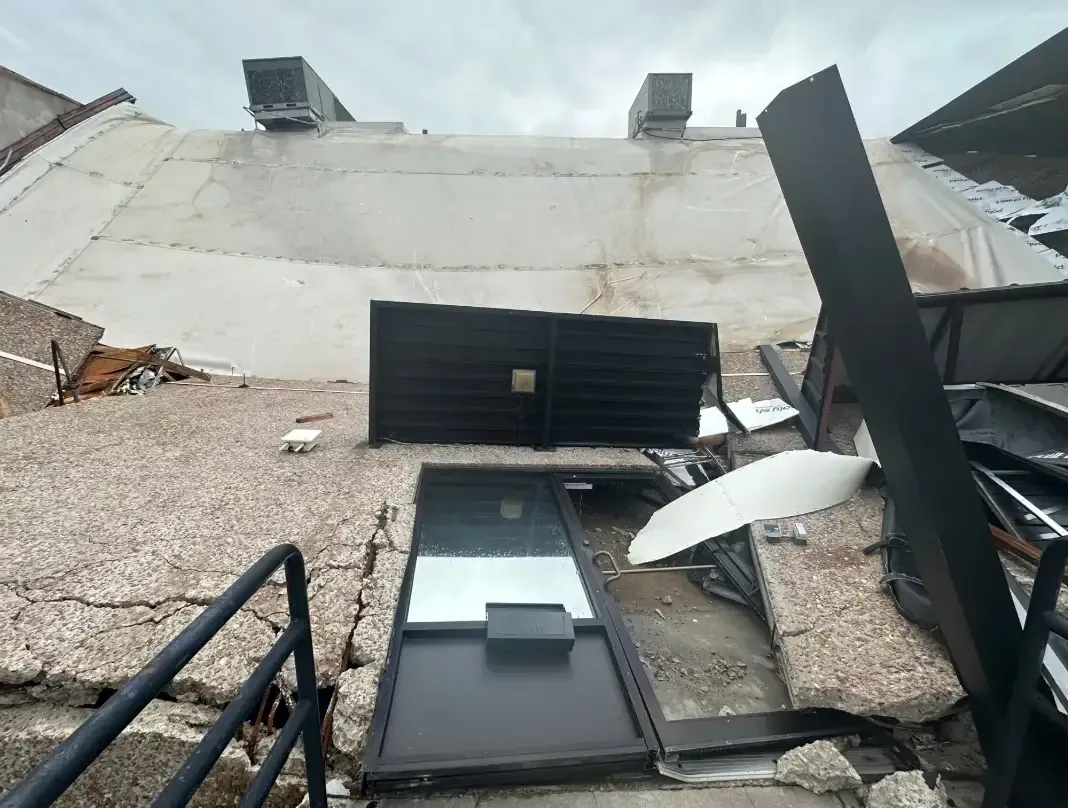
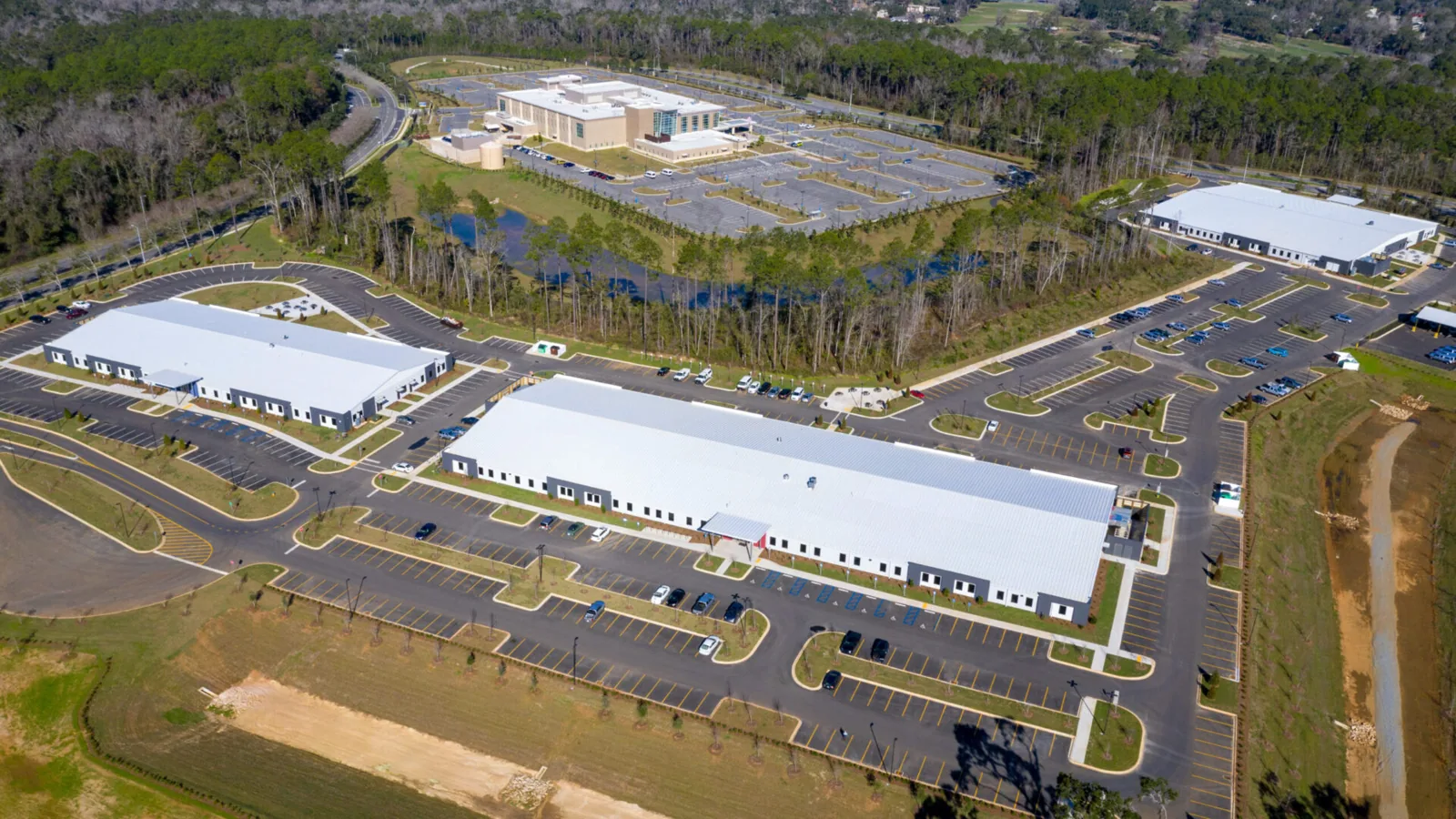
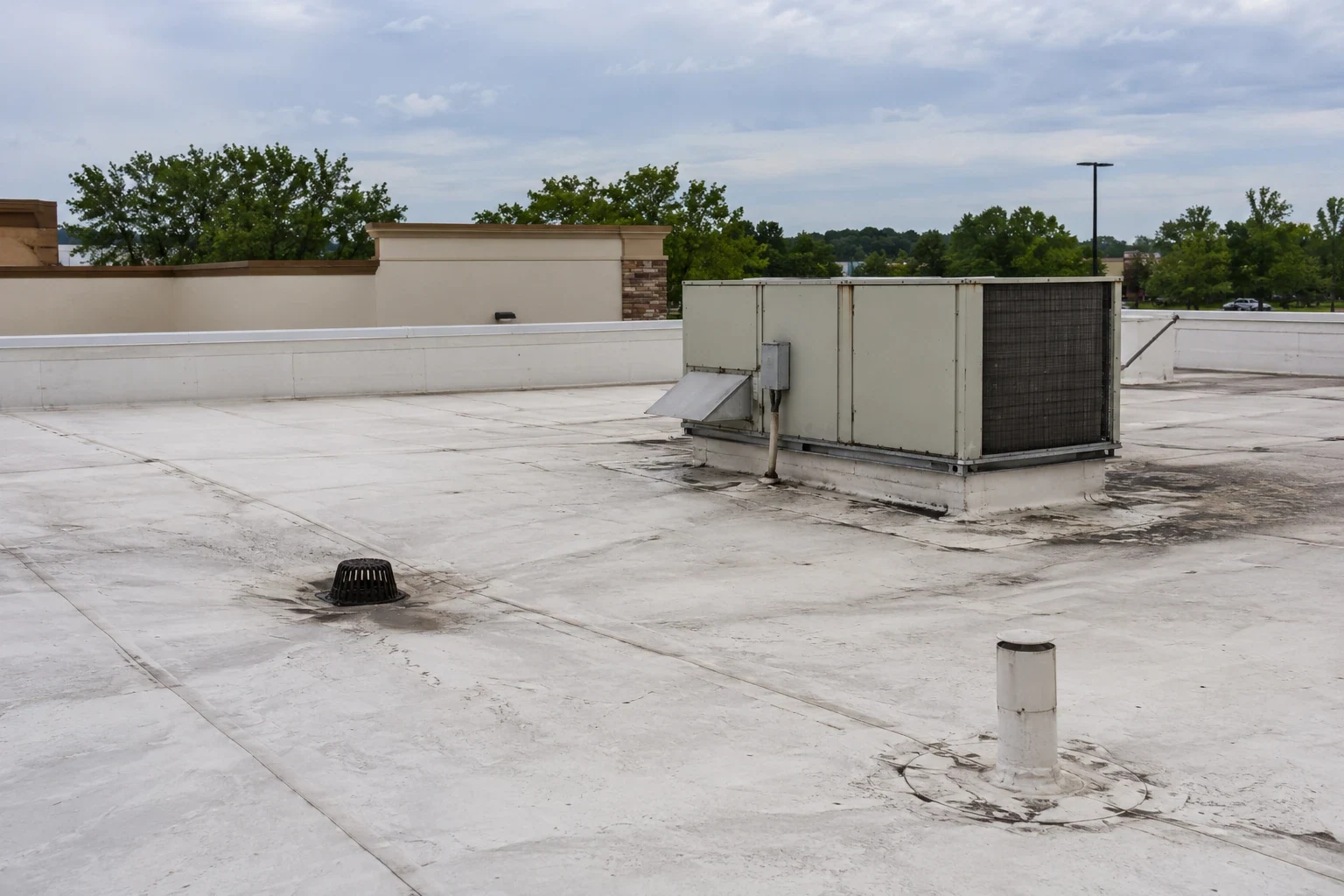
Water reported at a machine, electrical cabinet, or stored material needs prompt attention, but the roof source may be some distance away. We inspect seams, drains, curbs, wall transitions, and earlier patches above the reported location. If safe access is available, we check the assembly for soft or wet areas and note where a test opening may be needed. Photos and roof marks give the facility contact a way to match a ceiling report with an actual detail on the roof.
Where water is entering now, temporary protection and permanent repair are separate items. The first step is to limit further exposure and communicate what remains vulnerable. We then define the repair limit based on the roof assembly and evidence found. Our commercial leak repair can address an identified source, while an emergency roof visit can assess immediate stabilization after a sudden opening. A patch should not conceal wet insulation or a larger detail failure without recording the condition.
Loading courts and truck paths are part of the work plan. We confirm when deliveries are heavy, where a lift or material truck may stand, and which doors or fire lanes need to stay clear. On the roof, we check hatch access, guardrails or other fall-protection needs, and the route past operating equipment. If a crane or lift is needed, the site contact confirms the location, ground conditions, and any overhead restriction before mobilization.
Valwood Industrial Park covers a broad mix of manufacturing, distribution, and service properties, with roughly 500 buildings in the reported district inventory. Frankford Trade Center has more than 2.5 million square feet of logistics space and includes tenants such as GXO and Mary Kay Distribution. These district facts help explain why loading and tenant coordination can be central to a project, but do not determine the layout or operating schedule at a particular plant. Our logistics roofing coordination also addresses staging and dock operations for facilities where freight movement is the main constraint.
Manufacturing roofs collect changes over time: a new conduit, replacement unit, exhaust fan, pipe support, or cable penetration may alter a detail that was originally watertight. During a maintenance walk, we note open flashing, loose edge metal, blocked drains, worn sealant, and evidence of earlier work around those areas. A service record should describe what was observed, what was repaired, and what needs a closer look rather than simply marking a visit complete.
For a plant with multiple roof sections or additions, we identify each zone separately. Older areas may have different membrane, insulation, and deck conditions from newer construction. A maintenance visit can track recurring trouble spots and clear safe-to-reach drainage pathways. If the inspection finds broad deterioration, a replacement scope can define tear-off assumptions, substrate checks, new edge details, and how production-facing areas will be protected as the work advances.
Roof work depends on dry surfaces, temperature, material requirements, and a safe way to close each opened section. Carrollton summers bring intense heat and high sun exposure, while spring is the region’s main severe-weather season. Hail or wind can prompt an inspection, and winter freeze-thaw periods can complicate scheduling and surface preparation. We use the forecast and manufacturer requirements to sequence work; a regional weather pattern alone cannot establish that a particular roof has failed.
A planned repair can often be divided into manageable areas, with a stop point that can be made watertight if conditions change. The project schedule should account for production peaks, inventory movement, and any interior protection request. We identify the assumptions in the proposal and notify the facility contact if hidden conditions or weather shift the repair boundary. For claims-related storm work, our insurance and restoration records keep photos and observed conditions tied to the site without making a coverage decision.
The closeout names the roof area, work date, materials, repair boundary, and whether the completed work is permanent or temporary. Before-and-after photos show the detail where possible. If access was blocked or a test opening was not authorized, we state that limit and the next step needed to resolve it. The facilities manager can use the record for work orders, capital planning, and any follow-up inspection without relying on a technician’s memory.
Trinity Mills Industrial Park spans about 73 acres with reported 1.4 million square feet and 96% occupancy, while the Midway South area includes businesses such as AER Manufacturing, Han’s Laser, M&A Technology, and McLane. Those figures describe nearby industrial districts, not a specific building’s roof area. Along the Valwood corridor, as elsewhere in Carrollton, the property contact sets access and operating rules. We return findings to that contact with a clear list of completed work and unresolved items.
It may, if the repair zone can be isolated and the facility approves the access, noise, and protection plan. We coordinate the work boundary and daily close-in with the operating contact.
Protect people and sensitive equipment first, then report the location and whether water is active. We trace the source on the roof and document temporary protection separately from permanent repair.
We confirm delivery peaks, dock access, fire lanes, and where materials or lifting equipment may stage. The schedule and work route are reviewed with the facility contact before mobilization.
It can, depending on the system and warranty terms. We inspect the proposed penetration or support detail and identify what documentation or authorized work may be required before modification.
Repeated failures, widespread wet insulation, or extensive deterioration may make localized work a poor fit. An inspection defines the observed condition and the assumptions behind each option.
RELATED WORK
CALL US
Leaks, storm damage, a failing membrane or a replacement on the calendar: tell us what is happening on the roof and we will set up a visit.
Industries We Serve
Tell us which production or loading areas are affected, how the site handles access, and whether water is active. We will inspect the roof and return a work plan tied to the facility’s operating needs.
Call 555-555-5555 or request a roof assessment online.