A coping cap that rocks under hand pressure may be loose at its cleat or missing fasteners beneath the lap. We check the cap, splice, cleat, and roof termination before sealing the joint. Carrollton's spring wind and hail can expose weak perimeter details, while summer heat moves metal and membrane through expansion and contraction. At Luna Industrial Park, commercial and manufacturing properties depend on details that protect long roof edges as well as the field. We mark each condition, identify where water can pass, and specify repair or replacement at the edge, coping, gutter, or downspout. A finish coat over loose metal will not secure the attachment.
The roof edge is a connected assembly. We inspect the membrane termination, metal cleat or receiver, fasteners, laps, corners, and transitions at walls and parapets. If metal has lifted, we check how far the movement extends and whether the membrane below it remains attached. Water can enter where the roof membrane ends, so the repair needs to restore both the metal and the roof connection. We repair the cleat, splice, attachment, and roof connection so the full edge detail works as one assembly.
On mechanically attached or adhered membranes, the edge detail has to work with the system's design and the building substrate. We check for corrosion, damaged fastener holes, unsupported metal, and signs that the assembly has moved. Hail or wind can leave visible marks, but the fastening and laps show whether the detail has lost its hold. If the damage extends along a long run, a wind damage inspection can map each affected section before the metal is reset.
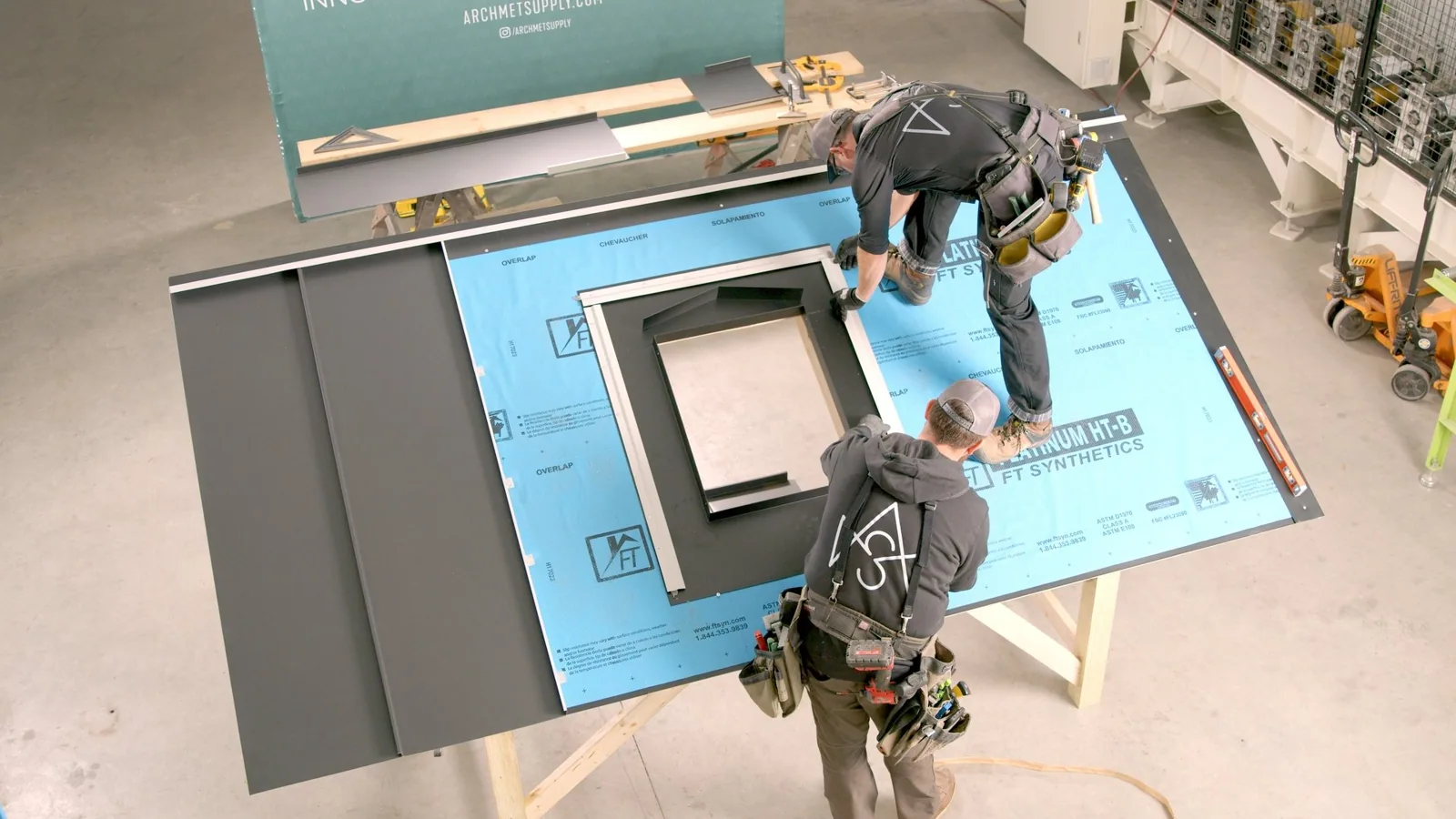
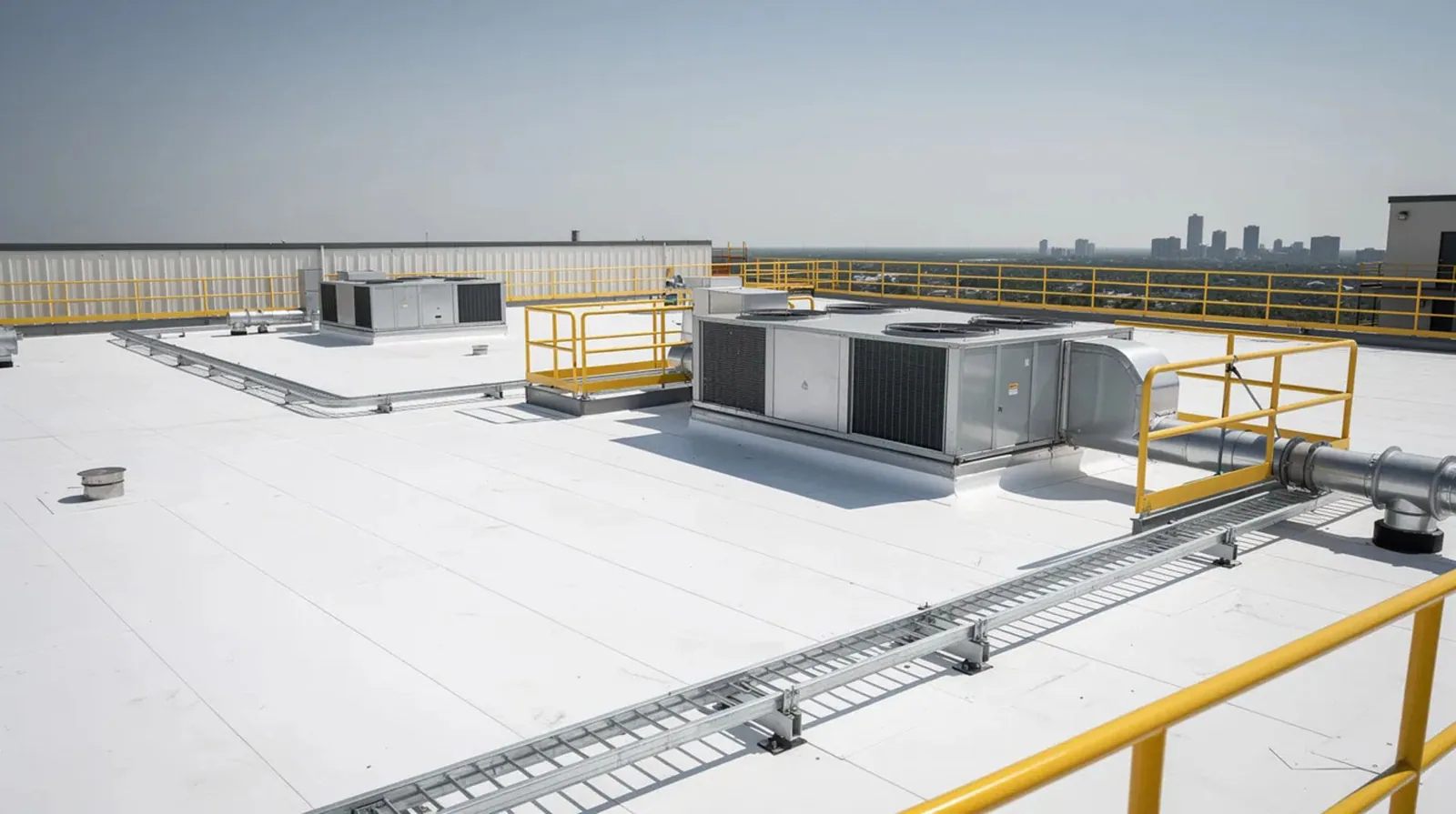
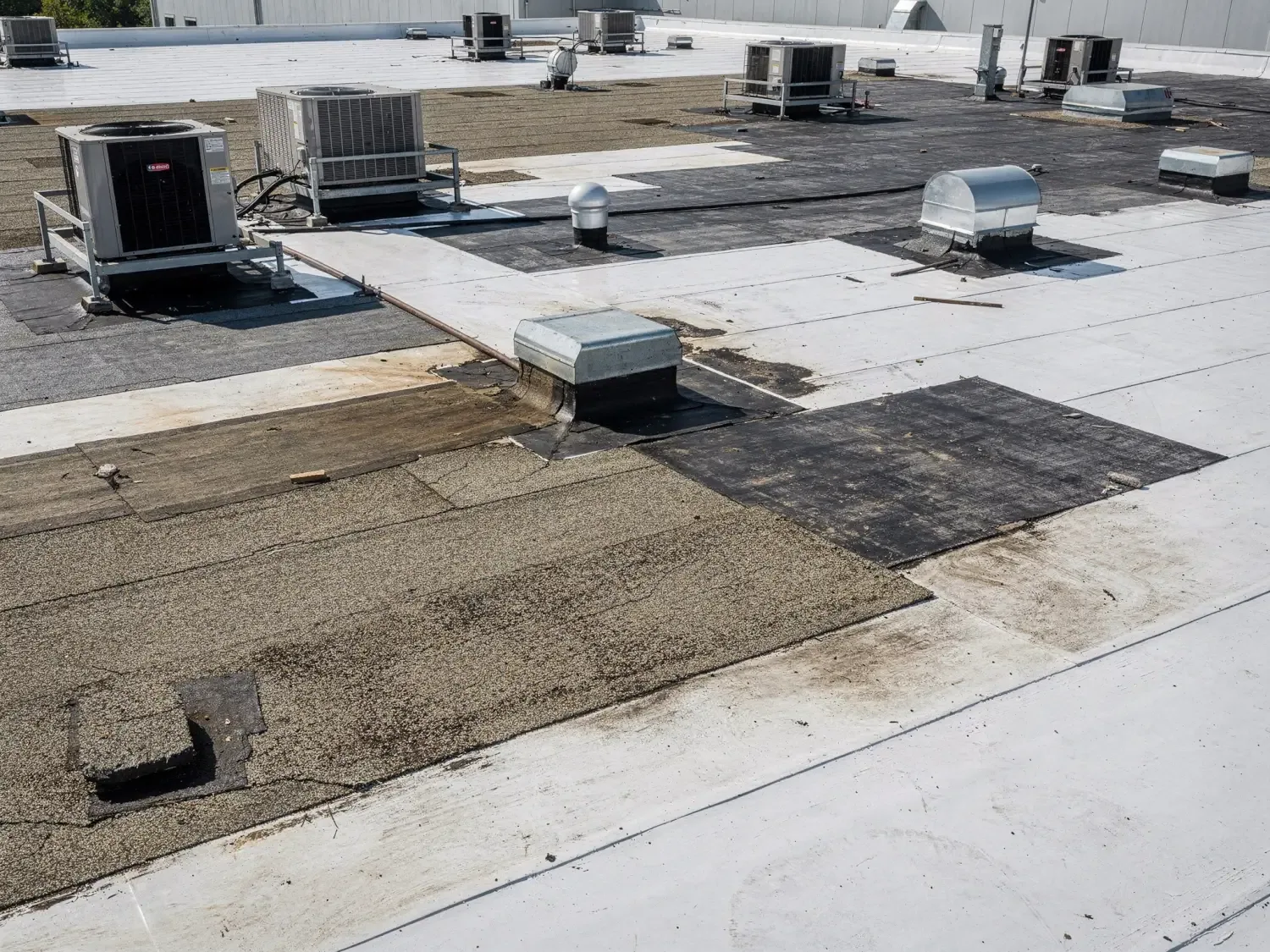
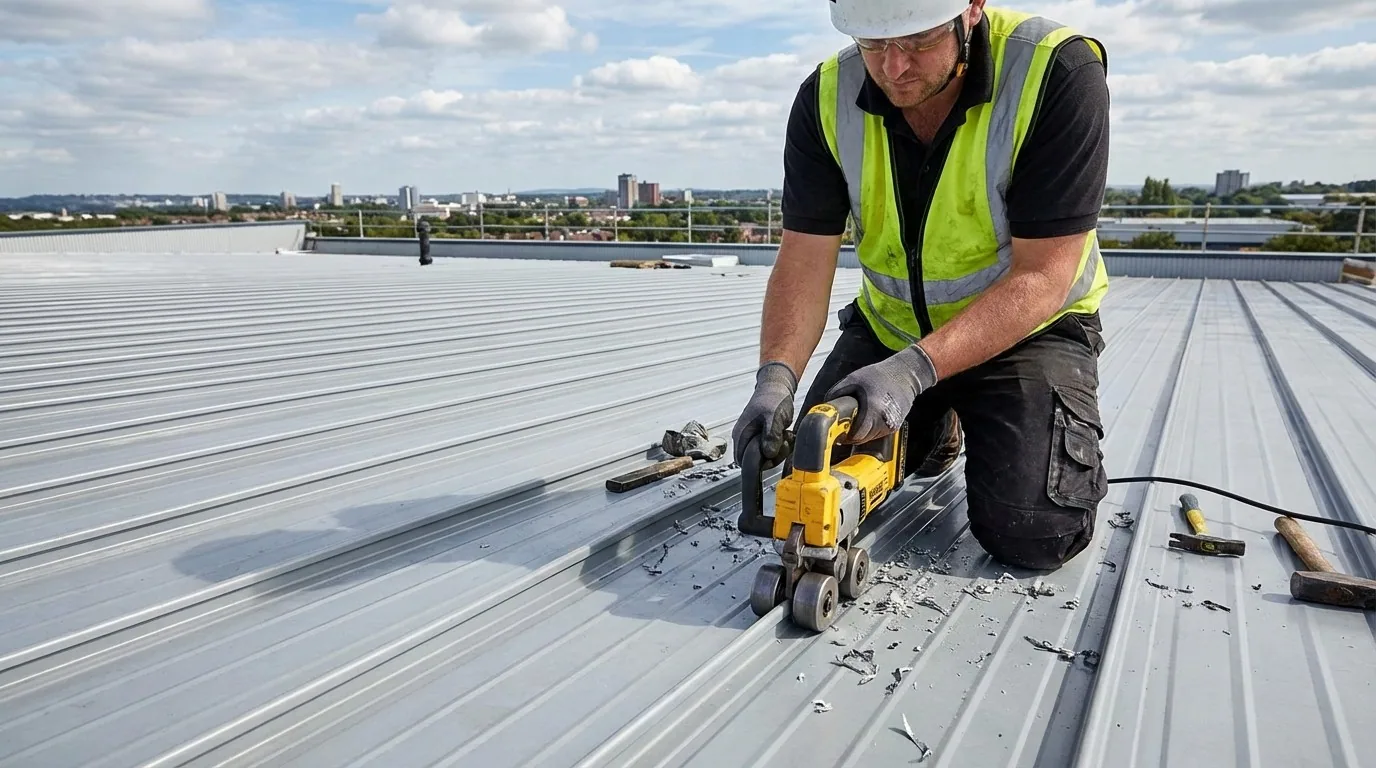
Coping protects the top of a parapet and sheds water away from the wall. We inspect the cap slope, cleat, splice plates, end dams, corners, and sealant condition. A joint that has opened may admit water behind the cap; loose cleats can allow movement that breaks the seal again. We identify whether the metal can be resecured or whether corrosion and distorted edges call for replacement. The finished detail needs a continuous attachment and a clear path for water to shed.
Transitions at inside corners, outside corners, wall returns, and expansion joints deserve a close look. These details move differently from a straight coping run. We photograph the condition with an area mark and confirm what lies beneath the loose section before setting the repair limit. A roof repair scope can include membrane termination work where the cap connects to the roof. If wet insulation is found below the edge, we document the affected layers before closing the assembly.
Gutters and downspouts move water off the roof and away from the building. We check hanger spacing, seams, outlets, end caps, downspout connections, and signs of overflow or standing water. A sagging run can hold water and debris; a leaking joint can wet the wall or soffit below. We clear debris when safe, then check whether the gutter drains freely. Where the roof drains into an internal bowl or scupper, we inspect that connection separately.
At distribution properties in Frankford Trade Center, dock canopies and loading areas may affect how water is routed around people and stored goods. We identify where downspouts discharge and whether the path remains open. A roof drain and scupper inspection can address roof-level outlets, while gutter or downspout work follows the exterior water path. If roof water remains near the perimeter after the outlet is cleared, we map the slope and determine whether the membrane or insulation needs adjustment.
Metal thickness, finish, profile, and attachment all matter at coping and edge conditions. We compare existing components with the roof system and specify compatible metal for the repair. Field bends, corners, and end conditions need to fit without leaving a gap in the water-shedding path. Sealant can protect a correctly assembled joint, but it cannot replace the cleat, splice, or fastener that holds the metal in place.
We also check the membrane transition beneath the edge. A new metal cap may need a new termination bar or membrane extension to make the roof-to-wall connection continuous. The scope identifies how the old material will be removed, what substrate will be exposed, and how the completed edge will be tested and photographed. If a recover or reroof is planned, the edge height may change. The replacement scope should carry new perimeter work, not leave a raised membrane to meet an undersized cap.
Edge metal may require access from the roof, a lift, or both. We review the site for safe staging, traffic routes, overhead obstructions, and tenant operations before setting the work sequence. A long gutter run above a delivery area may need a controlled work zone below. On a manufacturing property, roof access can be restricted around exhaust equipment or production. We coordinate those limits with the facility contact and protect the area as work proceeds.
Carrollton's industrial parks include distribution, manufacturing, and office uses. At Belt Line Industrial Corridor, a property manager may need to keep truck lanes or customer access open while edge repairs are underway. We can phase the work by elevation or roof section, close each detail before moving on, and photograph the completed attachment. Tell us which doors, loading periods, and exterior routes must remain clear. We will walk the perimeter, mark repair boundaries, and prepare a sequence that fits the building. A commercial roof inspection can identify related seam, drain, and flashing concerns before the repair scope is finalized.
Often, if the metal and cleats remain in usable condition and the movement is limited. We inspect the joint, attachment, corners, and membrane termination. If corrosion or distorted metal continues along the run, replacement may provide a better continuous detail.
Overflow can wet the wall or roof edge, but the interior entry may be at a separate termination or joint. We check the gutter flow, downspout, edge metal, and membrane connection, then trace the interior evidence to the likely entry.
Sealant closes compatible joints, but the cleat and fasteners provide attachment. If those parts are loose or damaged, adding sealant alone leaves the cap able to move. We specify the attachment repair and reseal the joints as needed.
The profile, capacity, outlet locations, and downspout path should suit the roof drainage and building. We inspect how the roof currently discharges and identify any constraints before specifying replacement sections.
We confirm access, staging, and the route below before work begins. The crew may need to isolate part of a dock or walkway while metal is removed and secured. We phase the work so the active areas can reopen as each section is closed.
RELATED WORK
CALL US
Leaks, storm damage, a failing membrane or a replacement on the calendar: tell us what is happening on the roof and we will set up a visit.
Commercial Roofing Services
Arrange roof and exterior access, and identify loading or tenant routes that must stay open. We will inspect coping, edge metal, gutters, and downspouts, then mark the work areas.
Call 555-555-5555 or request a roof assessment online.