A process exhaust that runs through every shift can keep one flashing detail warm and exposed to residue. For manufacturing plant roofing in Carrollton, TX, we inspect the roof system around exhausts, curbs, support frames, and service routes before planning a repair. Midway South Industrial Park includes manufacturing and distribution businesses, and its operating conditions vary by property. We ask which equipment must stay on, mark the affected roof area, and coordinate the work with the person who controls each process opening.
Roof work above an active production line can create noise, debris, odor, vibration, or a temporary opening. We plan the route from the roof hatch to the work zone and note which rooms or lines require additional protection. The site contact identifies shutdown windows, exhaust requirements, clean areas, and lift access. If the roof can be repaired from above without interrupting production, we still keep material and tools contained and close each section before the shift ends. We identify whether a catch system or temporary protection is needed below the approved work area.
Midway South is one of Carrollton’s named industrial parks. The local inventory includes businesses such as AER Manufacturing, Han’s Laser, and M&A Technology, but each facility has its own roof and process needs. We do not assume that a neighbor’s operating schedule applies to another plant. A phased roof replacement plan can identify daily close-in points and keep required doors or equipment routes available. The manager receives a work map before materials are moved to the roof.
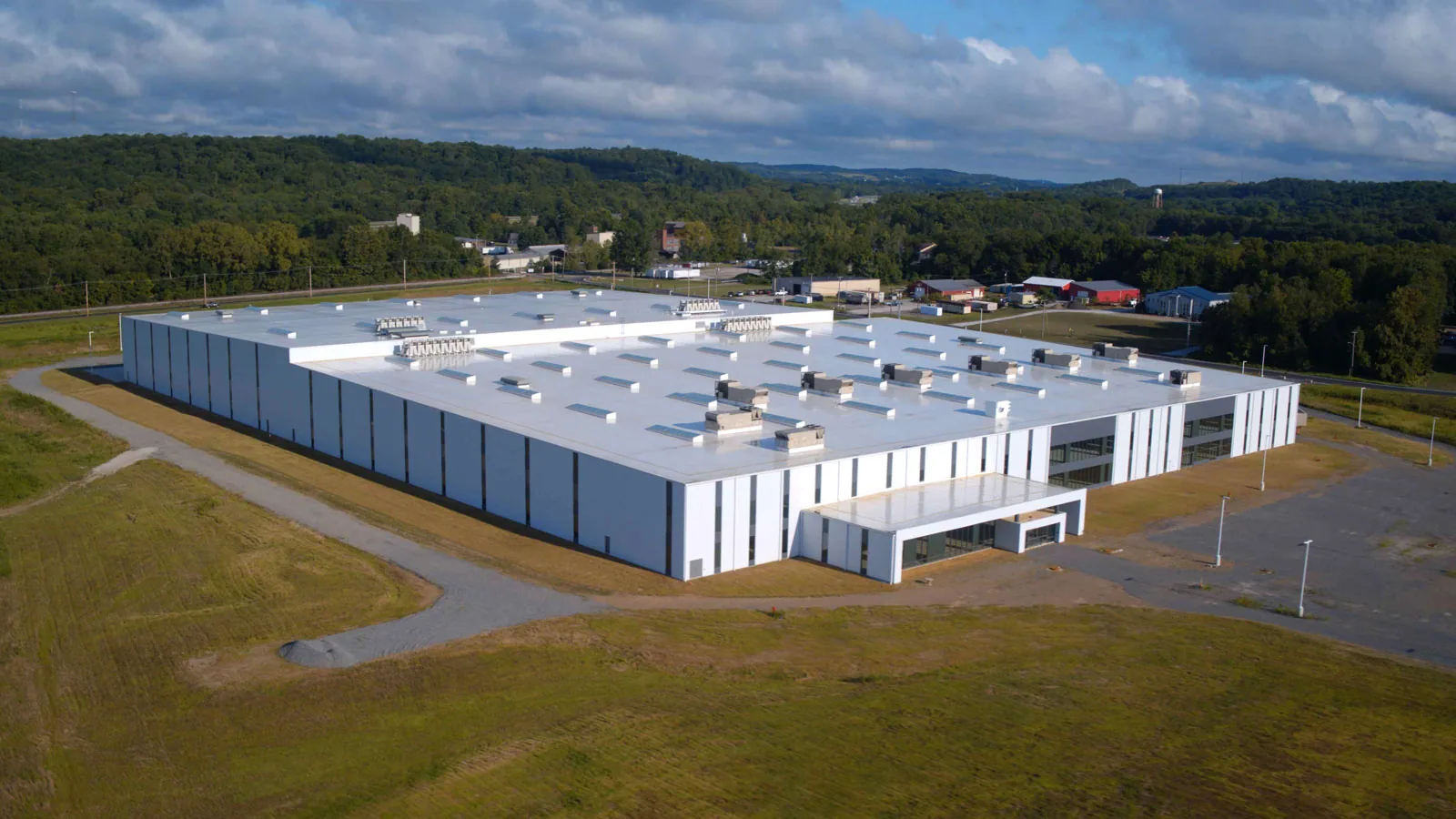
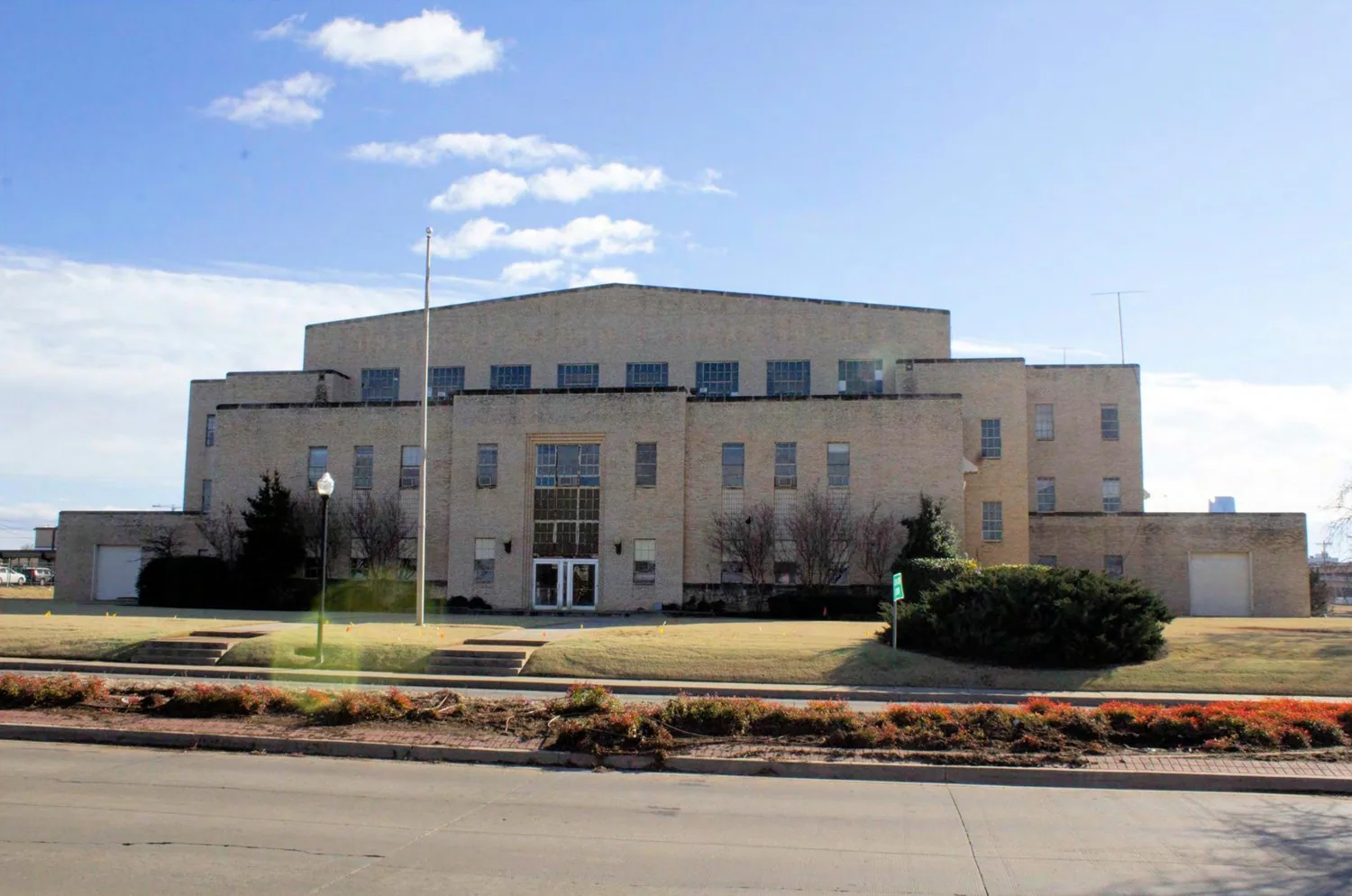
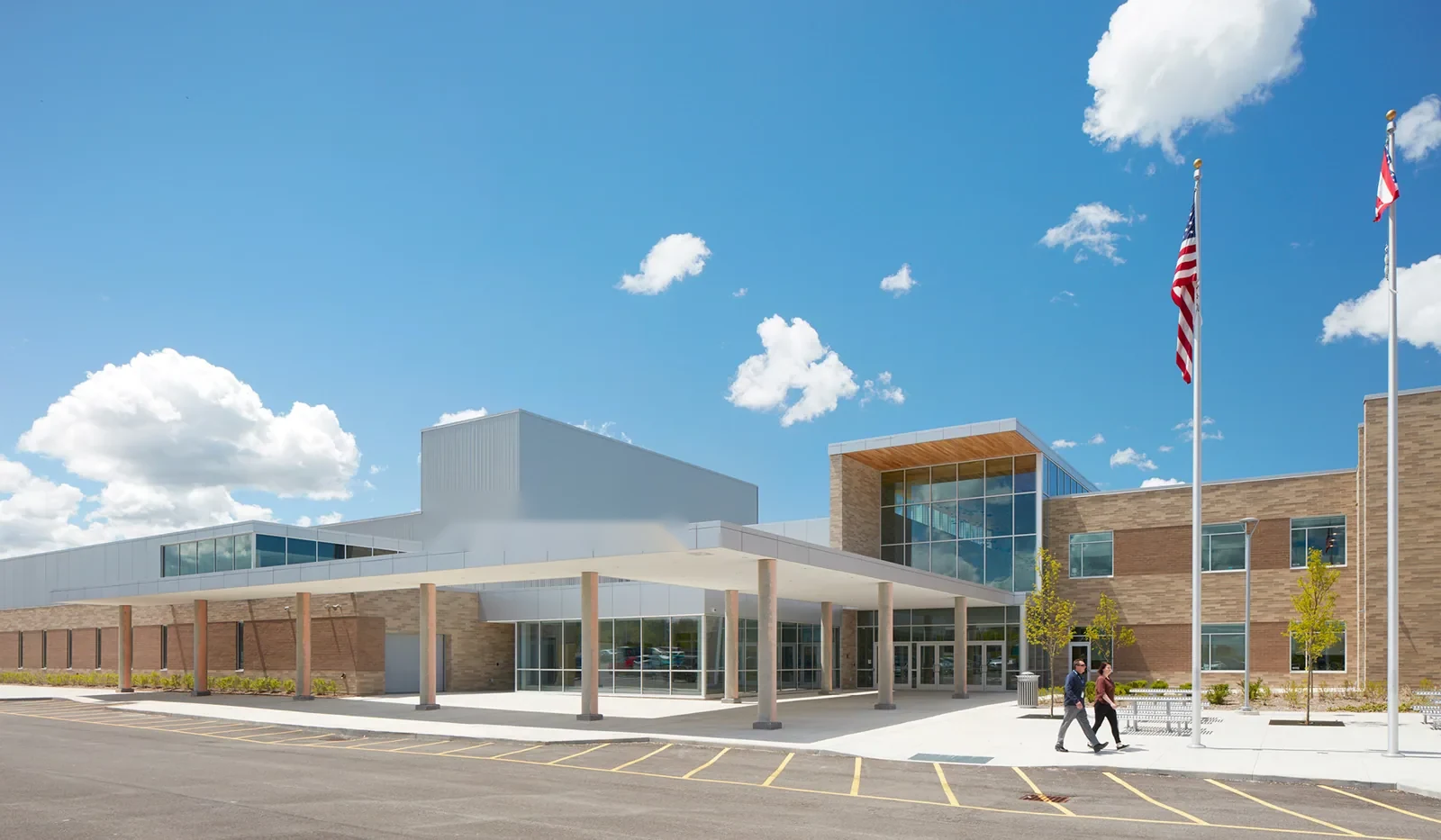
Manufacturing roofs may have process vents, dust collectors, exhaust stacks, or cooling equipment. Residue can build up where discharge meets the roof, and heat may affect a membrane or coating near the outlet. We identify the source, check its direction and operating schedule, and review whether the roof material is suitable for that exposure. If there is grease, chemical residue, or a hot discharge, we document the area and confirm the proposed repair material with the system requirements before application.
A curb flashing needs to stay secure where vibration or service work is present. We check fasteners, membrane welds, metal seams, and support points for movement or abrasion. If an exhaust fan has been replaced, the new curb may not match the old roof opening. A curb and support review can record how the equipment connects to the roof. We coordinate any access or shutdown with the mechanical team so a roofing repair does not interfere with the process unit.
Leaks above a control room, electrical space, or production line need quick protection and a clear repair boundary. We trace the roof path from the interior report to seams, curbs, drains, and penetrations. A wet ceiling tile is evidence of water entry, but not necessarily the point where the roof opened. We inspect the deck and insulation when needed, use test cuts only with site approval, and record each finding by roof zone. A temporary cover is marked with its date and return step.
At Valwood Industrial Park, more than 1,500 tenants operate across manufacturing, distribution, and service businesses. That scale makes building and roof identifiers important when plant managers share maintenance teams. We label each photo and keep it tied to the facility. A roof repair scope can list the immediate leak control separately from any wet insulation removal. If a drain or scupper is holding water, a drainage inspection records the outlet and flow path before the roof is closed.
Industrial roofs may use single-ply membrane, metal panels, built-up roofing, or a coating over an older assembly. The right system depends on the substrate, exposure, access, drainage, and project specification. We check whether heat, process residue, foot traffic, or frequent equipment service affects the roof. A patch must bond to a sound surface. A coating must adhere to a prepared substrate. A replacement needs adequate insulation and details that remain reachable after machinery is returned to service.
A facility manager can compare warehouse roof planning for shared storage and service concerns, or data center roof planning where uptime and equipment access drive a different review. The roof design must still follow the individual plant’s requirements. We can inspect insulation, curb heights, and roof transitions through a roof assembly assessment before materials are ordered. Any unknown chemical or discharge condition is identified for review rather than assigned a material by guesswork.
Dallas-Fort Worth summers bring long periods of heat, while severe weather is most active in spring. Hail and damaging winds occur nearly every year somewhere in the metroplex. A post-storm walk checks edge metal, penetrations, membrane seams, and roof drains. During routine maintenance, we look for fasteners loosened by vibration, foot traffic near units, and flashing disturbed by mechanical service. We photograph the detail and record which trade needs to return.
At a plant along the Belt Line Industrial Corridor, freight routes connect industrial properties with Belt Line Road and the I-35E / PGBT network. That roadway context may shape delivery or lift access, though the work plan comes from the property’s actual gate and loading rules. A scheduled roof maintenance program can track repairs, drains, and inspections by building. When production hours, roof access, and weather windows are clear, the facility can plan repair work before water enters a production area.
Often, if the repair area can be isolated and the equipment does not control the roof opening. We confirm exhaust, vibration, access, and any shutdown requirement with the responsible site contact before work begins.
We inspect the discharge and nearby material, then check the membrane manufacturer’s guidance for the exposure. The repair may need a compatible flashing or separation detail, and the process team must address the source if it exceeds the roof system’s limits.
We check curbs, pipe supports, cable paths, walk pads, and seams near equipment. A service visit can move a cover or leave a fastener behind, so the closeout walk should include the route used by the trade.
The site team can identify sensitive rooms, cover equipment, and set a safe route below the repair. We trace the roof opening, install temporary protection if needed, and record the area that requires permanent work.
A coating needs a sound, compatible surface, while replacement can be warranted when moisture, deck or attachment failure, or broad deterioration affects the assembly. We inspect those conditions and the process exposure before comparing options.
RELATED WORK
CALL US
Leaks, storm damage, a failing membrane or a replacement on the calendar: tell us what is happening on the roof and we will set up a visit.
Property Types We Roof
Share the process schedule, exhaust or chemical exposures, roof access route, and any shutdown limits. We will inspect the roof details and build a repair sequence that protects the production area.
Call 555-555-5555 or request a roof assessment online.