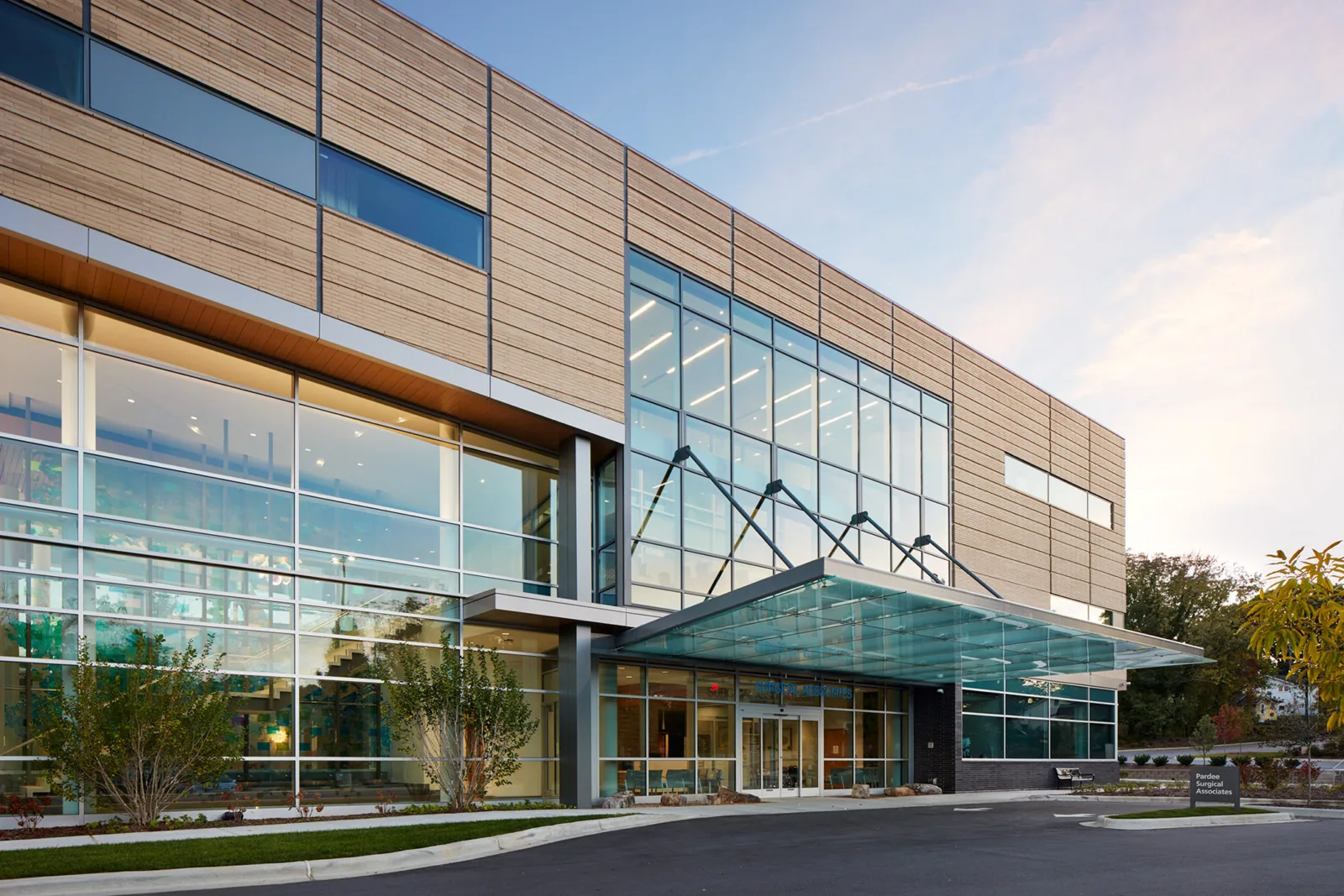
A clinic facilities call may involve exam rooms, equipment, records, or a full day of appointments. Commercial roofing for healthcare systems in Carrollton, TX begins with the building contact, affected space, roof access, and the urgency of the report. We trace the reported condition to a roof area, protect any active opening, and document what needs a permanent repair. A medical campus may include patient-care buildings, offices, storage, and support space, so each roof and service route needs its own work plan.
We ask the facility team to identify the room or department, when the symptom appeared, and whether water is still entering. On the roof, we check the drainage path, membrane seams, wall transitions, equipment curbs, and prior patches above that location. A stain does not establish the source by itself; water can travel before it shows at a ceiling. We mark the roof area, photograph the detail, and state which portions were visible or blocked from inspection.
The Dallas VA Medical Center provides primary and specialty care from its campus at 4500 South Lancaster Road. It is one example of the regional healthcare facilities whose continuity depends on clear access and service coordination, not evidence about any particular roof condition. A commercial roof inspection can create an asset record with marked photos and repair limits. For a repeat leak or uncertain source, our leak investigation traces the roof assembly before the repair area is selected.
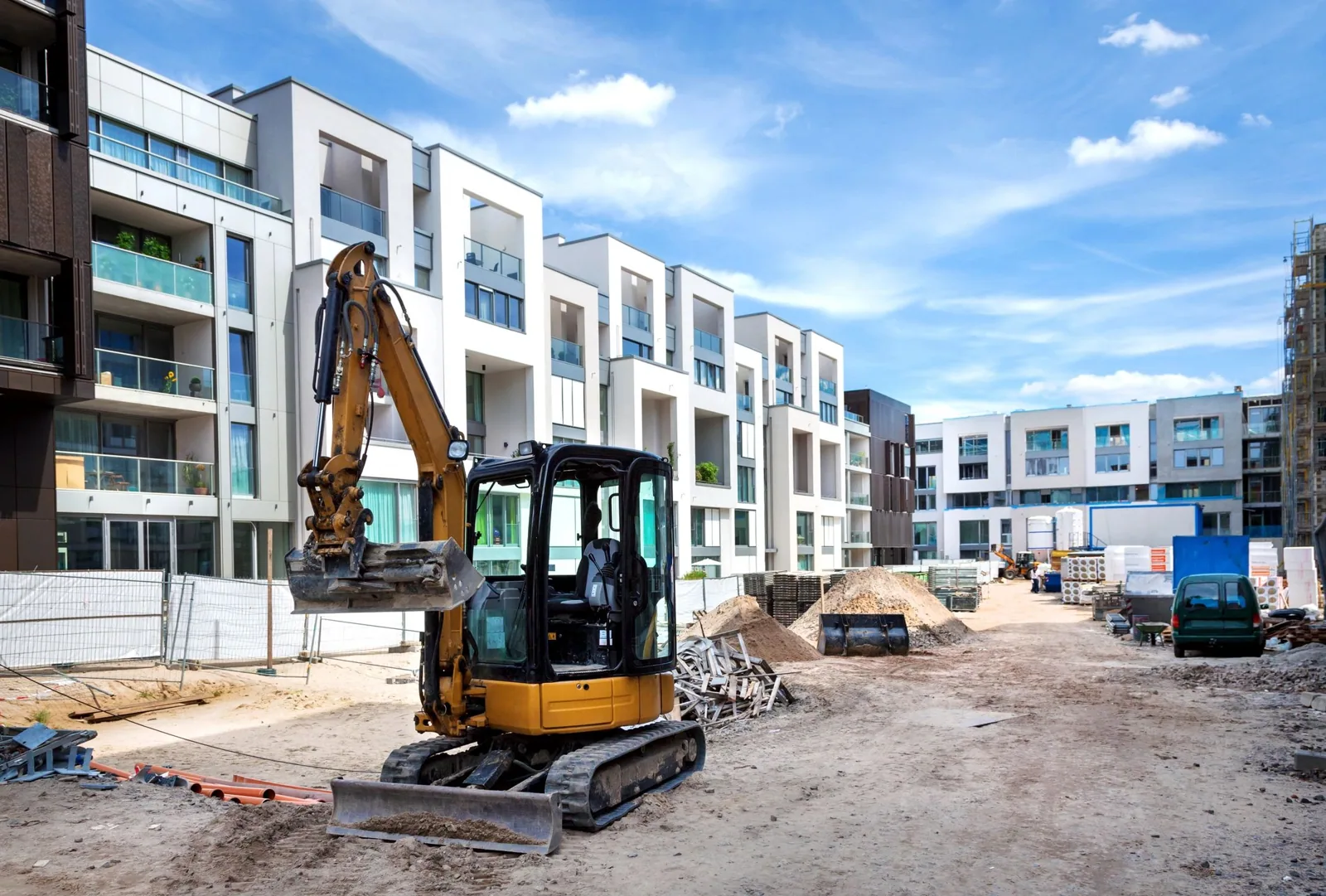
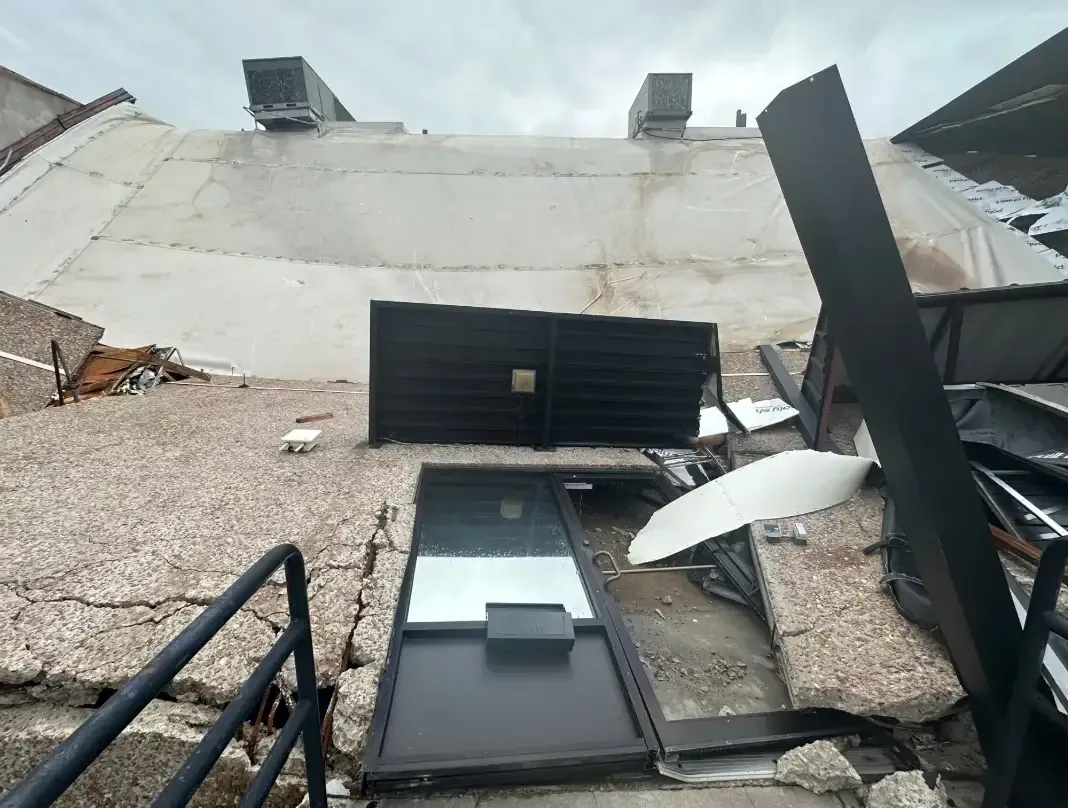
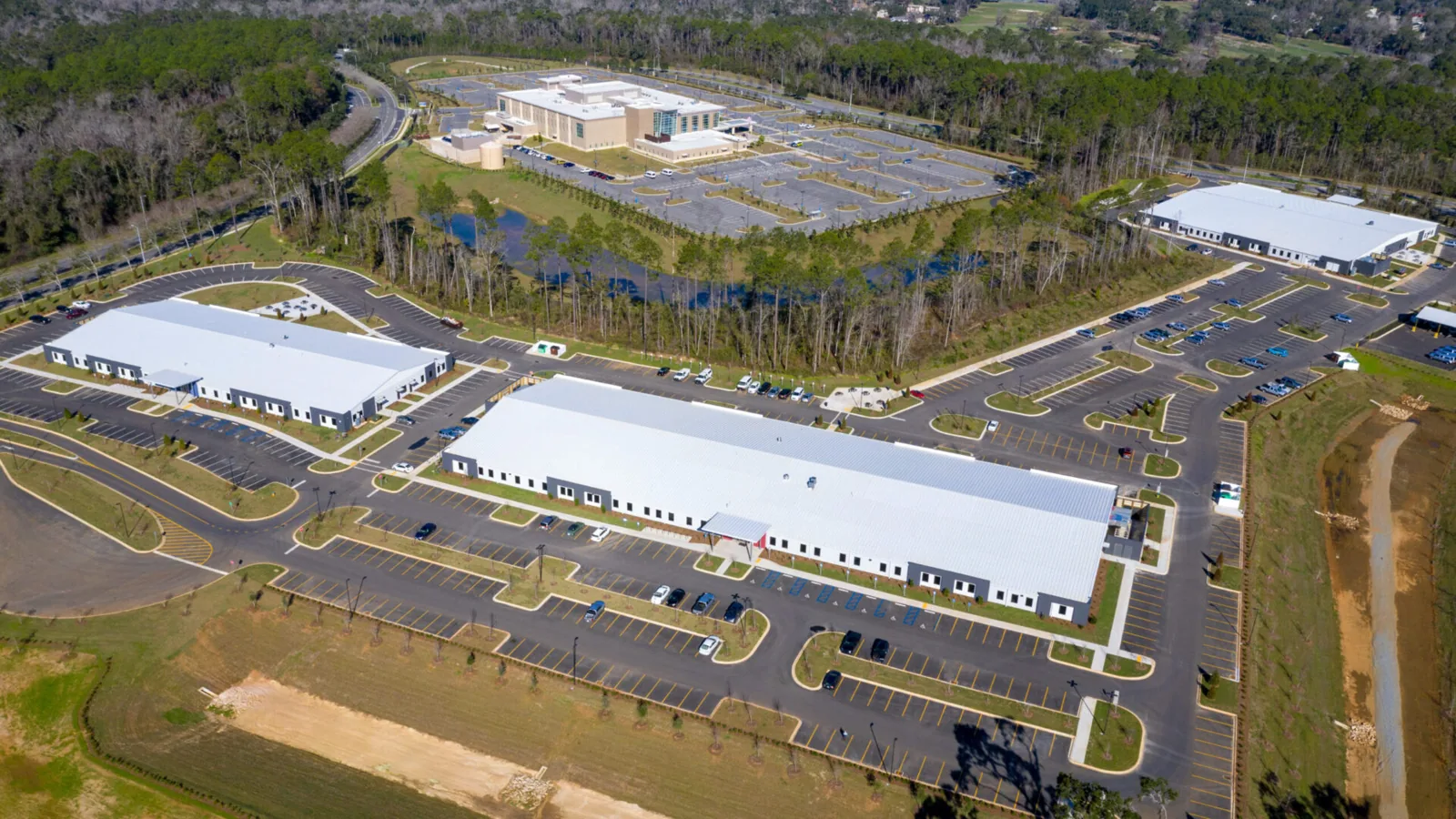
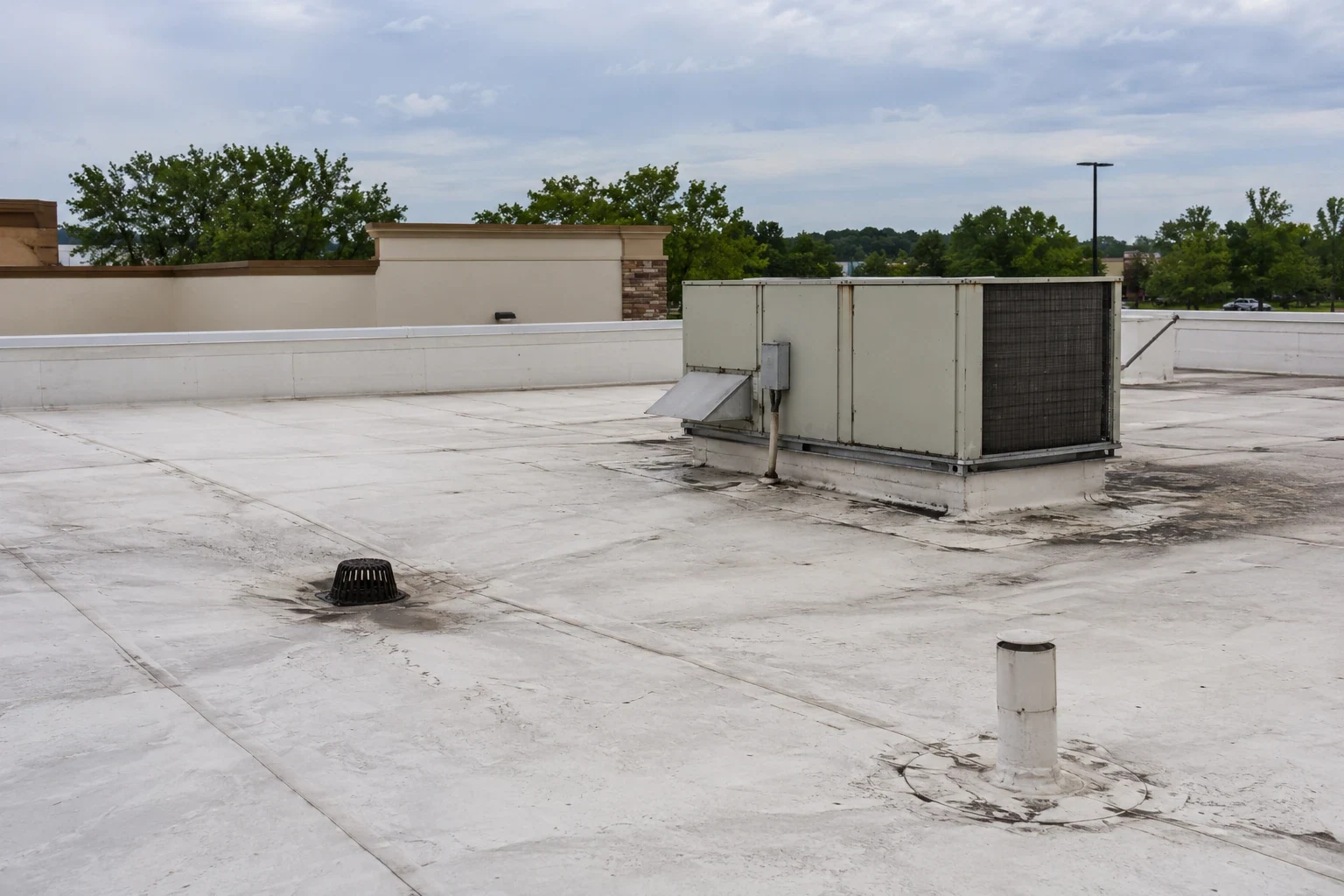
Before a crew arrives, the facility contact confirms check-in, security requirements, roof-hatch access, stair or ladder route, and any spaces that cannot be disturbed. Material staging must not block ambulance access, loading, fire lanes, or accessible entrances. If a lift or truck is needed, we confirm its footprint with the site contact. The work plan names the affected roof zone, expected noise, interior access needs, and the person who can approve a schedule adjustment.
Active care settings may have restricted hours, sensitive rooms, or nearby air intakes. We confirm whether equipment needs protection and coordinate temporary barriers or shutdowns with the facility staff. Roof work that opens an assembly must have a defined close-in point before weather changes. Our occupied-building work sequence can set a zone boundary, daily cleanup, and hand-back step. The plan is specific to the building and its operating rules; it does not assume that every healthcare address follows the same schedule.
When water is active, the first task is to reduce further entry safely. We locate the opening or vulnerable detail, place temporary protection where appropriate, and tell the facility contact what remains exposed. A temporary measure is labeled as temporary in the report. It does not replace the follow-up inspection needed to determine whether insulation, cover board, or deck material is wet and whether the affected area extends beyond the visible mark.
Carrollton sits within a North Texas region where spring storms can bring hail and damaging wind, while summer heat and intense sun put stress on roof surfaces. The region-level weather pattern is a reason to document a storm report promptly, not proof that a particular storm damaged a particular campus. A emergency roof response can identify immediate stabilization needs. After the roof is safe to assess, we compare the affected detail with adjoining seams, drains, and penetrations before recommending the permanent repair limit.
A larger repair or reroof can be divided into work zones so the facility can keep essential routes open. We discuss material deliveries, noise-producing tasks, debris removal, and the area that must be watertight at the end of each shift. If a roof section sits above occupied rooms, the project contact can help identify interior sensitivities and a suitable work window. The scope states what the crew will open, how the opening will be protected, and how the team will report a change in conditions.
Some healthcare systems manage a main campus, clinics, administration buildings, and support facilities in more than one city. We can group inspections or scheduling by location while maintaining separate findings for every roof. A replacement scope should identify assembly, tear-off assumptions, insulation condition, edge details, equipment coordination, and phasing. Where a facility portfolio includes clinics and offices, the multi-building roof record approach can help staff compare work without blending separate property histories. When severe weather is involved, our insurance restoration documentation keeps the observed condition separate from the claim determination.
Drain baskets, scuppers, membrane laps, flashing, and equipment supports deserve a close look before a ceiling report arrives. A maintenance visit can document debris, ponding, loose edge metal, open sealant, and prior repair areas. We separate a condition that needs repair from an observation that should be checked again. The facility receives a dated record with photos and a short list of recommended actions, so its staff can track what has been addressed.
For a campus with several roof types, inspection frequency should reflect each assembly, access conditions, exposure, and the last known repair. A uniform calendar may miss a known trouble spot or revisit a recently restored section without adding value. Our preventive roof maintenance can be organized by building and roof zone. If a roof condition report needs to support capital planning, a condition file can preserve the photos, location, and follow-up item that facility staff need to review.
At completion, we identify the building, roof zone, repair material, work date, and boundary of the completed work. Photos show the condition before and after where available. We record any area that was inaccessible, any temporary cover left in place, and the next inspection or repair item. The facility team can then connect a later report with the actual roof detail instead of relying on a brief note about a room below.
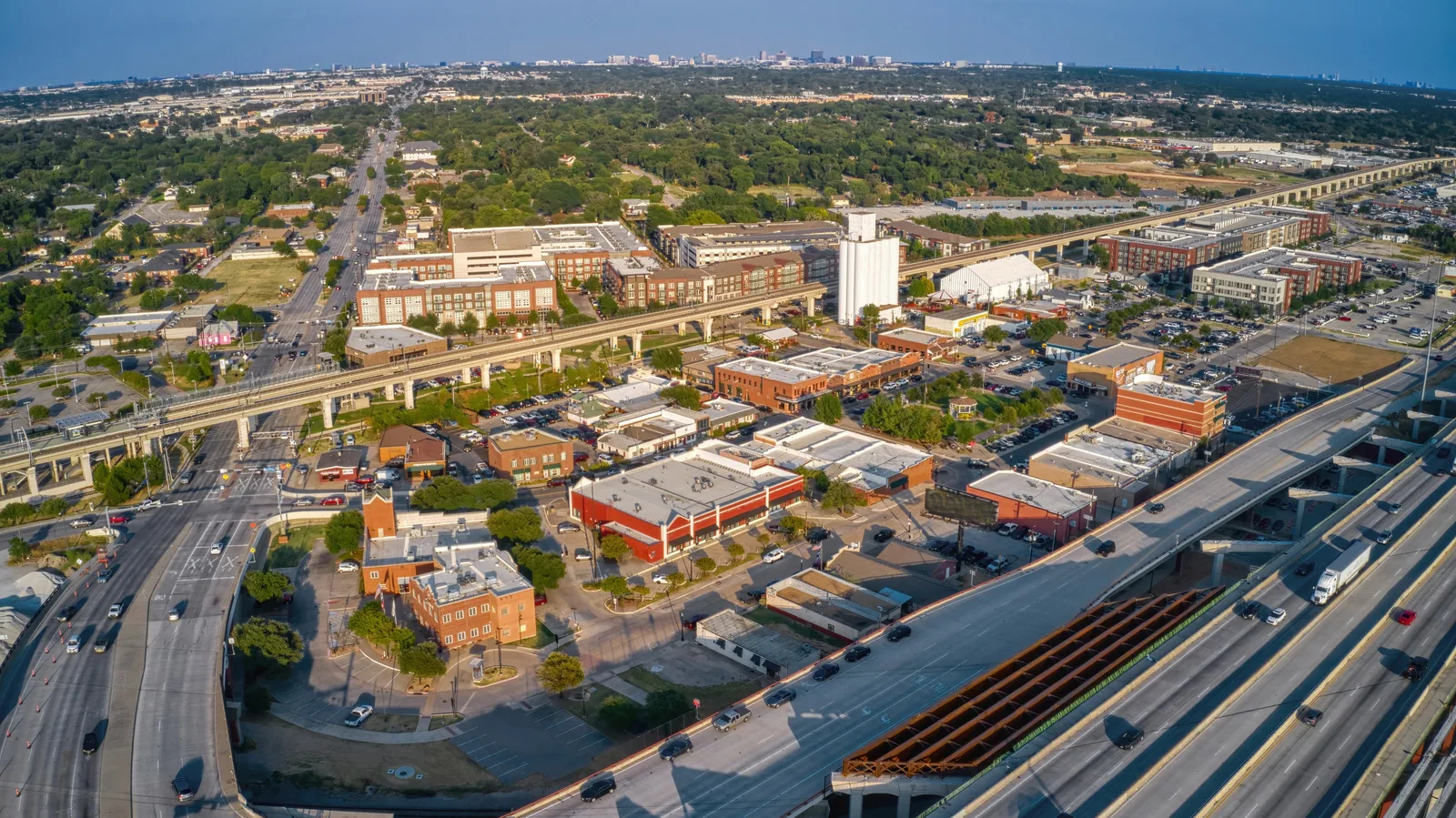
Regional sites may sit near Downtown Carrollton, Trinity Mills, Farmers Branch, or the medical and office corridors along I-35E and State Highway 121. Those place names help identify a location and travel route; they do not determine the roof specification. The site contact remains responsible for confirming the correct building entrance and access instructions. The Downtown Carrollton service area includes commercial locations near the rail corridor. We return a concise closeout to the named contact, with open questions called out so the next maintenance or capital review begins with the known condition.
Often, if access, noise, and the repair area can be controlled. We coordinate a work zone with facilities staff and define the daily close-in point before materials are removed.
The affected room, time first noticed, whether water is active, recent weather, and any ceiling or equipment concerns help us plan the visit. The roof inspection still needs to confirm the source.
We ask the facility contact to identify the equipment and any protection or access requirements, then locate the roof area and explain immediate stabilization separately from permanent repair.
We can coordinate a portfolio schedule when contacts and access are available. Each building receives its own roof observations, photos, and repair recommendations.
It identifies the building and repair zone, the work completed, supporting photos, any access limits, and follow-up needs. That record helps facilities staff track the condition over time.
RELATED WORK
CALL US
Leaks, storm damage, a failing membrane or a replacement on the calendar: tell us what is happening on the roof and we will set up a visit.
Industries We Serve
Share the facility contact, affected space, access rules, and any open leak report. We will inspect the roof, coordinate a workable site plan, and return documented findings for the building team.
Call 555-555-5555 or request a roof assessment online.