A ceiling stain can sit several feet from the roof opening that fed it. Water may run along a deck, follow a fastener line, or collect beside a curb before it drops into the building. We start inside when needed, then match the wet area to roof details above it. At Trinity Mills Station District, a mixed-use building may have retail or residential space below an active roof; at Valwood Industrial Park, industrial and distribution uses make equipment and access details worth confirming with the property contact. The repair starts with a marked location, not a bead of sealant over the first visible crack. We inspect, trace, and record the water path so the permanent fix addresses its entry point.
We first note when the leak appears, what was operating, and where water shows indoors. Rain direction, wind, and the length of time between a storm and a drip can narrow the search, but none proves the roof entry. Above the stain, we check seams, wall terminations, pipe boots, equipment curbs, skylights, and changes in roof level. We look for open laps, lifted corners, failed sealant, punctures, and signs of water beneath the membrane. A drain that backs up can leave the field wet, while a failed flashing can admit water even when the drain is clear.
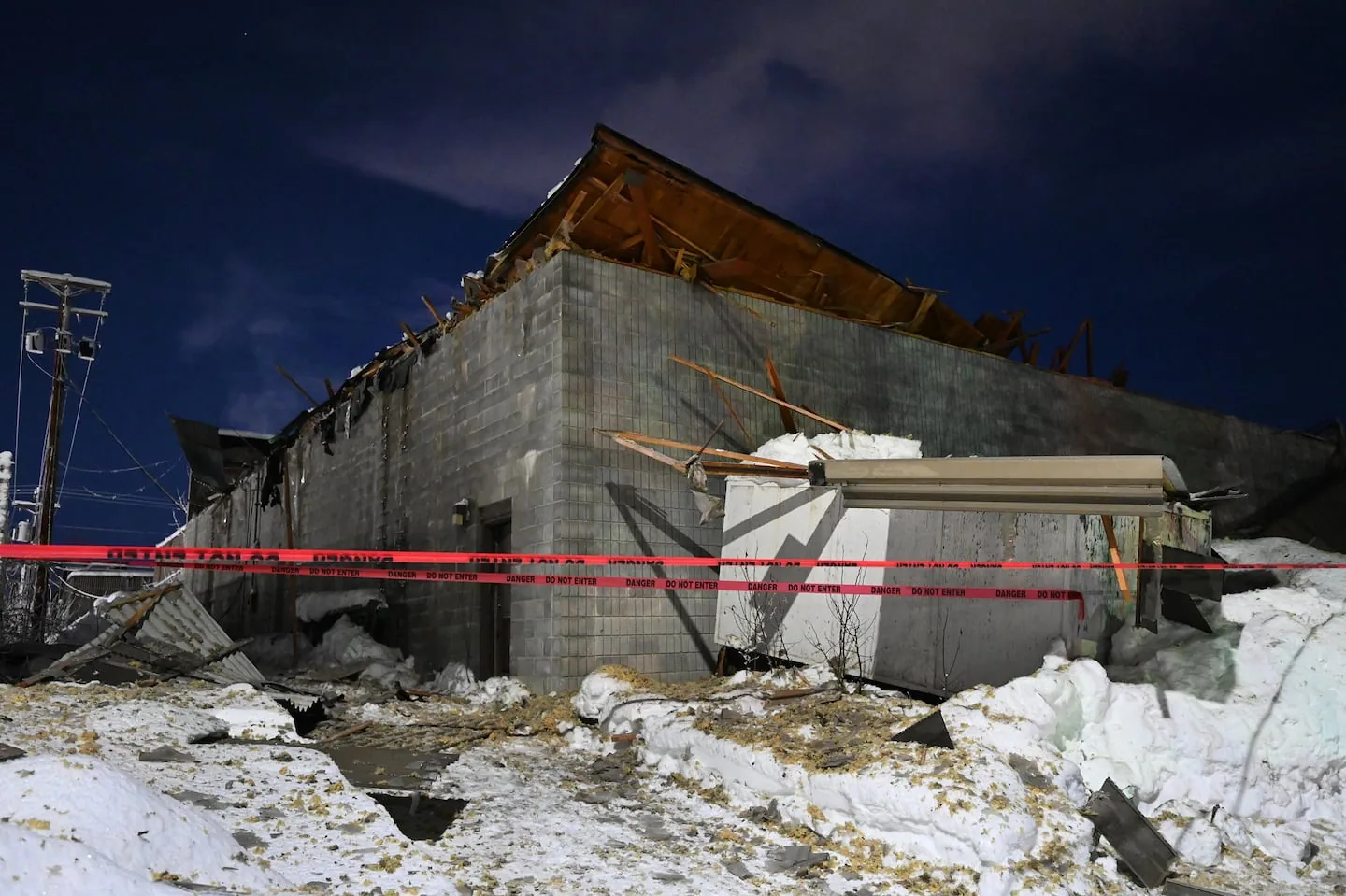
Carrollton sits in a metro where hail, damaging wind, and tornadoes occur, especially in spring. After a storm, we pay close attention to perimeter metal, rooftop penetrations, and objects that may have struck the membrane. Regional weather history helps prioritize those checks; it cannot identify damage at a particular property. Our hail-damage inspection records any impact evidence separately from older wear, which helps keep the leak scope tied to what the roof shows.
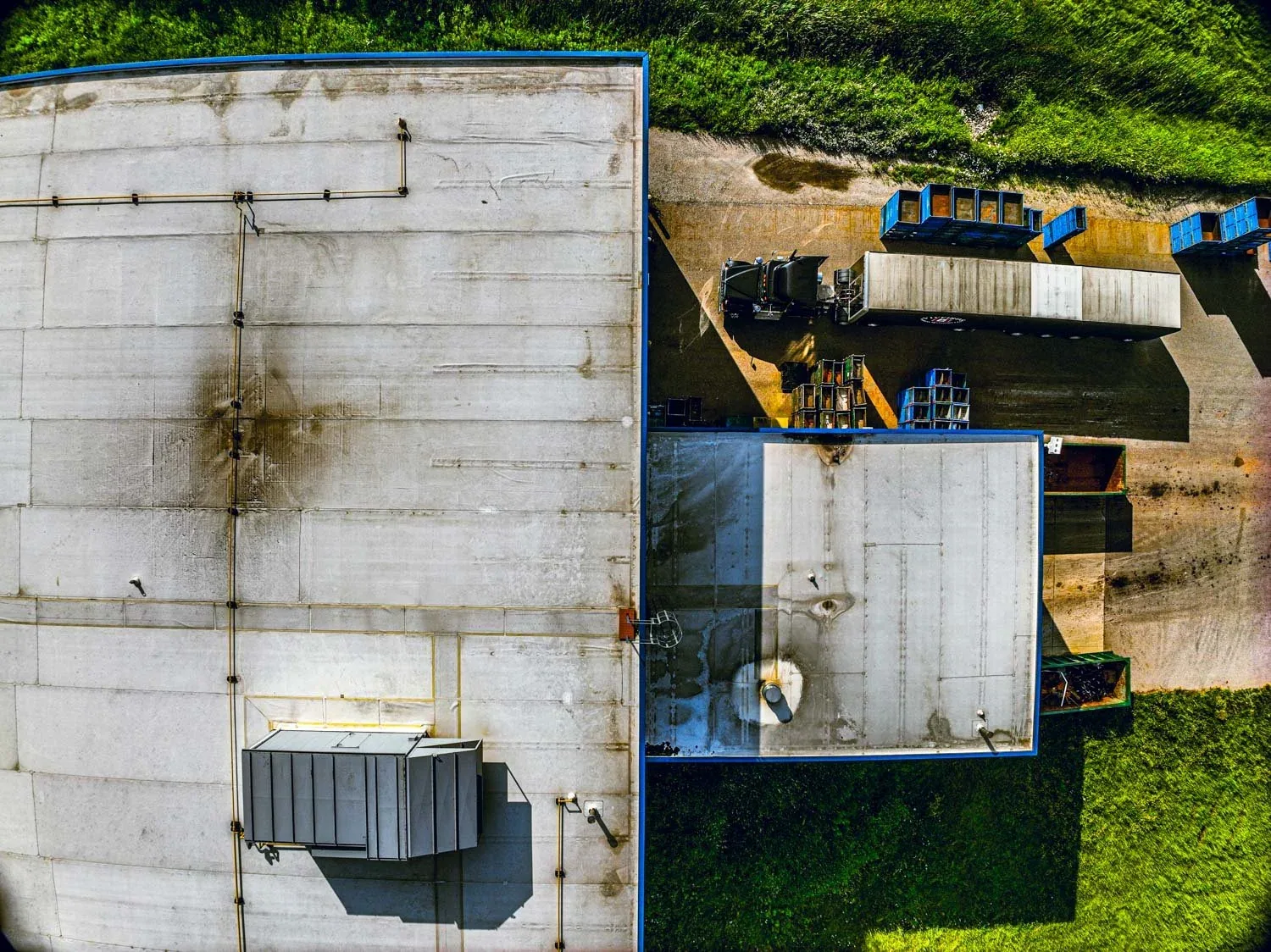
Ceiling tile, insulation, electrical rooms, and stored goods can show where water surfaced, but they do not always point straight up to the opening. We compare interior marks with roof drains, walls, equipment, and seams along the likely travel path. If water appears near a wall, we inspect the termination and the roof-to-wall transition before deciding the wall itself is the source. If the stain moves after each storm, we note the weather and approximate timing alongside the location.
For a leak over a warehouse or manufacturing floor, the response plan also needs to protect the operation below. We coordinate access with the facility contact, avoid blocking active travel lanes, and identify any equipment or inventory that needs protection while the source is traced. The service crew can apply temporary dry-in when a permanent repair cannot proceed immediately. We label that measure as temporary and set a clear return step. For broader roof findings, a photo-based condition report can show the suspected entry, interior evidence, and unresolved areas together.
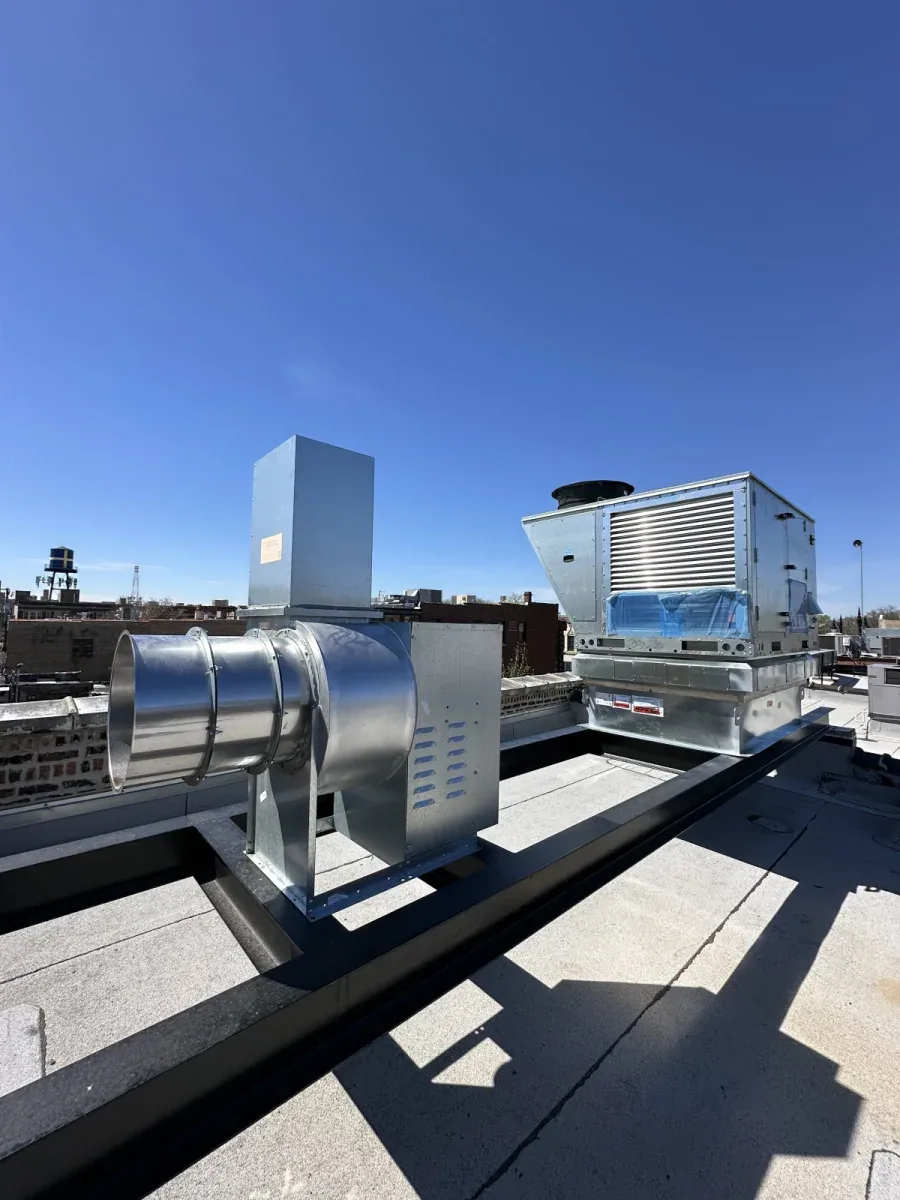
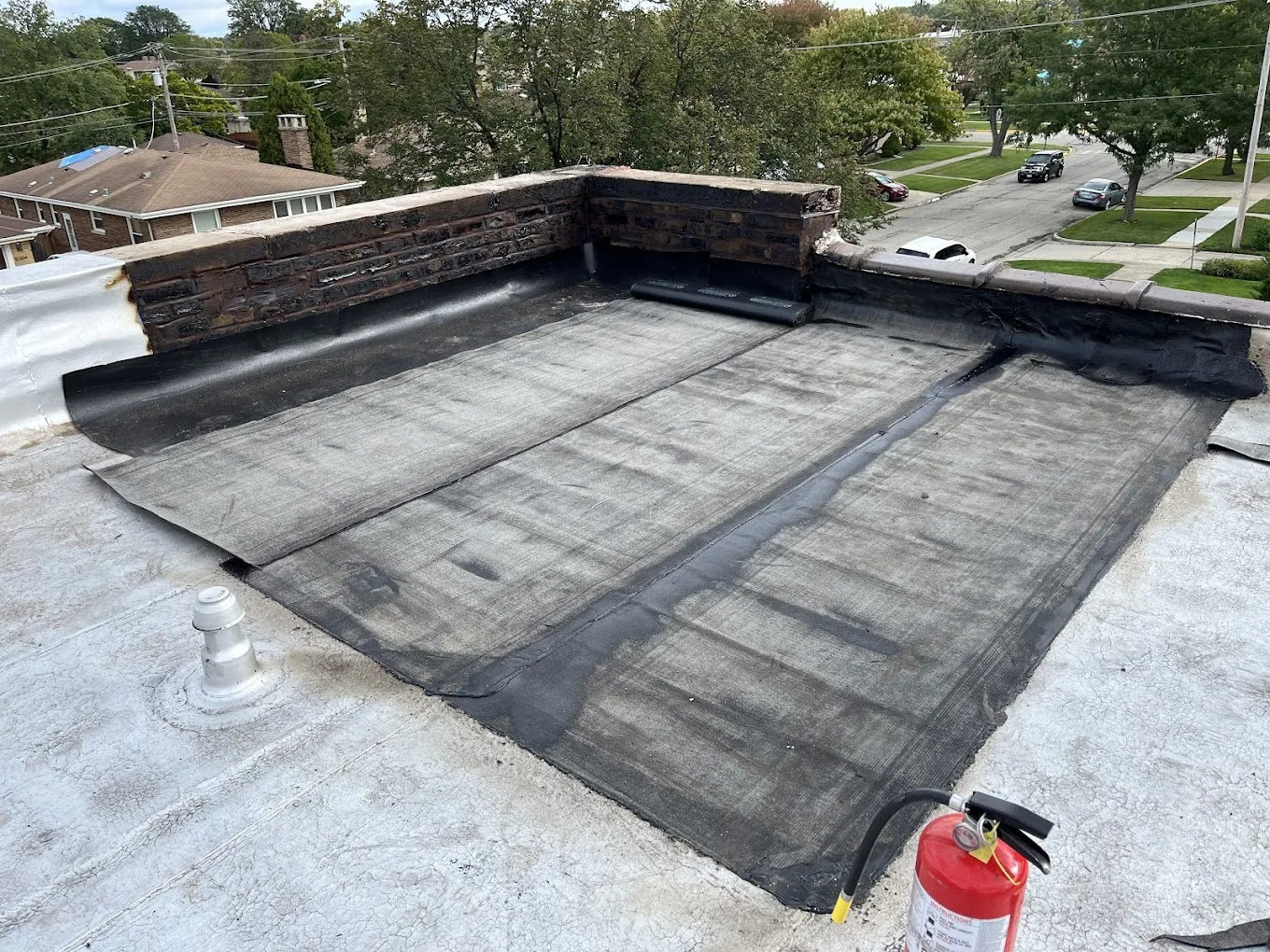
At a seam, we check whether the membrane edges are bonded or welded across the full repair area and whether movement has pulled the lap apart. At a curb, we inspect the corners, metal receiver, membrane termination, and height of the flashing. At a drain, we check the bowl, ring, and surrounding slope. A small opening can be the visible end of a longer failed detail. The repair boundary has to reach sound membrane or metal, with enough room for the specified material to bond.
We also ask whether the same detail has been patched before. A stack of sealant around an equipment curb can hide a loose flange or a termination that moves as the roof heats and cools. Rebuilding that connection may take more time than a surface patch, but it addresses the path rather than the stain. When the membrane has separated along a longer run, a planned roof repair can restore the seam and nearby transitions instead of treating one spot as an isolated hole.
A useful leak record ties each observation to a roof location. We mark a grid or nearby equipment reference, photograph the defect, and note whether the membrane is wet, loose, punctured, or otherwise compromised. After the repair, the record shows the prepared surface, the material used, and the closed detail. That makes later inspection more specific. If moisture returns, the next visit can compare the same seam or curb with its earlier condition rather than searching the whole roof again.
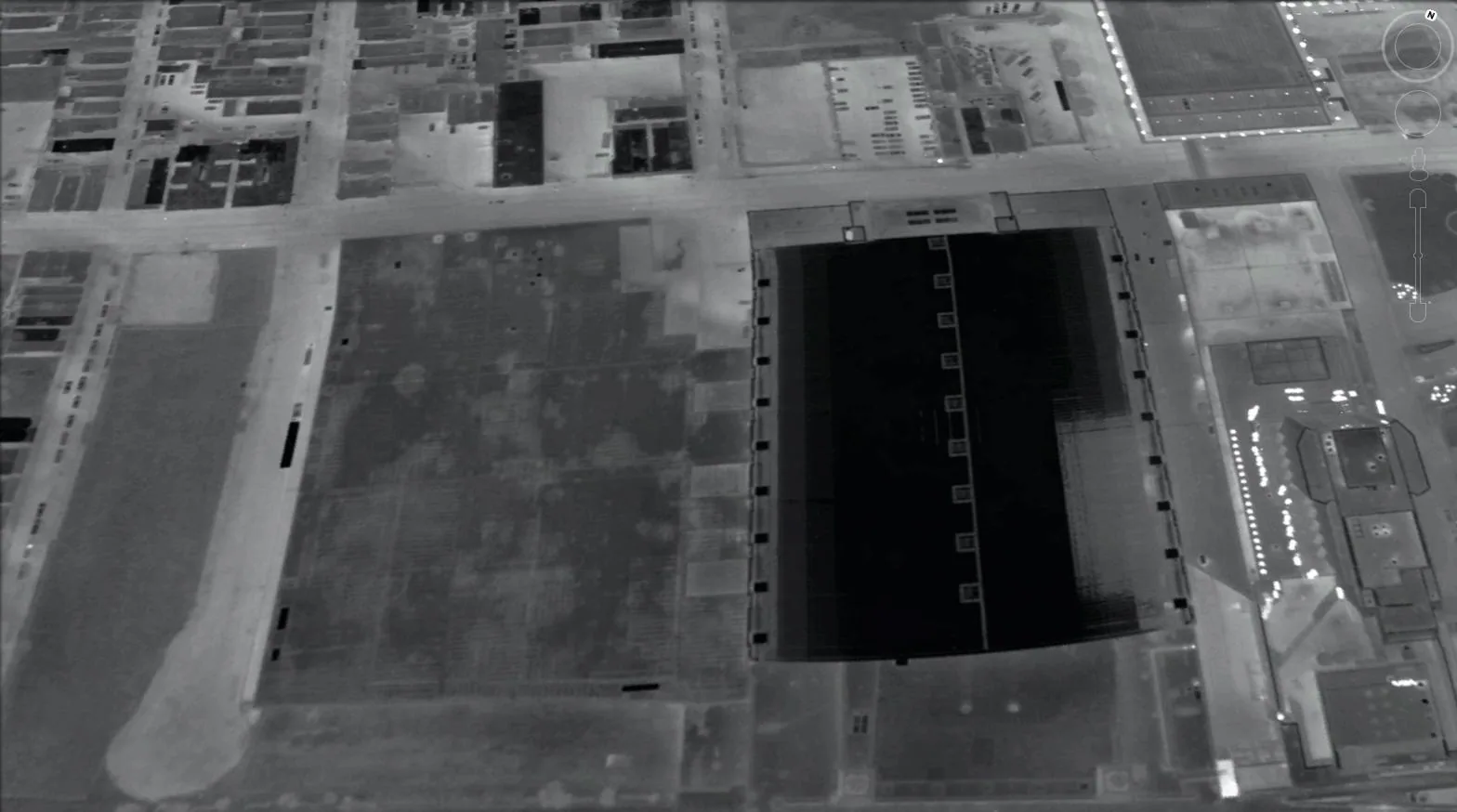
Where moisture may have spread under the membrane, a visual check alone cannot define the repair area. We can make test cuts or use an infrared and core-cut moisture survey to locate suspect insulation and confirm the boundary. A survey does not replace field testing. We compare the image with roof details and verify areas before specifying removal. If the findings show broad wet insulation or repeated failure, we explain whether a repair limit, recover, or full replacement fits the documented condition.
The repair method depends on the roof system and surface conditions. Membrane welding, adhesive bonding, and flashing work all need a clean, dry surface. We check the forecast and plan how to protect the opening if rain arrives before the permanent repair is complete. During hot weather, some materials have a narrower handling window; during a spring storm cycle, a short forecast change may require temporary protection first. We limit the roof area opened at once and close each repair when the specified conditions are met.
Frankford Trade Center's distribution tenants need receiving access and truck lanes kept in service. Before dispatch, tell us which doors, shifts, or equipment areas cannot be interrupted. We will coordinate a roof access point, identify the interior location, and leave a clear note about temporary measures, repair completed, or a return visit. When water has reached multiple spaces or recurs after the first fix, we can pair leak tracing with a full roof inspection and review the broader recover options only if the existing assembly supports them.
Water can travel along a deck, seam, fastener, or insulation layer before gravity brings it indoors. We compare the stain with roof details above and along the likely path. The repair location follows the confirmed entry point, not automatically the ceiling mark.
A temporary dry-in may be possible when the surface and access allow it. The permanent repair still depends on identifying the roof system, preparing a dry work area, and reaching sound material. If rain or unsafe conditions prevent that work, we document the temporary protection and arrange the next weather window.
Record the room, time, recent rain or wind, equipment status, and whether water appeared once or repeatedly. Keep people clear of wet electrical areas and protect movable goods if it is safe to do so. Those observations help us connect the interior symptom with the roof above.
Not for every leak. A visible seam split or failed curb can establish the entry. When water may be under the membrane or the assembly is not known, a small test cut can show the layers and moisture condition. We mark and close the test area as part of the inspection scope.
We compare the new water location with the prior roof map and repair photos. A return can indicate that the entry path was longer than the first repair limit, that a nearby detail has also failed, or that moisture has moved under the assembly. We inspect the adjacent seams and transitions, then revise the scope based on the new evidence.
RELATED WORK
CALL US
Leaks, storm damage, a failing membrane or a replacement on the calendar: tell us what is happening on the roof and we will set up a visit.
Commercial Roofing Services
Share the interior location, leak timing, and any loading or access constraints. We will trace the roof above it, mark the entry detail, and document the repair or temporary dry-in.
Call 555-555-5555 or request a roof assessment online.