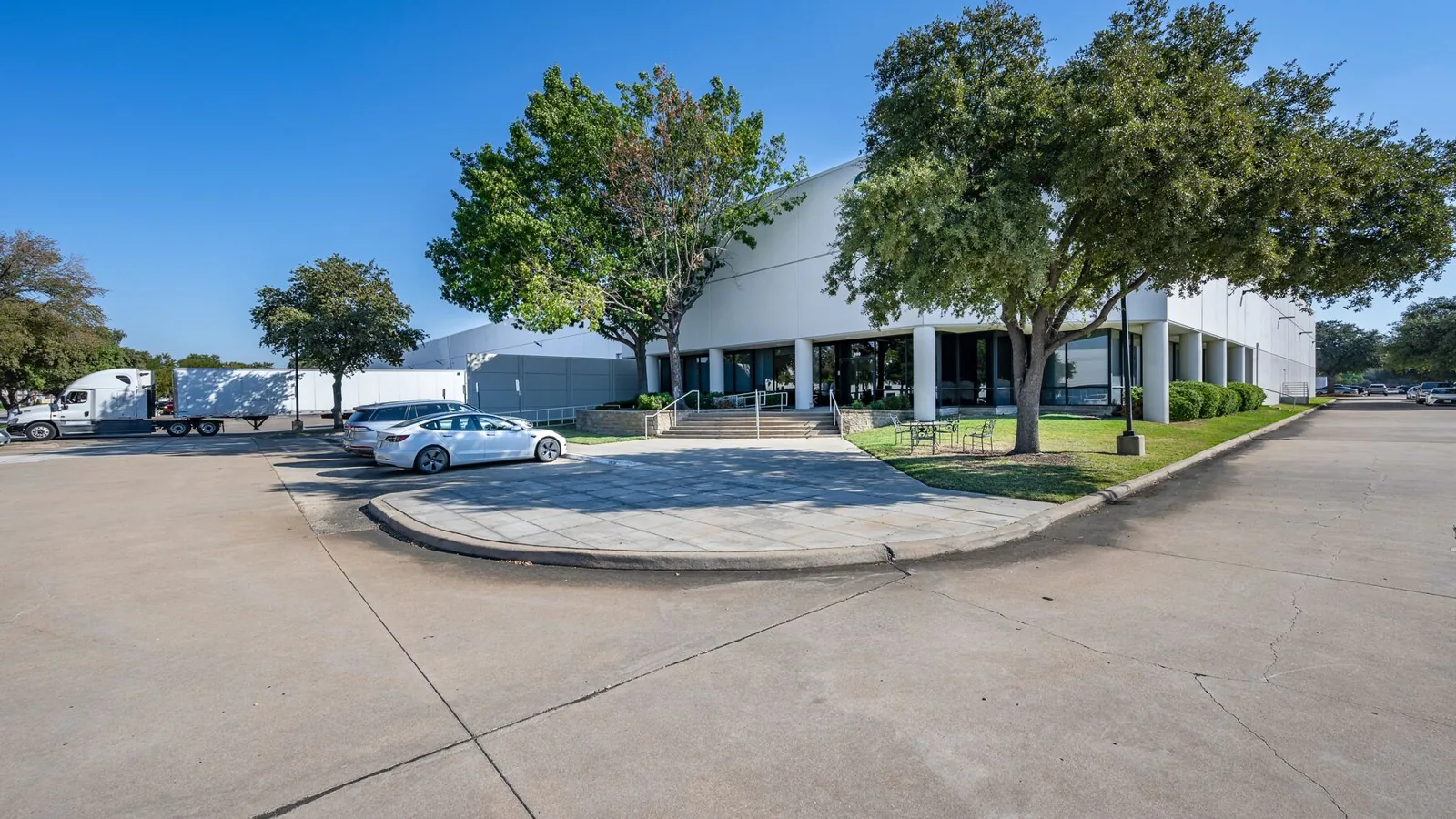
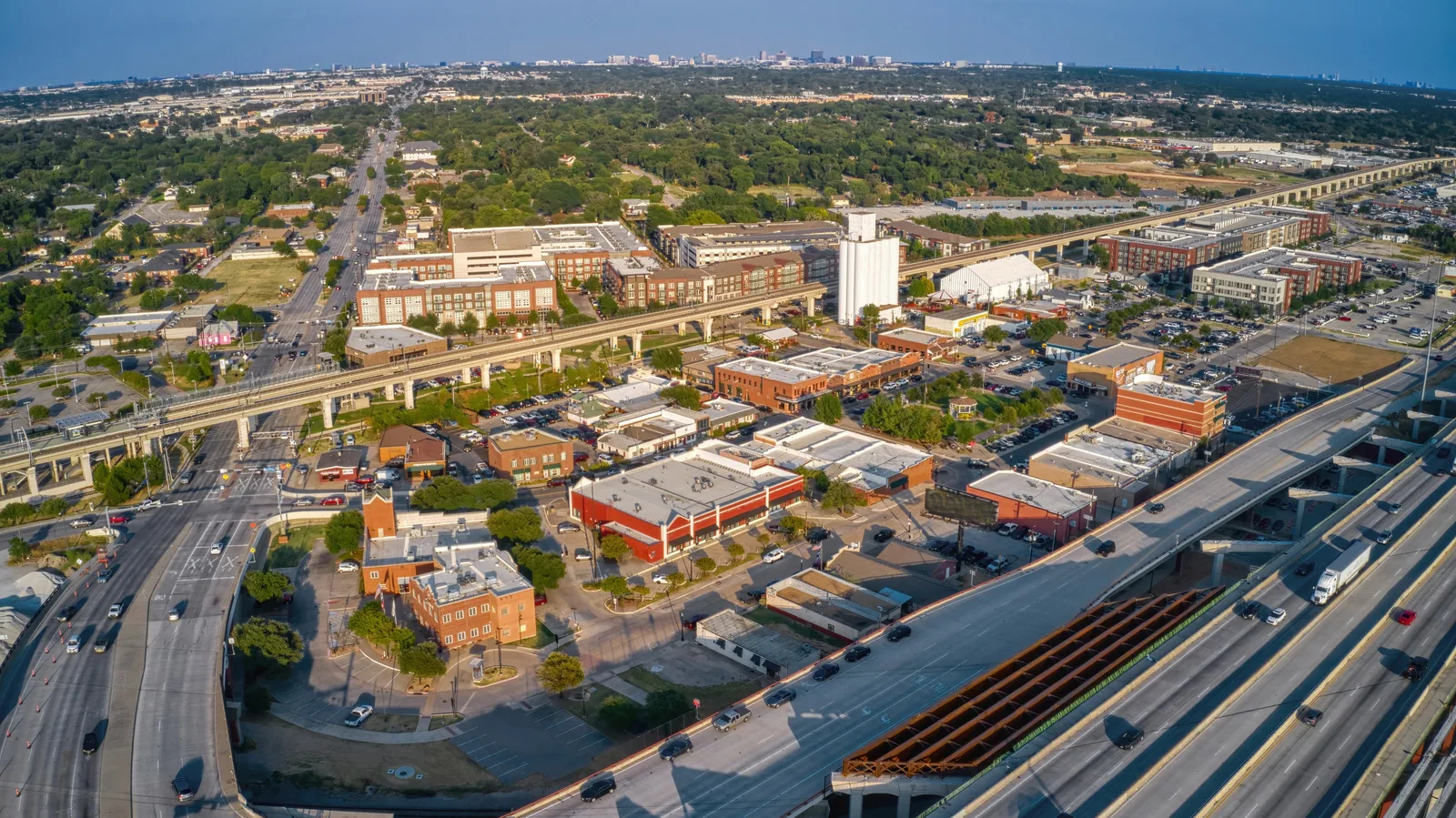
A drain bowl with sediment around its rim can hold water against a seam long after the last shower. At Frankford Trade Center, roof work takes place within an industrial park of about 172 acres and more than 2.5 million square feet. The city identifies it as the only full-service Foreign Trade Zone in North Dallas, and named tenants include CyrusOne, GXO, Mary Kay Distribution, NAPCO, and Rexel. Those operating settings make access and work sequencing part of the inspection. We check drainage, membrane transitions, edges, and penetrations, then mark each condition by roof zone.
A trade center with active distribution and commercial operations can have different access rules from building to building. The manager identifies loading periods, secure areas, tenant entrances, and any equipment that cannot be interrupted. We confirm where a ladder or lift can go, how materials reach the roof, and which routes must stay open. That conversation sets the inspection path and helps protect the operation below while we evaluate the roof.
Frankford's scale makes clear records useful. We label the building and roof section, photograph details from a consistent position, and note drains, penetrations, and prior repair locations. If multiple buildings are part of the property, each gets its own findings. A drone roof survey can add an overhead view when access or roof layout makes that useful, followed by hands-on checks at seams and flashing that need closer review.
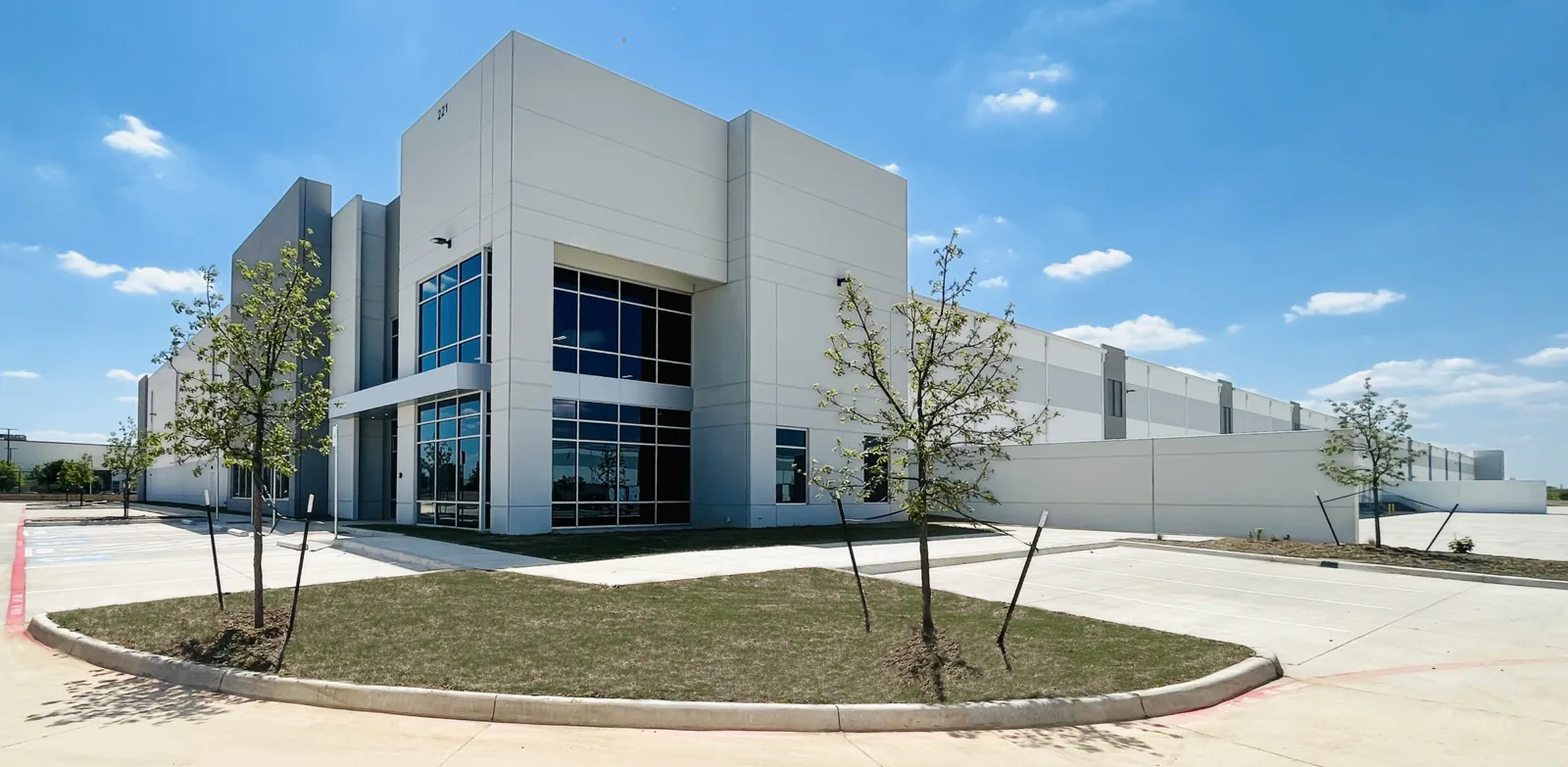
Water collects at low points, but a leak may begin upslope. We inspect the drain bowl, strainer, roof slope, and nearby seams, then compare those conditions with interior reports. Loose debris can slow drainage; a depressed area or blocked path may hold water longer. We record whether the issue is maintenance, a failed drain connection, membrane distress, or a condition that needs further testing. That distinction keeps the repair scope from treating every stain as a drain problem.
At the curb and wall, we check the membrane turn-up, termination, metal, and exposed sealant. A small opening can send water along the deck before it appears inside. We map the likely route and test suspect details rather than placing a patch directly above the ceiling mark. If the water is concentrated around a bowl or scupper, a commercial drain inspection can verify the outlet and the membrane connection. A flashing failure review can cover the adjacent wall, curb, and penetration details.
Carrollton sits in the Dallas-Fort Worth climate, where July and August daytime temperatures stay in the 90s and often reach 100 degrees or higher. Hot roof surfaces can stress aged patches and exposed transitions. We inspect sealant, edge metal, curb corners, and membrane terminations for movement or loss of bond. The surface temperature and product requirements also affect the timing of repair materials, so an inspection and an application window are separate decisions.
Severe weather peaks in spring across the metroplex. Hail and damaging wind occur nearly every year somewhere in the region, while wintry precipitation returns each winter and can make freeze-thaw details more relevant than snow load. After weather passes, we check edge attachment, seams, rooftop equipment flashings, and low areas. Damage is photographed and marked so a future repair can be matched to the condition. Our storm damage roof service begins with that field record and a priority for any opening that needs temporary protection.
A single puncture or open seam can be repaired when the surrounding membrane is stable and the insulation is dry. We remove loose material, prepare the surface, and connect the patch to sound roofing. The repair record identifies the location and material so maintenance staff can find it later. If the damage continues along a seam or into a curb flashing, the scope includes the full transition rather than a small surface cap.
When leaks repeat, we check what sits beneath the membrane. A targeted test cut can show layer count, attachment, and whether insulation is wet. We document the opening and close it that day. A recover may suit a dry and stable assembly if drainage, roof height, and project requirements permit. Widespread moisture or failed attachment may point toward replacement instead. A commercial roof repair scope should distinguish confirmed work from any additional testing needed before the owner decides.
Roof access can conflict with loading and equipment schedules even when the repair itself is small. We set a material route, stage the work zone, and agree on a daily close-in limit. Where interior protection is needed, we coordinate which rooms or equipment sit below the repair. The manager can identify safety controls or delivery periods that affect when a lift or crew can be positioned.
Open-roof work needs a defined weather window. We stage compatible materials before removing roofing and close any test opening before crews leave. If rain is moving in, the sequence changes so the roof can be closed and secured. That decision protects the building and avoids expanding the repair because an uncovered area remained open. Our phased reroof approach can sequence work around active spaces and loading schedules without assuming operations can stop.
Frankford Trade Center's named tenant mix includes logistics, distribution, technology, and other businesses. We do not infer the condition or roof type from a tenant name. We inspect the particular building and record its membrane, drainage, repair history, and access limits. That lets the owner make decisions from roof evidence rather than from the property's general designation.
Useful records include a marked roof plan, dated photographs, repair limits, materials installed, and any area needing a follow-up check. The owner can compare those findings with prior inspections and plan work by urgency. Where the portfolio also includes Valwood Industrial Park or Midway South Industrial Park, separate records preserve each property's own conditions. A roof capital plan can connect those observations to repair and replacement timing.
It does not change how we evaluate seams, drainage, or flashing. It may mean the property manager has site access and operating procedures to coordinate, so we confirm those before the roof walk and keep the inspection route within the approved areas.
We plan the roof route, lift placement, and material staging with the manager. The inspection can proceed when safe access and tenant controls are in place. Repair work may need a separate schedule based on weather and the area that must be opened.
We compare the interior mark with slope, deck direction, drains, seams, and penetrations. Water can travel beneath the roof before appearing inside, so we trace and test likely details instead of assuming the nearest roof feature is the source.
Only when the failure is contained and surrounding materials are stable. We inspect the full seam or flashing detail and check for wet insulation. If the condition extends beyond the visible opening, the written scope will show the larger repair limit or further test needed.
Keep the marked repair location, photographs, materials used, and any follow-up condition with the building's roof plan. Those notes help maintenance staff check the same area later and help an owner compare the repair with future inspections.
RELATED WORK
CALL US
Leaks, storm damage, a failing membrane or a replacement on the calendar: tell us what is happening on the roof and we will set up a visit.
Service Areas
Set a roof-access window and identify loading, tenant, or site-control requirements. We will document the roof condition, map any leak or storm impact, and outline the next work step.
Call 555-555-5555 or request a roof assessment online.