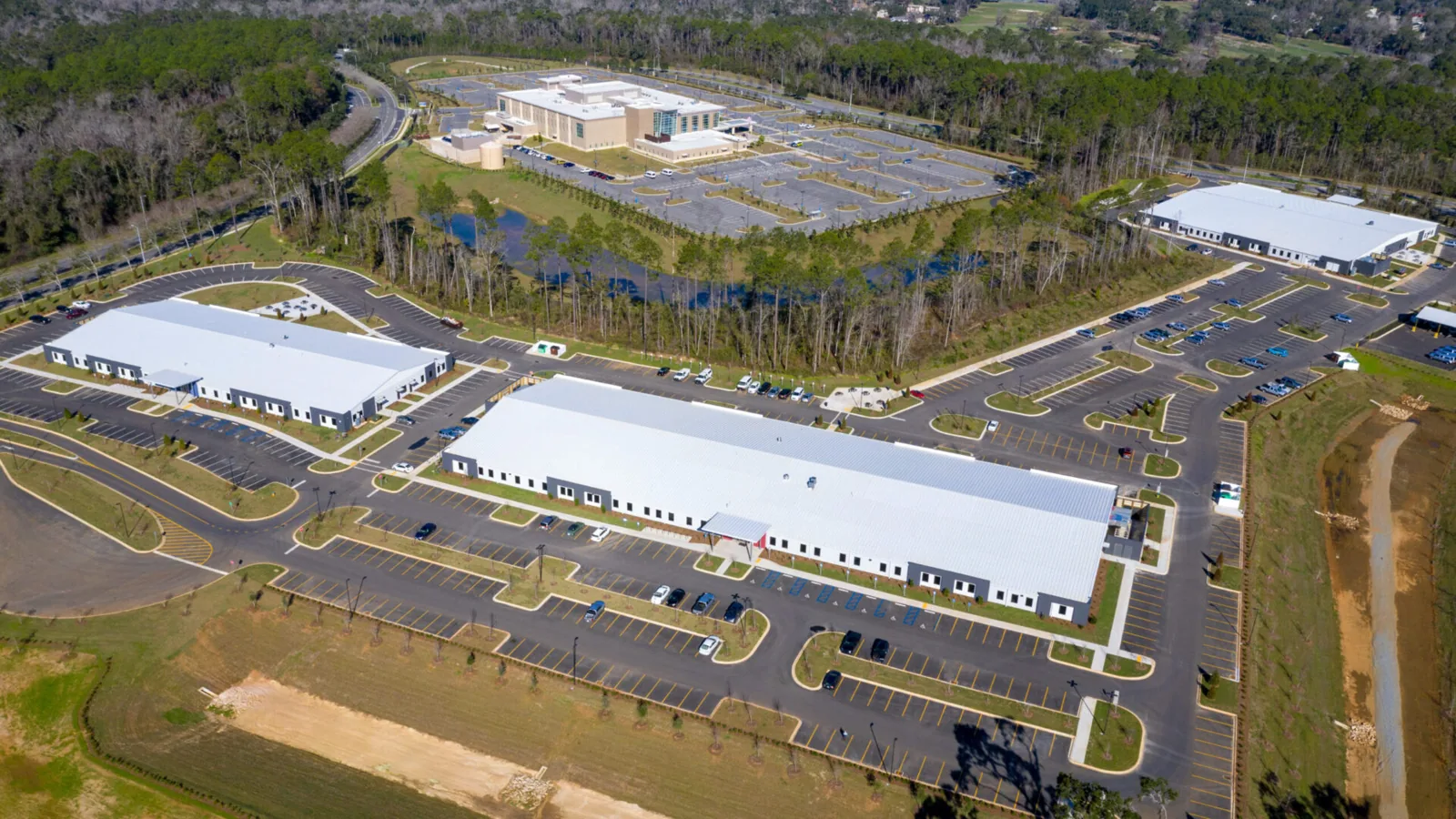
A leak ticket from one tenant can begin above another suite or on a different roof section. Commercial roofing for property management companies in Carrollton, TX starts with the building list, access contacts, and repair history, then ties each finding to a roof location. Valwood Industrial Park contains roughly 500 buildings across a broad mix of distribution, manufacturing, and service properties. International Business Park adds planned office, industrial, and retail uses. A portfolio can span those building types, but each roof still needs its own condition record.
A portfolio spreadsheet is only useful when a manager can connect an address, roof section, warranty file, leak report, and recent repair. We mark the building and area where an issue was found, then note whether it is a confirmed opening, a wet layer, a drainage concern, or a condition to watch. That gives staff a way to compare repeat calls without treating every ceiling stain as the same roof failure.
Carrollton’s industrial inventory includes Valwood, while the International Business Park is planned with office, industrial, and retail space. The mix makes it important to record roof type and tenant use with the property, not apply one service interval across the portfolio. A roof condition inspection can create marked photos and repair limits. For a broader ownership view, a real-estate portfolio roof review can support planning across properties while preserving a site-specific recommendation.
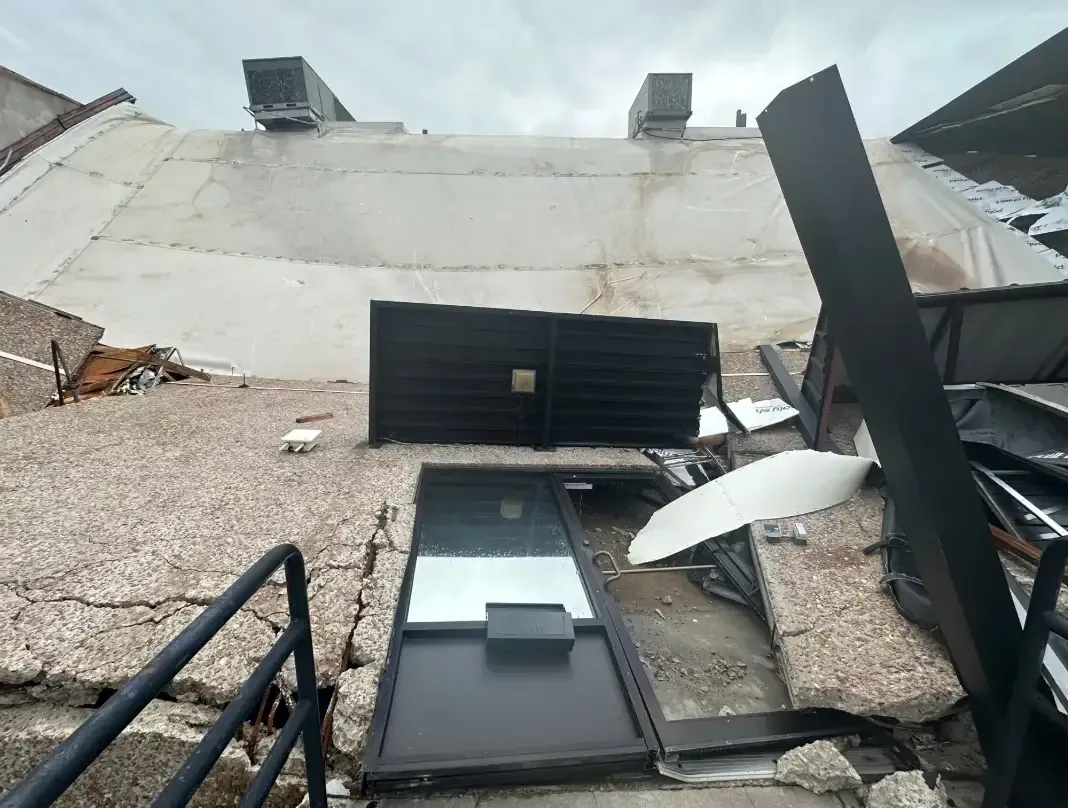
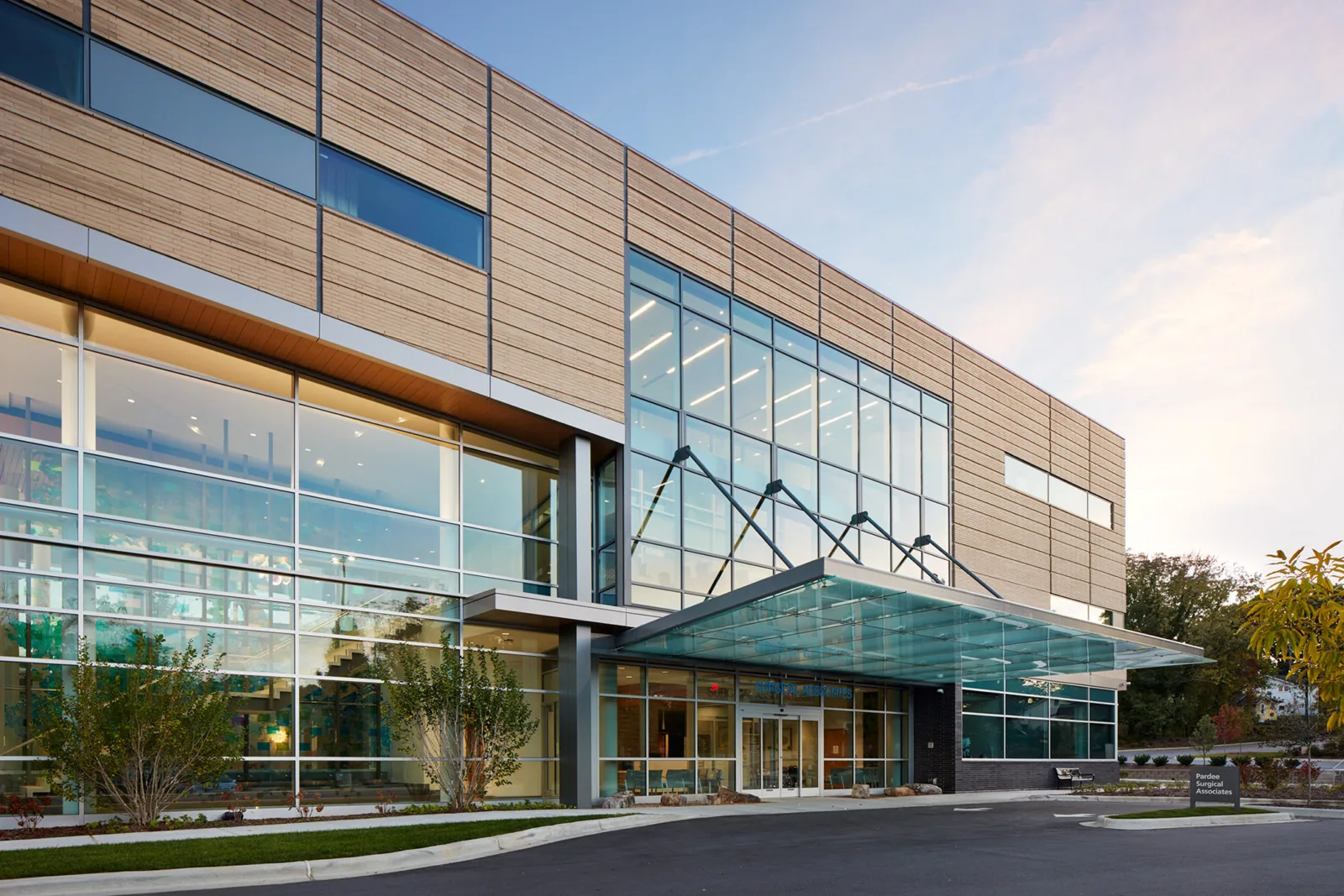
Before mobilization, we confirm the tenant contact, gate or roof-hatch route, delivery hours, and areas that must remain open. A lift cannot block a fire lane, loading door, or public entrance. If a repair is above occupied space, we ask who can approve interior entry and what notice is needed. The field crew and property manager should know where materials may stage, how debris will be lowered, and who receives an update if weather shifts the plan.
Where several tenants share one roof, a work area can be divided into sections with a daily close-in point. The occupied-building sequence identifies the affected tenant area, access boundary, and next release. We send the property contact the status before leaving, including whether a temporary cover remains. That gives the manager a direct answer for tenants and a clear record for the next maintenance visit.
A phone report gives a room, time, and symptom; the roof walk establishes where water entered. We compare the reported area with seams, drains, curbs, wall transitions, and past repairs overhead. Water can travel across a deck before it reaches a tenant suite. We check the roof layer and mark any wet insulation or deck condition before proposing a patch that could hide a wider repair limit.
If water is active, we protect the opening first and record temporary work separately from permanent repair. A leak-repair inspection can connect the tenant report with a confirmed roof location. When the same address generates another call, the property manager can compare the new field mark with earlier photos. That shortens the route back to the detail and helps separate a repeat failure from a different source in a nearby bay.
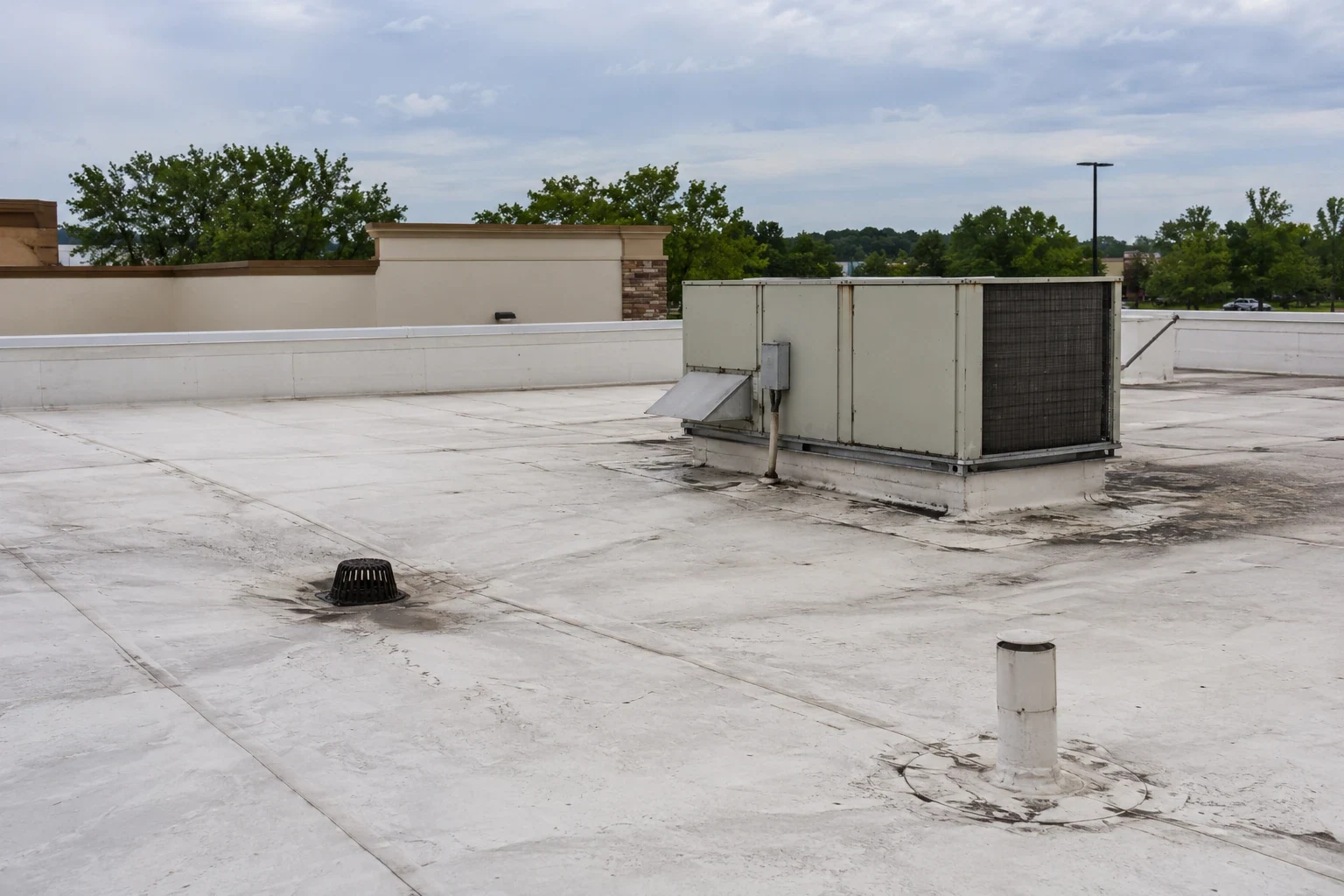
Drains, scuppers, edge metal, equipment curbs, and prior patches should be checked before they turn into a tenant complaint. We can plan a roof walk by building, clear safe-to-reach debris, and list items that need repair or another look. A preventive maintenance visit should reflect the assembly, access limits, and actual condition instead of copying the same checklist across dissimilar properties.
Valwood’s large building inventory includes different industrial and service uses; the district’s reported totals do not tell a manager how any single roof is performing. Las Colinas has a separate mix of office, light-industrial, distribution, retail, and hospitality buildings. For a property in Las Colinas, access and reporting should still follow its own tenant rules and roof history. We track condition by property, then use the portfolio view to compare urgency and next inspection needs.
Repair cost depends on the roof system, area to be opened, moisture below the membrane, access, equipment coordination, and whether material can be installed in the available weather window. We identify those factors in the scope so a manager can compare options across buildings without treating an estimate as a generic square-foot number. A contained seam repair and a wet-insulation removal have different material, labor, and close-in demands.
If several roofs approach replacement at once, we can group condition records by timing while keeping separate scopes for each address. A replacement proposal can define phasing, tenant protection, staging, and edge details. For properties with logistics tenants, a logistics roof plan can account for loading and operating windows. The manager receives the observed condition, recommended work, and any unresolved access assumption before choosing a sequence.
The closeout identifies the building, roof zone, date, material, repair boundary, photographs, and any return item. We state whether the area is permanently repaired or temporarily protected. A marked roof plan helps a new manager find the curb, seam, or drain without reopening a tenant ceiling. Contact names and tenant-specific notices stay in the property’s own records; the roofing report focuses on the building condition and work performed.
Carrollton connects industrial and commercial districts through I-35E, President George Bush Turnpike, State Highway 121, and Belt Line Road. Those routes matter when a crew moves between properties, but a site contact still controls the final gate, staging area, and work window. We deliver a status to the named manager before leaving and record which issue needs attention next. That makes the next portfolio review more useful than a list of addresses with no roof history attached.
Use a separate roof map and repair record for each address, with date, condition, material, photos, and any open item. We can group findings for planning while keeping the recommendation tied to each assembly.
Record the room, time, and weather, then arrange an inspection that traces the roof source. We separate the interior report from the confirmed opening and note temporary protection apart from permanent repair.
Often, if the roof section and access route can be isolated safely. We coordinate notices, delivery, noise, and daily close-in with the manager and affected tenant.
Different assemblies, wet-area limits, access needs, edge details, and equipment coordination can change the scope. We make those assumptions visible so each option can be reviewed on the same basis.
It can identify blocked drains, loose edges, or failing penetrations before the next leak call. We schedule by actual roof condition and access, not by a portfolio-wide assumption that every property is alike.
RELATED WORK
CALL US
Leaks, storm damage, a failing membrane or a replacement on the calendar: tell us what is happening on the roof and we will set up a visit.
Industries We Serve
Share the property list, access contacts, recent leak reports, and repair history. We will inspect the roofs and return marked findings by building, with tenant coordination and next steps stated clearly.
Call 555-555-5555 or request a roof assessment online.