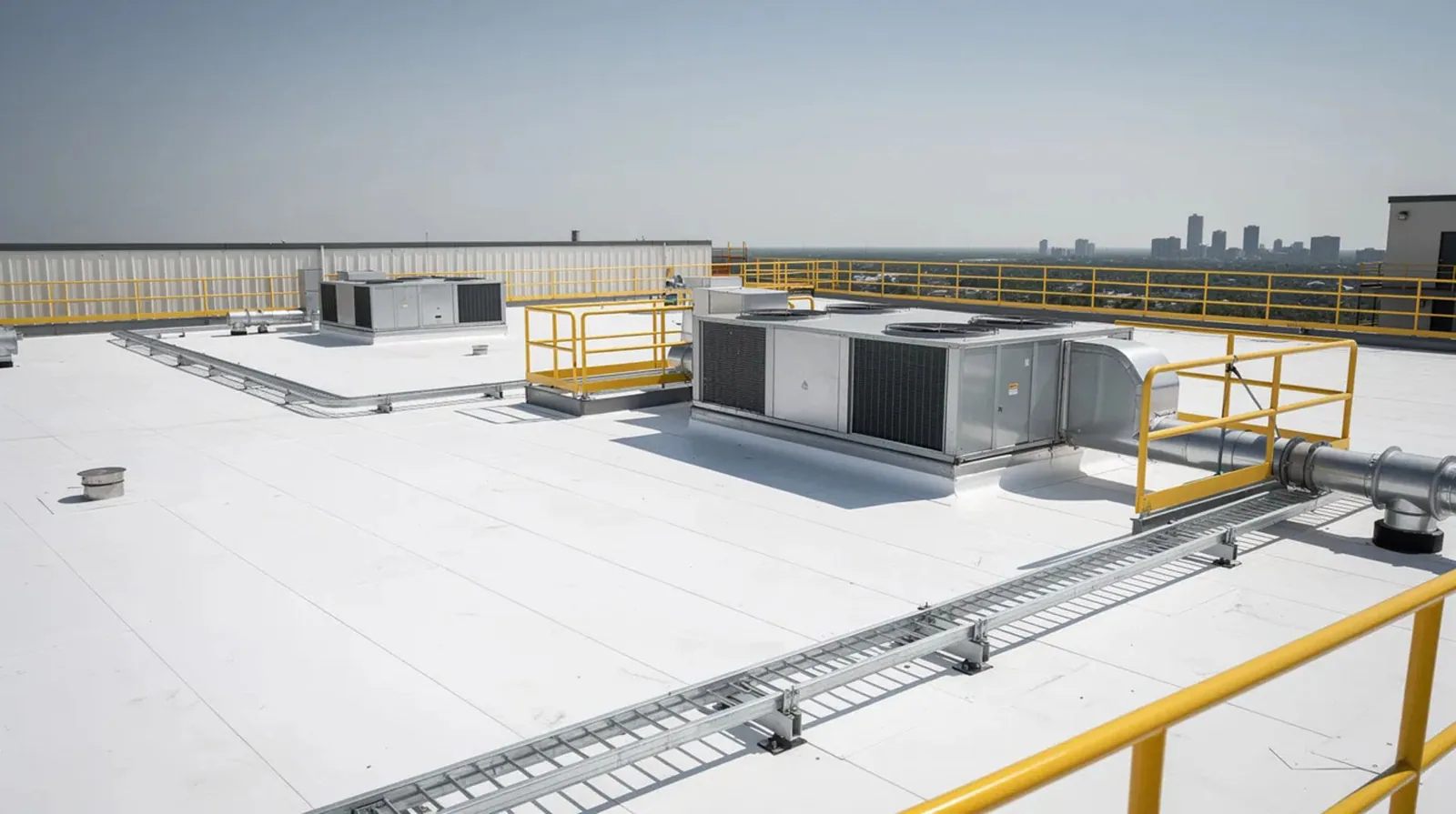
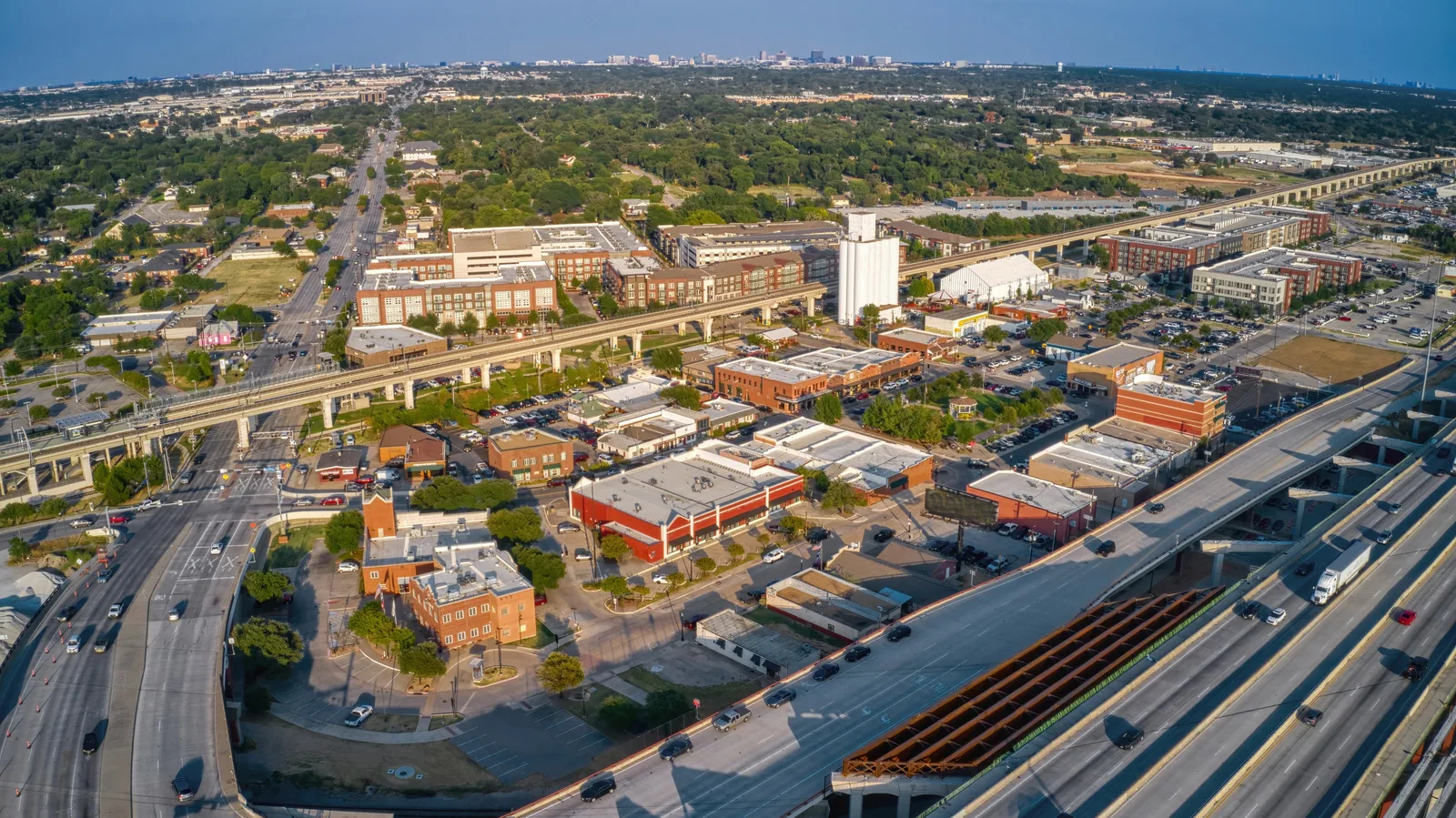
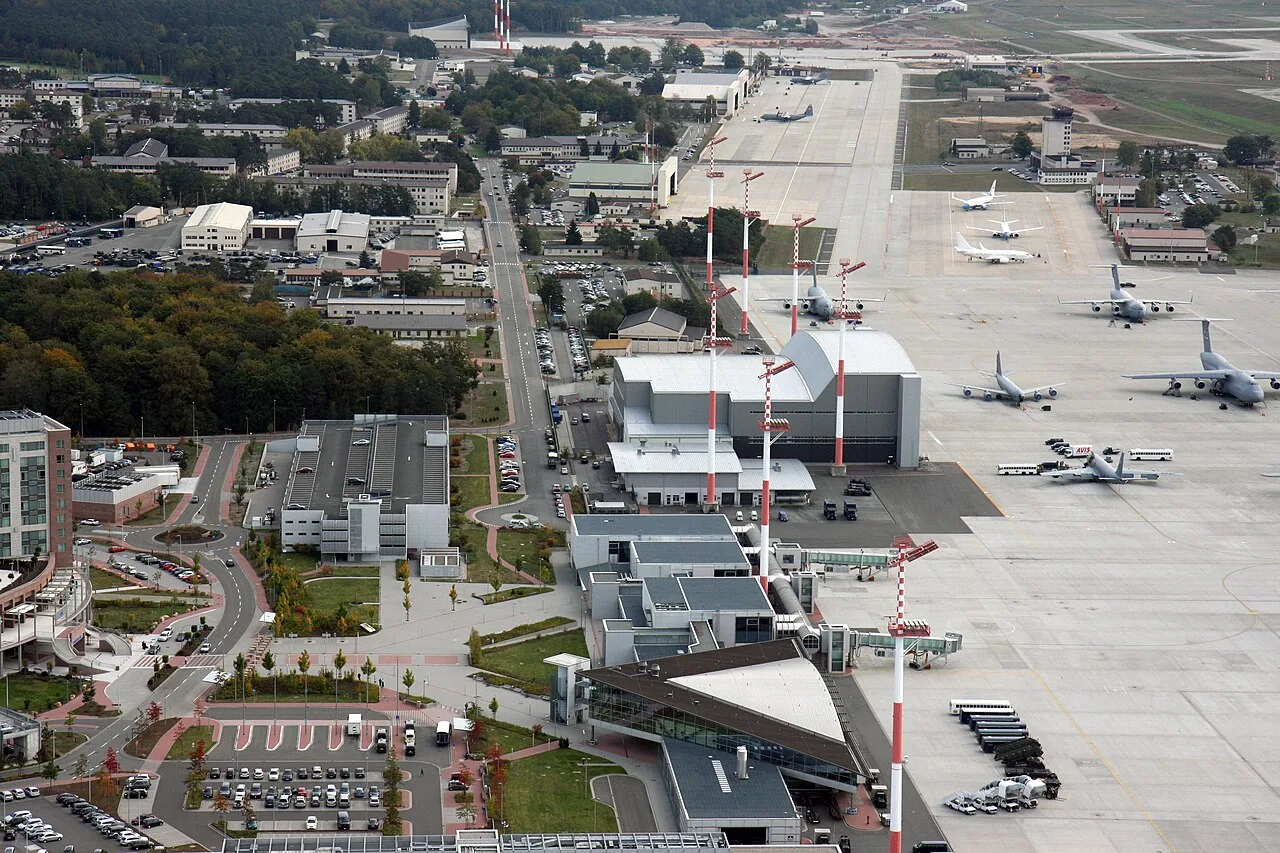
Aerial images can show a seam line, ponding area, or shifted panel across a roof that takes time to walk. The camera gives us an overhead view, but it cannot press a seam, test a bond, or confirm wet insulation. We use drone imaging to map visible conditions, then put a roofer on the areas that need hands-on inspection. At Valwood Industrial Park, with its many large industrial buildings, a planned flight can help locate roof sections and mark visible concerns. A Frankford Trade Center property with rooftop equipment and delivery activity may also benefit from a scan before we coordinate access. The result is a better route for the roof walk, not a substitute for one.
We plan the image coverage around the roof plan, known leak areas, equipment, and visible access constraints. Overlapping views help orient seams, drains, curbs, skylights, and perimeter details to their location on the roof. The images can reveal areas that deserve a closer look: standing water, debris, open-looking laps, displaced metal, damaged accessories, or changes between roof sections. A single close-up without a location reference is hard to use later, so we connect the images to an area mark or building reference.
Carrollton's industrial parks include manufacturing and distribution properties with broad roof fields and active operations. An aerial pass can help organize the inspection route across those sections and reduce unnecessary travel over the roof. It can also show which curbs, drains, and transitions appear in each image. For a distribution center, we can plan staging and ground access around receiving activity. The flight captures what is visible from above; the roof walk determines what the surface and details can withstand.
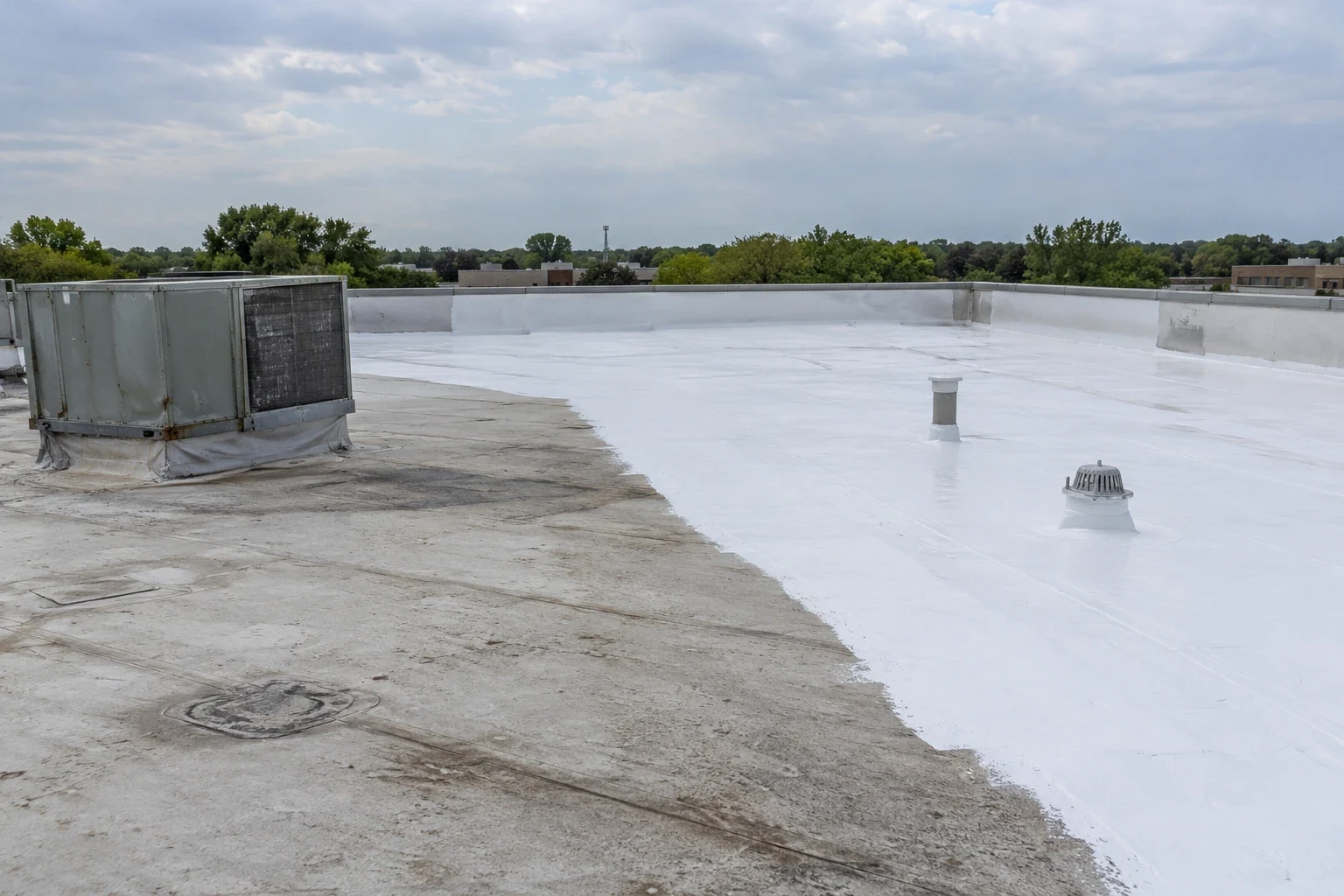
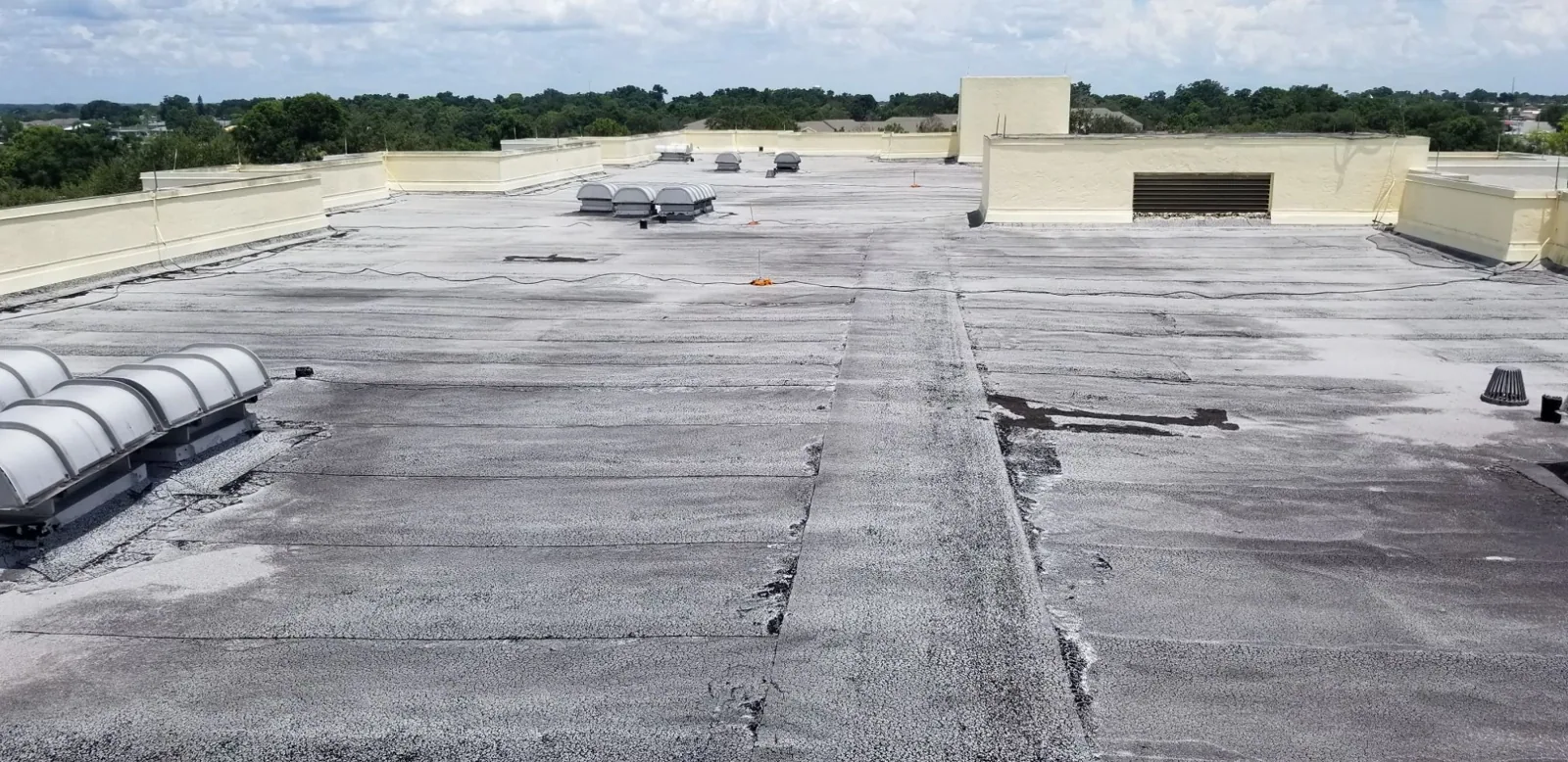
A drone cannot confirm that a membrane is adhered, that a seam is welded, or that an insulation layer is dry. It may show a dark or reflective area, but color alone does not establish trapped moisture. It may show a seam that looks open, but a field check is needed to confirm separation. We treat imagery as a survey aid and identify where closer inspection is needed. If the roof surface is wet, dirty, shaded, or partly blocked by equipment, the image may not show the detail clearly.
Weather also affects whether a flight is useful or safe. Wind, rain, poor visibility, and lightning can postpone imaging. In the Dallas-Fort Worth region, spring severe weather and hot summer conditions can change the work window, so the flight plan follows actual weather and roof access limits. After a storm, we can record visible impact or movement and then check those marks in person. A hail damage assessment combines the aerial overview with field observations instead of assigning damage from appearance alone.
Once the images identify an area, we access the roof and inspect the relevant details. We check seam laps by hand, test a suspicious patch where the roof system allows it, inspect flashing at curbs, and look at the drain bowl and surrounding slope. At a metal roof, we examine panel seams, fasteners, trim, and penetrations. If the roof has low-slope membrane, we assess the membrane and its transitions. This step confirms which image marks represent a repair and which are appearance or drainage conditions that need a different response.
When moisture is suspected beneath a low-slope system, we can pair the image set with an infrared moisture survey and core cuts at selected points. Thermal patterns suggest where to test; the test cut confirms the assembly at that location. We mark the cut and restore the roof surface as part of the scope. If the findings are limited to a few visible failures, commercial roof repair may be enough. If the images show widespread surface deterioration, a hands-on review determines the replacement or recover boundary.
A useful image set identifies the property, roof area, date, camera path, and viewing direction. We label findings with stable references such as a drain, curb, roof section, or perimeter run. That makes it possible to return to the same location during repair or a later inspection. The report can include overview images, closer views, and a list of locations that need a physical check. It should also state where coverage was limited by wind, shade, access, or obstructions.
For a property manager responsible for several buildings, consistent labels make comparisons easier. The image record can be stored with a photo-based condition report and linked to repair decisions. Aerial photographs contribute visible details to the roof record; warranty status comes from the written documents, and moisture requires field testing. They are one tool in the inspection record. On an industrial property such as Frankford Trade Center, an accurate location key can help coordinate access across separate roof areas while delivery activity continues below.
Before imaging, we confirm permission to access the property, identify nearby operations, and select launch and landing areas that stay clear of people and vehicle movement. We identify any rooftop work areas or restricted zones, then plan the flight route to capture the roof without interrupting loading or tenant access. Weather and airspace requirements can affect the schedule. If conditions do not support safe imaging, we reschedule or proceed with a ground-level review that does not rely on drone views.
After the flight, we sort visible findings by area and decide which need a hands-on check. We can then prepare a repair list, moisture testing plan, or fuller condition review. When damage appears around edge metal or membrane after a storm, the roof walk checks how the detail is secured and whether water can enter. If you need a complete commercial roof inspection, we include both the aerial overview and direct examination of the roof surface. Arrange access and tell us what the building schedule cannot accommodate.
No. An image can help locate visible patterns, but it cannot identify moisture inside the roof assembly. We use infrared as a survey aid when appropriate and verify suspect areas with core cuts or other field testing.
They replace some time spent locating and orienting roof areas, not the hands-on checks. We still need to inspect seams, flashing, drains, and repairs directly to confirm what the images suggest.
Broad patterns such as ponding, debris, displaced metal, and visible damage to accessories can stand out in an overhead view. Small seam openings, adhesion, and concealed moisture need direct inspection or testing.
Images can contribute to a condition record when they include clear locations and dates. We pair them with close views, field observations, and a description of what the roof shows. A photograph by itself does not decide whether damage is covered.
High wind, rain, lightning, poor visibility, restricted access, or nearby operations can make a flight unsafe or unhelpful. We confirm the conditions and property access before the scheduled survey, then adjust the route or timing if needed.
RELATED WORK
CALL US
Leaks, storm damage, a failing membrane or a replacement on the calendar: tell us what is happening on the roof and we will set up a visit.
Commercial Roofing Services
Share a roof plan, known leak locations, and site access limits. We will plan image coverage, identify areas for hands-on review, and deliver a location-based record for your Carrollton property.
Call 555-555-5555 or request a roof assessment online.