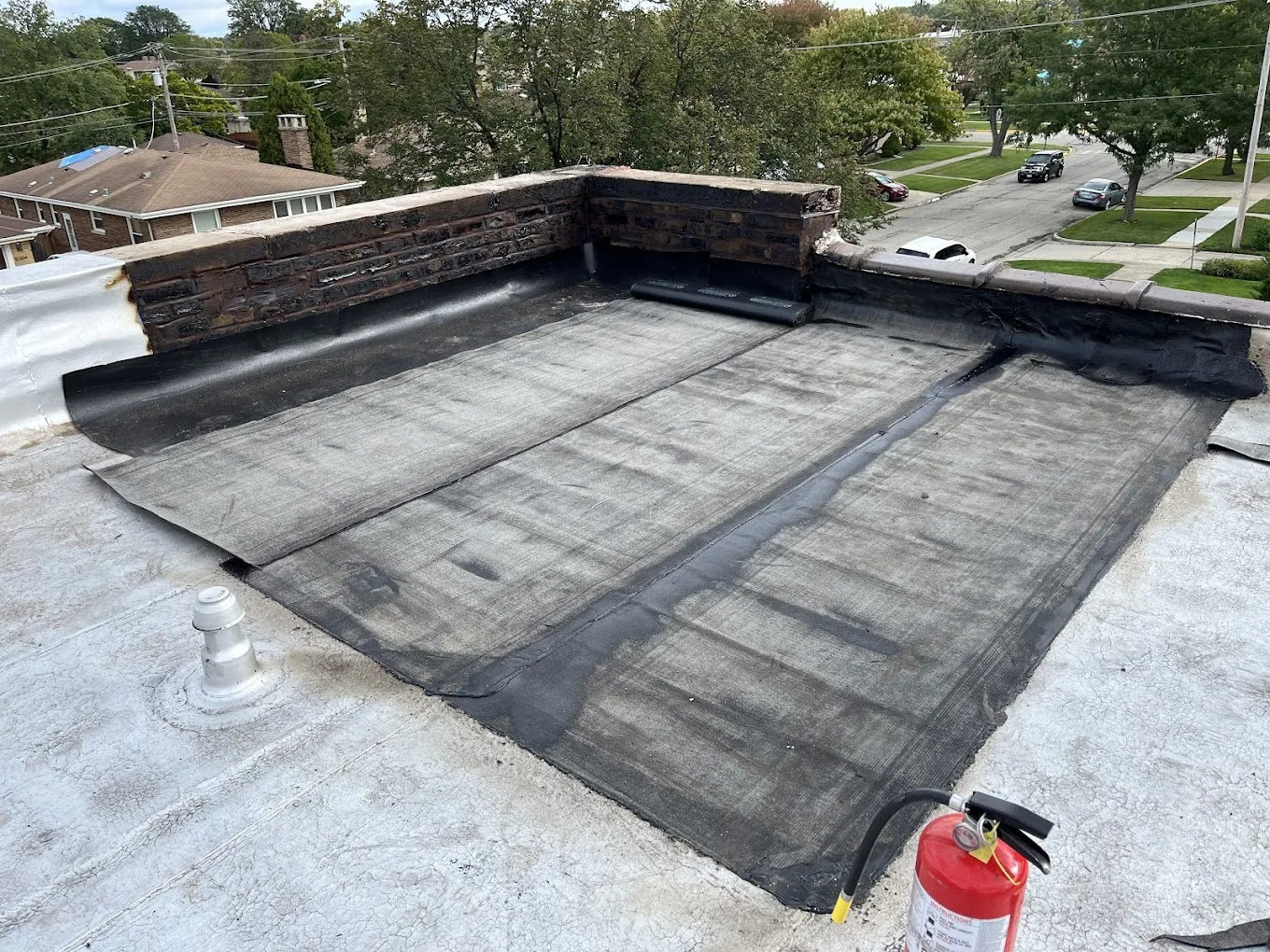
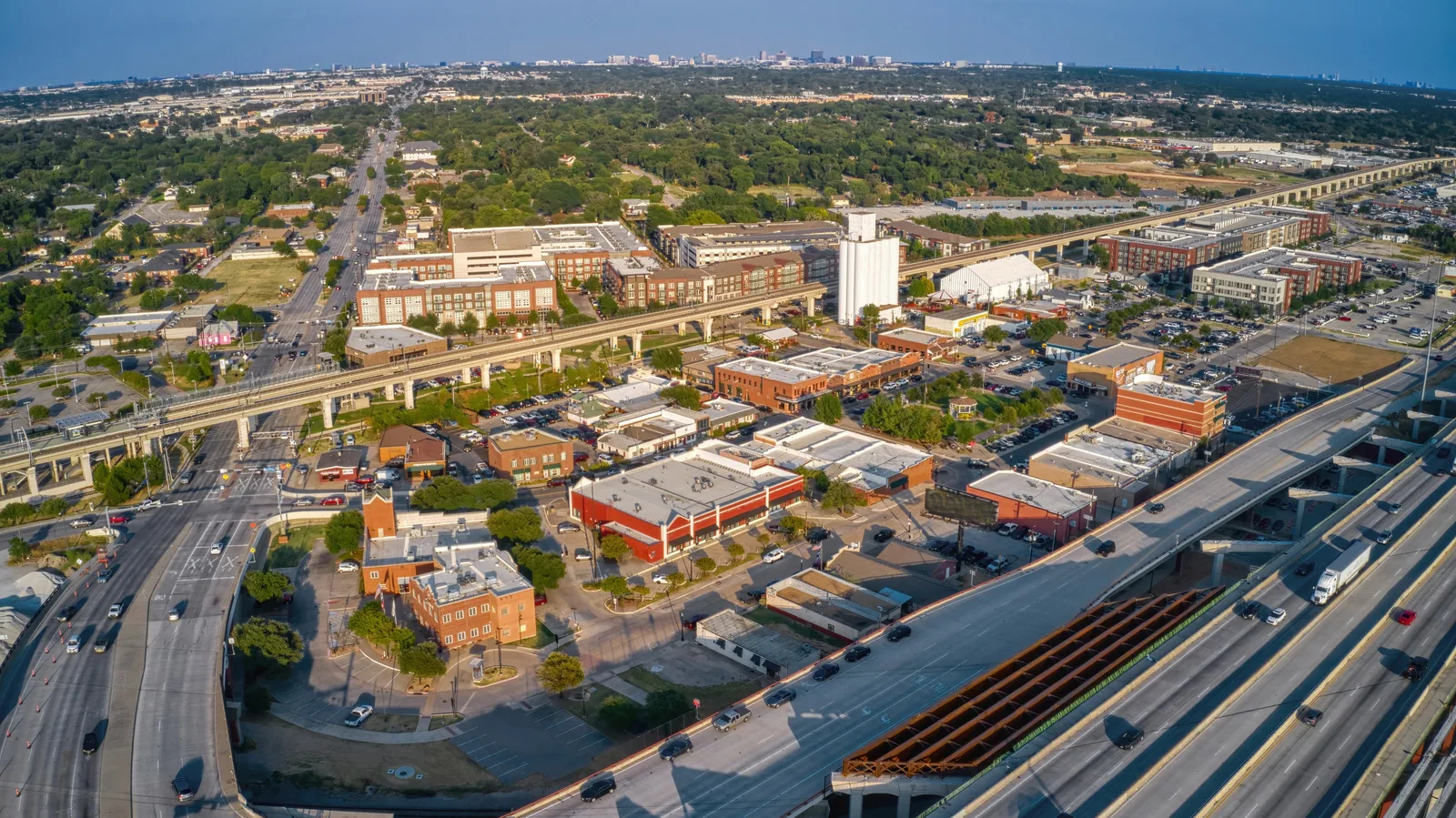
Sunlight on a dark roof can drive surface temperatures well above the air around the building. A reflective membrane or coating may reduce absorbed heat at the roof surface, but the choice still depends on the existing assembly, drainage, and maintenance needs. Carrollton's hot, humid summers make heat exposure relevant to roof planning, especially across large commercial buildings. At Valwood Industrial Park, manufacturing and distribution roofs vary by system and use, so we inspect the substrate before proposing a cooler surface. A roof inspection identifies the areas that can be improved and the details that need correction first.
A cool-roof choice is not a paint color. Reflectance and emittance depend on the material and its condition. We inspect the current membrane or metal, note dirt and wear, check seams and flashing, and identify whether the substrate can accept a new layer. A reflective coating needs a sound surface and tested adhesion. A new membrane needs compatible insulation, secure attachment, and properly detailed curbs, drains, and edges. If the roof has wet insulation or a failing deck, a cooler surface will not correct those conditions.
We review the building's roof plan, leaks, equipment, and prior repairs, then choose a system that fits the assembly. An owner might compare TPO membrane roofing, a coating, or another system based on project requirements. We do not assume that every light-colored roof is suitable for every building. The proposal describes material, preparation, insulation, attachment, and how the surface will be checked once installed.
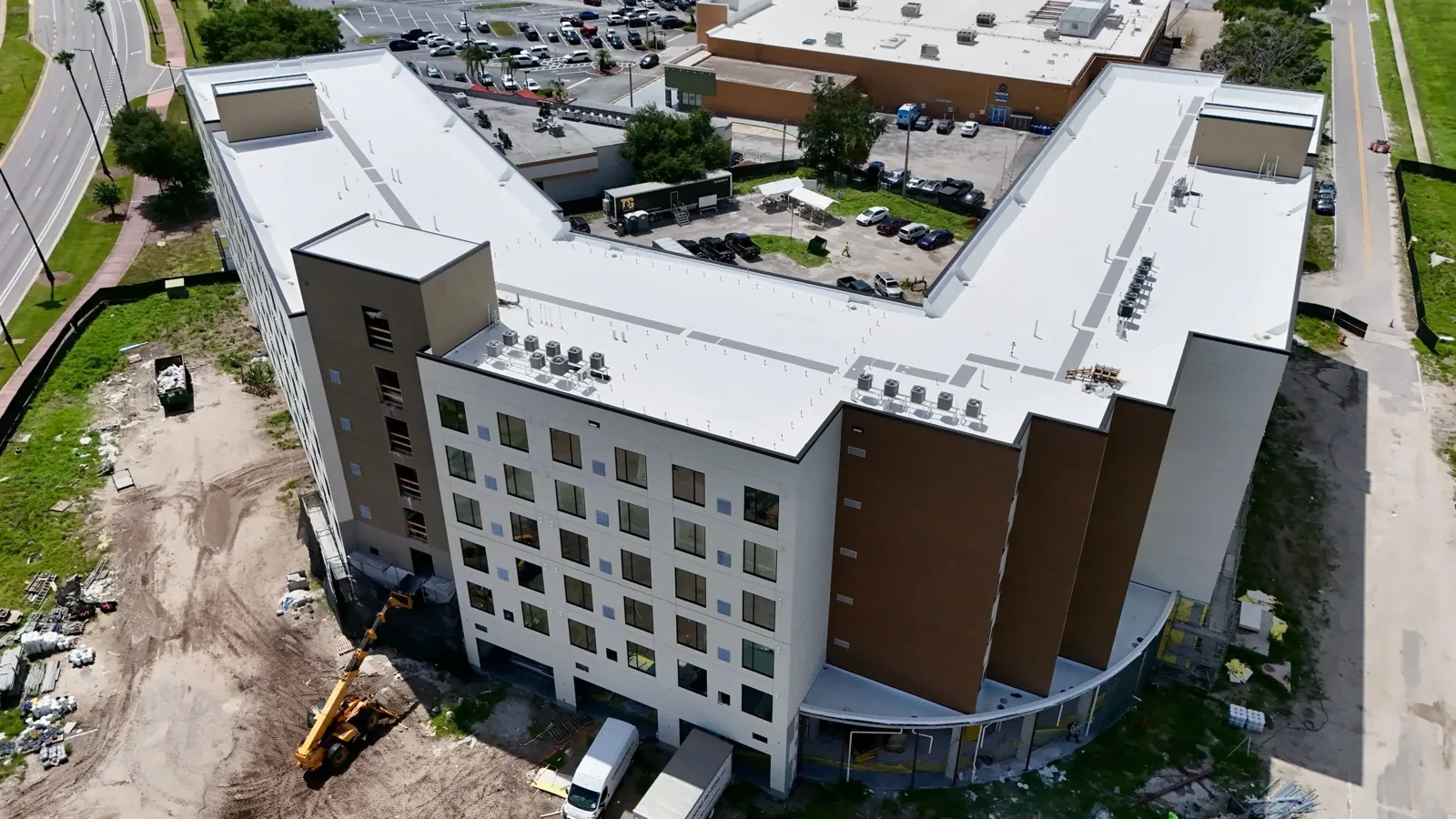
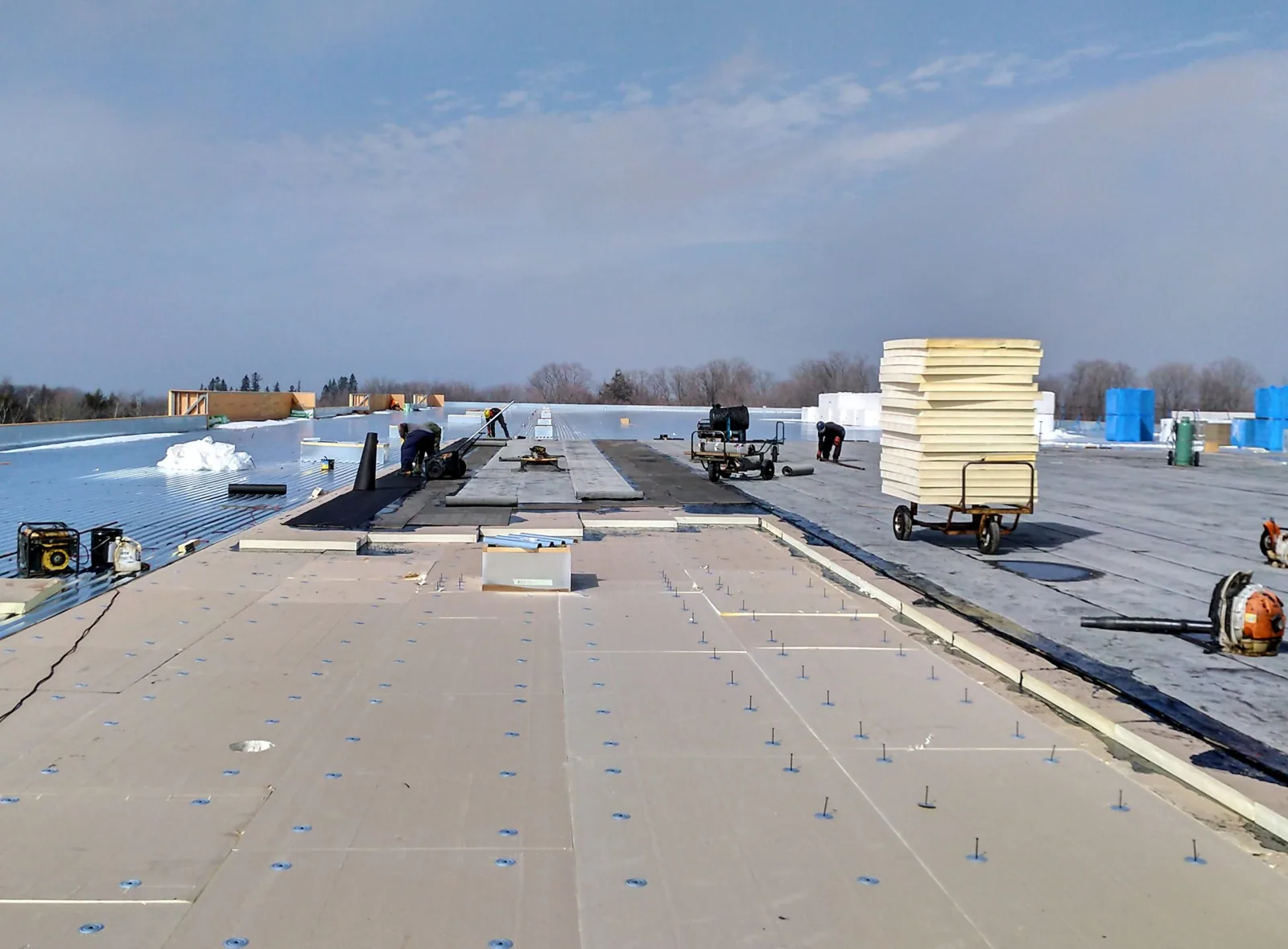
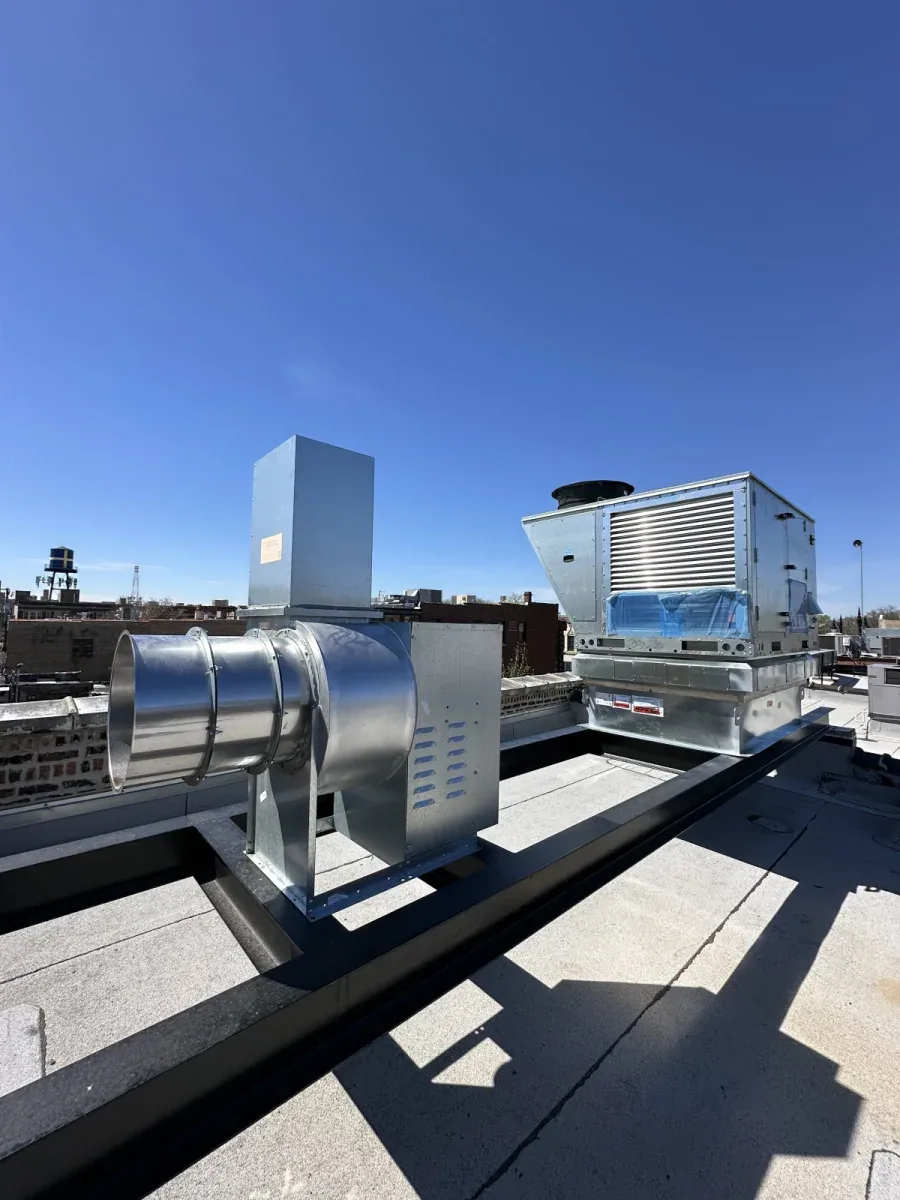
Dallas-Fort Worth summers are hot and humid, and daytime temperatures in July and August stay in the 90s with frequent days above 100 degrees. That regional climate can make roof heat a concern for building owners, but it does not predict a specific energy result. Roof color is one part of the envelope. Insulation, air leakage, HVAC condition, rooftop shading, operating hours, and interior loads all affect building energy use. We explain what the roofing assembly can change and avoid assigning savings without a project-specific analysis.
High surface temperatures also affect installation. Adhesive handling, coating cure, and worker pacing depend on the product and actual conditions. We set work during a suitable weather window, protect the materials, and close each area before the forecast changes. For a Carrollton warehouse or office, we also plan around rooftop units that must stay in service. If the roof needs broader repair before a reflective system can be installed, we mark those corrections in a repair scope.
A reflective top layer cannot make up for inadequate insulation or a weak roof substrate. We assess insulation type and condition, look for moisture, and check the deck and attachment. Where insulation is wet, we identify the affected area for removal. Where slope is poor, we review whether tapered insulation can direct water to the drains. Cover board gives the membrane a stable surface when the design calls for it. The layers should be planned as a single assembly from deck through finished surface.
Carrollton adopted the 2024 International Energy Conservation Code with local amendments. The project documents and applicable requirements guide insulation and energy decisions. We do not specify a thickness by assumption. We review the roof condition, intended use, and code path with the project team, then identify roof height changes at walls, curbs, scuppers, and edge metal. A roof insulation and cover board review can map those transitions before material is ordered.
A reflective coating can be an option when the existing roof is stable, dry enough for the system, and able to pass adhesion testing. We inspect seams, flashing, penetrations, ponding areas, and prior repairs. We repair defects, prepare and clean the surface, and test a representative area. Coating over loose membrane or trapped moisture can leave the underlying failure in place. The report states where coating may work and where replacement or other repair is necessary.
Silicone and acrylic coatings have different application requirements and exposure characteristics. We match the system to the roof material, slope, ponding history, and weather window. If the coating is applied, we check coverage, reinforcement at details, edges, and film condition after cure. A roof coating restoration scope identifies preparation and repair separately from application. At Midway South Industrial Park, a working facility may need staged access around production, so we define the area and close-in schedule before coating begins.
A cooler roof surface can be one part of a building's heat-management plan. It does not establish a specific change in interior temperature or utility use. We can describe the selected material, its reflectance characteristics when stated by the manufacturer, and the roof work performed. Energy performance depends on the full building, including insulation, ventilation, HVAC controls, and operating patterns. An energy model or utility review can answer questions outside the roofing scope.
After installation, maintenance keeps the surface and details in working condition. We check seams, terminations, drains, coating wear, and foot-traffic paths, and remove debris where safe. A repair can affect reflectance if the material differs from the surrounding surface, so compatible materials matter. We provide photos and a roof-area map for future visits. Tell us about equipment service windows, loading, and tenant schedules before the inspection so we can plan the work and follow-up around the building.
A reflective surface can reduce solar heat absorbed at the roof, but savings depend on insulation, HVAC efficiency, building loads, operating hours, and other conditions. We can describe the roofing assembly. A project-specific energy analysis is needed to estimate utility changes.
It may, if the existing surface is stable, dry, compatible, and able to pass adhesion testing. We inspect seams and drainage, correct defects, and confirm the coating system suits the substrate. Wet insulation or a failing deck needs separate work.
It changes the roof surface's solar response, but interior comfort also depends on insulation, air leakage, HVAC, and operating conditions. We review the roof assembly and explain what the roofing scope addresses without promising a temperature change.
Some coating systems can be applied to metal when the panels, fasteners, seams, and substrate are suitable. We inspect corrosion and movement, prepare a test area, and select materials compatible with the metal. Loose panels or widespread deterioration may need a different scope.
It should identify the membrane or coating, substrate preparation, insulation and cover board, attachment, drainage work, and detail repairs. We also note weather conditions and access needs that affect installation. That lets the owner compare the actual assemblies under consideration.
RELATED WORK
CALL US
Leaks, storm damage, a failing membrane or a replacement on the calendar: tell us what is happening on the roof and we will set up a visit.
Commercial Roofing Services
Share the roof plan, known leak areas, HVAC constraints, and operating schedule. We will inspect the surface and assembly, then outline a reflective option that fits the building.
Call 555-555-5555 or request a roof assessment online.