A second roof layer can hide wet insulation just as easily as it can protect a sound assembly. Before we discuss recover boards or membrane, we look for trapped moisture, loose seams, soft areas, and signs that water has moved below the surface. In Carrollton, spring storms can bring hail and damaging wind, while summer heat stresses exposed details. Those regional conditions make a careful roof walk useful, but they do not tell us the condition of one building. At Frankford Trade Center, where distribution and logistics properties operate, the recover decision also has to fit the loading schedule. We document what can remain, what needs removal, and where a full replacement would be the more direct choice.
A recover starts with the roof that is already there. We identify the membrane type, number of existing layers, attachment method, insulation condition, deck type, and areas that have been repaired. Test cuts help confirm whether moisture is present between layers. A surface that looks dry after several warm days may still cover insulation that has held water. Softness, recurring leaks, open seams, and a patch history that crosses several roof areas all deserve a closer look before anything is covered.
Code limits matter alongside field condition. Carrollton adopted the 2024 International Building Code and local amendments, so the planned assembly must be checked against applicable requirements, including how many roof layers can remain. We also check whether the deck can support the attachment and whether added insulation or recover board changes the height at walls, curbs, drains, and equipment. For a building whose existing assembly cannot be confirmed, a hands-on roof inspection with marked test locations gives the owner a stronger basis for comparing options.
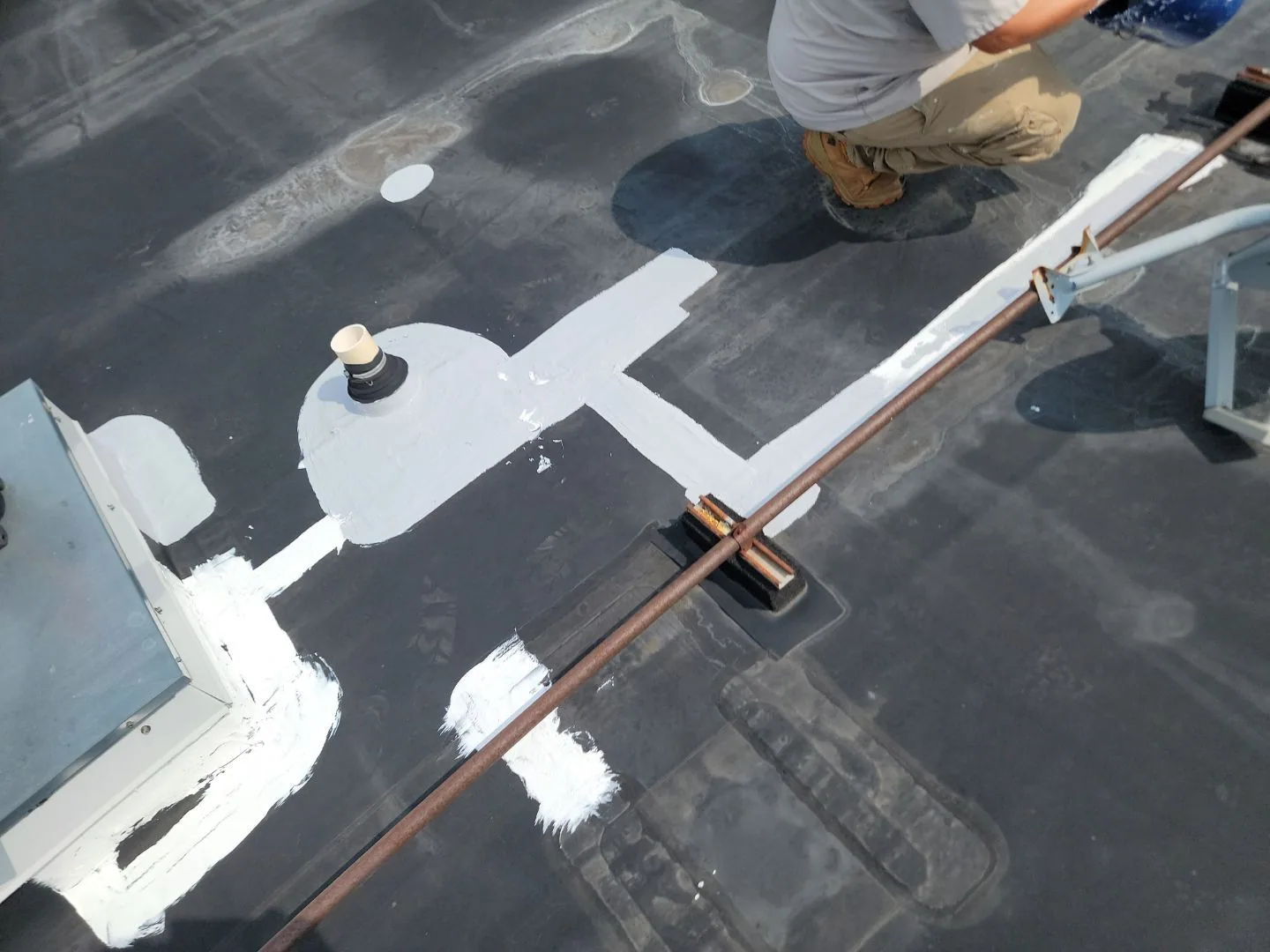
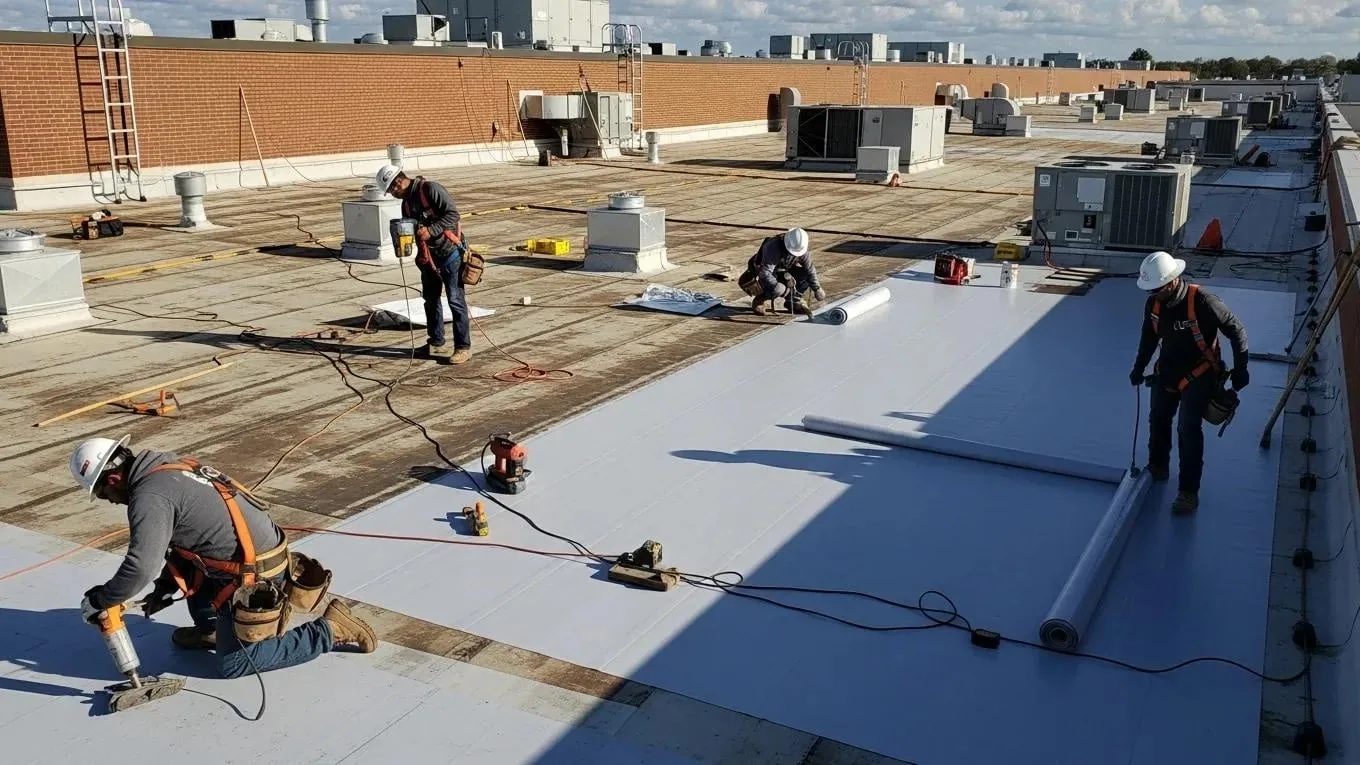
Moisture is the dividing line between a suitable recover and a roof that needs to be opened. Wet insulation under a new membrane stays wet, and water can continue moving along the deck or between layers. We map suspected areas, make test cuts where the findings are unclear, and note whether the insulation is dry, damp, or saturated. The proposed scope should explain how localized wet material will be removed and what happens if additional moisture appears during the work.
Infrared scanning can help identify temperature patterns that warrant closer inspection, but it does not replace a test cut. We compare the scan with roof details, interior observations, and field testing before we draw a moisture boundary. At a Valwood property with a broad roof field, planned survey lanes can cover large areas without treating every unusual reading as a defect. If the pattern suggests the assembly has widespread moisture, infrared and core-cut moisture surveying can define the next test locations before the recover scope is set.
A recover board creates a clean surface for the new roof, but the full assembly still needs a secure attachment path. We review the deck, existing roof layers, fastener pullout where applicable, perimeter conditions, and the wind-lift path. At edges and corners, loads differ from the middle of the roof. The fastening or adhesive pattern must match the approved design and the actual substrate. Loose material, delaminated areas, and unstable seams need correction before the recover board is installed.
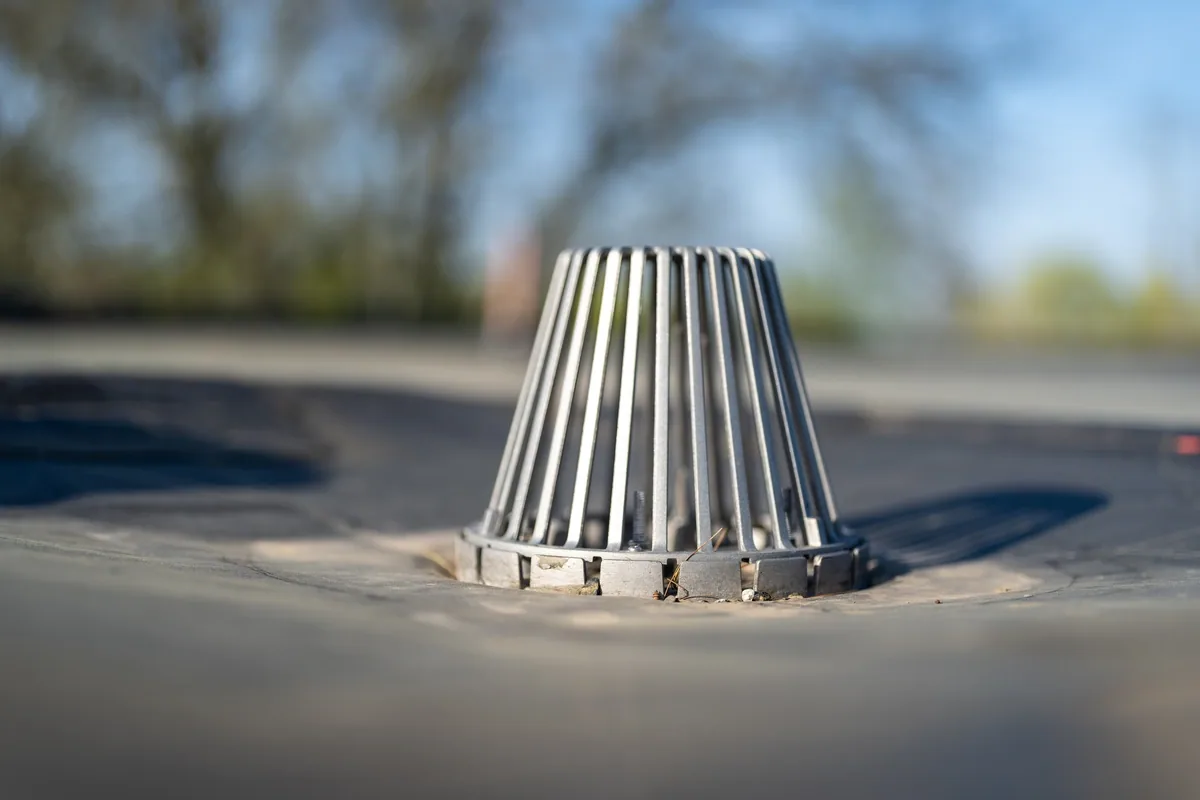
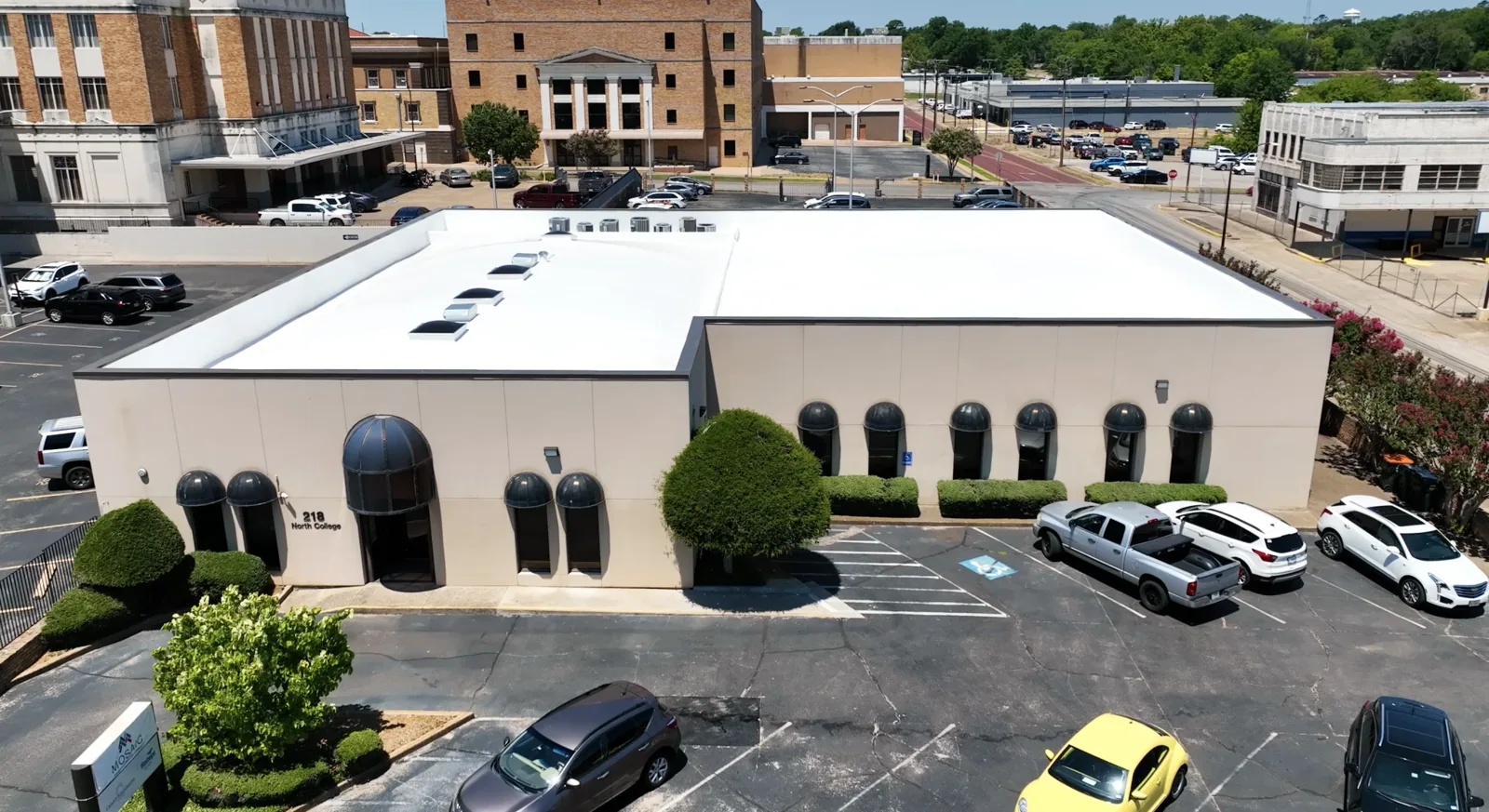
New roof height changes more than the field. Wall terminations, scuppers, drain bowls, curb flashings, expansion joints, and door thresholds can all need adjustment to keep water moving and details protected. We check those transitions before work starts and carry the required work into the proposal. A compatible TPO roof assembly may be appropriate when the existing surface, attachment plan, and detailing support it. Membrane selection follows the assembly review, not the other way around.
A recover can limit tear-off, but the roof still needs a clear work sequence. We identify where the crew can stage materials, when access is available, and how each open area will be protected at the end of a shift. Weather windows influence whether adhesive can be installed and whether the roof can be closed before rain moves in. In North Texas, spring forecast changes can compress the day. The work plan should say how the crew will secure exposed edges and continue the temporary tie-in if the schedule shifts.
For an occupied distribution or manufacturing property, the roof plan also needs to preserve safe access to rooftop equipment and avoid conflicts with receiving hours. Our occupied-building roofing sequence identifies staging zones, access routes, and close-in points before material is lifted. During installation, we check board layout, attachment, seam laps, flashing, and perimeter termination as each area closes. Photos and field marks tie the completed work to the roof map, so future repairs have a known reference.
Recover work can be a good fit when the existing roof is stable, dry, within code limits, and able to support the new attachment system. It can reduce removal and disposal while giving the building a renewed surface. It is not a shortcut around a failed deck, widespread wet insulation, or details that cannot be raised and re-flashed cleanly. Where those conditions are present, tear-off gives the crew access to correct the assembly rather than burying the failure.
We put the deciding evidence into the scope: layers found, test-cut results, deck observations, repair limits, perimeter details, drainage work, and conditions that could change after opening. A property manager can then compare recover and tear-off with the same roof map. At Trinity Mills Industrial Park, loading and operations may shape how work is phased, but the roof's condition determines whether another layer is suitable. Share access hours and any restricted equipment zones when arranging the visit. We will inspect the assembly and mark the areas that should remain, be repaired, or come off.
Test cuts, seam checks, attachment review, and the deck condition tell us whether the current assembly is stable enough to remain. We map wet insulation and identify any layer limits before recommending a recover. A dry field with sound attachment may be a candidate; a saturated assembly or failing deck calls for removal of the affected layers.
A leak history does not rule out a recover by itself. We trace the entry point, inspect the insulation and deck below it, and check whether water reached other areas. The scope can include localized removal where the assembly is wet, if the remaining roof and applicable code conditions support a recover.
Yes, added height can reduce the effective height of flashings or leave drains recessed. We measure those transitions and specify any drain-ring, curb, wall, or termination adjustments needed to keep the new membrane continuous and water moving toward the drain.
Infrared images can show temperature differences that point to possible moisture, but a scan is a screening tool. We compare patterns with roof details and confirm suspect locations with core cuts or other field checks before setting a repair boundary.
Each work area needs a close-in plan before material is removed or adhesive is spread. We watch the forecast, limit the area opened at one time, and secure temporary transitions at the end of the shift. If rain threatens, the crew follows the planned dry-in steps and pauses work where an exposed edge cannot be closed safely.
RELATED WORK
CALL US
Leaks, storm damage, a failing membrane or a replacement on the calendar: tell us what is happening on the roof and we will set up a visit.
Commercial Roofing Services
Arrange roof access and share any loading or tenant constraints. We will inspect the existing layers, test uncertain areas, and document whether a recover or tear-off fits your Carrollton building.
Call 555-555-5555 or request a roof assessment online.