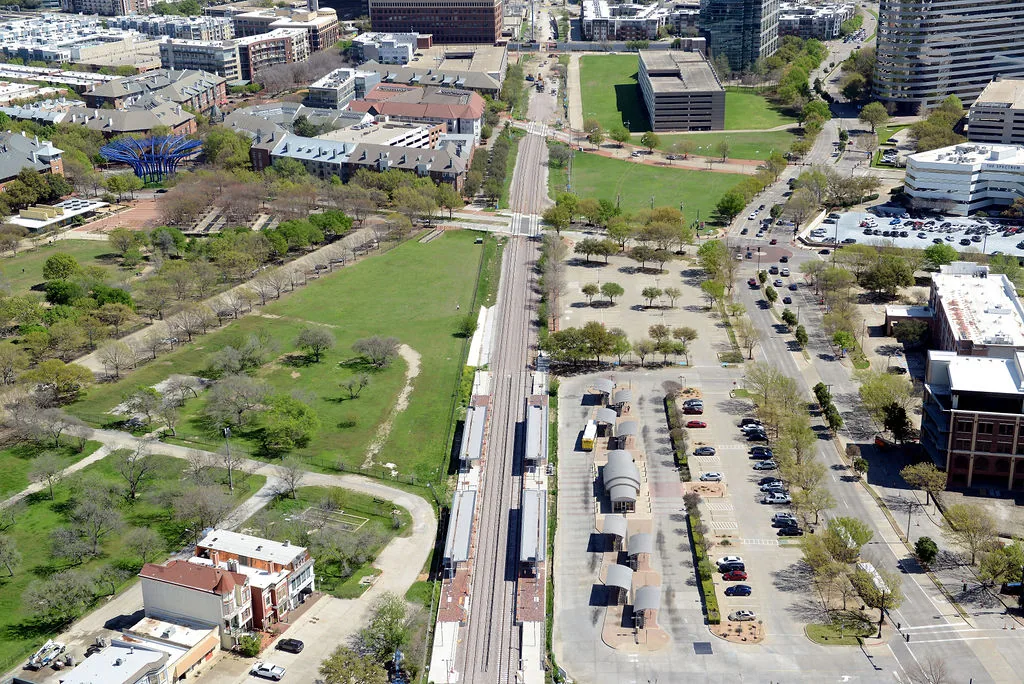
Granules at a drain can mark wear on a cap sheet, but the roof below that surface still needs a check. Midway South Industrial Park is one of Carrollton's seven named industrial parks. Its listed businesses include AER Manufacturing, Han's Laser, M&A Technology, and McLane, while AER's Carrollton campus combines manufacturing and distribution space and employs more than 1,000 people. Those business uses make access planning a real part of roofing work. We inspect the membrane, laps, penetrations, drainage, and attachment, then set a repair limit before discussing the next step.
A manufacturer or distributor may need clear loading access while a roof is inspected or repaired. We ask the property manager to identify production periods, deliveries, roof access points, and equipment that cannot be interrupted. The route to each roof section should be agreed before the crew brings up materials. That plan helps keep work away from active movement and gives us a reliable point to begin and close the day's work.
At the first roof walk, we map drains and scuppers, seams, curb flashings, wall transitions, edge metal, and visible repair history. We compare reported leaks with the roof slope and deck path. A ceiling stain can be several feet from the opening that admitted water, so we test likely details before marking the repair. A commercial roof inspection records the observed condition, photographs, and any location where a test cut would answer an assembly question.
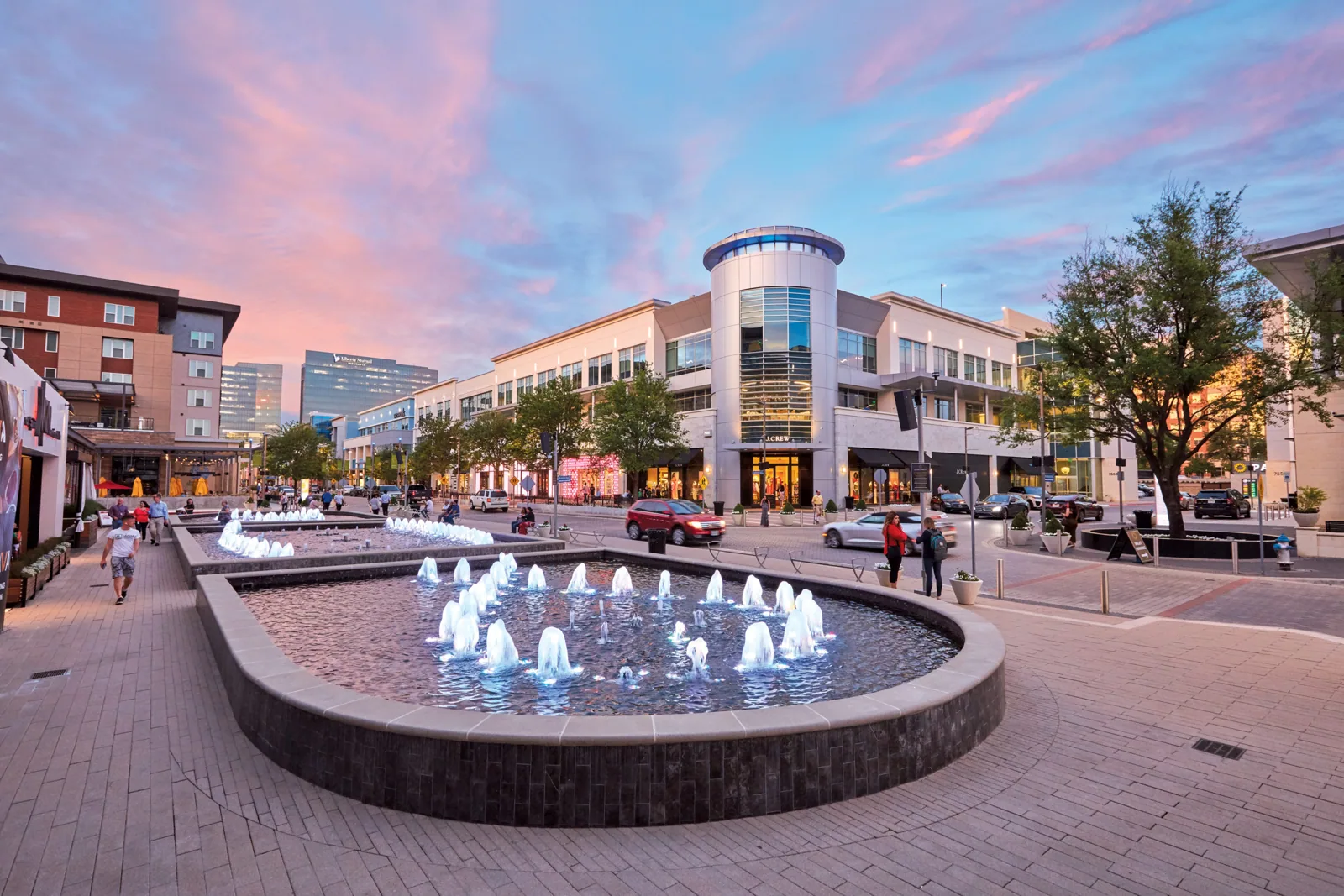

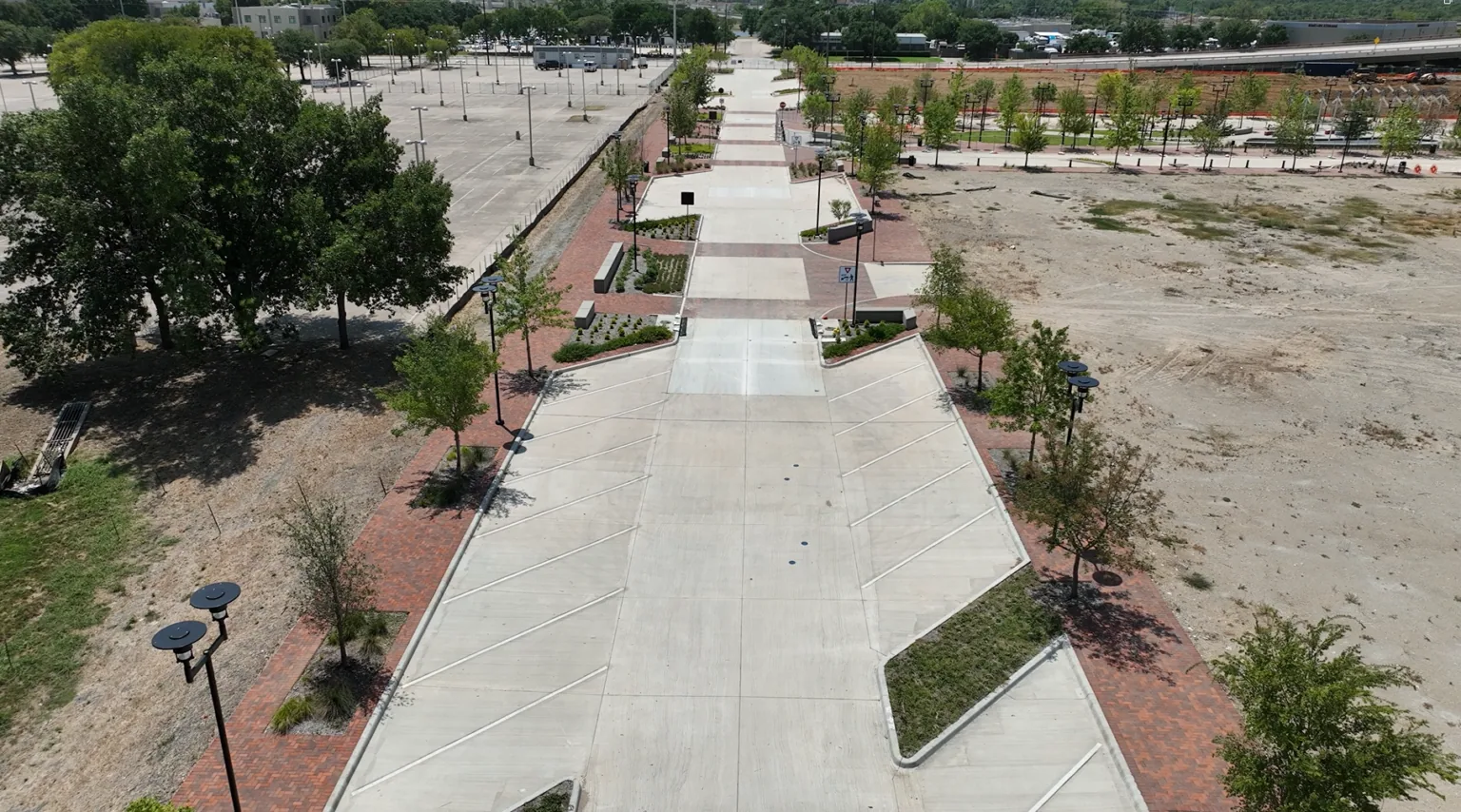
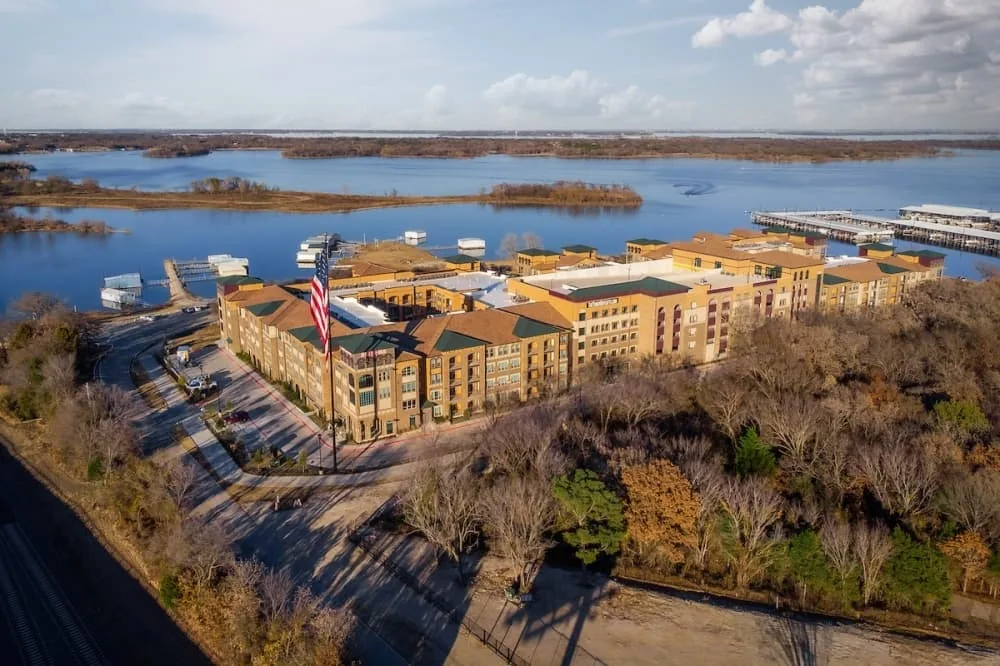
Summer heat in the Dallas-Fort Worth area is hard on exposed roof details. Across Dallas-Fort Worth, July and August highs routinely reach the 90s and often meet or exceed 100 degrees. We inspect where membrane meets metal, where flashing turns up a curb, and where a patch crosses an existing seam. Repeated movement can loosen a transition even while the larger field looks serviceable. If the surface has been coated, we check the underlying detail rather than treating the new finish as proof that the assembly is sound.
Winter brings another cycle. The metroplex gets wintry precipitation each year, though many seasons have little or no measurable snowfall. That makes freeze-thaw conditions relevant at open laps, metal joints, and old repairs. We look for cracks at corners, lifted edges, and sealant that has separated from the substrate. The property manager can note when a leak first appeared and whether it followed a temperature change. A heat and UV roof evaluation can separate surface wear from damage that affects water resistance.
The region's severe-weather peak arrives in spring; across the broad Dallas-Fort Worth metroplex, individual years bring hail, damaging gusts, flood impacts, and tornadoes. After a storm, we check membrane condition, rooftop equipment flashings, drains, and perimeter metal. A puncture or lifted termination gets a clear location mark. A dent or scuff needs further inspection before it can be called a functional failure. The repair record should show which observation supports the recommended work.
Wind may disturb edge metal, sheet attachment, or a curb detail. We trace the affected area outward from the visible mark and inspect adjoining seams. If water is entering, we protect the opening, document the condition, and set the permanent repair once weather and materials allow. Our severe-wind damage review checks the surrounding roof assembly so a small repair does not overlook a shifted transition. For claim records, roof insurance documentation can organize photographs and observed damage locations.
A repair can make sense when the defect is contained and nearby membrane and insulation remain sound. We prepare the surface, install compatible material, and tie the work into stable roofing. The repair boundary includes the transition that failed, such as a seam or curb corner. If moisture or deterioration extends into other roof zones, the owner needs that broader finding before approving a patch as a complete fix.
For a recover, we verify that the existing system is dry, attached, and able to support another assembly under the project's requirements. Replacement may be the better path when insulation is wet, attachment has failed, or repairs have become too broad. Cost and schedule depend on deck and insulation conditions, roof height, access, staging, material selection, and how operations below will continue. A roof recover assessment can establish whether the existing assembly is a suitable substrate or whether removal belongs in the scope.
Before opening any roof area, we set a daily close-in limit, check the forecast, and stage the materials needed to secure the section. A facility with manufacturing or distribution activity may have equipment, inventory, or work areas directly below the repair. The manager identifies those constraints and any hours when overhead work should not proceed. We agree on protection, material routes, and the location of the work boundary.
A test cut is a small opening with a defined purpose: confirming roof layers or checking wet insulation. We record its location and close it securely before leaving. During replacement, we phase demolition and installation so the roof is not left exposed beyond the agreed weather window. A phased occupied-building reroof can coordinate work zones with site operations. Clear staging and an end-of-shift check help the manager understand what was secured and what remains for the next visit.
Roof conditions change at drains, seams, and curbs before the whole membrane needs attention. We photograph the same marked locations on later visits, note whether a patch remains bonded, and record any debris or drainage concern. That makes a maintenance decision easier to compare with the last roof walk. If the property includes multiple buildings, each roof gets its own plan and repair history.
At Midway South, business names and site functions do not reveal a building's roof age or condition. Field evidence does. We can review leak calls, inspect prior work, and separate urgent water entry from maintenance that can be scheduled. For nearby properties, the Valwood industrial park and Trinity Mills Industrial Park each require their own access coordination and roof record. A roof asset record can help carry that information forward across a portfolio.
No. The reported employment figure describes the Carrollton campus, not a roof's size or condition. We inspect the specific building, confirm its roof assembly, and record any access or work-hour limits before recommending repairs.
We plan access, staging, and the work boundary with the manager, then set a close-in point for each shift. The roof area, weather, and building restrictions determine the sequence. If an operation cannot pause in a specific zone, we account for that before mobilizing.
We check seams, penetrations, drains, flashings, edge metal, insulation indicators, and prior repairs. We also compare roof findings with leak locations and the building's operating constraints. Hidden layers are confirmed only when a suitable test supports that conclusion.
Not until we know how far moisture extends and whether the existing assembly can support another layer. A test cut or other field check can confirm conditions. Wet insulation may require removal rather than covering it with a recover system.
We map the affected area, photograph damage, inspect adjacent seams and perimeter details, and protect any active opening. The permanent scope follows those findings and the weather window. A mark alone does not establish that the membrane has failed.
RELATED WORK
CALL US
Leaks, storm damage, a failing membrane or a replacement on the calendar: tell us what is happening on the roof and we will set up a visit.
Service Areas
Arrange access and share production, loading, or equipment limits before the inspection. We will check the roof assembly, document the repair boundary, and provide a written recommendation.
Call 555-555-5555 or request a roof assessment online.