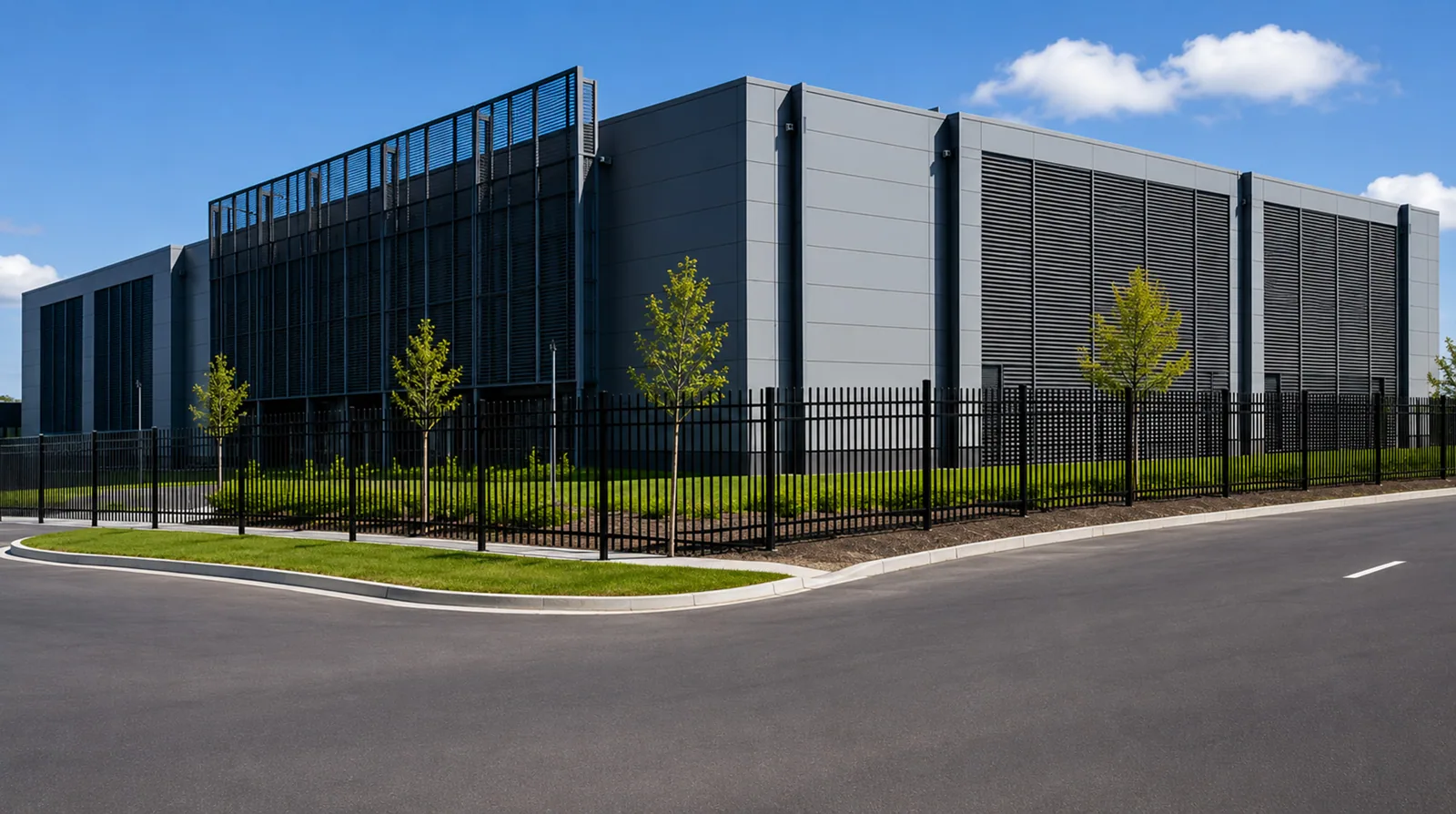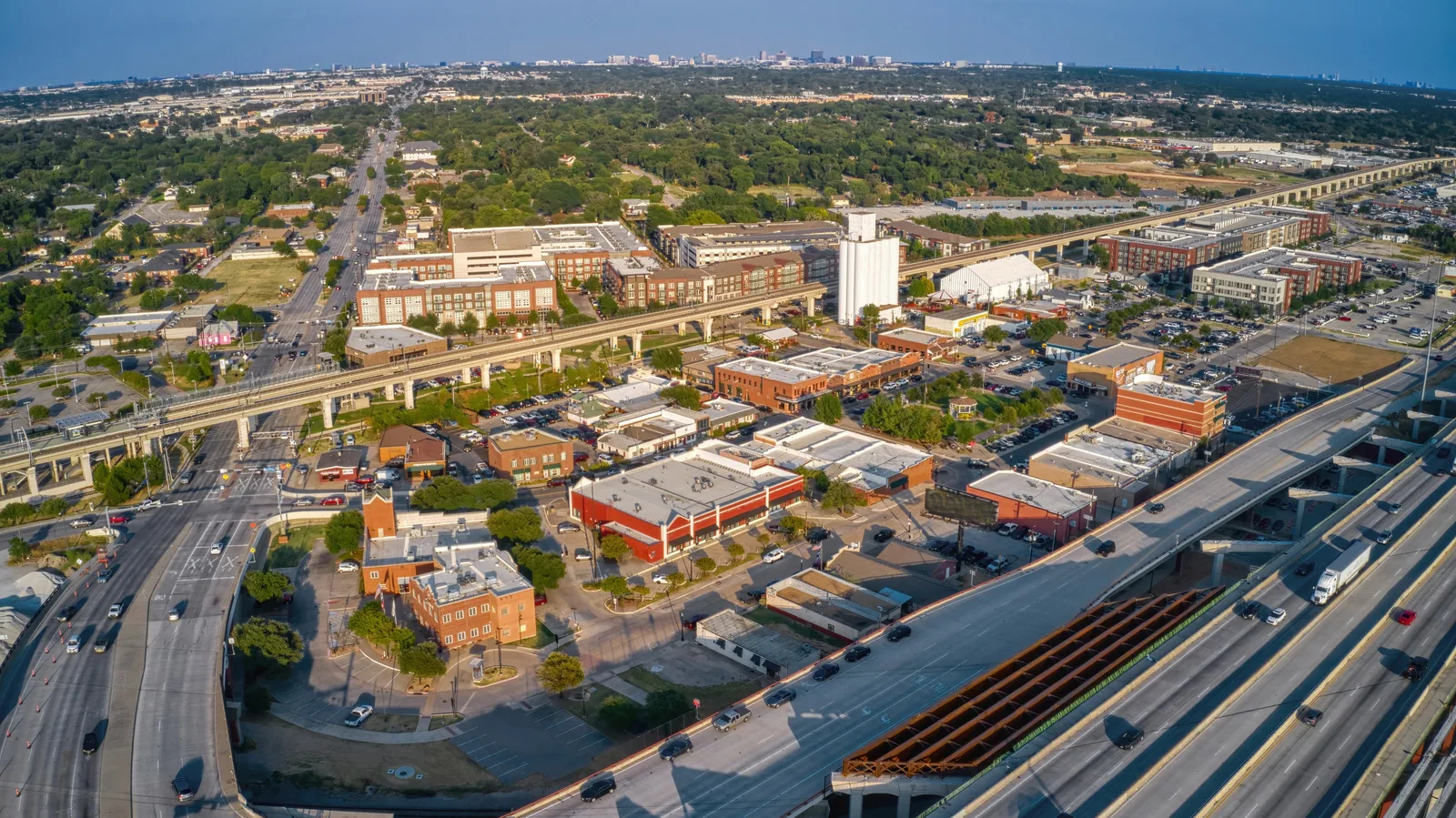
A drip above an electrical room or cooling line needs a roof response that protects operations while the source is traced. Data center roofing in Carrollton, TX requires clear access rules, a controlled repair area, and coordination with facility staff. Richardson Telecom Corridor and the Richardson Innovation District form part of the region’s technology and research base, while each critical facility has its own equipment and roof design. We map the reported area to drains, curbs, and penetrations, then confirm how work can proceed without disrupting the building plan.
A roof repair can affect cooling equipment, cable routes, exhaust, and access to controlled rooms. Before work begins, the facility contact identifies restricted roof zones, escort rules, alarm procedures, and any change window for equipment. We confirm which units can be isolated and whether noise, odor, or debris protection is needed below. A small repair may fit inside a service window; a larger replacement needs a sequence that keeps the building protected at every close-in point.
Richardson’s employment districts include research, development, manufacturing, and office operations, and the regional office inventory extends into Las Colinas and Addison Circle. Those places provide commercial context, not a claim about a specific building’s roof. For the facility under review, we document the roof access route and each work boundary with the site manager. A phased reroofing plan can coordinate daily closures with the operating schedule and identify who approves a field change.
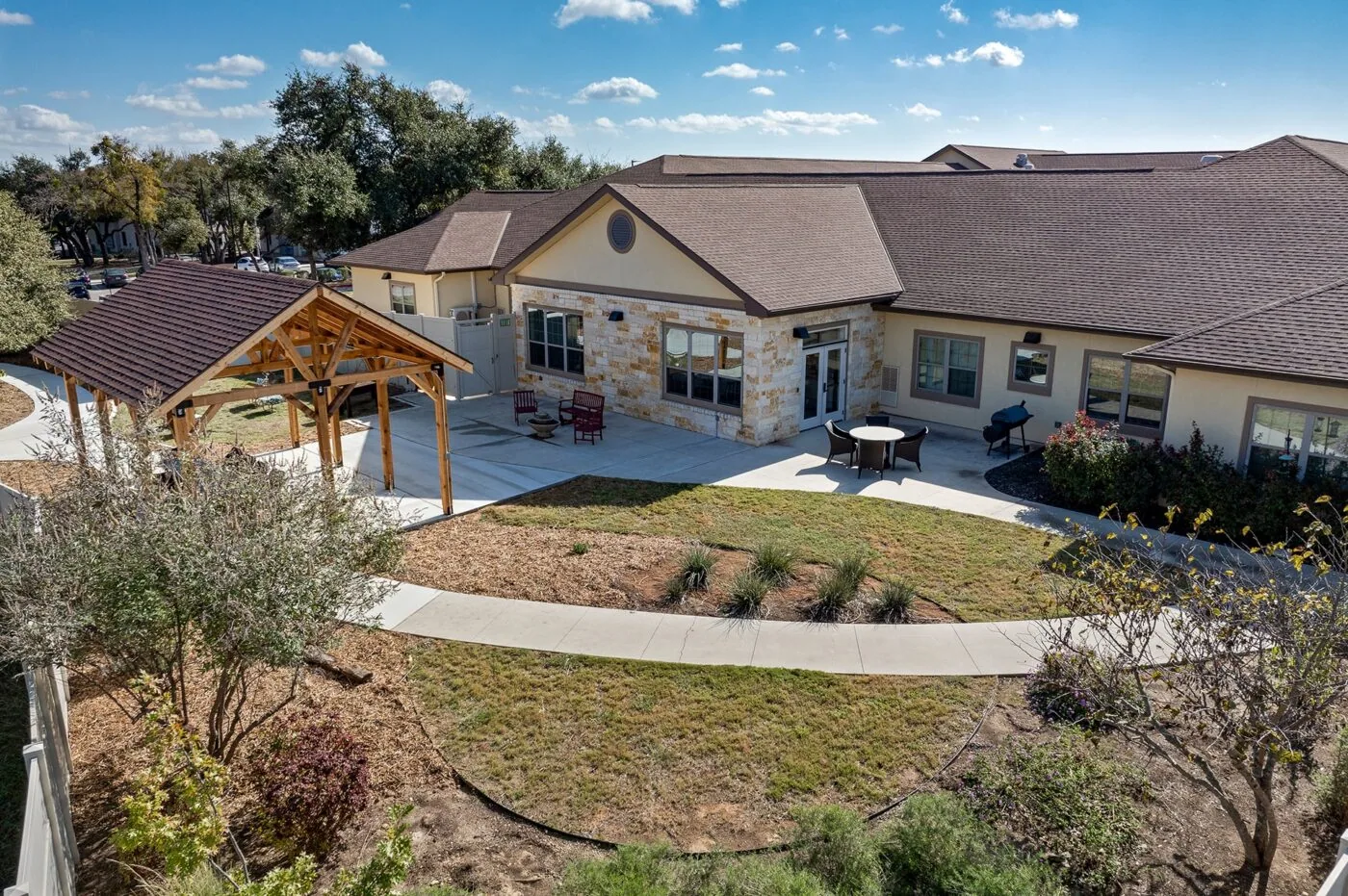
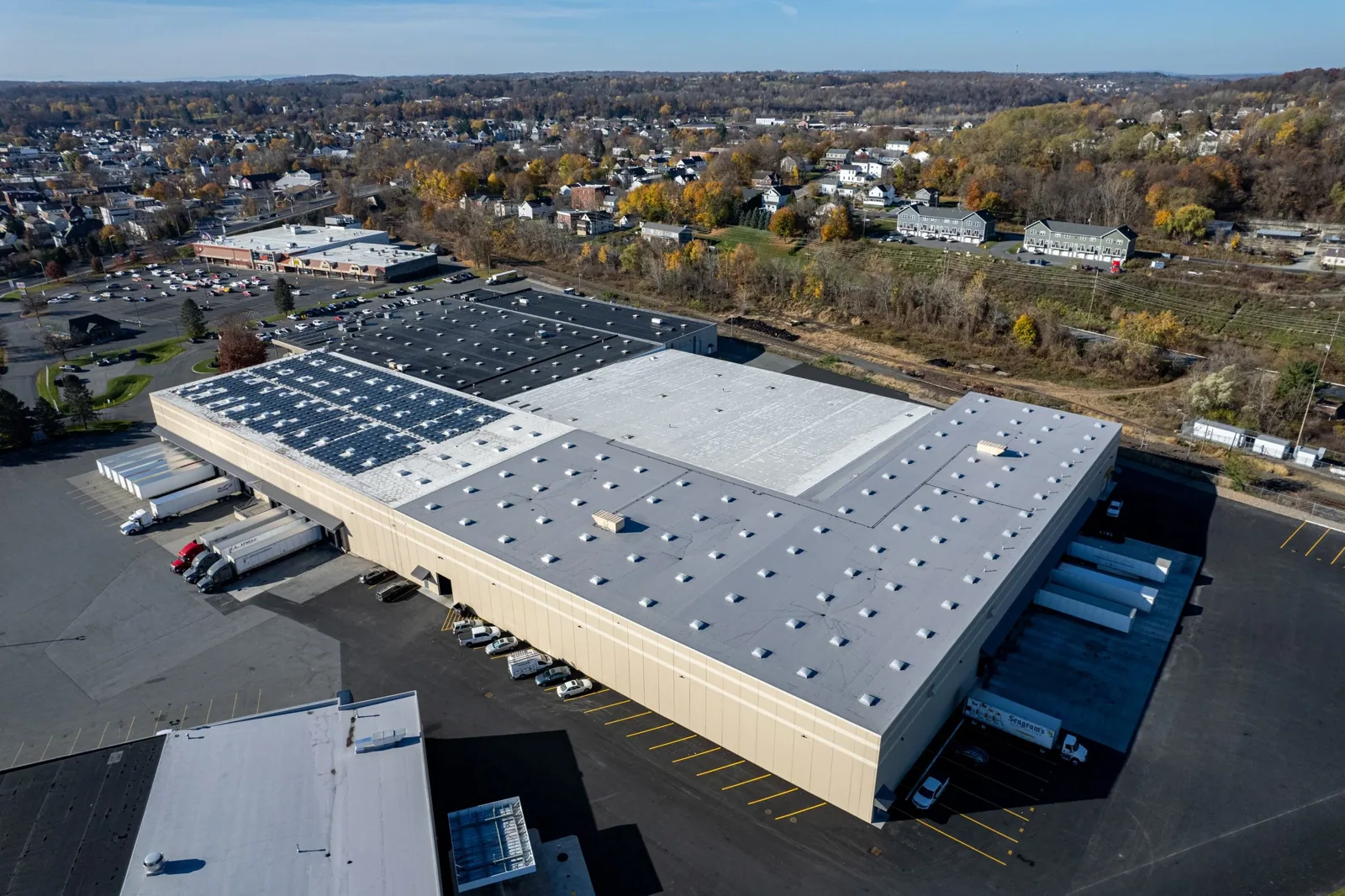
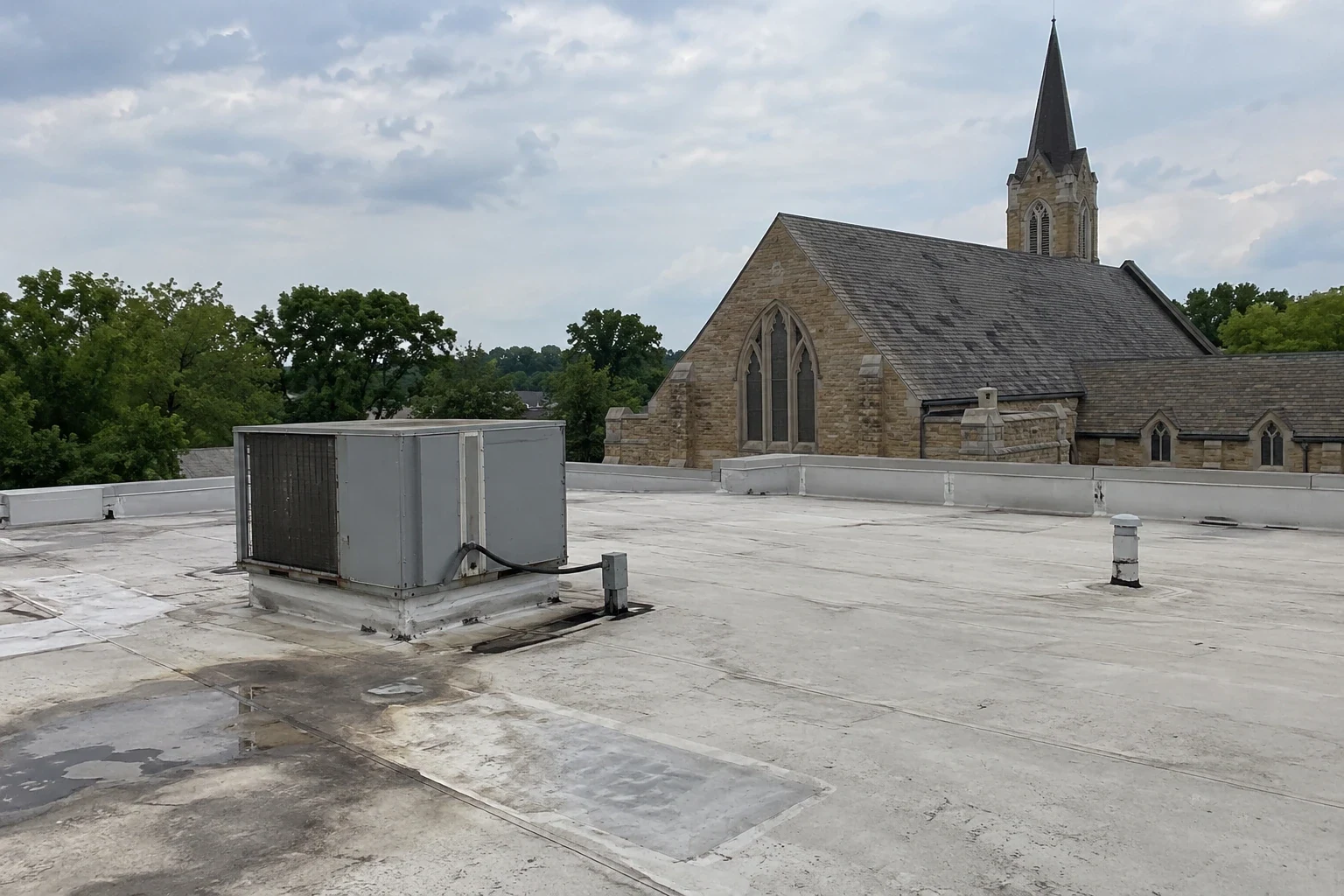
Cooling equipment, exhausts, cable trays, conduits, and monitoring lines cross the roof plane. Each curb, pipe, and support has a flashing or attachment detail that can move or open. We inspect the uphill side of the penetration, check membrane laps and metal transitions, and look for sealant that has pulled away. A new cable route should not be cut into the roof without a reviewed location and compatible flashing detail. We identify which trade controls the equipment before removing any cover or support. We also record clearance at condenser intakes and relief vents so material staging does not obstruct airflow.
When a facility has a detailed roof plan, we compare it with field conditions and mark changes. A curb and support inspection can record the roof connection around mechanical equipment, while a roof condition survey can map seams, drains, and penetrations. Where a test cut is needed to confirm insulation or deck condition, we coordinate the opening and same-day close-in with the facility representative. The map should state what was inspected, what remains covered, and where future access may be limited. We keep the access plan with the roof record so later service crews can use the approved route.
Drains, scuppers, and overflow paths need to remain clear. We inspect the bowl, strainer, membrane termination, and surrounding slope, then check whether water has moved beneath the surface. A leak can travel along a deck before it appears at a ceiling or cable tray. We compare interior reports with roof-level evidence and avoid treating the first visible stain as the full repair limit. If water is active, we protect the affected area below while the roof opening is inspected.
At Frankford Trade Center, the local business park includes logistics and technology tenants, reinforcing the need to plan roof access and material delivery around each property’s schedule. The site context does not identify any particular equipment or roof system. For the facility being repaired, a drainage detail review can verify primary outlets and overflow provisions. We log temporary protection separately from permanent repair so the operations team knows which section has passed final inspection.
Data center roofs may use single-ply membrane, coated metal, built-up roofing, or another system. We identify the installed assembly and follow its compatible repair details. Material selection should account for rooftop chemical exposure, foot traffic, service equipment, and specified fire or wind requirements. A patch must bond to a sound substrate; a coating requires surface preparation and adhesion; replacement includes insulation and attachment. We check the existing roof records and field condition before presenting options.
For an expanded building or roof renewal, an insulation and cover-board assessment can document heights at curbs and equipment. We also compare the access and maintenance needs with manufacturing plant roof planning or warehouse roof planning when multiple property functions share the campus. The design remains specific to the critical facility, its redundancy plan, and project documents. We record repairs by roof zone so future service work can return to the same point.
A roof opening over critical equipment calls for quick containment and clear communication. We can respond for emergency roof repairs around the clock, including weekends and holidays, and coordinate access with the responsible site contact. The first visit protects the opening, records the conditions, and identifies what can be repaired immediately. If the roof is wet or the permanent material is not ready, we mark the temporary tie-in and schedule the next step rather than leaving an unclear patch behind.
Spring is the busiest severe-weather season in North Texas. Hail or wind damage can affect roofs across the metroplex, so after an event we check the perimeter, seams, and penetrations for fresh openings. A emergency roof response can secure the affected area while the full scope is developed. The closeout note includes the work performed, access constraints, inspection result, and any area that needs a later review. That record helps operations track the roof without confusing temporary protection with a final repair.
Often, when the work zone can be isolated and the facility contact approves the access and equipment plan. We schedule by roof area, protect open details, and coordinate any shutdown or restricted period before material is moved.
We coordinate immediate protection below with the facility team, then trace the water path from roof details to the reported area. The record separates the temporary measure from the permanent repair needed.
A new opening needs a reviewed location, compatible flashing, and clear responsibility for the equipment. We coordinate with the trade that controls the cable path and inspect the finished roof detail after installation.
We check curbs, pipe supports, condensate routes, service walkways, seams, and nearby drains. Equipment work can disturb flashing or leave debris, so we include the access route in the roof inspection.
We secure open areas, clear safe-to-reach drainage paths, and record temporary tie-ins. After conditions allow, we return to inspect the permanent seams, edge details, and penetrations before closing the repair record.
RELATED WORK
CALL US
Leaks, storm damage, a failing membrane or a replacement on the calendar: tell us what is happening on the roof and we will set up a visit.
Property Types We Roof
Share the access protocol, equipment constraints, and any operating or change window. We will inspect the affected roof zone and plan protection, repair, and close-in with the facility contact.
Call 555-555-5555 or request a roof assessment online.