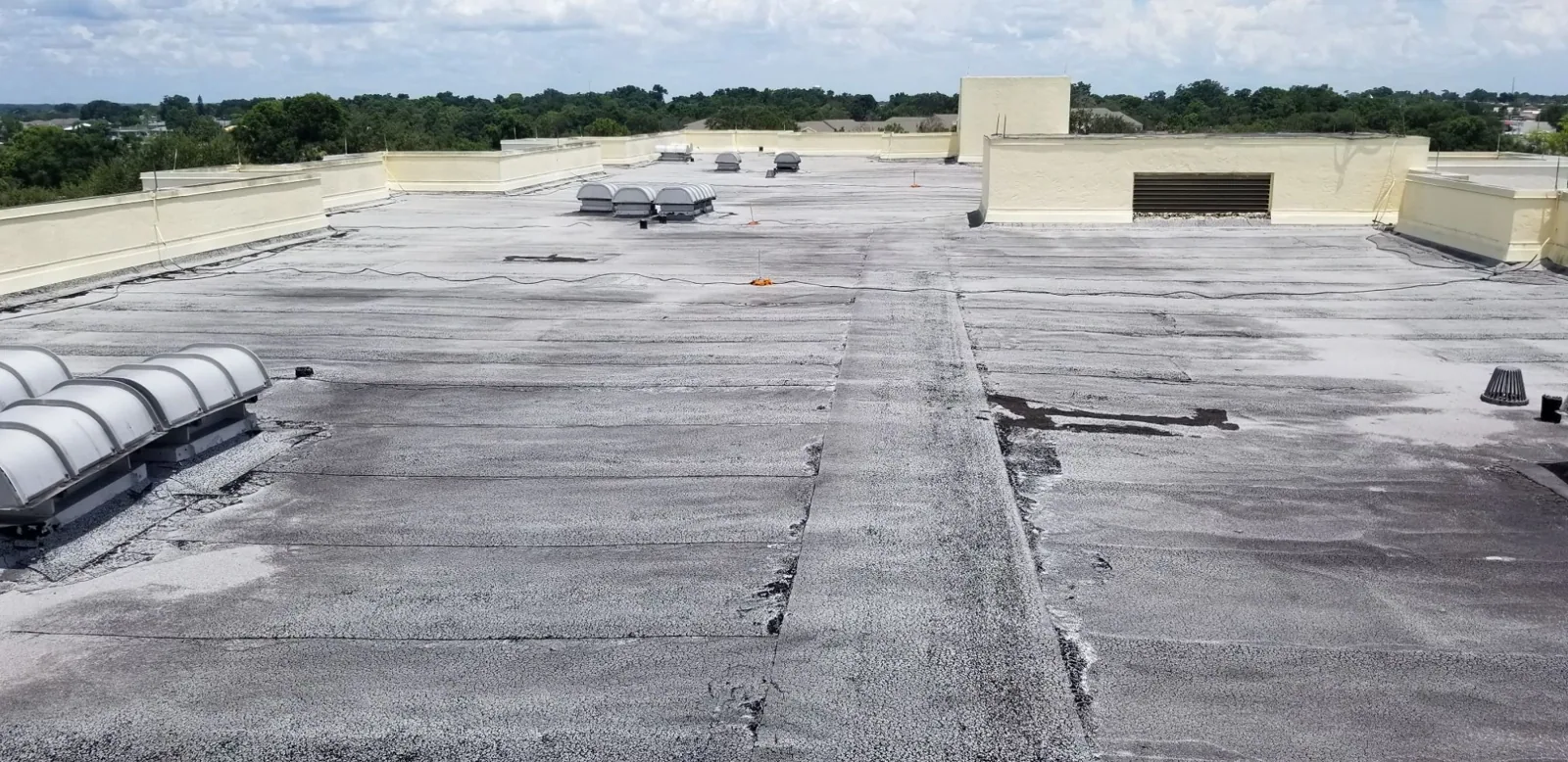
A photo without a roof location may show damage but leave the reader guessing where it belongs. We mark each image to a roof area, record the visible condition, and describe the repair needed. That gives the property manager a clear file to review with the insurer after a storm. Dallas-Fort Worth sees hail, damaging wind, flooding, and tornadoes across the region, particularly in spring. The regional record does not establish what happened at one building. At Frankford Trade Center, our assessment would still begin with that property's roof, access limits, and interior report. We provide condition documentation and repair scope; policy interpretation and coverage decisions remain with the insurer.
We document the date of inspection, roof sections reached, visible damage, and areas that need more testing. Photographs show the detail from an overview and close range, with a reference that can be found again on the roof plan. We note whether a seam is open, metal is displaced, a membrane is punctured, or a flashing has separated. If a condition may predate the reported storm, we describe what is visible without assigning a cause the roof cannot confirm.
Interior water evidence can support the record when it is connected to the roof path. We note the room, approximate location, and conditions reported by the facility contact. Then we inspect the roof details above and around the likely entry. A storm damage assessment may identify immediate protection needs and repairs, while a full roof inspection can record other conditions that are not part of the reported event.
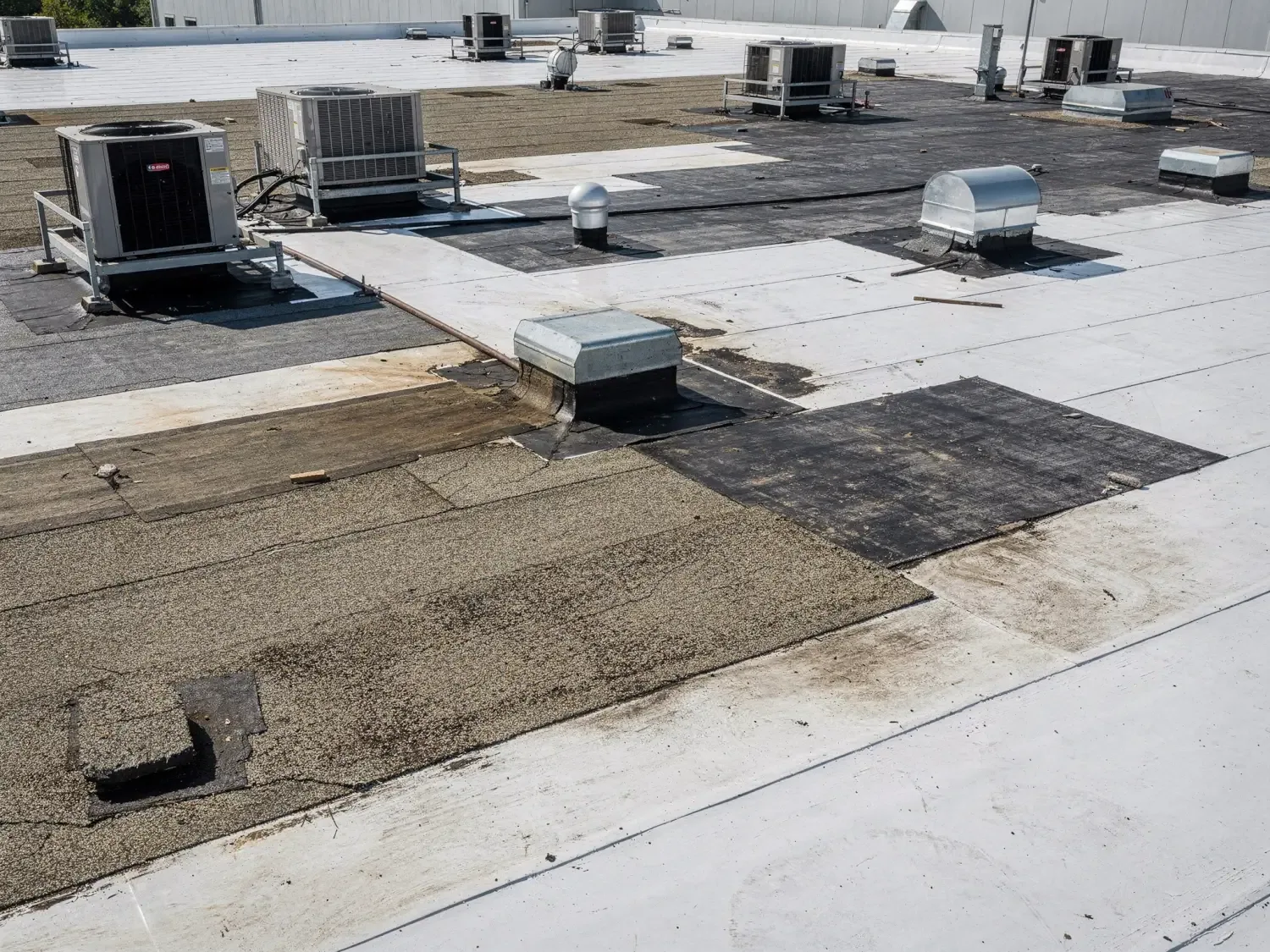
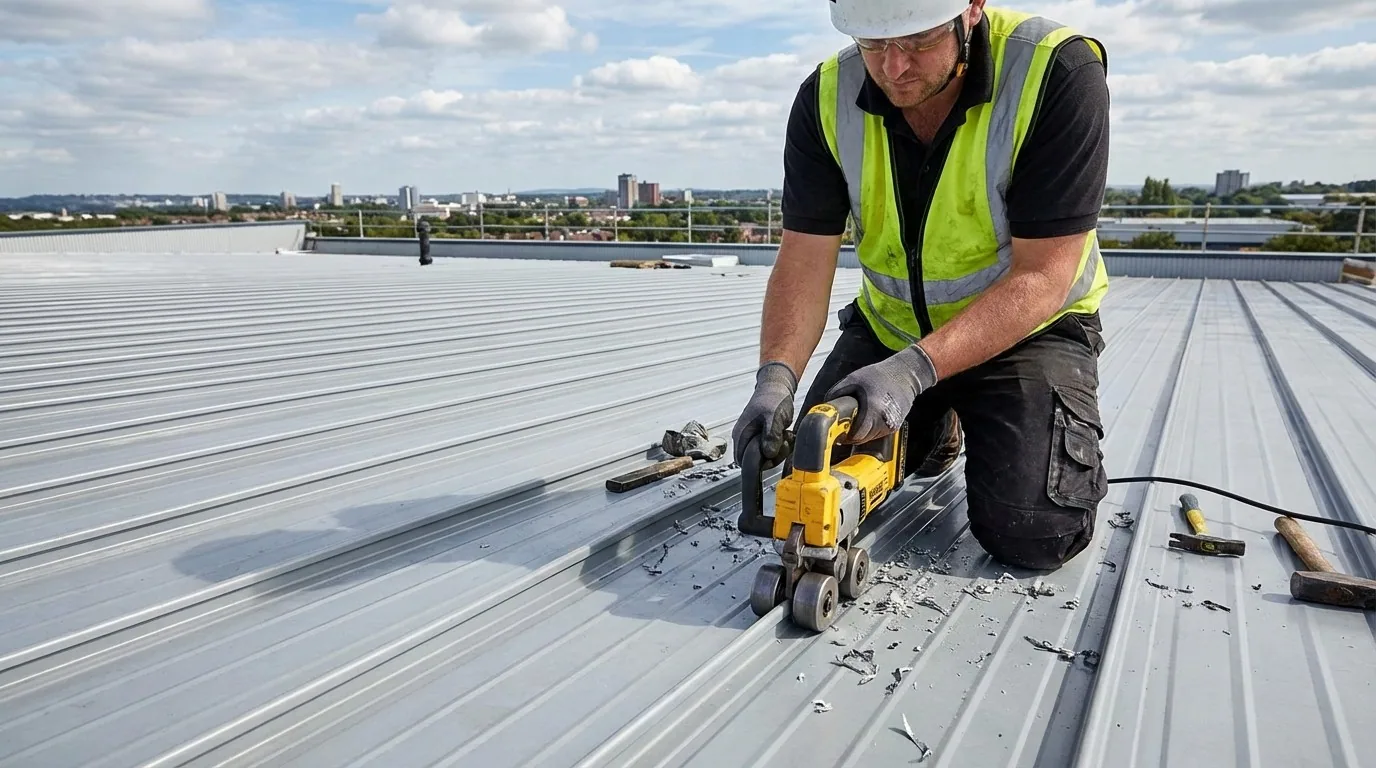
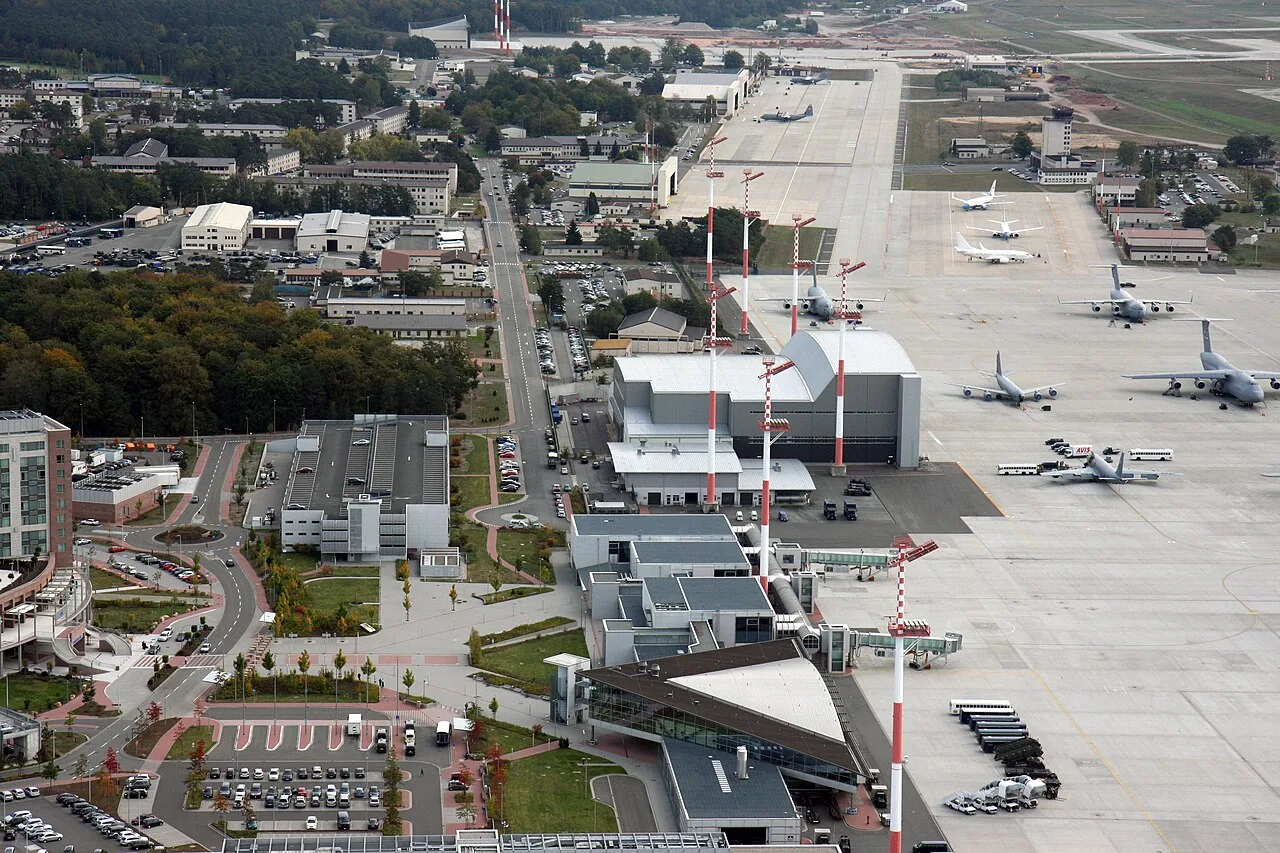
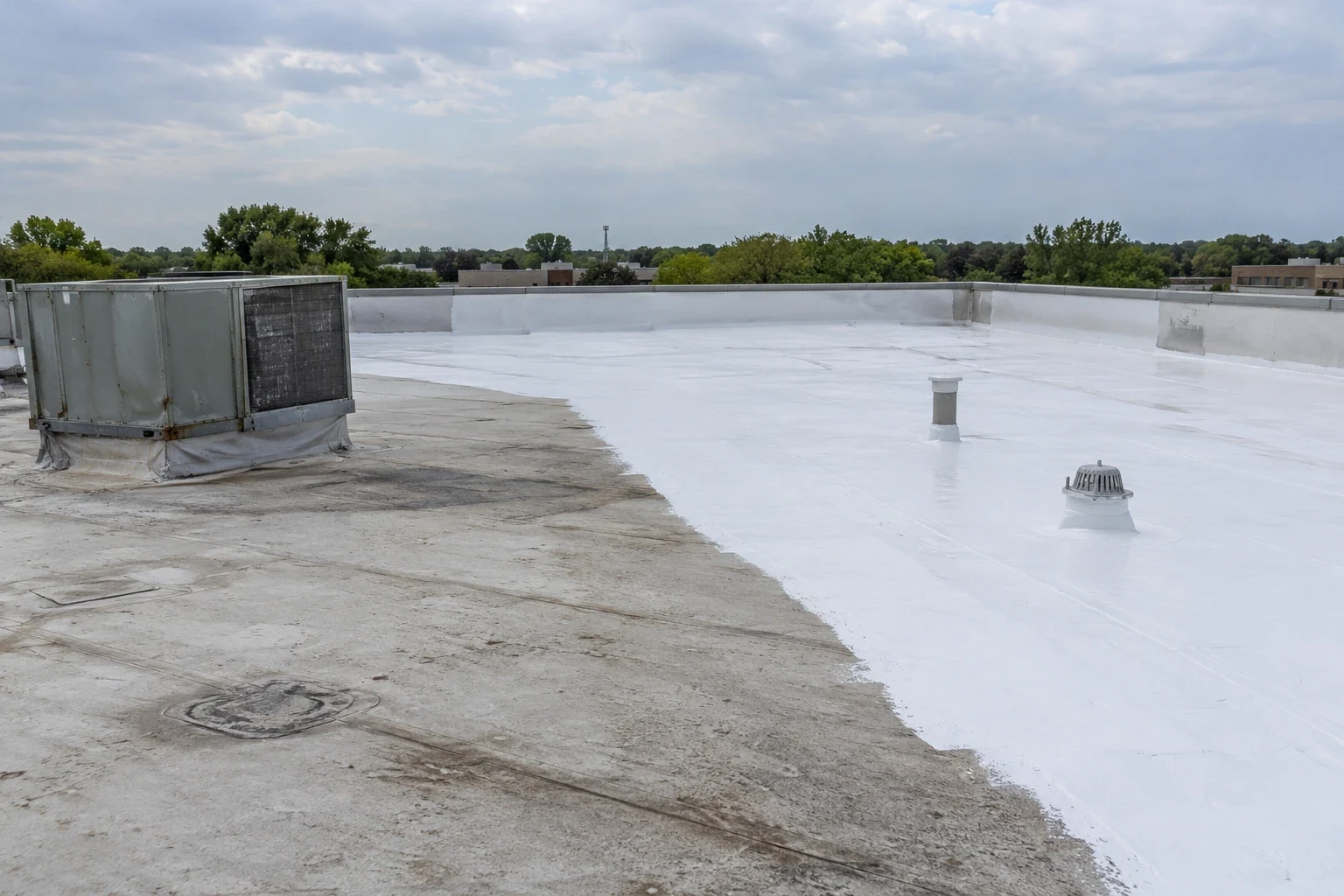
Commercial roofs carry maintenance history, previous patches, and wear that may have developed before a storm. The inspection record should distinguish those findings from new damage where visible evidence allows. We photograph prior repairs and note whether a patch has lifted or a seam has opened. We also look at nearby roof areas that may show comparable wear. If timing or cause cannot be determined from the physical condition, we state the observation without making a claim about when it occurred.
Hail and wind call for different checks. On membrane, we inspect the surface, laps, and transitions for cuts, punctures, or displacement. On edge metal, we check fasteners, laps, and the membrane termination. If impact is suspected, our hail damage documentation shows the marked location and what the material reveals on inspection. For wind-related changes, we record movement and inspect the attached roof area rather than relying on a photograph of a loose piece alone.
A repair scope identifies what will be removed, repaired, or replaced, which materials are compatible, and how the area will be closed. If water has reached insulation or deck, the scope notes the test results and the additional work required. We separate temporary protection from permanent repair, and we identify any condition that could change after opening the roof. That helps the owner submit an understandable estimate without presenting unknown items as confirmed damage.
At a property with multiple roof areas, we list each affected location separately. A puncture near a curb may need membrane repair; a shifted edge may require new metal and a secure termination. A clogged drain is a maintenance issue unless inspection shows storm-related damage to the outlet or surrounding roof. Our commercial repair proposal can show the work area, labor sequence, materials, and close-in plan. If wet insulation is widespread, a moisture survey with test cuts can help define the affected boundary.
When water is entering, a temporary dry-in may be needed before a complete estimate can be prepared. We photograph the opening, note the protective measure, and state what follow-up is still required. Temporary protection can reduce exposure, but it does not determine the final repair scope or establish that the roof is watertight. Once conditions allow, we remove or work around the temporary material and inspect the underlying detail for permanent correction.
Carrollton's industrial areas include distribution and manufacturing properties where a roof repair can affect loading, production, or equipment. At Belt Line Industrial Corridor, the facility contact may need to identify access routes or a shift window. We record those constraints so the proposed work can be scheduled without assuming a route or shutdown. If emergency protection is needed outside normal hours, our emergency roof service can be reached overnight, on weekends, and on holidays. The report then shows the temporary action separately from the permanent repair.
We can provide the roof findings, photographs, marked locations, repair scope, and available test results for the property manager's claim file. We do not decide whether a policy covers the damage or how an insurer interprets its terms. A roof contractor's record is strongest when it stays close to what the roof shows: the affected area, observed condition, work recommended, and any uncertainty that remains.
Before the inspection, share the reported date, areas affected, prior repair notes, and roof access instructions. Tell us if the building has loading hours, tenant restrictions, or equipment that cannot be interrupted. We can then plan a route across the relevant sections and produce a location-based record for the owner to review. A roof condition report can keep the images and recommendations organized after the claim visit. Arrange access at Belt Line Industrial Corridor or another Carrollton property, and we will scope the documentation around the roof evidence available.
We can provide dated roof photographs, location marks, observed conditions, test results when taken, and a repair scope. The file may also include a note about temporary protection and any areas that could not be inspected. We describe roof conditions and repair needs, not policy coverage.
The roof can show a recent displacement, fresh puncture, or other visible change, but not every condition reveals its timing. We compare the area with prior photographs or repair records if available. When the evidence does not establish a date, we record the condition without assigning one.
An active leak can damage the building while a claim is pending. We can document the opening and apply temporary protection when conditions permit. The record should show what was done and why, while the owner keeps any required communication with the insurer.
Our role is to inspect the roof and describe the repairs supported by the findings. We do not interpret policy language or decide coverage. The property manager can submit the documentation to the insurer and discuss the claim decision directly with them.
Share the date of the reported event, roof plans, previous repair records, interior leak locations, and any safe photographs already taken. Tell us about controlled access and operating restrictions. These details help us inspect the relevant roof areas and connect the evidence to the building record.
RELATED WORK
CALL US
Leaks, storm damage, a failing membrane or a replacement on the calendar: tell us what is happening on the roof and we will set up a visit.
Commercial Roofing Services
Share the reported event date, affected areas, prior repair notes, and access limits. We will inspect the roof, mark conditions, and provide photographs and a repair scope for your property file.
Call 555-555-5555 or request a roof assessment online.