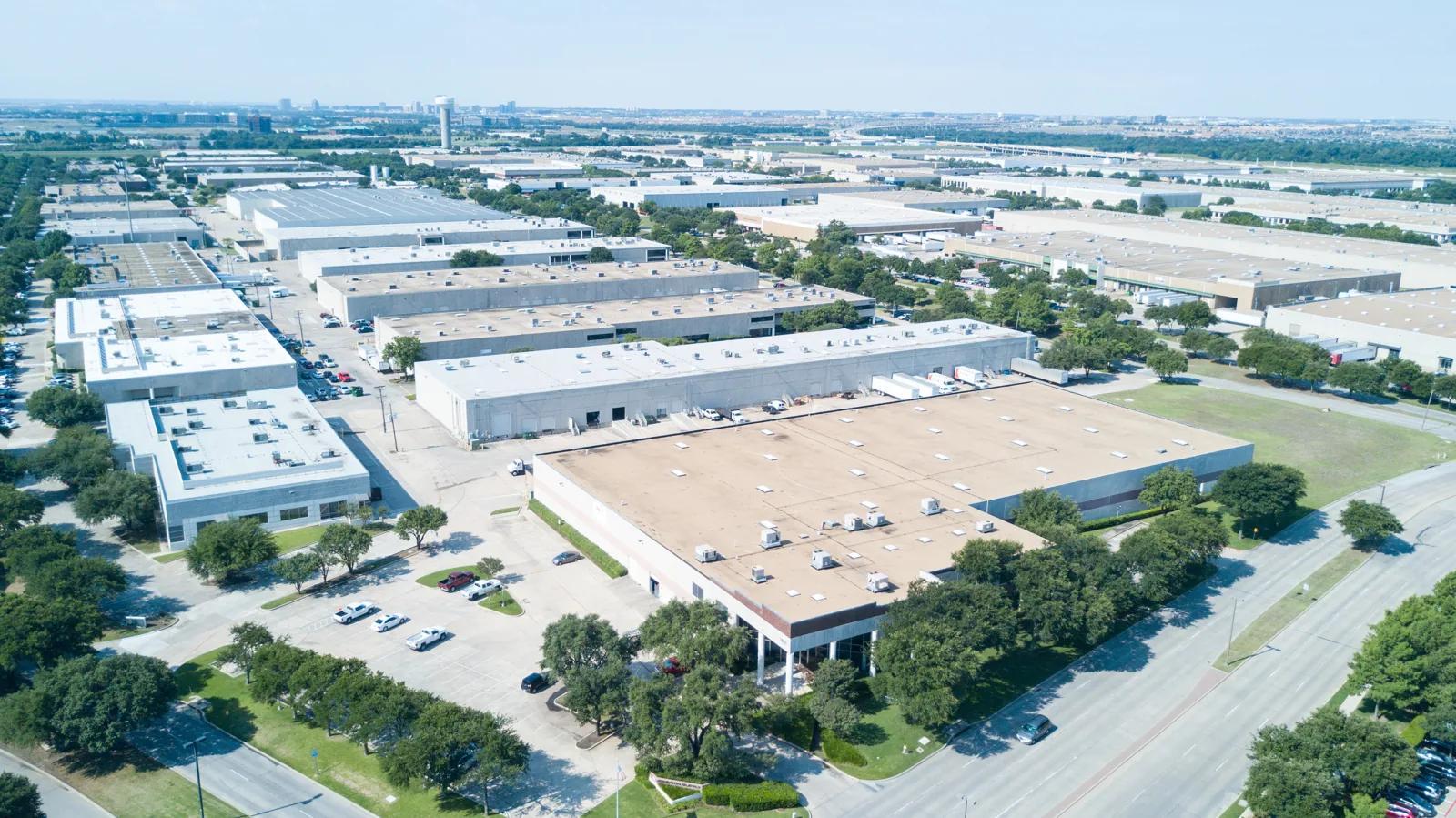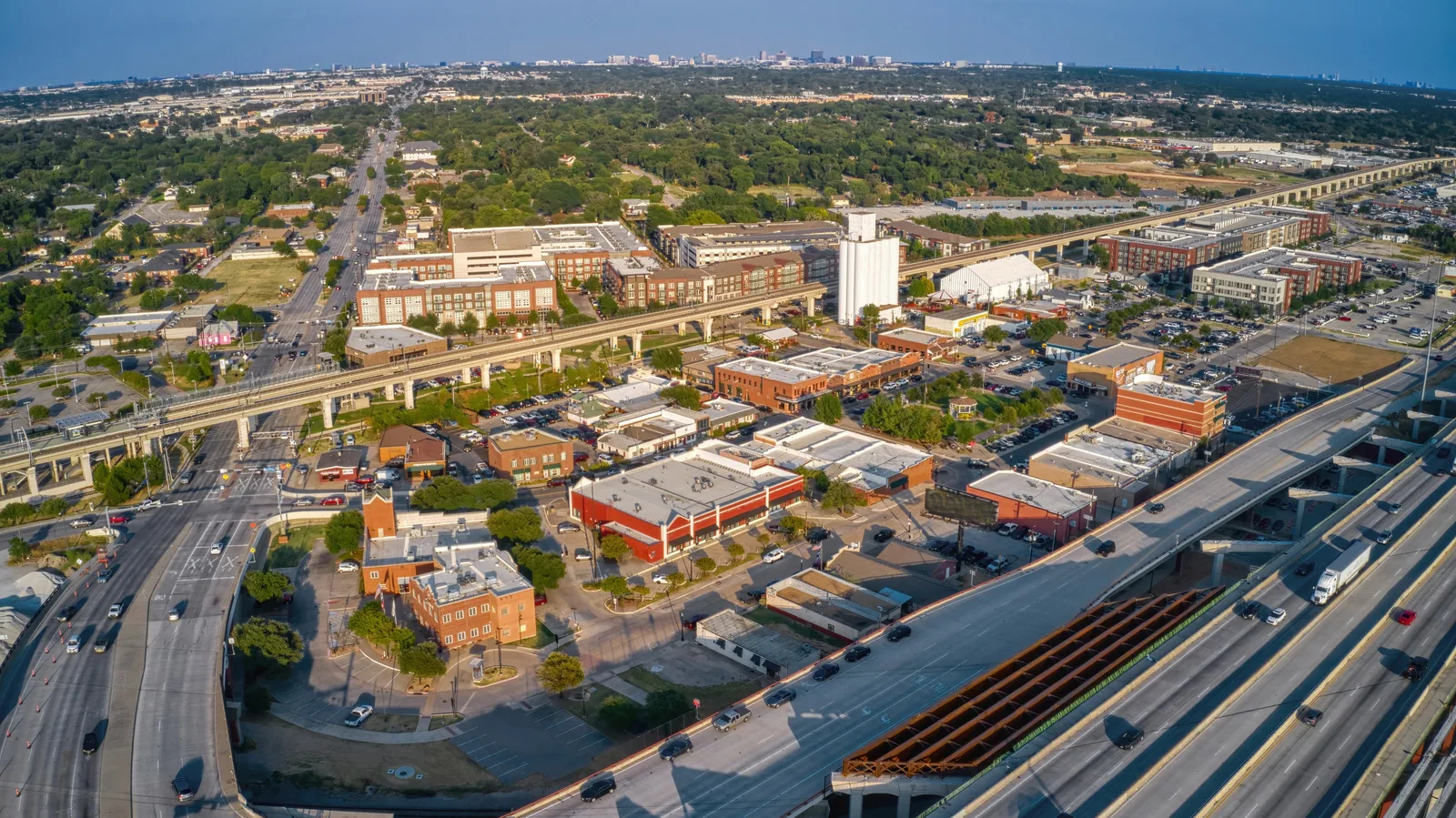
A split around a pipe boot can admit water even when the surrounding roof membrane is firmly attached. In Richardson's Telecom Corridor, we locate the penetration, check the flashing and nearby seams, then trace the leak before setting the repair limit. The business area centers on US 75, Campbell Road, Plano Road, and Arapaho Road. Richardson identifies the district with corporate research, development, manufacturing, and office operations. A roof recommendation still starts with the building's assembly, service history, and access rules.
Research, manufacturing, and office operations bring different access needs. The property contact tells us which entrances, loading areas, secure rooms, and operating hours affect the roof walk. We confirm roof hatch access, ladder or lift placement, material staging, and any areas below that need protection. US 75 and the named roads help locate the corridor, but they do not tell us how to enter a specific property. That route comes from the building manager.
Richardson's technology district includes employers such as Ericsson, Honeywell, Raytheon, Siemens, and Verizon. Their presence describes the corridor's business mix; it does not identify the roof condition or work history at a particular address. We document each building separately, including the roof zones inspected and any test locations. An occupied-building reroof sequence can phase work around critical operations, while a multi-site roof program can coordinate visit timing without merging roof records.

Pipe boots, equipment curbs, conduit supports, and wall transitions break the continuity of the roof field. We check the flashing base, corners, fasteners, termination, and the membrane around it. A boot that has split can leak, but an interior stain might also trace back to a drain or a seam higher on the roof. We compare the reported location with roof slope and details before cutting or patching material.
If a repair requires a test cut, we identify the exact location, photograph the layers, and close the opening during the visit. For infrared findings, we use the scan to select a place for direct confirmation rather than treating the image as proof by itself. A roof curb and support inspection can include the attachment and flashing, and flashing repair can restore a confirmed separation with compatible materials. The repair note records which surface was prepared and how the transition was closed.
Water follows slope, seams, and deck movement, sometimes reaching an interior space well away from the entry. We inspect drains, scuppers, gutters, and the low areas that feed them. At each outlet, the strainer, clamping detail, membrane connection, and nearby surface need to work together. A clogged bowl is a maintenance item; a recurring low spot may indicate a drainage or substrate issue that requires more than clearing debris.
On a roof serving active office or manufacturing space, temporary water protection may be needed while the cause is confirmed. We document ponding after drainage time, compare the area with the roof plan, and test below the membrane if moisture is uncertain. Drain and scupper service can address an outlet detail, while ponding-water repair considers slope and layers. We keep the inspection route clear of equipment and mark any area that should not be crossed until repairs are complete.
Summer afternoons across Dallas-Fort Worth commonly push through the 90s during July and August, with triple-digit heat recurring. Heat and humidity affect application timing. We check the substrate and product requirements before using adhesive, sealant, or coating. When a roof must be opened, the repair area is limited to what can be secured within the shift.
Storms are most active in spring across the Metroplex. Almost every year, some location in the region sees hail, damaging gusts, flooding, or a tornado; the Richardson roof must be checked before assigning any damage. After a storm, we look for punctures, displaced edge metal, open seams, and damaged flashing at the actual property. A storm-damage roof inspection can document observed conditions and identify temporary protection. The date, location, and affected roof zone belong in the report so later decisions rely on field evidence.
When the adjacent sheet stays bonded and dry, a puncture or open lap may be handled within a limited repair area. If the membrane has separated at a wall or equipment curb, the work needs to carry through the transition. When insulation is wet or attachment is failing over a wider area, another surface patch may leave the underlying problem in place. We inspect the layers, drainage, and previous repairs before deciding whether repair, recover, or replacement fits the roof.
Timing and cost depend on access, deck and insulation condition, material handling, the number of penetrations, and how operations below can be protected. A recover is considered only if the existing assembly is suitable for another system under project requirements. A commercial roof inspection documents the field condition, and a replacement scope can divide a larger project into controlled roof zones. For future planning, record the findings by property and keep confirmed repairs separate from estimates that still need testing.
A report should help the next manager find the same detail. We mark the roof zone, photograph the condition, list the materials installed, and identify any item that needs a return visit. If an office roof has several leak reports, the map can show whether they share a seam, drain, or equipment area. If the building's use changes or new rooftop equipment is added, the manager can update the plan before another opening is made.
The Telecom Corridor spans business activity along US 75, Campbell Road, Plano Road, and Arapaho Road. Each site's roof history remains tied to its address even when a facilities team covers multiple locations. A preventive maintenance visit can check seams, outlets, edge metal, and prior patches. Owners coordinating locations such as Legacy West or Granite Park can set a regional calendar and still retain separate access instructions and findings for Richardson.
No. The name describes a business district, not the equipment on a specific roof. We inspect the actual penetrations and supports before including them in a repair scope.
The building contact provides security, access, and operating limits. We use those rules to set the route, staging area, and any phased work needed to keep critical spaces protected.
Share the interior location, when water appeared, any photos, and prior repairs. We compare that report with roof slope, drains, seams, and penetrations before selecting a test or repair area.
A coating is considered only when the existing surface is compatible, stable, and properly prepared. We check moisture, attachment, drainage, and details first; coating does not correct wet insulation or failed flashing.
We locate each observed condition on a roof map, photograph it, and distinguish confirmed damage from areas that need testing. The report can guide temporary protection and the permanent repair scope.
RELATED WORK
CALL US
Leaks, storm damage, a failing membrane or a replacement on the calendar: tell us what is happening on the roof and we will set up a visit.
Service Areas
Provide the property address, roof records, access contact, and operating restrictions. We will inspect the system, mark each finding, and return a documented next step.
Call 555-555-5555 or request a roof assessment online.