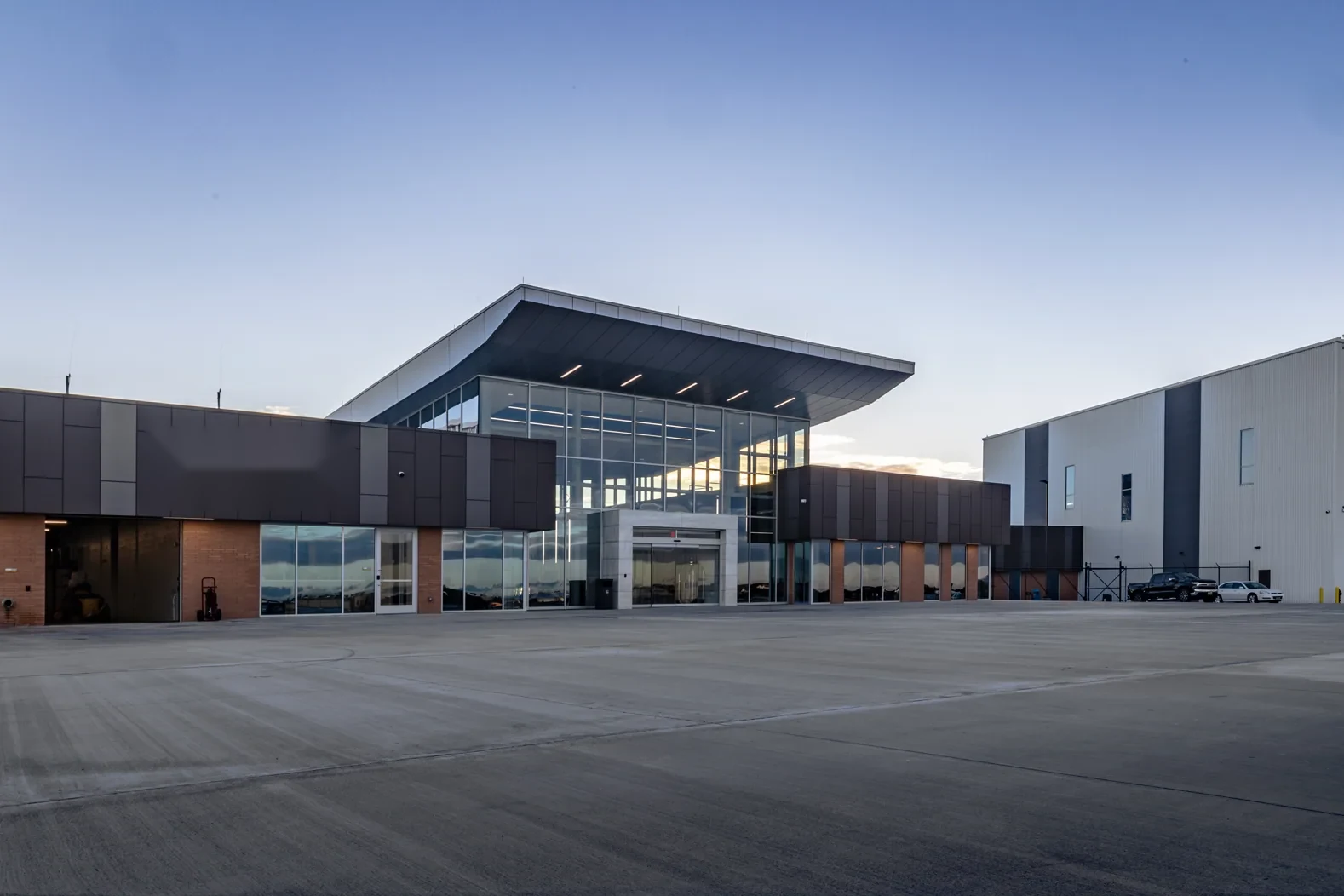
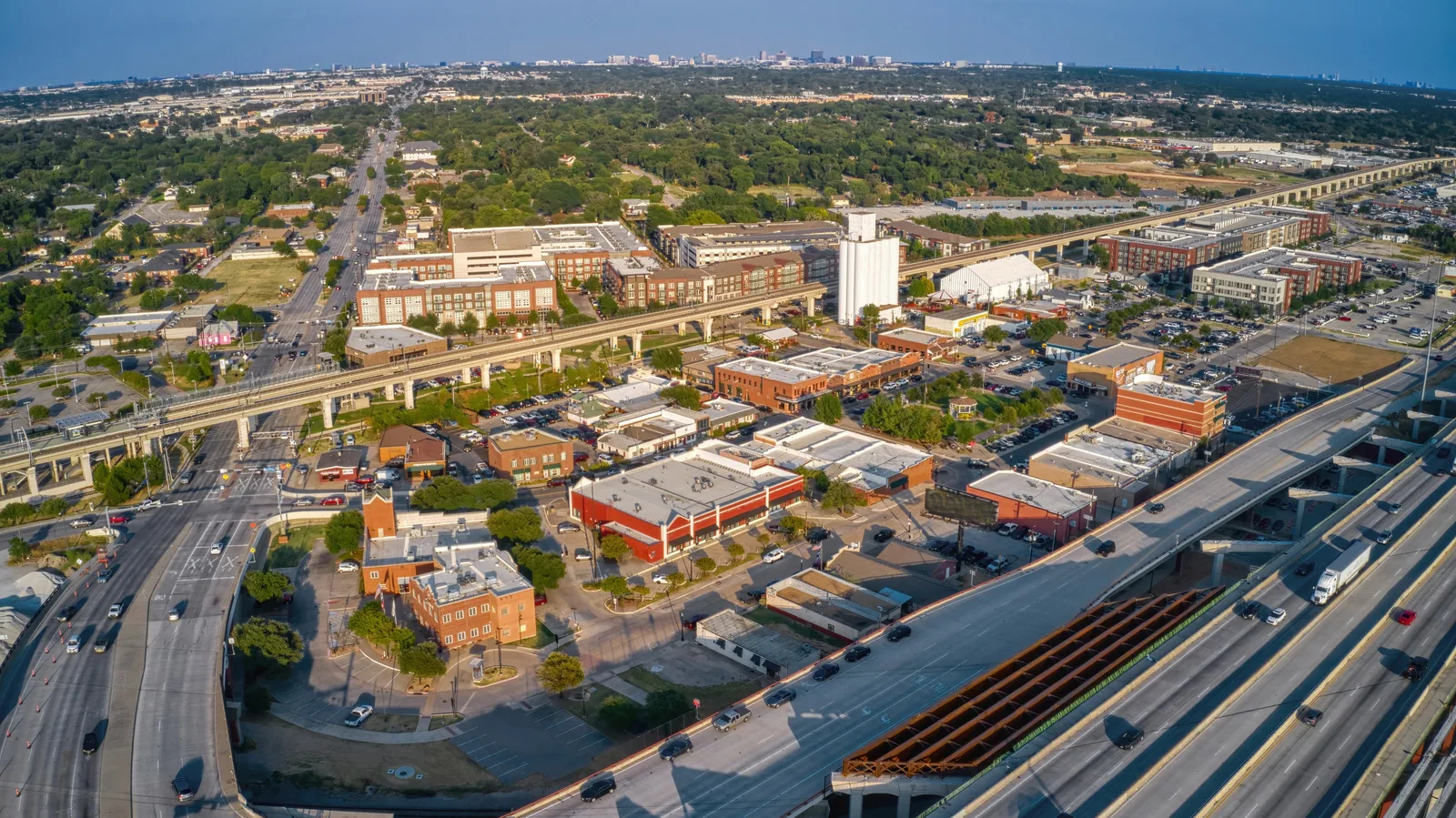
A split at a rooftop equipment curb can send water below the membrane before a ceiling mark appears. At Legacy West, we check the curb, nearby seams, and drainage before deciding whether the repair stays local or reaches a wider roof area. The Plano district covers roughly 240 acres and includes corporate offices, apartments, shopping, and hotel uses. That mix makes access and protection a property-by-property question. We confirm the operating schedule, roof assembly, and reported symptoms, then mark the work boundary on the actual building.
An office, apartment building, retail property, and hotel do not share one roof schedule. The manager identifies occupied areas, delivery periods, guest or tenant routes, and equipment that must remain available. Before a roof walk, we agree where the crew can enter, how the roof hatch is reached, and which areas below need protection. Those details help keep an inspection focused and prevent a repair scope from interrupting more of the property than necessary.
Legacy West is a corporate and mixed-use district, but that description does not establish any individual roof's age or system. We verify the membrane, insulation, deck, attachment, and previous repairs in the field. The roof map records drains, seams, curbs, walls, and edge conditions so the owner can review one building at a time. A commercial roof inspection gives the property team a dated condition record; multi-site roof planning can help coordinate visits across a portfolio without blending the findings.
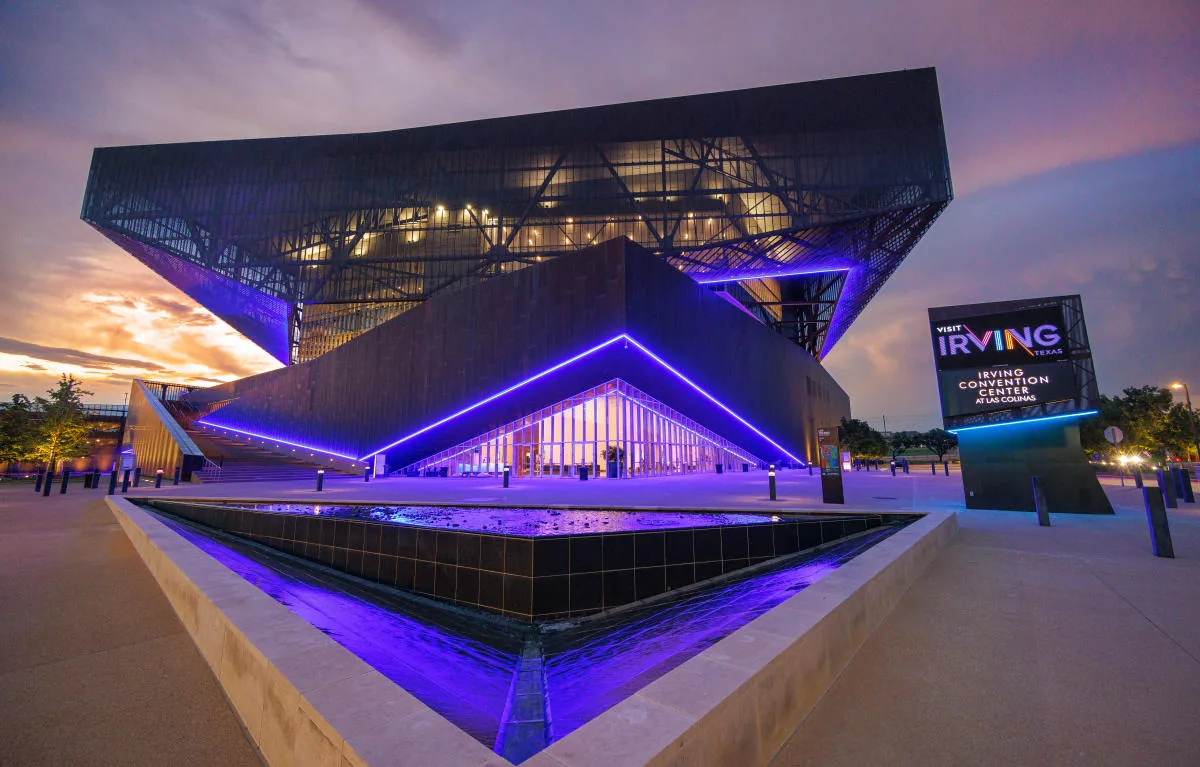
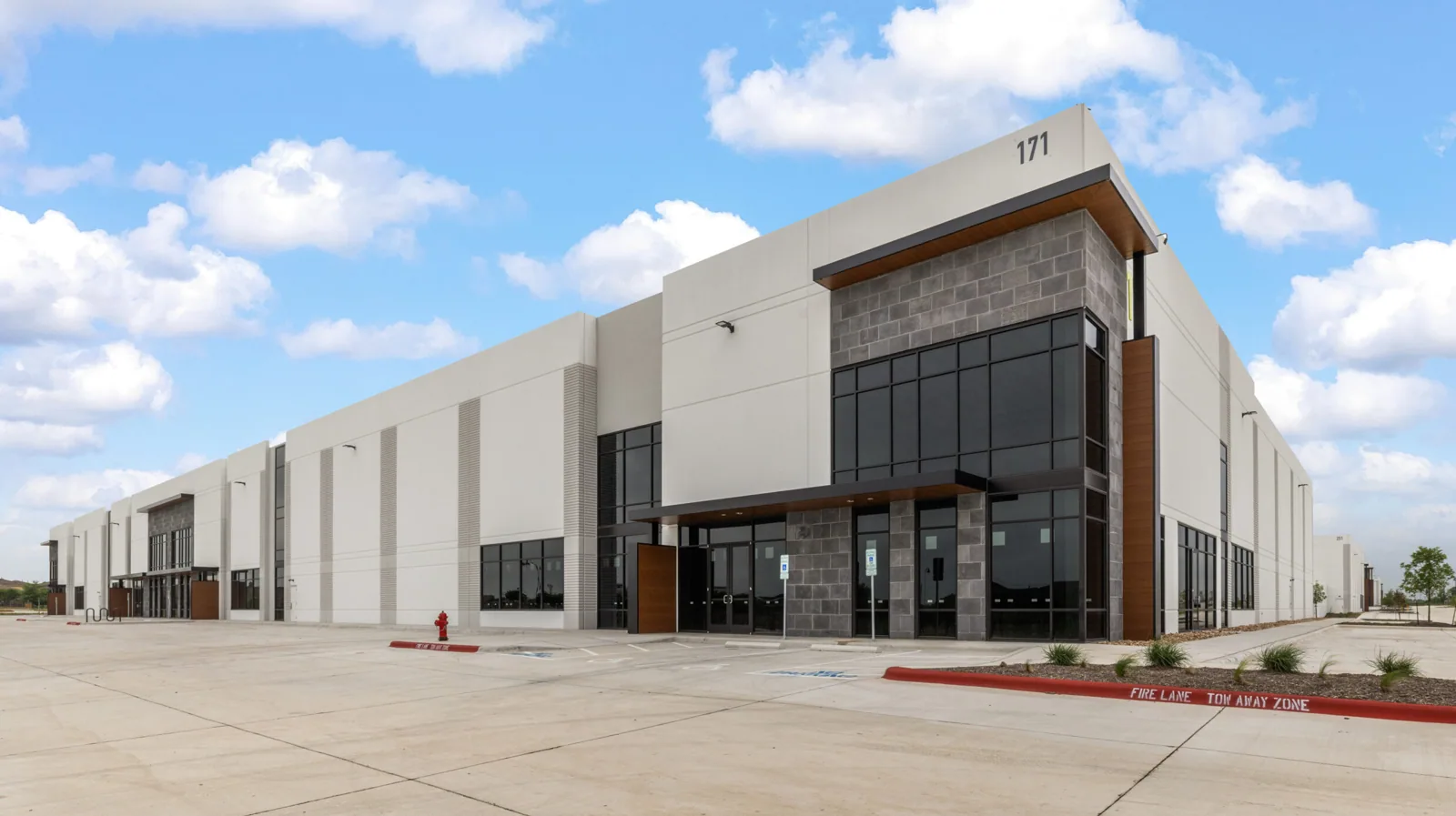

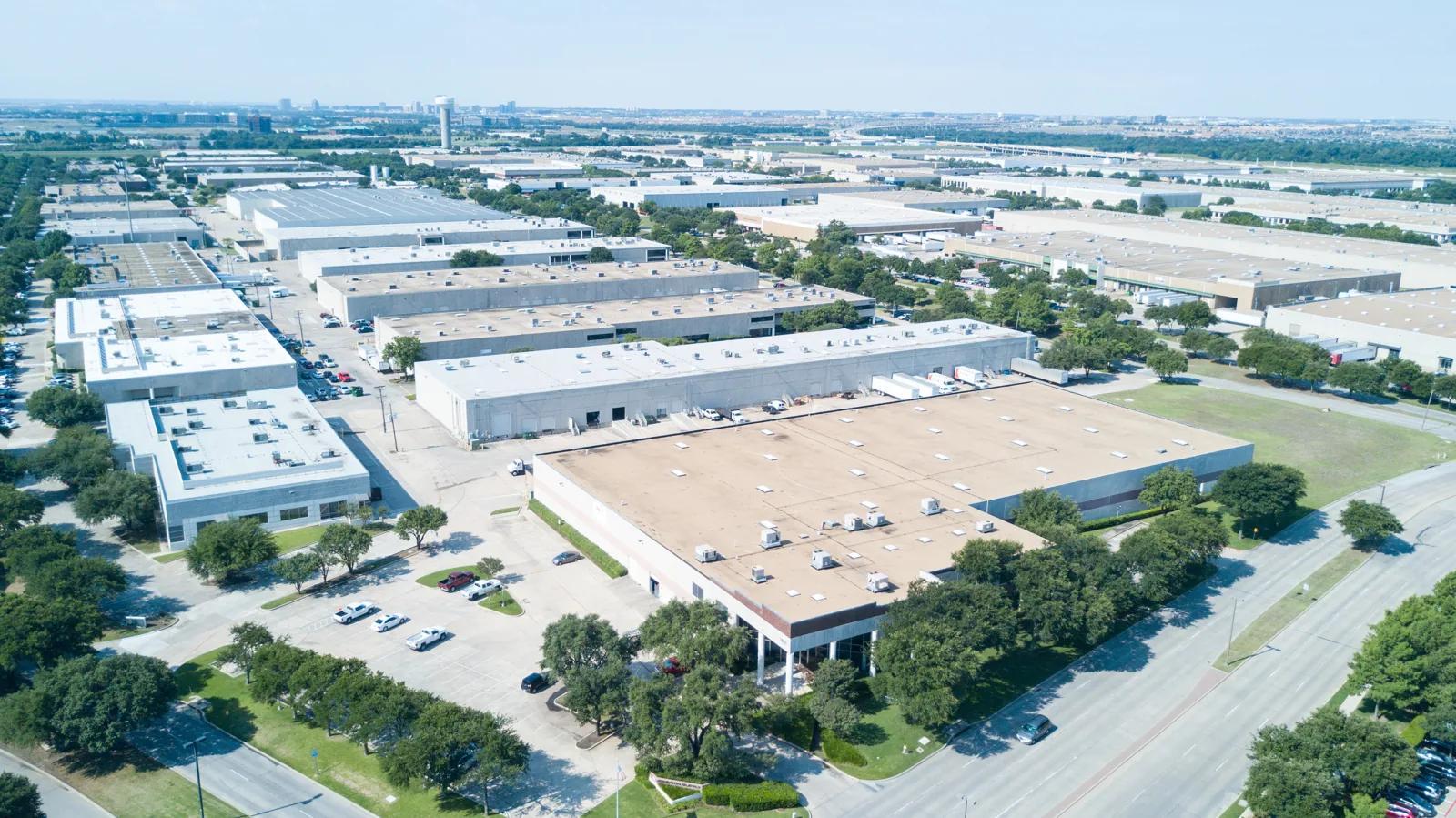
Equipment curbs concentrate several roof details in a small area. The membrane must turn up and terminate securely, corners need compatible flashing, and metal or sealant must not create a path behind the assembly. We look for open laps, loose counterflashing, cracked patches, and movement around the equipment base. If water is reported inside, we compare the mark with the curb, slope, and nearest drain instead of assuming the leak is directly overhead.
For an office property at Legacy West, the inspection needs its own roof plans and field measurements. A flashing repair can address a confirmed separation. We photograph the detail before and after repair so maintenance staff can identify it later.
North Texas roofs take long summer heat: July and August highs across Dallas-Fort Worth often top 100 after repeated days in the 90s, with humidity adding to the application conditions. Heat can soften some materials and increase movement at metal transitions. We check the surface condition, product instructions, and temperature before applying adhesive, coating, or sealant. Work that exposes insulation also needs a close-in plan before the roof is opened, especially if afternoon weather is changing.
Severe-weather risk rises in spring. In most years, hail, high winds, flood conditions, or a tornado affects at least one part of Dallas-Fort Worth, but the Legacy West roof needs its own inspection to establish impact. We check perimeter metal, membrane punctures, open seams, and curb flashing, then record each finding by roof zone. A storm-damage roof assessment can separate temporary protection from the permanent repair. In Carrollton, Valwood Industrial Park has a different mix of manufacturing and distribution buildings, so its access and roof records stay separate from Plano's.
Water should move across the roof to an outlet without sitting against a seam or wall. We inspect the drain bowl, strainer, membrane connection, and nearby slope. At scuppers, we check the opening and metal edge for blockage or separation. A repair near a drain must preserve the flow path; adding material over the outlet or leaving a ridge can shift the problem to the next low point.
When the roof has repeated ponding, we look for the reason before recommending a coating or patch. A blocked outlet, deck deflection, damaged insulation, or inadequate slope calls for a different scope. Infrared scanning may help identify a suspect area, while a test cut can confirm the condition beneath the membrane. The opening is marked, photographed, and closed before the inspection ends. drain and scupper service can correct outlet concerns, starts with drainage and substrate findings rather than a surface-only fix.
A patch is appropriate when the surrounding membrane is sound, attached, and dry. If a seam has failed at a curb or wall, the repair needs to restore the full transition rather than stop at the visible opening. Moisture in the insulation can widen the affected area. We use targeted testing when the surface does not reveal the layer condition, then state which conclusions are confirmed and which need more access.
A recover can be considered when the existing roof is stable and dry, the new layer is permitted by the project requirements, and added height does not interfere with drains, doors, or equipment. Replacement may make more sense when wet insulation or recurring failures extend across roof zones. The scope and schedule depend on tear-off, deck repair, staging, tenant access, and weather windows. A replacement plan can define phases, while capital planning can sequence confirmed needs against later budget periods.
Work records should identify the building, roof zone, material installed, and any condition that still needs attention. We keep dated photographs with field marks so a later service call can compare the same curb, seam, or drain. When apartments, shopping, hotel, and corporate space sit within one district, a portfolio record should still distinguish each roof and access plan. A combined district name is not a substitute for the property address or roof map.
Maintenance visits can check drains, perimeter metal, transitions, and prior repairs before they open further. We note loose edges, debris, sealant separation, and changes around rooftop equipment, then sort routine upkeep from a repair that needs material replacement. Managers with properties at Granite Park can coordinate regional scheduling while retaining separate site instructions. Arrange a roof walk with the access contact, current roof plan, and any tenant or loading restrictions.
The district's mixed-use description does not identify an individual roof assembly. We confirm membrane or metal type, insulation, drainage, and prior repairs on the building before recommending a compatible scope.
Yes. The property contact identifies occupied areas, delivery windows, roof access, and any quiet or protection requirements. We phase the work and set a close-in point for each shift.
We inspect the curb flashing, corners, membrane seam, and surrounding drainage, then compare those details with the interior report. The visible stain helps locate the investigation but does not prove the entry point.
Only if the existing roof is dry and stable and the drainage and details can accept another layer. We test uncertain areas and review height and attachment before deciding whether a recover is appropriate.
A roof plan, access rules, equipment locations, leak dates, and any prior repair records are useful. We verify them in the field and mark each finding to a roof area.
RELATED WORK
CALL US
Leaks, storm damage, a failing membrane or a replacement on the calendar: tell us what is happening on the roof and we will set up a visit.
Service Areas
Share the property address, roof records, access contact, and operating constraints. We will inspect the roof details and return a documented repair or replacement scope.
Call 555-555-5555 or request a roof assessment online.