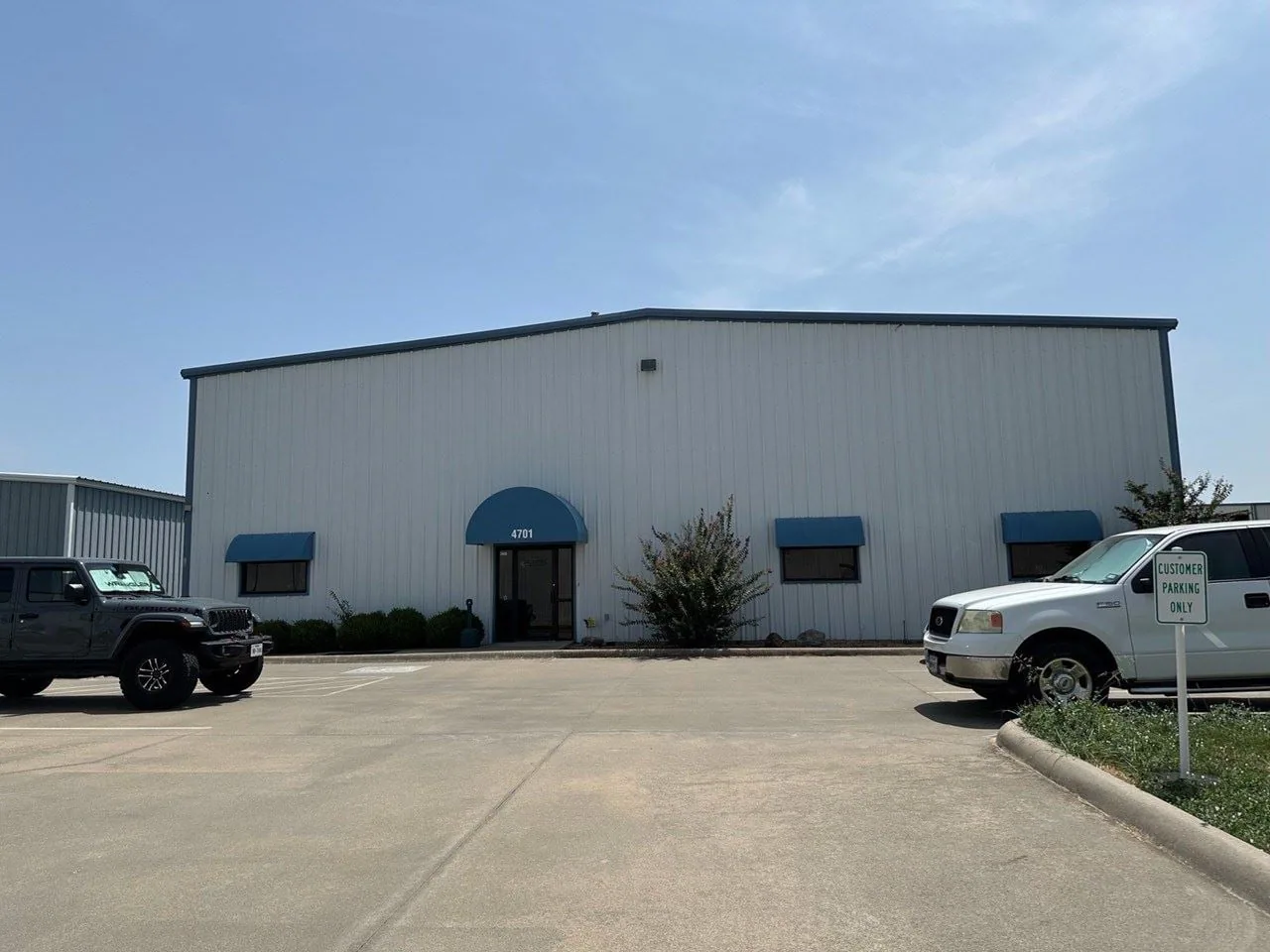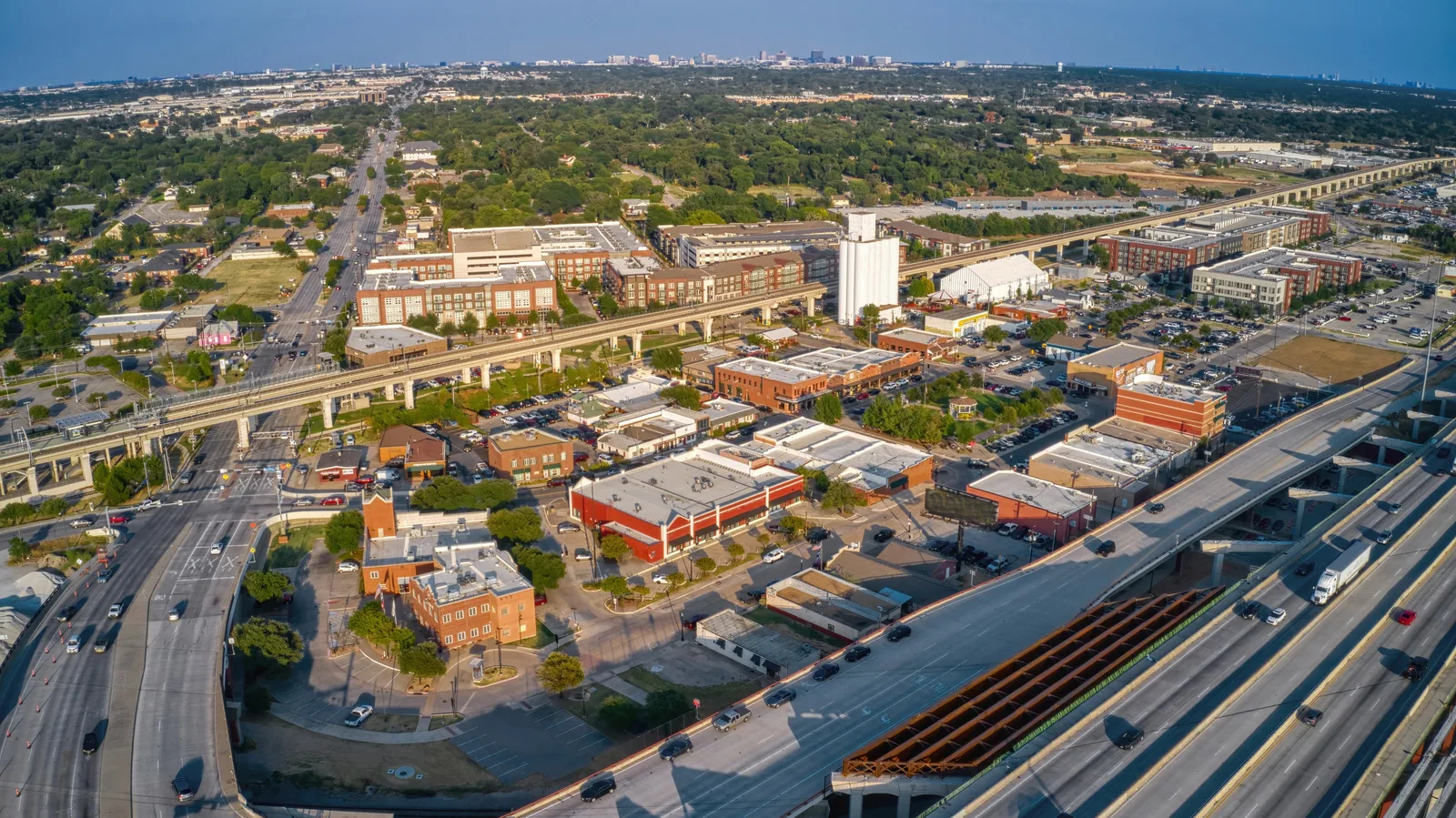
A drain strainer can look clear while debris has collected below the grate and slowed the outlet. At Granite Park, we check the bowl, membrane tie-in, and nearby slope before tracing a leak or planning a larger scope. The Plano business park sits on about 68 acres at the southeast corner of the Dallas North Tollway and State Highway 121. Its reported mix includes office space, a 299-room hotel and conference center, restaurants, and retail. We plan access around the actual property, then inspect each roof as its own system.
A conference calendar, hotel deliveries, and office routines can affect where materials move and when a crew can work. The property contact identifies loading zones, roof access, pedestrian routes, lift placement, and any hours that should stay quiet. The Dallas North Tollway and State Highway 121 locate Granite Park; neither establishes the entrance or staging point for an individual building. We confirm the address and safe route with the manager before equipment is brought on site.
Once on the roof, we mark drains, seams, curbs, parapets, skylights, and prior patches. The inspection record ties each observation to a roof zone, which matters when several properties share one business-park name. A commercial roof inspection can document the existing assembly and prioritize defects. If a manager oversees nearby Legacy West or HALL Park, each building still needs separate access instructions and roof records.


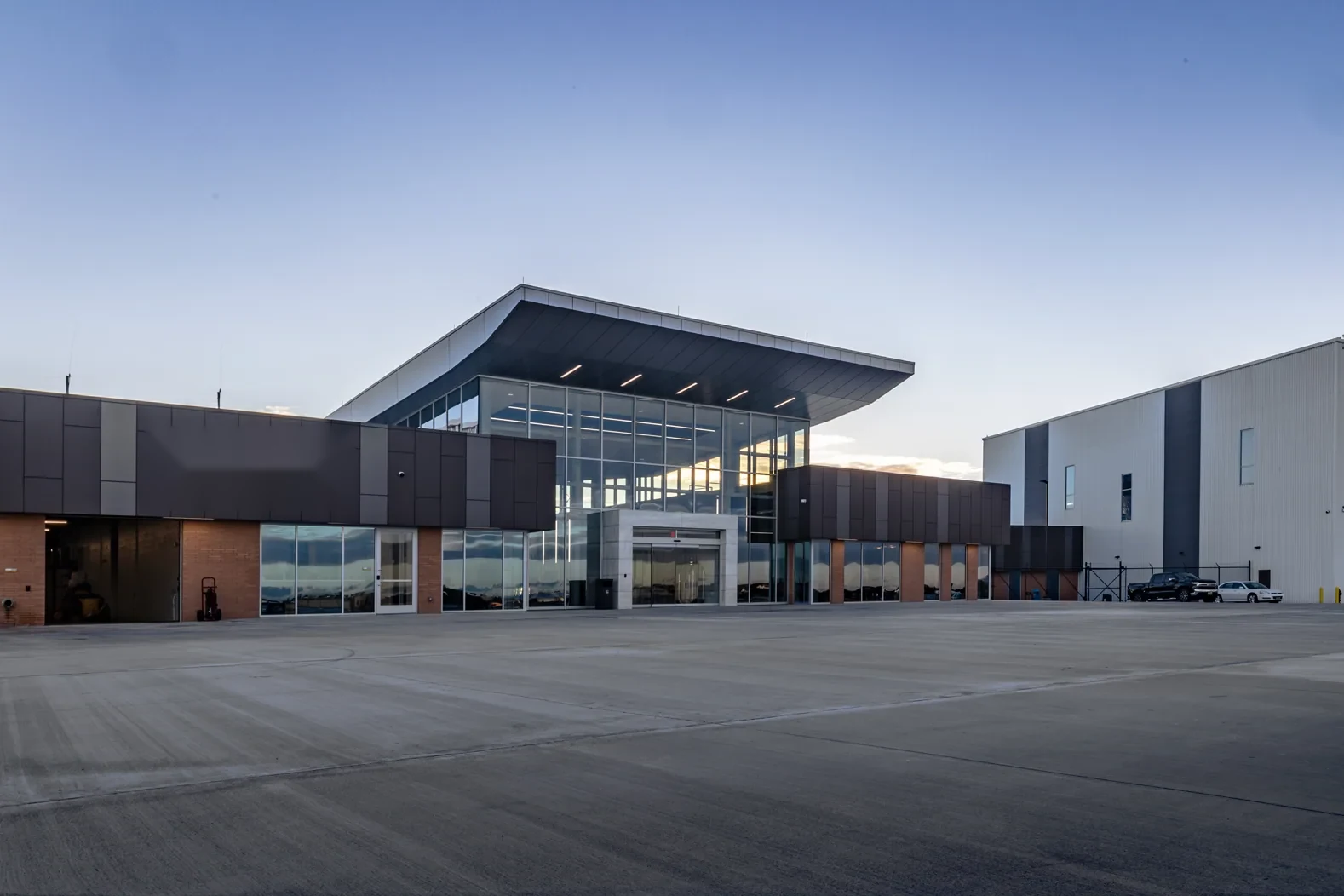
Office and hotel roofs often have service equipment, piping, and penetrations that interrupt the roof field. We inspect flashing height, membrane attachment, corners, counterflashing, and the termination at every curb. A loose patch at a pipe may be a symptom of movement or an earlier repair over a wet layer. We identify the failure path before selecting a material, then check that the proposed repair can bond to the surface and bridge the transition.
We also compare interior leak reports with the roof layout. Water can travel along a deck or insulation before reaching a ceiling, so the nearest penetration is only a place to start. Infrared scanning may direct closer review, and a test cut can confirm a suspected wet area. We photograph and close the test opening. A curb and support inspection can include the attachment and flashing together, while flashing repair addresses a confirmed separation at a wall or penetration.
Water should reach a drain or scupper without crossing a raised patch or sitting against a seam. We check the low point, drain bowl, strainer, clamping detail, and membrane connection. At a scupper, we look at the metal edge and wall flashing as well as the opening. If a hotel or restaurant reports a ceiling stain after rain, we compare the time and location with the roof slope, outlets, and nearby penetrations before choosing a repair area.
A blockage can be cleared, but recurring ponding may involve slope, deflection, damaged insulation, or a poorly placed repair. The fix depends on what the inspection shows. We record standing water after a reasonable drainage interval and note any debris or crushed outlet. Drain and scupper service can correct an outlet condition; when water remains, the repair addresses the surface and assembly cause instead of simply adding material at the low point.
In Plano, summer roof work takes place in heat that can outlast the morning shift. Dallas-Fort Worth readings during July and August regularly sit in the 90s and can cross 100, so we check the exact roof surface before application. We check surface temperature and follow the product requirements for cleaning, primer, adhesive, and cure. A repair that needs an exposed section is staged so the crew can complete a secure close-in before leaving the roof.
Spring carries the region's most active storm pattern. Large hail, strong wind, flooding, and tornadoes have affected some part of the Metroplex in nearly every year; field evidence is still needed to show what occurred at Granite Park. After a storm, we inspect edge metal, roof seams, equipment flashings, and drains, then label photos by location. A storm-damage inspection can identify immediate protection needs and a permanent repair scope. The weather record and the field record answer different questions, so both should remain clear.
A localized repair is suitable when the membrane around it remains bonded and dry. If a seam or flashing has failed, we follow the condition through the affected transition and prepare sound material for the repair. Wet insulation or loose attachment may require removal rather than another surface layer. A recover is considered only after testing confirms a stable, dry assembly and the added roof height fits drains, doors, curbs, and project requirements.
Replacement planning depends on the actual roof area, assembly, deck condition, staging, and the owner's operating constraints. Hotel, meeting, restaurant, and retail schedules can influence phasing, but the roof condition sets the technical sequence. A commercial replacement scope can divide removal and installation by zone. A capital plan can put the findings in order by urgency and budget period, keeping repairs supported by inspection results rather than assumptions about the district.
After service, we record what was opened, what material was installed, and which nearby details deserve another look. Dated photos and a marked roof plan help the next inspection find the same seam or drain without relying on memory. The manager can also retain the close-in time, weather conditions, and any access limitation that changed the work sequence.
Granite Park's mixed-use inventory includes office, hospitality, conference, restaurant, and retail activity. Those uses call for careful coordination below the roof, while the building itself determines the maintenance items above it. A routine preventive roof visit can clear drains, review edge metal, and check previous repairs. Tell us who controls roof access and which events or deliveries could affect the workday; we will include those constraints in the inspection plan.
No. The reported office floor area is not a roof measurement. We use the building's plans or field measurements to establish roof area, drainage, and the scope of work.
The property contact sets access and quiet-hour limits. We can plan a roof walk around those requirements and identify whether any work needs to be phased or scheduled for a different window.
We inspect the bowl, membrane tie-in, slope, and surrounding layers. If moisture or drainage defects extend beyond the drain detail, the written scope identifies the affected area and any testing needed.
A regional report describes weather in the area, not the condition of a specific roof. We inspect the address, photograph visible impact or movement, and document any areas that need further testing.
Roof plans, prior repair notes, access instructions, current leak locations, and event or delivery restrictions help us make a focused walk. We verify the assembly and conditions in the field.
RELATED WORK
CALL US
Leaks, storm damage, a failing membrane or a replacement on the calendar: tell us what is happening on the roof and we will set up a visit.
Service Areas
Send the building address, roof records, access contact, and operating limits. We will inspect the drainage and roof details, then document the repair or planning scope.
Call 555-555-5555 or request a roof assessment online.