Four buildings can share a service calendar and still need four different roof plans. Multi-site commercial roof programs in Carrollton, TX coordinate inspections, maintenance, and repairs while keeping each address’s roof system and condition separate. We begin with the property list, access contacts, available plans, and known leak history. The program groups work where it saves travel or simplifies scheduling, but every recommendation follows the findings at that individual building.
A workable schedule needs each site’s address, building contact, roof access route, operating hours, known restricted areas, and recent repair history. We note which roofs have plans and which need field identification. A shared calendar can show target visit windows, but the roof record stays attached to one property. If several tenants occupy a building, the manager confirms who can approve access or interior investigation.
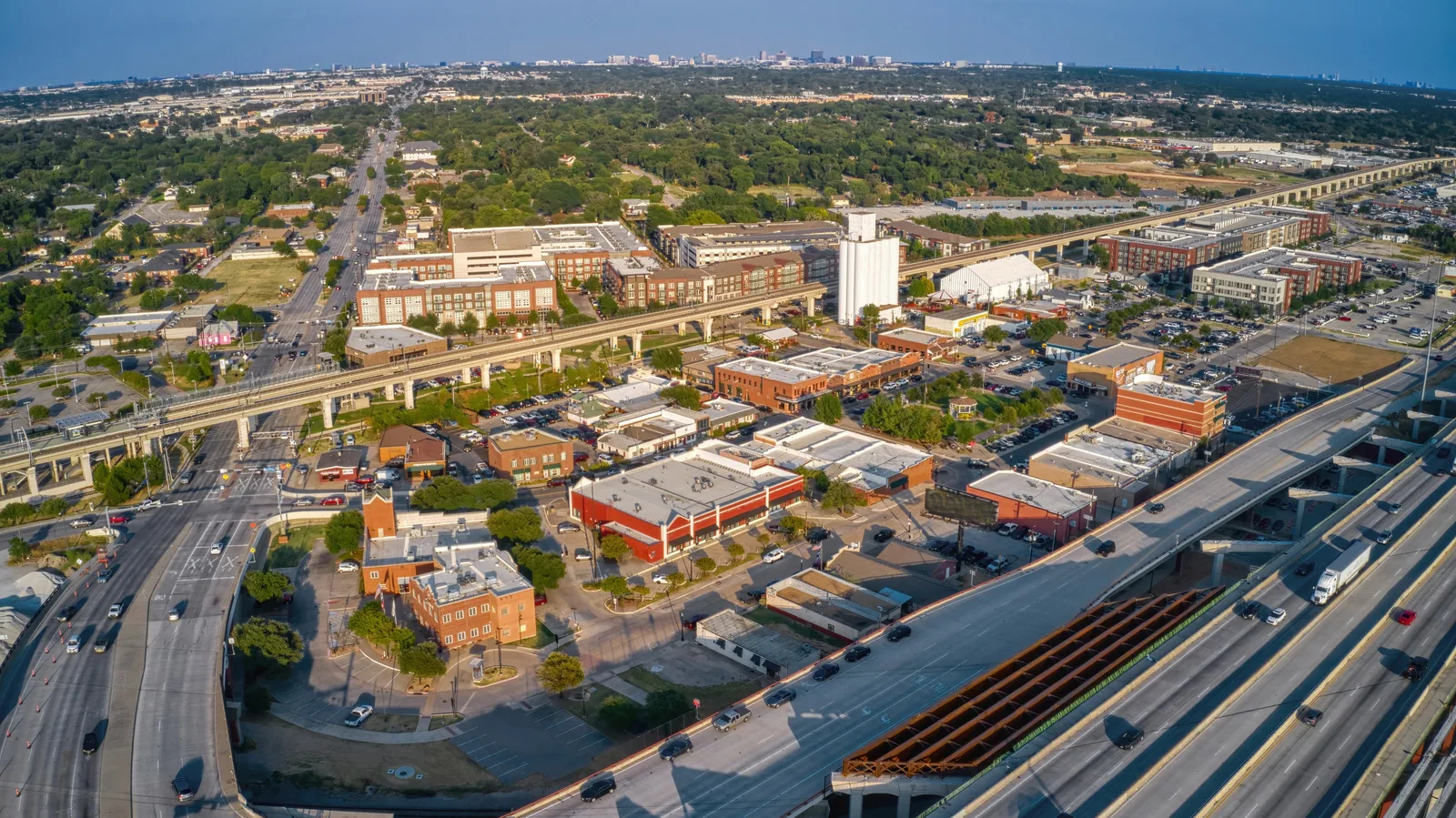
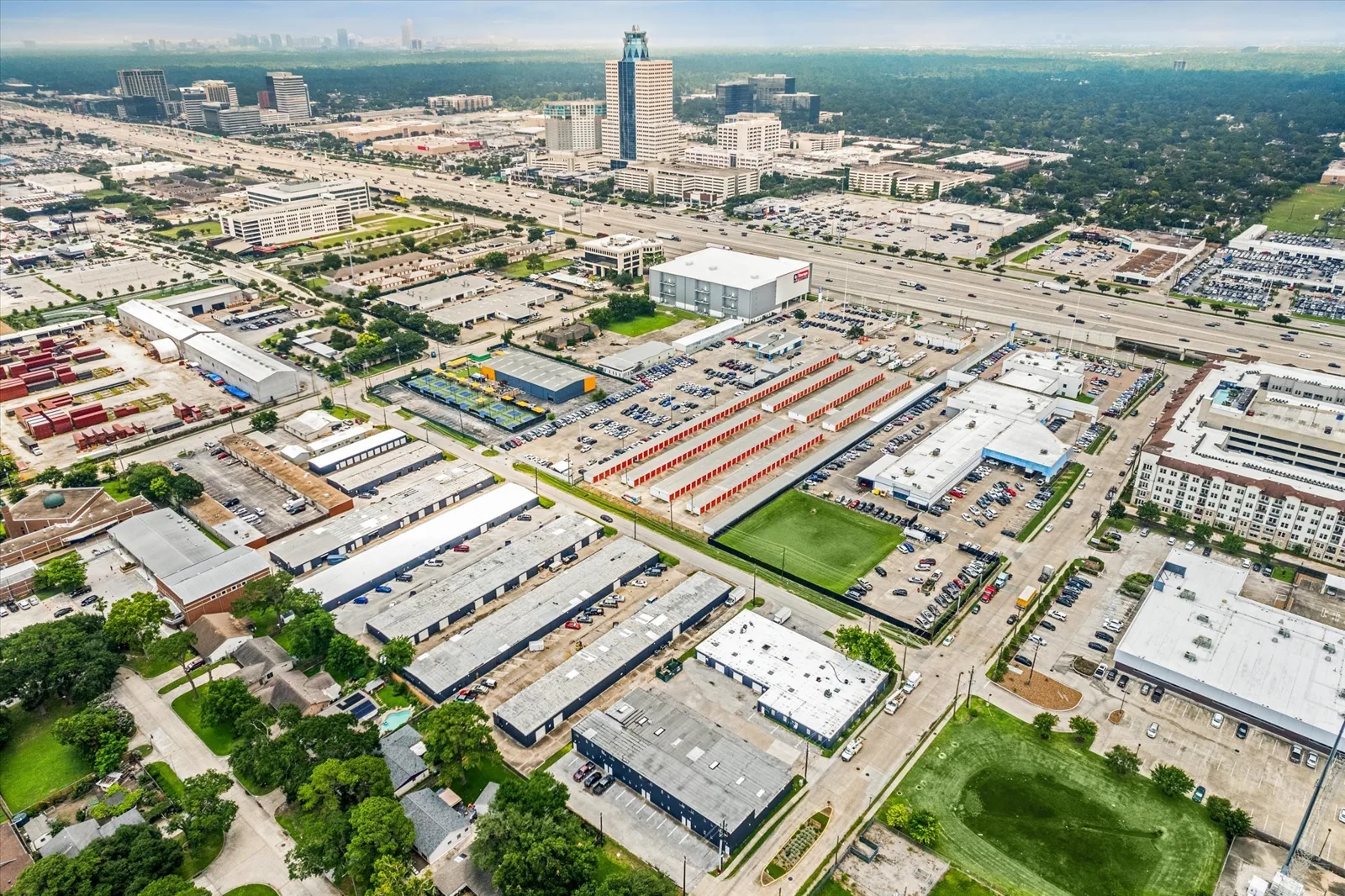
Valwood includes a large mix of industrial, distribution, and service properties, while part of Carrollton’s planned 188-acre International Business Park is set aside for office, industrial, and retail uses. These places show why one portfolio may include different operating schedules and roof types. A Valwood inspection route can be coordinated with other nearby stops, while each report identifies the exact building and section. The district mix does not establish an individual roof’s condition.
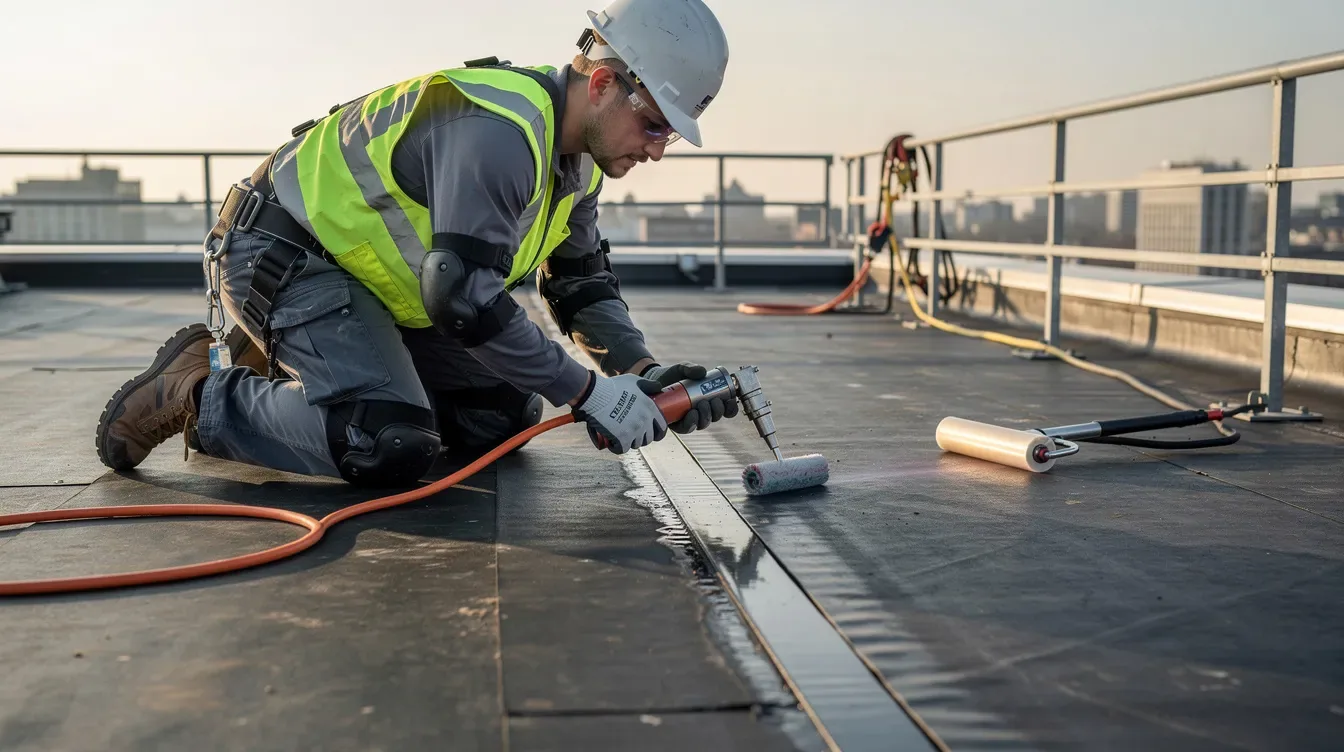
We can group roof walks by location or access window, then record the findings site by site. One property may need a drain cleanout, another a seam repair, and a third may require a moisture survey before a scope is set. A portfolio summary can show the work list and status, while photos and recommendations remain linked to their own roof. That keeps an urgent leak at one address from being lost among routine items at another.
Carrollton connects to regional destinations by the DART Green and Silver lines, and the city’s economic-development information lists four Class I freight railroads serving the market. Transit and freight access can help plan trips, but they do not tell us when a facility’s gate or loading dock is available. A distribution-site schedule may need dock coordination; a school district visit may need a break or campus access window. The site contact confirms which constraint applies.
Portfolio reports are easier to compare when they identify the same basics: inspection date, system when known, roof zone, photos, observed condition, work completed, and open follow-up. Consistency does not mean applying the same repair recommendation to every roof. A membrane, metal panel, and coated assembly have different details and repair methods. We describe the system and observed condition at each property before grouping priorities.
Las Colinas contains office, light-industrial, distribution, retail, and hospitality properties, while nearby Trinity Mills Industrial includes an active mix around the station district. The portfolio may include different tenants and assemblies even when sites are close. A condition report provides a consistent record for each visit. A roof asset record can preserve those reports, maintenance dates, and repairs across the owner’s properties.
A scheduled roof walk should not delay an active leak or an exposed opening. We identify whether water is still entering, which building is affected, and whether the site can provide safe access. An urgent call may require temporary protection before the next portfolio visit. The report records that response separately from planned maintenance so staff can see what was stabilized and what permanent work remains.
After spring storms, hail, wind, or heavy rain can prompt reports across several properties in the Dallas-Fort Worth region. The storm itself does not prove damage at each building. We inspect the reported locations, record visible conditions, and set a repair limit from the findings. An emergency roof response can address immediate exposure; a scheduled maintenance visit can then update the records at the other sites.
Repair work across a portfolio can be grouped by system or crew mobilization when the sites and access windows permit. Each property still needs a defined scope, staging location, daily close-in point, and contact for schedule changes. We confirm whether loading, tenant hours, equipment service, or public access affects the work. If a repair opens the roof, the crew plans how to protect that area before weather moves in.
North Texas summers are hot and spring brings the region’s main severe-weather period, so work timing can vary by season and roof material. We check current site conditions and installation requirements rather than applying one fixed calendar to every building. For a larger project, a replacement scope can identify phases by address and roof section. A property management roof list can keep tenant contacts and repair histories aligned with those phases.
A portfolio review can show which roofs were inspected, which repairs are complete, and what still needs approval or testing. We identify any site with limited access and keep those open items visible. Owners can compare urgency and schedule without assuming that every roof needs the same solution. If a repair or new equipment installation changes the roof, the next visit updates that property’s record.
At the end of a service cycle, we return the visit status and the recommended next step for each address. An owner can use a capital planning review to organize longer-term work from those observations. If the portfolio changes through acquisition, a due-diligence survey can establish a baseline for incoming properties. The program remains a coordination tool; the roof finding belongs to the building where it was made.
After a visit, the local contact receives the building identification, roof zone, photos, work completed, and any follow-up or access limit. The portfolio manager receives a status view that points to those individual reports. That structure helps the team answer which site was seen, which repair is done, and what decision remains. It also makes a new leak report easier to compare with the prior visit.
Carrollton’s commercial inventory ranges from Valwood and Frankford to office and mixed-use areas such as Addison Circle and Las Colinas. Each property has its own access instructions and roof history. We coordinate routes with the portfolio contact, then return findings to the people responsible for each building. The next service cycle starts with the current condition at every address, not a copied assumption from the last stop.
Yes. We coordinate routes and access windows across the property list, then document each building and roof section separately.
We use consistent report fields while identifying each assembly and its observed condition. The repair method and priority remain specific to the roof at that address.
We triage the active condition, confirm safe access, and address urgent protection needs. That response is recorded separately from the planned portfolio visit.
The site contact provides operating windows, gate instructions, dock activity, and restricted areas. We build those details into each visit and repair sequence.
We return a status view linked to building-specific reports with photos, repair materials, dates, and open items. That keeps each property’s history intact.
RELATED WORK
CALL US
Leaks, storm damage, a failing membrane or a replacement on the calendar: tell us what is happening on the roof and we will set up a visit.
Roofing Capabilities
Send the property list, access contacts, roof plans, repair history, and current leak reports. We will organize inspections by route and return separate findings and next steps for every building.
Call 555-555-5555 or request a roof assessment online.