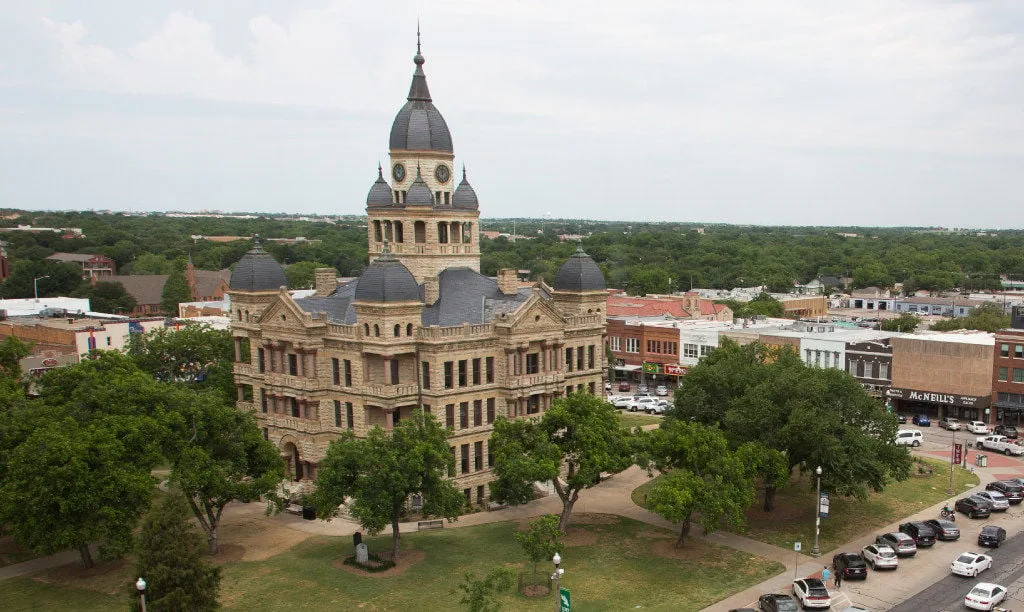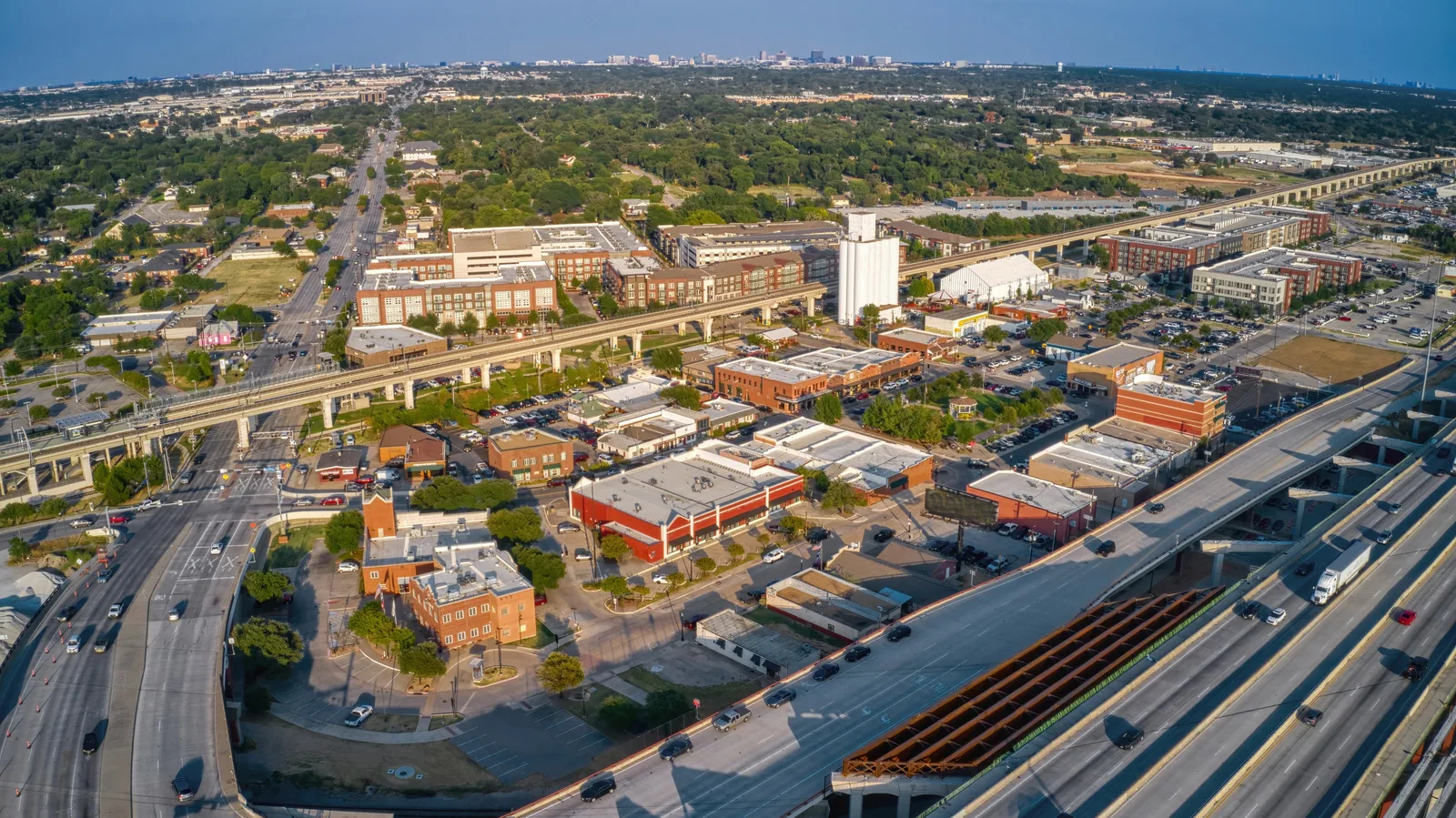
A membrane seam that has started to lift can let wind-driven water reach insulation well before a leak shows indoors. At HALL Park, the first useful step is to locate that seam, check its bond, and follow it to the nearest curb, drain, or perimeter. Frisco reports 2.2 million square feet of office and retail across 15 buildings in the park. Each roof still needs its own inspection record and access plan. We verify the assembly and the manager's operating limits before choosing a repair path.
On a single-ply roof, we inspect the seam edge, weld or adhesive bond, and the condition of the sheet around it. A small opening can be a localized defect, but a run of loose lap may point to a broader attachment or substrate issue. At a wall or curb, the seam detail has to meet the flashing without leaving a channel behind it. We mark the beginning and end of the defect, then look beyond it for moisture or movement before making a patch.
A roof map helps distinguish one building from the next across the 15 reported structures. We photograph the failure area, name the roof zone, and note nearby drains and equipment. If moisture below the membrane is uncertain, infrared scanning may guide a closer check; a test cut can confirm the layers at a selected point. A seam repair can restore a compatible lap, and a roof inspection can document whether surrounding material remains sound.
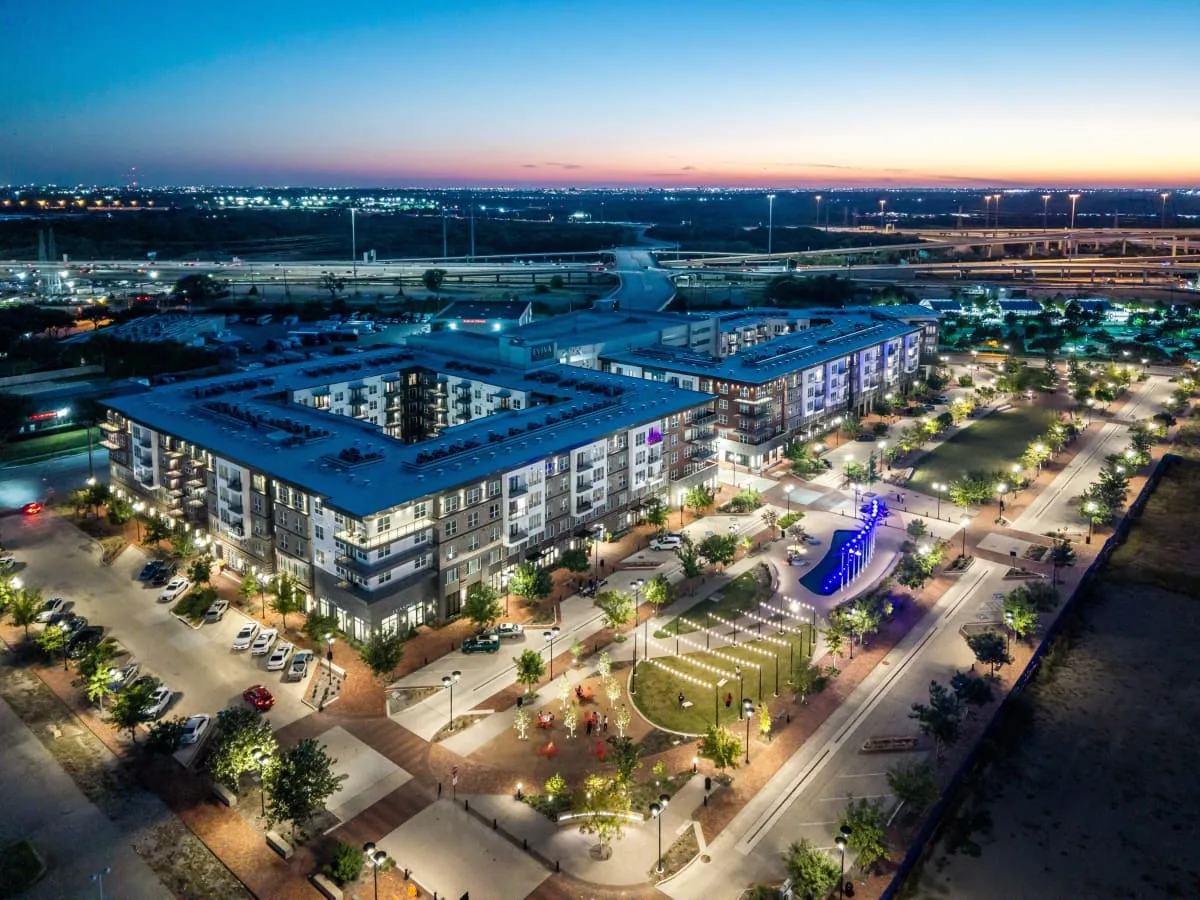
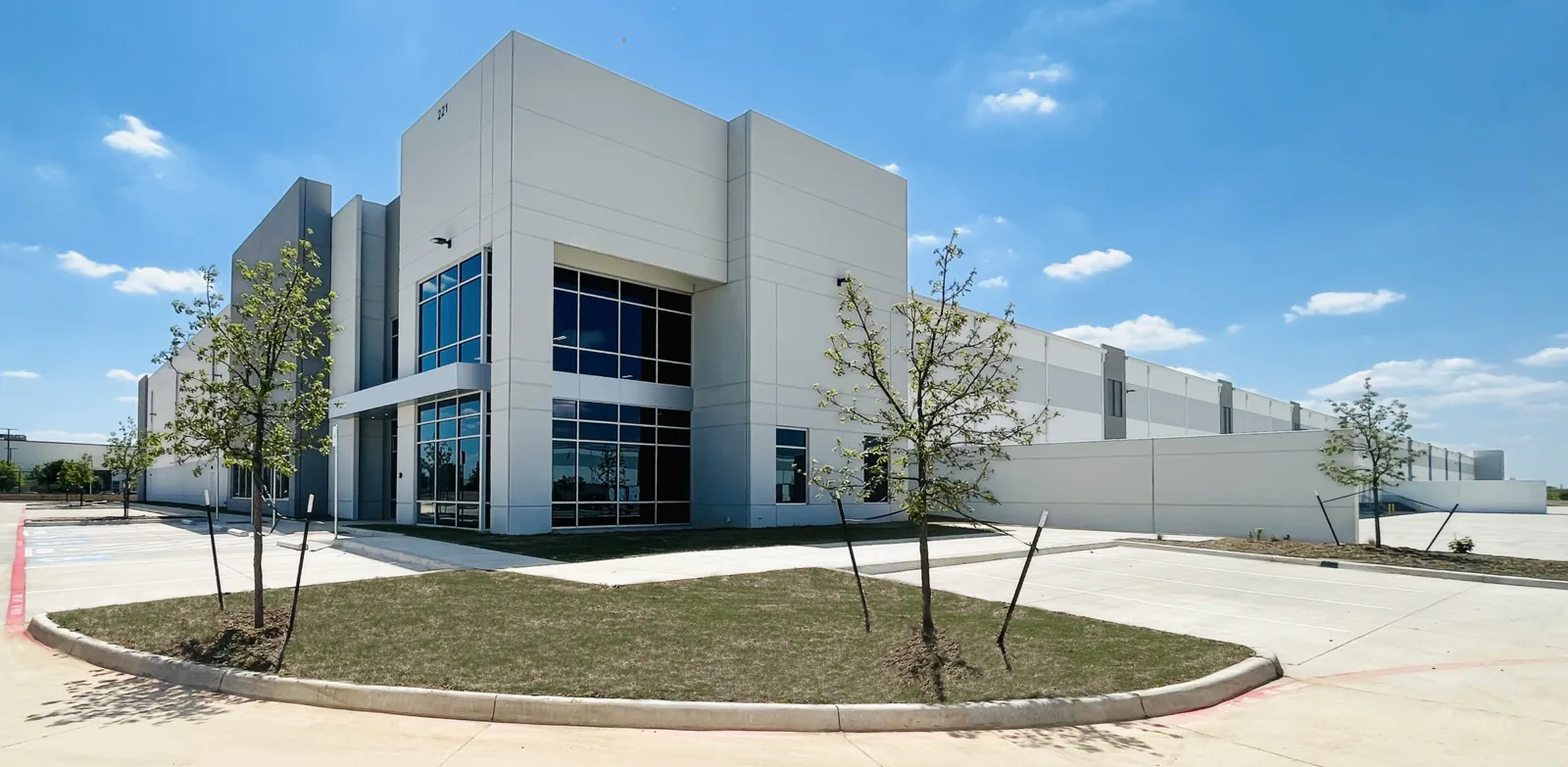
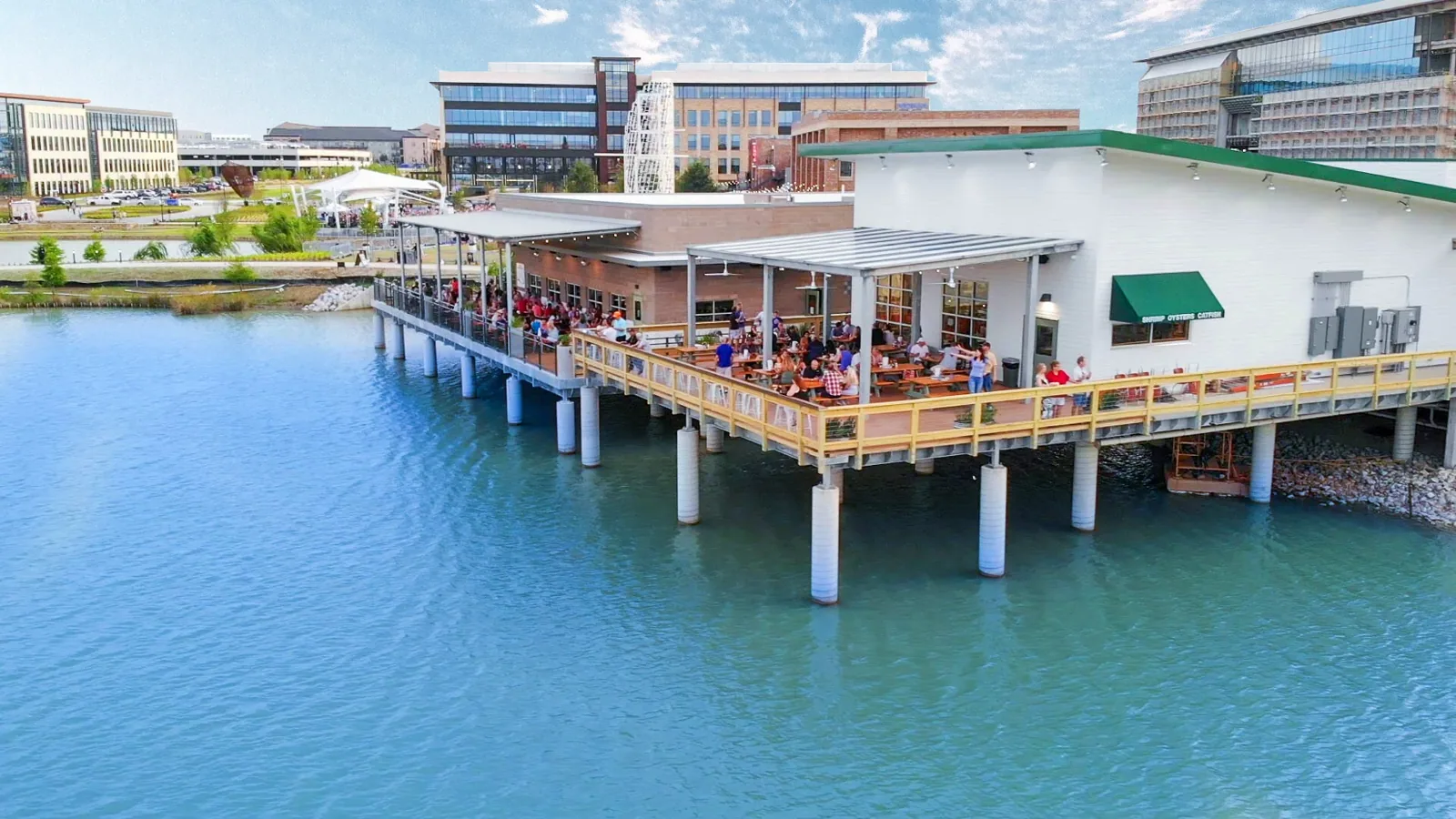
Frisco reports that about one-third of HALL Park is green space and that the site includes roughly three miles of trails. Those public and landscaped areas make ground-level routing part of the work plan when a repair is near a path. The manager identifies the building entrance, roof hatch, lift location, material staging point, and any trail or tenant route that must stay open. We confirm the work boundary before moving equipment so the inspection does not create an avoidable conflict below.
Access rules vary by building and tenant. The property contact can tell us about deliveries, meeting schedules, security, and areas that cannot be used for staging. We keep materials together, protect the surface during movement, and arrange barriers if work occurs over an occupied route. For a larger project, an occupied-building reroof sequence can divide the work into roof zones with a planned close-in at the end of each shift. Nearby Granite Park has its own mixed office and retail uses, but its access map should not be substituted for HALL Park's.
At a low point, we inspect the drain bowl, strainer, membrane connection, and slope leading into it. Debris can restrict flow; a damaged clamping detail can let water reach the insulation. If ponding appears in photographs, we compare the location with the roof plan and check whether the surface drains after rain. A low spot may reflect deck movement or insulation compression, which calls for a different repair than a clogged outlet.
We also inspect scuppers, gutters, and parapet terminations, since the water path may cross several details before it leaves the building. A patch that raises the surface can change the path and hold water against a seam. Drain and scupper service can correct a confirmed outlet issue. For persistent water, ponding-water repair should account for slope and underlying layers. Any test opening is marked, photographed, and closed during the visit.
Summer roof work in Frisco can face sustained heat: July and August readings across Dallas-Fort Worth run through the 90s and sometimes exceed 100 degrees. We check the specific roof temperature, then follow product requirements for surface preparation and cure before using adhesive or coating. If a repair exposes insulation, the crew stages compatible materials first and sets a secure close-in limit for the shift.
The Metroplex's severe-weather season peaks in spring. In a typical year, hail, wind damage, flooding, or tornadoes affect a location somewhere in the region; none of those reports confirms damage at an HALL Park building. After a storm, we inspect sheet surfaces, seam laps, edge metal, and penetrations, then record any puncture or movement by roof zone. A storm damage inspection can provide photographs and a repair scope for the specific building. We also identify sections that need temporary protection before permanent work can be scheduled.
A small seam repair can be efficient when adjacent membrane is clean, bonded, and dry. A larger repair may be necessary if water has reached insulation or if the seam failure continues into a curb or wall transition. We inspect the substrate, attachment, and nearby details before calling the limits. Where the roof has widespread moisture or an unstable surface, replacement can be more appropriate than repeated patches. A recover is reviewed only when the existing assembly and project requirements support another layer.
The larger HALL Park master plan anticipates a 9.5-million-square-foot mixed-use district. That future planning figure does not change the scope on an existing roof. For each building, schedule and cost depend on roof layers, access, material handling, deck repairs, tenant protection, and weather. A replacement scope sets the work by zone; a written condition report gives the owner evidence to compare immediate repair with planned capital work.
Fifteen buildings call for fifteen clear roof histories, even when the same manager oversees more than one. We label photos with the building and roof zone, list the materials used, and flag any item needing a follow-up check. That record helps connect a future leak report with earlier seam work without assuming the same condition exists at a neighboring structure.
Routine maintenance checks drains, flashing, edge metal, seams, and previous repairs. We note debris and open joints before they create a larger repair, and we record access changes that could affect the next visit. Preventive maintenance can put those checks on a schedule that fits building operations. Managers who also oversee Legacy West can coordinate regional roof walks while keeping site contacts, roof maps, and repair histories distinct.
No. It describes the reported office and retail inventory, not roof condition. We inspect each building's assembly, drainage, and repair history before recommending work.
The property contact identifies nearby trail and pedestrian routes, then we place staging and barriers to protect the active path. The exact boundary depends on the building and repair location.
Sometimes. We check the lap, adjacent sheet, attachment, and insulation. A localized repair works when the surrounding assembly is stable; widespread moisture or failure may call for a broader scope.
That figure describes anticipated mixed-use development. We base a roof recommendation on the existing building's plans and field conditions, not on a future planning estimate.
We inspect the roof surface, seams, edge metal, flashings, and penetrations, then photograph observed damage with roof-zone locations. The record separates confirmed conditions from items that need testing.
RELATED WORK
CALL US
Leaks, storm damage, a failing membrane or a replacement on the calendar: tell us what is happening on the roof and we will set up a visit.
Service Areas
Arrange roof access and identify tenant, loading, or trail constraints. We will inspect the building, map the findings, and recommend a repair or replacement scope.
Call 555-555-5555 or request a roof assessment online.