A shallow pool still sitting in a roof valley after the rain has passed points to a drainage or slope problem worth tracing. Commercial ponding water roof repair in Carrollton, TX begins at the water line, then follows the path toward drains, scuppers, and roof transitions. We note the size and position of the pond, check for blocked outlets and soft areas, and find out whether the same spot returns after each storm. The repair should address why water remains, not hide the mark with a quick surface patch.
Drain bowls, strainers, scuppers, gutters, and internal piping all affect how water leaves a low-slope roof. Debris can restrict an outlet, while a settled area or uneven insulation can hold water away from the drain. We inspect the route between the pond and the outlet, looking for a clogged bowl, damaged flashing, a displaced strainer, or a dip in the field. The report distinguishes a maintenance blockage from a condition that may require roof work.
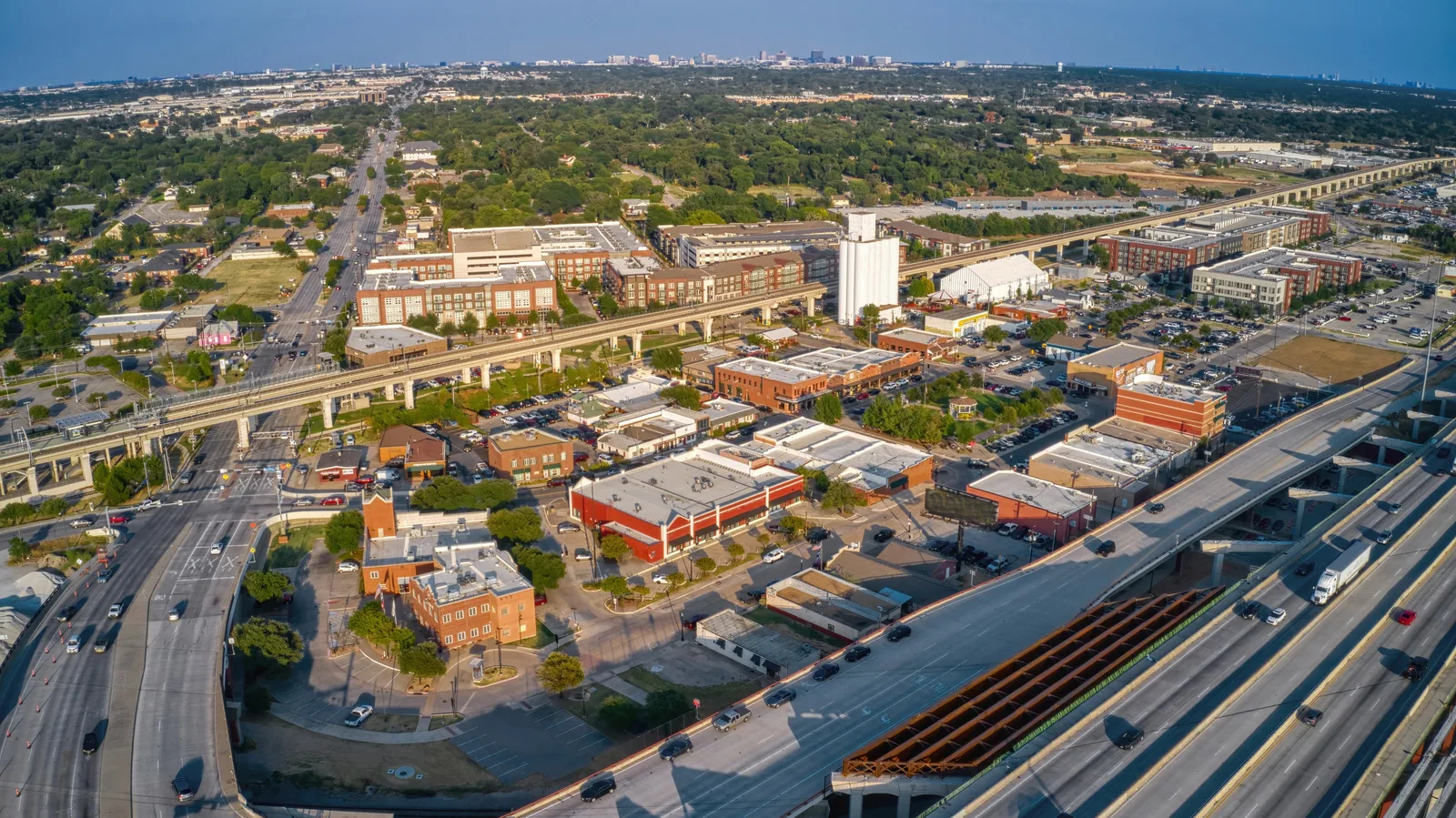
Carrollton receives severe weather in spring, including heavy rain and flooding somewhere in the Dallas-Fort Worth Metroplex nearly every year. A storm can make a slow drain visible, but it does not explain a persistent low area by itself. Valwood Industrial Park includes a large mix of distribution and manufacturing buildings, where a roof map should show drains and service paths clearly. A Valwood roof inspection ties the observation to the actual building and outlet rather than the district’s broad footprint.
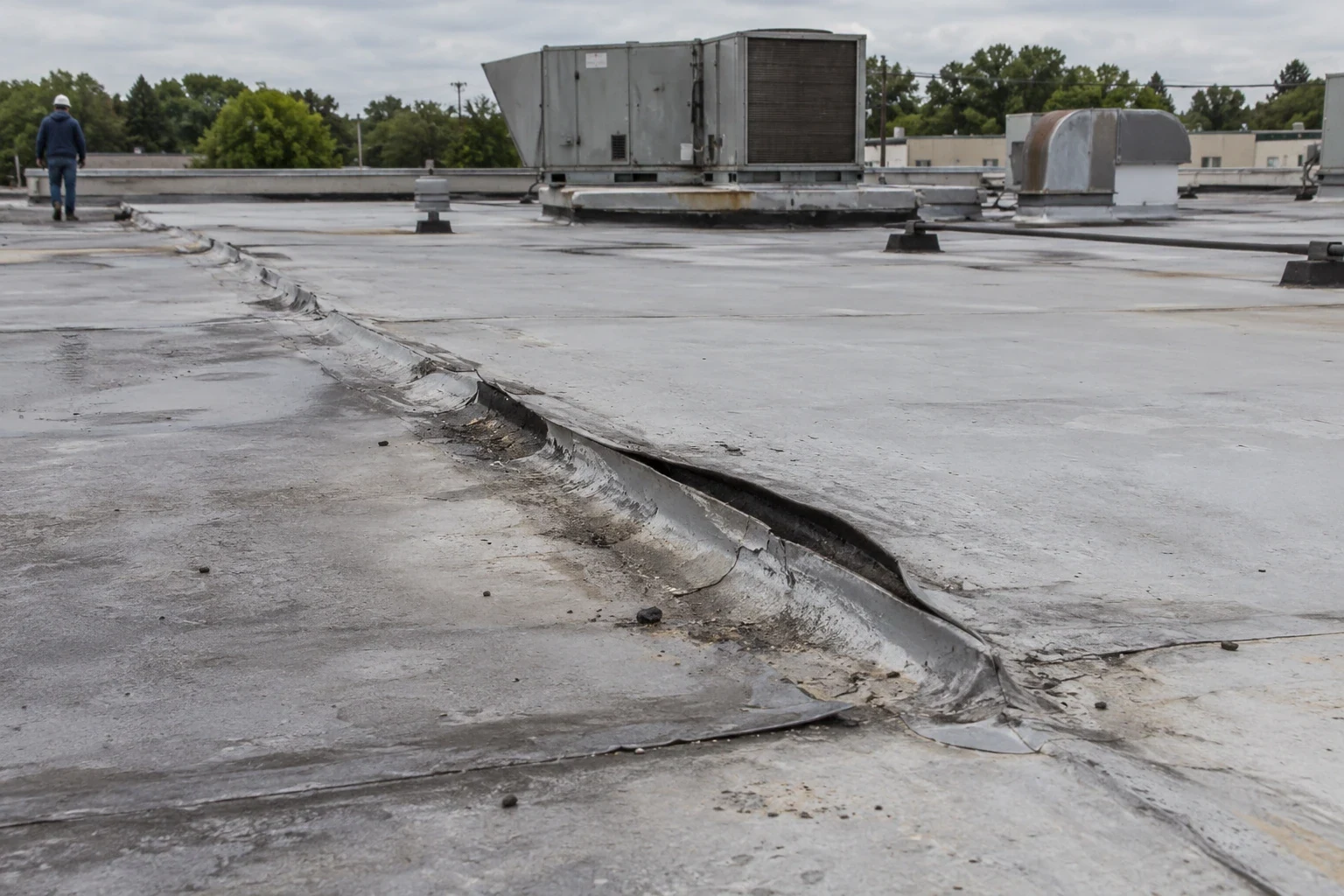
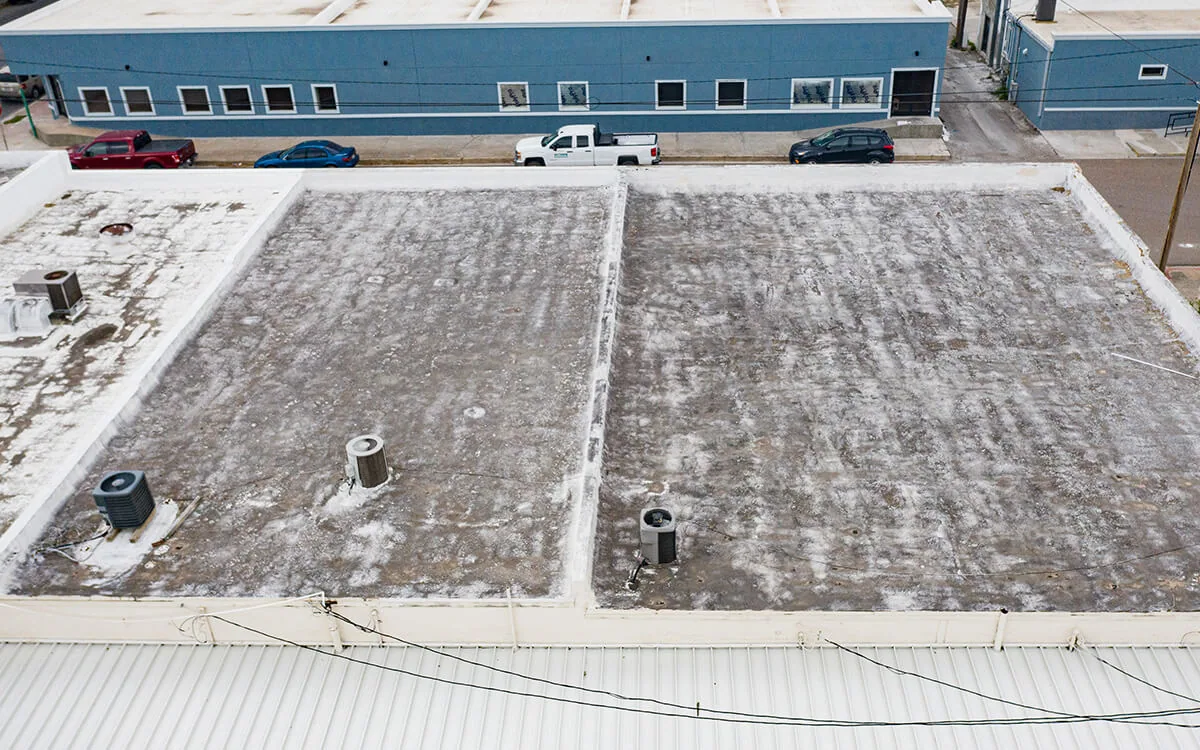
We return to a reported pond after the rain and record whether water remains, where it collects, and how it relates to nearby drains and roof structure. A single photo taken during a downpour cannot show whether the surface clears. We compare the low area with the slope, membrane condition, seams, and any known repair history. If the roof has soft insulation or a depressed deck, the water may be a symptom of a deeper problem.
Wet insulation beneath the sheet can turn a drain correction into selective removal and replacement. We may recommend a moisture survey or test cut to learn whether the insulation is wet and how far the affected area extends. A moisture survey can map areas for closer evaluation, while a drain and scupper repair can address an outlet, bowl, or transition that is failing. The scope should state what was observed and which concealed conditions remain unconfirmed.
Water that lingers around a seam or penetration can keep a weak detail wet longer than the surrounding field. We inspect lap edges, patches, curb corners, and flashing where water changes direction. Look for an open lap, blister, fishmouth, exposed reinforcement, or dirt line that follows a repeated pond. We also check whether a repair has trapped water rather than restoring a continuous drainage path.
Summer heat in Dallas-Fort Worth can push daytime temperatures into the 90s and above 100 degrees. A wet area exposed to that heat cycles as the roof warms and cools, while the surface remains vulnerable at its seams and transitions. If the water is tracking through a failed joint, a seam repair can address the lap before the repair boundary is set. When flashing has opened at a wall or curb, the flashing repair can restore that separate detail.
A drain cleanout may resolve ponding when debris is the only obstruction. If the roof has a persistent low area, the repair may require adjusting the drainage plane, correcting a localized depression, or replacing wet insulation before the membrane is restored. The appropriate work depends on the existing system, the depth and extent of moisture, structural limits, and the outlet location. We define those conditions before recommending a repair or larger section replacement.
Adding a coating or patch over the water line does not correct an outlet that is too high or an area that holds water. A commercial roof repair should specify whether the work clears an obstruction, rebuilds a detail, or addresses a low section. If moisture extends across a larger zone, a replacement proposal can include substrate review, new slope considerations, and drainage details. We note the access and weather assumptions that affect the work sequence.
Leaves, packaging, roof gravel, and material from nearby service work can collect at drains and scuppers. A maintenance walk checks strainers, bowls, outlets, valleys, and edge discharge points, then records any blockage or damage found. Debris removal should be performed safely and within the agreed scope. If water continues to collect after a drain is clear, the report should call for another review rather than marking the roof issue resolved.
Trinity Mills Industrial Park sits near Belt Line Road and Midway Road and includes a mix of industrial property types. That district context does not tell us how any single roof drains; it makes location marks and access coordination useful for a service visit. Our preventive roof maintenance can keep a dated record of drain condition, pond locations, and recurring repairs. A later inspection can compare those marks with the roof’s current drainage behavior.
After work, we identify the drain, low area, seam, or flashing repaired and show the completed condition in the closeout. If the repair depends on drying, testing, or a later rain to confirm drainage, that follow-up is stated. The report also lists any inaccessible outlet or soft area that was not part of the completed work. A marked photo helps the property manager compare the same location after future storms.
Downtown Carrollton and Trinity Mills connect through the DART Green Line, while Valwood and Frankford contain active industrial properties. These places are useful when scheduling site visits, but each property has its own outlet layout, roof assembly, and access route. We return the findings to the named contact with a clear distinction between cleared drainage, repaired membrane, and any remaining investigation. That record helps staff plan maintenance before another storm exposes the same low spot.
We inspect after the rain, locate the low area, and check the outlet and nearby roof details. Repeated ponding, wet insulation, or a failing seam may call for more than drain cleaning.
A clear outlet may solve the issue when debris caused the backup. If water remains in the same low area, the roof slope or insulation condition needs further review.
Water that remains near an open seam, flashing, or damaged membrane can expose that detail longer. We inspect both the water path and the material before selecting a repair.
Some conditions can be evaluated with a moisture survey, while a test cut may be needed to confirm the roof layers. We explain the reason and location before opening the assembly.
It should mark the low area and drain, describe the repair completed, include photos, and list any spot that still needs review after the next rain.
RELATED WORK
CALL US
Leaks, storm damage, a failing membrane or a replacement on the calendar: tell us what is happening on the roof and we will set up a visit.
Roof Damage Repair
Send the building address, a photo taken after rain, and the location of the nearest roof drain. We will trace the drainage path, inspect the membrane, and identify the repair limit.
Call 555-555-5555 or request a roof assessment online.