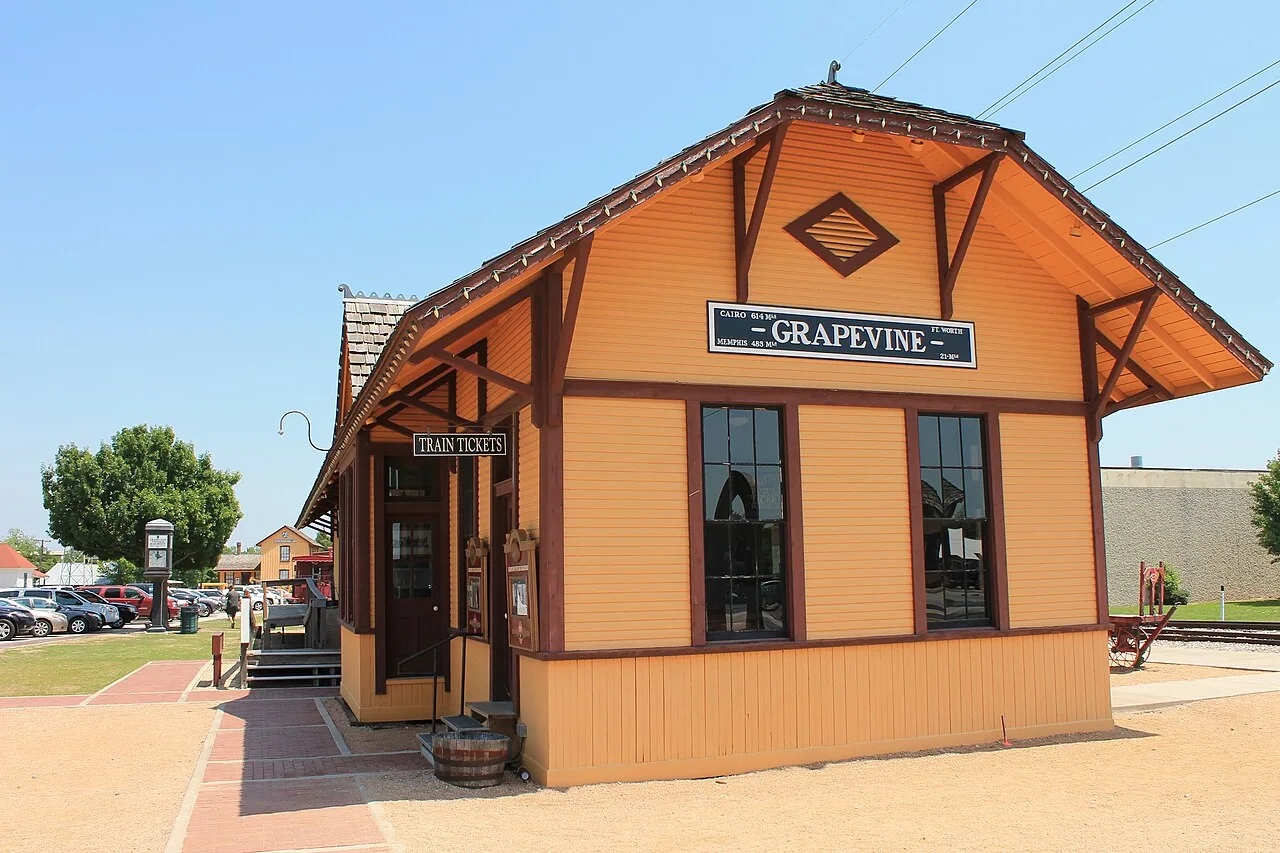
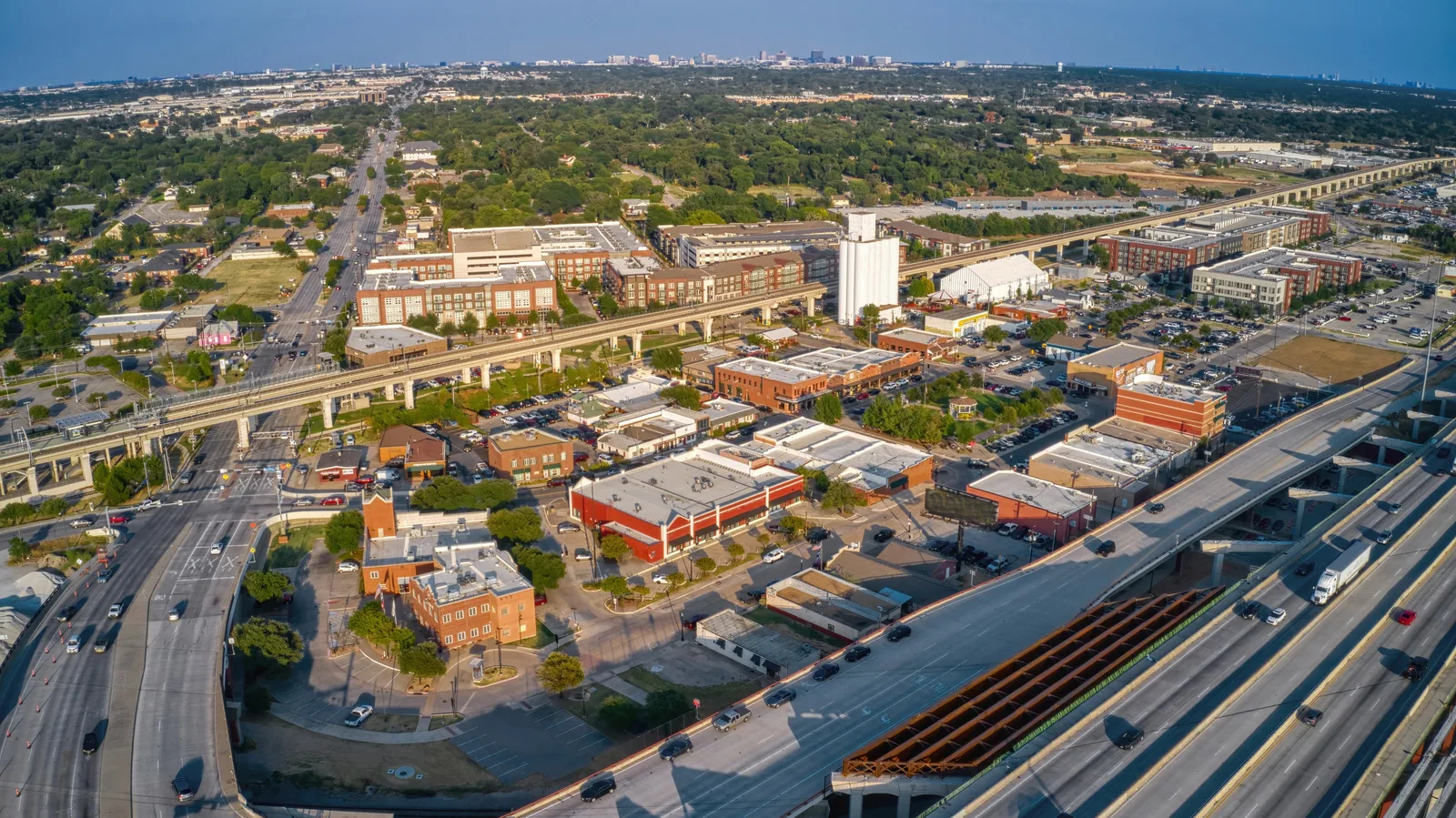
A loose coping splice can admit water behind a parapet even while the nearby membrane field looks flat. At Farmers Branch Station District, we inspect the actual building, map the roof details, and coordinate access around pedestrian and transit activity. The DART station at 12800 Denton Drive serves the Green Line and connects with local bus and GoLink service. Farmers Branch City Hall, the Historical Park, and Children's Health StarCenter are near the station area. Those destinations make ground-level routing part of the work plan, while the roof itself determines the repair.
A transit district can have several paths that people use throughout the day. The property manager identifies entrances, pedestrian routes, tenant areas, and any loading or equipment restrictions before a crew stages a ladder or lift. If work is near a station-area route or civic destination, we confirm where materials can move and what must stay clear. The roof walk begins only after the building contact establishes access and any site-specific safety controls.
We mark the roof zones, drains, seams, curbs, parapets, and prior repairs on a plan or field sketch. Photos include a location reference so the owner can find the detail again. If a leak is reported, we compare the interior mark with roof slope, deck direction, and penetrations before opening material. A commercial roof inspection records what can be confirmed visually and identifies where a targeted test would change the scope.
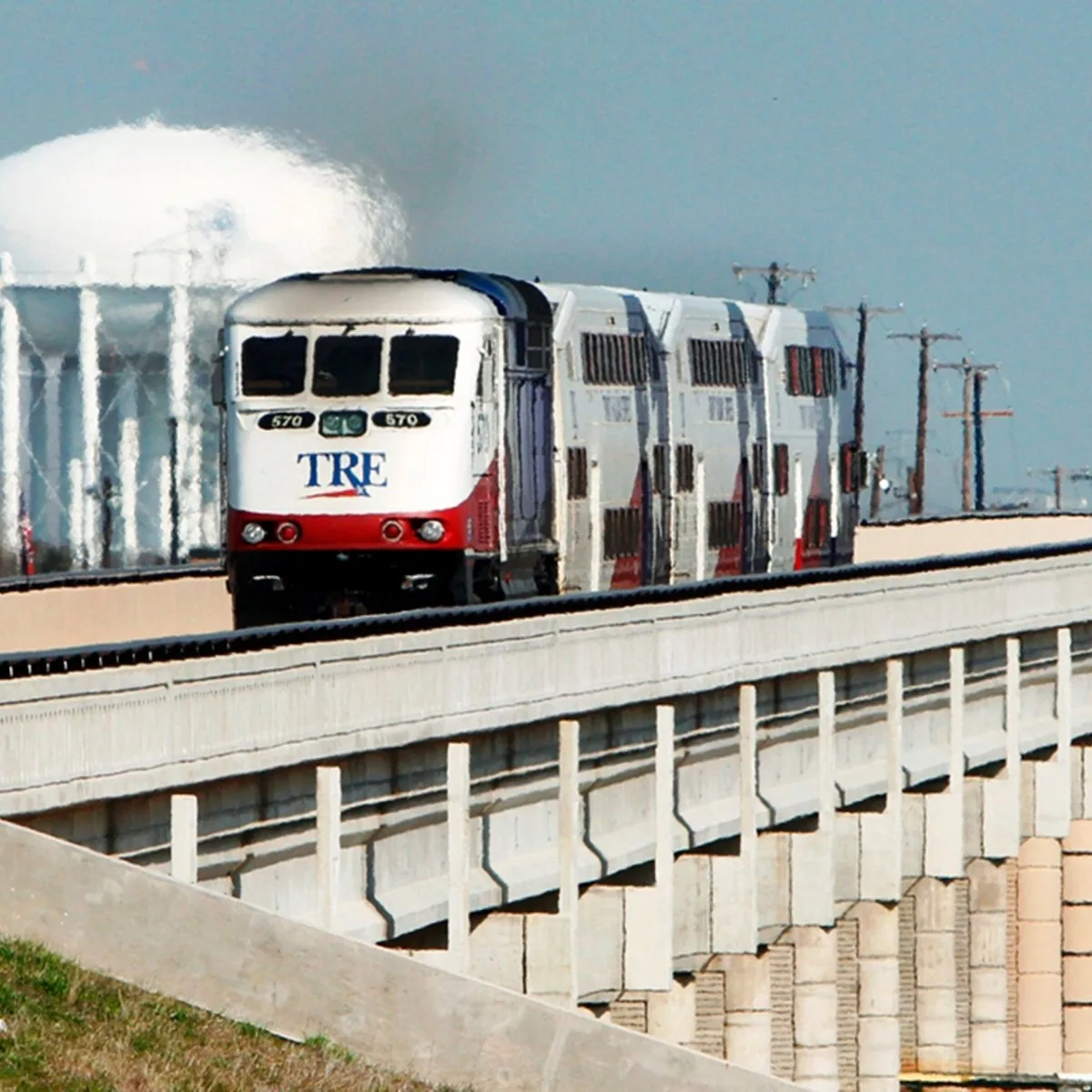
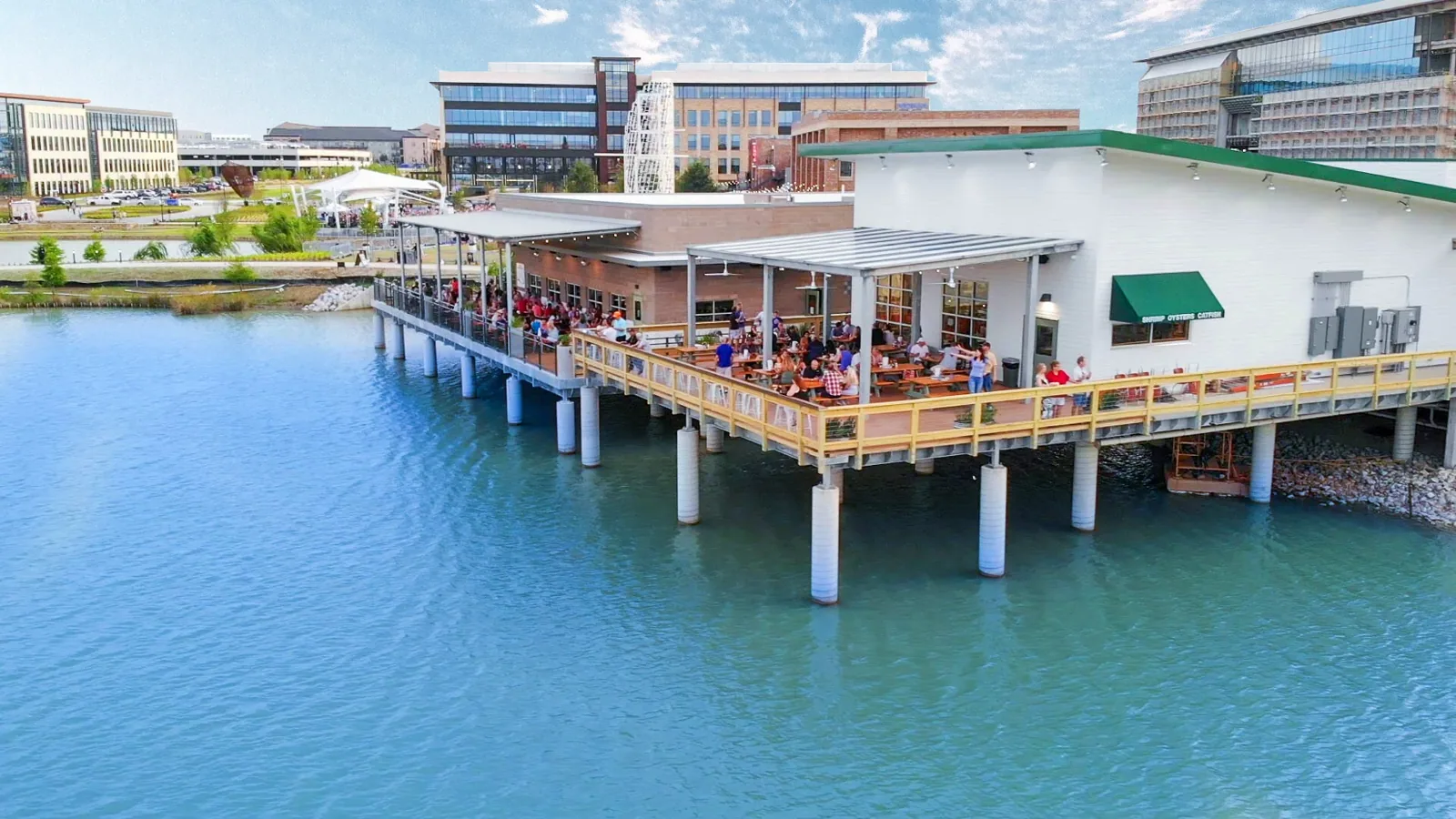
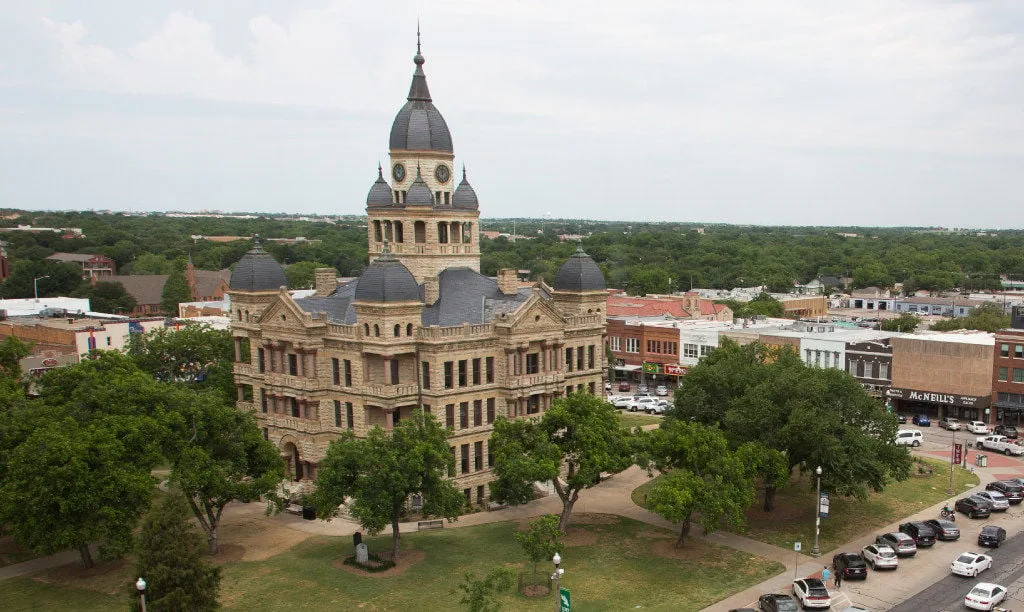
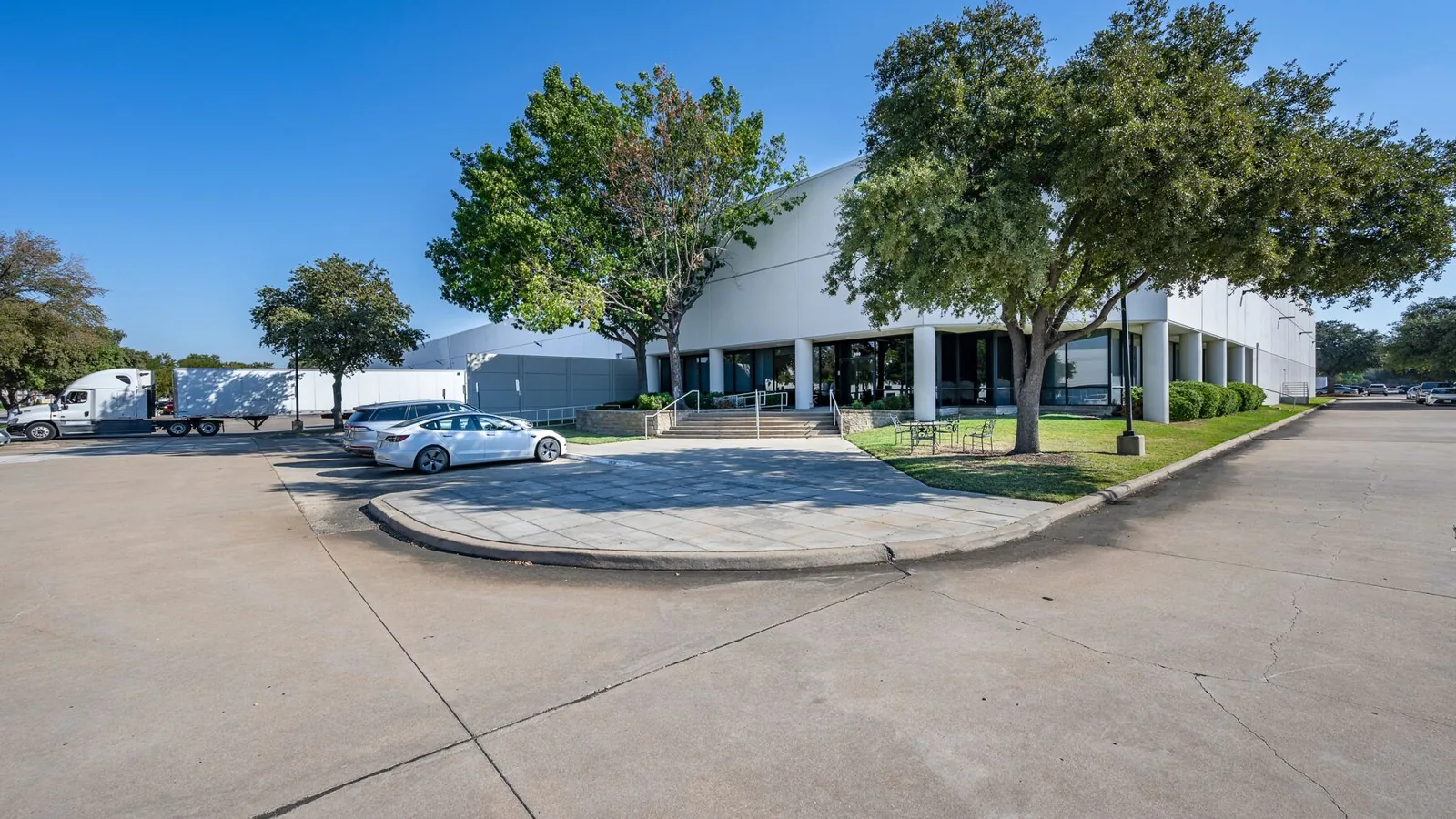
The Farmers Branch station links with the Green Line, local buses, and GoLink, while the rail line connects north to Carrollton and south through Dallas. That mobility context does not grant access to an individual roof. We confirm the property entrance, roof hatch or lift location, public routes, and work hours with the manager. If a material route crosses a shared walkway, we agree on barriers or another path before carrying supplies onto the roof.
During a repair, debris and materials stay inside a defined work boundary. We identify the area below the roof detail, protect it when needed, and plan a clear route for removing old roofing. A test cut is selected to answer a layer or moisture question, photographed, and securely closed on the visit. Our occupied-building reroof sequence can phase work with tenant and pedestrian access. A nearby property in Downtown Carrollton has a different station and site context, so its roof plan remains separate.
At a parapet, we check coping joints, cleats, termination, and the membrane turn-up. At a drain, we look at the bowl, strainer, surrounding sheet, and visible slope. Water can enter at one detail, travel below the roof, and show up in a room at a different location. We compare reported leaks with low points, wall transitions, and equipment curbs before naming a source. The repair limit follows the confirmed opening, not the location of a stain alone.
If a drain is obstructed, cleaning may restore flow, but it will not repair a failed membrane connection. If the seam is open, the patch must tie into stable material and include the transition where the sheet turns. A drain and scupper inspection can document the outlet and its membrane connection; flashing repair can address a wall or curb detail that has lost continuity.
Hot, humid Dallas-Fort Worth summers put exposed sealant and membrane details through repeated temperature stress. We inspect curb corners, terminations, and old patches for movement or loss of bond, then check whether the underlying roof remains dry and firm. A coating cannot secure loose edge metal or restore wet insulation.
Spring brings the strongest severe-weather activity in Dallas-Fort Worth. The metroplex sees hail, wind damage, flooding, and tornadoes in most years, although affected areas change. We inspect this address for punctures, shifted edges, or open seams instead of inferring damage from a regional report. Photographs connect each finding to a roof zone. Our storm damage roof visit can document conditions, protect active openings, and separate immediate work from a permanent repair window.
A local repair may suit a contained failure when nearby membrane is attached and the insulation is dry. We prepare the surface, use compatible material, and tie the work into stable roofing. If the failure extends beneath a curb or into a wall transition, that detail belongs in the repair. We mark where the work begins and stops, then photograph the finished area for the building record.
When a leak repeats or several roof zones show deterioration, we check the layers before recommending an added system. A targeted test cut can confirm moisture, attachment, and what sits below the membrane. A recover may be possible when the assembly is dry and stable and project requirements allow it; replacement may be better when moisture or failure is widespread. A roof condition report can separate confirmed findings from areas that need verification before the owner compares options.
Transit districts have public routes at street level, but roofing records should follow the building and its specific roof zones. We note the assembly, drains, seams, parapets, equipment curbs, prior patches, and any test location. Dated photographs help the manager compare the same detail on a later visit and see whether a repair remains secure. If a leak recurs, that history narrows the next inspection instead of restarting from the interior stain.
Maintenance attention goes to clear drainage, open seams, flashing edges, metal attachment, and prior repairs. We handle debris or routine corrections within the agreed scope and flag a damaged detail for repair. A preventive maintenance visit can preserve those observations between major projects. Owners who also manage buildings near Trinity Mills Station District or Addison Circle can coordinate visits while keeping the site access plan and roof history distinct at each address.
No. We coordinate with the property manager on the building entrance, roof route, barriers, and permitted work hours. Transit service provides district context, but it does not establish access to a private property or roof.
We set the inspection route and staging area with the building contact, then identify pedestrian paths or tenant areas that must remain clear. Any repair that opens the roof needs a separate work boundary and close-in point.
We inspect coping joints, membrane termination, wall flashing, nearby drains, and the likely water path beneath the roof. The visible ceiling mark helps direct the walk, but the failed detail has to be confirmed before a patch is scoped.
No. Regional weather history is not a property inspection. We check the specific roof for punctures, open seams, displaced metal, or other functional damage, then record the location and evidence.
We first check moisture, attachment, drainage, existing layers, and project requirements. An added system fits only when the existing roof is a suitable substrate; wet or unstable conditions may call for removal instead.
RELATED WORK
CALL US
Leaks, storm damage, a failing membrane or a replacement on the calendar: tell us what is happening on the roof and we will set up a visit.
Service Areas
Identify the building, roof-access route, pedestrian paths, and operating limits. We will inspect the roof details, record the condition by zone, and provide a written repair or project scope.
Call 555-555-5555 or request a roof assessment online.