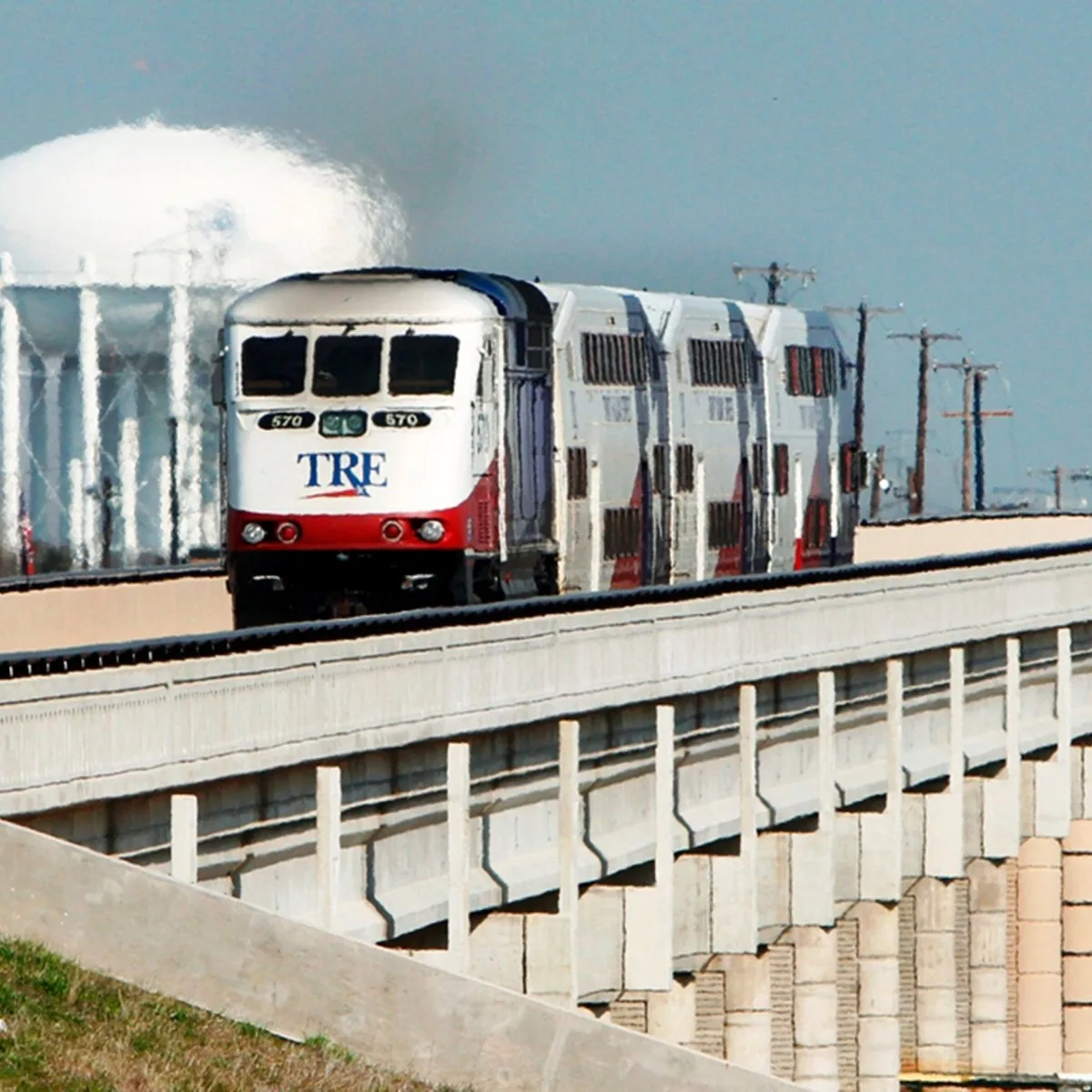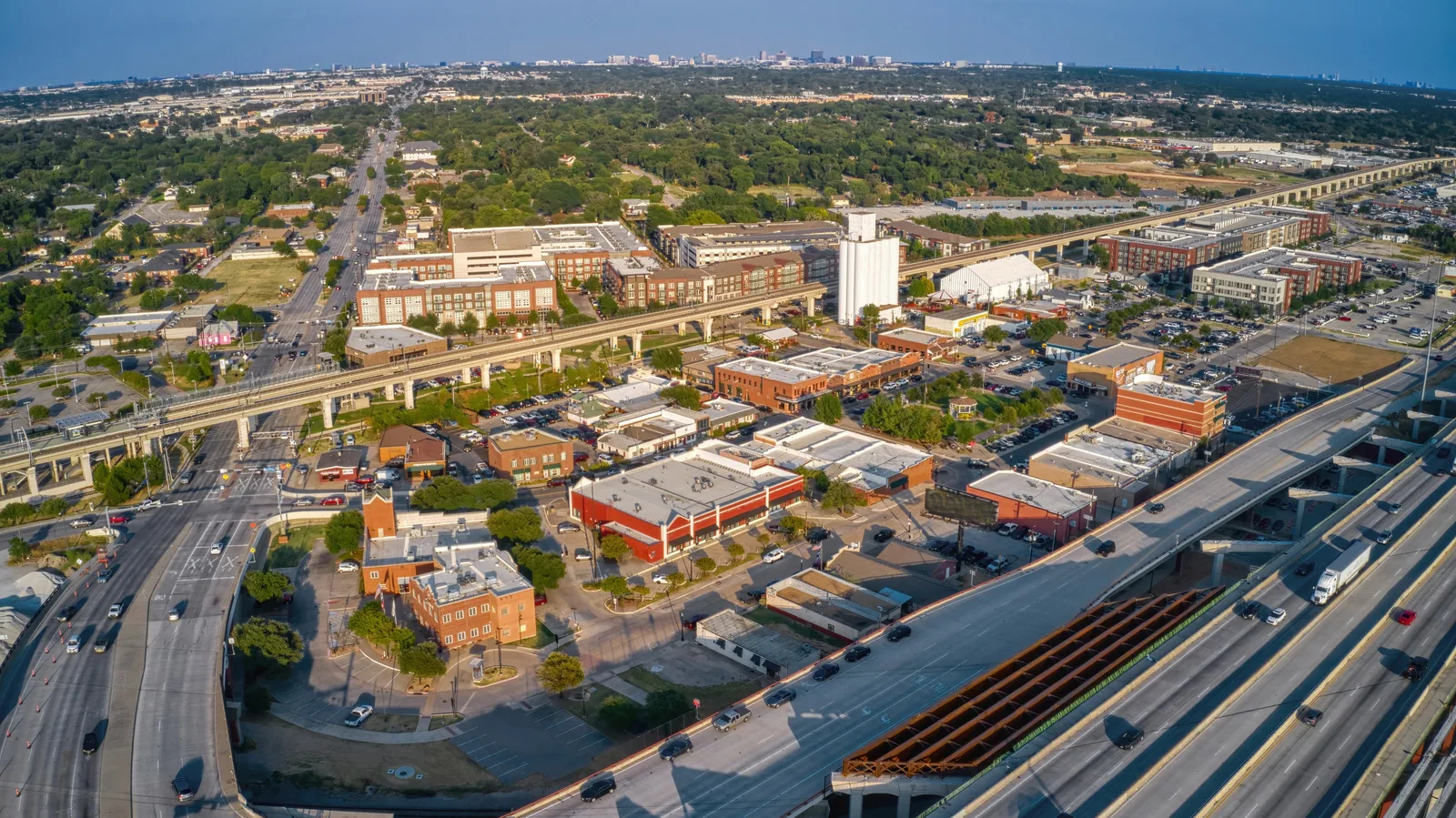
A roof drain beside an occupied terrace can collect debris where membrane turns up at a door or parapet. At Trinity Mills Station District, the DART station at 2525 Blanton serves the Green Line and connects with Denton County's A-Train. The first transit-oriented development phase, EVIVA, delivered five-story residential and retail space in 2025, and additional office, retail, residential, and hotel development is planned. We inspect the roof on each property as built, with its access, occupancy, drainage, and flashing details setting the work plan.
A development plan gives useful context for access and use, but it does not identify a building's roof assembly. We start with the property manager's records, roof plan, leak history, and access rules. At residential and retail properties, we confirm occupied areas, pedestrian routes, and equipment limits. The inspection then follows a marked route, with barriers and staging identified before the crew enters the work area.
On the roof, we inspect seams, drains, parapets, curbs, door thresholds, and changes in plane. A terrace or mechanical curb can create a transition that needs its own flashing review. We compare any interior leak with the roof slope and details nearby, then photograph the likely source. A commercial roof inspection records what is visible and distinguishes a confirmed failure from an area that needs a test opening or further moisture check.
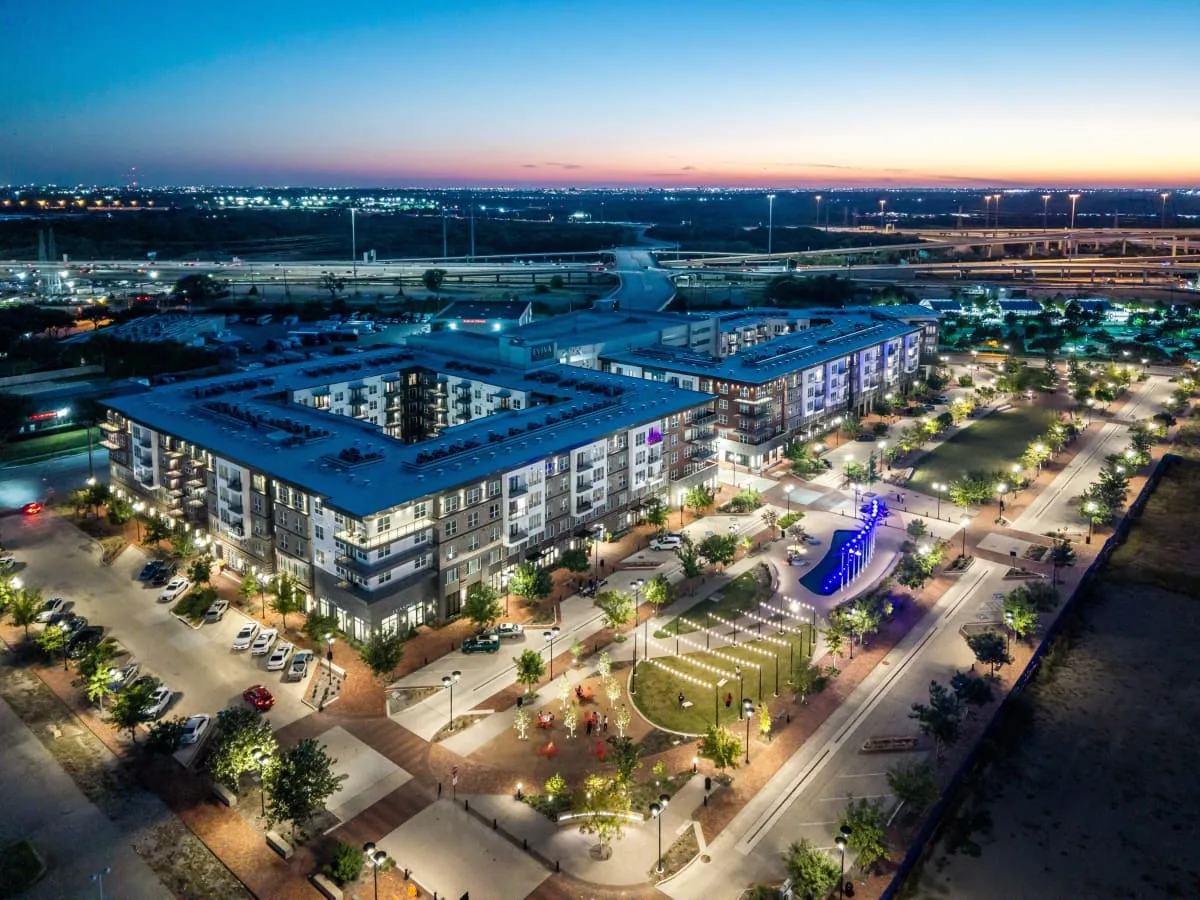
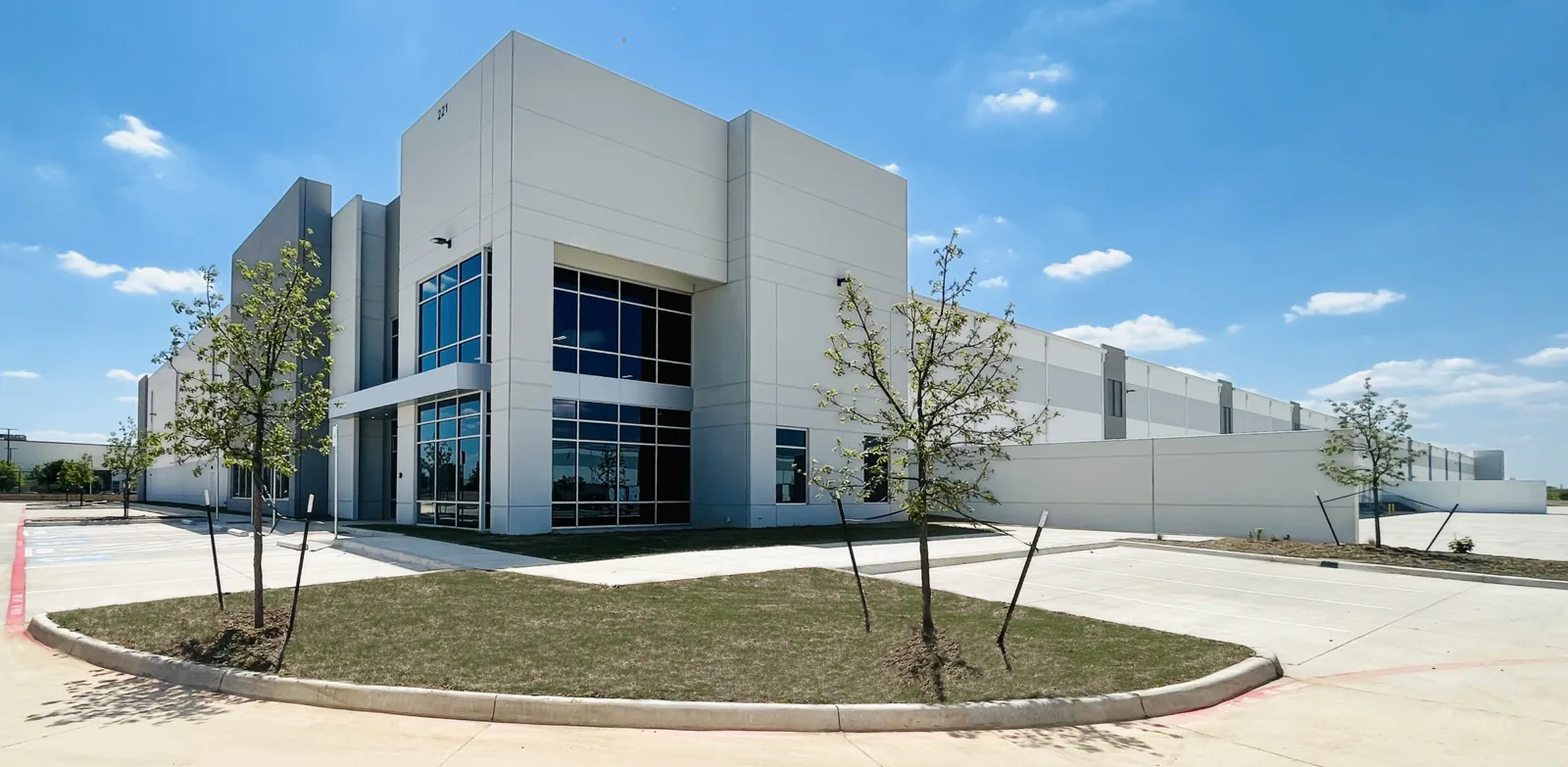
The Trinity Mills station connects two rail services, and the district's built and planned uses include people moving through residential and retail spaces. Work access must be confirmed at the individual property. The manager identifies resident and customer paths, access points, equipment limits, and quiet hours. We agree where a lift can stand, how materials reach the roof, and which paths need protection.
Where work occurs near occupied space, the crew keeps materials and debris within a defined work area. We confirm interior protection before opening a roof detail and plan a route to remove debris without crossing active areas unnecessarily. If several elevations or roof levels are involved, each gets a location mark so the close-in inspection can be completed. Our occupied-building roof plan can phase repairs or replacement around access and tenant needs rather than assuming the property can close.
At a roof drain, we check the bowl, strainer, clamping ring where present, and membrane connection. A blocked outlet can leave water standing around an otherwise sound detail. At a door or parapet, we look for loose flashing, split corners, and a low threshold that changes how water moves. We trace the slope and drain path, then compare them with leak reports from the space below. A puddle at one point does not by itself identify the cause.
Water may run under the membrane or into a deck joint before appearing inside. A thermal scan can help select areas for closer review, but a test cut is what confirms the roof layers at a chosen point. We record the opening and close it securely on the visit. If the detail is local and the surrounding materials remain firm and dry, a patch may be sufficient. For a broader drainage issue, a drain and scupper inspection can assess the outlet, slope, and surrounding membrane in one scope.
The Dallas-Fort Worth area has hot, humid summers. Dallas-Fort Worth July and August daytime temperatures consistently stay in the 90s and often reach 100 degrees or more. Repeated heat can affect exposed sealant, membrane transitions, and metal at the edge of a roof. We inspect for separation and movement, then check whether the substrate is suitable for repair. Product application conditions also matter, so the work window depends on the surface and material requirements.
Spring severe weather across the metroplex includes hail and damaging wind, with flooding and tornadoes also occurring nearly every year somewhere in the region. That regional pattern is a reason to inspect after a storm, not evidence that a specific station-area building was hit. We check roof edges, penetrations, drains, and equipment curbs, then mark any puncture or displaced detail. A storm roof assessment records what needs immediate protection and what can be repaired during a suitable weather window.
A repair can address a contained seam, flashing, or puncture when the surrounding membrane remains stable. We prepare the area, install compatible material, and tie the patch into sound roofing. If moisture extends into insulation or a curb detail has failed along several sides, the repair boundary grows to include the confirmed damage. We write down what we found and identify any condition that remains untested.
Before adding another roof layer, we verify the old assembly with moisture checks, attachment review, drainage, and the project specification. Where hidden water or multiple failures are confirmed, removal and replacement may be the better way to restore the roof. The scope and schedule depend on roof height, access, material handling, occupied space, and the need to protect resident or retail areas below. A roof condition report can capture those findings for an owner comparing repair, recover, and replacement costs.
Work at a mixed-use property has a clear daily endpoint: the roof must be secured and access routes clean before the next operating period. We stage materials before opening membrane, limit the exposed area, and protect the area below. If a test opening is needed, we select its location and close it after documenting the layers.
For replacement, sections are sequenced so the crew can complete insulation, membrane, and transitions within a safe weather window. The manager identifies access periods, resident or retail activity, and rooftop systems that cannot be shut down. A commercial replacement scope states which areas are included and how the crew will move through them. For owners with a second district property, Downtown Carrollton and Addison Circle each require separate roof records and access coordination.
Mixed-use properties can bring several roof details into one maintenance visit: drain bowls, parapet terminations, equipment curbs, door thresholds, and prior patches. We mark each item on the roof plan and photograph the same location at later visits. The report records stability, drainage, and follow-up needs. This record gives the manager a practical way to track work without relying on memory or an unlabeled image.
Preventive maintenance should not cover over an active failure. We identify debris and blocked drainage, correct the items included in the service scope, and separate a failed membrane or flashing from routine care. If a development has both occupied and construction phases, the inspection should identify which roof areas are available and which need a different access window. A preventive roof maintenance visit can keep the roof details on a recurring check cycle as the district grows.
No. The plan describes current and planned uses, not each roof's construction. We inspect the individual property, review available roof records, and confirm membrane and details in the field before selecting repair materials.
We coordinate the roof route, staging, resident and customer paths, equipment limits, and work hours with the property manager. The plan includes protection below and a daily close-in point if roofing must be opened.
We inspect the threshold, flashing, drain path, nearby seams, and the layers around the reported leak. A contained failure may be repaired. If moisture is widespread or the assembly is unstable, the scope may need more than a local patch.
It identifies a delivered residential and retail phase in the district. The condition and roof details of any specific property still need to be checked on site, with access coordinated through its manager.
We set a controlled work zone, coordinate barriers and material movement, and keep debris within the planned route. The manager confirms pedestrian paths and access restrictions before work starts, then the crew closes and checks the roof area at each shift's end.
RELATED WORK
CALL US
Leaks, storm damage, a failing membrane or a replacement on the calendar: tell us what is happening on the roof and we will set up a visit.
Service Areas
Share roof records, occupancy hours, access limits, and any leak locations. We will inspect the building details, map the condition, and provide a scope that fits the site's operating plan.
Call 555-555-5555 or request a roof assessment online.