
A photo of a drain without a roof-zone reference may be hard to use six months later. Commercial roof condition reports in Carrollton, TX connect each photograph to a building, visible detail, inspection date, and recommended action. We record what we could reach, describe what we observed, and identify where testing is needed. The written report gives an owner or property manager a field record they can use to plan repairs and compare the next inspection.
Before the walk, we confirm the property, reported concern, access route, and any roof plan or maintenance history available. During inspection, we check visible membrane, seams, flashing, edge metal, drains, penetrations, and previous repair areas. Weather, equipment, locked hatches, or unsafe surfaces can limit access. The report lists those boundaries so that a section that was not reached is not mistaken for a clean inspection.
Valwood Industrial Park has a large and varied inventory of distribution, manufacturing, and service buildings. Las Colinas combines office, light industrial, retail, and hospitality uses. A report for a building in either area must identify the actual roof system and details found, not infer them from the district’s building mix. A Valwood inspection and a Las Colinas roof walk each begin with the correct property contact and accessible roof areas.
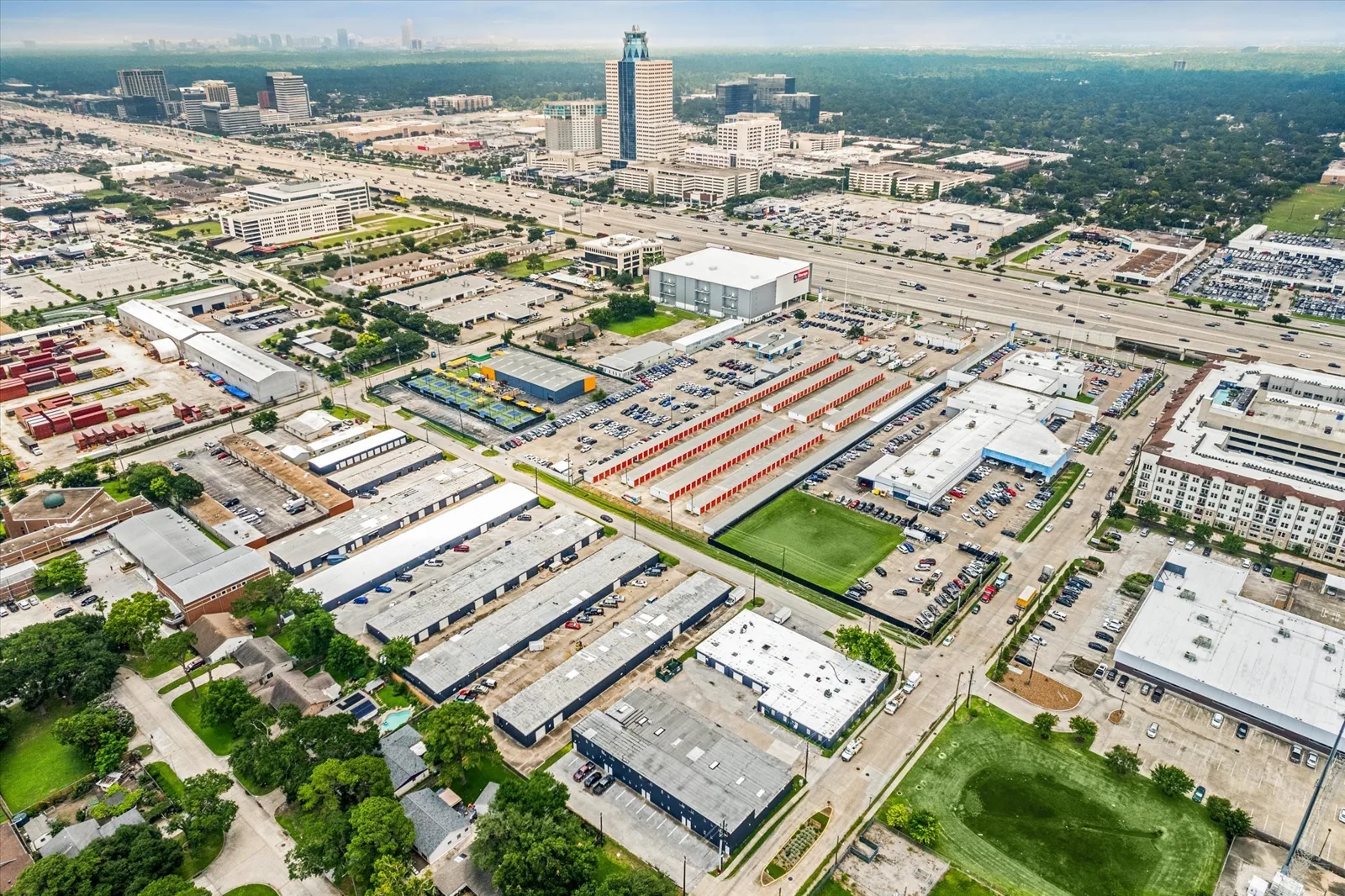
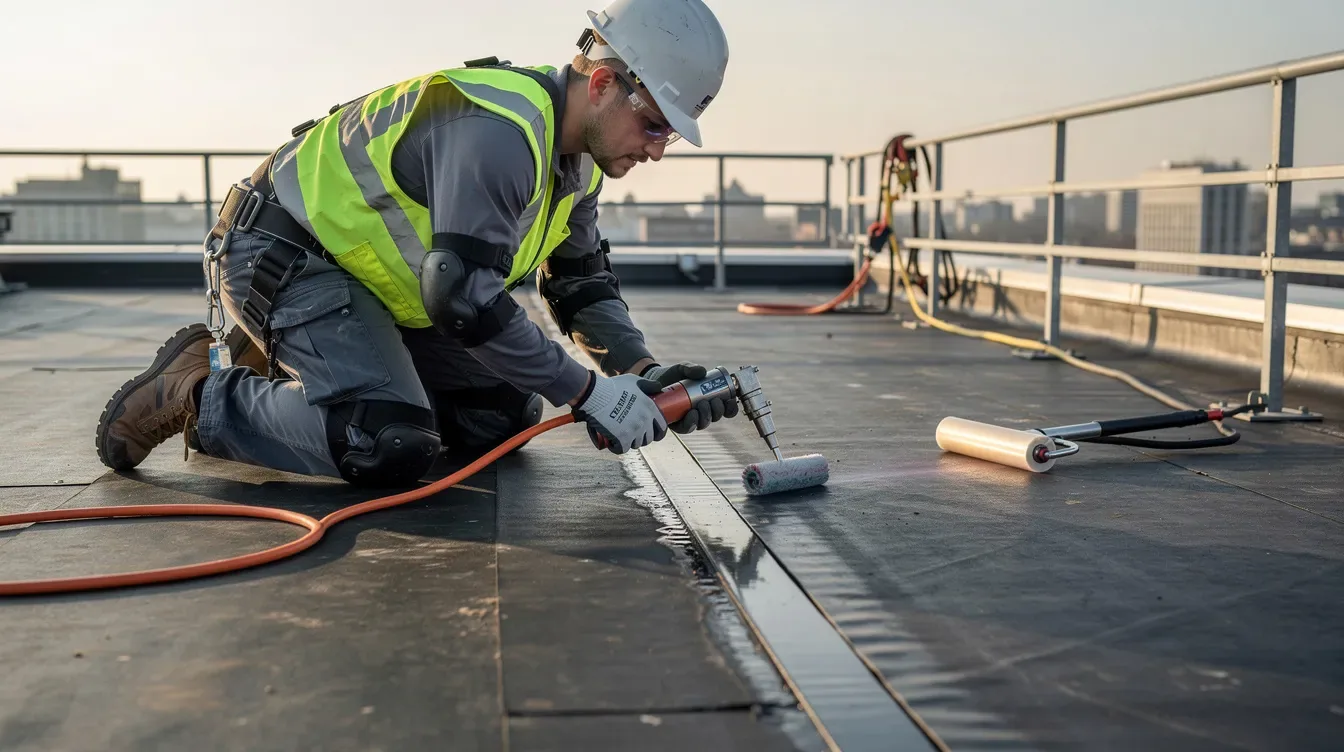
We pair close photographs with a wider view that shows where the condition sits on the roof. A seam split, curb corner, drain bowl, or loose edge should be identifiable from the image and location mark. The caption describes the observed condition without claiming what is hidden under the membrane. Where a photo alone cannot settle the repair boundary, the report says whether a test cut, moisture survey, or another visit is recommended.
Carrollton’s Trinity Mills Industrial Park sits near its namesake transit hub and includes active industrial businesses. That location can help orient the service route, while the report still uses a roof mark and building identifier to locate a condition. Our commercial roof inspection can document a reported issue or establish a current condition record. If a roof area appears wet, an infrared moisture survey may help identify areas for further evaluation when the roof and weather conditions suit it.
A clear report distinguishes what we saw from what we recommend. An open lap or puncture is an observed condition; replacing the section is a proposed action that depends on the repair limit and substrate. The report identifies immediate work, monitoring items, and further testing separately. If the roof is leaking, we connect the interior report to the roof location where possible and note any uncertainty in the water path.
A drain blockage, loose termination, or wet insulation calls for a different next step. A ponding-water review can examine a low area and its drainage path; a flashing repair inspection evaluates a curb, wall, or pipe transition. The condition report gives the owner a record of the finding before work starts and helps keep a later repair tied to the same location.
A report can help the owner compare a localized repair with restoration or replacement, but it should state the assumptions behind each choice. We identify system type when known, access and staging needs, observed moisture, prior patches, and any area that remains unverified. If hidden conditions may change the work after opening, that point is called out before a budget or schedule is set.
For a building acquisition, condition documentation may form part of a wider property review. A roof due-diligence survey can record visible conditions within the authorized inspection scope. For an owner planning work across properties, a capital planning review can group repair needs by timing while retaining each report’s building-specific findings. These tools support decisions; they do not replace the owner’s review of access, budget, or project requirements.
Dallas-Fort Worth has hot summers, with July and August daytime temperatures often above 100 degrees, and spring is the region’s main severe-weather period. A storm can limit access or leave a roof wet, which affects what the inspection can confirm. We note the conditions present during the visit and identify any roof area that needs a return after drying or after temporary protection is removed.
Carrollton’s industrial and office districts connect to several major corridors, so visits can be coordinated across a portfolio. Weather records are regional context and do not establish damage at the inspected property. If a roof assessment follows a reported event, the report records visible conditions and the areas reached. An owner can share the document with facilities, maintenance, or a carrier while keeping the inspection findings distinct from any coverage decision.
The report should end with a short list of actions tied to roof locations: repair a seam, clear a drain, test a wet area, or return to inspect a restricted section. We state which items are complete and which need approval or additional access. Photos, dates, and work boundaries are kept with the relevant roof zone so a later visit can compare the same detail.
Frankford Trade Center and Valwood include logistics and manufacturing properties, while the regional office market extends to Legacy West and Las Colinas. Each site can have different maintenance records and access contacts. We send the condition report to the person designated by the owner and identify any document or roof plan that would improve the next review. The report gives staff a practical handoff rather than a photograph folder with no location or recommendation attached. For a large roof, we use a consistent zone label from the owner’s plan or an identifiable roof feature, then repeat it in photo captions and follow-up notes. That lets another manager or technician find the same condition without relying on the original inspector to explain where the image was taken.
It identifies the property and roof areas inspected, visible system details, marked photos, observed conditions, recommendations, and access or testing limits.
Only when the inspection method confirms it. We identify visible signs and recommend moisture testing or a test cut when concealed layers need evaluation.
Yes. It can document current conditions and scope assumptions for a capital review. A replacement proposal still needs to define the assembly, work limits, access, and phasing.
The written record identifies blocked, unsafe, or otherwise inaccessible areas so those sections are not mistaken for inspected and clear.
We can inspect accessible areas and record visible conditions. Regional weather information is context, while the report stays specific to the property and roof findings.
RELATED WORK
CALL US
Leaks, storm damage, a failing membrane or a replacement on the calendar: tell us what is happening on the roof and we will set up a visit.
Roofing Capabilities
Share the building address, roof plan if available, inspection concern, and site contact. We will inspect accessible roof areas and return marked photos, findings, and next steps.
Call 555-555-5555 or request a roof assessment online.
