Water at a seam near a curb can travel beneath the membrane before it reaches the space below. Westpark Industrial District covers about 800 acres north of Airport Road, and Denton uses its Tax Increment Reinvestment Zone to finance infrastructure improvements in the area. The city created the district to support industrial development, noting at the time that public infrastructure was needed to encourage it. We inspect the particular building and its roof conditions, then coordinate access and material staging with the site's current operation.
Westpark's designation and TIRZ describe a planning and financing district. Before a service call, the property contact identifies the building, access rules, loading activity, and project documents so the roof walk can confirm its assembly and condition. We check roof plans and repair history, then confirm seams, drains, flashing, and equipment transitions in the field.
For an industrial property, the inspection route should avoid active deliveries and restricted equipment areas. We agree on a ladder or lift location, material staging, and the work boundary below. A marked roof plan keeps a leak or repair tied to the right building. A commercial roof inspection records the conditions found and indicates where a targeted test cut may be useful. If the roof serves an ongoing operation, our occupied-building reroof sequence can coordinate phases around access and close-in needs.
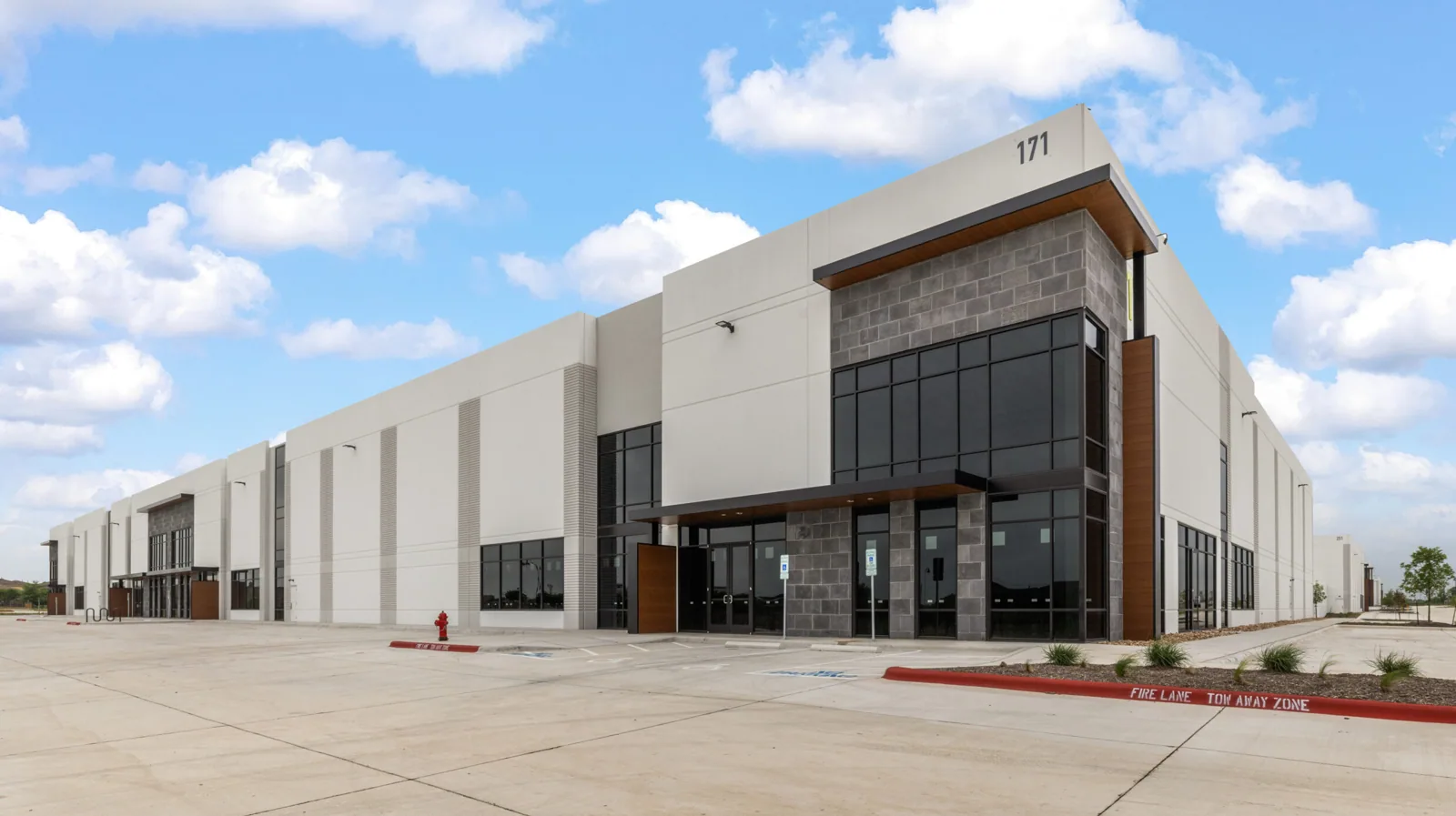

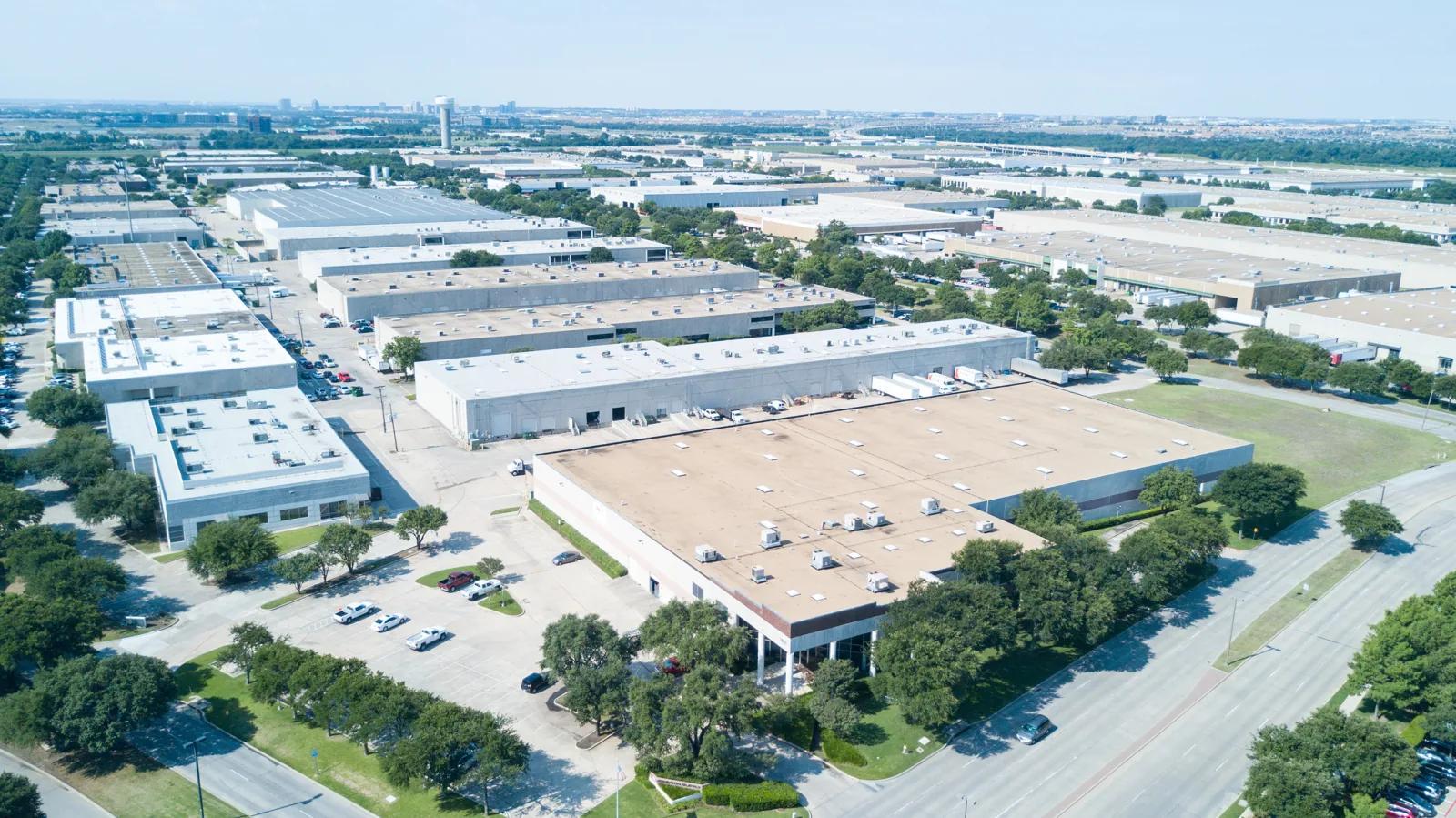
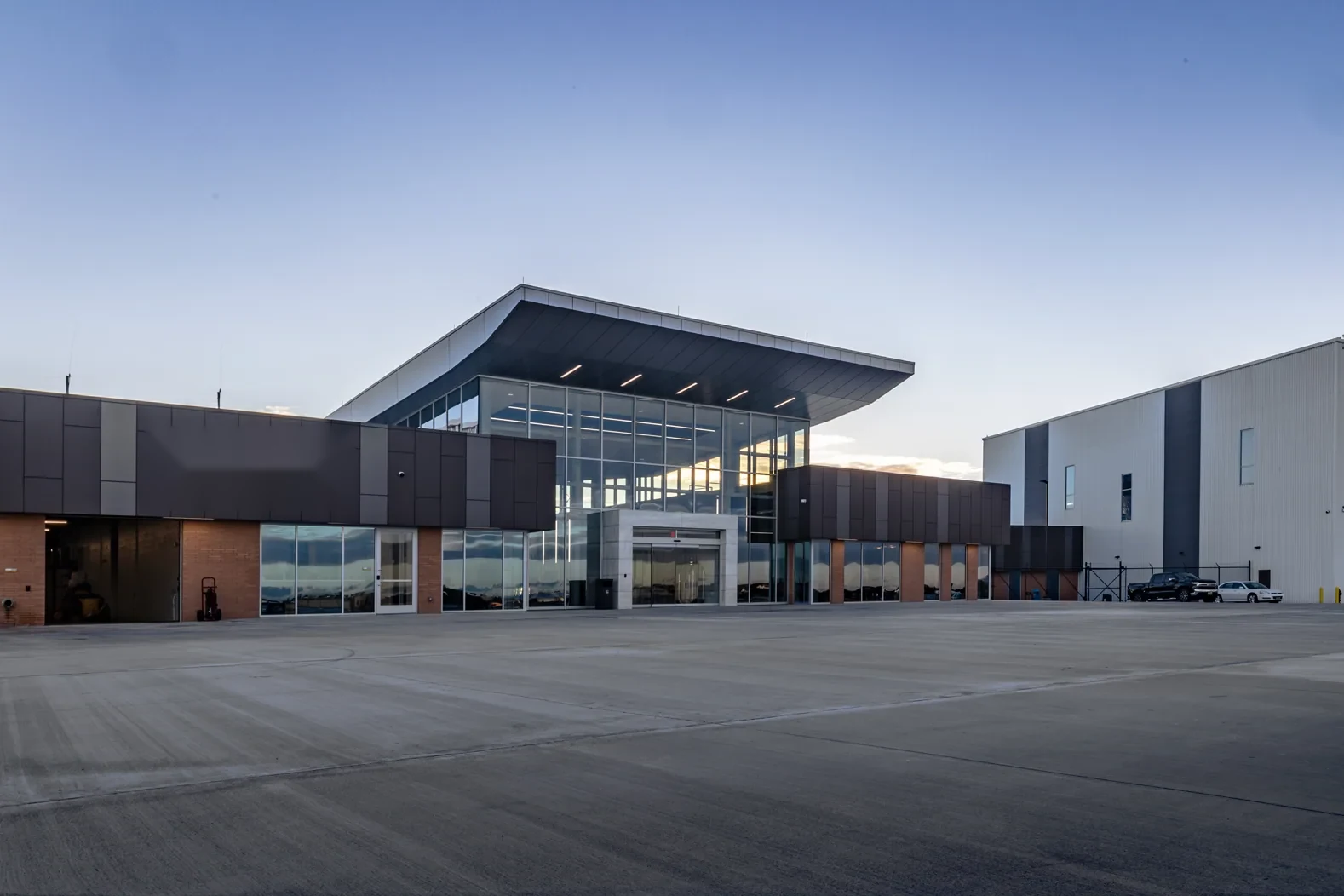
We start with the drains, seams, edge metal, parapets, penetrations, and previous repairs. A blocked outlet can hold water at a seam, while a split flashing corner can let it beneath the membrane. The interior leak mark helps focus the walk but does not identify the opening by itself. We compare it with roof slope, deck direction, and nearby curbs, then test the likely source before setting a repair boundary.
If the assembly is hidden by a coating or overlay, we note what cannot be confirmed from the surface. Infrared scanning may help select a test area; a small cut can confirm layers and moisture at that spot. We photograph and close the opening the same visit. A moisture survey can guide closer checks, while flashing repair can address a wall or curb transition after the failure is identified.
Carrollton's Dallas-Fort Worth climate context includes long hot spells. In July and August, regional daytime readings run through the 90s and can reach 100 degrees, affecting when exposed repair materials can be installed. Heat puts exposed sealant, membrane edges, and metal transitions under movement. We check those areas for loss of bond and follow product instructions for surface preparation and application. The roof and material need a suitable window before repair begins.
Spring is the metroplex's most active severe-weather season. Hail, damaging winds, flooding, and tornadoes occur nearly every year somewhere in the region. After severe weather passes, we inspect the Westpark roof for punctures, open seams, displaced metal, and damage at penetrations. Our storm damage roof inspection maps findings and separates temporary protection from permanent repair.
A contained puncture or seam failure can be repaired when the surrounding membrane and substrate are stable. We prepare the surface, connect compatible repair material, and carry it past the defect to a sound edge. If water reached the insulation, the repair may require removal of wet material. The scope records the tested area and anything that remains uncertain so a patch does not stand in for a full roof assessment.
A recover can be considered when the existing assembly is dry, attached, and suitable for another system under project requirements. Widespread moisture, loose attachment, or repeated seam failure may call for replacement. Cost and timing depend on layers, deck condition, access, material handling, work limits, and the operation below. A recover assessment can test whether the old roof is a suitable base; a capital scope can account for removal and replacement where necessary.
Airport Road is the named reference north of Westpark. The facility's actual site plan determines where a crew can enter, stage, and reach the roof. We ask the manager to identify loading routes, active machinery, safety rules, and hours when overhead work should pause. If access crosses an operational area, the site contact sets the controls before materials are moved. Those arrangements keep the work zone distinct from the building's daily routes.
For an open-roof repair, we stage compatible materials, limit the exposed section, and establish a secure close-in point. If weather changes, the crew closes the area before shifting to another detail. A test opening has a specific purpose and gets photographed and secured before leaving. Preventive attention can focus on drains, seams, edge metal, and previous repairs. A preventive roof maintenance visit can help retain those observations for the next service cycle.
We document the address, roof zone, assembly clues, drainage, flashing, prior work, and each repair limit. Photos should point to a location that a maintenance lead can find, not a detail with no building context. If a test cut reveals a different layer than the plan shows, we record the field observation and identify which recommendation changed because of it. That gives an owner a clean basis for follow-up work.
Westpark's district plan and its building-level roof records serve different purposes. TIRZ and infrastructure notes describe area investment; the inspection describes a specific assembly. When a portfolio also includes Crown Centre or Las Colinas Urban Center, each property gets its own route and condition history. A roof condition report can preserve the inspection record for budgeting and repair tracking.
The TIRZ describes district financing and area infrastructure work. We inspect the individual roof's membrane, drainage, attachment, flashing, and repair history before recommending service.
That note described infrastructure needs when the district was created. We do not infer current site conditions from the planning fact; the property manager confirms access and utilities for the work.
We confirm the roof route, loading periods, machinery limits, and work zone with the site's contact. The inspection and repair schedule depend on safe access and the weather window, with a close-in point set before roofing is opened.
Share a roof plan, leak location, prior repair notes, access instructions, and the affected area's operating schedule. We compare those records with the roof and note what is confirmed or needs a test opening.
A recover fits only if the existing assembly is dry, attached, and suitable for another system. Wet insulation, a poor substrate, or widespread failure can require removal. We inspect those conditions before recommending either option.
RELATED WORK
CALL US
Leaks, storm damage, a failing membrane or a replacement on the calendar: tell us what is happening on the roof and we will set up a visit.
Service Areas
Identify the property, Airport Road access route, active delivery or equipment limits, and roof records. We will document the roof condition and provide a repair or replacement scope based on field findings.
Call 555-555-5555 or request a roof assessment online.