A drain ring with a loose membrane edge can let water travel below the field before a tenant sees a stain. Las Colinas Urban Center contains more than 22 million square feet of office space and 8.5 million square feet of light-industrial and distribution space, alongside retail and hospitality buildings. The district also has more than 2,000 companies and over 100,000 employees. That scale calls for a building-specific inspection record, not a single assumption about roof types. We map drains, seams, curbs, flashing, and access requirements before setting a repair or maintenance plan.
Office, light-industrial, distribution, retail, and hospitality properties have different roof layouts and operating constraints. We confirm the address, building contact, roof-access point, and current use before beginning a walk. The manager identifies tenants, loading periods, service routes, and equipment that cannot be interrupted. A marked roof plan keeps one building's drains and repairs separate from the next address in the portfolio.
On each roof, we inspect membrane seams, metal joints, curbs, drains, parapets, and previous patches. We compare leak reports with slopes and penetrations instead of treating the room below as a map of the failure. If records are available, we check them against the field assembly. A commercial roof inspection can document visible conditions, identify a test location, and distinguish a confirmed repair from a wider investigation.
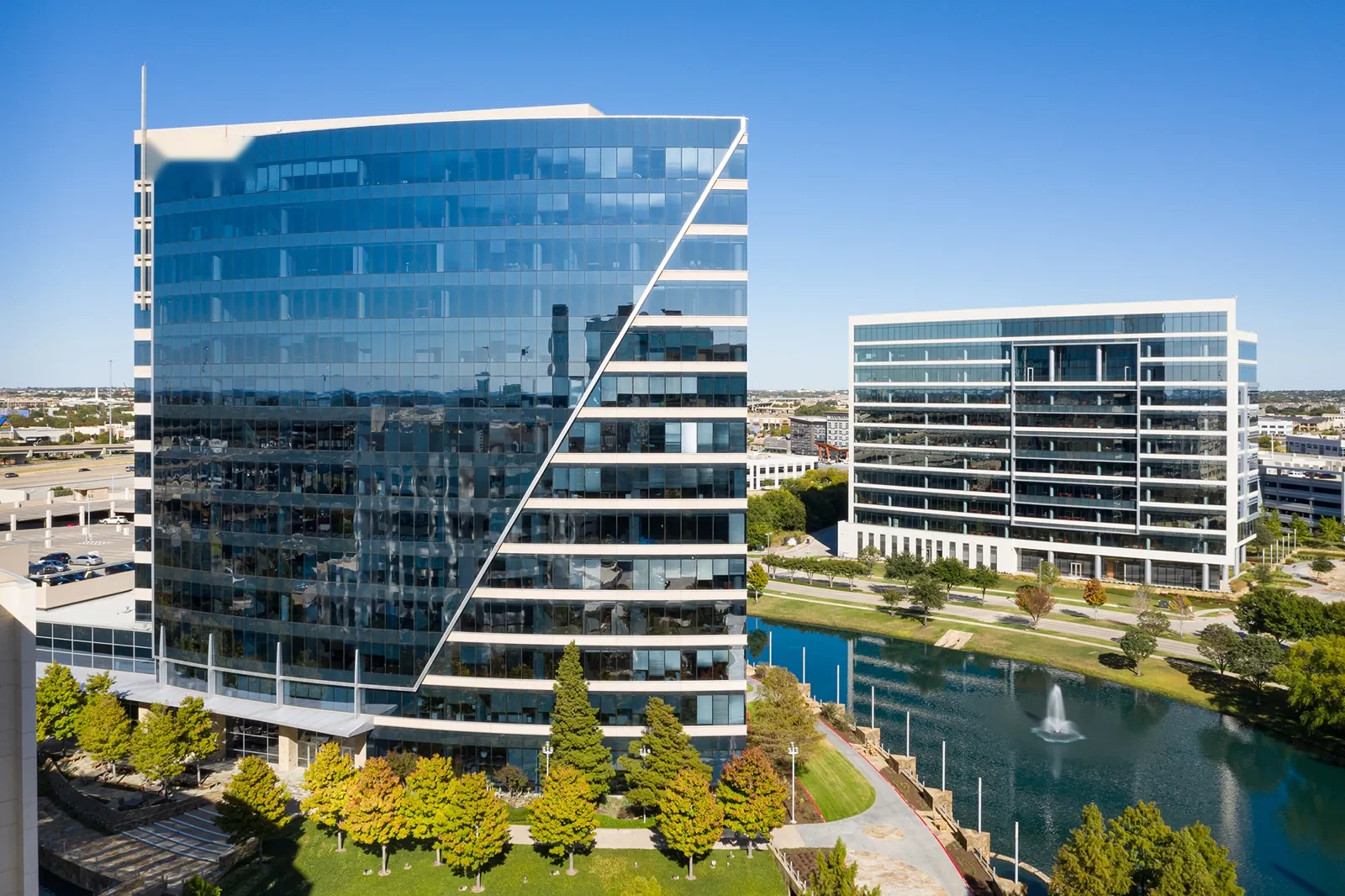
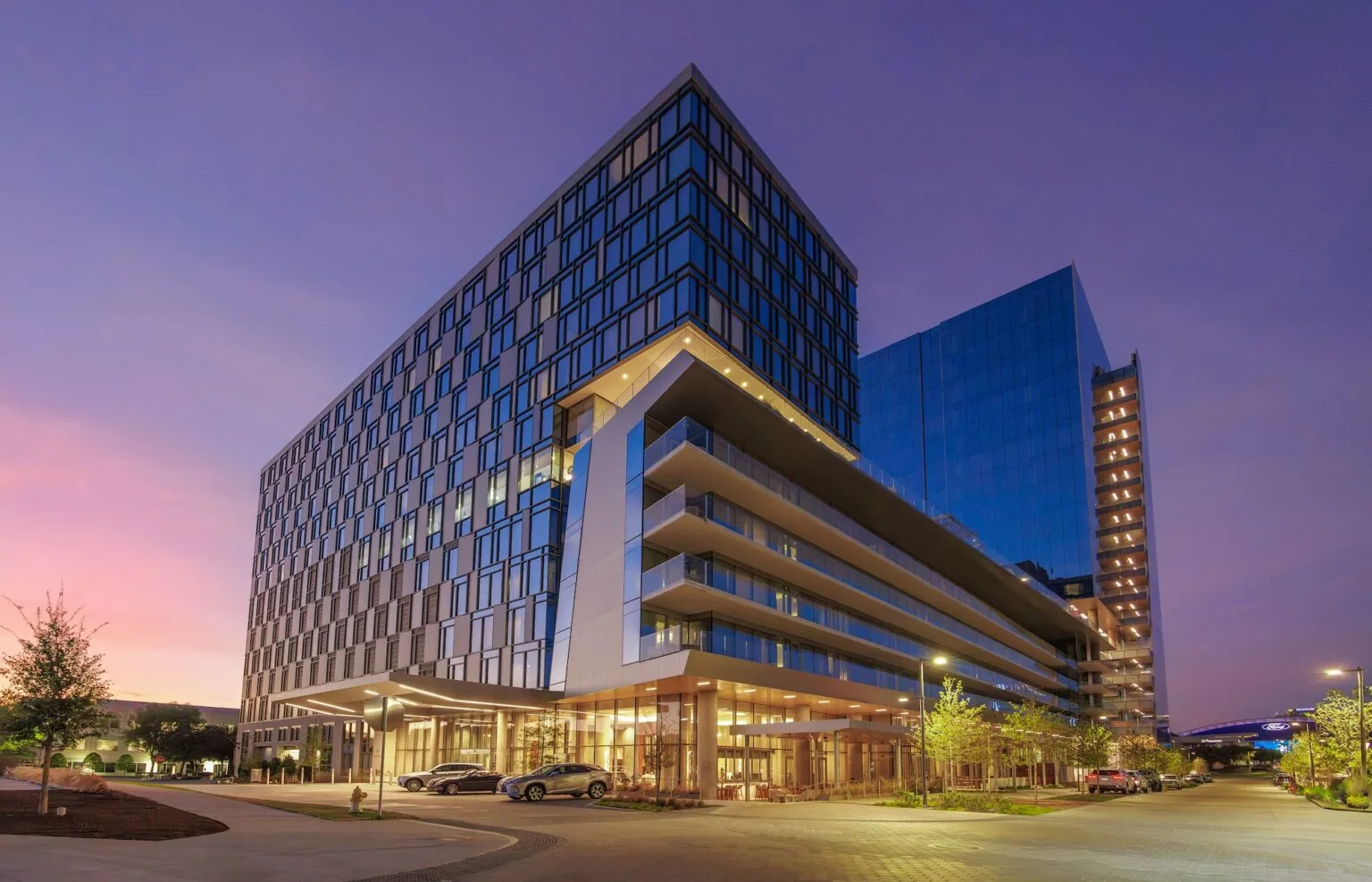
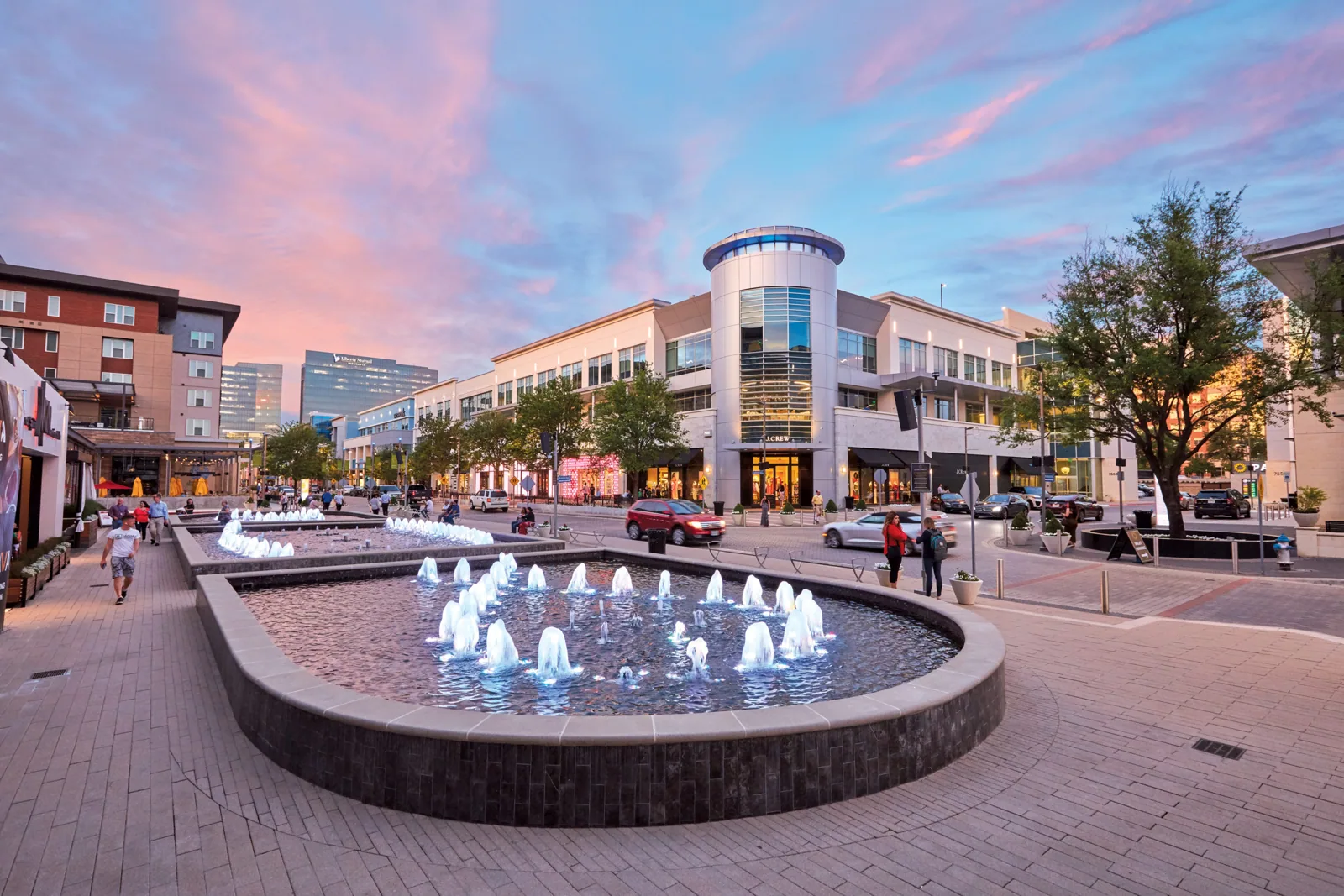
The district's total office and industrial square footage describes space in buildings, not roof area or a standard roof system. We identify the actual membrane or panel from labels, seam construction, attachment, edge details, and existing records. A previous coating or overlay can hide the original surface, so we note where the field evidence remains incomplete. The inspection follows the assembly that is present rather than a typical roof for the building's use.
On a low-slope roof, we check seams, insulation indicators, penetrations, and drainage. On metal roofing, we inspect panel laps, fasteners, closures, and flashing. At equipment curbs, we look for movement or loose corners where the roof changes plane. A TPO roof review or metal roof assessment applies after the installed system has been identified. Product selection follows the roof and project specification.
Water can enter at a seam, then travel along a deck flute or insulation joint before appearing in an office or guest area. We compare the interior location with roof slope, drains, wall lines, and mechanical penetrations. A drain may be blocked, a flashing may have opened, or the water may have entered upslope. Each possibility gets checked before we mark the repair boundary.
We document standing water, debris, open seams, and wet areas, then decide whether additional verification is necessary. Infrared scanning can direct a closer look, while a test cut confirms the layers and moisture at one selected point. The opening is photographed and secured after review. Infrared scanning can help organize suspect roof zones, while a field check verifies outlets and the membrane around them.
Across the Dallas-Fort Worth region, midsummer afternoons commonly exceed 90 degrees, and July or August readings can pass 100. Carrollton's regional climate context makes that heat a practical factor in scheduling work near Las Colinas. Heat affects when adhesives, membranes, and coatings can be installed, and repeated movement can show at exposed metal or flashing edges. We check the roof surface and product requirements before planning the application. The scope also needs a secure close-in point if work opens the assembly.
The Dallas-Fort Worth severe-weather season is most active in spring, when hail and damaging winds can affect roofs somewhere in the metroplex. Flooding and tornadoes also recur across the region. A regional event is not proof of damage at a particular Las Colinas building. After weather passes, we inspect for punctures, open seams, shifted edge metal, and loose curb flashing. A wind damage inspection can record the perimeter and follow the disturbance toward the roof field.
With a large office and distribution inventory, the work plan needs a clear route to each individual property. We confirm roof access, lift or ladder placement, material staging, and the areas below that need protection. The manager identifies business hours, deliveries, tenant entrances, and rooftop systems that must remain live. If the building cannot pause, the inspection and any repair are divided into workable zones.
For an open roof, we stage materials first, keep the exposed area within the crew's daily capacity, and secure each transition before moving on. If rain or wind moves into the forecast, the plan is adjusted so the building is not left open. A test cut is limited to the chosen location, documented, and closed the same day. Our occupied-building roof sequence can phase work by area while keeping tenant access and operations in the scope.
A local repair works when the failed detail is contained and the surrounding assembly stays firm and dry. We prepare the surface, tie compatible material into stable roofing, and include the full failed transition. Repeated leaks, wet insulation, or several open seams may call for a broader project. We state which conditions are confirmed and what remains unknown until a test opening is made.
A recover can be evaluated when the existing assembly is dry, attached, and suitable for an added system under project requirements. Removal may be needed where moisture, weak attachment, or deterioration spans several areas. Cost and schedule depend on deck and insulation condition, material selection, building access, staging, and tenant protections. A roof capital plan can group inspections and repair priorities across a portfolio without treating every address as the same project.
At a district with thousands of firms, roof records should be easy to tie to an address and building. We retain roof-zone marks, dated photos, material information, repair boundaries, and follow-up notes. A property manager can compare the same drain or seam at future visits and see whether water flow or membrane condition has changed. That record matters when responsibility is shared between an owner, tenant, and facility team.
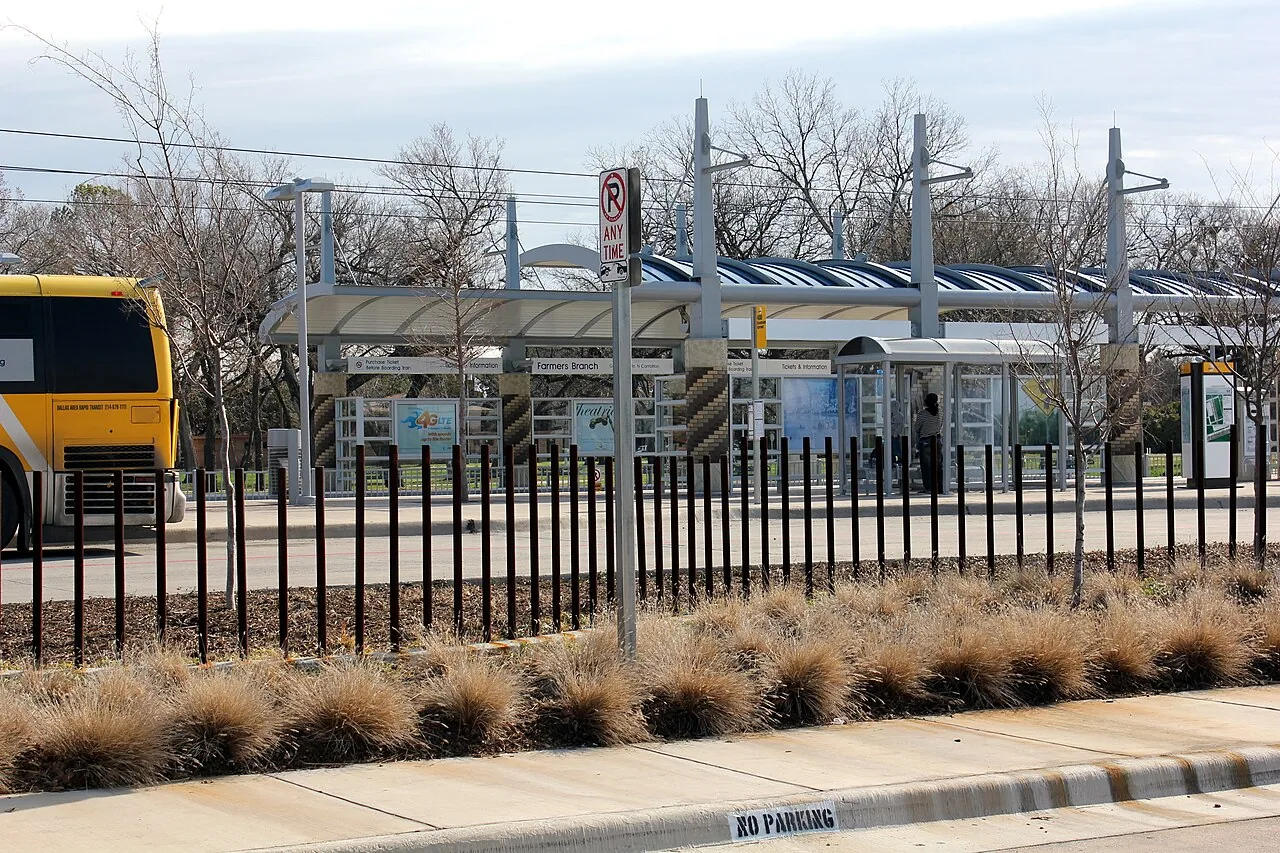
Routine checks cover drains, seams, flashings, metal attachment, and prior patches. We document debris or a blocked outlet, handle maintenance items in scope, and identify failed material for repair. If an owner manages additional properties near Cypress Waters or Farmers Branch Station District, each roof gets its own access notes and condition history. A preventive maintenance visit can keep those records current.
No. The reported square footage describes office, light-industrial, and distribution space. We inspect each roof and record its actual dimensions, system, and condition before preparing a repair or replacement scope.
Yes, when each site provides access and a point of contact. We plan a route, but each building receives a separate roof map, photographs, and work priorities because systems and operations may differ.
We coordinate access, staging, tenant paths, equipment, and the areas below the work zone with the manager. The roof is opened in sections that can be secured within the weather window.
We inspect the roof zone above and around the report, including drains, seams, curbs, and wall transitions. Water can travel before it appears inside, so the entry point is confirmed before a repair is selected.
Widespread wet insulation, repeated seam failure, or weak attachment may make patches a poor fit. We check the assembly and document what supports a broader project before recommending removal or replacement.
RELATED WORK
CALL US
Leaks, storm damage, a failing membrane or a replacement on the calendar: tell us what is happening on the roof and we will set up a visit.
Service Areas
Identify the building, roof-access point, operating hours, and any tenant or loading limits. We will map the condition by roof zone and return a clear repair or capital scope.
Call 555-555-5555 or request a roof assessment online.