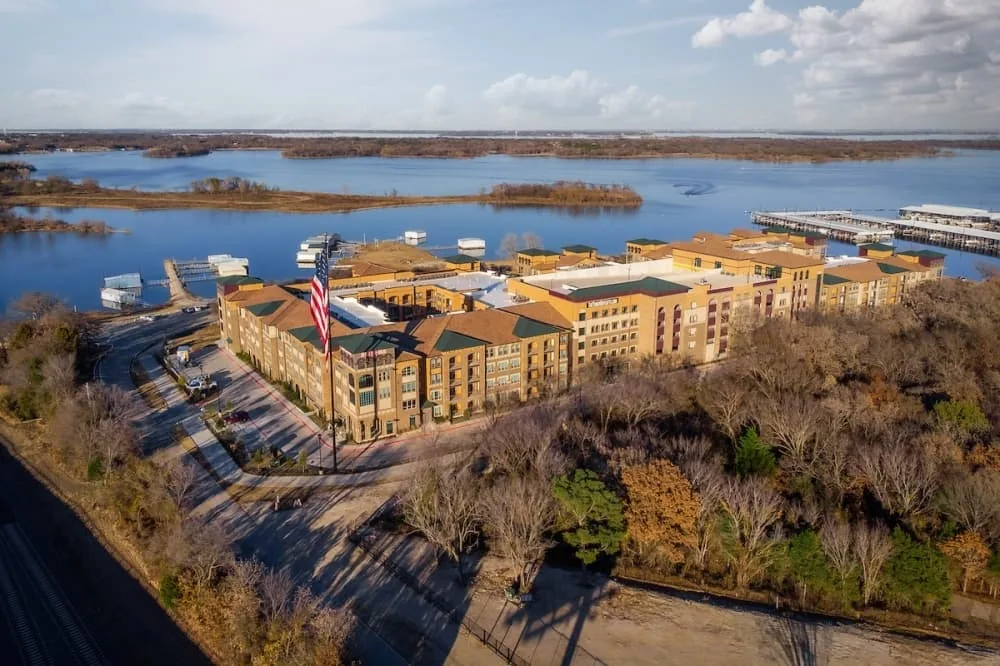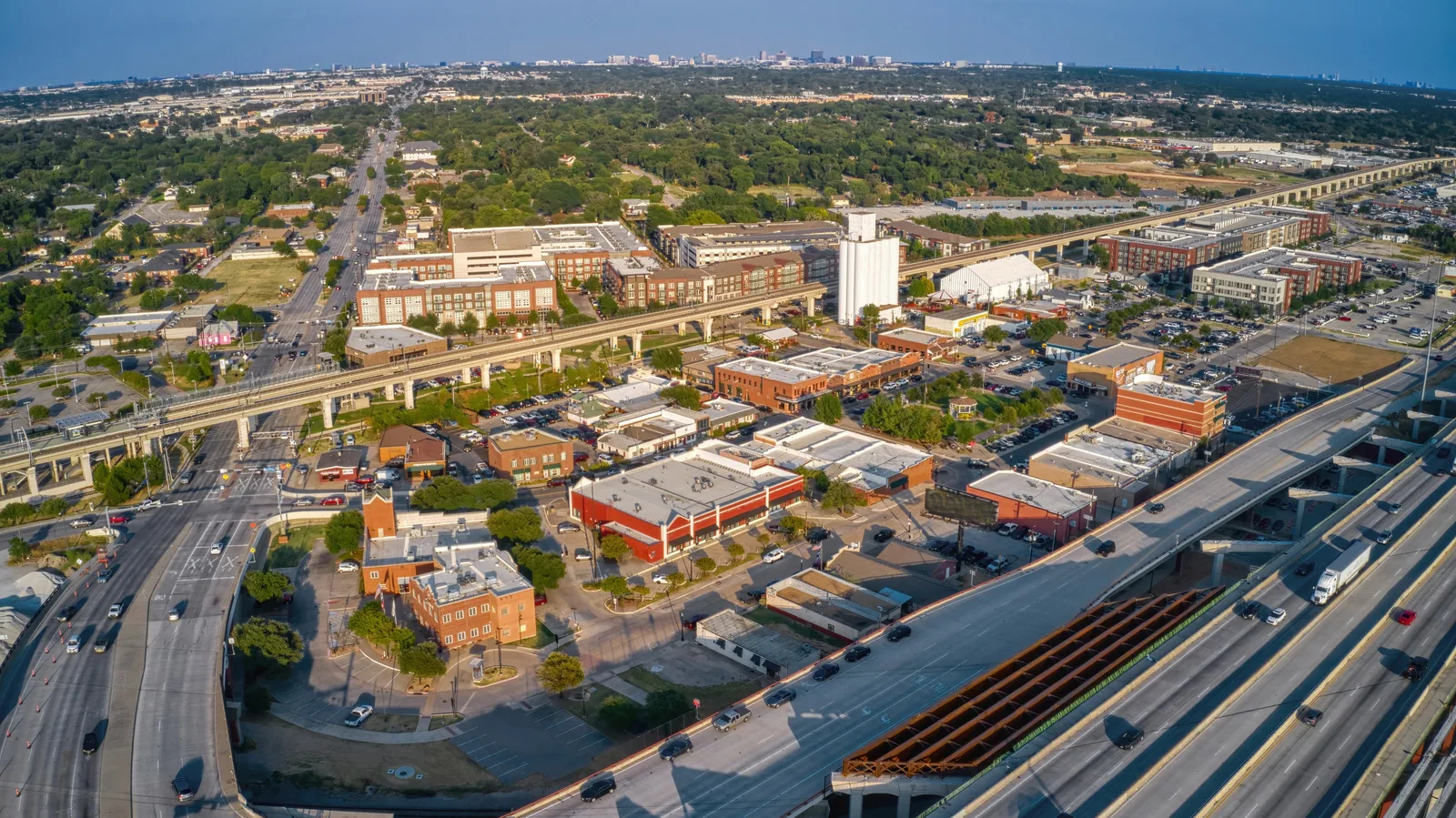
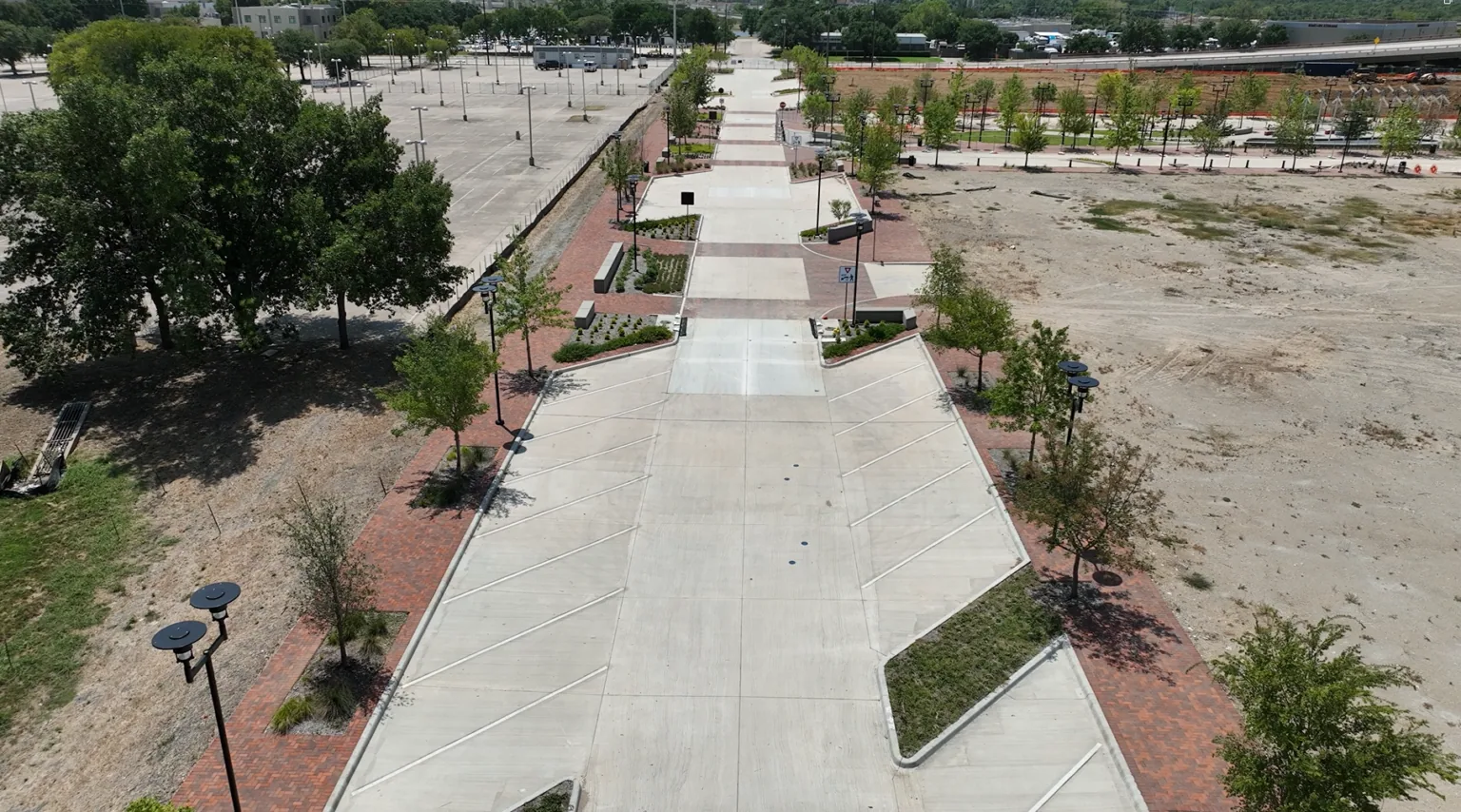
Along West Round Grove Road and FM 3040, a roof scope may need to serve a warehouse, a manufacturing property, an office, or retail space. Lewisville identifies this gateway area as a mix of those uses south of SH 121 and west of Plano Parkway. We start with the specific building: its roof system, access, active leak locations, and operating schedule. A marked inspection record makes it easier to see which detail failed and what repair can close the water path without disrupting more of the property than necessary.
Distribution and manufacturing properties can place loading, equipment, and shift schedules close to the work area. Retail and office properties have different occupant and access patterns. That mix gives each property its own access and scheduling needs; the inspection establishes the installed roof system and condition. Before the walk, we confirm the access point, restricted areas, time windows, and any interior locations where water has appeared. On the roof, we follow the assembly from field seams to curbs, wall terminations, penetrations, edge metal, and drains.
A photo should identify the roof area and the condition in context. A close view of a split without a location may not help the manager find it again or compare it with prior work. We mark the area, record the surrounding details, and note whether water has reached the insulation or deck. A commercial roof inspection can provide a written condition record with repair priorities. If surface readings do not show the full wet area, an infrared moisture survey can help target confirmation openings.
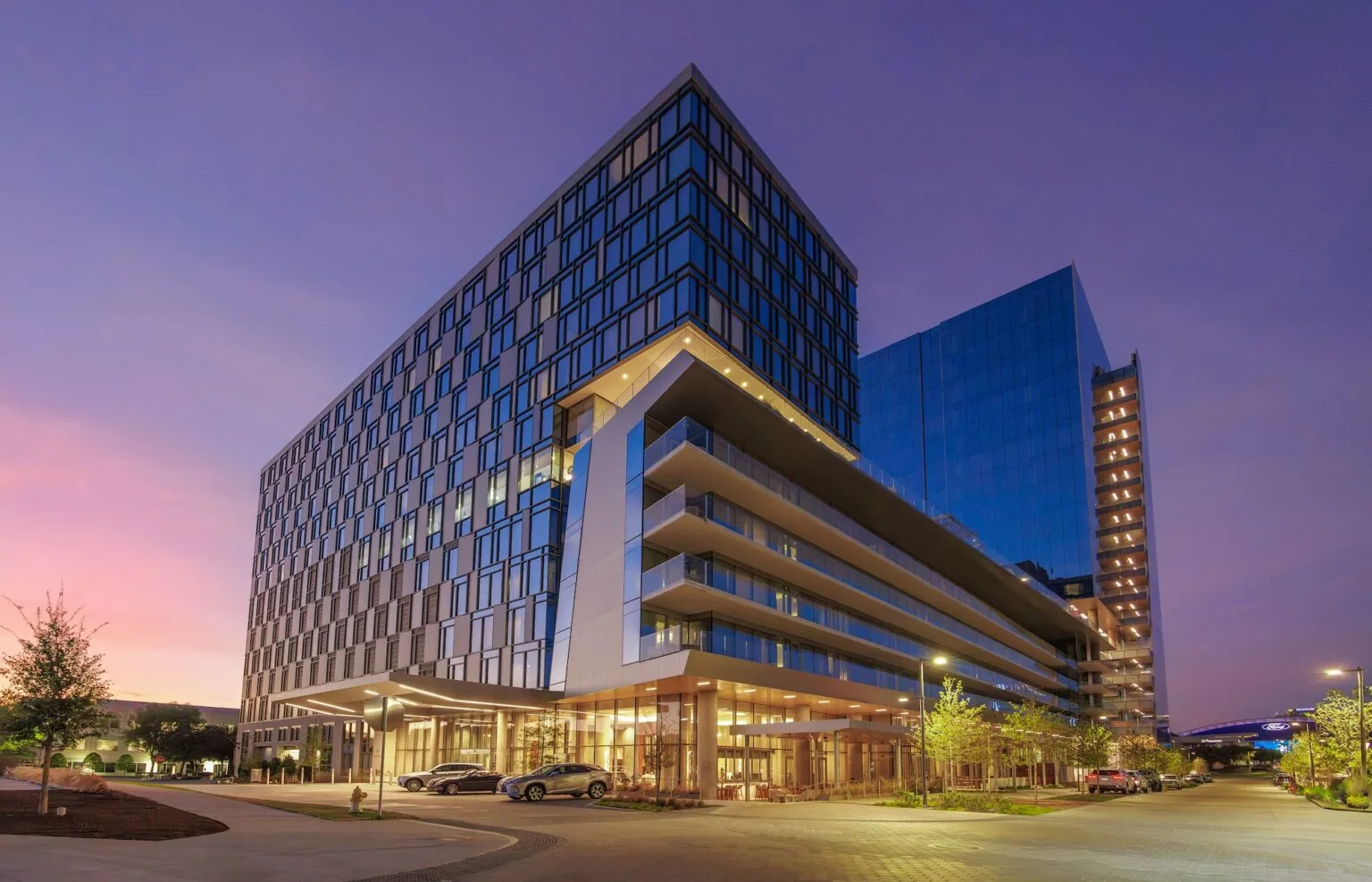

A roof can hold water because of a blocked drain, a loose connection, a low area, or a surface that has lost its slope. We inspect the drain bowl and clamping ring, the membrane around the opening, and the path carrying water toward it. Scuppers and downspouts need a similar check at their transitions. If water crosses a seam or remains around a curb, the repair should address the detail where the path begins, not just the place where a stain becomes visible indoors.
Ponding can also complicate work sequencing. A wet surface may need to dry before a repair material can bond, and a test cut should be closed in the same work window. We document standing water, debris, loose laps, and any signs of repeated movement. The record should tell the owner which conditions can be corrected with maintenance, which need a repair, and which raise questions about the assembly below. Our roof drain and scupper service focuses on those connected parts of the drainage path.
North Texas spring storms can bring hail, damaging wind, flooding, and tornadoes; hot summers add long periods of surface heat, and winter weather can produce freeze-thaw cycles. A storm inspection looks for a pattern, not only one visible mark. We review membrane and coating surfaces, metal edges, rooftop equipment flashings, and areas where wind can lift or loosen a termination. The location and nearby details help distinguish a new impact from wear, movement, or a prior patch.
For active water, temporary protection may be the first step while a safe permanent scope is prepared. Once the roof is accessible, the report records what was visible, what was tested, and what remains uncertain. A storm damage roof repair can include immediate leak control and a documented repair plan. Our emergency response runs around the clock, including holidays, so water entering an occupied building can be addressed while the complete extent is assessed.
A patch only works when the surrounding material can accept it. We identify the membrane or metal system, prepare the surface, and make a compatible tie-in that extends beyond the failed point. At a curb or wall, the termination, corner, and fastener pattern matter as much as the field repair. If the surface is wet, dirty, brittle, or pulling away from the substrate, the repair limits may need to widen. We state those limits before installation rather than covering the symptom with a short-term seal.
A coating can be appropriate when the assembly is stable and dry, the substrate is compatible, and flashings and drains can be detailed as part of the system. It does not correct wet insulation or an attachment failure. A recover or replacement may be the more durable choice if moisture or deterioration extends across multiple areas. The roof coating restoration scope should identify preparation, repairs, reinforcement, and close-in conditions. For a broader project, we compare those steps with a replacement plan and explain which findings drove the choice.
At a working property, access and sequence are part of the roof scope. We confirm whether crews use a hatch, ladder, or designated entry; where materials can be staged; and which loading or occupant areas must remain clear. If several roof sections need work, the schedule can identify each section, the expected exposure window, and how it will be secured if weather changes. That detail helps a facility manager coordinate work above production or customer areas.
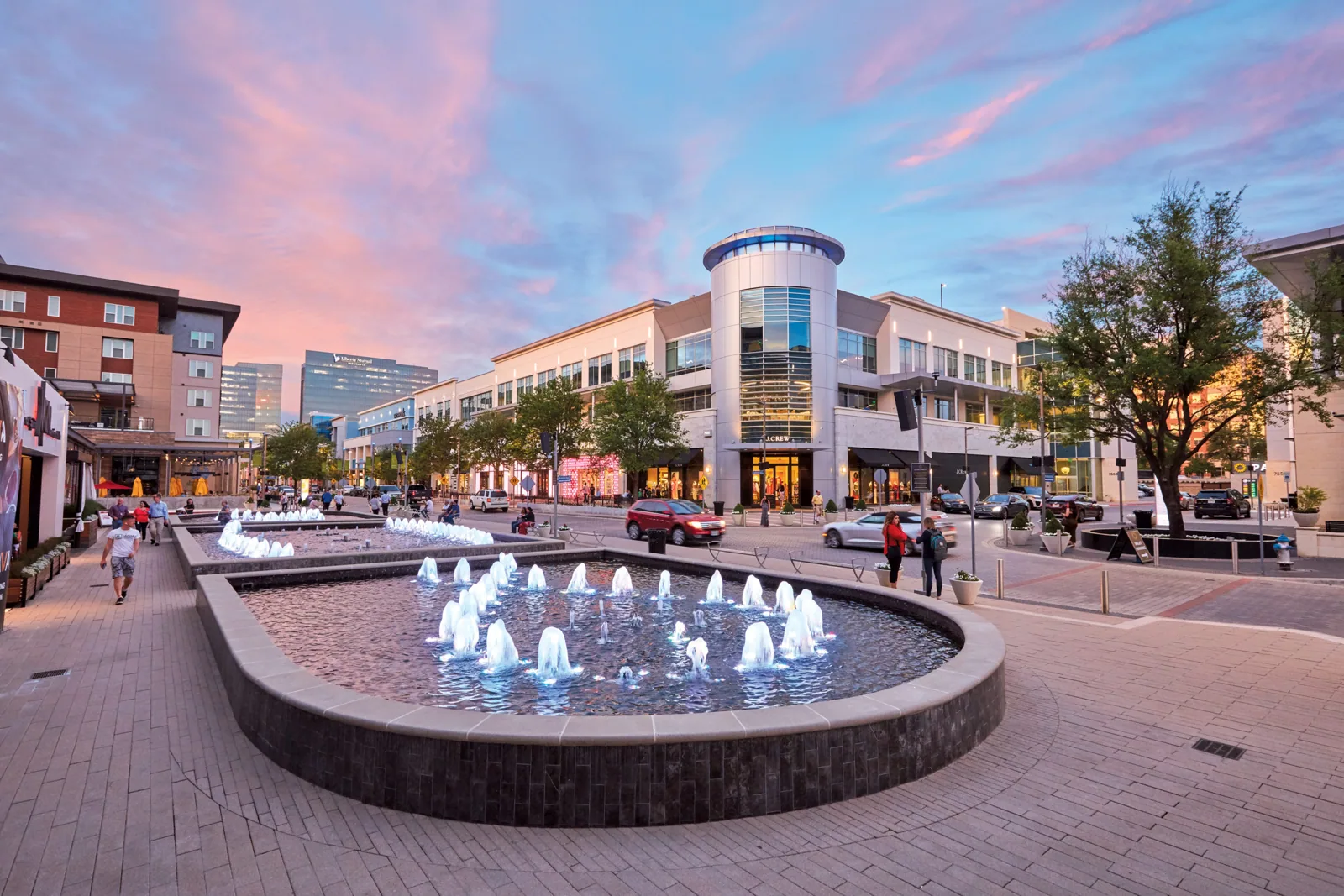
Lewisville also identifies nearby Crown Centre along SH 121 as a planned mix of office, retail, restaurants, and multifamily development. The gateway and Crown Centre have separate property contexts, so a roof plan remains tied to the actual building and its operator. Our occupied-building reroofing service lays out access, tenant notices, material movement, and close-in steps when a larger project must proceed around ongoing use.
The finished report should help someone make a decision after the roof walk is over. We pair each observation with a location, image, repair limit, and recommended next step. Where the diagnosis depends on a test cut or moisture confirmation, we say what the check found and how the opening was closed. If two areas look alike but have different causes, the photos and notes should keep them separate.
That record supports maintenance, capital planning, and insurance review without turning the roof into a list of unprioritized defects. A roof condition report can flag immediate repairs, planned work, and items to revisit. Before scheduling, share the building's access rules, operating hours, and any known leak path. We will walk the assembly, explain what the evidence supports, and give the manager a clear repair or replacement scope. At Crown Centre Lewisville and Trinity Mills Industrial Park, we inspect each building’s roof and confirm its access details before setting the route.
Lewisville describes a mix of distribution warehouses, manufacturing, offices, and retail along West Round Grove Road and FM 3040. We confirm the use and roof conditions for the specific address rather than applying one site profile across the area.
Sometimes. We check the source of the water, the drainage path, the surface condition, and whether the assembly below is wet. Clearing a drain may address a maintenance issue; broad trapped moisture or failed slope can call for a larger scope.
We agree on access, staging, work hours, and restricted areas with the property contact. The scope can divide the roof into work zones and identify how each zone will be protected at the end of a shift or before weather arrives.
You should receive a record of observed damage, its location, the repair limit, and any areas that need confirmation. We can address active water entry first, then complete the permanent repair when the roof and weather allow safe, compatible work.
A coating may fit when the existing assembly is dry, stable, and compatible with the system. We first check seams, flashings, drains, and substrate condition. Wet material or failed attachment needs separate correction before coating is considered.
RELATED WORK
CALL US
Leaks, storm damage, a failing membrane or a replacement on the calendar: tell us what is happening on the roof and we will set up a visit.
Service Areas
Share the building use, access point, active leak location, and operating constraints. We will document the roof condition and set out the repair or replacement steps the property needs.
Call 555-555-5555 or request a roof assessment online.