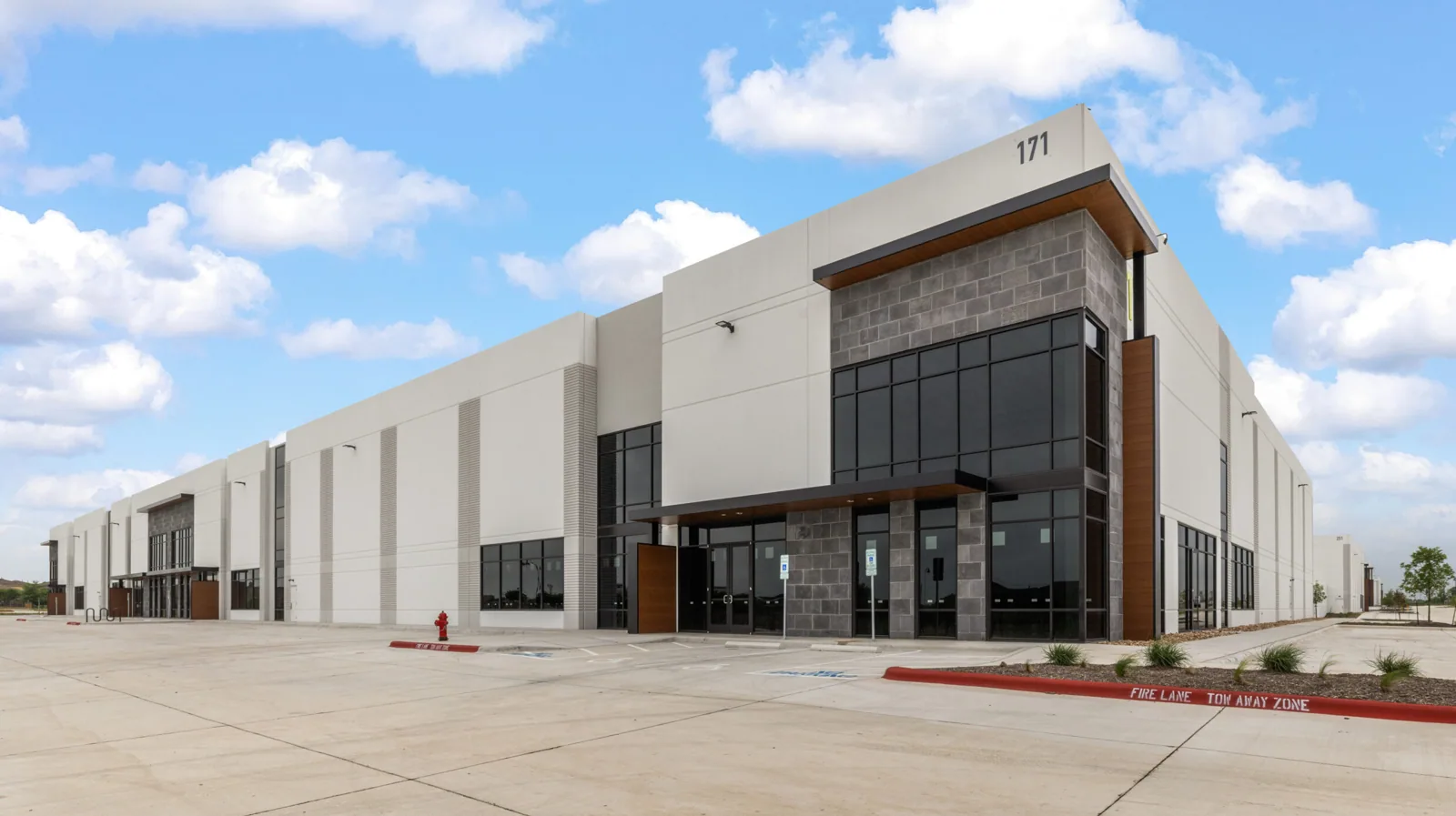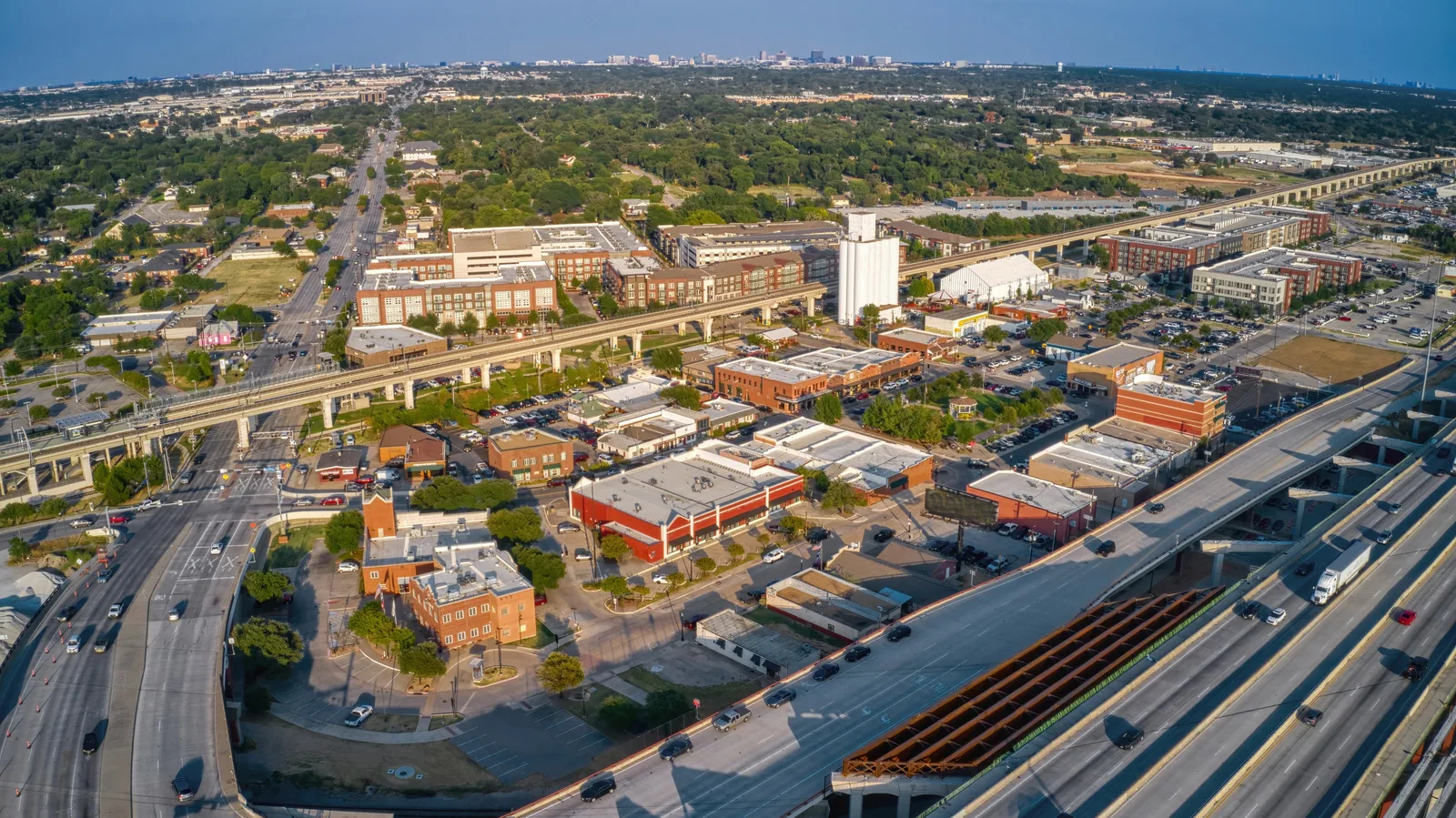
A seam that lifts at a roof curb can let water below the membrane while the surrounding field stays flat. International Business Park is a 188-acre planned business area with office, industrial, and retail uses, part of it within Carrollton. We inspect the roof on the specific property, identify its membrane, drainage, and flashing, and mark where a repair should begin and end. The park's access to President George Bush Turnpike and proximity to the Dallas North Tollway make arrival and material staging part of the site plan. Heat and spring storms across the Dallas-Fort Worth region influence timing, while field conditions determine the work.
The park's planned mix covers office, light-industrial, and retail properties. Those uses call for different roof-walk priorities, even within one development. On a building with rooftop equipment, we inspect curbs and service penetrations. At a retail property, we pay close attention to drainage paths and the spaces that need protection below. An office roof may have several mechanical units and roof access controls. The use helps us plan the inspection; it does not tell us the membrane, age, or condition.
We begin with a roof plan, repair records, leak locations, and the property manager's access rules. Then we mark drains, seams, wall transitions, edges, penetrations, and prior patches. A ceiling stain may be several feet from the roof opening, so we compare it with slope and deck direction before opening a surface. A commercial roof inspection documents what is visible and notes where a test cut or other confirmation would change the recommendation. Each finding stays tied to the particular building.
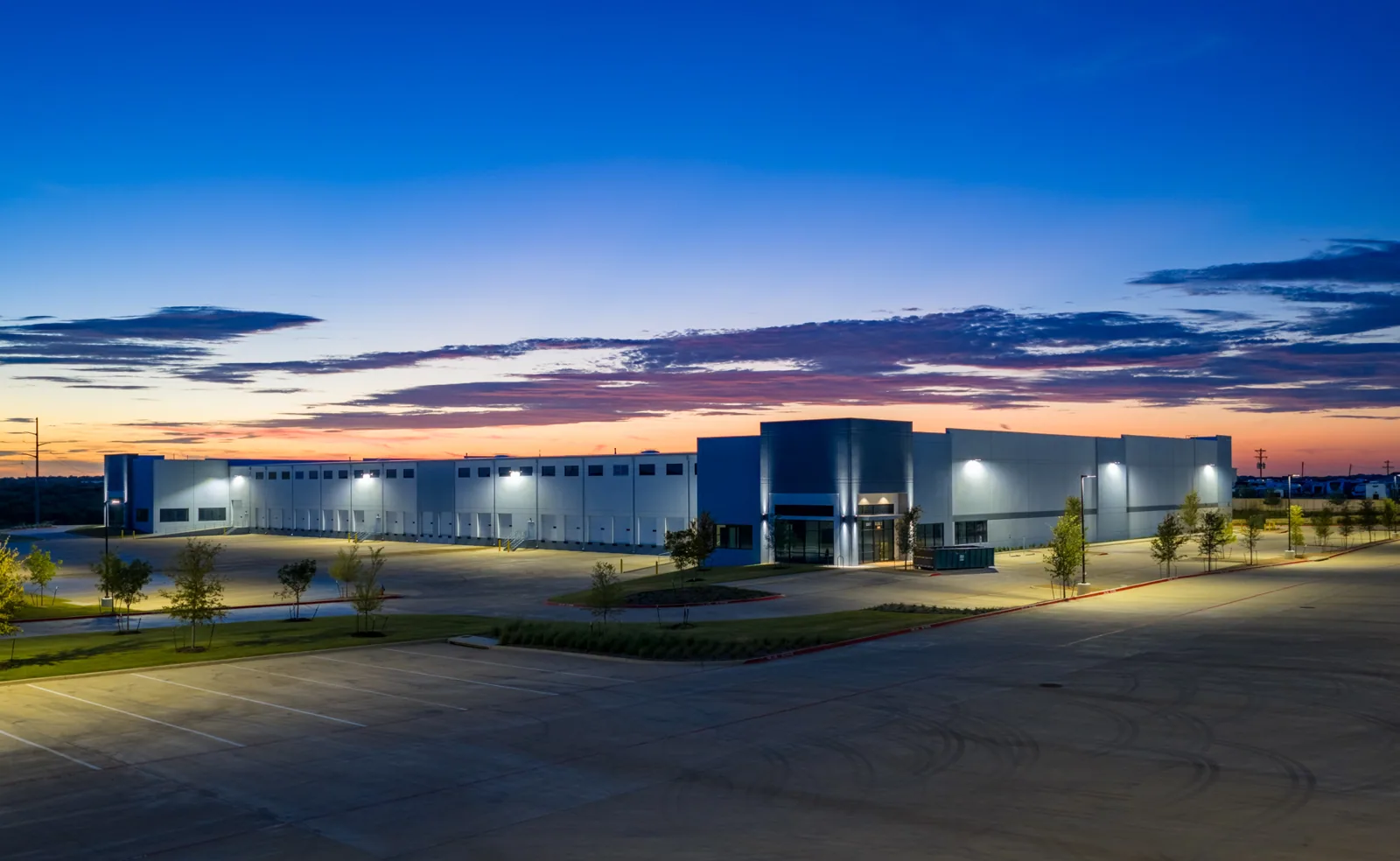
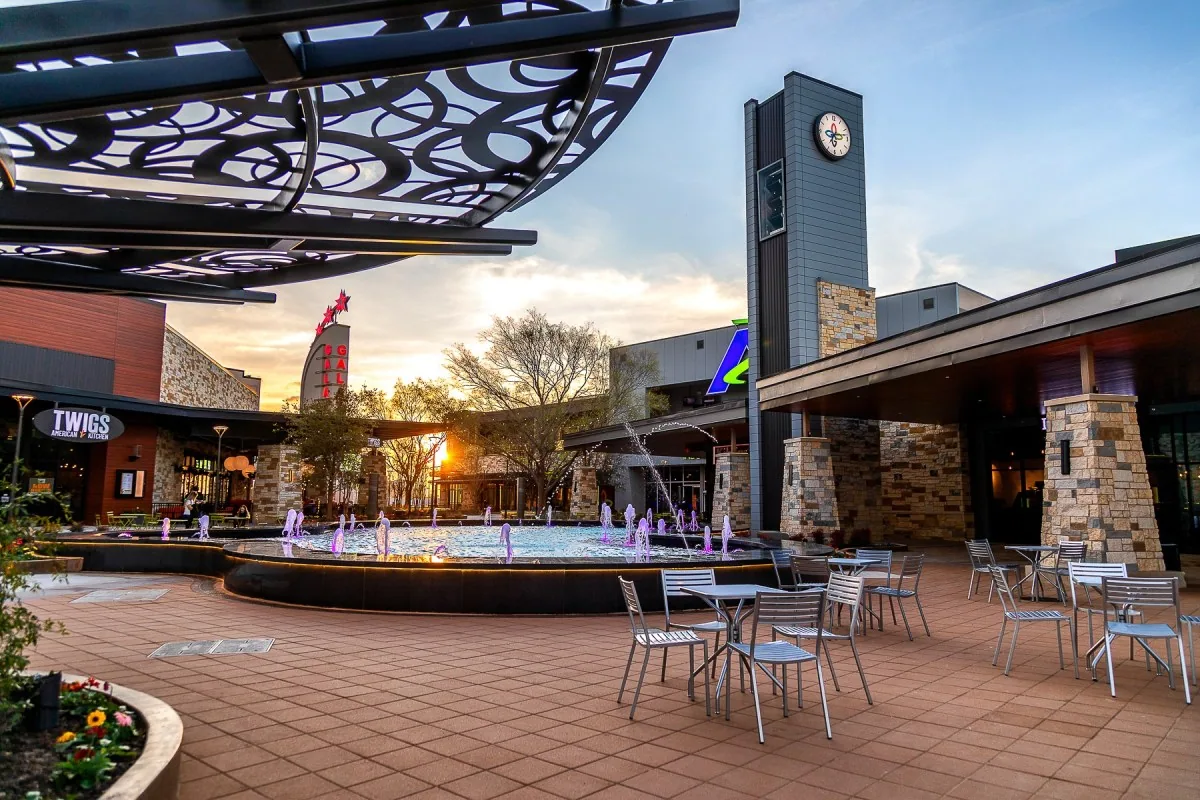
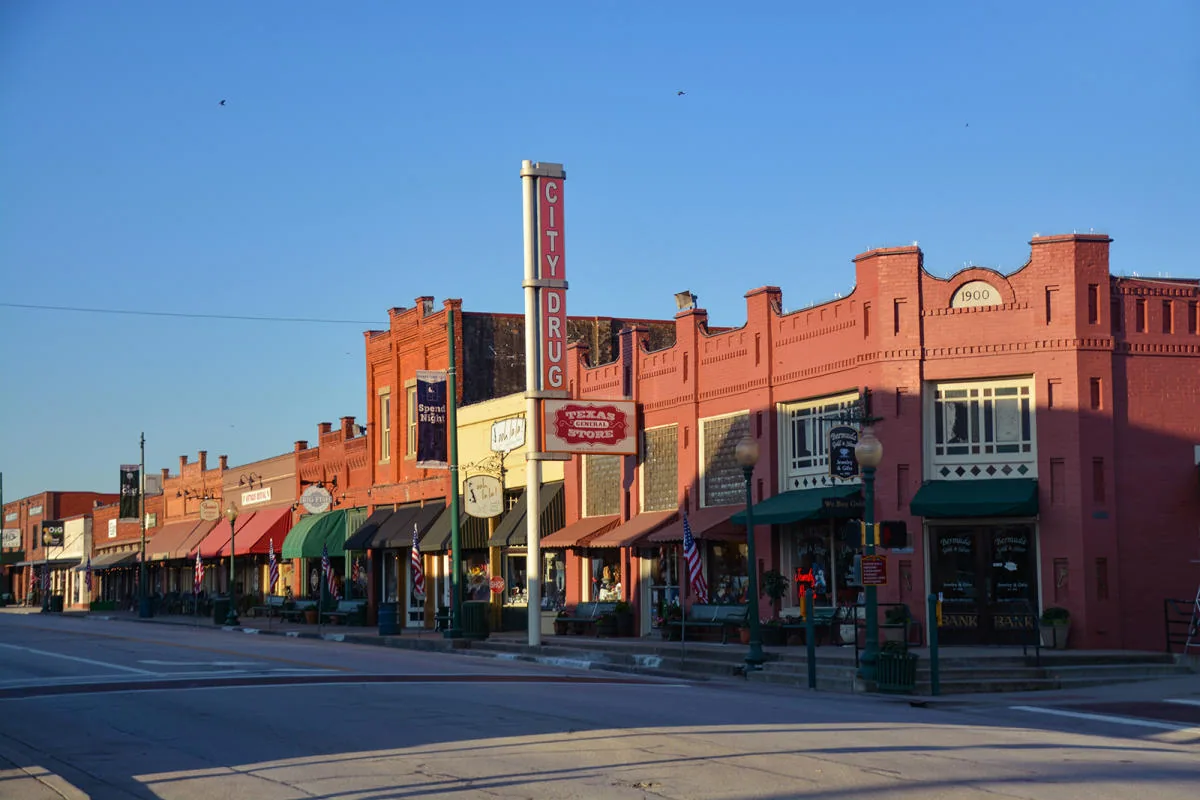
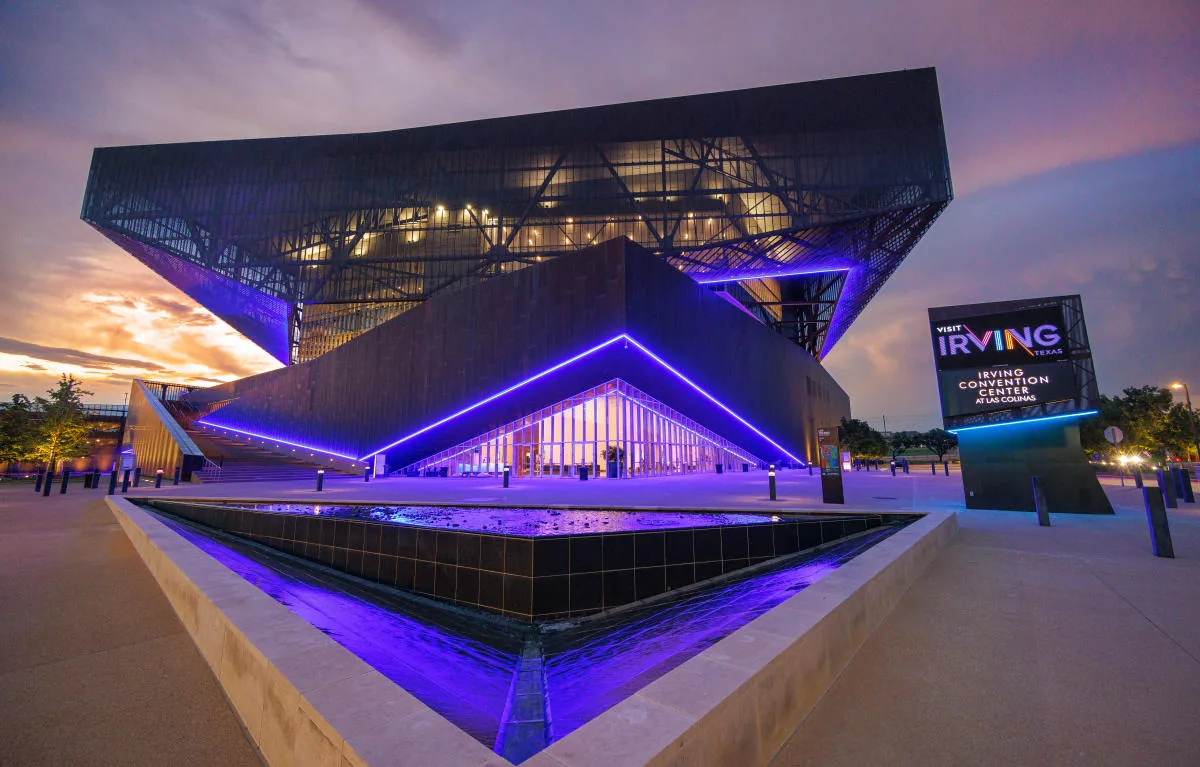
President George Bush Turnpike and the Dallas North Tollway are named access points for the business park. We confirm the building entrance, roof ladder or lift location, material staging, and any roads or tenant areas that must stay clear. Those details determine how the inspection route works and how a repair crew reaches the roof. The manager can also identify delivery periods, visitor paths, and equipment restrictions before work is scheduled.
Carrollton shares the region's hot, humid summer conditions. July and August daytime temperatures across Dallas-Fort Worth stay in the 90s and often meet or exceed 100 degrees. Heat can stress patches, exposed metal, and membrane transitions. We inspect those details for movement and separation, then check whether the substrate is firm and dry. The application window for a repair material depends on its product requirements and the roof surface, not the calendar alone. A heat and UV assessment helps separate surface wear from a detail that has lost water resistance.
Across Dallas-Fort Worth, storm activity is strongest in spring. Hail strikes, wind damage, flood conditions, and tornadoes return somewhere in the metroplex in most years; that regional pattern does not establish damage at this property. After a storm, we inspect seams, penetrations, perimeter metal, rooftop equipment flashings, and drainage. A hail mark must be checked for puncture or other loss of function; a displaced edge needs an attachment review. We photograph the condition and mark its exact roof zone.
Water can enter at a damaged transition and travel along insulation or deck before appearing indoors. We compare the reported leak with the roof slope, drains, and nearby curbs, then test the likely point. If the opening is active, we protect it before the permanent repair is scheduled. A storm damage roof repair visit can identify immediate protection, document the damage, and define what can wait for a suitable weather window. Records should distinguish observed impact from areas that have not been inspected.
A contained seam failure can be repaired when the sheet bonds on both sides and nearby insulation is dry. We prepare the tie-in, use compatible material, and check the finished seam. If the opening reaches a curb or wall, that full termination belongs in the scope. A patch over moving metal or wet layers would leave the cause in place.
Adding a recover layer requires the existing assembly to pass moisture, attachment, drainage, and project checks. When failures appear across several roof zones or insulation holds water, removal may correct conditions a patch or added layer would leave behind. Cost and schedule depend on the roof layers, deck condition, drainage, staging, access, material, and how work affects the building below. A roof recover review can establish whether the assembly is a sound substrate, while a replacement scope can include removal, insulation, flashing, and new edge details as one project.
At a mixed-use business park, a roof project can sit above offices, retail activity, or light-industrial operations. The manager identifies occupied areas, loading and customer routes, safety rules, and equipment that cannot be interrupted. We agree on where a crew can stage, what needs protection below, and the point where roofing must be secure before the shift ends. That plan is set for the building, not copied from a neighboring property.
For an open-roof repair or replacement, we stage materials before removing the existing assembly and keep the exposed area within the daily close-in capacity. Forecast changes can shorten the work window, so each phase needs a secure stopping point. A test cut is also a planned opening: we select it to confirm a layer or moisture condition, document the result, and close it on the visit. Our occupied-building reroof sequence can be phased around the tenant schedule and access controls.
Office, retail, and light-industrial buildings at International Business Park may have different roof assemblies and maintenance histories. We record the specific membrane, seam and flashing condition, drainage observations, prior repairs, and any area that needs follow-up. Dated photographs and a marked plan make it easier to check the same detail later. If the owner has more than one building, each roof gets its own record so a repair is not confused with another address.
Maintenance focuses on drains, scuppers, penetrations, curb flashings, edge metal, and patched areas. We record water-flow restrictions and surface debris, handle items in the maintenance scope, and separate failed components for repair. A roof condition report can preserve the observations for budgeting and future inspections. If the portfolio also includes Downtown Carrollton or Addison Circle, those roofs need their own property-specific walk and access plan.
The planned office, industrial, and retail mix does not establish a standard roof type. We inspect the individual property, check available records, and identify its membrane and details before selecting repair materials or discussing a reroof.
The property use helps set access, protection, and scheduling needs. We confirm tenant activity, visitor routes, loading, and equipment limits with the manager, then plan the work zone and close-in sequence around that building.
Road access affects the route for the crew and materials, while the roof condition sets the scope. We confirm the building entrance and staging rules before mobilizing, then inspect the roof details and mark any repair boundary.
We inspect the membrane, seams, curbs, flashing, and edge attachment for functional damage. Each observed condition is photographed and marked. A storm elsewhere in the metroplex does not establish that this property has damage.
We first verify that insulation is dry, attachment holds, drainage works, and the project specification allows another system. Wet or unstable substrate points toward removal rather than an added layer.
RELATED WORK
CALL US
Leaks, storm damage, a failing membrane or a replacement on the calendar: tell us what is happening on the roof and we will set up a visit.
Service Areas
Set roof access and share any tenant, staging, or weather limits. We will inspect the building's roof details, record the conditions, and recommend a repair or larger scope based on the field evidence.
Call 555-555-5555 or request a roof assessment online.