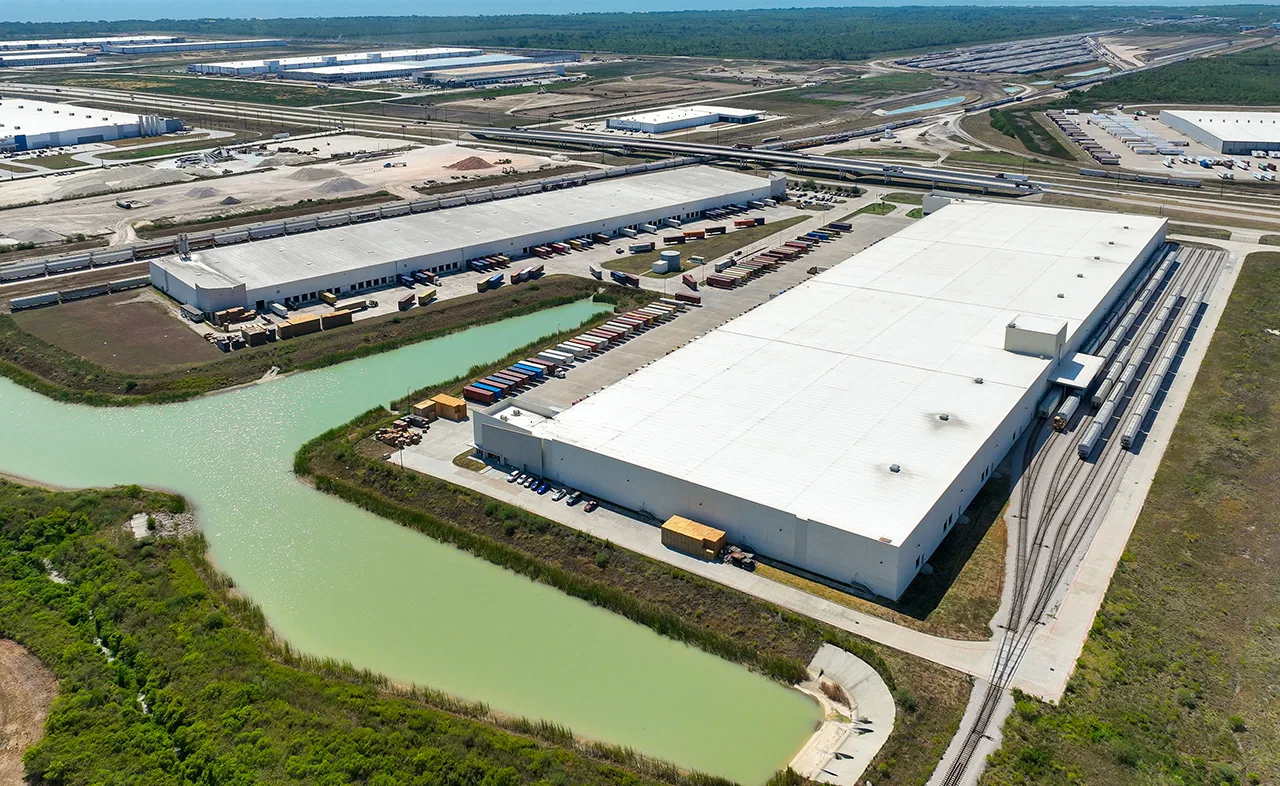
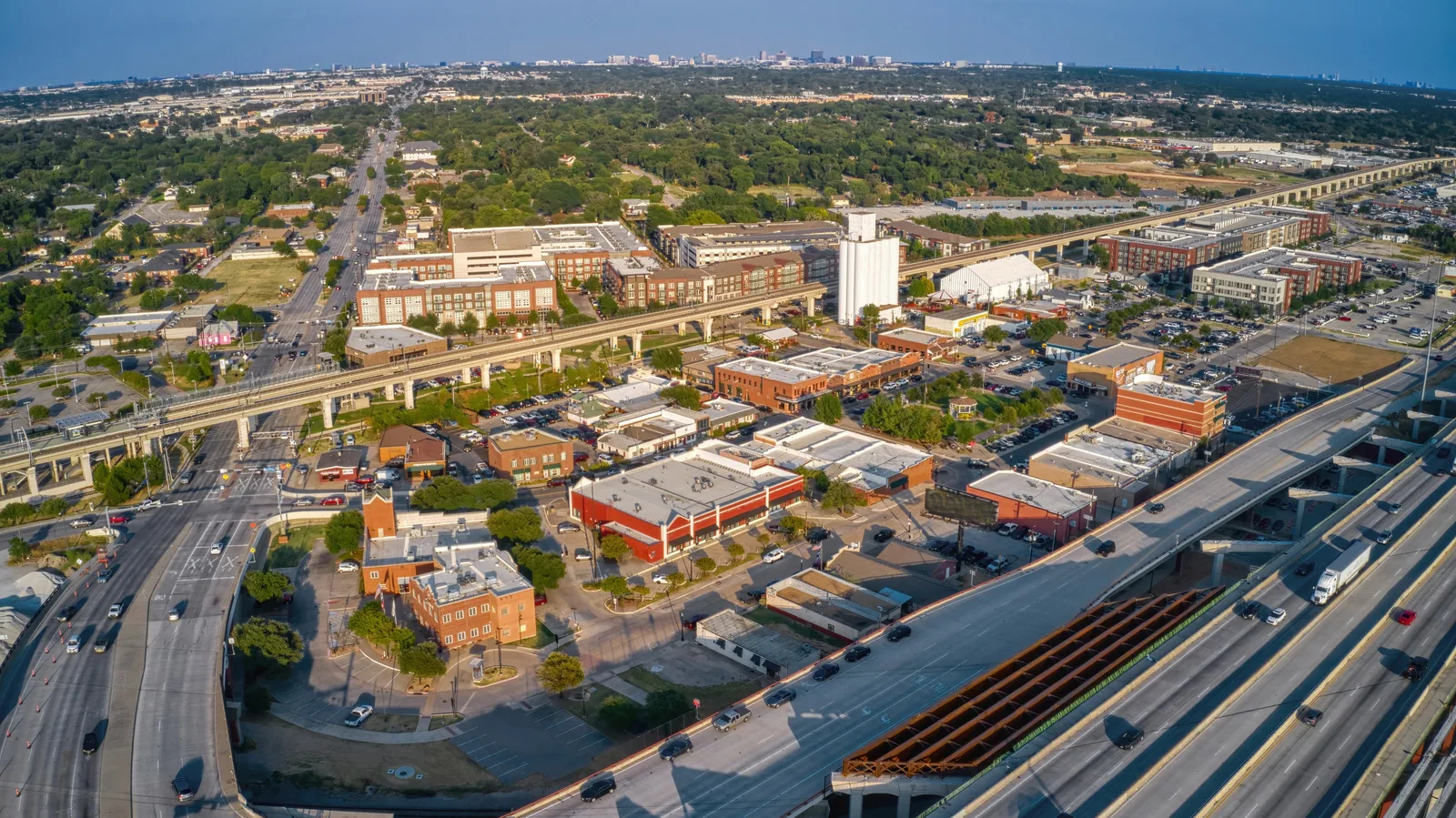
A roof walk in Grapevine starts with the detail that takes the weather first: an exposed edge, a drain, or the flashing where a wall meets the roof. Main Street is a historic commercial district, so every inspection has to begin with the actual building and its existing assembly. We mark the roof areas, photograph what is visible, and separate a repairable condition from a section that needs broader work. The plan should protect the building without treating an old storefront, an office, and a newer addition as if they were the same roof.
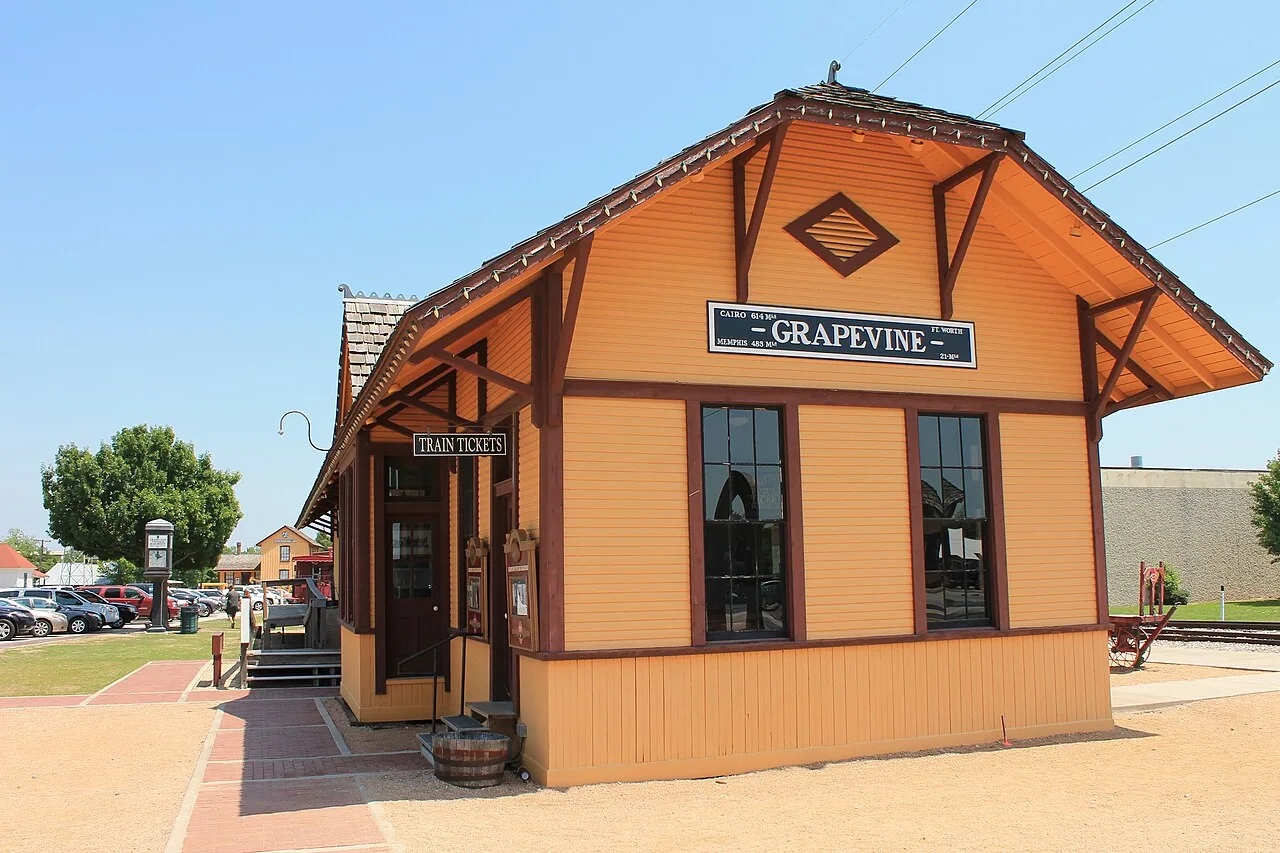
Grapevine lists both its Commercial Historic District and Cotton Belt Railroad Industrial Historic District on the National Register. Those names establish a historic commercial and rail identity; they do not tell us what membrane, deck, or flashing sits on any individual property. We inspect the building itself. From the hatch, we note the roof system, transitions, penetrations, edge conditions, and drainage path. At ground level, we look for staining and water entry, then compare those marks with the roof areas above.
Historic context also makes scope discipline useful. A repair can involve a small seam or a larger transition, but the decision should follow the condition found, the materials in place, and the ability to complete a durable tie-in. We document the repair limit before work begins. If a test cut or closer opening is needed to confirm the assembly, we explain what it will reveal and how the opening will be closed. A commercial roof inspection gives the manager a written record to use when comparing repair, restoration, and replacement options.
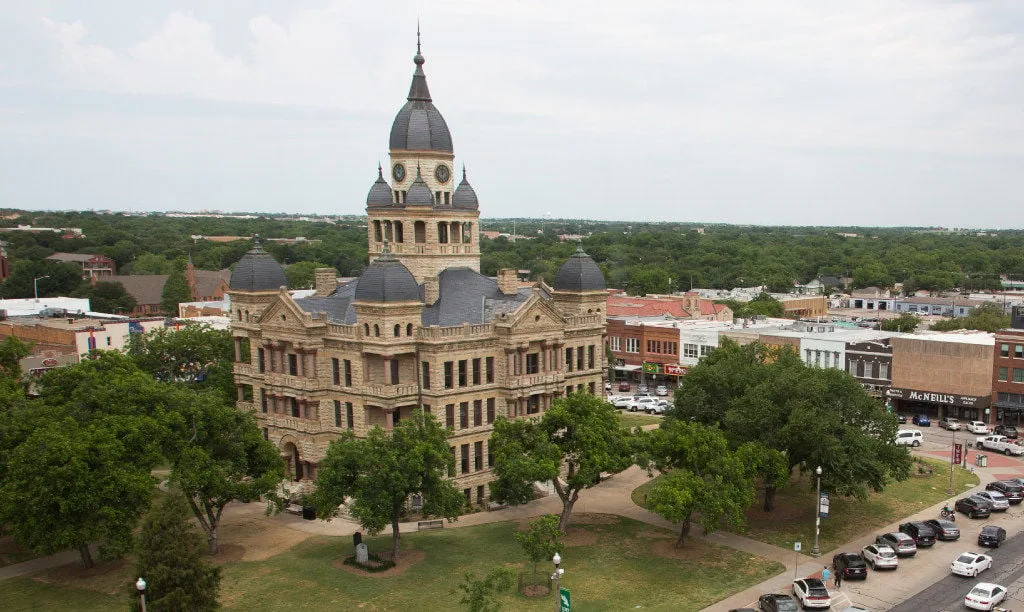
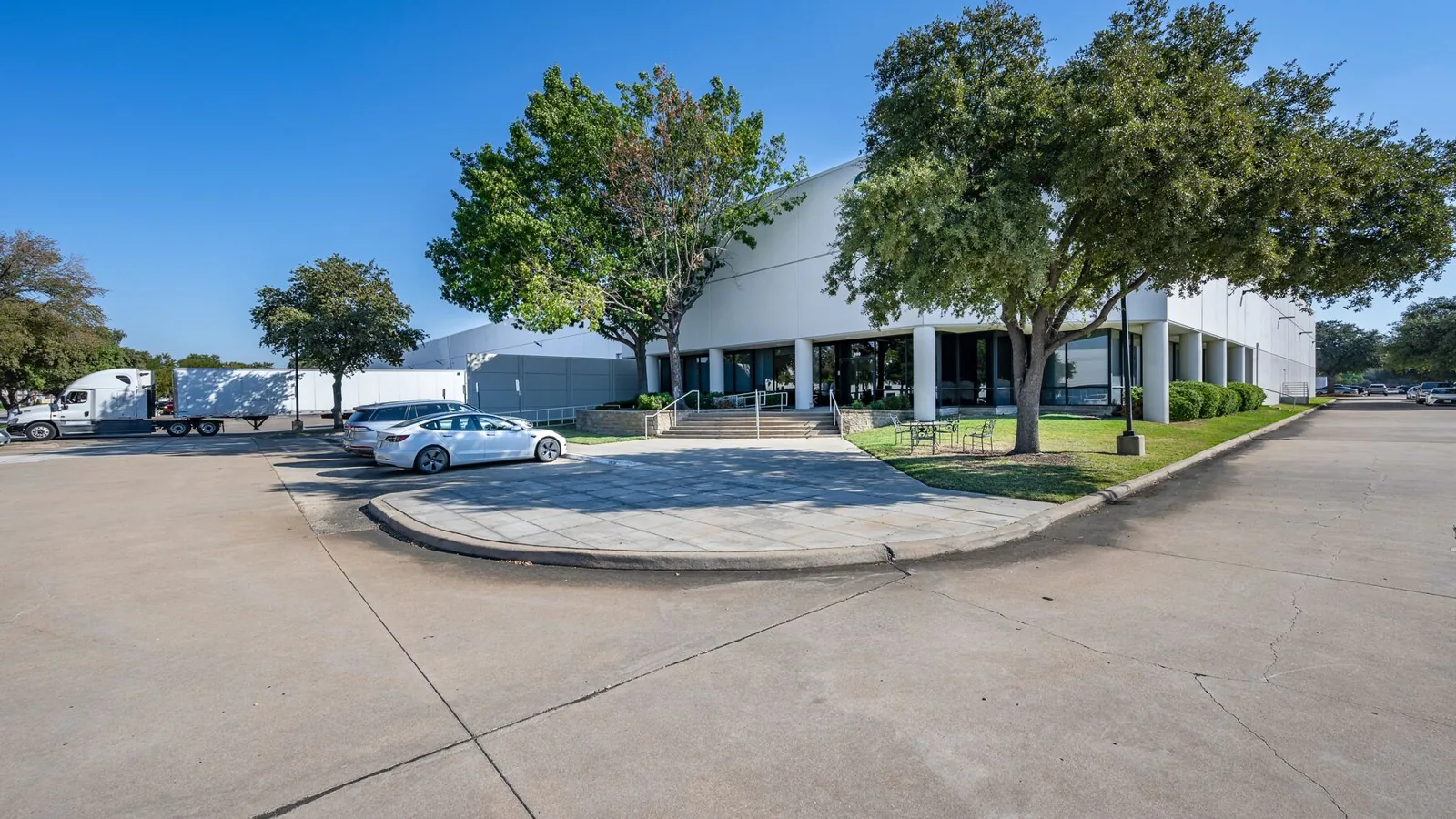
Water marks do not always sit under the entry point. A low-slope roof can move water along a seam, insulation joint, or deck before it appears inside. We trace the route from the interior stain to the roof above, checking laps, curb corners, wall terminations, pipe boots, drains, and any prior patch that crosses the suspected path. A repair that seals the stain but leaves the failed transition open may send water back into the building at the next storm.
Drainage deserves its own pass. Debris at a drain bowl, a loose clamping ring, or a damaged seam nearby can hold water at a detail that needs to stay clear. We check the drain, surrounding membrane, and overflow route together, then note any ponding that persists after ordinary rainfall. If several areas show moisture, an infrared moisture survey can help target test cuts, but the scan is interpreted alongside roof observations and confirmation openings. The instrument points to a question. It does not replace the inspection.
The Dallas-Fort Worth area sees spring severe weather, including large hail, damaging winds, flooding, and tornadoes. Heat adds another stress: Dallas-Fort Worth summer afternoons regularly run through the 90s, with triple-digit readings occurring during July and August. On a roof, those conditions can expose weak seams, displace edge metal, damage a membrane surface, or stress a flashing repair that was already marginal. A mark needs context before it becomes a scope item. We photograph its location, size, and relation to nearby seams, drains, equipment, and penetrations.
After a storm, the inspection record should separate visible impact from pre-existing wear and ordinary movement. That distinction helps the owner decide what needs immediate protection, what can be repaired in the next suitable weather window, and what merits a broader condition review. Our storm damage roof repair work can include temporary protection, documented repair limits, and close-in checks once weather permits. Dispatch accepts active-leak calls at any hour, holidays included; we document the temporary measure and return conditions before scheduling permanent work.
A sound repair depends on material compatibility and a clean termination. On a single-ply roof, a patch must bond to a prepared surface and extend beyond the damaged area. At a metal transition, fasteners, laps, and edge conditions all matter. Coating is an option only when the existing surface is suitable, the assembly is dry enough for the proposed system, and details can be prepared and reinforced. A coating should not cover wet insulation or conceal a failed drain connection. We identify those constraints before recommending restoration.
When the roof has widespread wet insulation, repeated failures, or a repair history that no longer holds, replacement may be the clearer path. A recover can preserve an existing assembly only when its condition, attachment, drainage, and code requirements support that choice. For a single repair, a commercial roof repair scope can name the detail, material, preparation, and close-in test. For a broader project, we compare the expected work and disruption across repair, recover, and replacement.
Grapevine's transportation information describes hotel and airport shuttle service to Main Street and notes TEXRail's connection between Grapevine, DFW Airport Terminal B, and Fort Worth on a 27-mile route. Those transportation connections are useful context for planning a roof walk around people arriving in the district. Before the inspection, we confirm the building contact, hatch or ladder location, fall-protection needs, tenant constraints, and delivery window.
For occupied properties, the work plan should say when crews will be overhead, how materials reach the roof, which entrances remain open, and who receives notice if the scope changes. A written roof condition report can pair marked photos with repair priorities and next steps. If several properties are under one manager, the multi-site roof program can keep inspections and budget decisions comparable without blending distinct roof conditions into one generic list.
Before leaving, we check that the repaired area is closed in, the tie-in is sound, debris is removed from drains, and the photo record identifies the completed location. If work needs to pause for weather, the temporary condition and return step belong in the written scope. That gives the property manager a clear answer about what has been secured and what remains open.
A roof plan for Main Street should stay specific to each building. The historic district name, the Cotton Belt Railroad Industrial Historic District, and the route connecting Grapevine with DFW Airport and Fort Worth provide local context, but the roof determines the work. Arrange access, identify tenant or delivery constraints, and share the location of any active leak before the roof walk. We will document the observed conditions, explain the repair limit, and set out the next step in language the property team can use.
For nearby properties, our Downtown Carrollton roofing team and Trinity Mills Station District service area follow the same building-specific approach. The assembly, its details, and the access plan decide how the work proceeds.
We start with the specific building, identify the assembly and roof access, then map seams, penetrations, edges, drainage, and visible interior signs. The recommendation follows the membrane or metal, drainage, flashing, and transitions found on the roof walk.
A roof walk can document the leak path and visible storm-related marks. We compare their location and condition with seams, flashing, prior repairs, and interior evidence, then separate confirmed damage from items that need testing or monitoring.
A coating can work when the existing surface is compatible, the assembly is sufficiently dry, and the details can be prepared and reinforced. Wet insulation, failed drainage, or widespread attachment problems call for a different scope.
Share the access point, roof access rules, active leak locations, tenant or delivery limits, and any recent repair records. That lets us schedule the walk and record the conditions that matter to the building.
Dispatch accepts active-leak calls at any hour, holidays included. We first limit water entry, then document the condition and define permanent work after the roof can be inspected safely.
RELATED WORK
CALL US
Leaks, storm damage, a failing membrane or a replacement on the calendar: tell us what is happening on the roof and we will set up a visit.
Service Areas
Arrange roof access and identify the tenant, delivery, or weather constraint. We will document the roof condition, mark repair limits, and give you a clear scope for the next decision.
Call 555-555-5555 or request a roof assessment online.