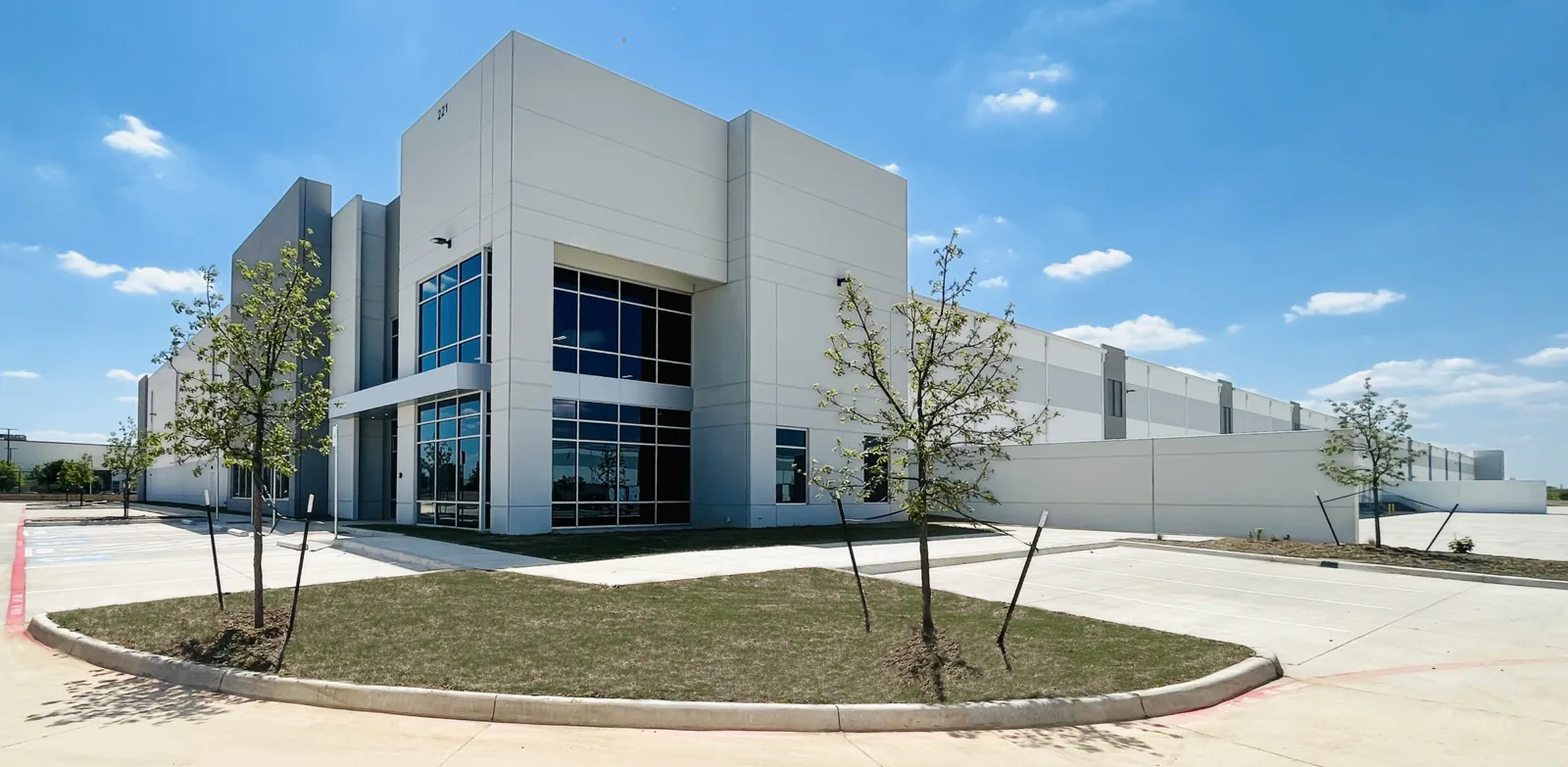
A roof at the edge of Grapevine’s Cotton Belt district needs a close look at how its seams and transitions manage water. The city lists the Cotton Belt Railroad Industrial Historic District on its National Register page, reflecting the rail and industrial history of Grapevine’s commercial core. That history gives the area a name, not a roof specification. We check the building in front of us, identify its roof system, and document which detail needs work before anyone chooses a repair material.
At a listed historic district, we use owner records and field details to identify the roof construction and current condition. Those details come from the building itself and any records the owner can provide. From the roof entry, we note the surface material, seams, wall connections, curbs, drains, edge metal, and past repairs. At ground level, we compare visible staining or water entry with the roof area above. If the property team has photographs from earlier work, we use them to identify changed details, not to assume that the same repair is still sound.
Grapevine’s National Register inventory includes Main Street’s commercial district as well as this rail-centered area. Its listing reflects historic industrial uses in the commercial core, while the inspection remains tied to one address. That separation matters when a maintenance plan covers several properties. A commercial roof inspection gives each roof its own marked images, condition notes, and repair priorities instead of rolling separate buildings into a single generic finding.
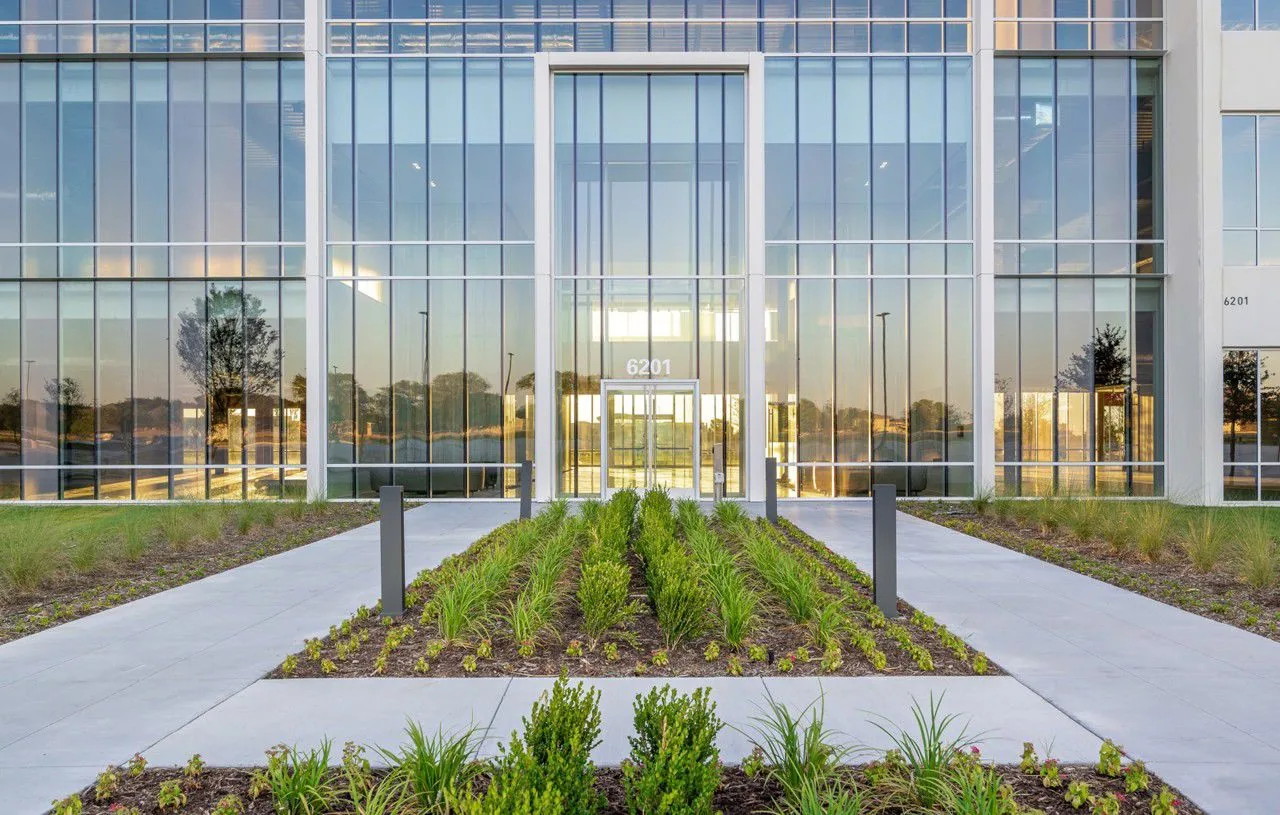
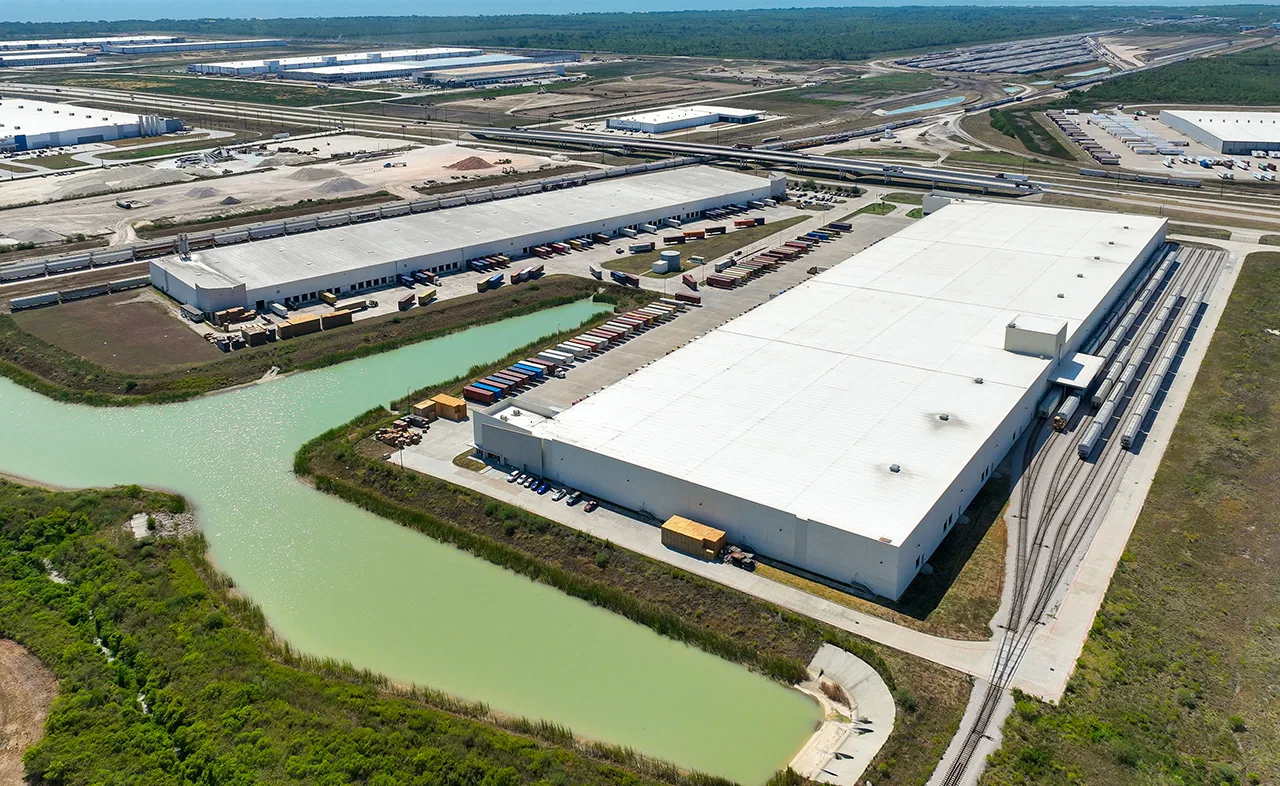
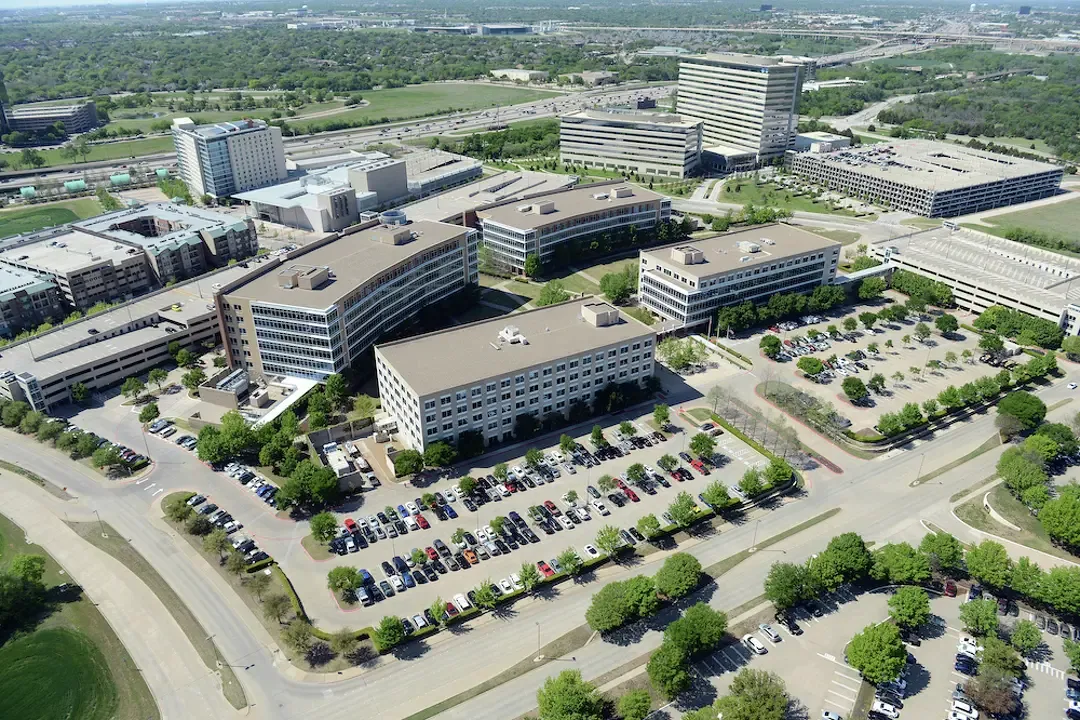
Water often enters where one material ends and another begins. We inspect parapet terminations, metal edges, equipment curbs, wall flashings, and penetrations for open laps, separated sealant, loose fasteners, and movement. The detail needs to suit its roof assembly. A membrane repair should bond to compatible, prepared material; a metal repair needs secure laps and fasteners that do not leave a new entry point. If a transition has been covered by several patches, we identify which layers can remain and which need to be removed.
Rail and industrial history do not tell us how a property operates today, so the site contact helps set the access and safety plan. We confirm the roof entry, overhead hazards, active equipment, restricted areas, and hours when work can proceed. If a repair requires a test opening, we identify its purpose and same-day close-in step in advance. Our penetration and flashing service addresses the transitions where water can pass through an otherwise continuous surface.
A drip point inside may be downstream from a seam, drain, or wall detail. We begin with the room and roof area reported by the manager, then follow the likely path across the assembly. Drain bowls, clamping rings, scuppers, and the membrane around them receive separate checks. So do low areas where water remains after rainfall. A blocked drain can need maintenance; a split flange or failed flashing requires roof repair. The recommendation should name which condition was found.
Infrared readings can focus an investigation, but they are not a substitute for checking the roof layers. If the surface scan suggests moisture below, a confirmation cut can show whether the insulation is wet and whether the repair limit must widen. We record the location and result, then close the opening according to the assembly. An infrared moisture survey helps determine where a test can answer an actual scope question, rather than adding a scan without a decision attached.
Dallas-Fort Worth weather can deliver spring hail, damaging wind, flooding, and tornadoes, followed by long hot periods and winter freeze-thaw cycles. Those exposures affect different roof details. Hail can mark a membrane or metal surface; wind can loosen an edge or lift a weak termination; heavy rain can reveal a drain or seam problem. We photograph each condition alongside nearby details, then separate the visible observation from the cause that still needs testing.
When water is entering the building, we can mobilize for urgent leak control at any hour, holidays included, to limit exposure and protect the interior. Permanent repair follows when the roof is safe and the material can be installed correctly. Our storm damage roof repair scope records the damage area, immediate action, and any test needed to confirm the full repair boundary. The owner receives a clear explanation of what was repaired and what should be reviewed again.
A short patch is useful only when it reaches a stable surface. We identify the existing membrane, metal, or built-up system; remove failed material where needed; and prepare a receiving area that can hold the tie-in. Wet insulation, loose attachment, or repeated failures can make a narrow repair unreliable. If findings point to a wider area, we explain the evidence and compare a repair, recover, restoration, or replacement. The recommendation should be about the roof’s condition and project constraints, not about the historic label alone.
Coatings may be considered on a compatible, stable, dry assembly after drains and flashings are prepared. They do not correct a water path below the surface. Replacement may let the owner address insulation, drainage, edge details, and rooftop penetrations in one scope. We describe material staging, tear-off, weather protection, and close-in sequence so the building can remain in operation as the work proceeds. A commercial roof repair can stay localized where evidence supports it; a commercial roof replacement can be compared when the assembly has broader deterioration.
Hotel and airport shuttles serve Main Street, and the 27-mile TEXRail line runs between Fort Worth, Grapevine, and DFW Airport Terminal B. Those connections offer useful context for planning crew arrival and property access. They do not identify a building’s loading area or roof entrance. We confirm the site contact, approved entry, work-hour window, material staging point, and any tenant or delivery restriction before the roof crew is scheduled.
At closeout, we confirm repairs are tied in, test openings are closed, drains are clear of work debris, and photographs show the finished area. If weather pauses a job, the report states what is protected and what remains for the next visit. For another Grapevine setting, our Main Street commercial roofing service evaluates that building separately. At Downtown Carrollton, commercial roof work also depends on the building's own entry, pedestrian route, and operating hours. Managers overseeing several districts can use multi-site roof programs to coordinate inspection dates while preserving a separate condition record for each address.
No. The historic district designation supplies context about Grapevine's rail and industrial history, but it does not specify an individual property's roof. We inspect the assembly and record what is visible or confirmed by testing.
We look at the repair edge, adhesion, material compatibility, and nearby seams or flashings. If layers hide the original condition, we explain what opening or test would clarify the repair limit before disturbing the roof.
Yes. Crews can answer emergency leak calls 24 hours a day, including holidays. We work to limit water entry, document the immediate condition, and define permanent repair after the roof can be inspected safely.
We confirm the roof entrance, site contact, access rules, work hours, material staging, and any tenant or delivery constraint. The scope identifies the roof area and close-in step so the manager can coordinate the work below.
Broad wet insulation, recurring leaks, weak attachment, or deterioration across multiple areas can make a larger project more durable. We document those findings and compare repair, recover, and replacement options.
RELATED WORK
CALL US
Leaks, storm damage, a failing membrane or a replacement on the calendar: tell us what is happening on the roof and we will set up a visit.
Service Areas
Share the property address, roof entry, active leak location, and operating limits. We will inspect the actual assembly, document the detail, and recommend a repair path the evidence supports.
Call 555-555-5555 or request a roof assessment online.