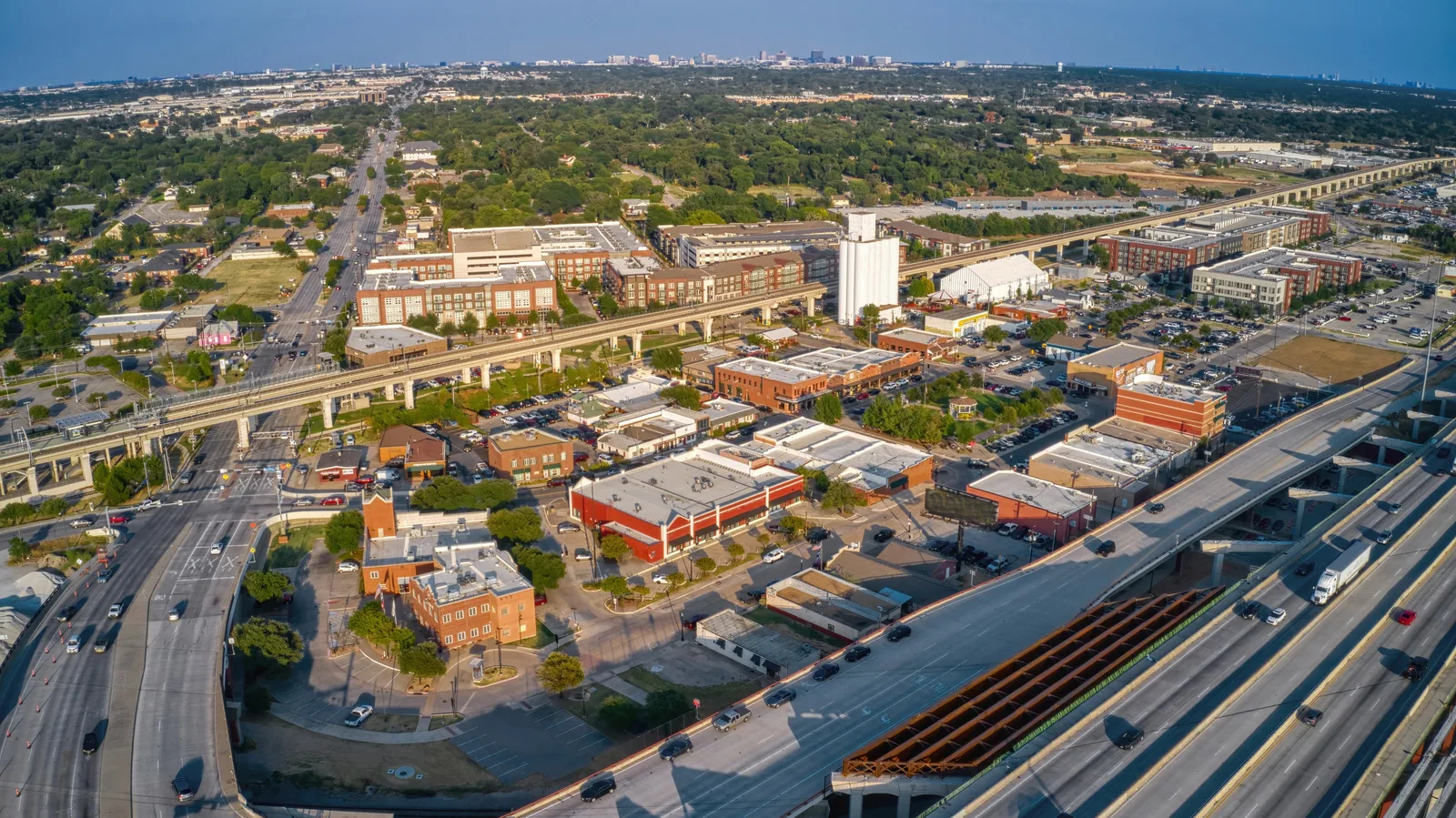
A loose edge at a freight-side parapet can admit wind-driven rain while the center of the roof still looks sound. Near Denton Enterprise Airport, the zoning west of I-35W allows heavy-industrial uses, including manufacturing, distribution, and freight operations that benefit from road, rail, and air access. We inspect the actual building before choosing a repair or replacement scope. The airport and the industrial district north of Airport Road give useful location context; the roof, its access rules, and the work schedule determine what happens next.
On a large industrial roof, a field seam can run for a long distance before meeting a curb, drain, wall, or expansion joint. Those transitions deserve a slower look. We mark the roof zones, check membrane laps and terminations, inspect edge metal, and compare any interior leak mark with the slope and drainage path. A stain below a loading or production area does not identify the entry point by itself. The roof walk needs enough location detail to separate a surface symptom from the failed assembly above it.
Where the roof record is incomplete, we note the system we can identify and the questions that need confirmation. A hands-on commercial roof inspection can map visible conditions, while an infrared moisture survey may help select areas for closer testing. A test cut is used when the layers below the membrane cannot be confirmed from the surface. We record the opening and close it before leaving.
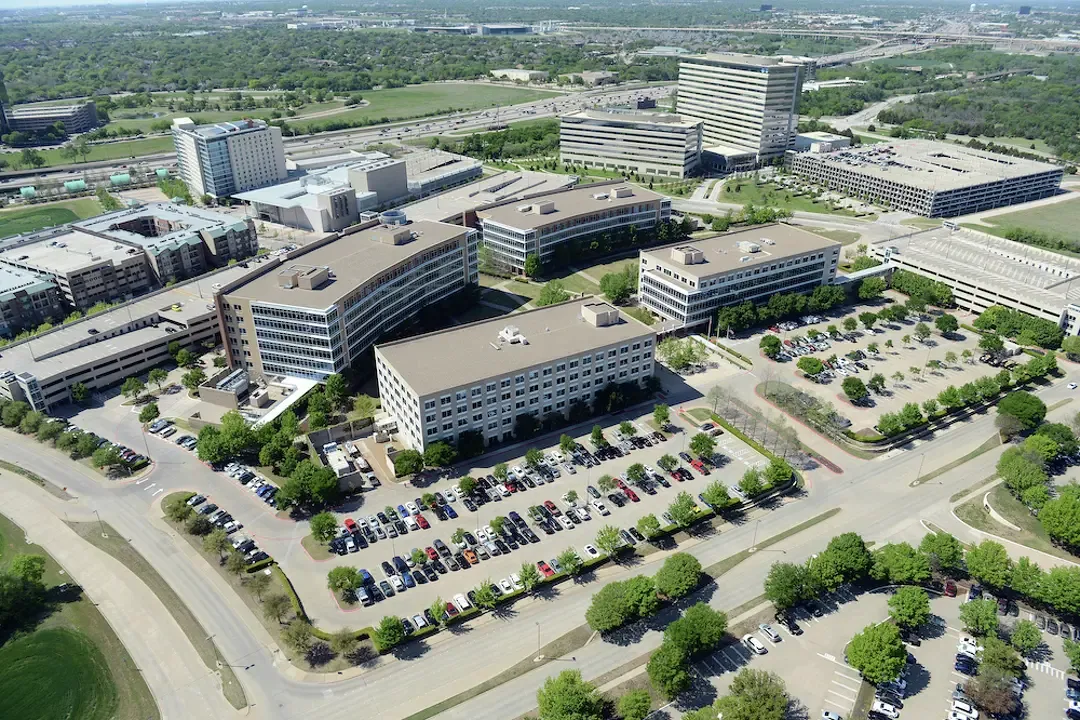
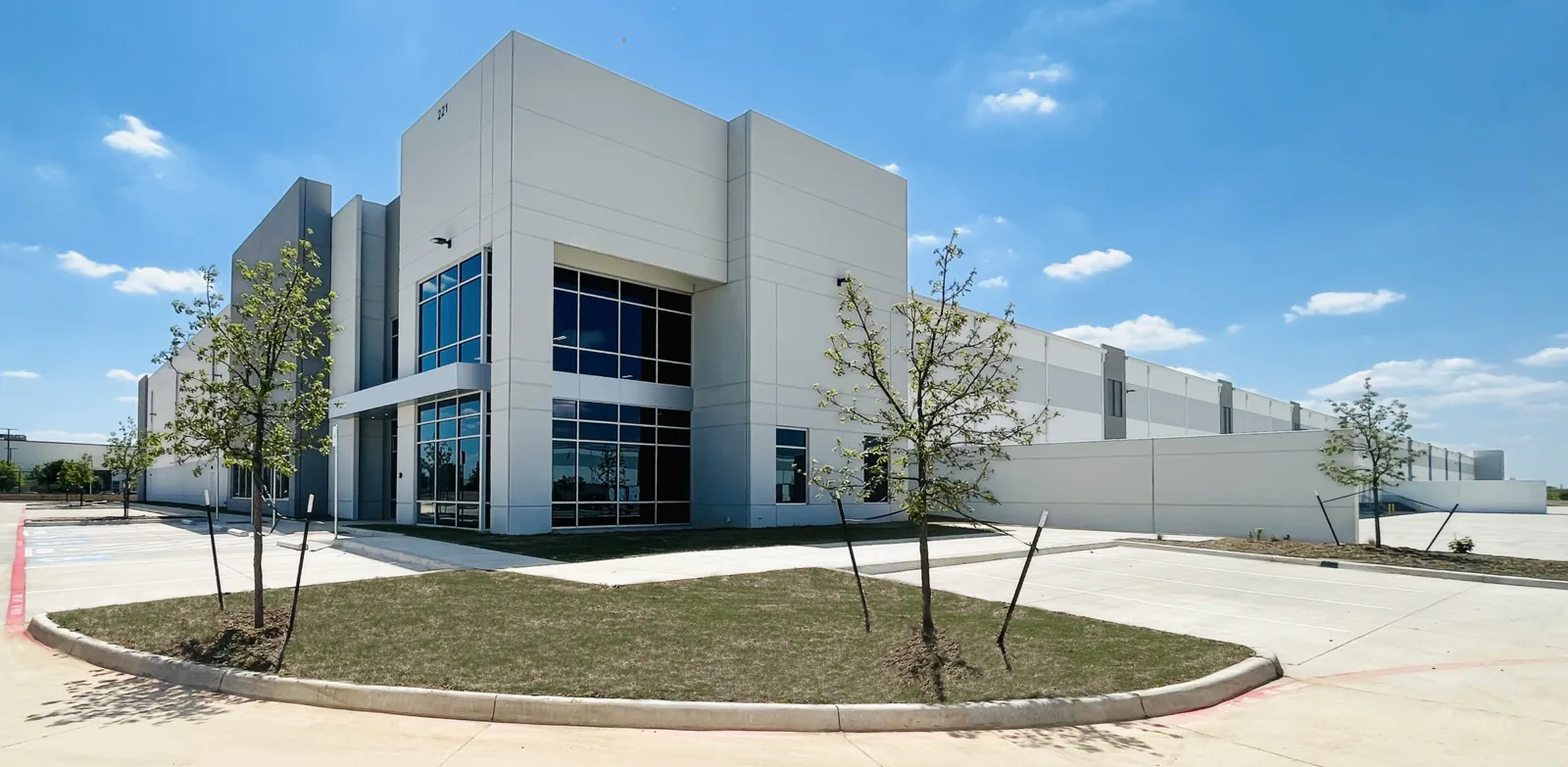
Manufacturing, distribution, and freight use can place different demands on site access. The property contact identifies active truck lanes, loading periods, security procedures, roof hatches, and places where a lift or material drop cannot block operations. I-35W and the airport describe the industrial area's access context, but they do not determine the route across an individual parcel. We confirm that route with the manager before the crew arrives and keep the roof work boundary clear of active equipment.
Inside the building, we ask which lines, inventory areas, and occupied spaces need protection from debris or vibration. If the work must proceed in phases, each section needs a defined start and a same-shift close-in point. An occupied-building reroof plan can sequence removal, installation, and weather protection around the operating schedule. A roof repair is not complete when a patch is placed; the manager should know which area was opened, what was found, and what remains for follow-up.
Dallas-Fort Worth summers bring sustained heat and humidity. July and August daytime temperatures across the region stay in the 90s and often reach 100 degrees or higher. Heat can affect membrane handling, adhesive behavior, and the time available to secure an exposed section. We check the roof temperature and product requirements before application, then stage materials so an open area can be closed within the planned shift.
Spring brings the region's highest severe-weather activity. Nearly every year, hail, damaging wind, flooding, or a tornado affects some part of the Metroplex; only an inspection can establish what reached this Denton address. After a storm, we inspect edge metal, seams, rooftop equipment curbs, and penetrations for specific impact or movement. Storm-damage roof service can document the affected areas and distinguish urgent protection from permanent repair. Carrollton's nearby Frankford Trade Center also has distribution and logistics activity, but its roof conditions do not stand in for a Denton inspection.
A drain bowl, strainer, and surrounding membrane work as one detail. We check for debris, standing water, a loose clamping ring, or a split around the drain connection. Scuppers and gutters need an open path, and the roof surface must direct water toward them. Ponding can keep a seam or patch under stress longer than a normal rain event. If the interior report points to a low bay, we compare the roof plan and drainage points before opening material.
Heavy-industrial zoning near the airport supports a range of uses, not one standard roof assembly. We identify whether the building has a single-ply membrane, built-up roof, metal system, or another construction before proposing materials. The repair must be compatible with the existing surface and its condition. A drain and scupper inspection can address outlets, while ponding-water repair starts with the cause, including slope, obstruction, or deck movement. Water removal alone will not correct a drainage defect.
A localized repair makes sense when the membrane around the defect remains attached and dry. If moisture has moved into insulation, the scope may need to remove affected material and restore the assembly. We check attachment, seam condition, flashing, drainage, and prior repairs before deciding whether a patch is enough. When the roof has broader deterioration, replacement can address the layers and details together. We recommend another roof layer only after moisture, attachment, and height checks show the existing assembly can accept it without conflict at drains or equipment.
Cost and timing turn on measurable conditions: deck and insulation repairs, number of roof transitions, access for equipment, tear-off requirements, material staging, and the amount of close-in work each shift can safely handle. A written roof condition report records the findings and separates confirmed damage from areas needing a test. For owners planning future work, capital planning can sort immediate repairs from work that can be budgeted for a later weather window.
Industrial roofs change as equipment, penetrations, and service routes change. After repair, we update the roof map with the work zone, materials used, photographs, and any nearby detail that should be checked again. The manager can use that record when a later leak appears, when equipment work is scheduled, or when a larger reroof is considered. A location-specific record also prevents observations from one building from being carried over to another site.
Denton's Westpark industrial district lies north of Airport Road and covers about 800 acres. The Westpark industrial district is useful context for Denton's industrial activity, but it does not tell us which buildings near Denton Enterprise Airport need work. We assess each roof on its own evidence. A preventive maintenance visit can check drains, perimeter metal, seams, and prior patches before the next storm cycle. The manager should share roof access instructions, operating limits, and any recent leak or impact reports when arranging the walk.
No. The zoning context supports several industrial uses, but it does not identify the assembly on a particular building. We inspect the surface, seams, drainage, and records before selecting compatible repair materials.
The site manager sets the loading windows, truck routes, and areas that must stay clear. We plan staging and close-in around those limits, then phase the work if one uninterrupted roof section is not practical.
We inspect the roof at the address for punctures, lifted edge metal, open seams, and damaged curb or wall flashing. Photos and roof-zone marks document what the weather changed and what remains intact.
Before adding another roof layer, we test for moisture, review attachment, and confirm the new assembly will clear drains and equipment. If those checks fail, replacement or targeted removal may be the sounder scope.
Share the roof plan if available, access and security instructions, active loading periods, and any leak or storm notes. Those details help us set a safe route and bring the right inspection equipment.
RELATED WORK
CALL US
Leaks, storm damage, a failing membrane or a replacement on the calendar: tell us what is happening on the roof and we will set up a visit.
Service Areas
Share the building's access rules, freight or production schedule, and recent roof concerns. We will inspect the system, mark the findings, and provide a repair or planning scope.
Call 555-555-5555 or request a roof assessment online.