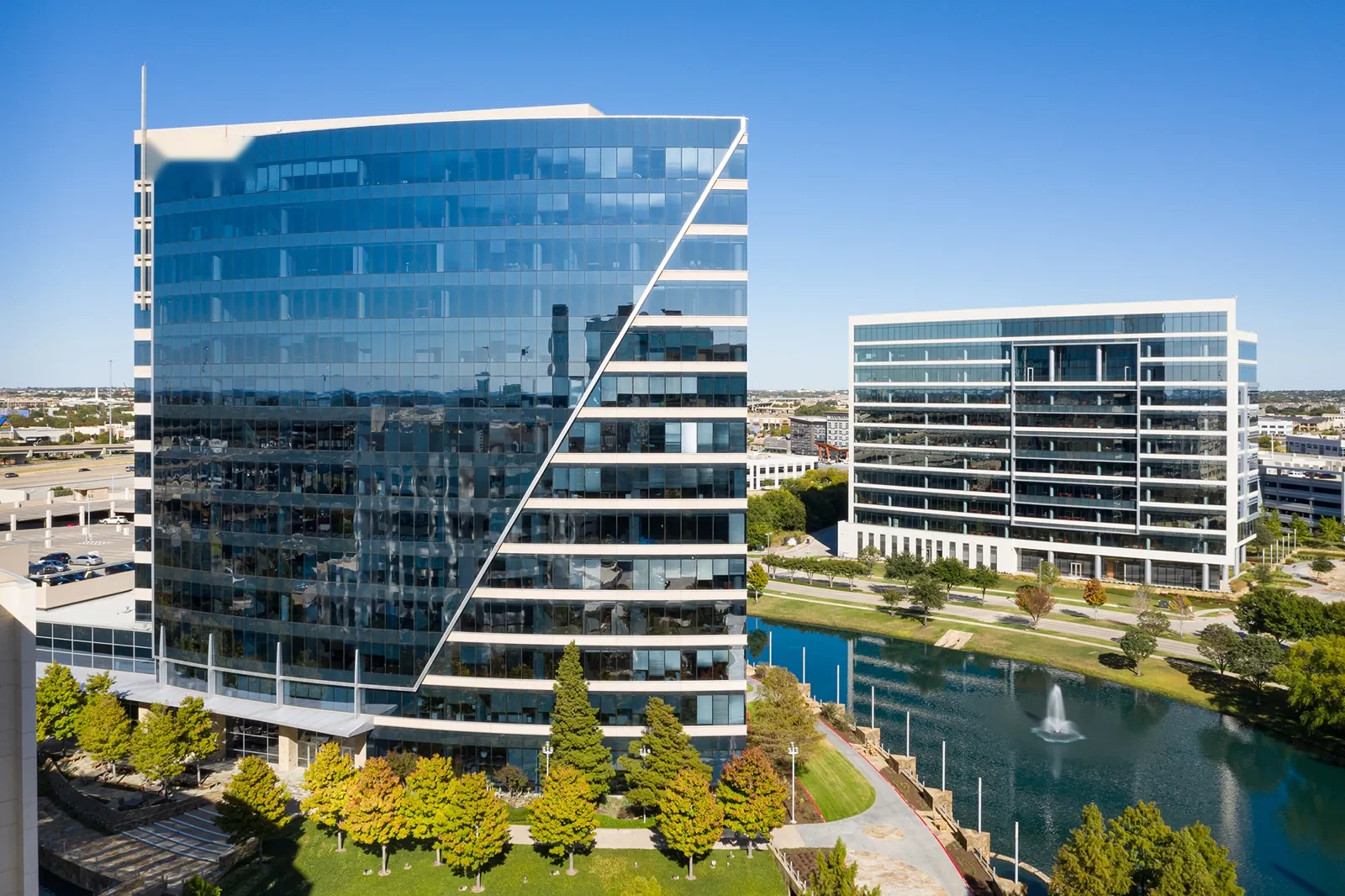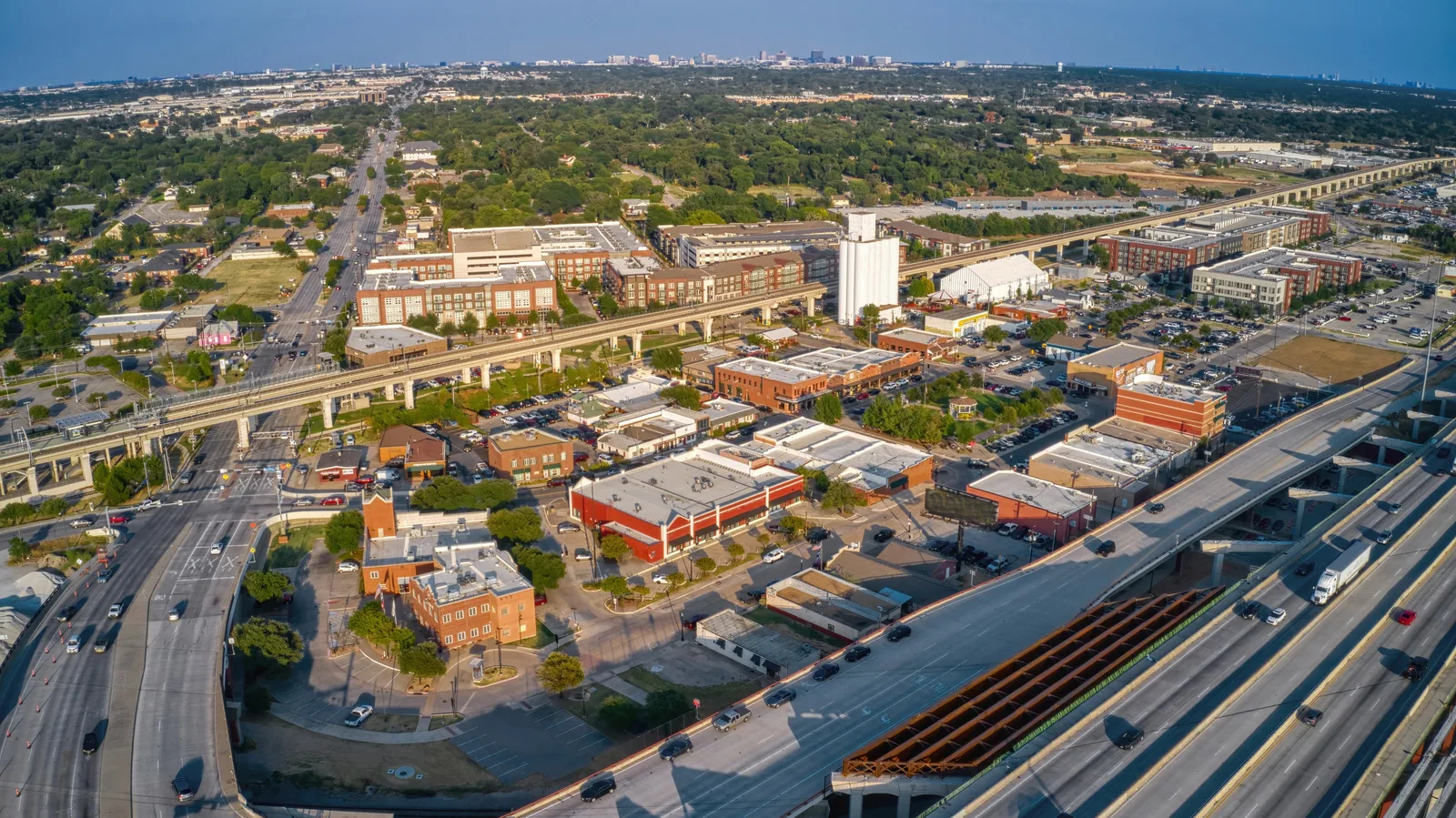
A loose termination beside a rooftop unit can open a water path while the center of the roof still looks intact. Around Addison Airport Business District, we inspect the actual building and its roof details before setting a scope. The field supports business pilots, flight training, and aircraft from small Cessnas through corporate jets. Industrial property surrounds the runway, and airport-oriented firms and fixed-base operators are concentrated on the eastern side. Airport proximity makes access coordination part of the inspection plan; we confirm the building’s entrance and installed roof system on site.
Airport activity provides useful context for planning a site visit. A fixed-base operator or flight school may have access rules that differ from a nearby office or industrial property, so we confirm the building contact, roof route, staging area, and any restricted zones before bringing equipment on site. The property manager confirms whether aviation operations affect access to the building being inspected.
Once on the roof, we mark drains, seams, equipment curbs, penetrations, edge metal, and wall transitions. The first walk looks for open laps, loose flashing, punctures, and signs that water has been held at a low point. If roof records exist, we compare them with the field details. A commercial roof inspection documents the condition by roof zone and identifies where a test cut or moisture check may be needed to confirm hidden layers.
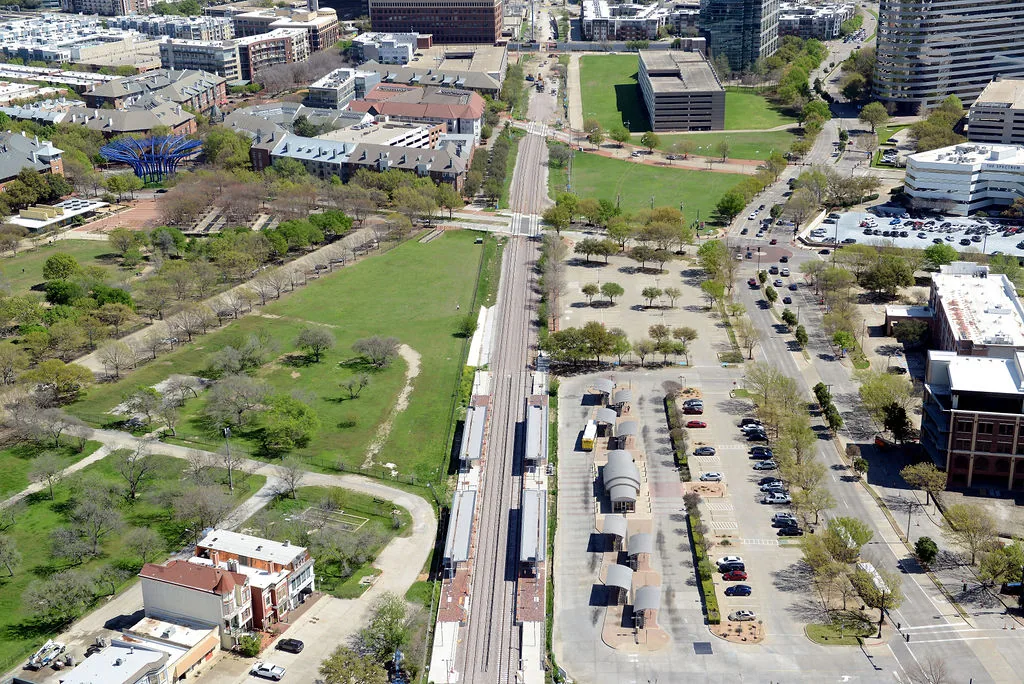
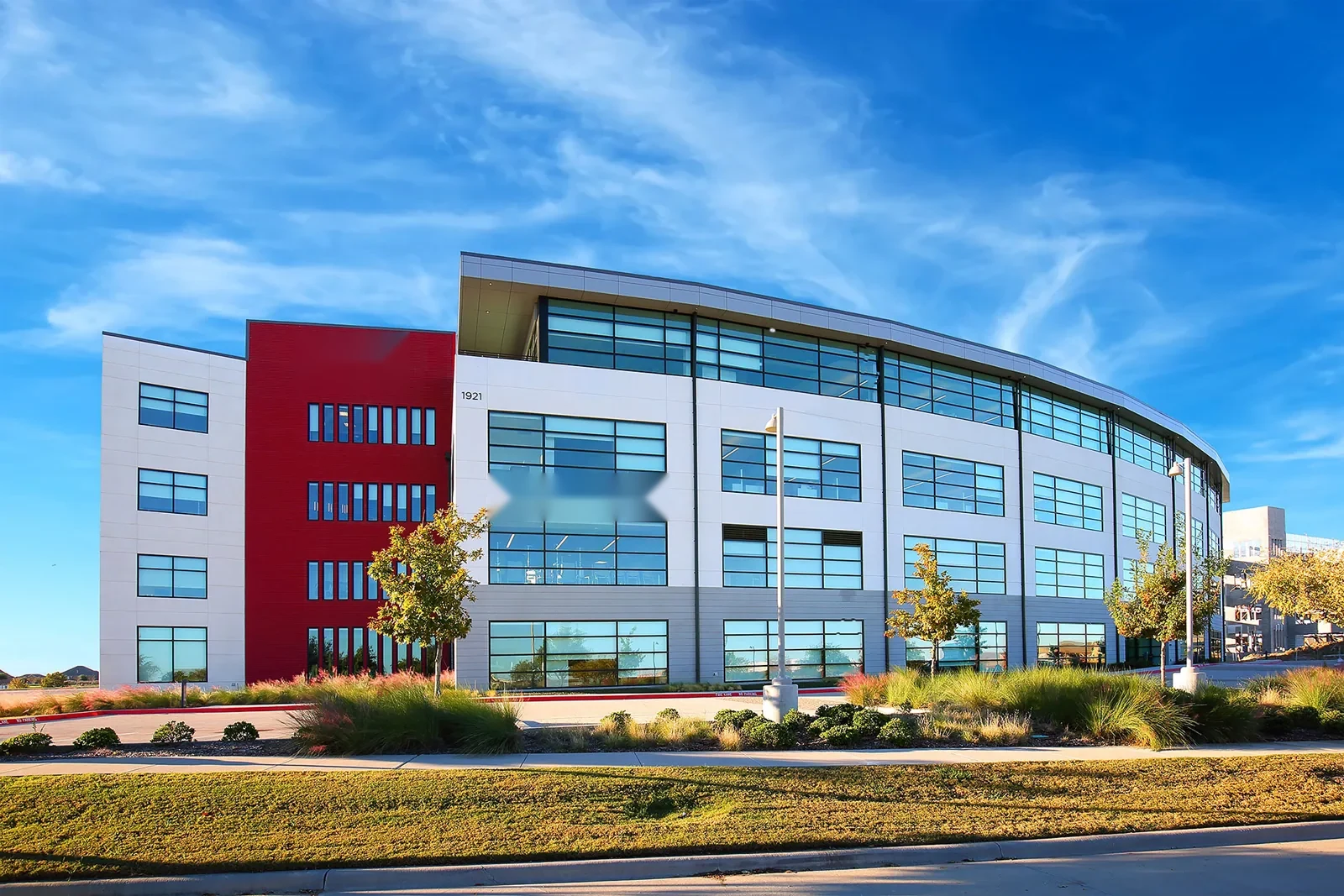
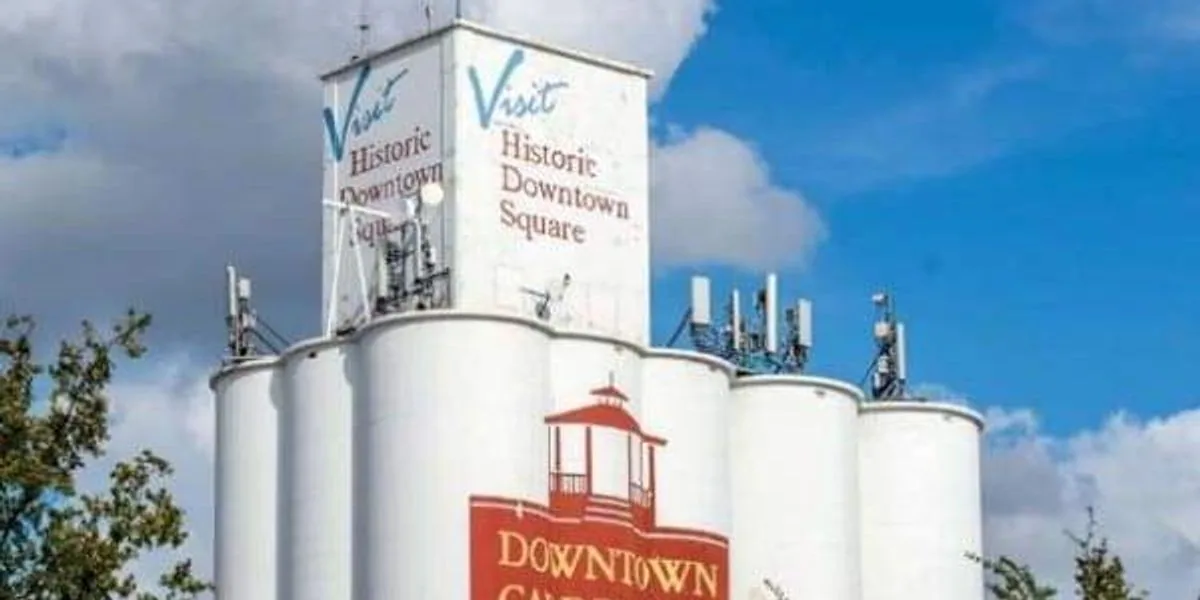
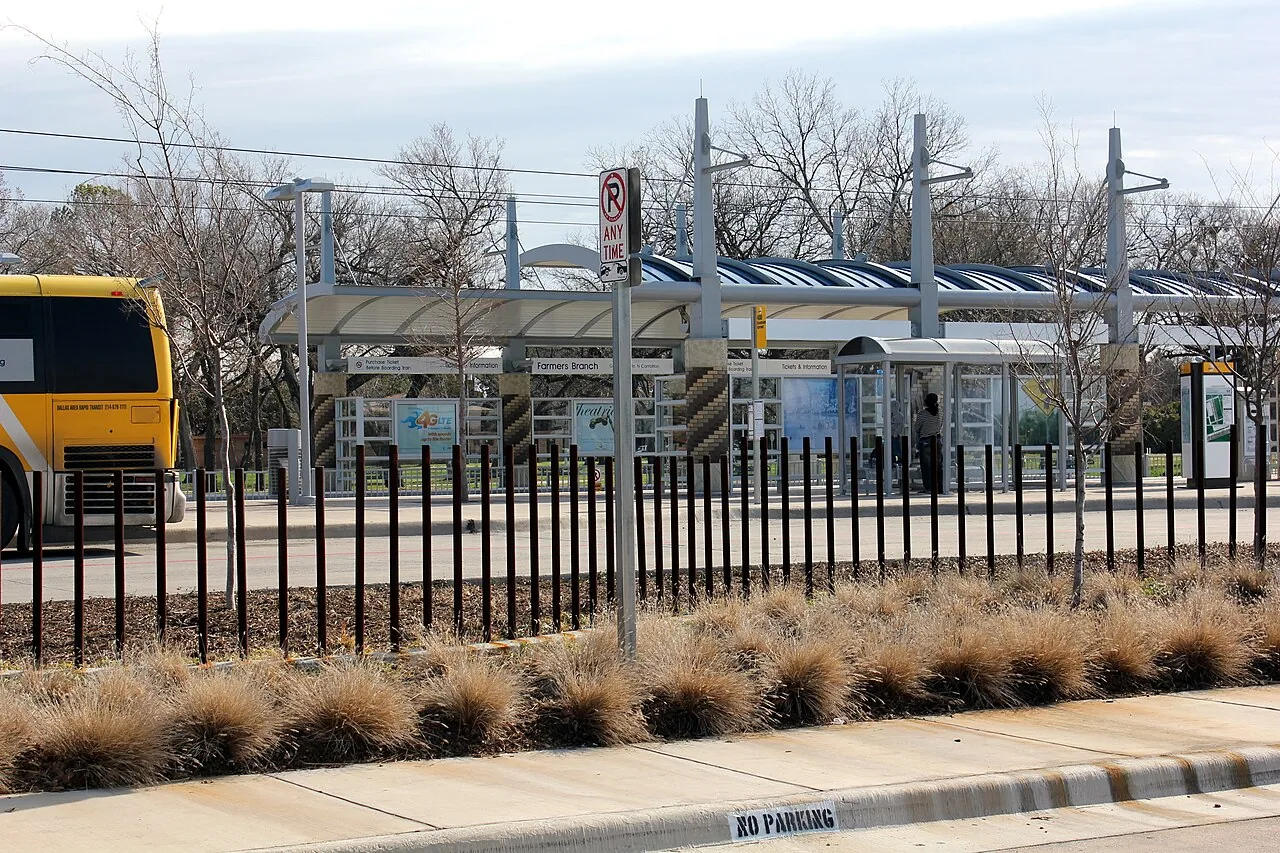
Addison Airport sits about 10 miles northeast of DFW International Airport and six miles north of Love Field. Those geographic references place the business district within the region. For a service visit, we confirm the property's entry, parking or staging rules, ladder or lift location, and roof-access hours with its manager. If work is near active aviation operations, the site contact identifies applicable restrictions before the inspection is scheduled.
For repair work, material movement and the daily close-in point matter. We agree where supplies can be staged and which entrances or equipment areas must remain clear. If a test cut is needed, we select its location for a specific assembly question and close it securely after documenting the result. Our occupied-building roof sequence can account for restricted access and operations, while the Addison Circle district has its own building access plan and roof record.
We identify the installed assembly from available submittals and field details such as seams, fasteners, membrane markings, flashing, and edge conditions. If the surface has been repaired or overlaid, we note what remains uncertain and where a closer check may be warranted.
For single-ply membrane, we inspect welds or splice seams, perimeter attachment, and detail work at curbs and penetrations. On metal roofing, we check panel seams, fasteners, closures, and flashings. If a coating is present, we look for adhesion and areas where the substrate may be moving. A metal roof assessment or TPO roof inspection can focus on the system after it is identified, rather than selecting a repair product from a business label.
Carrollton and the nearby airport district share the Dallas-Fort Worth summer pattern. Dallas-Fort Worth July and August temperatures are consistently in the 90s and often rise to 100 degrees or more. We inspect the areas where heat and movement meet: membrane-to-metal transitions, curb corners, exposed sealant, and older patches. Product instructions and surface condition determine whether a repair can be applied during a particular weather window. A fresh coating should not hide a loose termination or wet insulation.
Spring is the region's most active severe-weather season. Hail, damaging wind, flooding, and tornadoes recur nearly every year somewhere in the metroplex. After a storm, we check the roof for punctures, displaced edge metal, open seams, and damage near equipment. A mark is photographed and located, then tested for functional loss before it becomes part of a repair scope. Our storm damage roof review can record the affected zones and separate temporary protection from the permanent work plan.
A leak may travel from an upper roof detail beneath insulation or a deck before appearing inside. We compare the ceiling location with roof slope, drains, walls, penetrations, and equipment curbs. Where several interior reports share a roof zone, we check for a common transition. If they sit in separate areas, we inspect those points independently rather than extending one repair across the building without evidence.
Infrared scanning can highlight temperature differences for closer review, but it does not by itself confirm wet insulation. A test opening may be needed to identify layers and moisture. We photograph the cut, note what it reveals, and close it on the visit. A moisture survey can help prioritize field checks; the repair scope addresses a seam only after the failure is confirmed.
A contained puncture, open seam, or flashing defect may be repaired if nearby roofing remains stable and dry. We prepare the surface and tie compatible material into sound membrane or metal. The repair limit follows the failed detail, not the visible interior stain. If several roof zones show moisture, widespread seam failure, or a weakened attachment, a local patch may not be enough.
A recover can be considered when the roof is dry, secure, and suitable for another system under project requirements. Replacement may be the stronger choice when insulation is wet, repairs are widespread, or the substrate cannot support another layer. Cost and schedule depend on deck conditions, system selection, access, staging, and the operational limits of the property. A roof condition report can set out what is confirmed, what needs a test, and which options fit the actual roof.
We keep the inspection tied to the building: roof zones, membrane or panel details, drainage, prior repairs, and photos. A later visit can compare the same seams and edges and verify whether a repair remains secure. That record also helps an owner identify recurring leak points and maintenance that can be scheduled before the next storm season.
Routine checks focus on drains, penetrations, exposed terminations, edge metal, and earlier repairs. We note debris or blocked flow, clear what is included, and document a separate repair when a component has failed. For a business portfolio with buildings at Trinity Mills Station District, access plans and roof history remain specific to each property. A preventive maintenance visit can preserve those observations across inspection cycles.
The roof system depends on the building’s actual construction. We inspect the installed assembly, check available product records, and confirm seams, fasteners, and flashing before recommending materials.
The property contact identifies applicable access and operating restrictions. We confirm the crew route, staging area, permitted work hours, and any restricted zones before the inspection or repair is scheduled.
Share roof plans, leak locations, prior repair notes, access instructions, and operating limits. Those details help us plan a safe route and focus the roof walk on the relevant drains, seams, curbs, and perimeter conditions.
We inspect the membrane or panel for a puncture, open seam, displaced attachment, or other functional damage. A mark is documented, but the roof detail and water resistance determine whether a repair is needed.
A local repair can work when the failure is contained and nearby roofing is stable and dry. If the inspection finds widespread moisture or repeated system failures, a broader project may be needed. We document the evidence before proposing either scope.
RELATED WORK
CALL US
Leaks, storm damage, a failing membrane or a replacement on the calendar: tell us what is happening on the roof and we will set up a visit.
Service Areas
Confirm the property contact, access rules, and any aviation or tenant restrictions. We will inspect the installed roof system, mark the condition, and provide a written scope for the next step.
Call 555-555-5555 or request a roof assessment online.