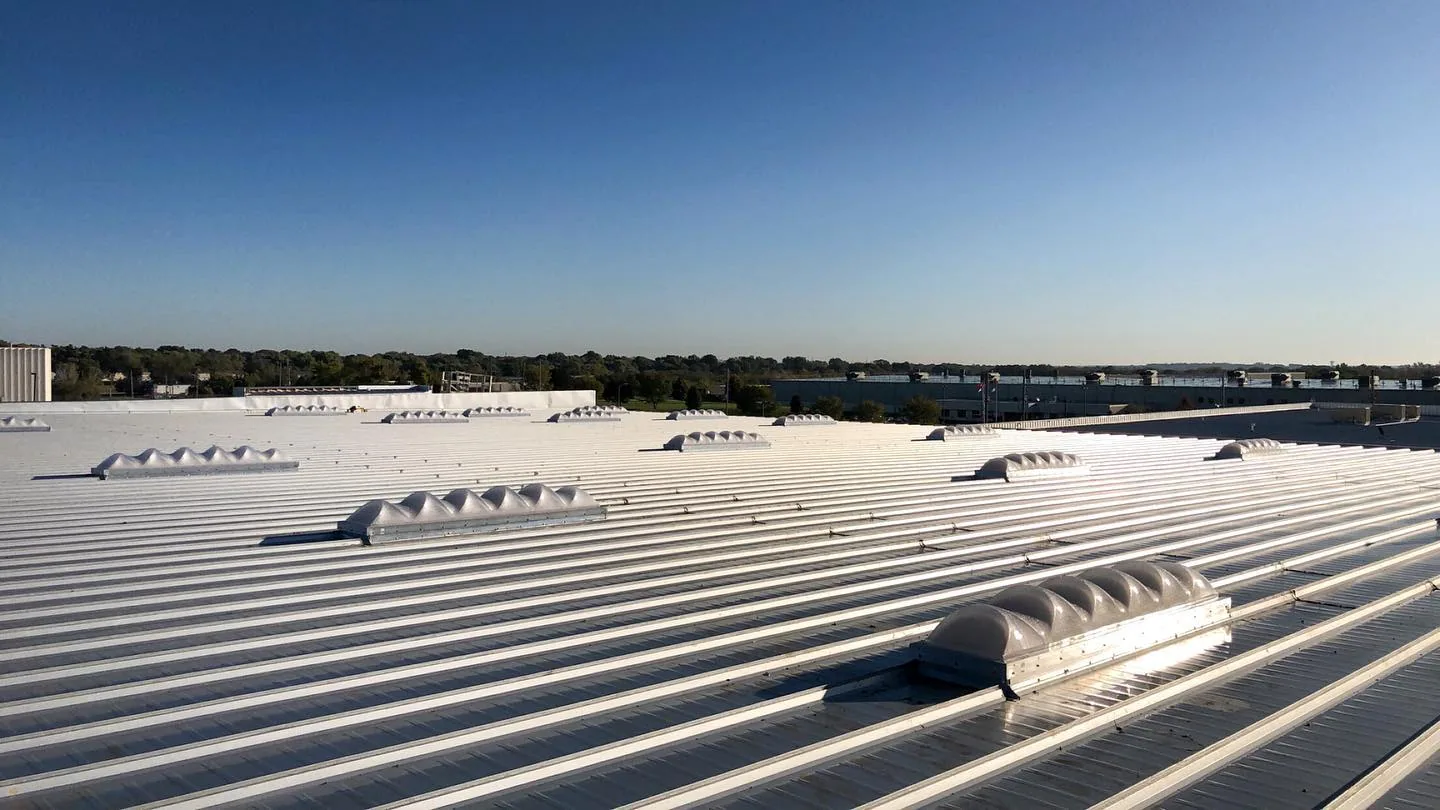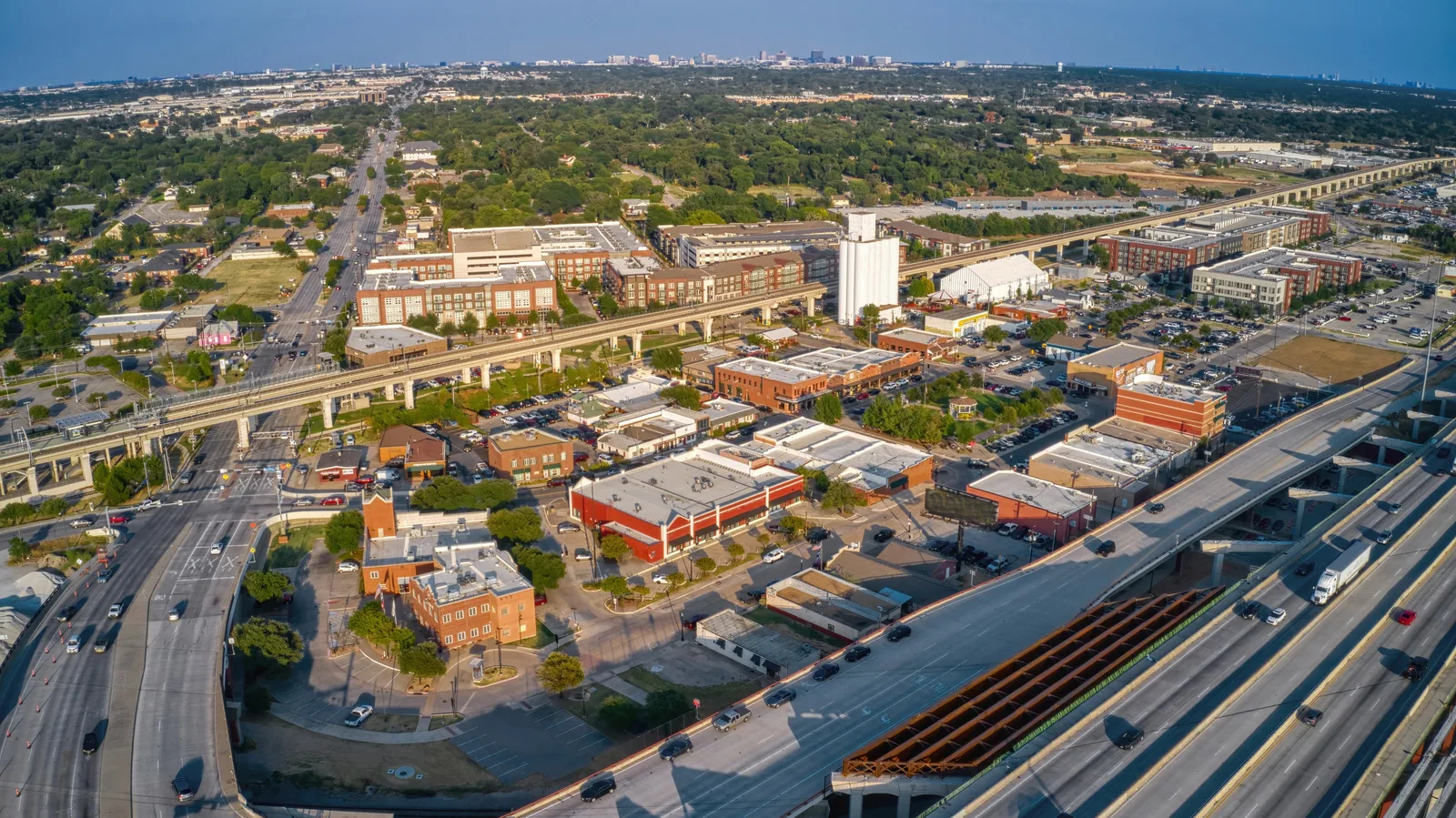
A standing seam panel is meant to move with temperature, but a locked clip or damaged rib can redirect water into the assembly. For commercial roofs in Carrollton, TX, we inspect seams, clips, end laps, valleys, and perimeter flashing before recommending work. At Valwood Industrial Park, manufacturing and distribution buildings share a broad industrial inventory, so roof access and equipment routes can shape the inspection. We mark the affected panel and follow its water path rather than treating the first stain as the only defect.
Standing seam panels connect along raised ribs, with concealed clips holding the sheet to the structure. The system must allow movement while keeping the panel attached. We inspect for seams that have opened, ribs that are bent, clips that have shifted, and fasteners or sealant added during earlier repairs. A panel can remain attached but still leak at a cut edge, end lap, or penetration. The repair should match the panel profile and gauge, not simply cover the visible line with a bead of sealant.
Dallas-Fort Worth summers bring high heat, and winter temperatures can move through freeze-thaw conditions. Metal expands and contracts as roof temperatures change, so long panels and rigid transitions deserve attention. We check clips and movement points along the run, then compare them with the roof details and manufacturer guidance. A commercial inspection can document panel conditions and mark locations for repairs, including those that need a sheet-metal trade rather than membrane work.
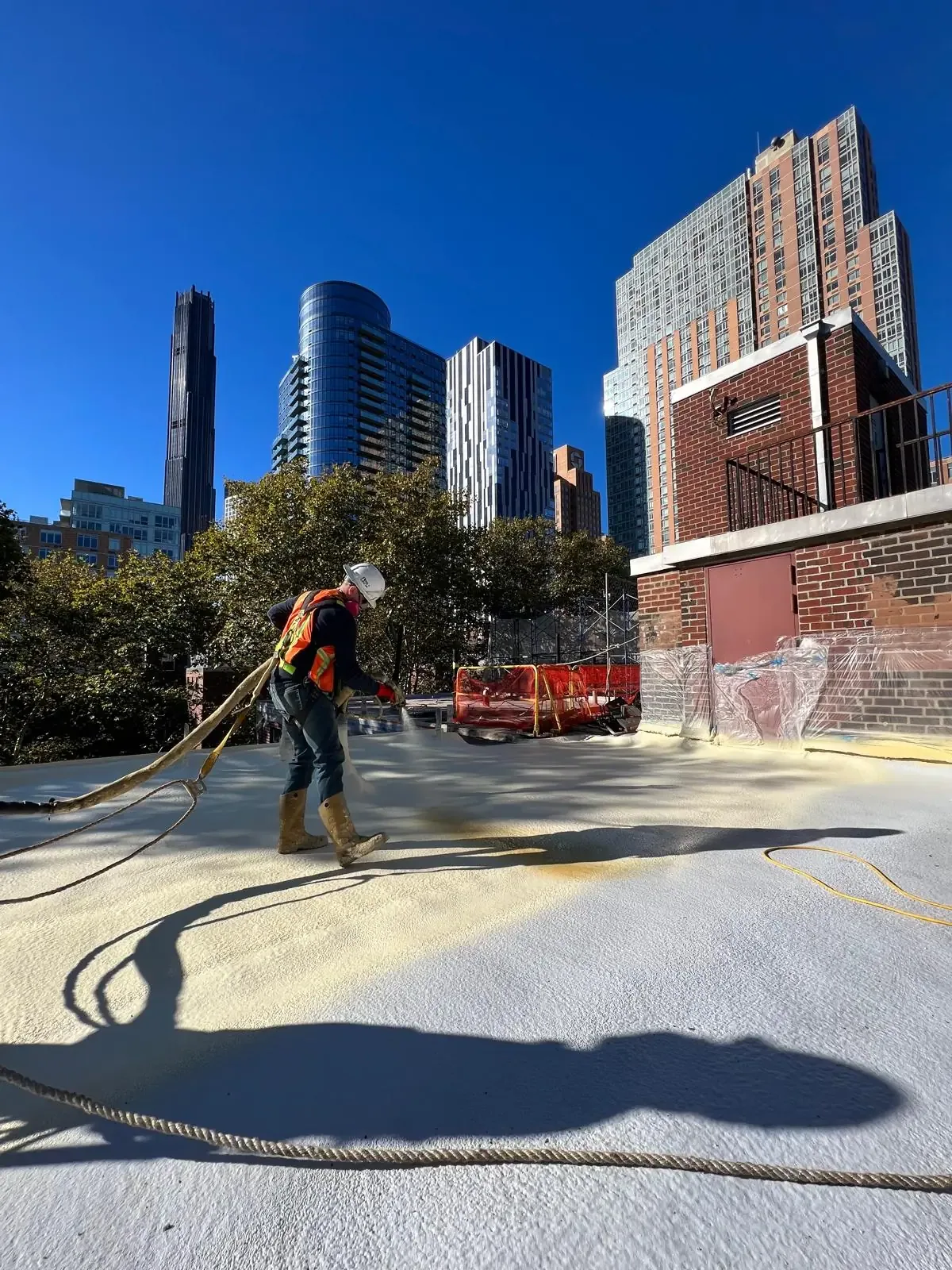
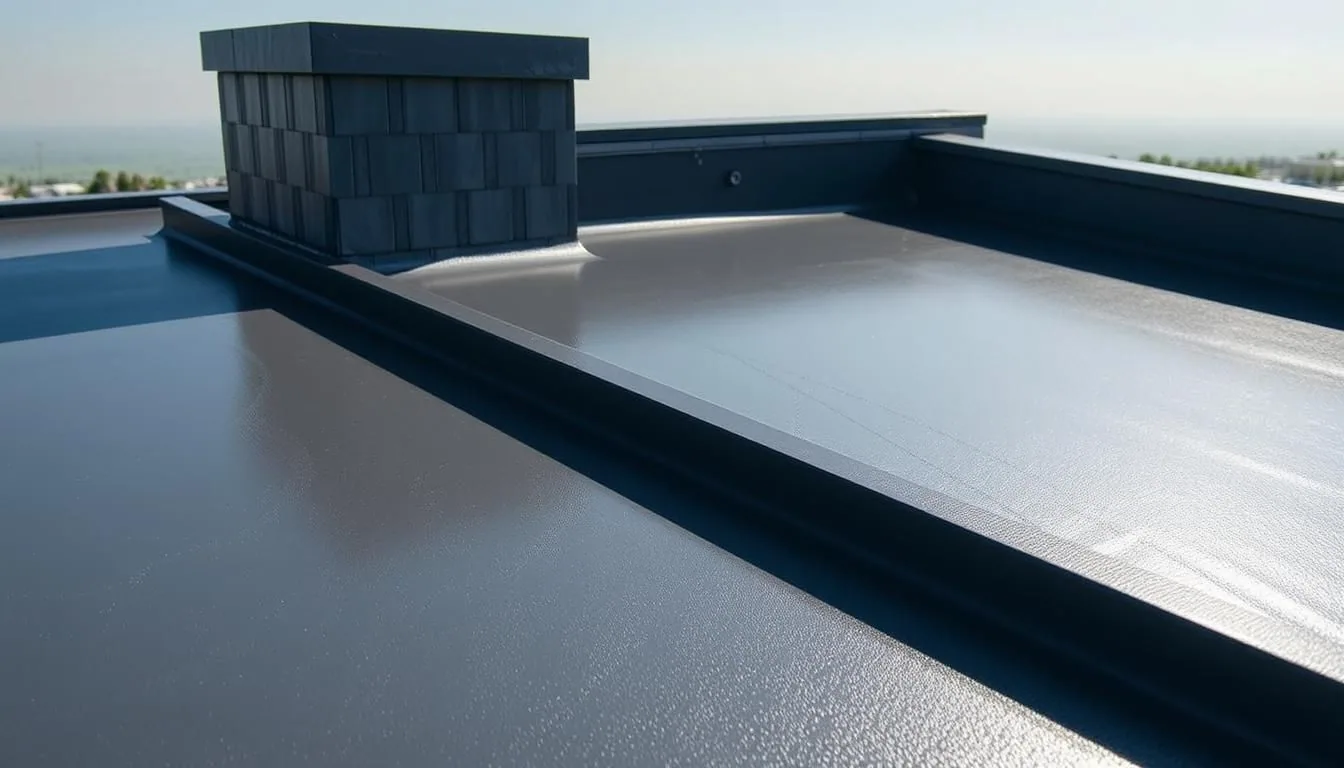
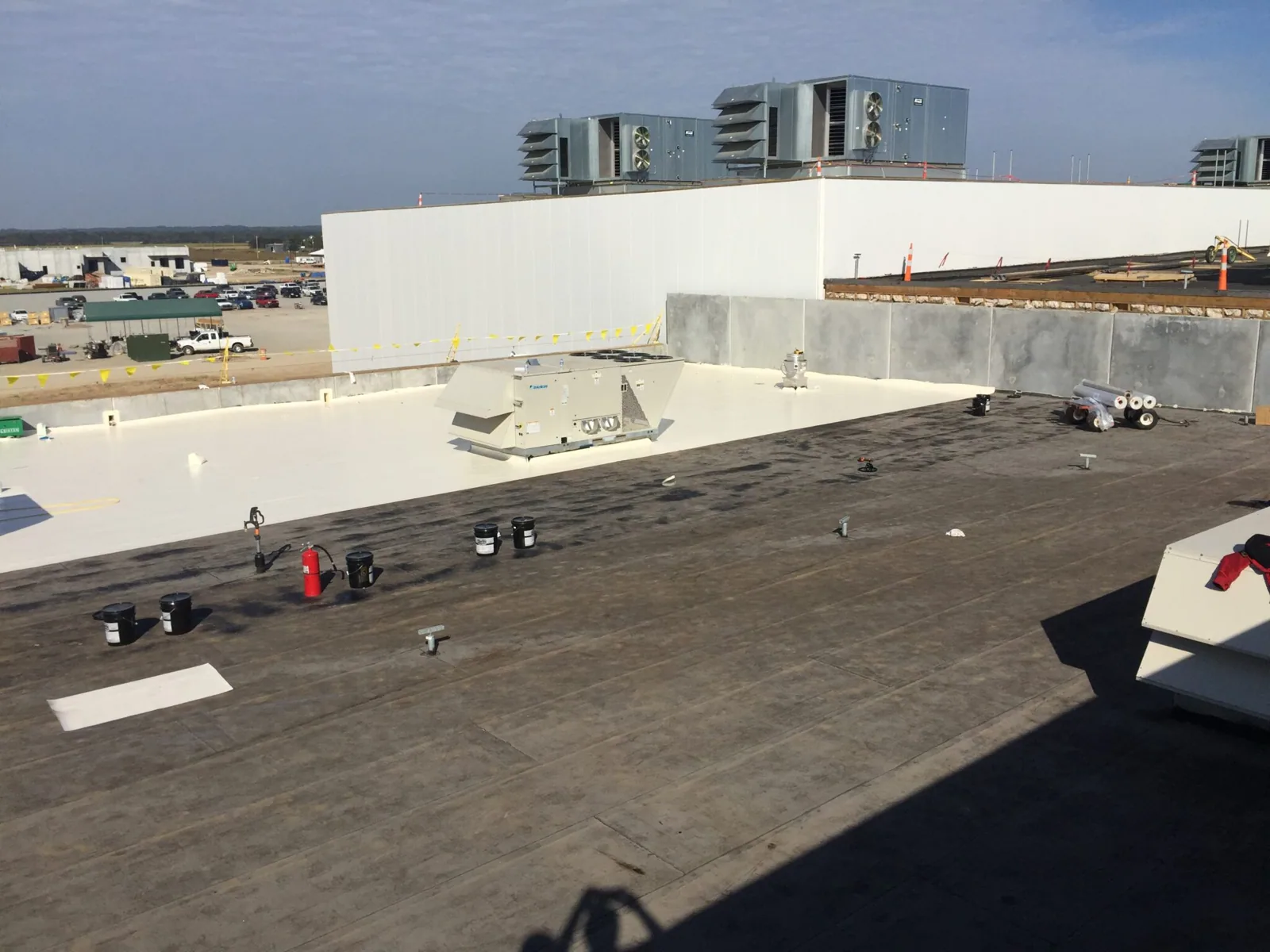
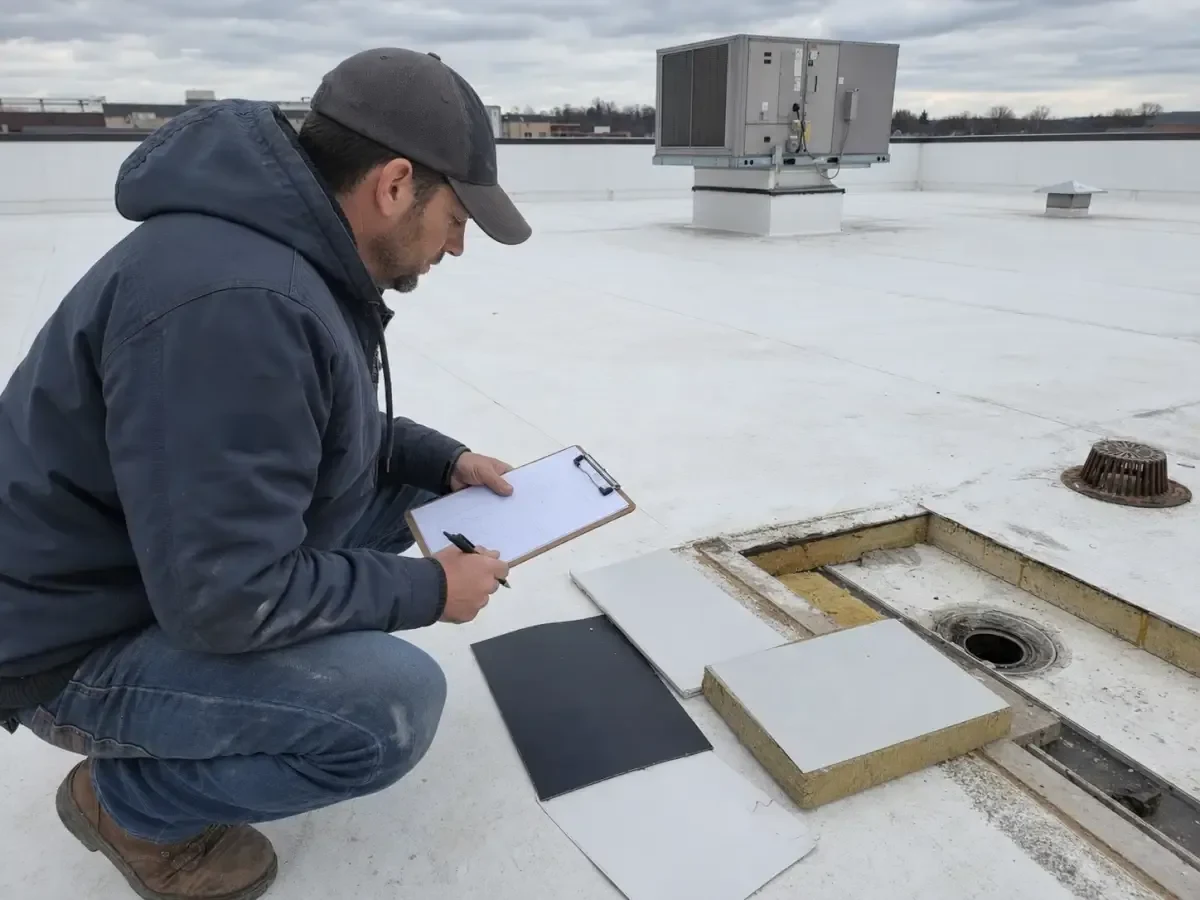
Water can enter at a ridge, valley, end lap, curb, skylight, or eave and travel along a panel rib before it appears below. We inspect the uphill side of each penetration and the seal at the panel cut. A ridge cap that has lifted or a valley that holds debris can keep water against a seam. We also check gutters, downspouts, and edge metal to see whether runoff is leaving the roof as intended. A leak near a wall may begin several panels away.
Drainage on a metal roof depends on slope, panel direction, valley geometry, and clear outlets. We remove only safe-to-reach debris and note any gutter that is pulling away or overflowing. When the roof also has low-slope areas, we map those drainage paths separately. A drainage review records outlets and scuppers, while an edge-metal repair can address a loose eave or coping transition. The roof plan should show where water is collected and where it discharges.
Mechanical equipment, vents, and conduits interrupt the panel field. A cut through a raised rib or low pan changes how the flashing sheds water, and an unreinforced opening can distort as the metal moves. We inspect the curb or boot, support framing, sealant, and any panel closure used at the cut. If the opening is abandoned, it needs a compatible closure rather than a cap that leaves the old fasteners exposed. Rooftop work by another trade should be checked before the area is signed off.
At Trinity Mills Industrial Park, manufacturing and distribution occupiers may have equipment routes and service windows that affect roof access. We note which unit controls the penetration and coordinate before removing a flashing or moving a panel. If a detail needs to be rebuilt, a penetration flashing repair can address the transition. For older roofs with repeated seam leaks, a new metal roof retrofit may be compared with panel repair after checking the structure and existing attachment.
A limited seam repair may restore a panel that remains straight, attached, and free of widespread corrosion. We replace damaged closures, correct a loose clip, or rebuild a flashing when the surrounding metal can support the work. Rust at a fastener or a torn panel can extend below the visible spot, so we check the substrate and neighboring ribs. Coatings can protect compatible metal when preparation and adhesion are appropriate, but a coating cannot reset a displaced clip or correct a failed panel joint.
If corrosion, repeated leaks, or movement damage spans multiple panels, we assess whether the roof can be repaired, coated, or retrofitted. A metal coating assessment checks surface preparation, seams, fasteners, and the coating system. An overlay or retrofit needs structural and drainage review, plus clear terminations where the new assembly meets walls and equipment. For a low-slope section, an owner may compare a TPO membrane roof if project requirements allow it. We state which panels can remain and what must be replaced.
Wind can make large metal panels difficult to handle, and rain can turn an open seam into an active leak. We stage material on approved areas, secure panels before releasing them, and close each section before leaving the roof. Spring severe weather affects work windows across North Texas; conditions at the building still determine whether a lift or seam repair can proceed. After hail or wind, we inspect panel ribs, clips, ridge caps, and edge details for fresh damage before sealing the roof.
At an active property, roof access must fit loading and tenant activity. We confirm lift positions, entry routes, and equipment shutdowns with the manager. A building near Valwood may have a different schedule from a retail or office property, so we plan by site. If occupants remain below, phased reroofing can keep entrances and work areas in service as sections are completed. Photos show the panel location, clip or flashing condition, and repair completed, giving the owner a record for later maintenance.
Yes. Water can enter at an end lap, penetration, ridge, valley, or cut edge even when the field ribs appear joined. We trace the path and inspect the uphill details before selecting a repair.
Panel movement is handled through the clip and seam design. We inspect whether the panels can move as intended and whether a rigid repair, fastener, or flashing is restraining that movement.
A coating may fit when the panels are secure, corrosion is limited, and the surface can be prepared for the selected system. Loose seams, failed clips, or structural concerns require repair or another scope first.
We look for dents that have split coating, bent ribs, loose clips, damaged ridge caps, and openings at penetrations. The inspection record identifies the affected panel and separates impact damage from earlier wear.
Any opening needs a flashing designed for the panel profile and movement. We coordinate the location and support with the responsible mechanical or structural team before cutting the metal.
RELATED WORK
CALL US
Leaks, storm damage, a failing membrane or a replacement on the calendar: tell us what is happening on the roof and we will set up a visit.
Roof Systems
Share the leak location, roof access hours, and any equipment or loading restrictions. We will inspect the panels, clips, and transitions, then mark a repair or retrofit boundary.
Call 555-555-5555 or request a roof assessment online.