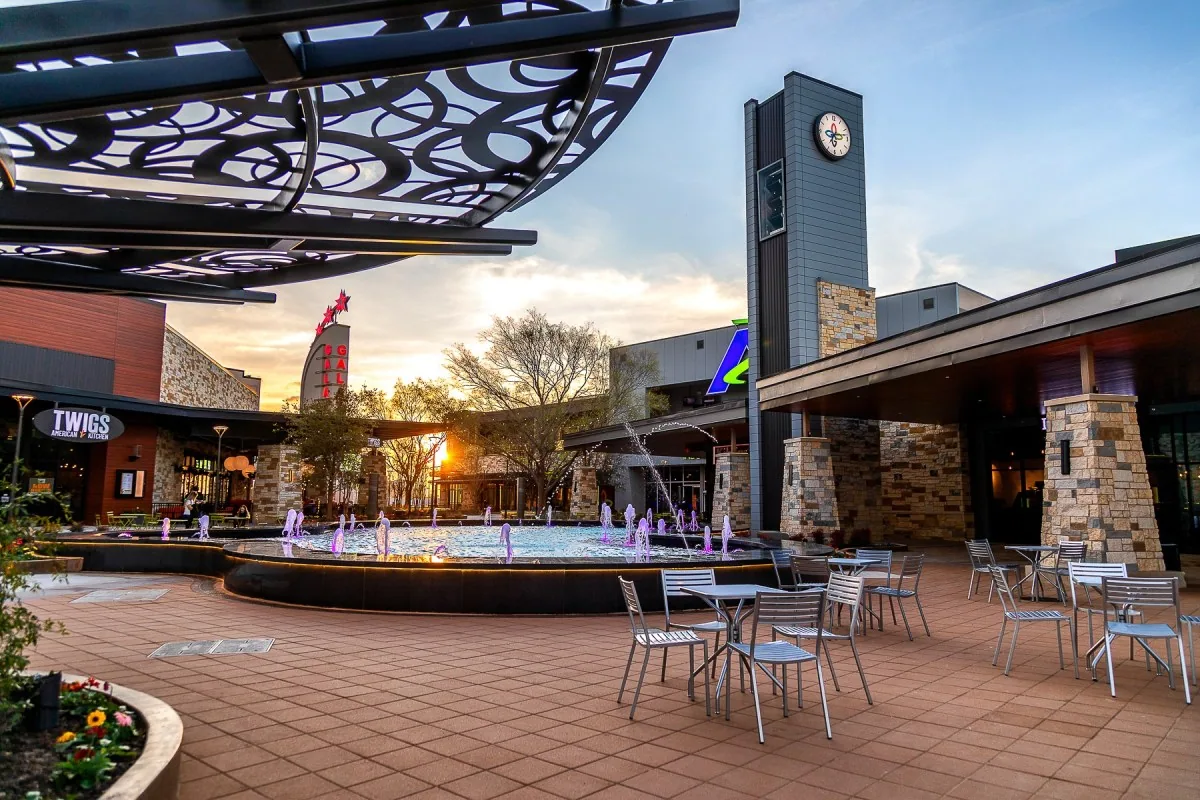
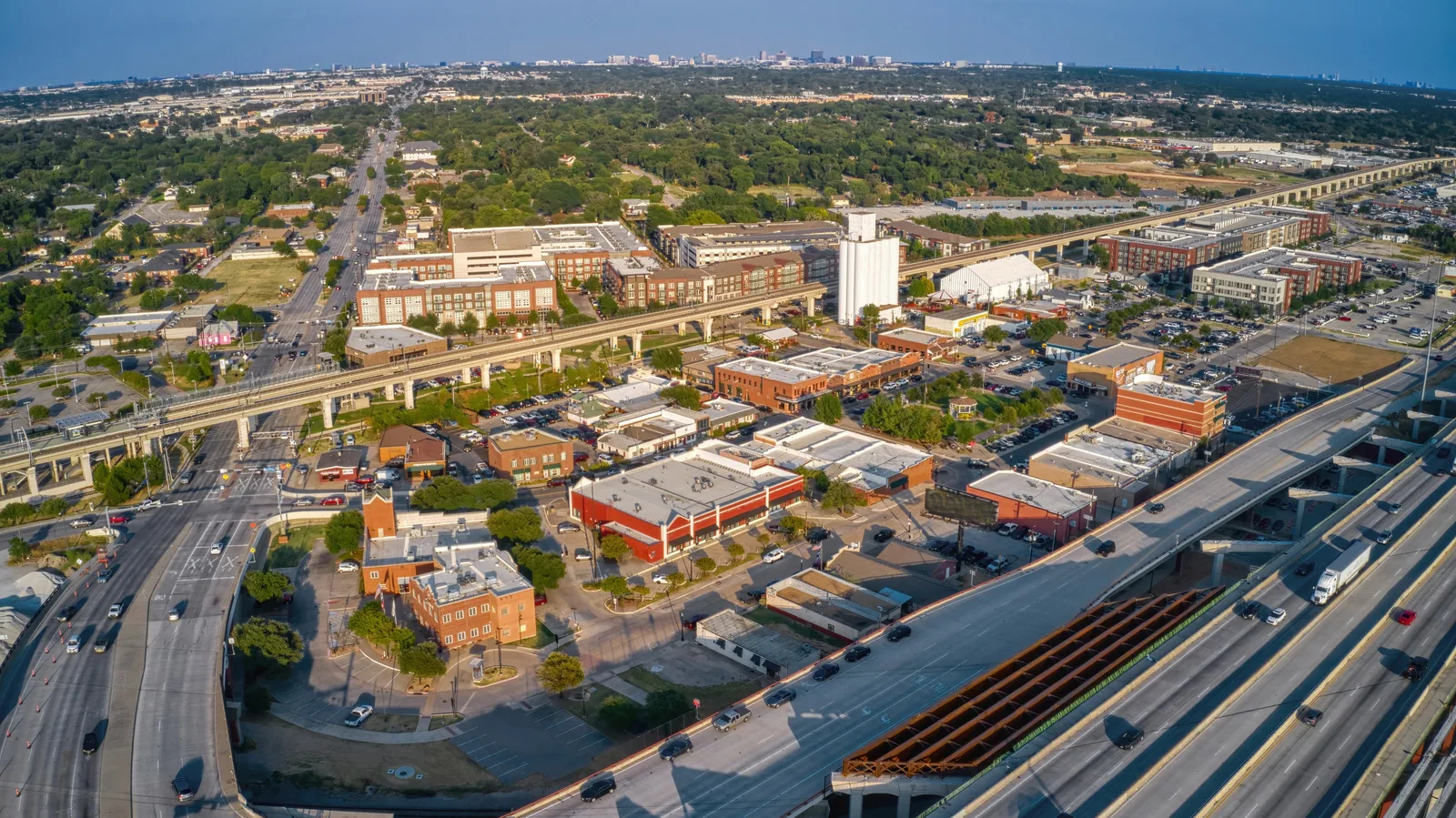
Equipment curbs and access routes shape a roof walk in Richardson’s Innovation Quarter. The district covers about 1,200 acres and focuses on corporate research, development, and manufacturing. Digital Realty, Ericsson, Honeywell, Raytheon, Siemens, and Verizon are among the firms named in Richardson’s account of the area. Those operations create different roof-access demands. We document each roof as its own assembly, mark the details that need attention, and schedule around the operation below.
Research, manufacturing, and office functions can involve rooftop equipment, service penetrations, controlled access, and different work-hour limits. Those are reasons to ask the facility contact how the building operates, not assumptions about any one roof. We confirm the access route, safety rules, equipment restrictions, and any areas where work overhead must be coordinated. The inspection then follows the actual roof: field membrane or metal, seams, curb flashings, wall edges, drains, and earlier repairs.
A mark needs a location that another person can find. We record the roof area and relation to a curb, seam, drain, or edge, then compare the observation with interior signs below. If water has crossed the insulation or reached a deck, that can change the repair limit. A commercial roof inspection can put the findings into a written condition record with photographs, priorities, and next steps. For a portfolio team, clear location notes are as important as the close-up image.
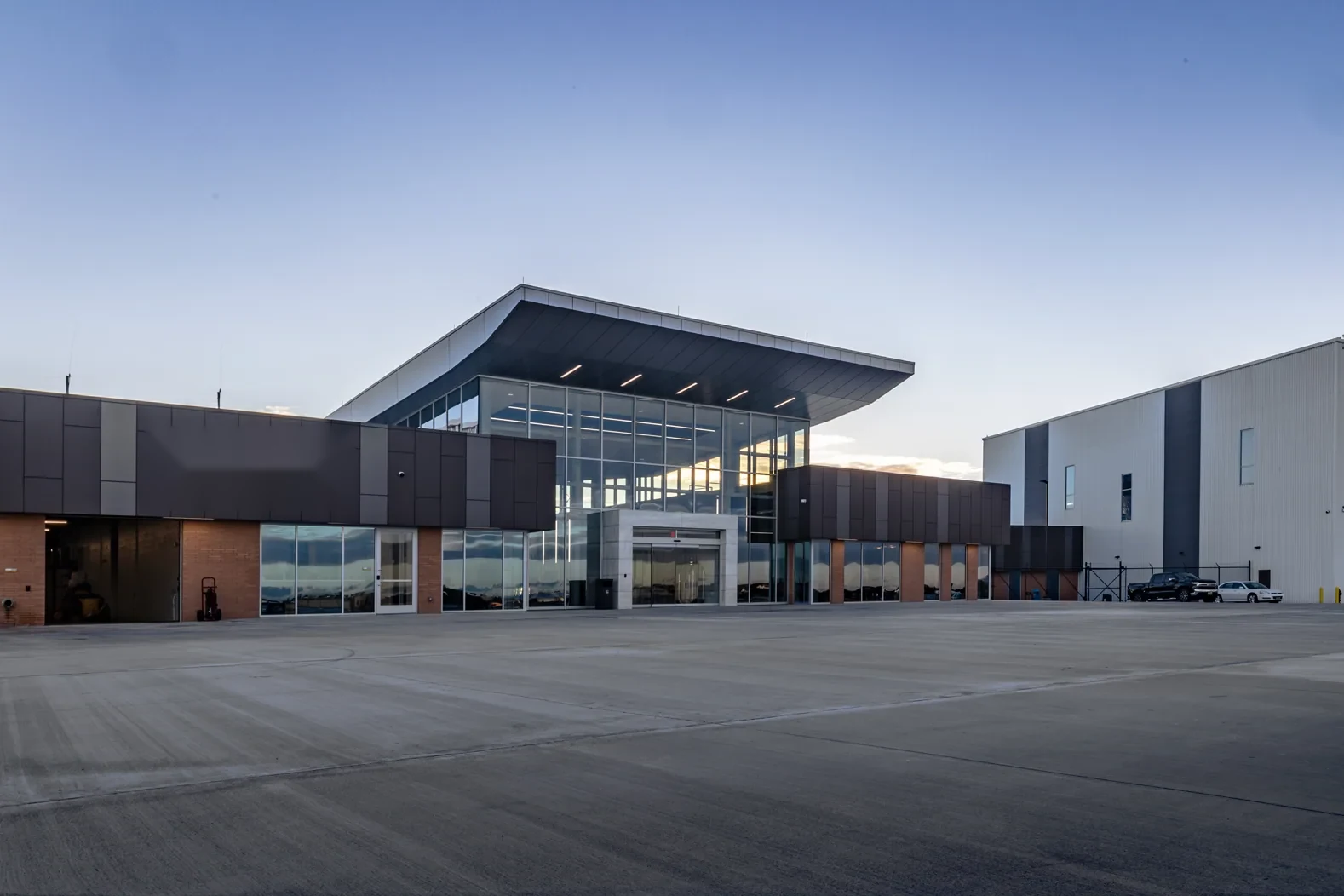
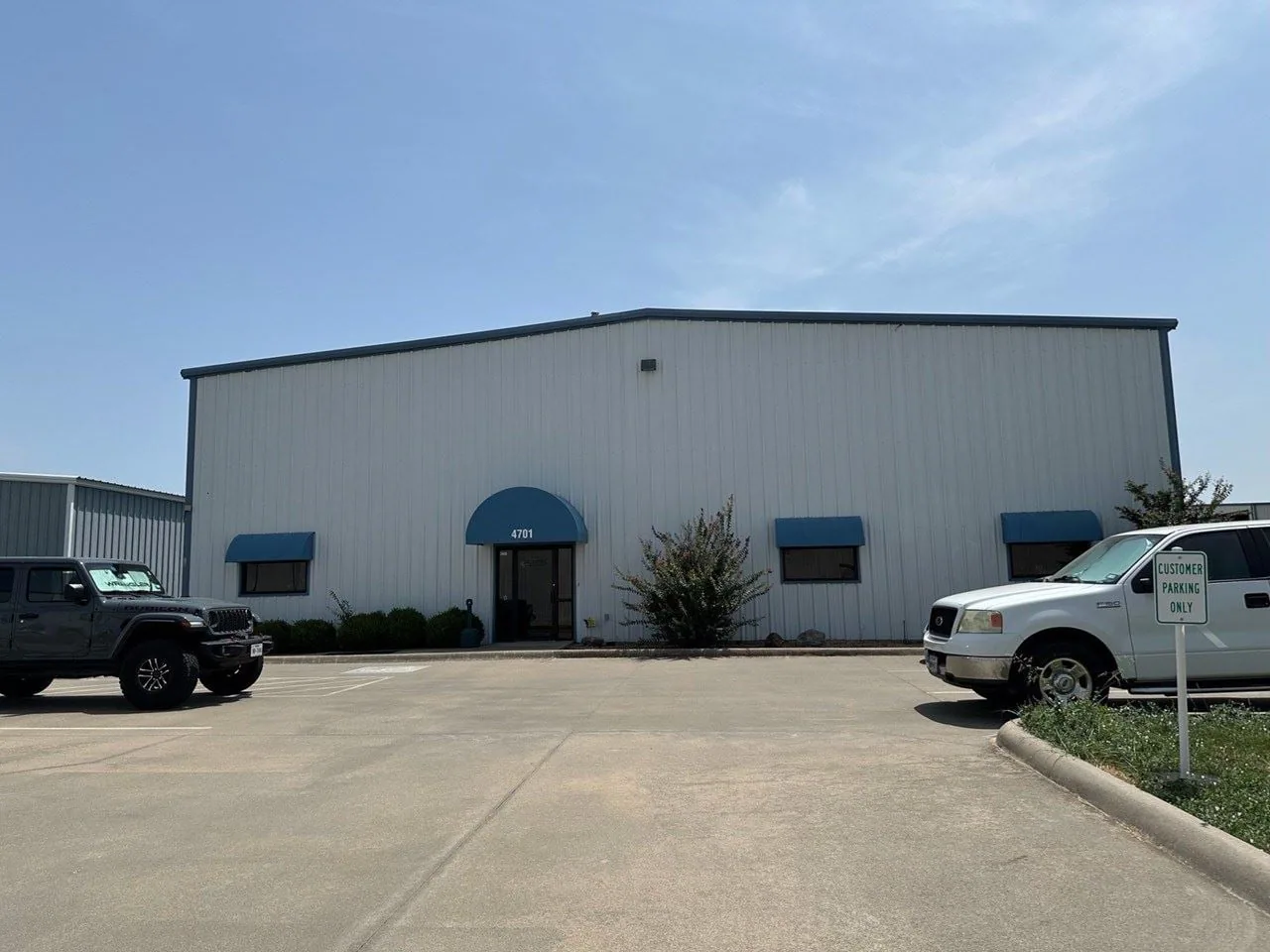
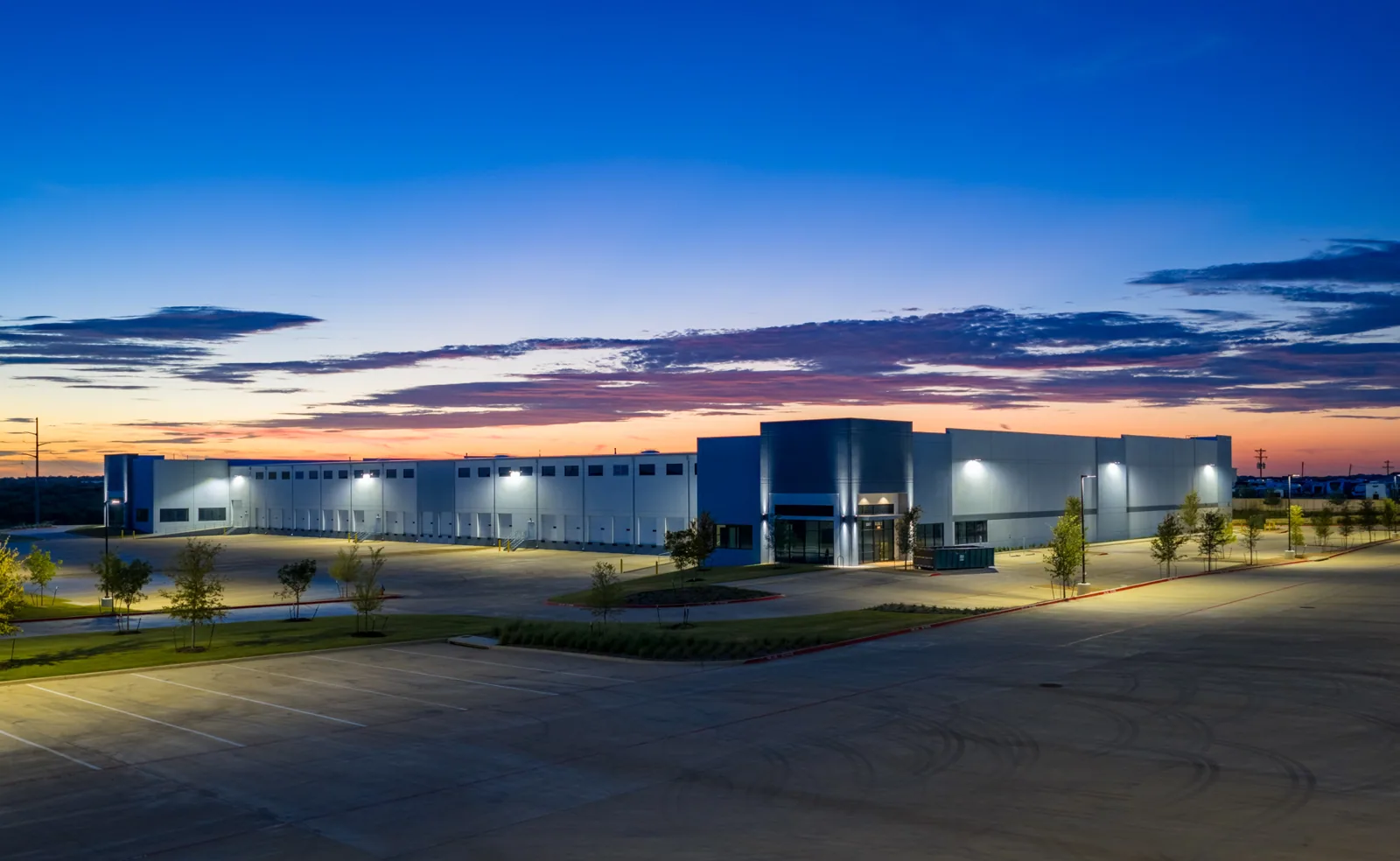
Mechanical units and other roof equipment interrupt a continuous roof surface. Water can enter at a curb corner, a split in the flashing, or an attachment that moves differently from the membrane around it. We inspect each side of the curb, the top termination, nearby seams, and the path water takes away from the unit. If equipment work has changed the roof, we check whether the flashing and membrane were restored with compatible materials.
Before an opening is cut, we discuss what the test should establish and how it will be closed. A moisture survey can help select test locations when the surface view is not enough, but the readings need physical confirmation. We note the area tested, material found, and condition of the layers below. If penetrations repeat across a roof, we map them so a manager can distinguish one failed detail from a broader pattern. Our penetration and curb flashing service addresses those transitions with the roof system in mind.
Water may travel along a seam or insulation joint before it reaches a ceiling. We begin at the reported interior location, inspect the roof area above, and follow the likely route through laps, terminations, penetrations, and drainage details. A prior repair can hide a split edge or separate from the surface. We photograph the original condition where possible and note what has been changed, so the next step answers the actual cause rather than adding another layer over it.
Drain bowls, overflow points, and the surrounding membrane work together. We check whether debris is obstructing flow, whether the clamping ring holds the membrane, and whether a low area keeps water against a detail. The finding can be a maintenance action, a localized repair, or a reason to review slope and assembly condition. When moisture may extend farther than visible symptoms, an infrared moisture survey can help focus confirmation testing. We explain the limits of each test in the report.
Richardson shares the broader Dallas-Fort Worth exposure to hot summers, spring hail and damaging winds, heavy rain, and winter freeze-thaw conditions. Heat can age exposed surfaces; hail and wind can leave different patterns of damage; repeated wetting may stress a weak seam or flashing. After a storm, we look across the roof instead of treating the first visible mark as the whole scope. A loose edge, impact area, open lap, and blocked drain each need a separate location and disposition.
If water is actively entering, we can provide emergency response at any hour, including holidays. Immediate protection limits exposure while the surface and assembly are assessed for permanent work. The written scope identifies what was observed, what was repaired, and what still needs a test or follow-up. Our storm damage roof repair can include photo documentation for the property team and a repair limit tied to the confirmed condition.
A repair should match the roof material and stop at sound, prepared surfaces. We verify whether the assembly is single-ply, built-up, modified bitumen, metal, or another system, then select compatible materials for the detail. A localized seam or flashing problem may support a limited repair. Wet insulation, recurring failures, or weak attachment across a wider area can make repeated patching a poor use of the maintenance budget. We explain the observation that moves the decision from one option to another.
Coating or recover work is considered only if the existing roof can support that system and the details can be prepared properly. A coating does not correct trapped water or a failing drain, and a recover may be restricted by the existing assembly and code conditions. Replacement gives the owner a chance to address insulation, drainage, attachment, and penetrations as one project. We describe access, tear-off, weather windows, and close-in needs so facility operations can be included in the decision. Our commercial roof repair and roof coating restoration scopes distinguish those paths.
Richardson’s Telecom Corridor includes major corporate research, development, manufacturing, and office operations. At an individual property, the site contact determines what work windows, escorts, safety orientations, or equipment controls apply. We confirm them before the crew arrives. The sequence can identify material staging, roof areas to be closed each day, any noise or vibration concerns, and the person who receives notice if weather changes the plan.
For multi-building ownership, the same record format can help compare priorities while keeping each roof’s condition separate. We mark urgent repairs, budget items, and later inspection points, then connect each item to a photograph and roof location. A multi-site roof program can coordinate the inspection calendar, while roof capital planning helps organize work by condition and timing. The program does not replace a building-level review; it makes those reviews easier to use together.
At the end of a repair, we inspect the tie-in, confirm exposed openings are closed, and make sure drains and walk paths are clear. The report records the completed area, materials used, and any condition that needs another visit. If a test opening was made, the repair and close-in are documented. Facility teams can then share a clear status with operations without translating an unmarked photo or a verbal note.
Richardson Innovation Quarter and the broader Telecom Corridor represent demanding business operations, but the roof recommendation still comes from the individual assembly. Share the building use, access rules, active leak location, and any equipment or production constraint before the inspection. We will document what we find and explain the repair limit and alternatives. The Telecom Corridor roofing service area likewise starts with the conditions found at the property. In Carrollton, our Valwood Industrial Park service area follows the same building-specific inspection practice.
Richardson describes the district as a corporate research, development, and manufacturing area of about 1,200 acres. The city names Digital Realty, Ericsson, Honeywell, Raytheon, Siemens, and Verizon among its firms. We confirm a specific building's use and roof condition at the property.
Yes. We arrange access, work hours, safety requirements, and equipment restrictions with the facility contact before the visit. The inspection route and any test opening can be planned around those rules.
We inspect curb corners, flashing terminations, nearby seams, fasteners, and the surface around the equipment. The roof must be tied back in after service work, and the inspection record should identify the exact side or detail needing attention.
We compare visible conditions, interior signs, and any survey readings, then identify whether an opening would change the repair boundary. The report records what the test found and how the cut was closed.
RELATED WORK
CALL US
Leaks, storm damage, a failing membrane or a replacement on the calendar: tell us what is happening on the roof and we will set up a visit.
Service Areas
Identify the building use, access requirements, equipment controls, and any active water entry. We will inspect the assembly, document the findings, and outline a scope that fits facility operations.
Call 555-555-5555 or request a roof assessment online.