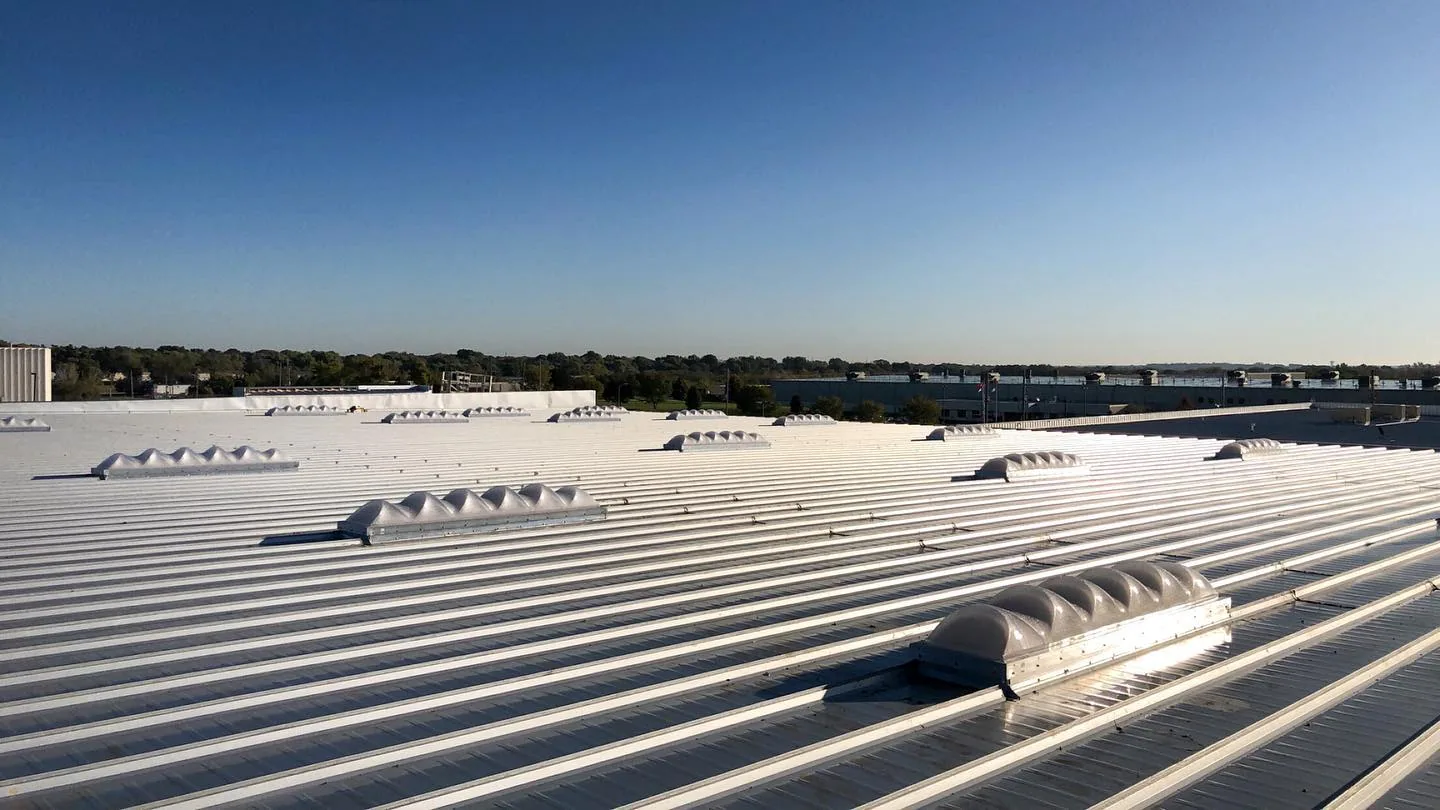
A glossy coating can hide a roof defect without correcting it. Before applying silicone, we check whether the membrane or metal below is dry, attached, and able to hold the new layer. In Carrollton, TX, heat, spring storms, and ponding at low points all affect a coating plan. Midway South Industrial Park includes active manufacturing and distribution uses, so access and production hours can shape the work window. We inspect the substrate, test adhesion where needed, and separate coating preparation from roof repairs.
Silicone coating is a liquid-applied surface layer used on compatible existing roofs. The result depends on adhesion to the prepared substrate, reinforcement at details, and enough material for the specified film. We look for loose membrane, brittle coating, corrosion, open seams, wet insulation, and deck movement. A test area can show whether the existing surface is suitable. If the roof has trapped moisture, a coating may seal the top while the assembly remains compromised. We mark any area that needs removal or repair before preparation begins.
Existing roof coatings may have unknown chemistry or multiple layers. We identify what is present and check the selected product’s compatibility instructions before covering it. Midsummer days across the metroplex often climb above 100 degrees, and humid air can affect application and cure. We check the forecast, coating temperature range, and actual roof surface before setting the work window; a regional climate pattern cannot substitute for readings at the job. A roof inspection can document the surface, test locations, drains, and existing repairs before the coating scope is written.
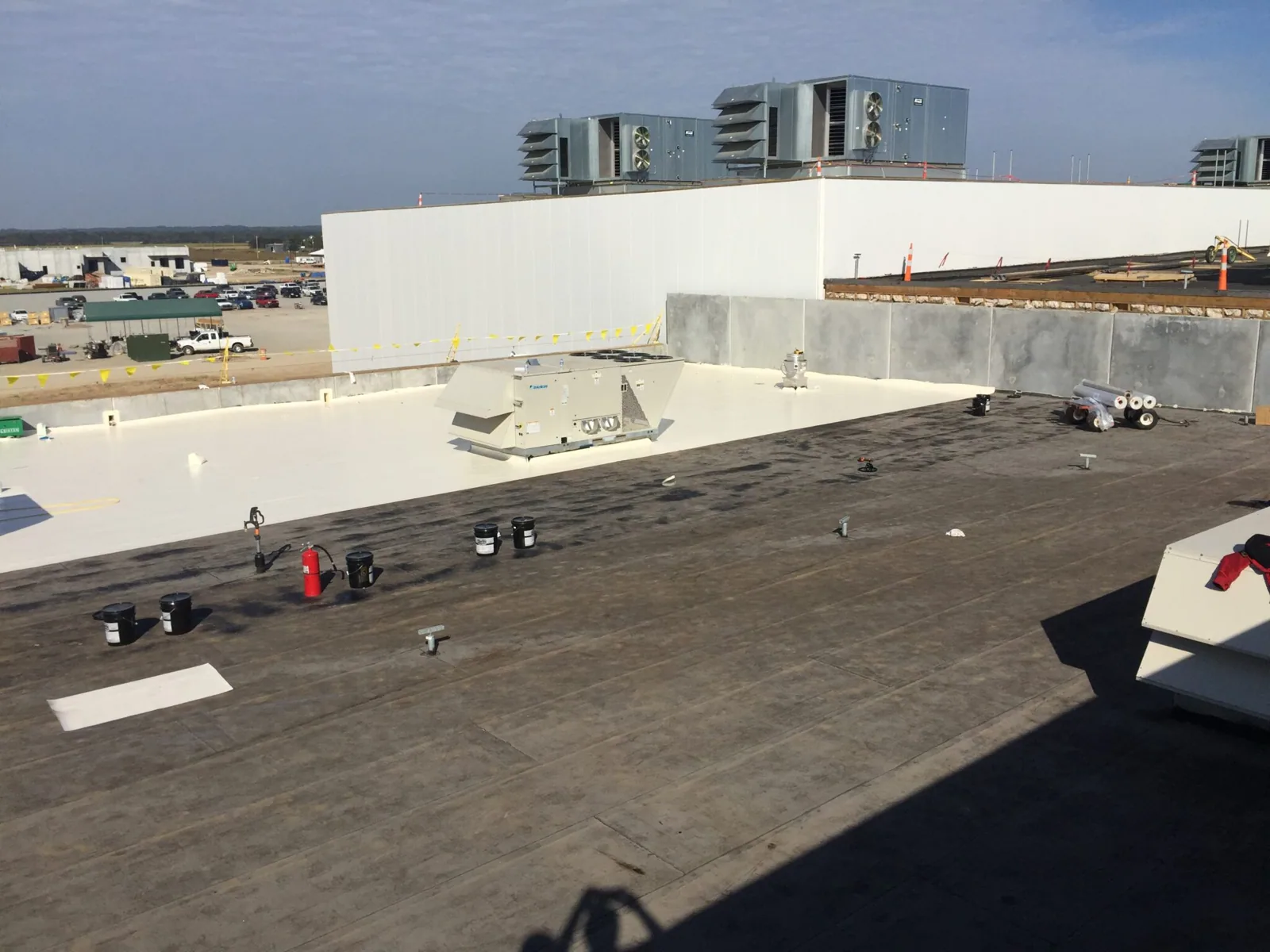
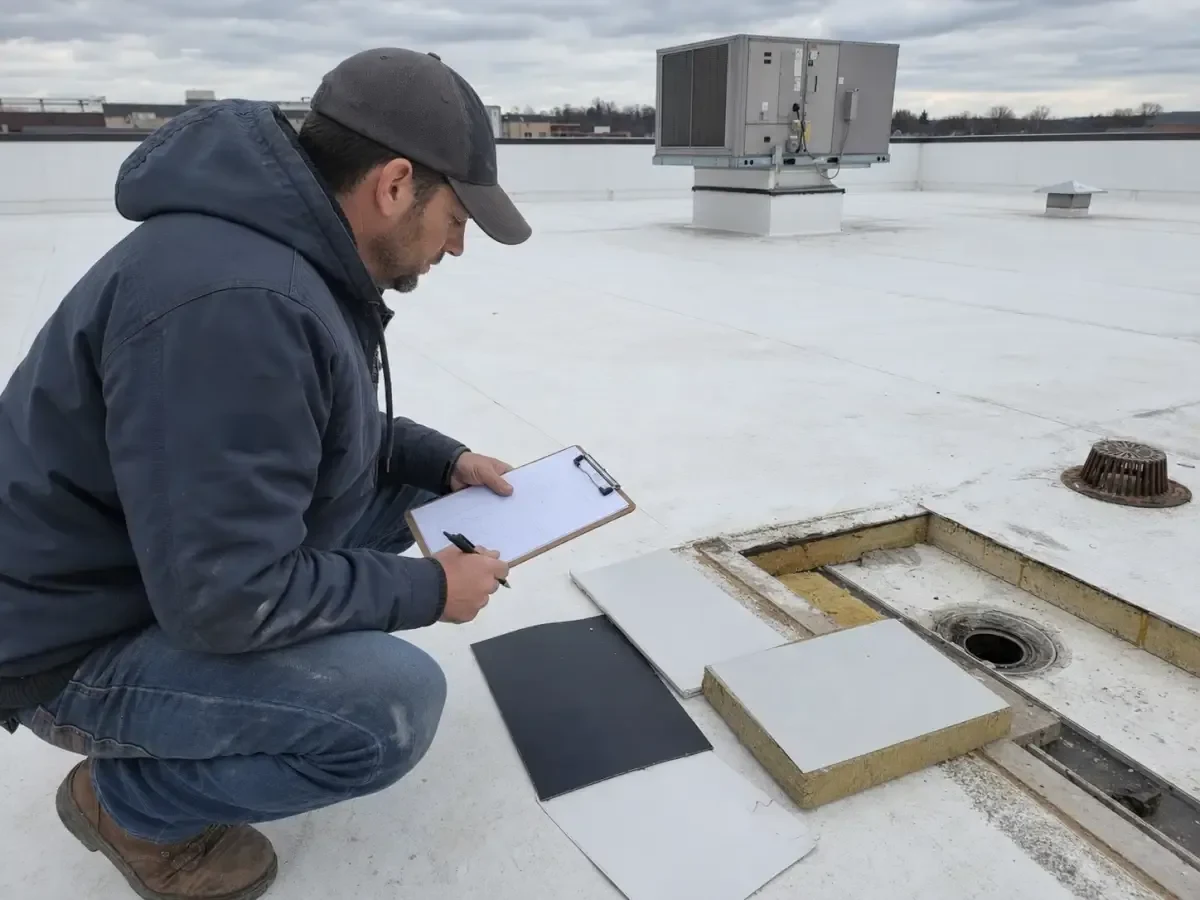
Silicone may tolerate standing water better than some coating types, but the roof still needs drainage. We inspect how long water remains, whether the drain is open, and if a low area reflects compressed insulation or deck movement. A coating does not create slope by itself. If the surface has a depression, we map it and decide whether separate correction is needed. Water that stays at a seam or curb can expose a repair weakness, even when the surrounding field is coated.
Valwood contains many separate industrial properties, so every drain and low-area observation stays tied to the correct building and roof section. A drain and scupper check can identify blocked outlets or damaged bowls, while a ponding-water repair can address conditions beyond the coating layer. We clear safe-to-reach debris and confirm the outlet path before applying new material. We also note whether a parapet or rooftop unit blocks access to the low area, since staging and surface preparation must leave the outlet available. The map keeps findings linked to the building and inspection date.
Preparation often takes more attention than the spray or roller pass. We remove loose coating, clean the surface, repair open seams, and reinforce cracks, drains, curbs, and penetrations as the system requires. Oil, dust, chalk, and moisture can interfere with adhesion. Metal roofs need special attention at fasteners and panel laps. We inspect the repair, allow it to cure as specified, and check the surface before coating continues. A shortcut at the detail can create a leak path below an otherwise uniform film.
Spring brings the region’s most active severe-weather window, and hail or damaging wind has been documented somewhere in the metroplex in nearly every year. After a storm, we look for cuts, impact damage, lifted metal, and punctures before recoating. A coating can protect a suitable roof surface, but it cannot secure a loose panel or rebuild a damaged deck. At Midway South, a manufacturing property may need equipment access kept open during the work. We schedule repairs and coating by area, keeping mechanical and tenant routes clear as the site allows.
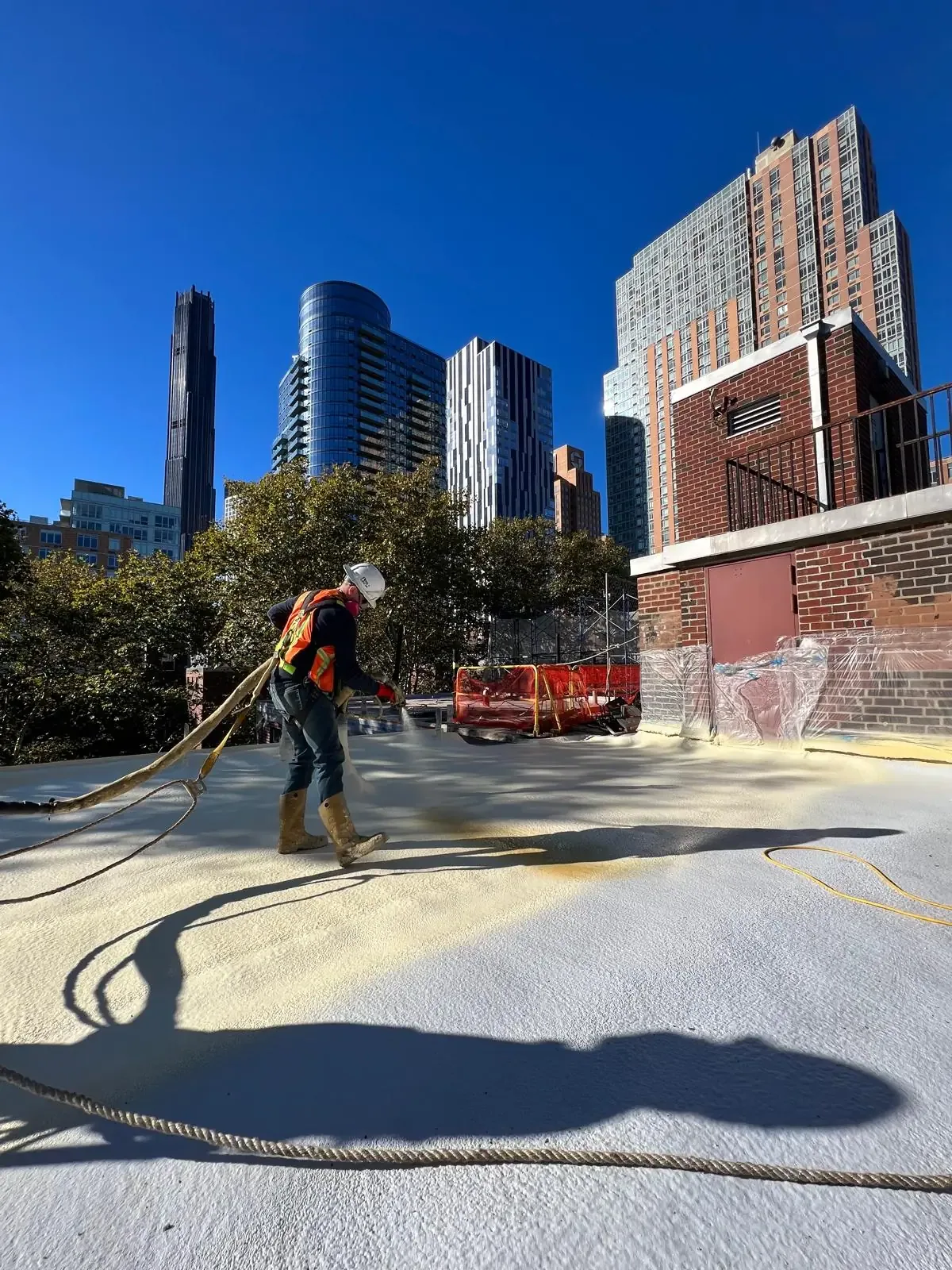
Silicone application requires clean, dry conditions and a substrate temperature within the product range. Rain too soon after application can affect the finish, and wind can carry overspray onto equipment or vehicles. We confirm forecast, roof access, protection, and staging before starting. Each completed area is checked for coverage, reinforcement, edges, and thin or missed spots. We record the applied system and the condition of the roof before work so future maintenance has a baseline.
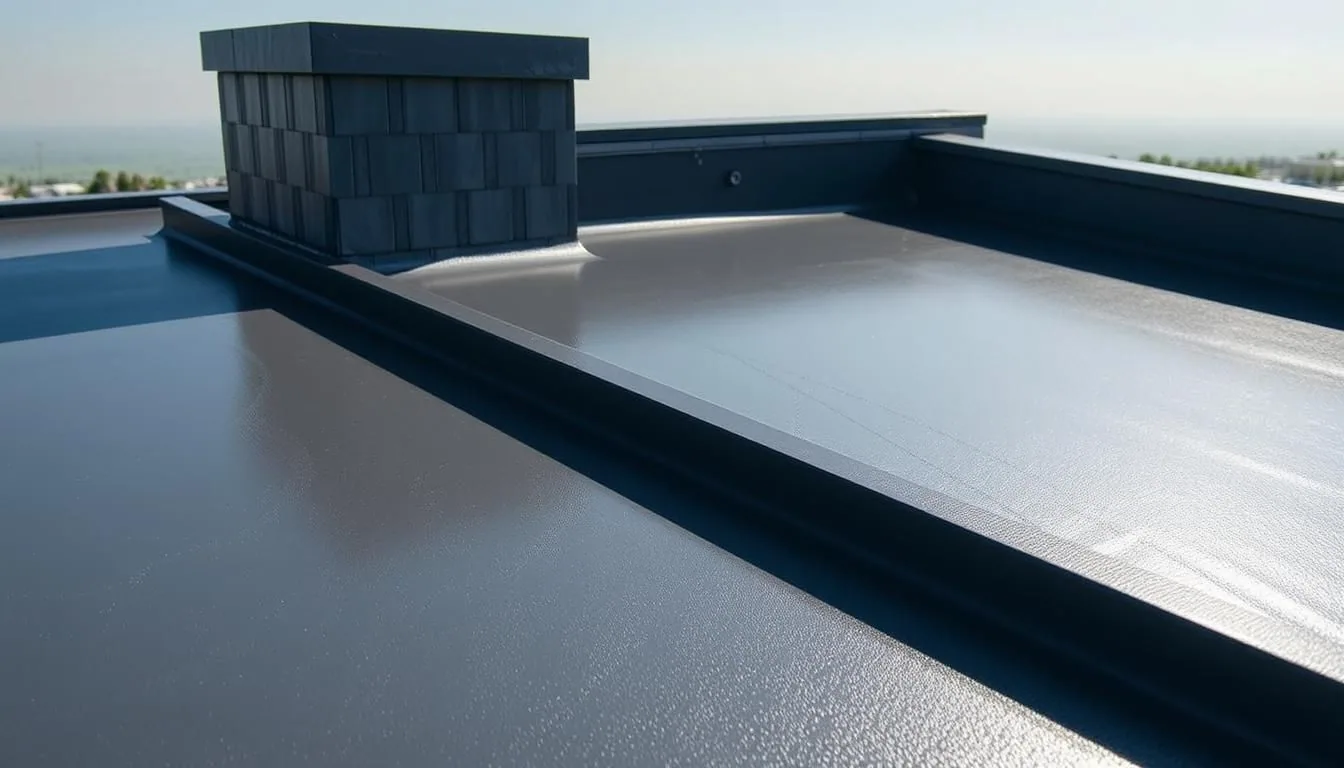
The coating thickness and number of passes come from the project specification and manufacturer requirements. We do not assume that a single coat is adequate for every roof. Curbs, skylights, and edge metal need a finished tie-in, and drains must remain open. A coating restoration scope identifies preparation and repairs separately from the application. If the roof has a failed membrane or wet insulation, a replacement plan may be more suitable than another surface layer.
A coating can be a practical renewal path when the existing roof is stable and compatible. If the field has widespread splits, the deck is soft, or moisture is present below the membrane, replacement or section removal may be needed. We document the condition and compare repair cost drivers, expected access, and the remaining assembly. A new coating should not be presented as a cure for a problem in the insulation or deck.
An acrylic coating may have different water and weather limitations, while a spray foam system creates a new roof surface that needs its own topcoat. We match each option to the substrate and project requirements. For a low-slope roof with extensive deterioration, a TPO membrane or full replacement may be compared. The owner receives a roof map, repair list, and close-in sequence so the selected work can be checked after installation.
Some silicone systems tolerate ponding better than other coatings, but we still inspect the low area and outlet. We identify whether water comes from a blocked drain, compressed insulation, or deck movement before coating.
We prepare a representative test area and evaluate the bond according to the product requirements. If the old coating is loose or incompatible, it must be removed or isolated before the full application.
Only after the seam is repaired and the surrounding surface can accept the new coating. We identify the leak path, rebuild the detail, and reinforce it as specified before applying the field layer.
It can be considered when the panels, fasteners, corrosion, and existing finish are suitable. We inspect and prepare the metal, address loose connections, and check the coating’s compatibility before application.
We check coverage, film condition, reinforced details, edges, and open drains. The closeout record lists the roof areas completed and any repair or maintenance item that should be watched.
RELATED WORK
CALL US
Leaks, storm damage, a failing membrane or a replacement on the calendar: tell us what is happening on the roof and we will set up a visit.
Roof Systems
Share the roof type, leak locations, and access limits. We will inspect adhesion, drainage, and details, then outline preparation and repairs before a silicone coating is considered.
Call 555-555-5555 or request a roof assessment online.