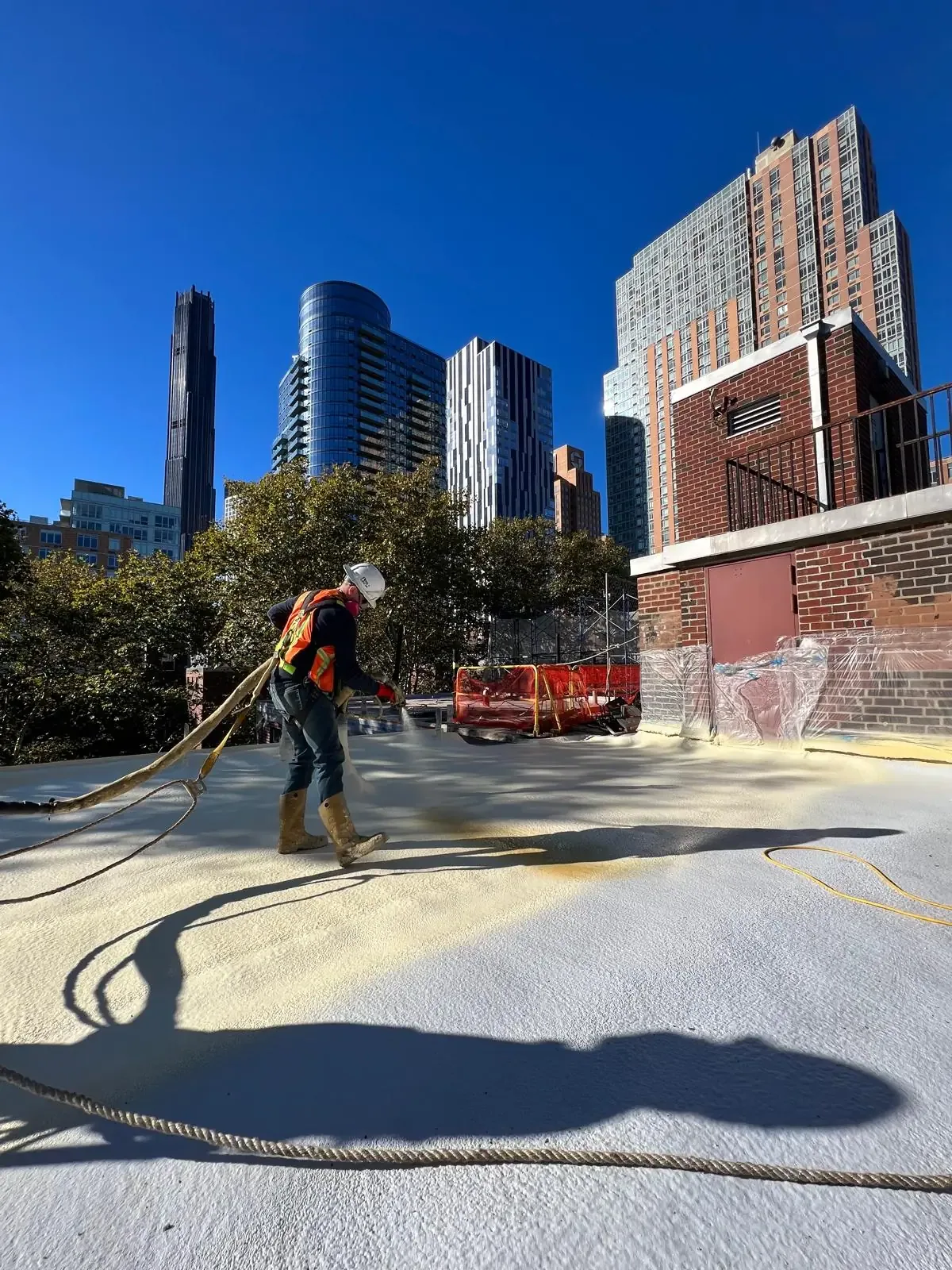
A white acrylic coating can lose adhesion where water keeps crossing a seam. Before recoating in Carrollton, TX, we inspect the membrane, metal, drains, and areas that stay wet after rain. The surface needs to be sound and prepared for the selected product. At Trinity Mills Industrial Park, manufacturing and distribution buildings operate in an active district, so roof work must account for loading, equipment access, and weather. We mark repairs first and set a coating window that allows each section to cure as specified.
Acrylic coating forms a protective layer over a compatible roof after cleaning and preparation. We look for loose membrane, open seams, rust, cracked coating, ponding, and wet insulation. A topcoat cannot repair a soft deck or stabilize a membrane that has separated. If the existing surface has more than one coating, we identify the layers and confirm that the new material can adhere. A test area can expose a compatibility problem before the crew stages a full roof’s worth of material.
Midsummer afternoons across the metroplex frequently pass 100 degrees, and humid air can slow coating cure. We check the local forecast and the roof surface before starting, since conditions on this building matter more than the seasonal average. We read site conditions before starting and follow the selected product’s requirements. A roof inspection can record the existing system, repair areas, and low spots. At Valwood Industrial Park, a large mix of industrial buildings makes it useful to keep the survey tied to a specific building and roof section.
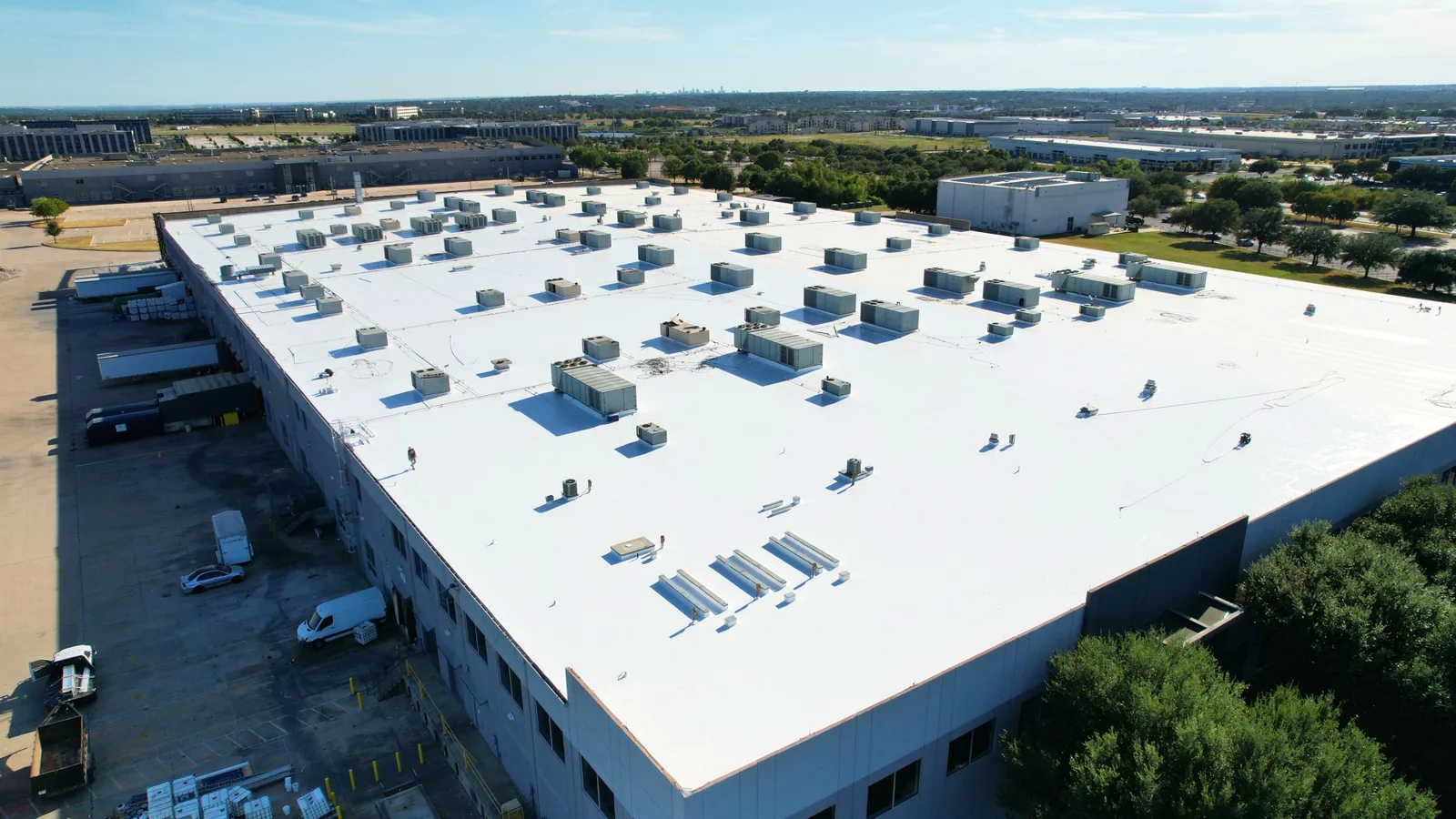
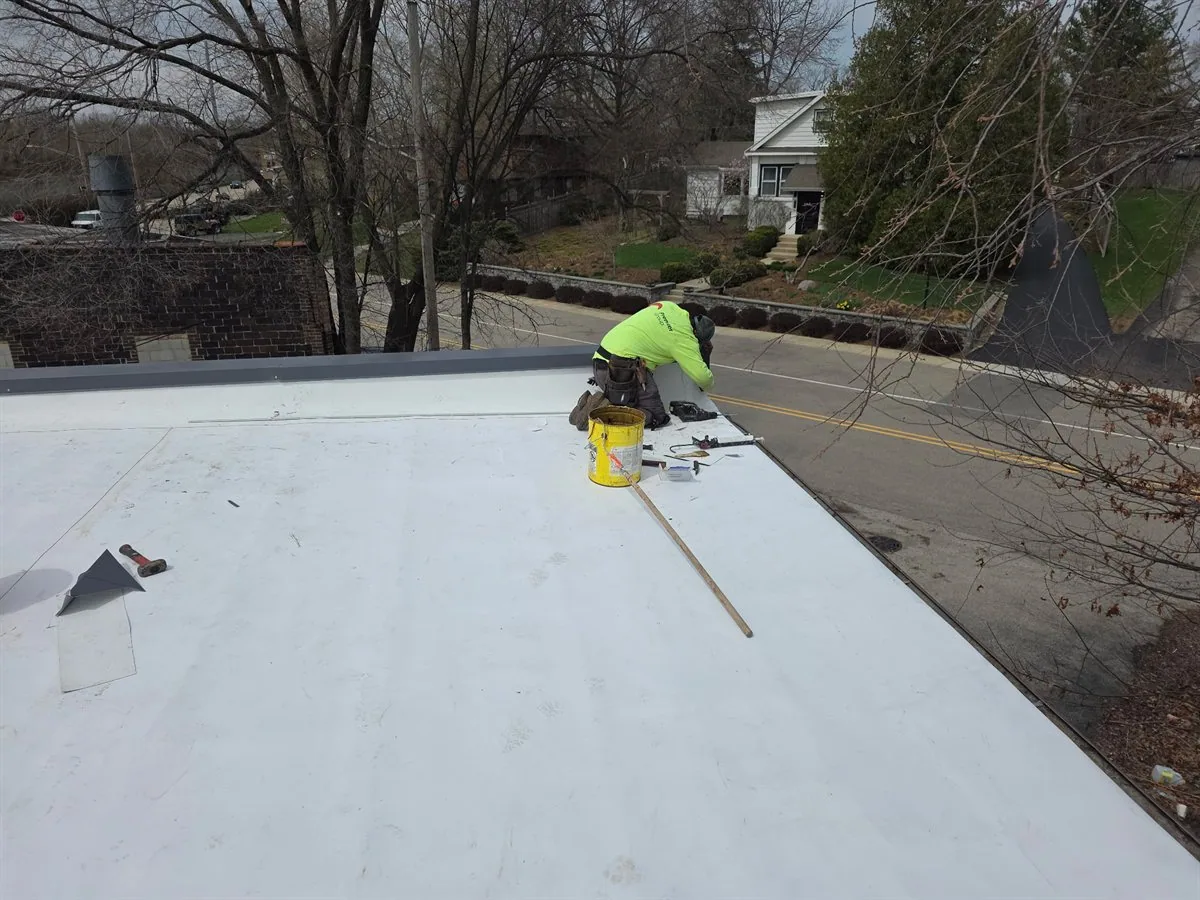
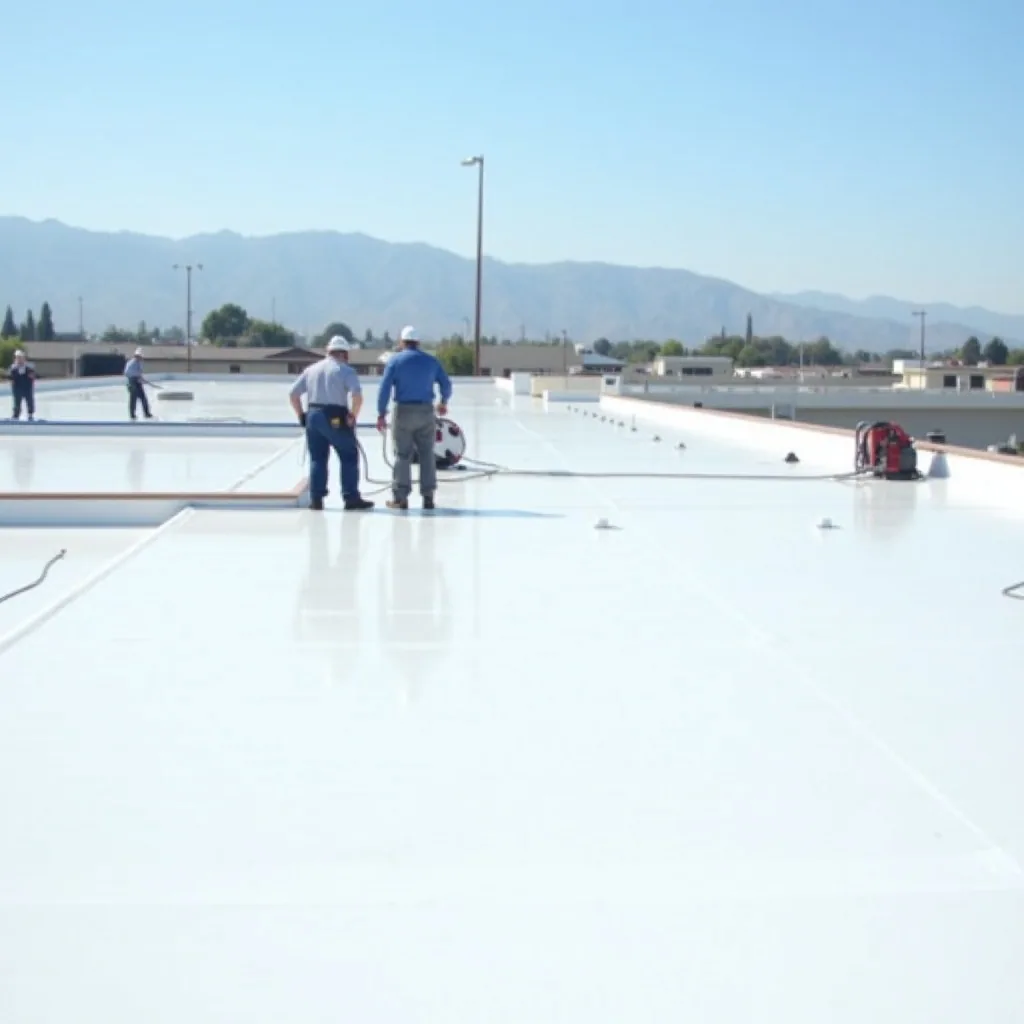
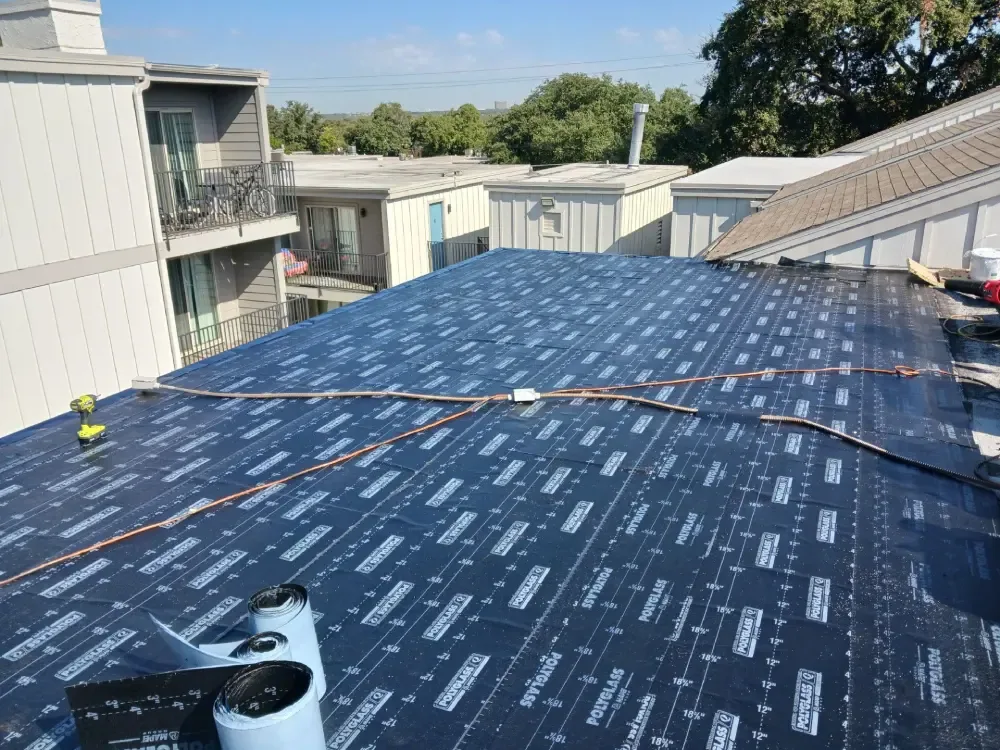
Acrylic systems need water to drain rather than sit for long periods. We inspect the slope, drain bowls, scuppers, and low areas, then map where water remains. A blocked outlet or compressed insulation can hold water against a seam. Applying a new coating over that condition may leave the cause untouched. We clear safe-to-reach debris, verify discharge, and separate a drainage correction from the coating work. The scope states whether slope or substrate repair must come first.
At Frankford Trade Center, distribution and logistics operations can affect lift access and material staging. We schedule the roof walk and application around the actual building, not the district’s general operating profile. A drain and scupper review can map outlets, while ponding-water repair addresses conditions that extend beyond the coating surface. The roof is ready for recoat only after water paths and open details have been resolved.
Dust, chalk, oil, loose coating, and moisture can weaken adhesion. We clean the roof, remove unsound material, and repair seams before application. Cracks, drains, curbs, skylights, and metal laps may need fabric reinforcement or compatible flashing. Each detail is inspected after repair and before it is covered. We mask or protect equipment and surfaces that should not receive overspray. A roof coating scope should name the preparation, repair, and application steps separately so the owner can see what each part covers.
Spring weather in the Dallas-Fort Worth Metroplex brings large hail and damaging wind nearly every year somewhere in the region. We check a roof after storm activity for cuts, loose edge metal, and impact damage before recoating. If hail has fractured a membrane, a coating alone may not close the opening. A roof repair can restore the damaged area, then the coating plan can proceed when the surface is ready. We use field marks and photos to keep storm damage separate from older wear and maintenance repairs.
Acrylic coating needs suitable temperature, humidity, and dry time to form the specified film. We check the forecast, dew point, roof condition, and product requirements before opening containers. Thin spots, missed edges, and an early shower can change the result. The crew works within the available window, keeping drains and routes clear. We record the batch and roof section, check film at representative points, and restrict foot traffic until the surface is ready. If weather turns, open edges are protected and the incomplete area is noted for return. Each drain and overflow path stays clear through application and cure.
Reflective coatings can reduce solar absorption at the roof surface, but that does not establish a specific reduction in a building’s cooling bill. Insulation, HVAC, air leakage, equipment, and interior loads all affect energy use. We describe the selected coating and the work completed without assigning a savings estimate to the roof color. An acrylic coating restoration scope includes film thickness, reinforcement, and the repair record. For roofs with more persistent standing water, a silicone system may be evaluated against the substrate and product requirements instead.
After cure, maintenance checks the coating, seams, drains, terminations, and areas exposed to foot traffic. A new cut from an HVAC service visit should be repaired with a compatible material before water reaches the membrane. We note surface wear and any place where coating has thinned around a curb or walkway. The roof map helps the next inspection return to the same location rather than repeat a broad visual survey. Cleaning and repairs should follow the coating manufacturer’s instructions.
At Midway South Industrial Park, named businesses include manufacturing and distribution operations, so equipment service can be part of the roof schedule. We coordinate access and mark the routes that technicians should use. Where the existing assembly has widespread moisture or deck damage, a replacement plan may be more suitable than another coat. A spray foam roof also relies on a maintained protective topcoat, but its underlying assembly and repair details differ from a coating applied over another membrane.
No. The substrate must be compatible, stable, and prepared according to the selected product. We identify the existing membrane or coating and use a test area if adhesion is uncertain.
Long-standing water can stress the coating and expose a weak seam. We map the low area and check the outlet or insulation before selecting a coating system or repair.
Application needs the dry time stated for the product and actual site conditions. We review the forecast and divide the work so each opened area can cure or be protected before rain.
A reflective surface may reduce solar heat absorbed at the roof, but utility results depend on the whole building. We describe the roof work and leave energy savings to a project-specific analysis.
Open seams, loose flashing, wet insulation, rust, and unstable coating need attention first. We mark each condition, complete compatible repairs, and check the prepared surface before application.
RELATED WORK
CALL US
Leaks, storm damage, a failing membrane or a replacement on the calendar: tell us what is happening on the roof and we will set up a visit.
Roof Systems
Share the roof type, low areas, access hours, and any equipment or loading limits. We will inspect the surface and details, then outline preparation, repair, and coating work around a suitable weather window.
Call 555-555-5555 or request a roof assessment online.