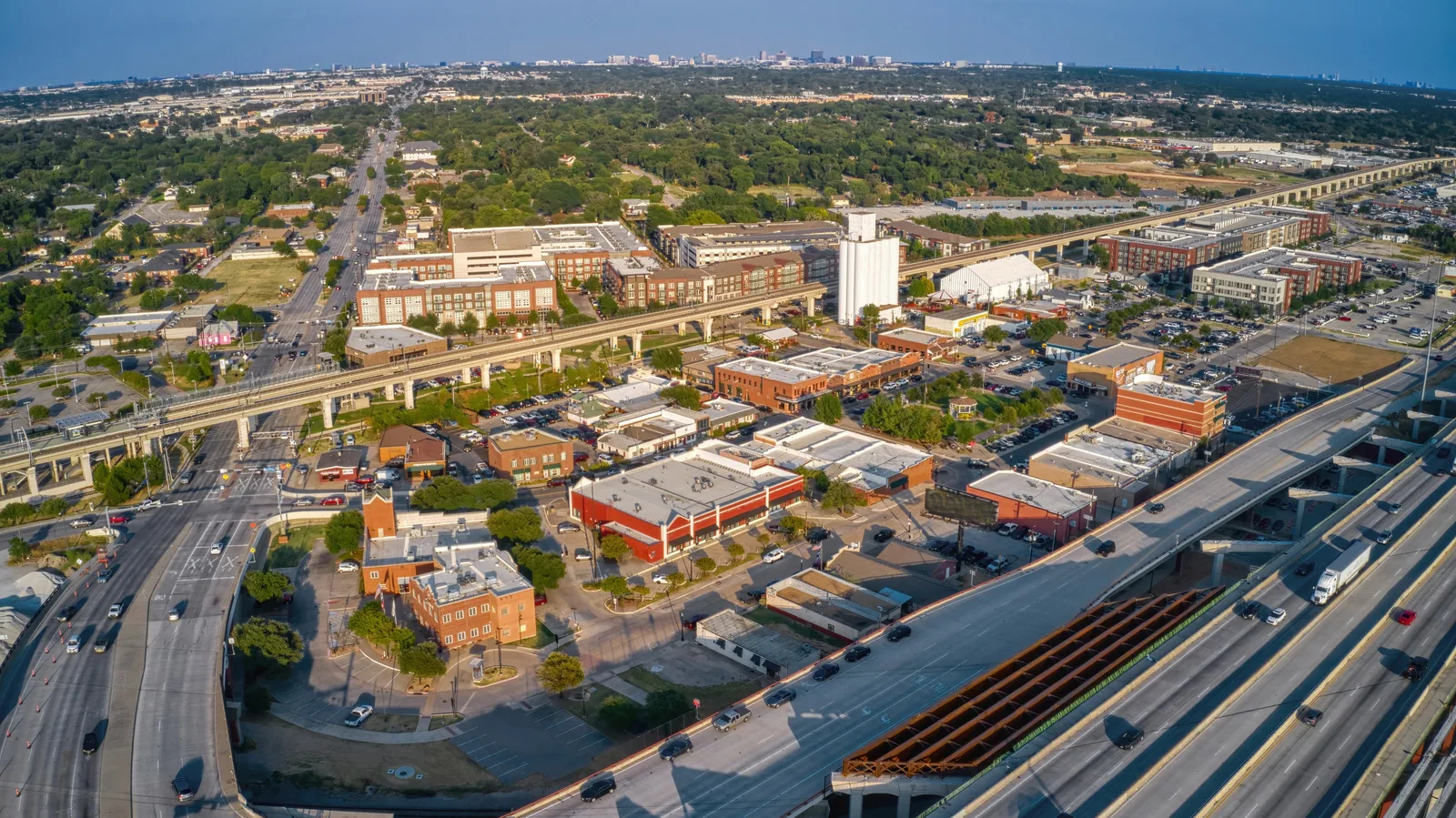
A roof leak over a sales floor can wet seasonal displays before a bucket reaches the spot. Big-box retail roofing in Carrollton, TX calls for a roof map that matches the store’s departments, equipment, and receiving area. Grandscape includes major retail and entertainment destinations along State Highway 121, and Legacy West combines corporate offices, apartments, shopping, and hotel uses. Those districts have different customer and delivery patterns. We inspect the individual building and plan work around its entrances, loading area, and operating hours.
A large store may need its front entrance, accessible parking, garden area, and receiving dock available while crews work. We confirm where a lift can be placed, which doors remain open, and how roofing material will reach the roof without crossing customer queues. Deliveries can continue on a different schedule from store hours, so the receiving manager helps set the work window. We keep debris, fasteners, and tools contained and coordinate any short barrier with store leadership. Store managers can tell us which product zones are sensitive, whether sales events change queue locations, and when receiving lanes are clear. We identify the roof hatch and lift route, set a ground-level spotter, and avoid raising materials above customer traffic. If an entrance needs a temporary detour, leadership approves the path and signage before work begins. Closeout notes show what remains protected.
Grandscape is a retail and entertainment district, and its city-listed destinations include Nebraska Furniture Mart, Scheels, Topgolf, and Galaxy Theatres. These destinations bring different traffic patterns, but the access plan for a roof repair depends on the property being serviced. The manager identifies loading peaks, event activity, and the approved roof entry. An occupied retail reroofing sequence can divide work into zones and define how each section is closed at day’s end.

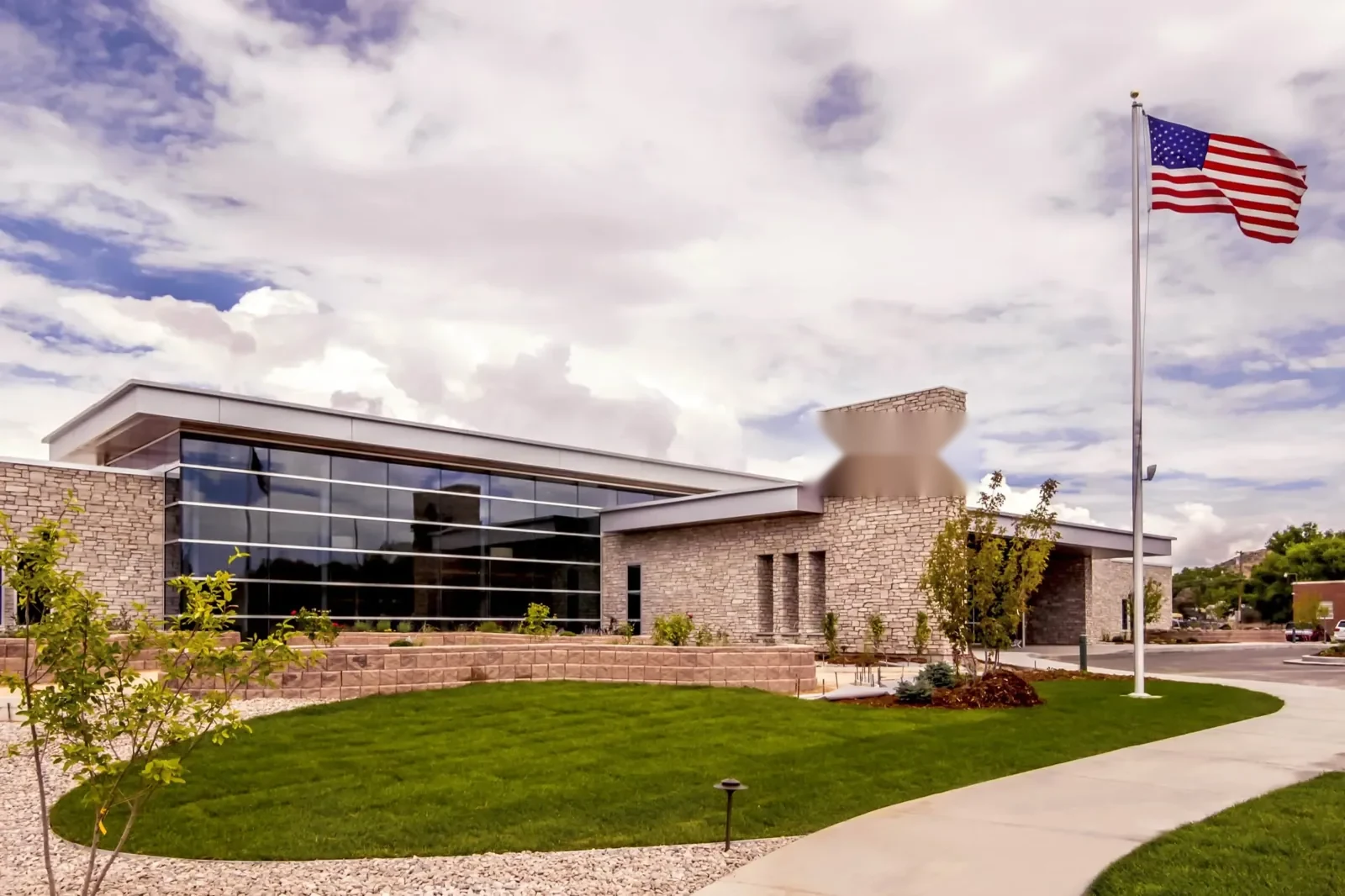
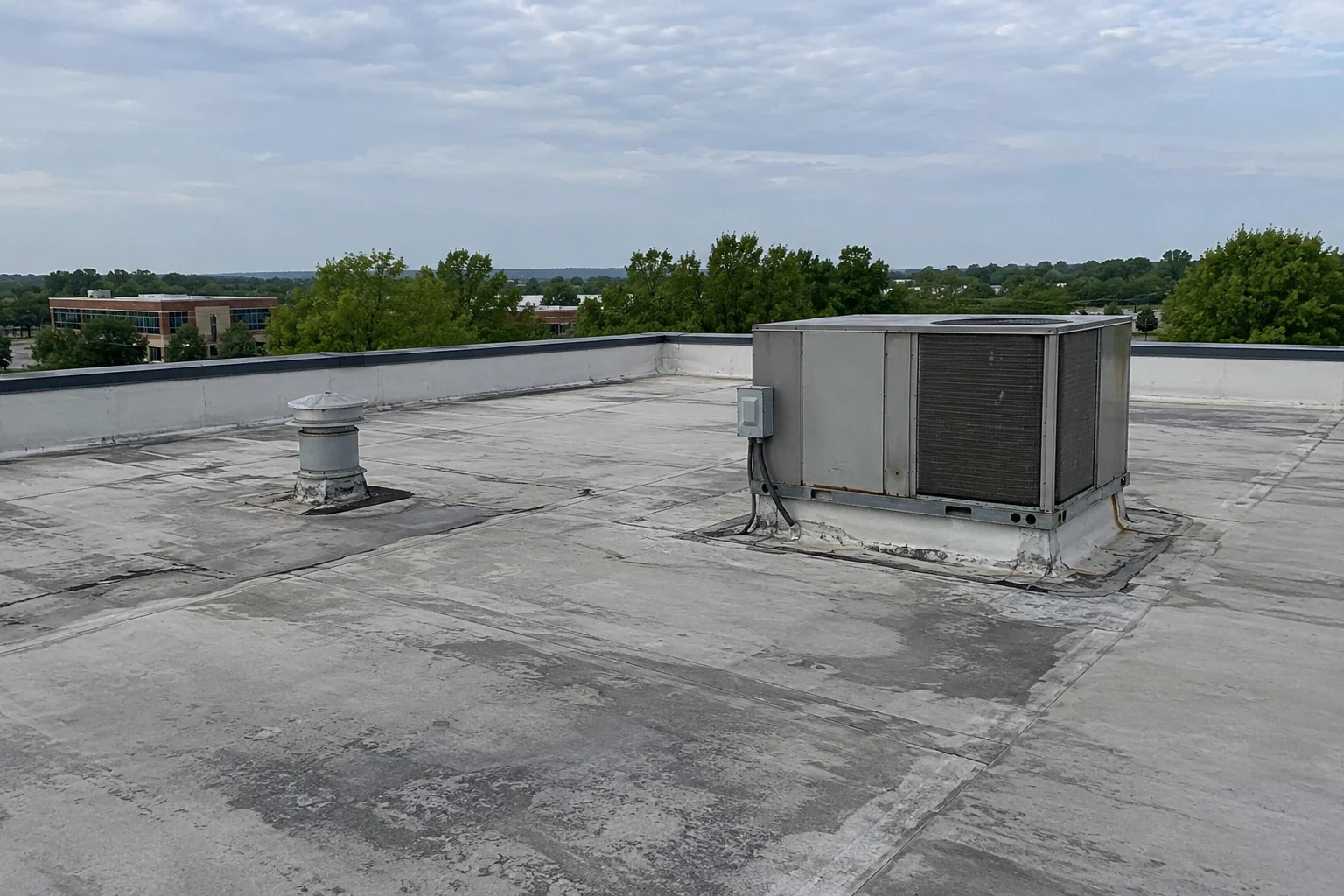
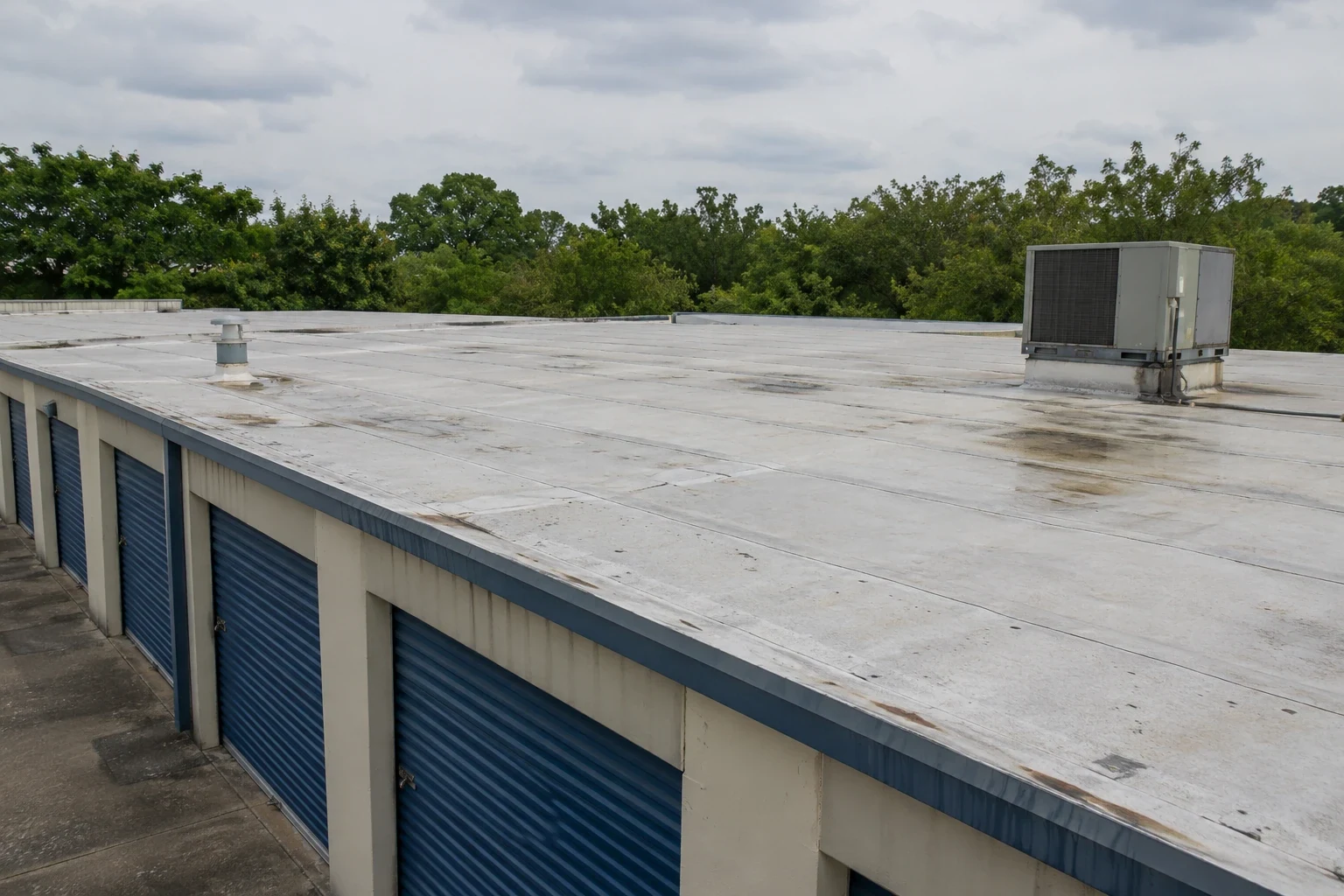
Large-format stores can have long roof runs, multiple elevations, and equipment groups spread across the building. We divide the roof into marked zones and identify each drain, expansion joint, skylight, curb, and perimeter transition. If a leak appears in one department, we trace the route above it rather than assume the nearest penetration is responsible. The map also helps facilities teams track repairs and avoid mixing findings between a main store, garden area, and attached receiving space.
Valwood and Frankford are industrial parks rather than retail centers, but the same practice of labeling separate buildings and roof areas is useful in any portfolio. For a large store, a roof inspection records each zone, prior patch, and area that needs moisture testing. We note where a ceiling grid, stockroom, or sales floor sits below the test area so indoor protection can be arranged before a cut is made.
Long roof areas can feed several drains or scuppers. We check strainers, sumps, outlet connections, and the flow path toward each discharge. A blocked drain can send water to an interior wall, stockroom, or entrance canopy. Low spots may result from compressed insulation or deck movement, so we note them separately from debris. The aim is to understand where water starts and where it should leave the roof before applying a patch over the visible symptom.
Dallas-Fort Worth spring weather brings hail and damaging winds somewhere in the metroplex nearly every year. After a storm, we inspect roof edges, skylights, equipment curbs, and drainage openings for changes. A drain and scupper assessment can verify outlet conditions, while storm damage repair records impact or wind-related openings. If runoff is affecting a canopy or customer entrance, the repair plan includes the storefront transition and the route below.
Big-box stores use rooftop units for separate sales, office, and storage areas. Equipment replacements can add curb extensions, conduit, pipe stands, and service paths. We inspect flashing at each base and look for fasteners, split corners, displaced walk pads, or damage from the last service visit. Sign supports and old attachments need review too. A support that no longer carries a sign can still leave a penetration or loose fastener at the roof plane.
We coordinate with store engineering before moving equipment or lifting a panel. A curb and support inspection can identify the roof-side connection and which trade controls the unit. If a broad area has wet insulation or repeated leaks, a replacement plan can include new curb heights and insulation transitions. A shopping center roof review can address shared tenants and storefront access, while a grocery roof assessment includes refrigeration and food-service equipment routes.
A roof map loses value if equipment changes are not added to it. A store floor plan can identify the department below, but the roof map records the actual repair location and access route. After HVAC service, sign work, or a storm, we check the affected area and document whether flashing, seams, or drains were disturbed. The report distinguishes repairs completed from temporary covers and lists any inaccessible area. That lets store maintenance return to the same detail during the next walk without closing off an unrelated department.
At Legacy West, the district combines office, retail, hotel, and apartment uses; a property team may coordinate more than one operating schedule across a mixed site. For a big-box store, we confirm the actual tenant and delivery plan before staging. A scheduled roof maintenance visit can check drains, edges, and equipment curbs before seasonal sales periods. The owner receives a prioritized list for urgent leaks, routine repairs, and items that can be monitored.
We coordinate the work zone, customer routes, deliveries, and any short barrier with store leadership. The roof can often be repaired in sections, but each opening must be protected and closed within the approved window.
We connect the interior report to the roof zone above it, then inspect drains, seams, curbs, and nearby edges. A test cut or moisture check may be needed to confirm the affected layers.
We check the curb extension, flashing, nearby membrane, fasteners, and service route. If another trade made a roof opening, we coordinate who completed the close-in and verify the finished detail.
Yes, if the roof transitions and drainage can be closed safely between phases. We map the sections, set material staging, and identify which areas remain open to store staff or equipment service.
Repeated leaks, broad moisture, poor attachment, or a failing deck can make a larger scope more practical. We inspect those conditions and compare the repair limit with a recover or replacement plan.
RELATED WORK
CALL US
Leaks, storm damage, a failing membrane or a replacement on the calendar: tell us what is happening on the roof and we will set up a visit.
Property Types We Roof
Share the department or leak location, loading hours, roof access rules, and equipment schedule. We will inspect the roof zones and plan repairs around customer access and store operations.
Call 555-555-5555 or request a roof assessment online.