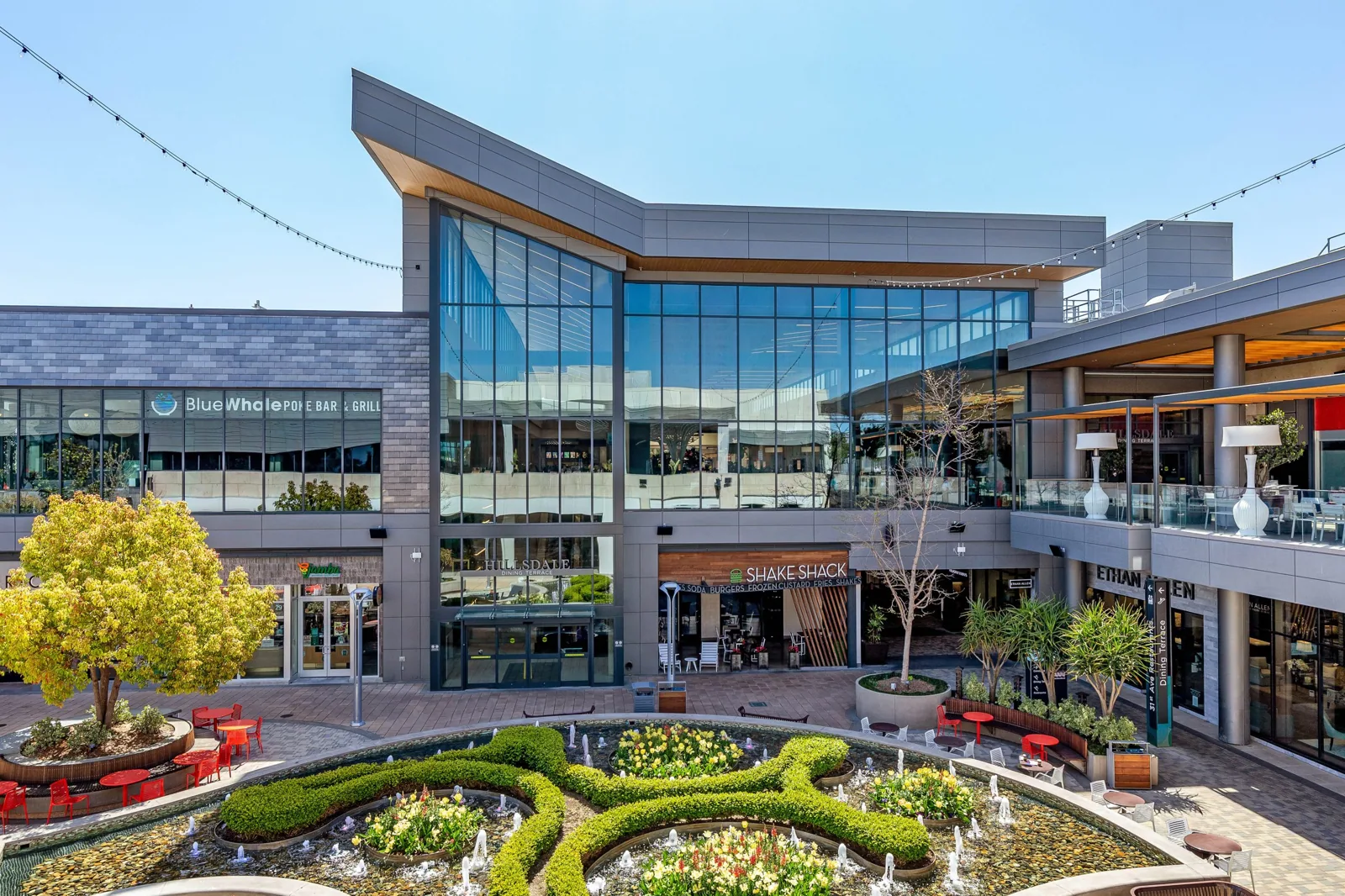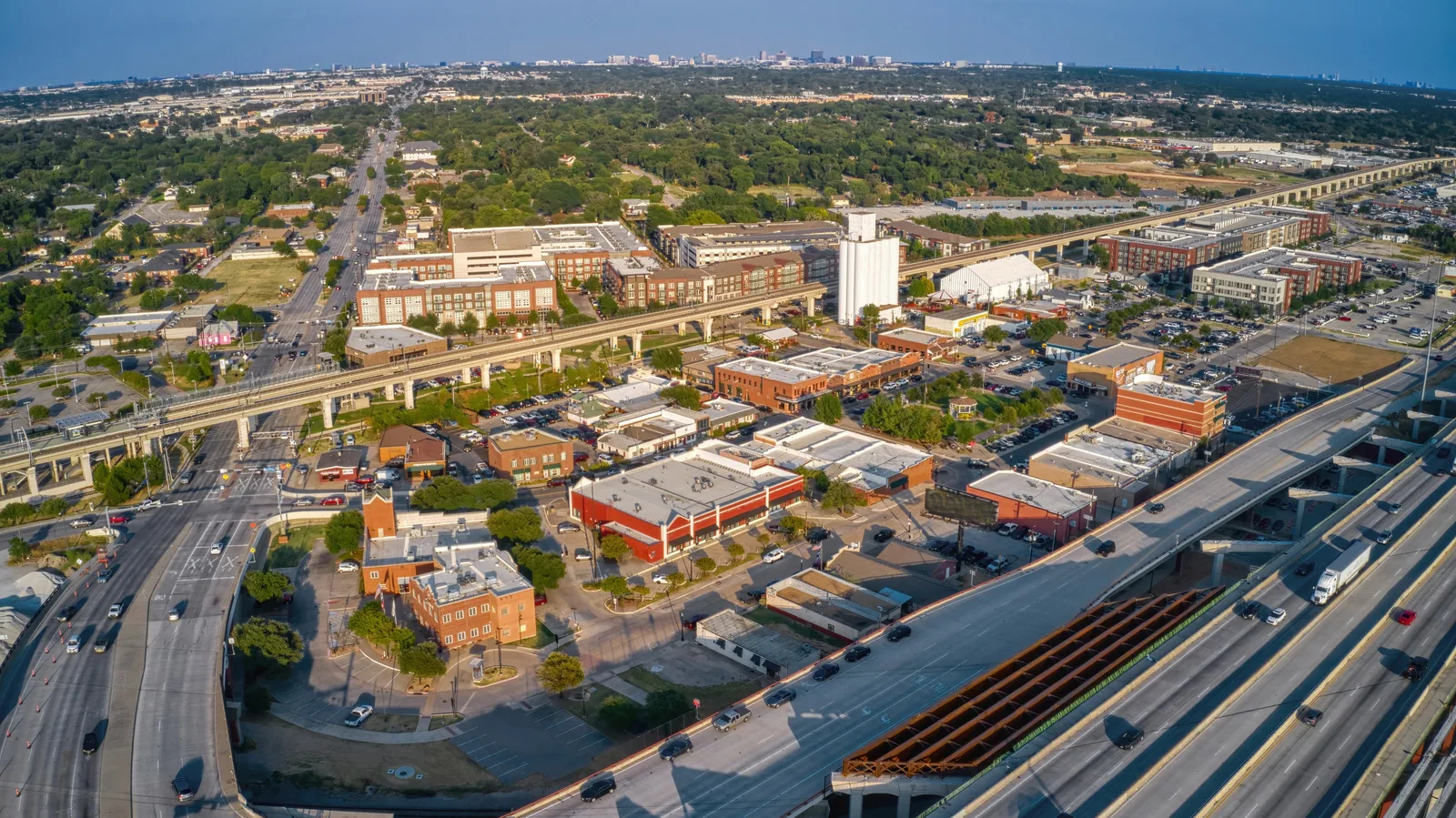
A roof leak near a refrigerated case can threaten more than the ceiling finish. Grocery store roofing in Carrollton, TX needs a repair plan that protects food areas, equipment, staff routes, and customer access. Grandscape is a major retail and entertainment district along State Highway 121, and Crown Centre includes planned retail and restaurant uses. Those places show the range of commercial activity in the surrounding market. We inspect the specific store’s roof, identify the equipment above the leak, and coordinate access with management.
Roof work above a grocery store can involve a sales aisle, produce cooler, pharmacy, prep area, or receiving corridor. We ask store management which areas need protection and which doors must remain open. Materials and debris stay away from food handling and customer paths. If an interior ceiling needs to be opened, the store identifies who can isolate the area and manage product protection. We coordinate the repair so workers do not cross food-preparation zones without the store’s approval. Before opening a ceiling, the manager identifies the affected aisle or cooler, who moves product, and who confirms the room can return to service. We coordinate noise, odor, adhesives, and air-intake exposure with store staff. Protection below is set before materials are lifted. If a leak reaches a refrigerated zone, the store decides whether adjacent cases need covering while we locate the roof entry. The repair record notes when the area was released for normal use. We add the room contact and roof zone so a later call can be traced without reopening unrelated sections.
Delivery schedules, restocking, and early-morning operations can limit when crews use the roof or set a lift. We confirm receiving hours, roof hatch locations, and vehicle routes before bringing material on site. A phased grocery reroofing plan can work by roof section and leave a clear end-of-day tie-in. Store managers can assign one contact for access and one for interior protection, so questions about a leak or temperature-controlled room reach the right person quickly.
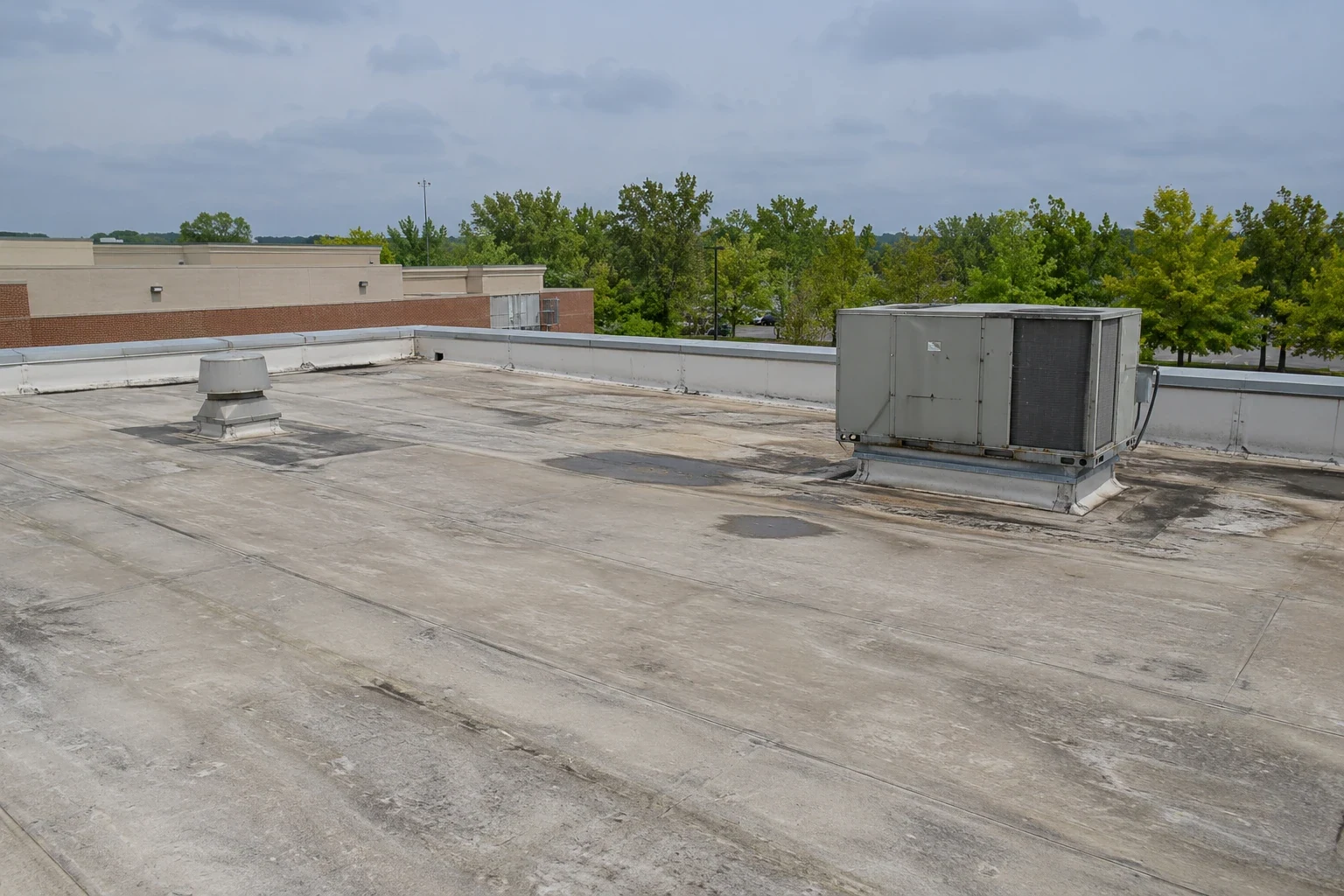
Refrigeration equipment, condensers, kitchen exhaust, air handlers, and pipe lines create openings and supports across the roof. We inspect curb flashing, pipe boots, fasteners, seams, and walk pads around each service route. Condensate or defrost water can keep a roof detail wet, while a replaced unit may leave a curb that no longer matches the opening. We identify the equipment and responsible trade before moving a cover or removing flashing.
Grandscape spans 433 acres along SH121, with retail and entertainment destinations including Nebraska Furniture Mart and Scheels. Delivery and service traffic around a grocery property still depends on that store’s own loading plan, so we confirm its access and roof conditions before scheduling work. A curb and support review maps the connection at each refrigeration or HVAC unit. If a mechanic has recently changed equipment, we check for loose fasteners, cut membrane, and an open penetration before the store returns to routine service.
Water that remains near a drain can migrate toward a seam or curb and appear inside the store later. We inspect bowls, strainers, scuppers, and low spots, then follow the outlet path. A blocked drain may overflow at a parapet or feed a leak above the backroom. If insulation has compressed, clearing the outlet may not restore the roof slope. We map ponding separately from a membrane or flashing failure so the repair addresses each cause.
Spring storm reports across Dallas-Fort Worth can include hail, damaging wind, and flooding. Once conditions allow safe access, we check the grocery roof perimeter, refrigeration curbs, drainage points, and skylight seals for fresh damage. A drain and scupper inspection can check outlets, while a storm-related roof survey records impact or wind damage. If water enters a food area, the manager identifies temporary containment and product-protection steps while we close the roof opening.
Grocery roofs may use single-ply membranes, metal, built-up systems, or coatings. We confirm the material before selecting a patch, flashing, or surface repair. A membrane patch needs compatible sheet and a dry substrate. A coating requires preparation and confirmed adhesion. A replacement scope should include insulation, drainage, curb heights, and the roof edges. We do not cover wet insulation or a loose seam without identifying the condition below it.
When leaks recur near several units, we compare local repairs with a recover or full replacement. A roof condition assessment can map moisture and prior work; a replacement plan coordinates the roof with refrigeration and exhaust equipment. For a large-format retailer, a big-box roof survey addresses broad zones and loading routes. For a restaurant or prepared-food tenant, a restaurant roof inspection pays closer attention to cooking exhaust and grease deposits.
After work, we check the patch or flashing, clear safe-to-reach drains, and confirm the work area is closed. The report identifies the roof zone, material, weather, and any temporary protection that needs replacement. Photos can show the curb, drain, or seam without including customers or food operations. The store’s maintenance team can attach the location to its equipment record and call the correct trade if a unit changes again.
A roof walk before severe-weather season can locate loose edge metal, clogged bowls, or deteriorated flashing before a leak reaches product areas. A scheduled roof maintenance visit can check the details around refrigeration and rooftop service paths. We can also respond to active roof leaks around the clock, including weekends and holidays. The first visit protects the opening and identifies what still needs a dry-weather repair. The closeout states when the next inspection is due and which area should be watched.
We coordinate the work zone and any interior protection with store management. The roof can often be repaired from above, but a leak or ceiling opening may require a brief isolation below.
We inspect the nearest drains, seams, curbs, refrigerant lines, and condensate paths. Water can travel from a different roof zone, so we trace the source before assigning the repair boundary.
Replacing a condenser or adding a line can disturb flashing, fasteners, or nearby membrane. We coordinate with the refrigeration trade and check the finished roof connection after service.
It may be possible with a defined area, protection, and a suitable weather window. We confirm surface compatibility, air intakes, equipment, and access before setting the coating sequence.
Share the affected room or aisle, water status, roof access route, and any temperature-sensitive equipment nearby. We can protect the opening and document the permanent repair needed.
RELATED WORK
CALL US
Leaks, storm damage, a failing membrane or a replacement on the calendar: tell us what is happening on the roof and we will set up a visit.
Property Types We Roof
Share the affected food or sales area, refrigeration schedule, receiving hours, and access rules. We will inspect the roof detail and set a repair plan that protects store operations.
Call 555-555-5555 or request a roof assessment online.