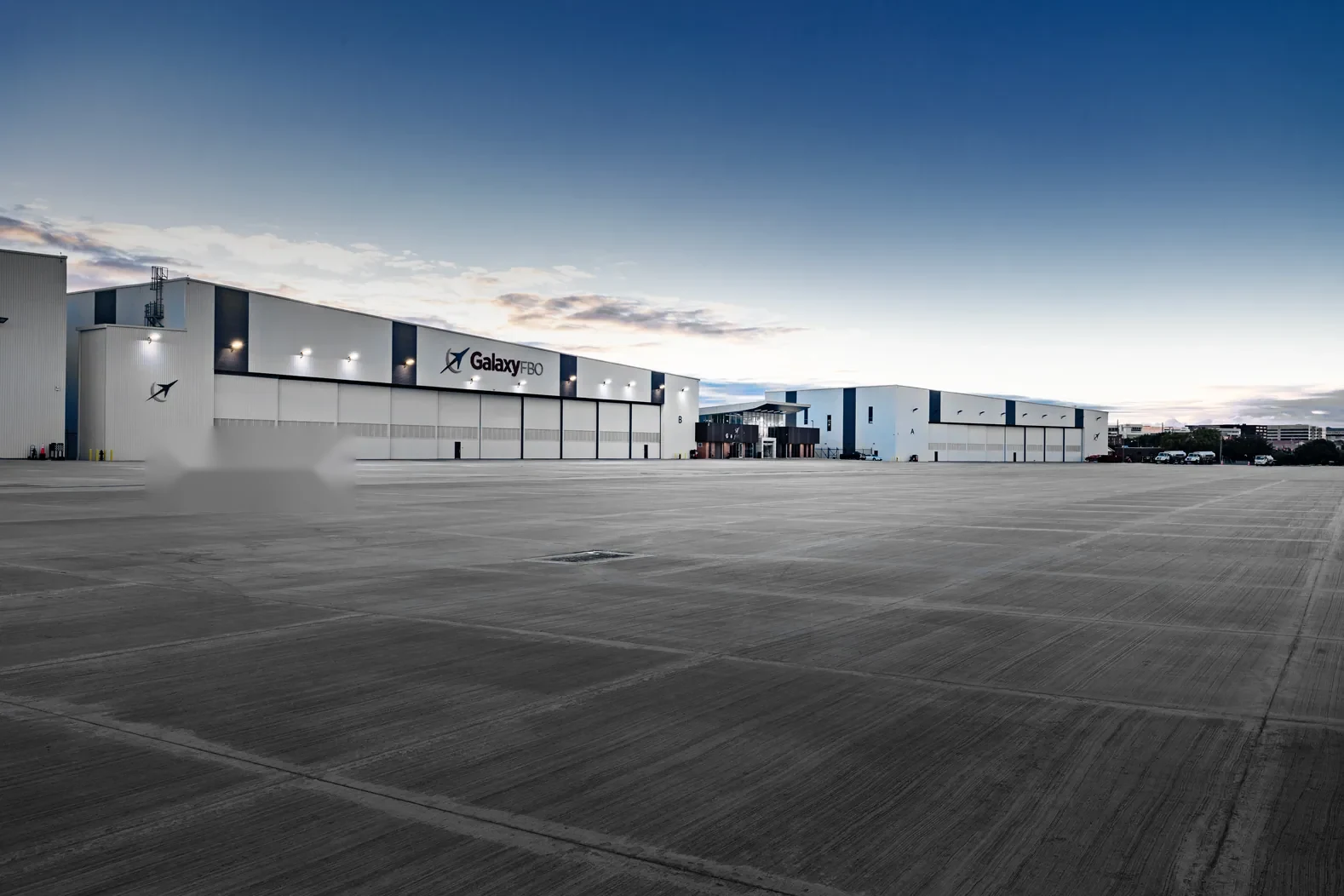
A long seam above a hangar door can move differently from one across the center of a wide roof. Aircraft hangar roofing in Carrollton, TX starts with the structure, the roof system, and how the facility controls aircraft and ground access during work. Addison Airport supports business aviation on a single runway, while the Grand Prairie Army Aviation Support Facility includes a hangar, flight line, ramp, fuel station, wash rack, and maintenance shop. Those are distinct regional aviation settings; the specific hangar’s roof and operating rules still determine the inspection plan.
A hangar may use a broad metal roof, membrane over a low-slope deck, or a combination of roof forms around attached offices and shops. The large door opening places a long edge near moving hardware and the surrounding wall. We inspect panel laps or membrane seams, fasteners, end laps, ridge details, gutters, and the transition above the door. A loose panel or open flashing joint should be traced far enough to understand whether the movement is local or continues across the bay.
Door operation can change where equipment, ladders, and personnel can safely stand. Before a roof walk, we confirm which doors must cycle, where aircraft may be parked, and what clearance is required below the work. A perimeter and edge-metal inspection can record door-line flashing, gutters, and terminations. For a building that combines aviation space with offices or service bays, the flex-industrial roof plan can also account for transitions between tenants and roof zones.
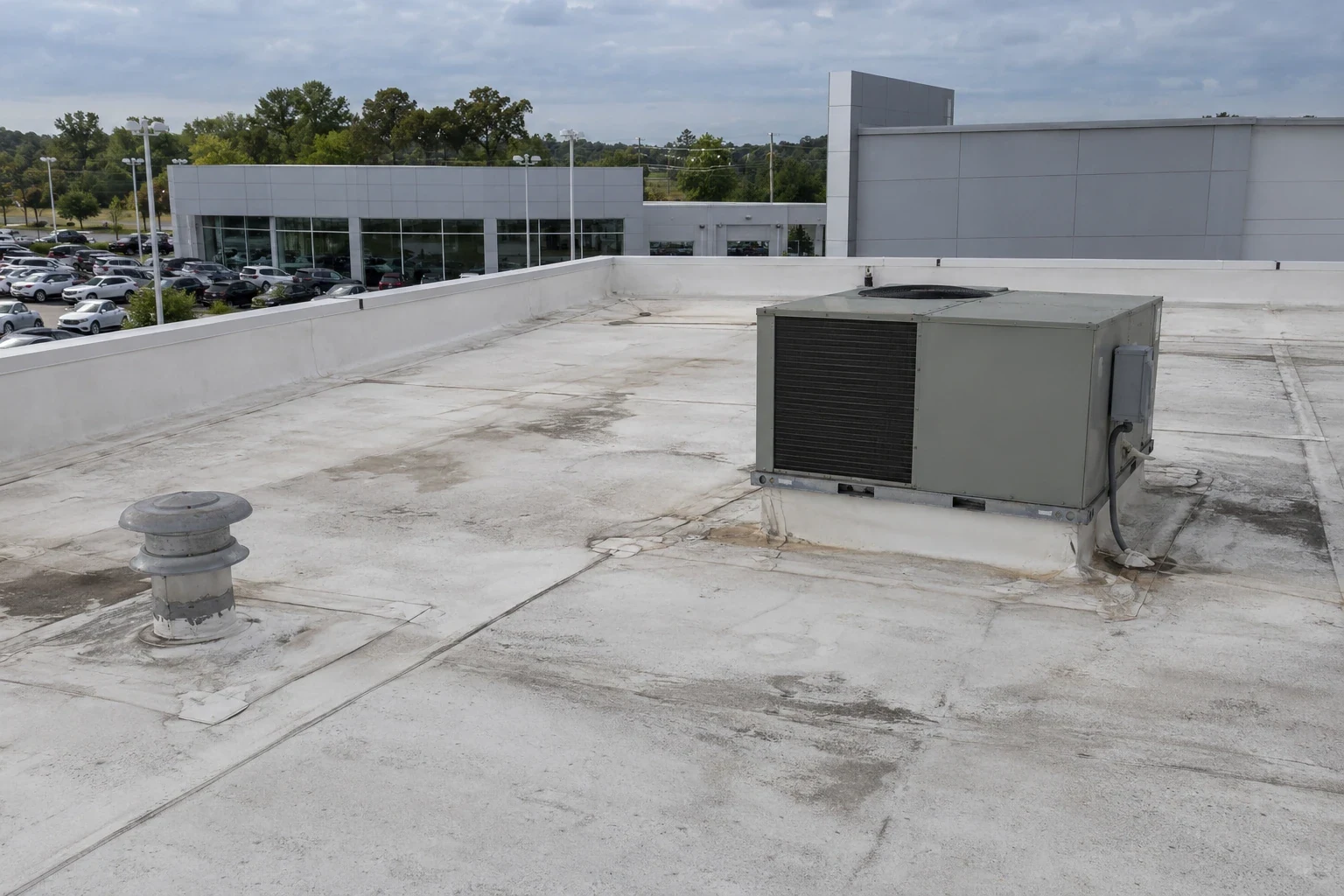
Water from a roof seam can travel along a purlin or deck before appearing near a workbench, parts room, or office. We compare the interior report with the roof geometry, then inspect penetrations, equipment curbs, skylights, and wall transitions along the likely path. If insulation is wet or hidden by a liner, a controlled opening may be needed to confirm the layers. We protect the area below and record the opening before the roof is closed.
Hose testing is considered only when the detail and operating conditions make it useful. We do not flood the roof or place water near aircraft, electrical equipment, or open door systems without approval. An inspection with marked photos can separate the observed leak location from the confirmed entry point. If an active opening needs immediate cover, emergency roof response can secure it at any hour, including holidays, and list the permanent repair as a separate step.
Moisture at the underside of a roof can come from rain intrusion or condensation, and the repair differs. We look at the location, weather, interior humidity, nearby ducts, and how the roof assembly is insulated and ventilated. A drip that appears during cold conditions near a metal member may follow a different path than a leak that grows during rain. We check the exterior roof before assigning a cause and coordinate with the building engineer where ventilation or mechanical systems affect the space.
Any proposed opening should be contained so dust or debris does not reach equipment or aircraft. We confirm what can be moved, what area must remain clear, and whether a temporary barrier is required. A roof insulation and cover-board review can document the assembly layers and support a repair decision. The report identifies which observation supports water entry, condensation, or a condition that needs testing, rather than treating every ceiling drop as a failed seam.
The regional spring storm pattern can bring hail and wind damage to exposed commercial roofs. A hangar’s long edges, roof openings, and wide field deserve a post-storm look. We check panel attachment or membrane condition, edge metal, equipment supports, gutters, and door-line flashing. The inspection record marks each location and distinguishes a new impact or movement from older repairs.
At Addison Airport, business aviation shares the facility with flight schools and aircraft ranging from small Cessnas to corporate jets. The airport is surrounded by an industrial park, so inspection access may need coordination with active business operations. For a hangar near Addison Airport’s business district, we use the operator’s own gate and aircraft movement plan. The Denton Enterprise Airport industrial area is a separate regional example where heavy-industrial zoning lies near aviation use, but no roof condition can be inferred from that fact.
Metal panels need the correct fastener, washer, lap, and sealant detail for the existing system. A membrane roof requires compatible material, clean preparation, and a sound substrate. A patch that bridges a moving joint or covers wet insulation can fail again. We inspect the repair limits, check attachment and moisture, then identify whether a local fix, panel replacement, or larger roof project is appropriate. Any coating recommendation starts with condition and compatibility, not color or appearance.
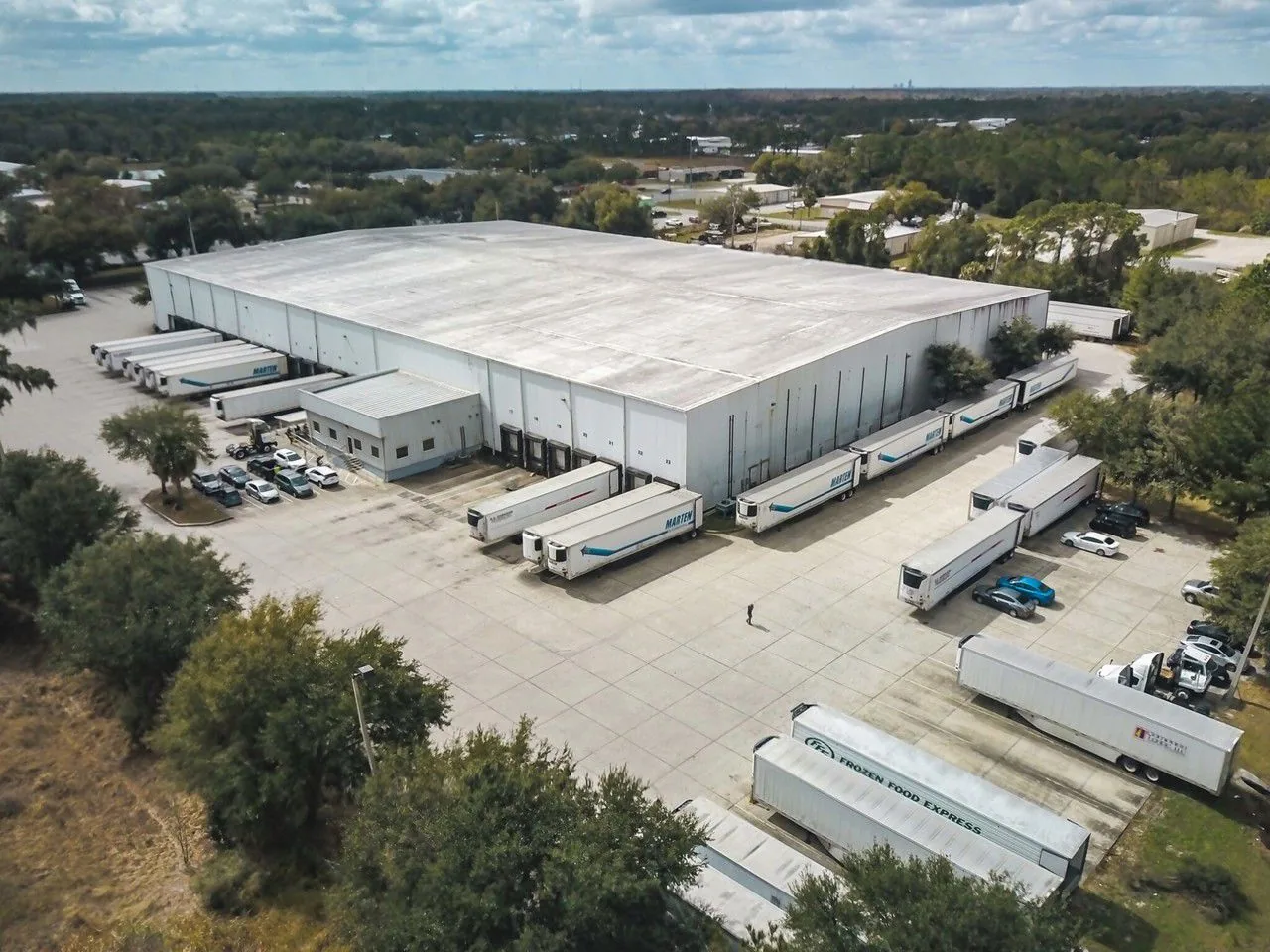
If a replacement is needed, replacement planning should show how the hangar remains protected while the roof is open and how work interfaces with the door track, attached shop, and equipment. A distribution-building roof review may share concerns about tall openings and active vehicle routes, but aircraft clearance and the door cycle add hangar-specific controls. The scope identifies the sequence, daily close-in, materials, and area that must remain clear beneath the work.
The closeout map should identify the hangar bay, roof slope or panel line, door-side detail, material, and date. Photos include enough reference points for the facilities team to locate the repair later. We remove loose debris, check that tools and materials are off the roof, and secure access points before leaving. If a panel or seam remains under observation, the report says why and what should prompt a return inspection.
Aviation operations can change during a day, so the next crew needs the gate contact, aircraft parking restriction, and approved route documented with the roof notes. The roof condition record can track repairs across bays while keeping each structure distinct. If a facility has a separate manufacturing or storage building, an industrial roof plan can help organize those conditions without combining them with the hangar roof’s movement and clearance requirements.
The operator determines whether an aircraft or equipment must move before work. We identify the roof zone, falling-object exposure, access route, and door operation, then set the work boundary with the facility contact.
We compare the interior location with roof seams, penetrations, door transitions, and drainage. If the water path is not visible, a controlled opening or test can confirm the layers under an approved protection plan.
Timing, weather, location, ventilation, and assembly conditions help separate them. We inspect the roof and coordinate with the building engineer before choosing a repair that only treats the visible symptom.
Panel length and movement affect laps, fasteners, and terminations. We inspect the existing profile and attachment before selecting compatible repair material or deciding whether a panel section needs replacement.
Identify gate and escort rules, aircraft movement windows, hangar-door cycles, areas that must remain clear, and where equipment may stage. Those conditions shape the roof walk and daily close-in.
RELATED WORK
CALL US
Leaks, storm damage, a failing membrane or a replacement on the calendar: tell us what is happening on the roof and we will set up a visit.
Property Types We Roof
Share aircraft movement windows, door cycles, access rules, and any reported leak locations. We will inspect the roof system and plan repairs with clear operating and close-in limits.
Call 555-555-5555 or request a roof assessment online.