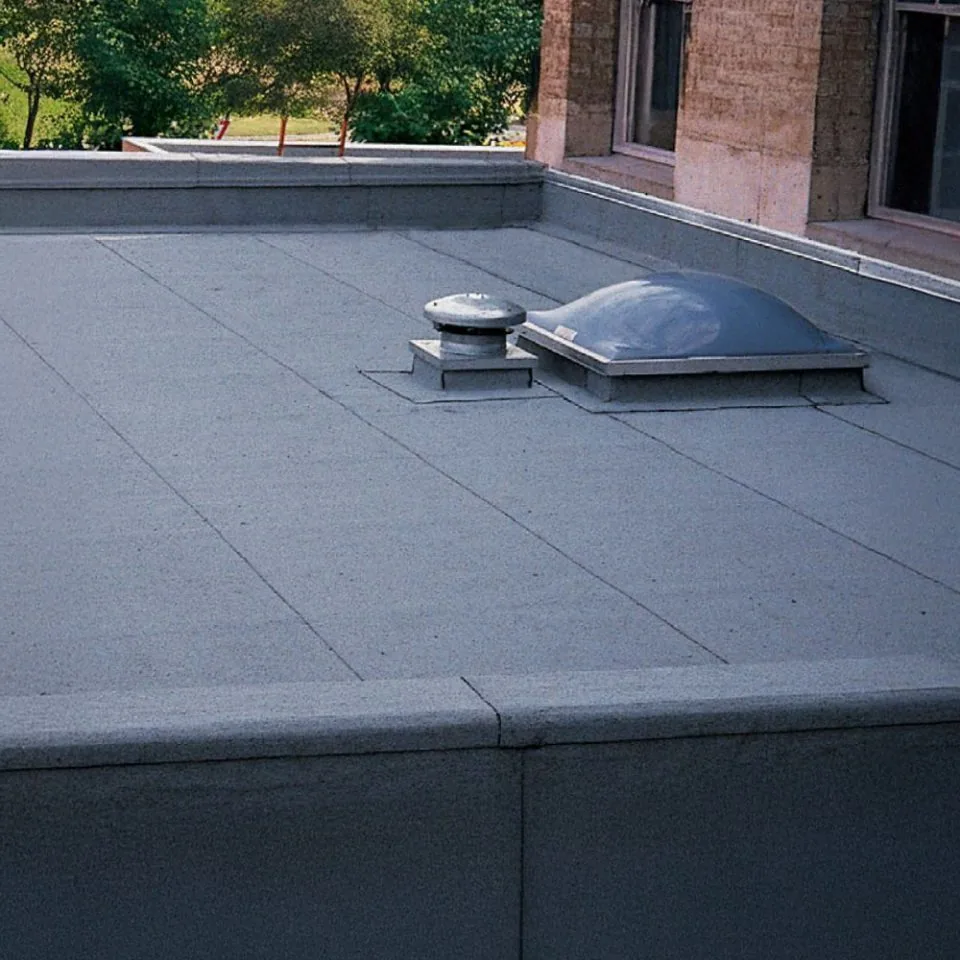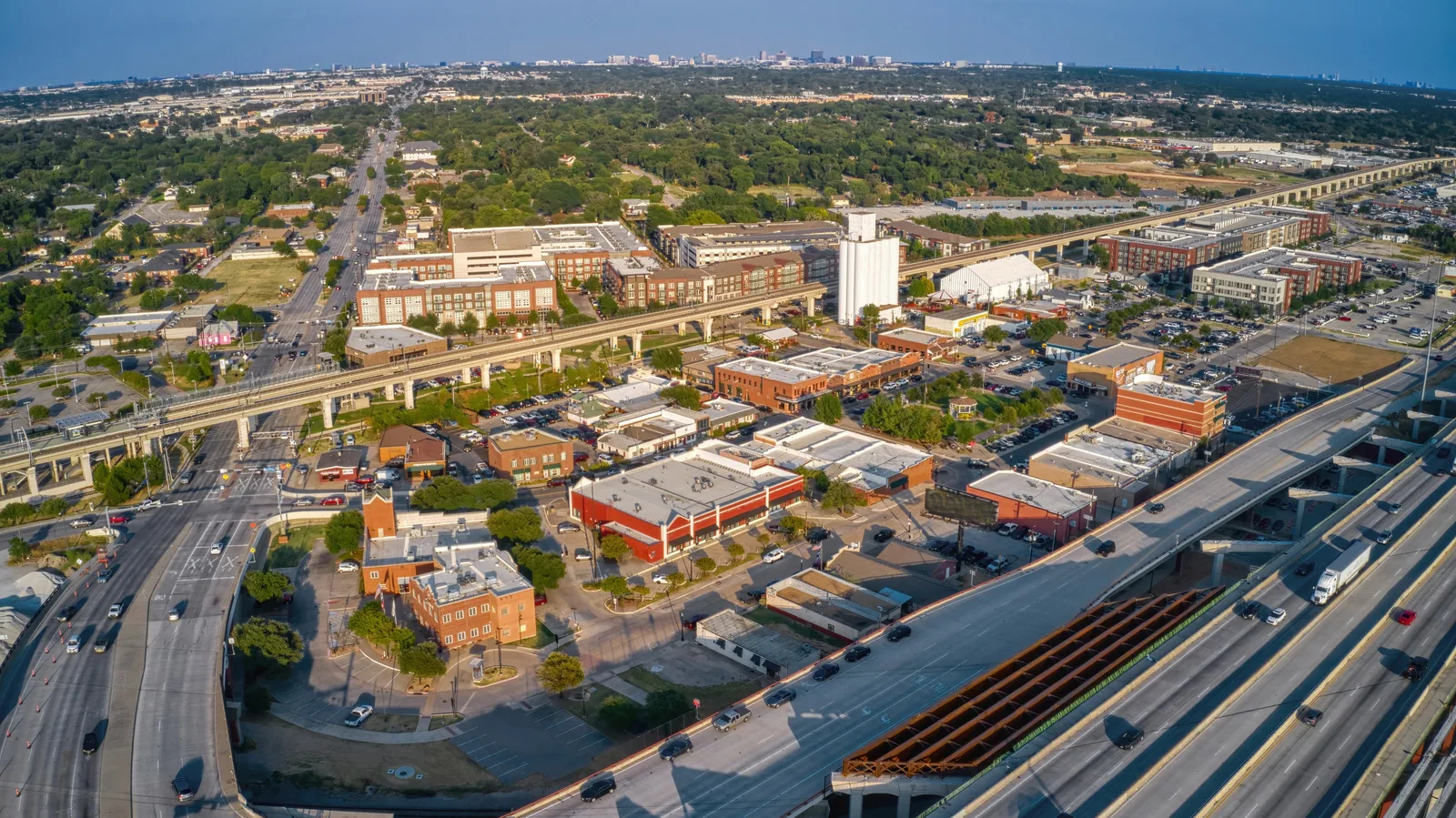
A blister that flexes underfoot is a reason to inspect the roof layers, not to spread another coating over the surface. We check the membrane, laps, flashing, and what lies below before choosing a repair method. Soprema's commercial portfolio includes SBS-modified bitumen, adhesives, and liquid-applied roofing and flashing materials; each product has its own substrate and application requirements. Carrollton's summer heat can make exposed roof work demanding, while winter freeze-thaw can test aged laps and corners. At Frankford Trade Center, distribution and logistics operations add loading and access constraints to the inspection plan. We document the assembly and the repair boundary before recommending a material.
Modified bitumen roofs are built with asphalt sheets and reinforcing materials, often in multiple plies. The surface finish and prior repairs may conceal the original sheet. We inspect the cap, laps, flashing, insulation, and deck. A test cut can confirm layer count and moisture when that information changes the decision. We photograph and close the opening before leaving the roof.
Soprema product families include SBS membranes and accessories, but the right repair depends on the installed assembly and the product instructions. We look for splits, open laps, blisters, exposed reinforcement, loose granules, and soft areas near penetrations. A mark on a top layer can be cosmetic, or it can lead to a wet layer underneath. Our modified bitumen roof assessment follows the layers and detail condition rather than selecting a patch from the surface appearance alone.
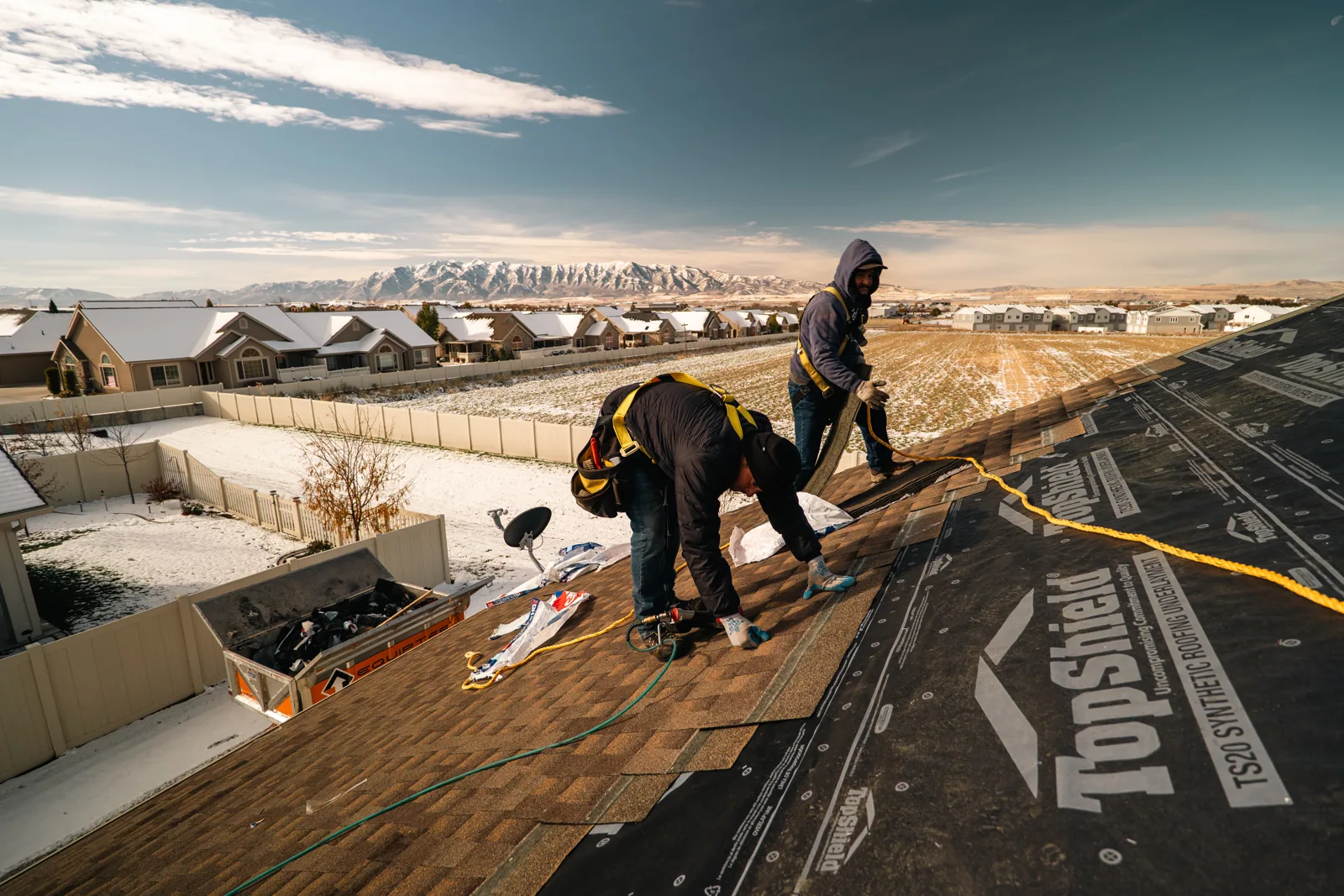
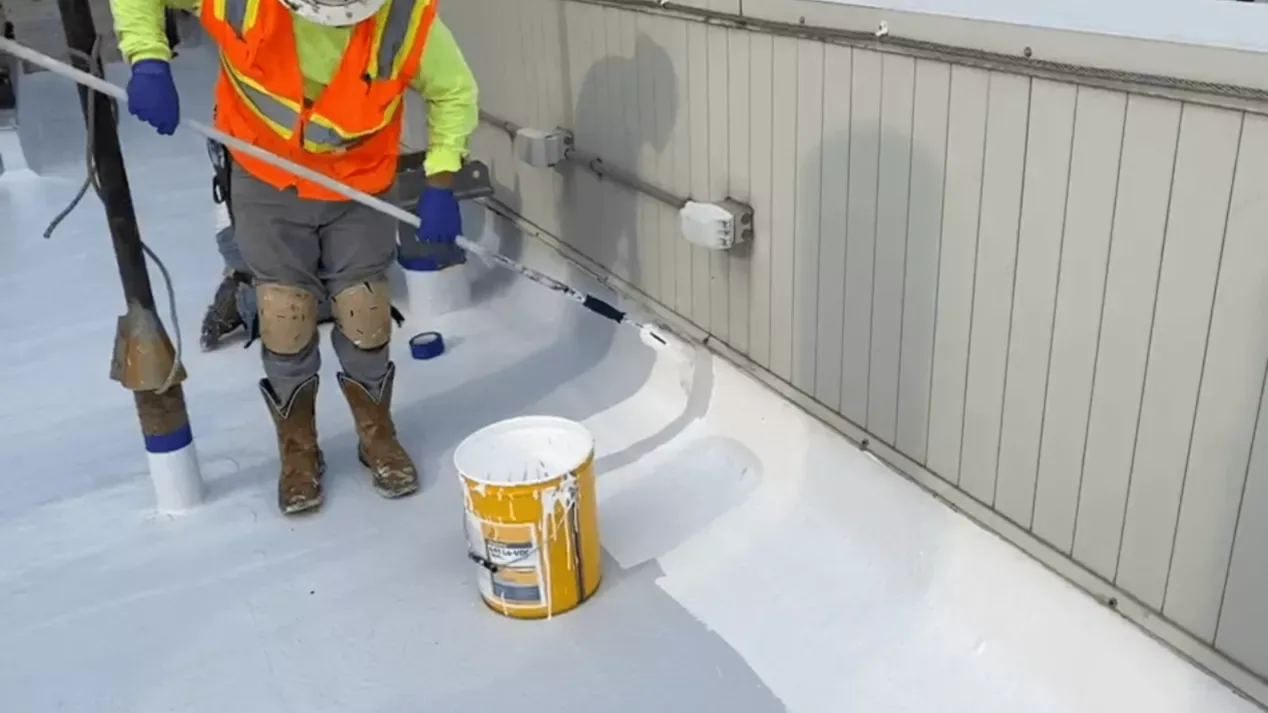
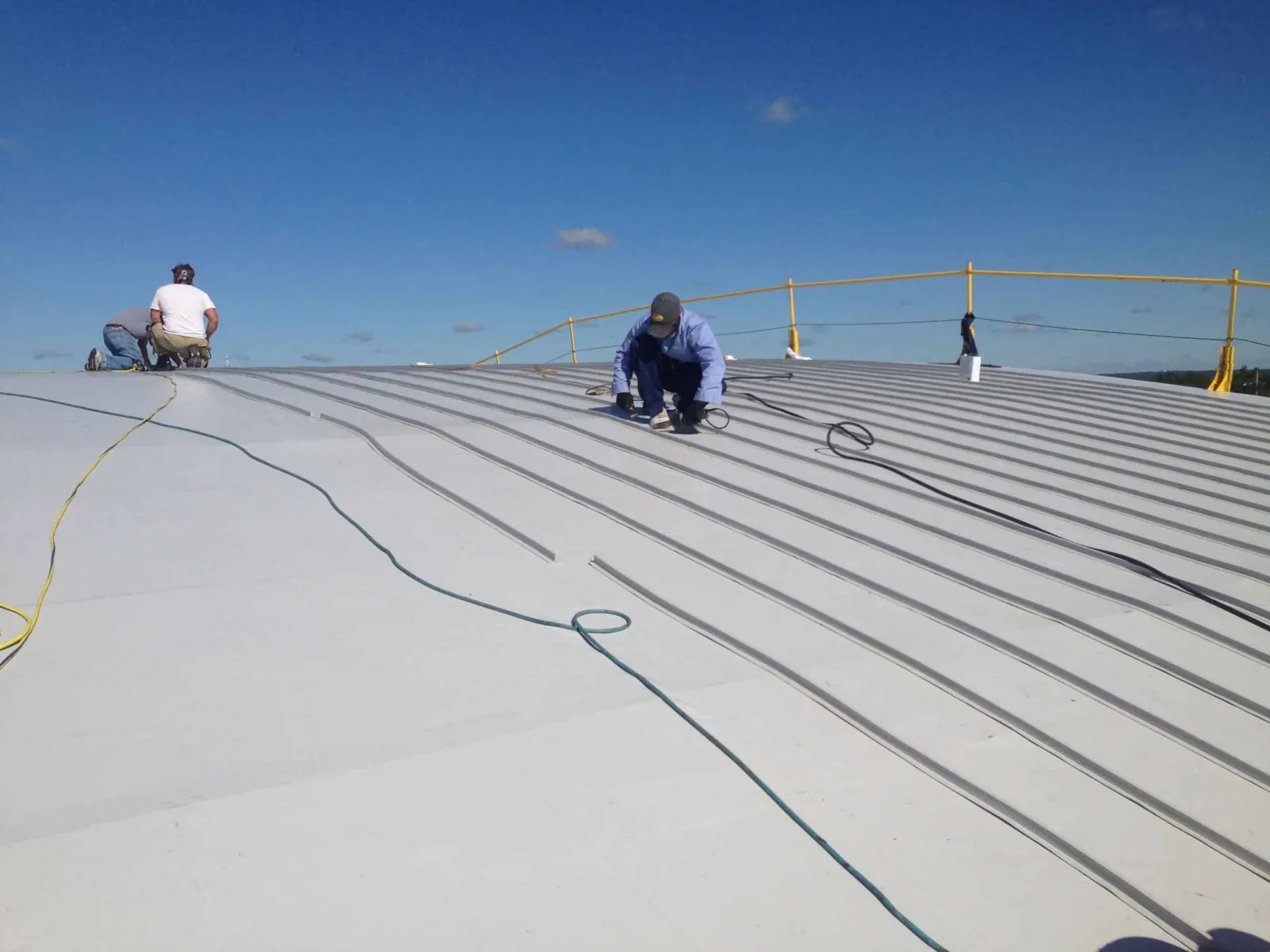
Water can enter at a lap, then travel between plies before showing inside. We check the direction of each lap, the bond at its edge, and whether previous repairs created a raised lip or exposed termination. At walls and curbs, the base flashing has to connect the field roof to the vertical surface without a loose corner or open top edge. We inspect metal counterflashing and sealant as part of that transition, not as separate finish work.
Liquid-applied flashing products can be useful at complex details when the substrate and system call for them. The existing material must be prepared as specified, and the selected product needs to match the membrane and exposure. A liquid layer cannot correct loose sheet, wet insulation, or poor drainage underneath. At drain bowls and scuppers, we check whether water leaves the roof and whether the membrane turn-in remains secure. A penetration flashing inspection can help document the curb, pipe, or skylight detail before a repair is defined.
July and August daytime readings across Dallas-Fort Worth sit in the 90s and can reach 100 degrees or more, with humidity adding to the roof's heat load. Heat affects when crews can handle materials and how a repair surface should be prepared. We check surface conditions and the product's permitted application range before work begins. Shaded or damp areas may not be ready simply because the surrounding roof feels dry. A clean, prepared substrate is part of the repair, not a step to skip for speed.
Spring is the region's most active severe-weather period, and the metroplex sees recurring hail, damaging wind, flooding, or tornado exposure. After a storm, we inspect edges, laps, penetrations, and rooftop equipment for movement or impact that affects water resistance. For a larger event, our wind damage roof review checks the perimeter and adjoining details in a defined sequence. If hail is present, the scope should distinguish surface marks from actual splits or punctures.
A localized split may be repairable when the surrounding plies are secure and the insulation below is dry. We remove loose material, prepare the surface, and tie the repair into sound roofing with components compatible with the assembly. Where the damage reaches several layers, the repair needs to rebuild those layers rather than cap the opening with a surface patch. We note the dimensions, location, material, and close-in details in the field record.
A recover may be considered when the existing roof is a suitable substrate and the assembly meets drainage, attachment, and project requirements. Wet insulation or multiple compromised layers can rule that out. Replacement may be needed where deterioration is widespread or repairs no longer create a sound roof. We compare those choices in a commercial replacement scope and note what remains unknown until a test cut confirms the deck or insulation. The written recommendation should show why each option fits the roof observed.
Frankford Trade Center includes distribution and logistics tenants, so a roof inspection has to account for truck paths, loading activity, and entrances below the work area. We confirm where ladders or lifts can be placed and whether material can be staged without blocking an active route. The property manager identifies restricted areas, tenant schedules, and any equipment that cannot be interrupted. Those details shape the day's work limit and the route back to the roof.
Opening a multi-ply roof requires a clear close-in plan. We stage materials, protect the exposed layers, and set a point by which the area will be secured for the day. If the weather window changes, the crew should be able to close the roof without leaving a loose edge or an unprotected test cut. Our occupied-building reroof sequence can be coordinated with the owner's access plan.
Soprema materials have product-specific requirements for substrate, primer, adhesive, temperature, and application. We confirm the exact product and current installation details before putting a liquid material or membrane into the scope. The current specification governs the material and application. We record product names and repair locations at closeout.
Keep project records and warranty paperwork with the roof plan. The issuer's terms determine coverage and eligibility. When comparing roof assemblies, the Johns Manville roofing system and Sika Sarnafil membrane offer different material choices from Soprema's modified bitumen and liquid-applied products. The decision should account for the existing roof, the building's use, and the specified details.
Gather roof plans, prior repair invoices, leak locations, and any product submittals before the walk. We compare documents with the roof and mark areas needing closer inspection. If a blister, soft spot, or recurring stain is present, identify when it appears and what lies beneath the affected zone. That focuses the roof walk before opening sound areas.
Frankford Trade Center and Trinity Mills Industrial have different operating patterns. The Trinity Mills station area adds another access consideration. Tell us about loading, tenant access, and work hours. We will inspect the Soprema assembly, record each transition, and explain where a repair, recover, or replacement fits the evidence. At Frankford Trade Center, coordinate loading access and building conditions before the roof walk.
It can be appropriate at some details when the substrate, existing system, and product instructions support that use. We identify the roof layers and prepare the surface before selecting a liquid-applied material. It does not replace rebuilding loose or wet plies.
We review surface conditions and may use infrared scanning to identify areas for closer review. A targeted test cut can confirm hidden layers and moisture where the inspection supports opening the roof. We document and close each cut, then use the result to set the repair boundary.
A recover requires the existing roof to be a suitable substrate. We check moisture, attachment, drainage, layer count, and project requirements first. If the underlying assembly is wet or unstable, another layer can hide a problem rather than solve it.
Blisters can form when air or moisture is trapped between layers or when a bond has weakened. We inspect nearby laps and layers before deciding whether to cut, patch, or replace. The right treatment depends on what the layers show.
Heat affects surface temperature and the application conditions for adhesives, membranes, and liquid products. We check the product instructions and roof conditions before work, then schedule the repair for a suitable window. The preparation and close-in plan remain part of the scope.
RELATED WORK
CALL US
Leaks, storm damage, a failing membrane or a replacement on the calendar: tell us what is happening on the roof and we will set up a visit.
Roofing Manufacturers
Arrange access and share roof plans, prior repairs, and leak locations. We will examine the layers and transitions, then document a repair scope tied to the conditions found.
Call 555-555-5555 or request a roof assessment online.